Stemona root · Bai Bu
Stemona sessilifolia, S. japonica, or S. tuberosa · Tuberous roots
Name and part used
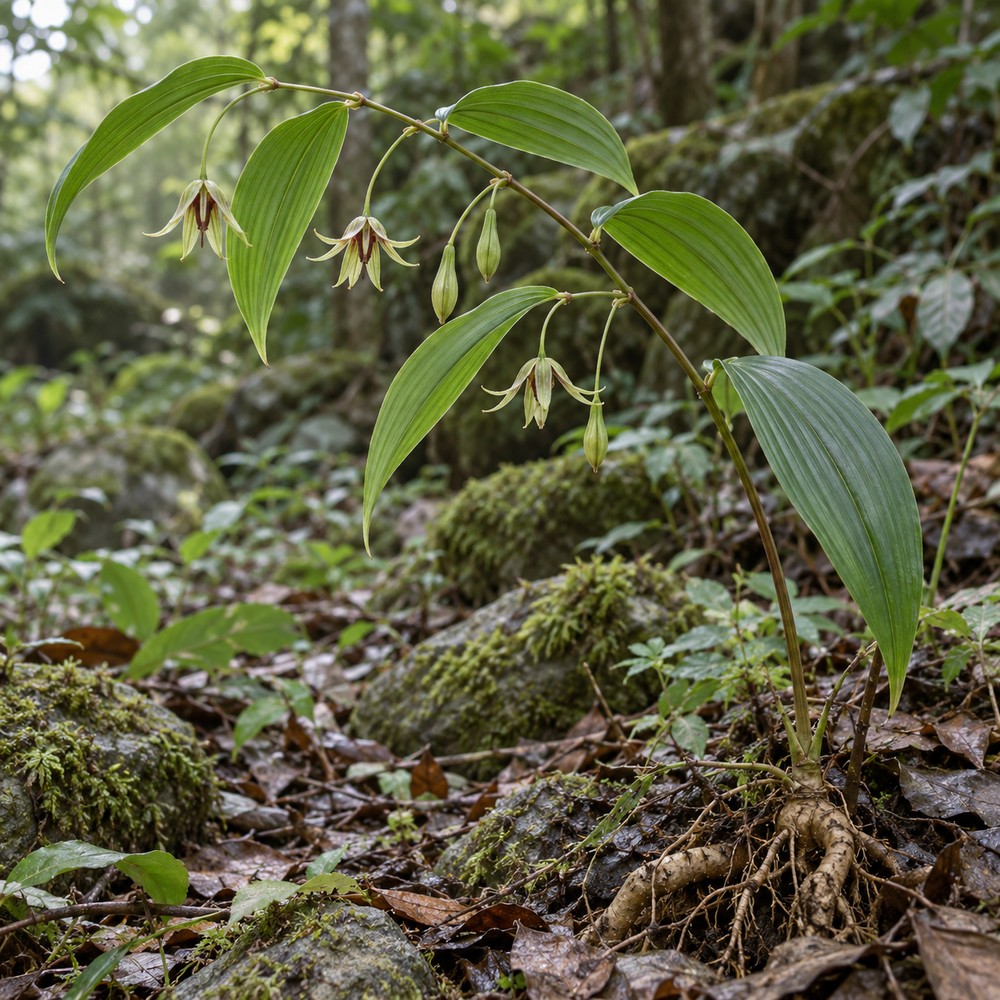
Stemona species are herbs or climbers with prominent parallel-veined leaves; tuberous roots are elongated and pale yellow, with species-specific size differences.
Traditional context
Lung-moistening, cough relief, and antiparasitic use are traditional records; chronic cough, blood, or suspected TB requires care.
Modern evidence
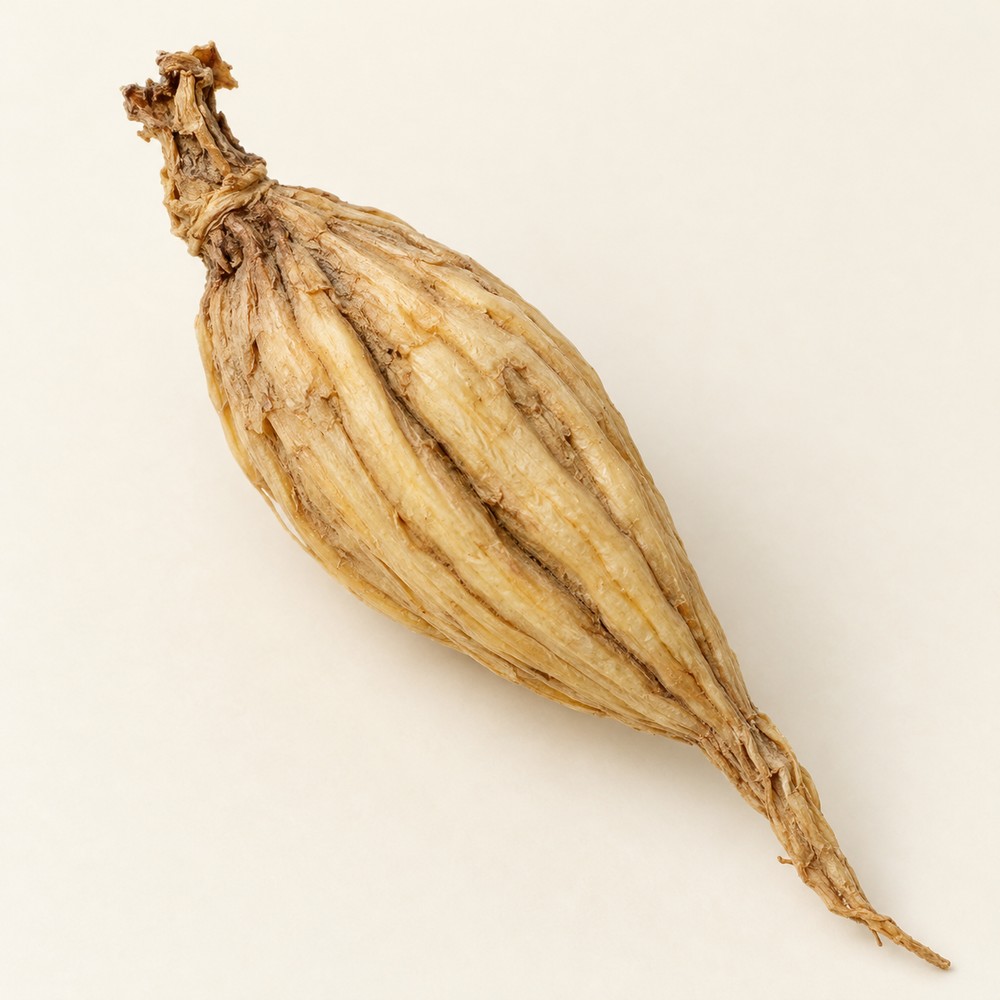
HKBU lists three Stemona sources; dried roots are fusiform with grooves and pale cut surfaces. Honey-processed Bai Bu is a distinct preparation.
Safety
Toxicity is possible with misidentification or improper use; do not wild-harvest or eat raw. Review respiratory depressants, pregnancy, and children.
Pairing in reference texts
Bai Bu appears with Zi Wan or Bai He in some historical cough formulas; this is reference material, not a cough prescription.
Growing, care, and harvest timing
HKBU habitat record: Growing in forests, by streams, on roadsides, in valleys and on dank rock at altitude 370-2,240m. Distributed in the south of the Yangtze River. Also distributed in Indochina Peninsula, Philippines and North India. The medicinal materials are mainly produced in Hunan, Hubei, Guangdong, Fujian, Sichuan and Guizhou Harvest and processing as recorded: Excavated in spring and autumn, removed fibrous root, well washed, heated in boiling water or steamed until no white in the center, taken out, and sun-dried
Source-recorded harvest/processing: Excavated in spring and autumn, removed fibrous root, well washed, heated in boiling water or steamed until no white in the center, taken out, and sun-dried
The reviewed source does not provide a complete species-specific sowing/growing routine, irrigation/fertilization schedule, or universal plant age. The page therefore does not infer care instructions or years to harvest; consult local cultivation guidance.
Open habitat and season source ↗FROM PLANT / SOURCE HABITAT TO DRIED MATERIAL · REFERENCE WORKFLOW
- Thu rễ củ theo mùa; rũ đất, rửa và loại củ hư.
- Harvest tuberous roots seasonally; remove soil, wash, and discard damaged tubers.
These are post-harvest study notes, not directions to prepare a remedy for self-treatment. Processing reference ↗
How to read formula amounts
Displayed amounts belong to the cited formula and source; they are not a general safe ratio, treatment dose, or home-decoction instruction. Do not transfer amounts to another formula or adjust them by body weight.
Habitat, season, and harvest in the HKBU botanical record
HKBU botanical record (translated summary): Flowering and fruiting dates: Flowering: April to July; fruiting: July to August Habitat and distribution: Growing in forests, by streams, on roadsides, in valleys and on dank rock at altitude 370-2,240m. Distributed in the south of the Yangtze River. Also distributed in Indochina Peninsula, Philippines and North India. The medicinal materials are mainly produced in Hunan, Hubei, Guangdong, Fujian, Sichuan and Guizhou Harvest and processing as recorded: Excavated in spring and autumn, removed fibrous root, well washed, heated in boiling water or steamed until no white in the center, taken out, and sun-dried
Open botanical source ↗HKBU formula record containing this herb: Zhi Sou San / Cough-Stopping Powder
Traditional action in the source: Diffuses and benefits the lung qi, disperses wind and relieves cough
Ingredient images and source amounts are shown for comparison only; this is not a treatment recipe.
HKBU source-recorded composition
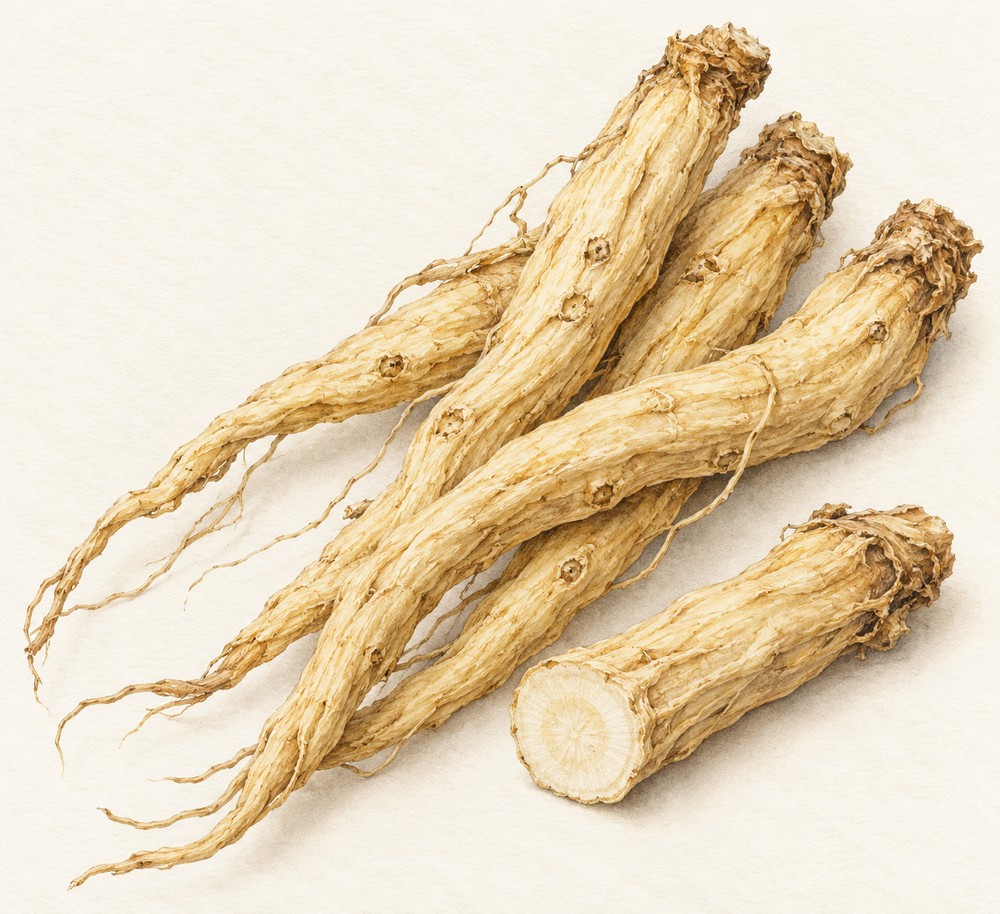
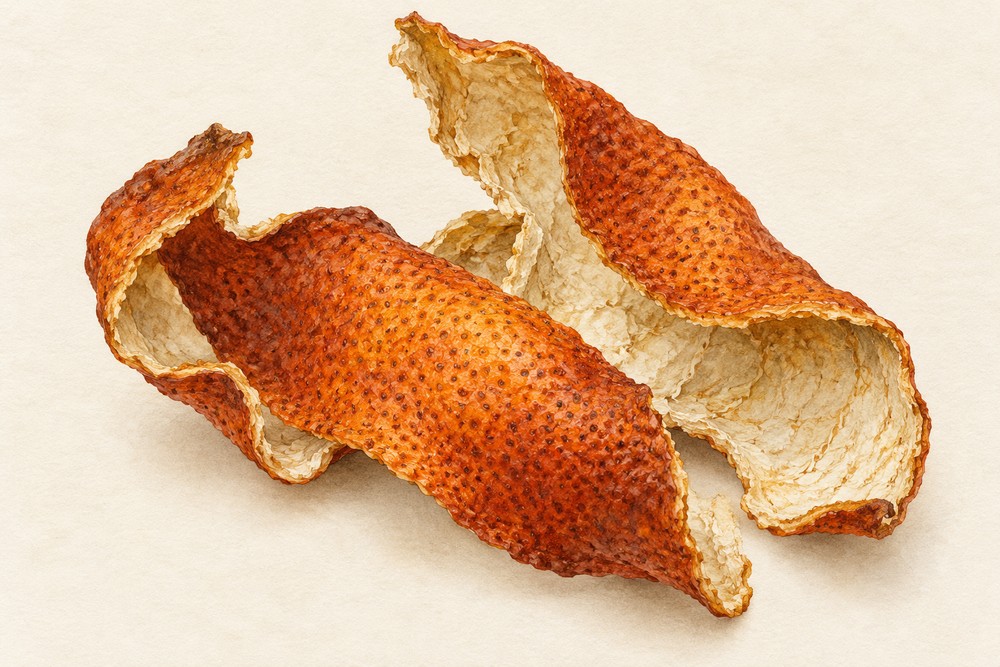
Platycodonis Radix (Jie Geng) 2 jin (1kg), Schizonepetae Herba (Jing Jie) 2 jin (1kg), Asteris Radix et Rhizoma (Zi Wan) 2 jin (1kg), Stemonae Radix (Bai Bu) 2 jin (1kg), Cynanchi Stauntonii Rhizoma et Radix (Bai Qian) 2 jin (1kg), Glycyrrhizae Radix et Rhizoma (Gan Cao chao; dry-fried) 12 liang (375g), Citri Reticulatae Pericarpium (Chen Pi) 1 jin (500g)
The ingredients and amounts below are one HKBU-recorded version; texts, historical units, processing, and modern products can differ. This is comparative reference data, not a home-preparation recipe or personal dose.
Open complete HKBU formula record ↗