Che Qian Zi · Asiatic plantain seed · Che Qian Zi
Plantago asiatica L. · Dried ripe seed
Name and part used
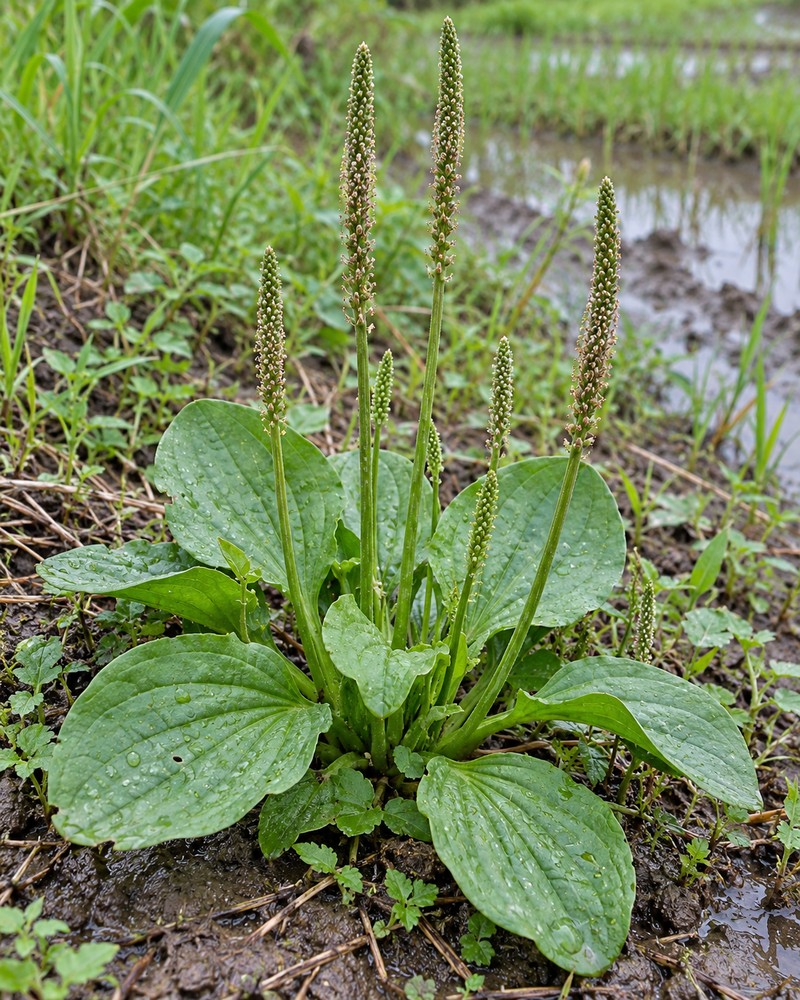
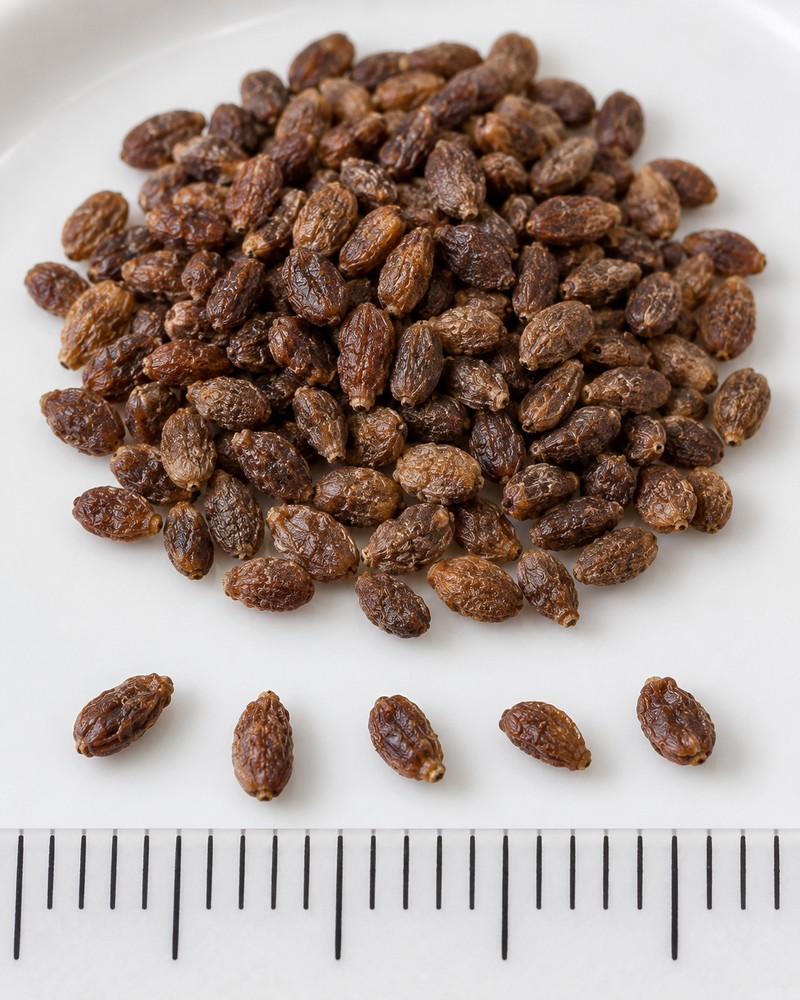
Plantago asiatica forms a basal rosette with 5–7 prominent arching veins and long upright flower spikes. Che Qian Zi is the small brown seed; HKBU material records also accept P. depressa seed, while this plant image illustrates P. asiatica only.
Traditional context
HKBU records traditional actions including clearing heat, promoting urination, percolating dampness, supporting the eyes, and transforming phlegm. These are traditional concepts, not proof of treating urinary infection, stones, edema, or cough.
Modern evidence
Research reviews on Plantago asiatica cover constituents and preclinical work; extracts are not equivalent to the seed material and do not establish treatment of a specific human disease.
Safety
The seed swells and releases mucilage in water; do not swallow it dry or use it instead of medical assessment for urinary retention, fever, blood in urine, or severe pain. People taking oral medicines, with swallowing difficulty, bowel obstruction, chronic conditions, pregnancy, or breastfeeding should consult a professional. Interaction data vary by species and preparation.
Safety reference ↗Pairing in reference texts
HKBU records Che Qian Zi in classical formulas including Yi Huang Tang. The ratio and ingredient images below reproduce one historical record, not a home-decoction recipe or personal dose. No specific toxic pair was established in the sources checked.
Identification and study notes
Plantago asiatica is recognized by a basal rosette and 5–7 arching veins running from the petiole toward the leaf tip. Slender leafless spikes rise above the rosette; tiny green flowers form capsules containing brown seeds. Che Qian Zi seed is very small, slightly flattened, oval or irregularly oblong, pale to medium brown; magnification reveals fine longitudinal lines and a pale hilum. In water the seed coat releases mucilage. HKBU’s material record may accept Plantago asiatica or P. depressa, while this page illustrates P. asiatica only. Root, leaf, whole plant, and seed are distinct materia medica materials; a leaf photo cannot authenticate seeds in a packet. The plant record places harvest in the second autumn after sowing, while seed processing requires separating ripe seed and cleaning it. A record such as Yi Huang Tang documents composition and processing in one source; it does not determine suitability for an individual. The seed swells in water, so do not swallow it dry; urinary retention, pain with fever, or blood in urine needs medical care instead of a self-trial.
Growth and habitat
HKBU records Plantago asiatica in mountains and plains, roadsides, riverbanks, wet fields, and gardens across China. It favors moist but drained ground and can grow in open, bright sites.
Identification and study notes
Plantago asiatica is recognized by a basal rosette and 5–7 arching veins running from the petiole toward the leaf tip. Slender leafless spikes rise above the rosette; tiny green flowers form capsules containing brown seeds. Che Qian Zi seed is very small, slightly flattened, oval or irregularly oblong, pale to medium brown; magnification reveals fine longitudinal lines and a pale hilum. In water the seed coat releases mucilage. HKBU’s material record may accept Plantago asiatica or P. depressa, while this page illustrates P. asiatica only. Root, leaf, whole plant, and seed are distinct materia medica materials; a leaf photo cannot authenticate seeds in a packet. The plant record places harvest in the second autumn after sowing, while seed processing requires separating ripe seed and cleaning it. A record such as Yi Huang Tang documents composition and processing in one source; it does not determine suitability for an individual. The seed swells in water, so do not swallow it dry; urinary retention, pain with fever, or blood in urine needs medical care instead of a self-trial.
Growing and care
- Gieo trên đất tơi giữ ẩm, nơi có nắng hoặc bán nắng; hạt rất nhỏ nên phủ đất mỏng, tưới nhẹ để không rửa trôi.
- Sow in loose moisture-retentive soil in sun or partial sun; seeds are tiny, so cover lightly and water gently to avoid washing them away.
How long until harvest? HKBU records seed harvest in the second autumn after sowing; plants flower around June–September and fruit/seed matures around October. This is a source description for its production context, not a guarantee across climates.
Documented formula pairing: Yi Huang Tang · HKBU formula record
HKBU classifies this as an astringent formula and records traditional actions. This does not establish treatment for discharge or modern gynecological conditions.
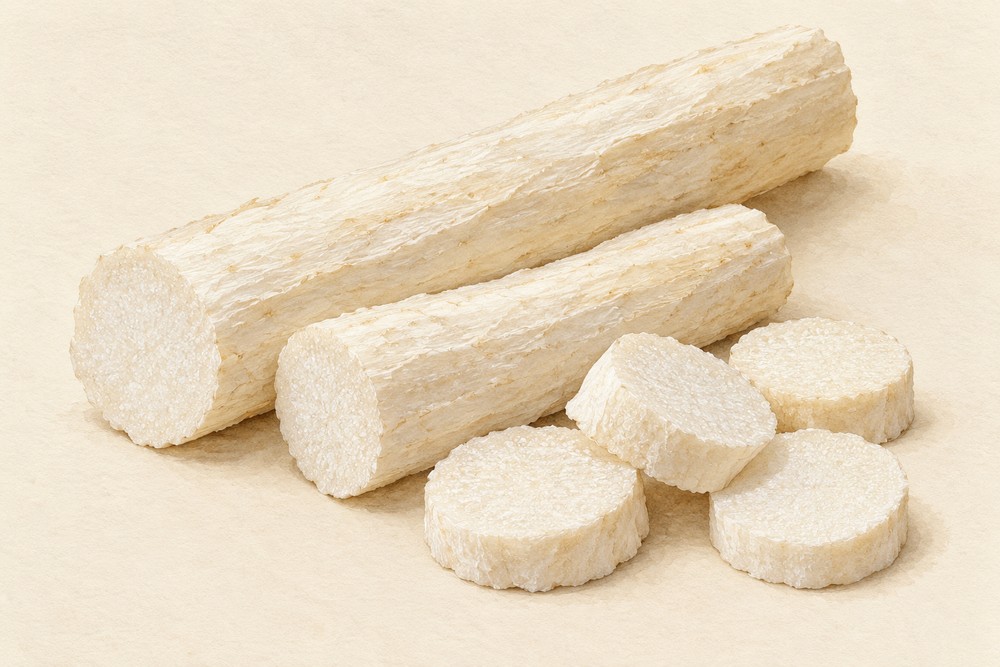
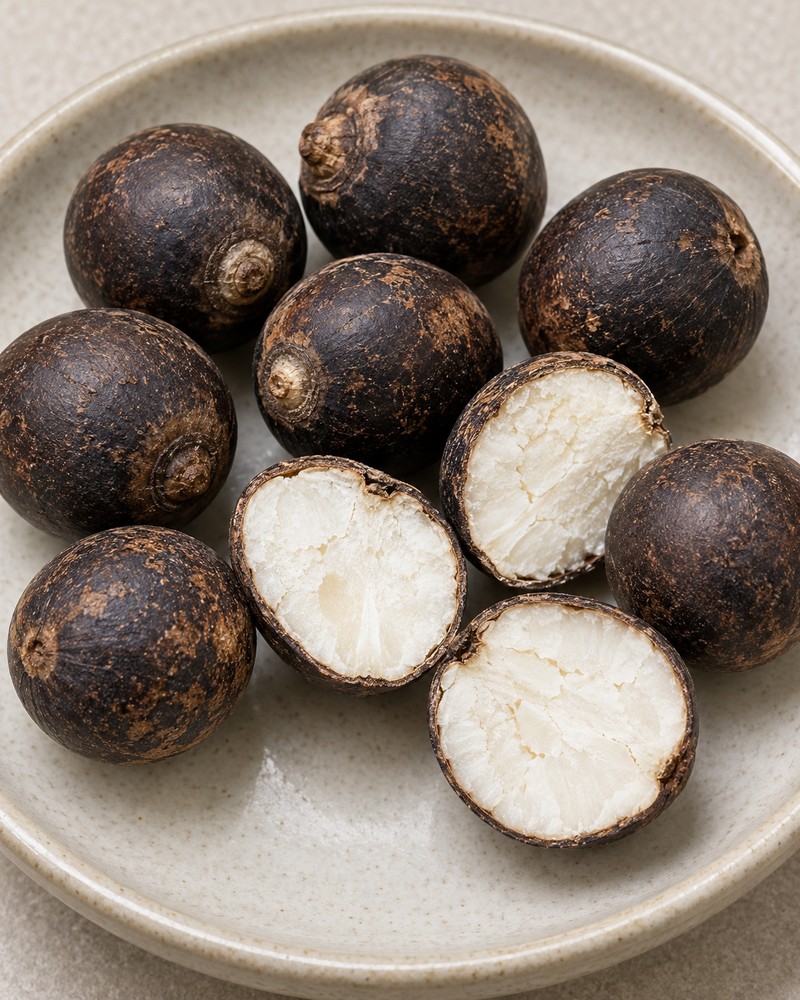
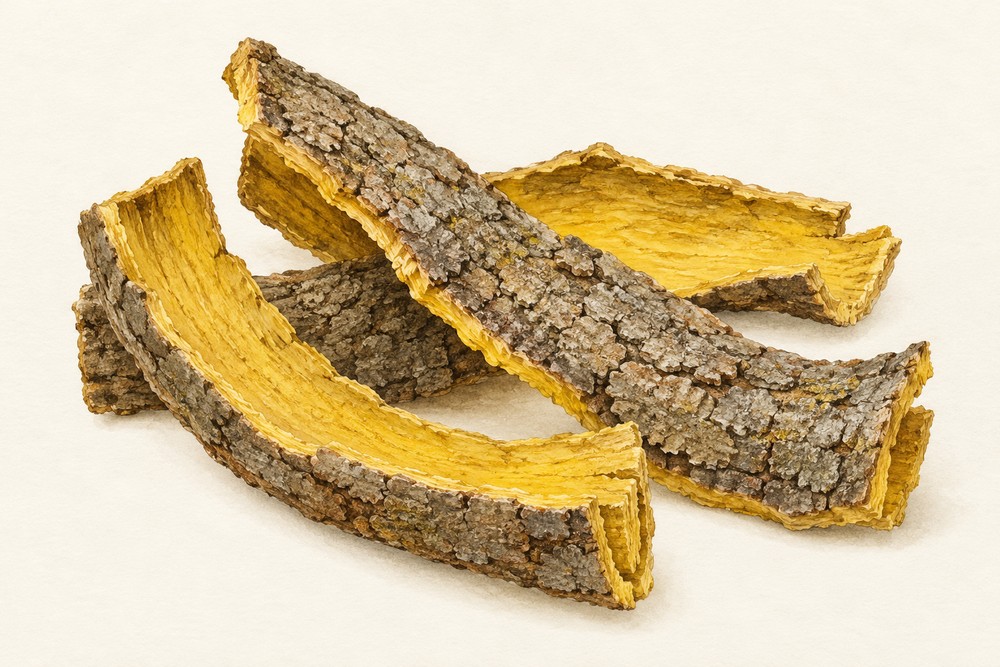
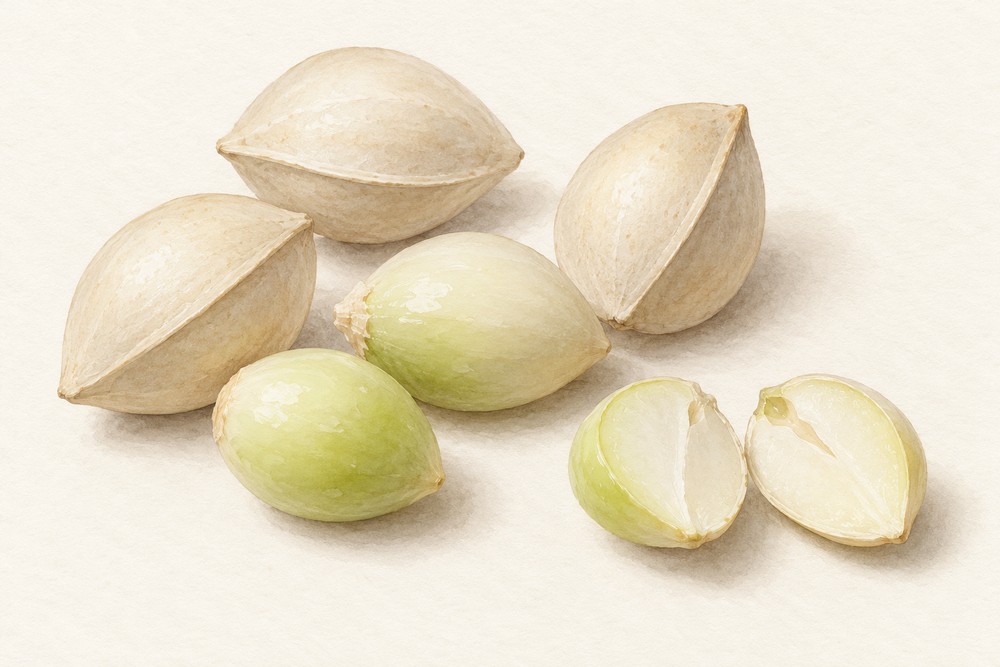
Source-recorded amounts: HKBU source-recorded amounts: 30:30:6:3:10 seeds (about 12 g) in the displayed order; this is not a therapeutic ratio or personal dose.
Caution: For studying how one source records ingredients and processing only. Other records may differ; do not combine, roast, decoct, or use for gynecological symptoms on your own.
Open formula record ↗Documented toxic incompatibility
Reviewed sources do not establish a specific toxic incompatibility for Che Qian Zi. Interactions with medicines or mucilage-containing materials require product-specific review; a classical formula is not proof of a safe combination.
AI study illustrations; not for specimen identification.
FROM PLANT / SOURCE HABITAT TO DRIED MATERIAL · REFERENCE WORKFLOW
- HKBU’s plant record describes harvesting the plant in the second autumn; its materia medica record identifies dried ripe seed of Plantago asiatica or P. depressa.
- Collect mature seed spikes, dry, and separate seed; remove soil, stalks, empty seeds, and debris while keeping species and lots distinct.
- Wine- or salt-processing is a qualified production procedure; do not reproduce it or the Yi Huang Tang formula at home.
- Seal dry seed away from moisture and check for mold or insects; consult an official standard before research use.
These are post-harvest study notes, not directions to prepare a remedy for self-treatment. Processing reference ↗