Chuan Wu (Aconite parent root) · Chuan Wu
Aconitum carmichaelii Debeaux · Pharmacopoeia-processed parent root
Name and part used
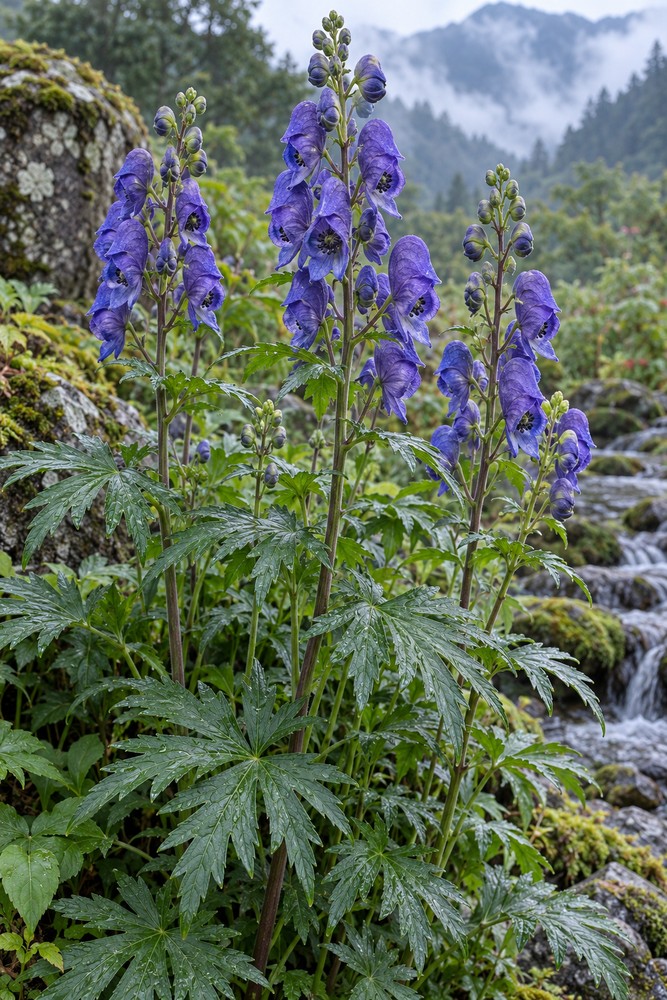
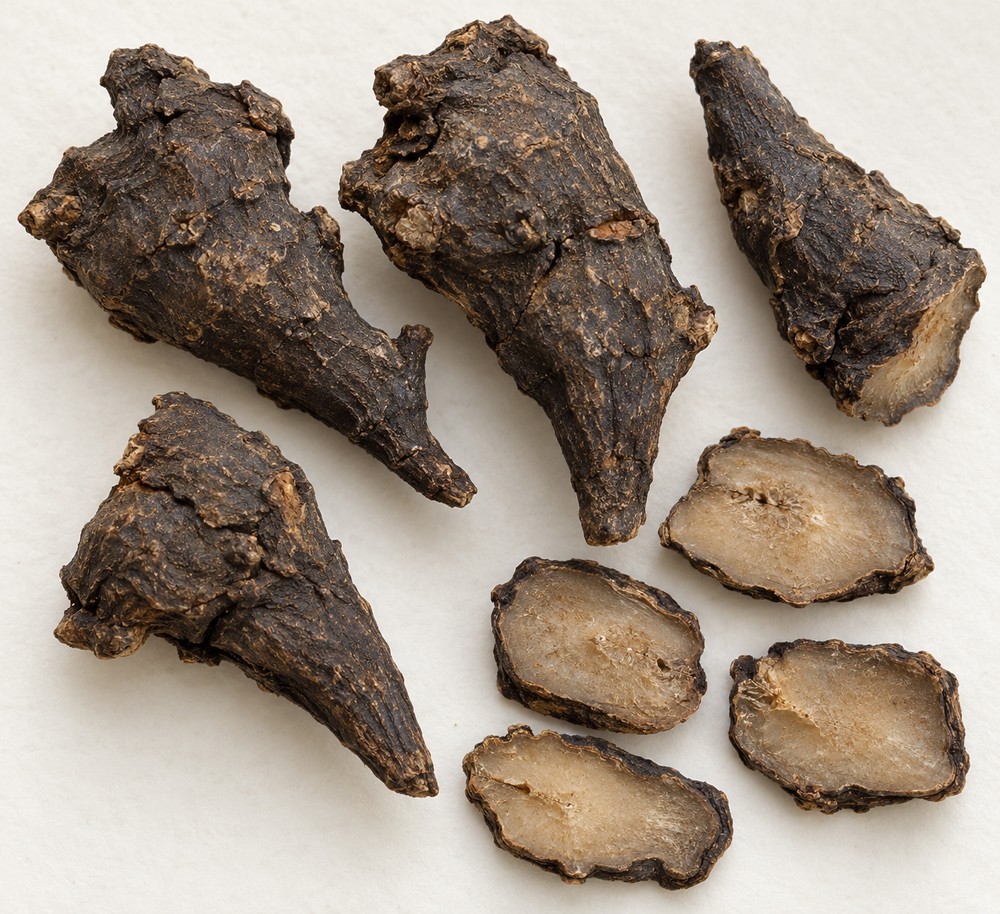
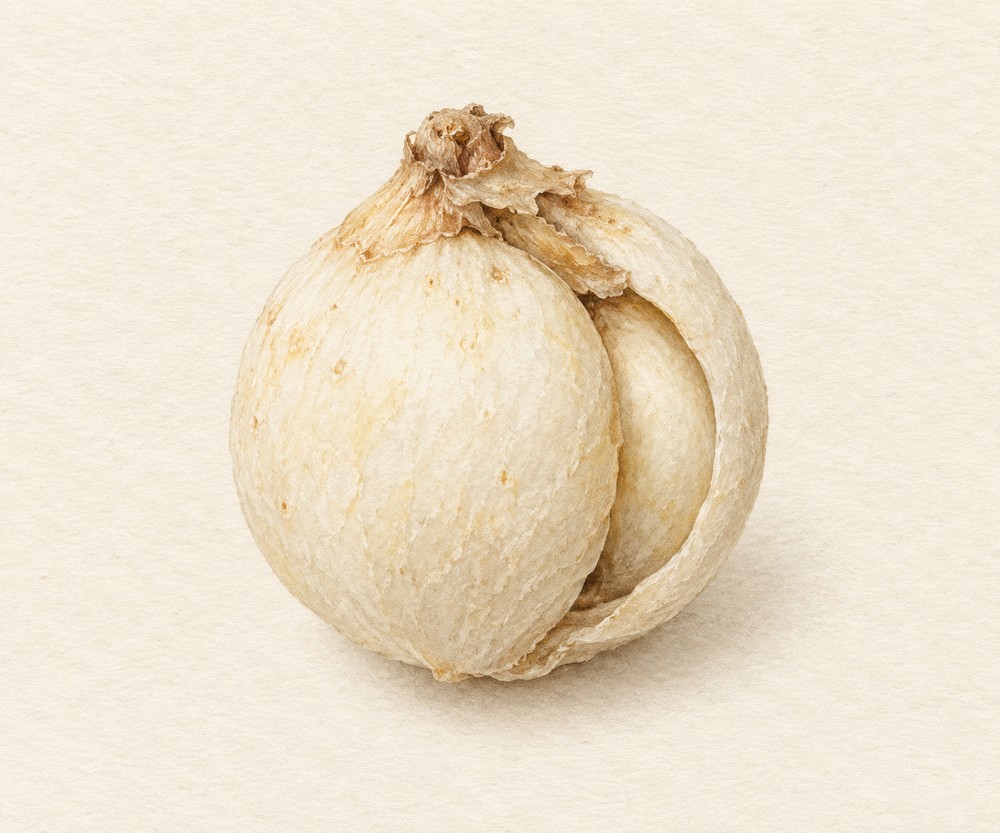
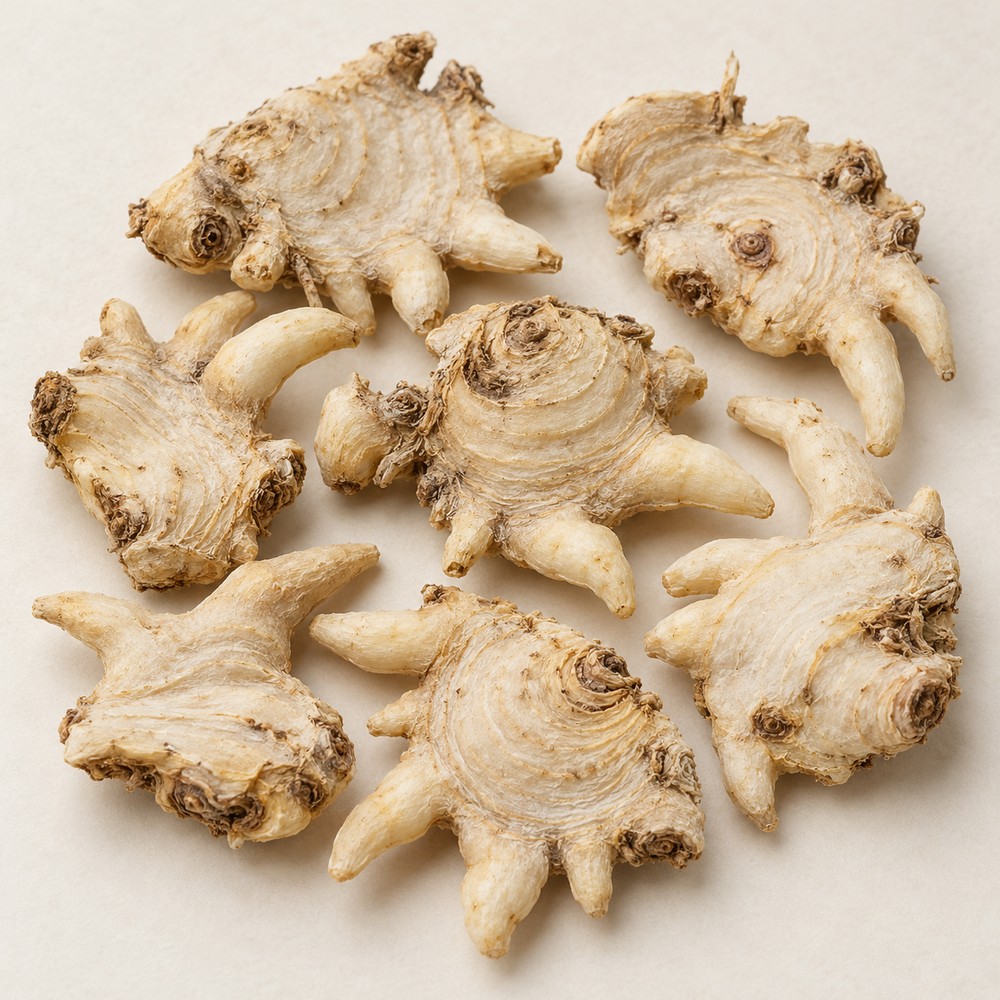
Chuan Wu is the parent root of Aconitum carmichaelii; distinguish it from Fu Zi, the lateral daughter root, and Cao Wu from other Aconitum species. The perennial herb has deeply palmately divided leaves, blue-violet hooded flowers, and dark tuberous roots. The dried image is illustrative only; never use it to identify a specimen because raw roots are highly toxic.
Traditional context
In traditional theory, processed Chuan Wu is described as acrid, bitter, and hot, used in formulas for differentiated wind-cold-damp patterns and pain. Classical language does not establish safety or efficacy of unprocessed roots.
Modern evidence
Aconitum contains diterpenoid alkaloids that can cause arrhythmias, hypotension, perioral numbness, muscle weakness, cardiac arrest, and death. Processing may reduce but not eliminate risk; poisonings occur from wrong dose, species, or inadequate processing. Only controlled professional producers should process it.
Safety
Do not grow or harvest it for self-use; avoid raw-root contact, wear gloves for garden handling, and keep away from children/pets. Reject products without species, processing status, and quality controls. Numbness, vomiting, dizziness, palpitations, or weakness after exposure is an emergency.
Pairing in reference texts
Chuan Wu and Ban Xia are listed as an incompatibility in classical doctrine, and modern studies investigate toxicity interactions. No safe pairing ratio is provided. This is a do-not-combine warning, not a formula.
Growth and habitat
Aconitum carmichaelii grows in cool humid mountain settings, grassy slopes, and shrub margins. It prefers humus-rich drained soil and moist, cool conditions without waterlogging. Because the plant is highly toxic, habitat information is botanical study only, not a recommendation to cultivate it for medicine.
Growing, care, and harvest timing
The profile above includes sourced steps and a documented harvest window. Harvest timing is agronomic information, not a self-use instruction.
Growing and care
- Home medicinal cultivation is not recommended. In a controlled botanical garden, use authenticated stock, toxicity signage, restricted access, and trained staff.
- Use drained soil in a cool climate with light shade; keep children/pets away and separate irrigation/fertilizer from food crops.
- Use dedicated protective gloves/tools; avoid handling roots or plants with open wounds. Label the plant as toxic at every stage.
- Do not harvest tubers for home processing. Medicinal processing must follow an official monograph at a licensed facility with testing.
- If plants spread beyond containment, follow local safety guidance; do not compost plant parts.
How long until harvest? The plant grows and flowers in cool seasons, but cultivation sources do not establish a universal age for medicinal parent-root harvest. More importantly, no planting timeline makes the root safe for self-use; professional processing and testing are essential.
Documented formula pairing: Do-not-combine warning: Chuan Wu + Ban Xia
Chuan Wu–Ban Xia is listed among classical incompatibilities. This is a do-not-combine warning, not a formula; no safe-use ratio is provided.
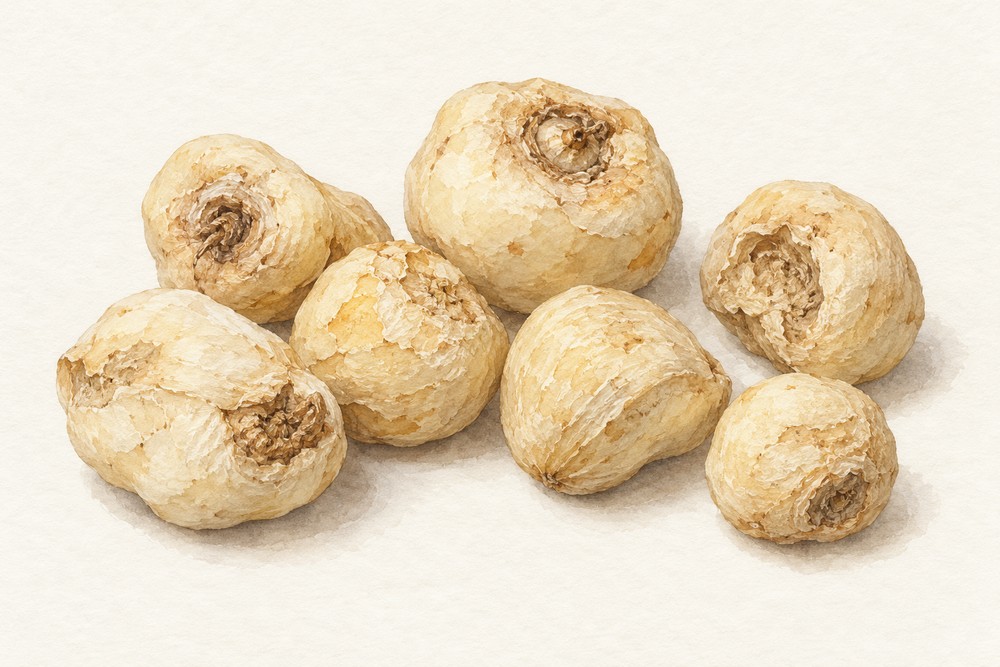
Source-recorded amounts: No valid ratio exists: the source is a warning against combining them. Never experiment with this pair.
Caution: Chuan Wu has serious cardiotoxicity; raw Pinellia is also toxic/irritating. Do not combine at any improvised ratio; exposure requires urgent medical care.
Open formula record ↗Documented toxic incompatibility
Chuan Wu–Ban Xia is included among the traditional eighteen incompatibilities; modern work investigates potential toxicity interactions, but does not establish a “safe ratio.” Do not combine or experiment on people.
FROM PLANT / SOURCE HABITAT TO DRIED MATERIAL · REFERENCE WORKFLOW
- Harvesting Aconitum roots belongs only to licensed, safety-controlled medicinal-crop facilities; home digging or processing is not provided here.
- Soil, roots, and all plant parts may contain alkaloids; do not grind, taste, or dry them in living spaces. Contact tools/surfaces require professional handling controls.
- Medicinal roots require a validated pharmacopoeial process with controlled time/temperature and alkaloid testing; improvised boiling is not equivalent.
- Finished material needs a clear label for Aconitum carmichaelii, parent root, processing form, quality standard, and lot.
These are post-harvest study notes, not directions to prepare a remedy for self-treatment. Processing reference ↗
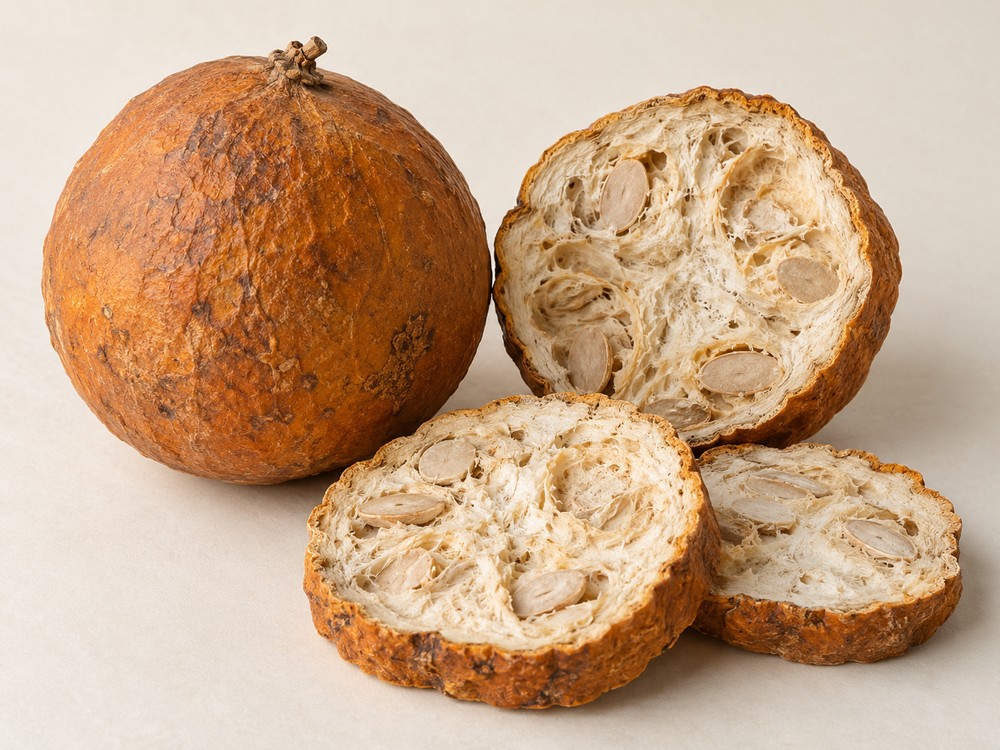
Traditional contraindication pairs in the “18 incompatibilities” appendix
The Beijing Municipal Drug Administration appendix lists the pairs below as traditional incompatibilities. This does not establish that every exposure causes poisoning; the appendix provides no safe ratio. Do not combine them yourself, even if an old formula is cited elsewhere.
How to read formula amounts
Displayed amounts belong to the cited formula and source; they are not a general safe ratio, treatment dose, or home-decoction instruction. Do not transfer amounts to another formula or adjust them by body weight.