Ephedra · Ma Huang
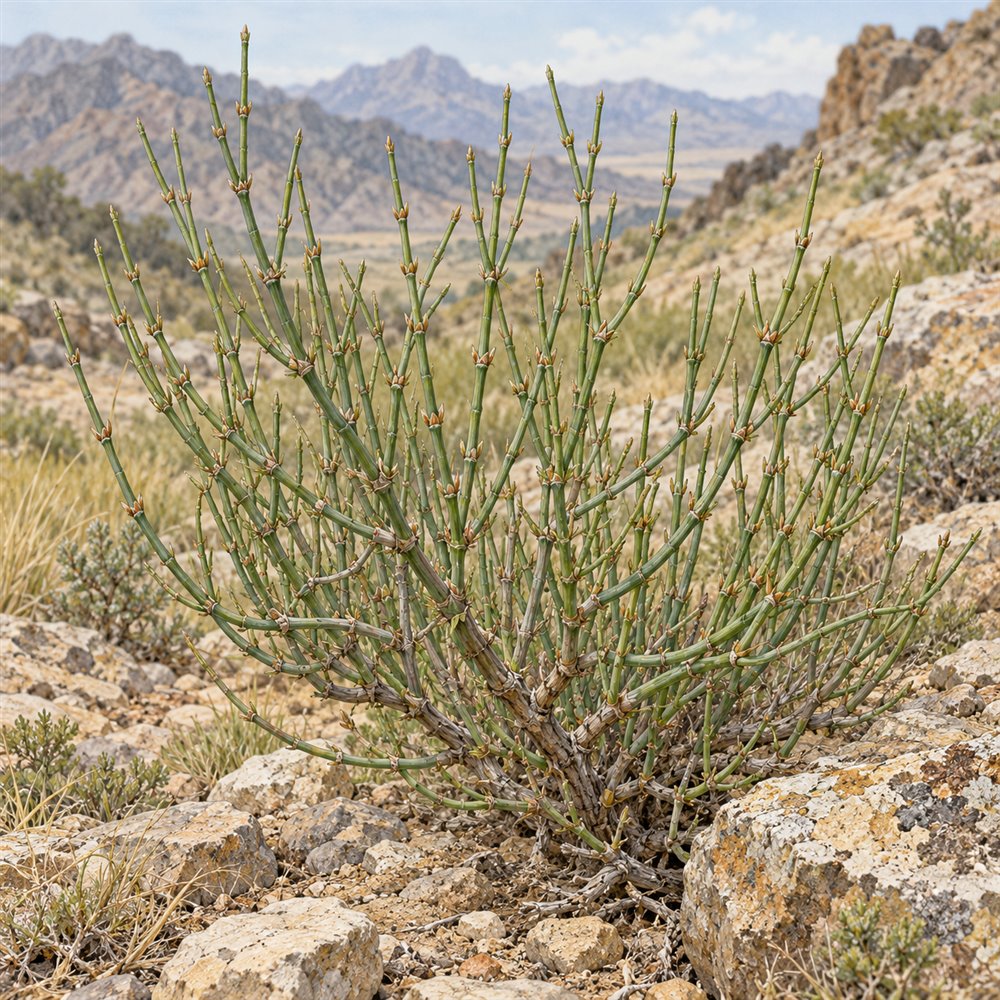
Ephedra sinica Stapf · stem and branch
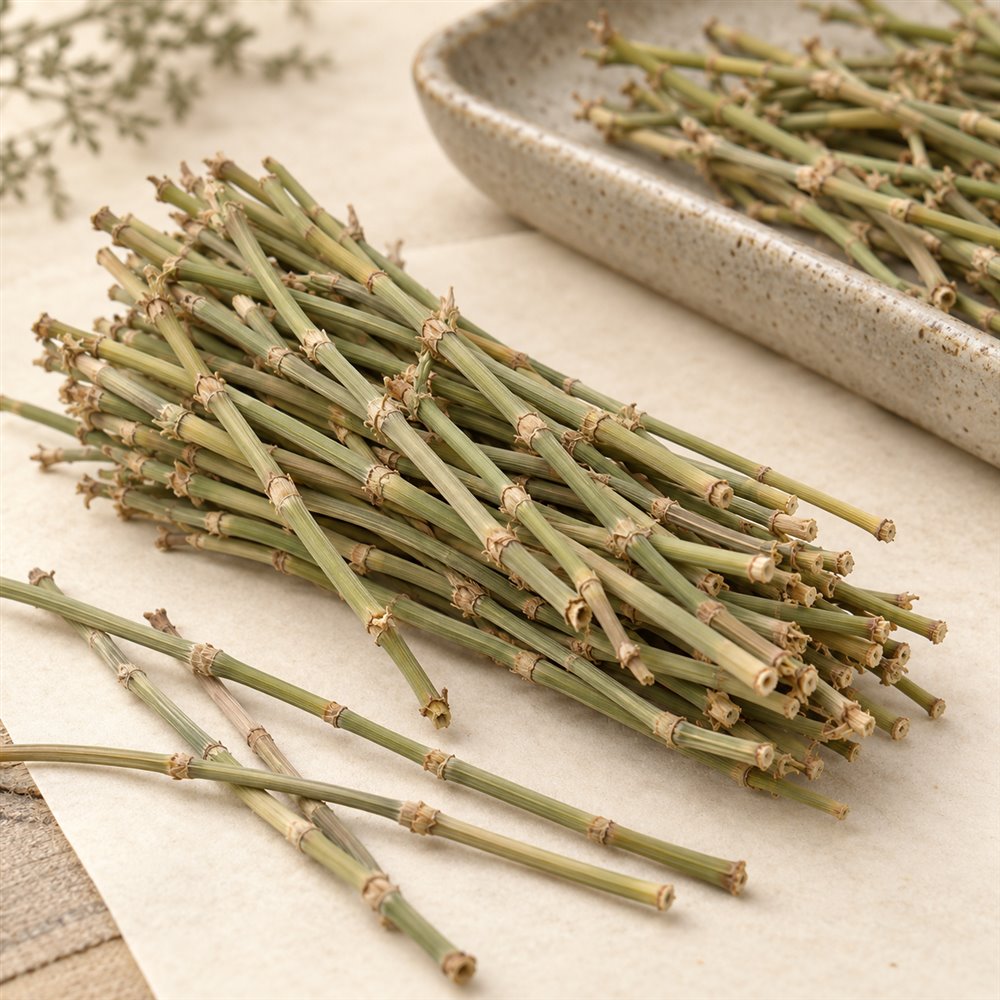
Ma Huang is important to study because classical use and modern product safety must be discussed together. The medicinal material is associated with the jointed green stems of Ephedra species, not a generic leafy shrub. Species identity and alkaloid content are central details; a name printed on a label is not proof that an unknown sample is correctly identified or chemically consistent.
NCCIH reports that ephedra has been linked—even with relatively low doses and short-term use—to high blood pressure, heart attack, seizure, stroke, and psychosis. The FDA banned dietary supplements containing ephedrine alkaloids in the United States in 2004. This page therefore treats Ma Huang as a high-caution educational entry and does not offer it as a weight-loss or self-care option.
Some classical formulas contain Ma Huang, but listing a historical formula is not permission to prepare or use it. The formula’s original context, processing, diagnosis, and supervision cannot be reconstructed from an ingredient list. In this atlas, the safety warning is more prominent than any traditional indication. Read NCCIH’s ephedra review ↗ · FDA rule summary ↗
Growth and habitat
HKBU records E. sinica in arid deserts, hilltops, sandy/gravelly ridges, and northern Chinese grassland. It is adapted to strong sun, low water, and rapid drainage, not humid tropical conditions. Misidentifying Ephedra species can change alkaloid exposure; observe live specimens only at labeled botanical institutions.
Habitat source ↗Growing and care
- Growing it for medicinal harvest or alkaloid extraction is not recommended. For botany, use verified images/vouchers or observe at a specialist botanical garden.
- Do not sow unidentified stock; Ephedra species look similar and alkaloid content varies.
- Any licensed ornamental planting requires full sun, mineral sandy/gravelly drainage, and low irrigation after establishment; keep it away from children and pets.
- Do not apply unknown chemicals or use green stems as food or medicine.
- HKBU records green-stem cutting in autumn but gives no universal crop age; this is not a home-harvest or self-use instruction.
How long until harvest? HKBU records green stems cut in autumn but does not set a cultivation age or alkaloid content by plant age. Because of alkaloid risks, learners must not harvest or use it themselves; professional material requires chemical identity testing and jurisdictional compliance.
Cultivation / season source ↗Ma Huang Tang · Ephedra Decoction
HKBU records this historical formula with Ma Huang, Gui Zhi, Xing Ren, and honey-prepared licorice. Because ephedrine alkaloids carry serious cardiovascular risks, this page lists ingredient names/images for history study only and withholds amounts, ratio, and decoction instructions.
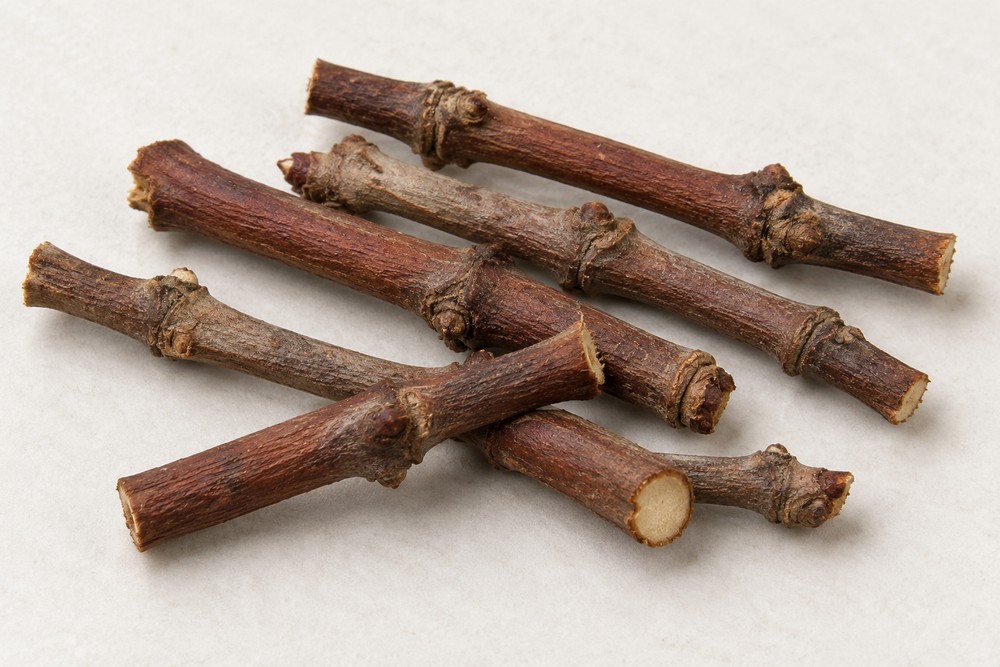
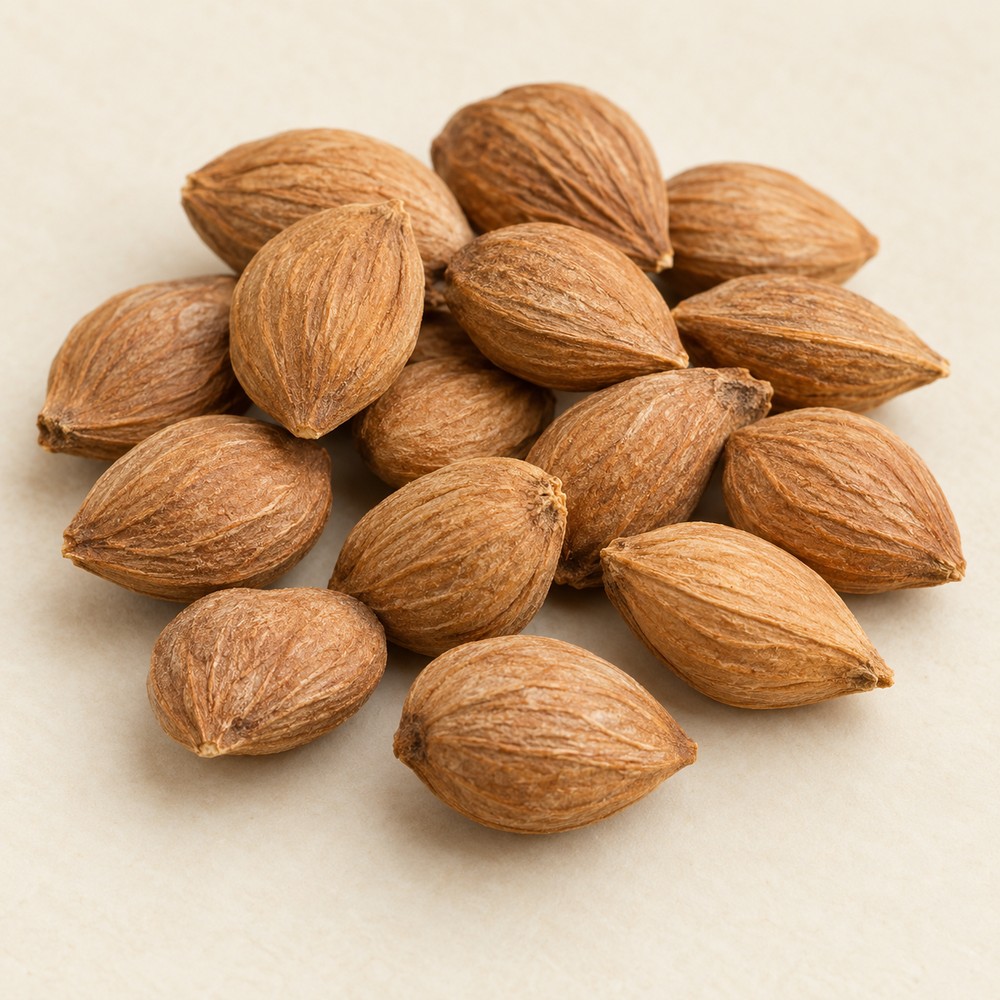
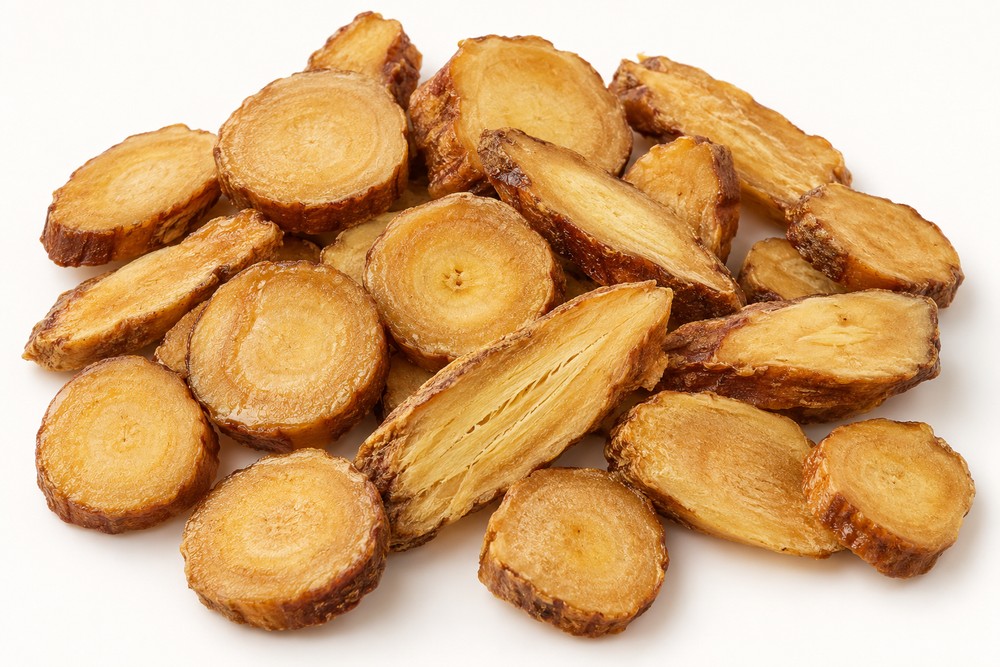
Source-recorded ratio: No self-combination ratio is provided because of serious cardiovascular risk; consult the HKBU record for formula history, not for use instructions.
The U.S. FDA banned dietary supplements containing ephedrine alkaloids. Do not use Ma Huang for weight loss or self-treatment; seek professional advice about any related product.
Open original formula record ↗Pairings, incompatibilities, and interactions
Reviewed sources do not establish a universally toxic herb-herb pair for Ma Huang; the main concern is stimulant alkaloids and interactions with stimulants, decongestants, and cardiovascular medicines. Do not self-combine or follow historical recipes; FDA warns of serious risks from supplements containing ephedrine alkaloids.
From plant to dried material · reference workflow
- The source records green aerial stems cut in autumn; root/rhizome is a separate plant part with different handling. This profile gives no medicinal processing, alkaloid removal, or home-decoction steps. Professional supply requires verified species/part/content, contaminant testing, and compliance with local product restrictions.
Source-based process description, not a home preparation or self-use guide.
Processing source ↗How to read formula amounts
Displayed amounts belong to the cited formula and source; they are not a general safe ratio, treatment dose, or home-decoction instruction. Do not transfer amounts to another formula or adjust them by body weight.