Gansui (Kansui root) · Gan Sui
Euphorbia kansui T.N.Liou ex T.P.Wang · Dried tuberous root
Name and part used
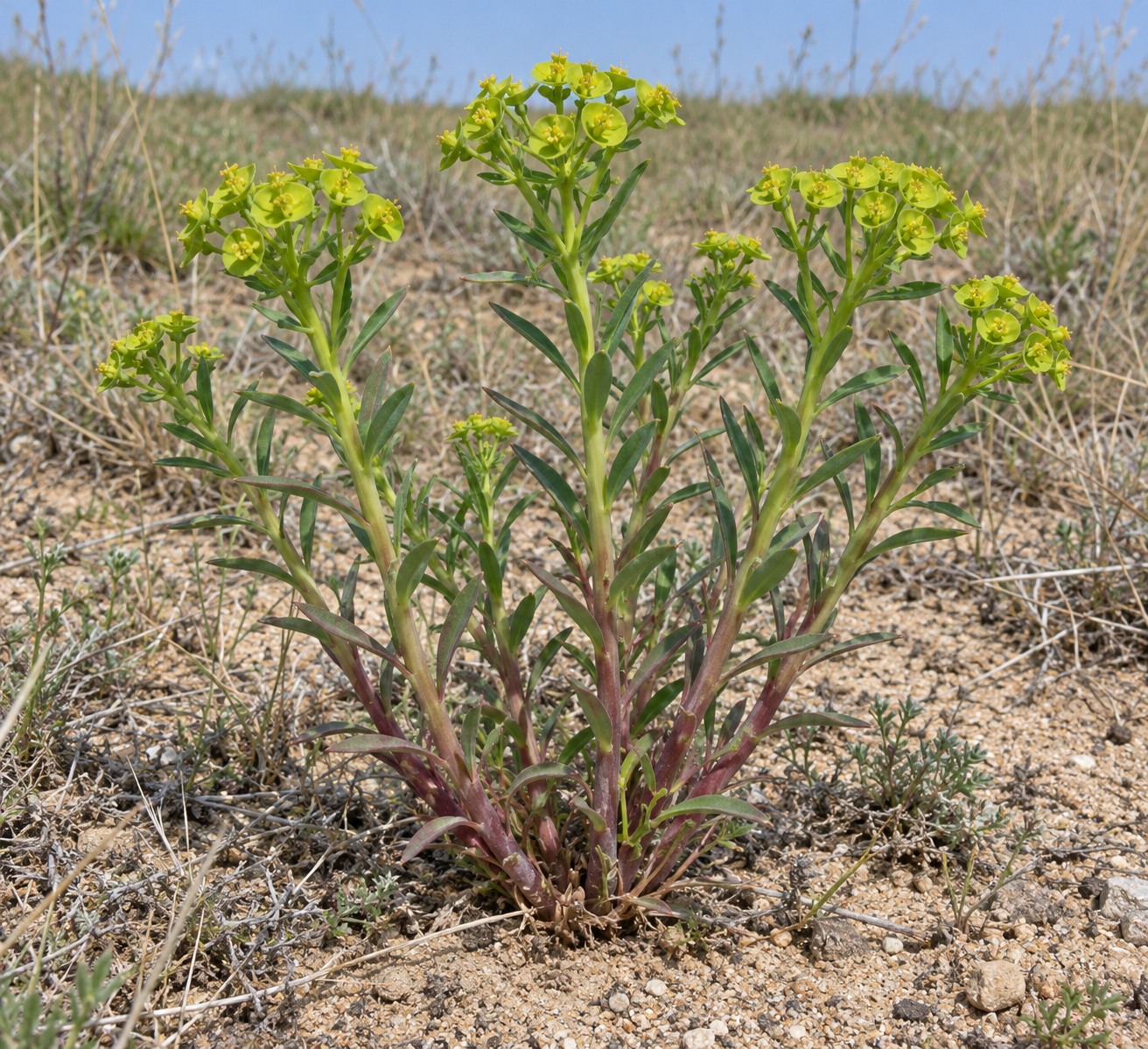
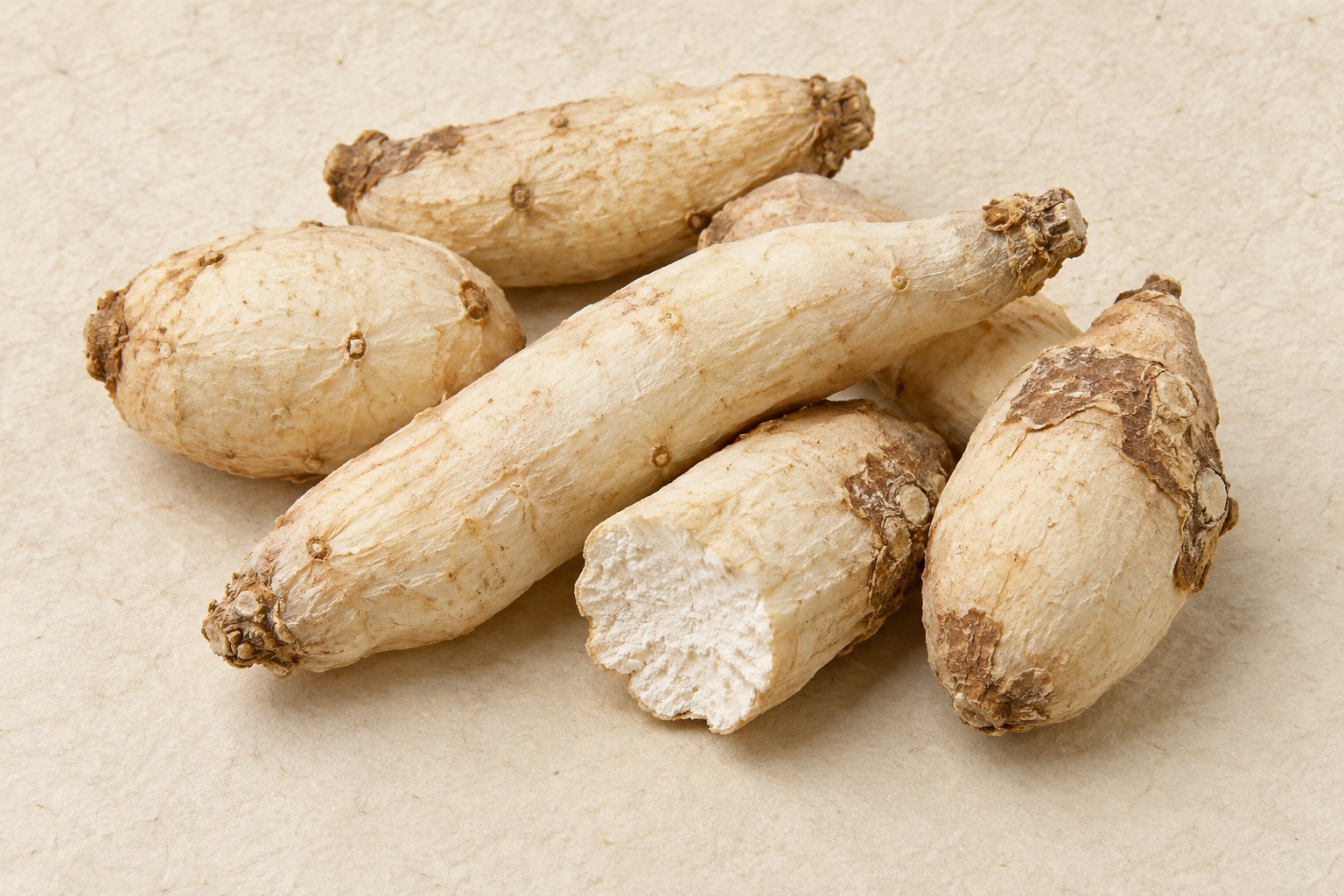
Gansui is the tuberous root of the perennial latex-bearing spurge Euphorbia kansui; stems and leaves may be reddish and the underground root becomes tuberous. The materia medica is professionally processed tuber. It is notably toxic and must not be identified or collected from AI images.
Traditional context
Traditional texts describe strong water-expelling and resolving actions for selected patterns. This historical theory does not prove safe or effective treatment of edema, ascites, or constipation.
Modern evidence
HKBU documents morphology, toxicity, autumn harvest, and incompatibility warnings. These botanical and materia medica data are not clinical evidence of treatment efficacy.
Safety
The latex is irritating; the toxic material may cause severe diarrhea, vomiting, dehydration, and electrolyte disturbance. Traditional references contraindicate pregnancy. Do not grow, process, combine with licorice, or self-use it. Accidental ingestion needs urgent care; do not induce vomiting.
Pairing in reference texts
The Gansui–licorice incompatibility appears in traditional sources. A modern review says effects on active/toxic constituents remain under study. Do not self-combine; the 1:1:1 historical formula is not a safe ratio.
Growth and habitat
HKBU describes Gansui in dry areas, slopes, and drained soils within its Chinese range. It is adapted to dry ground; do not forage because of look-alikes and toxic latex.
Growing, care, and harvest timing
The profile above includes sourced steps and a documented harvest window. Harvest timing is agronomic information, not a self-use instruction.
Growing and care
- Home cultivation is not recommended because the plant has irritating latex and toxic tubers.
- Observe labeled specimens only at a botanical institution; do not touch, cut stems, collect seeds, or dig tubers.
- Do not place it in gardens accessible to children or pets; verified images and vouchers are safer study materials.
- The reviewed public source does not provide a standardized household growing protocol.
How long until harvest? HKBU records harvest before flowering in spring or after stems wither in late autumn. This is a season for toxic raw material, not self-use advice; the source sets no universal cultivation age.
Documented formula pairing: Shi Zao Tang · historical record
HKBU records a historical formula containing the three toxic herbs Jing Da Ji, Gansui, and Yuan Hua with jujube. This is a formula-history reference, not a treatment or recommendation.
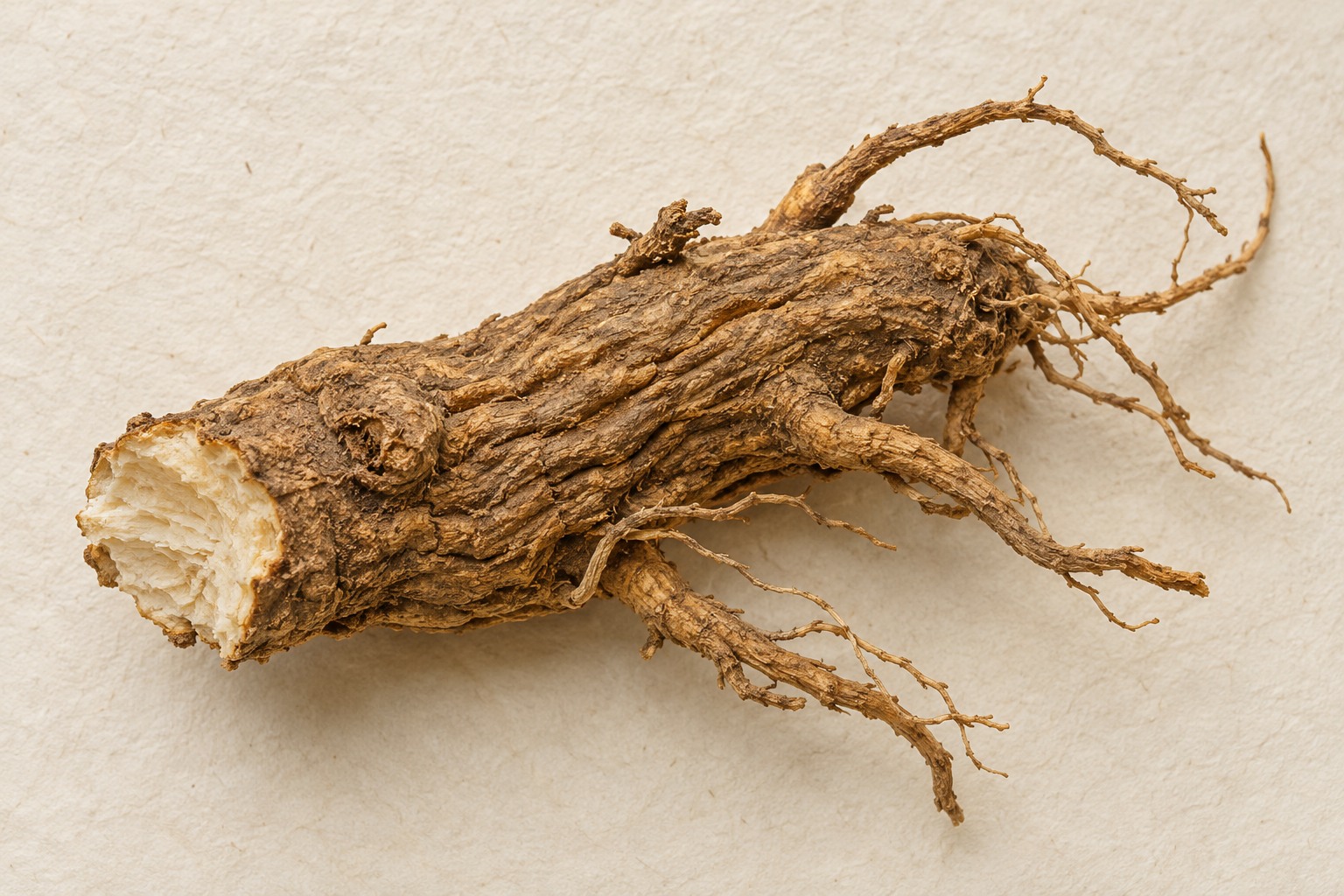
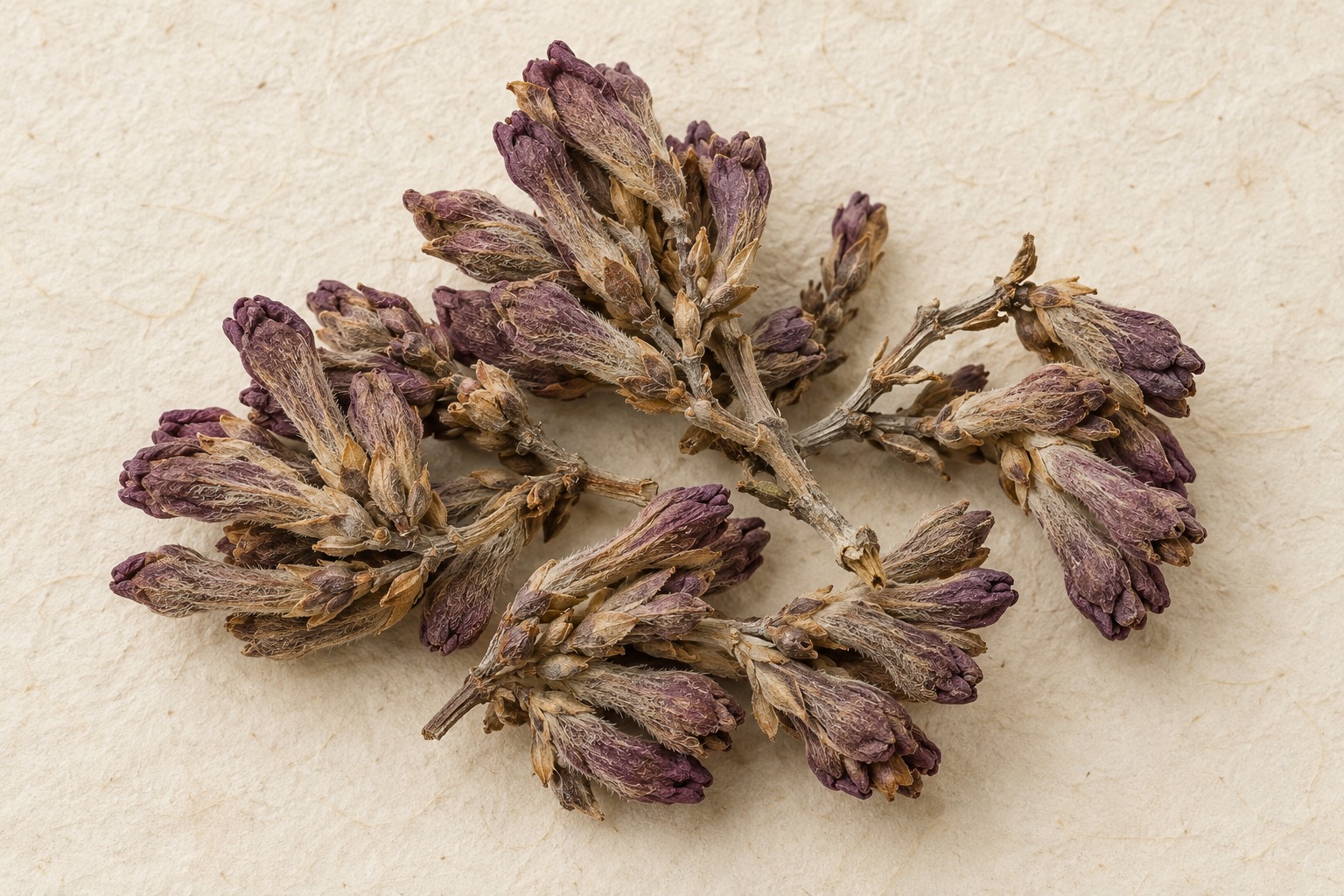
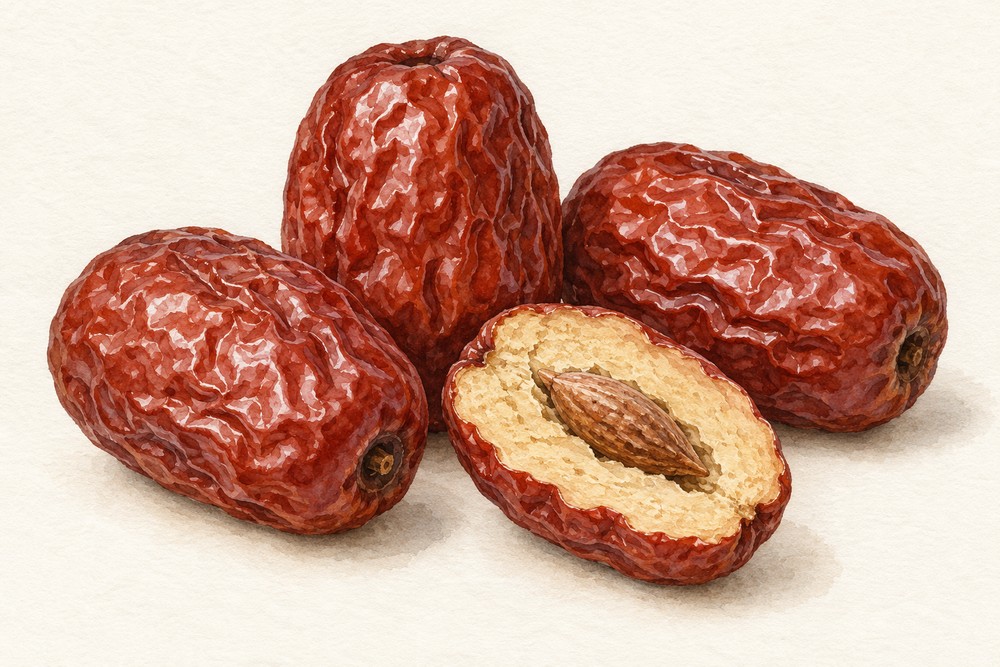
Source-recorded amounts: The source lists the three toxic herbs in equal proportions, 1:1:1, without a self-use amount. This is a historical textual ratio, not a safe ratio; do not combine or prepare it.
Caution: All three herbs carry toxicity warnings; historical recording does not establish modern safety. This profile gives no dose, decoction, or detoxification method. Avoid self-use; accidental exposure or ingestion needs urgent poison-control/medical advice.
Open formula record ↗Documented toxic incompatibility
The Gan Cao–Jing Da Ji incompatibility is recorded in traditional sources. Jing Da Ji is a toxic Euphorbia root that may cause severe gastrointestinal effects; do not grow, forage, process, or combine it with licorice for self-use. No safe self-use ratio is established.
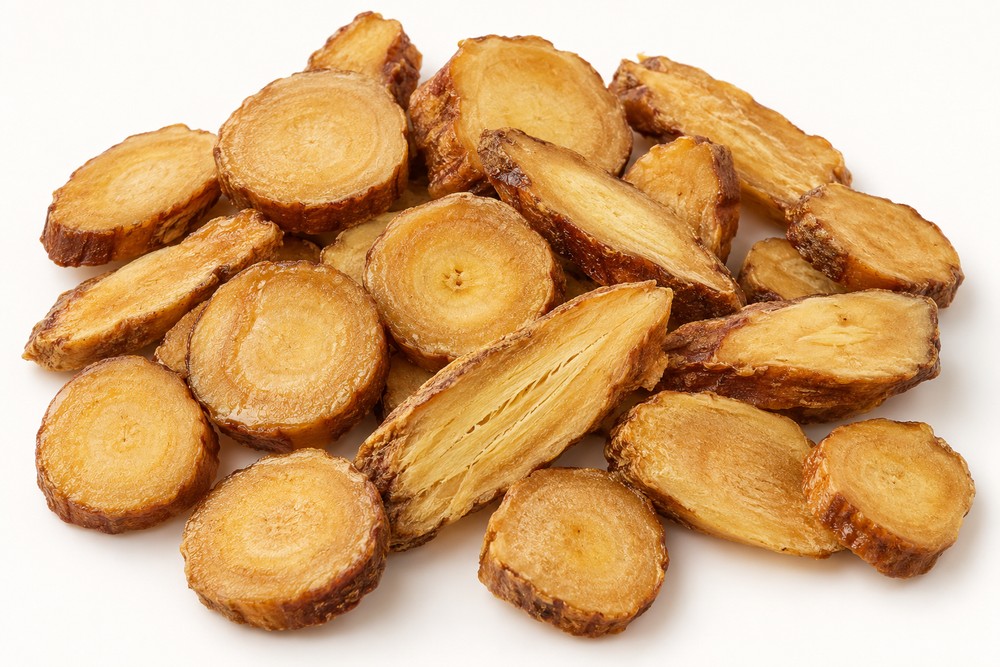
AI study illustrations; not for specimen identification.
HKBU licorice record ↗ ↗ Modern review of incompatibility research ↗ ↗FROM PLANT / SOURCE HABITAT TO DRIED MATERIAL · REFERENCE WORKFLOW
- Professional records describe seasonal tuber collection, soil removal, and monograph-controlled processing/drying at qualified facilities. Do not scrape, roast, soak, or attempt home “detoxification”; processing does not remove every risk.
These are post-harvest study notes, not directions to prepare a remedy for self-treatment. Processing reference ↗
How to read formula amounts
Displayed amounts belong to the cited formula and source; they are not a general safe ratio, treatment dose, or home-decoction instruction. Do not transfer amounts to another formula or adjust them by body weight.
Material source, dried appearance, and processing forms (HKBU)
HKBU identifies the materia medica and records toxicity/incompatibility warnings; species and plant part must be verified.
Open original materia medica record ↗