Ginger · Sheng Jiang
Zingiber officinale Roscoe · fresh rhizome
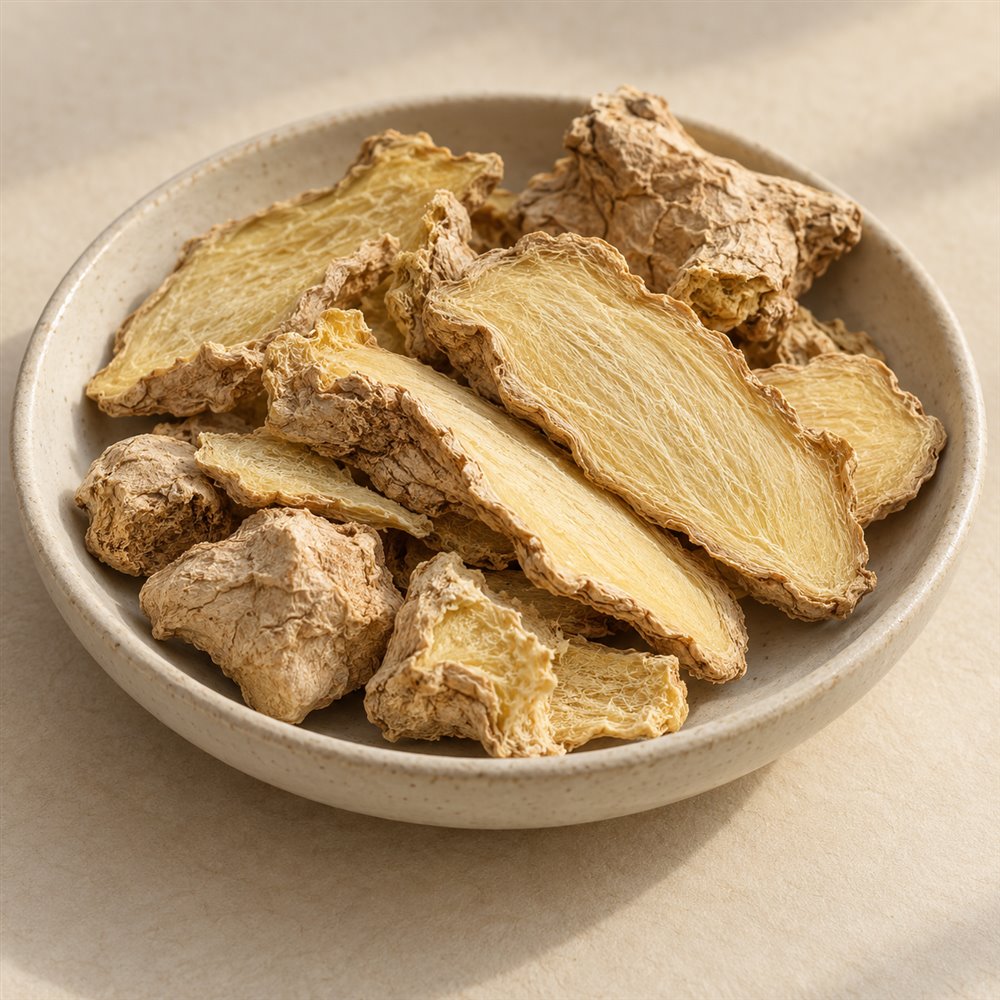
Ginger is both a familiar food and a materia medica substance. “Sheng Jiang” refers to fresh ginger in many formula references; dried ginger is a separate processed material with its own name and use. The difference is practical: drying, steaming, slicing, and storage change water content and chemical composition. A careful catalogue should not collapse fresh rhizome, dried rhizome, culinary tea, and concentrated supplement into one entry.
Traditional descriptions place fresh ginger in warming formula contexts and record it as a supporting ingredient in some prescriptions. The formula context is what the classical text says, not a recommendation to add ginger to treat a cough or fever. NCCIH notes that research on ginger for pregnancy-related nausea is suggestive, while safety is not certain in every case. For motion sickness, evidence is mixed.
Ginger can cause abdominal discomfort, heartburn, diarrhea, or gas. Whether concentrated ginger interacts with anticoagulants is not definitively established; NCCIH reports that concerns have been raised and that evidence is incomplete. Food use and supplement use are not equivalent exposures. If a record mentions a traditional combination, it should state the source and distinguish that record from a modern interaction study. Read NCCIH’s ginger review ↗
Growth and habitat
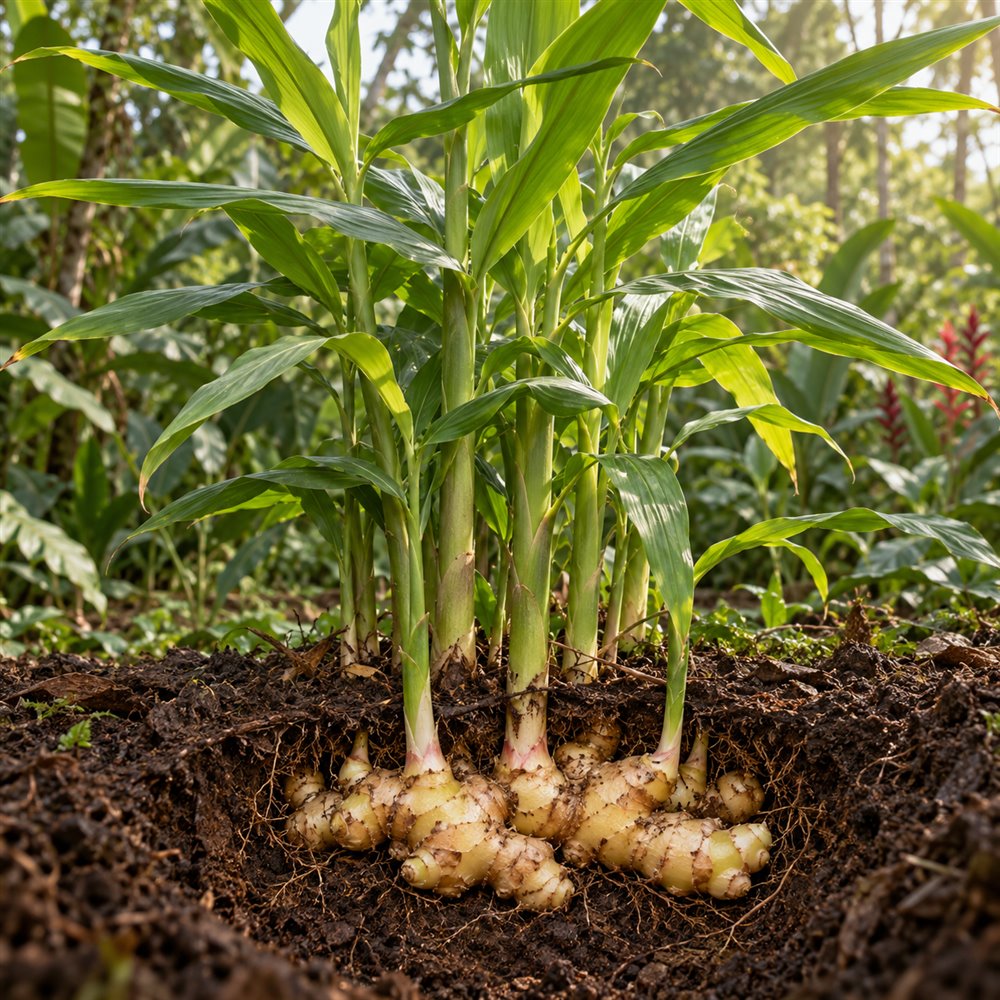
HKBU records ginger widely cultivated in tropical Asia and many Chinese provinces. It prefers warmth, humidity, loose organic soil, and drainage. It grows with morning sun or partial shade and a long season; protect rhizomes from cold, dry wind, and waterlogging.
Habitat source ↗Growing and care
- Select firm, mold-free seed rhizomes with visible buds and traceable origin; cut with a clean knife and let cut surfaces dry before planting.
- Plant in warm soil in a raised bed or deep pot with drainage; set buds upward under loose, humus-rich soil.
- Keep soil evenly moist but never saturated; mulch with clean straw/leaves to conserve moisture, limit heat, and suppress weeds.
- Provide morning sun or partial shade; weed shallowly, add mature organic matter, and watch for rhizome rot and leaf-feeding pests.
- When tops yellow and die back in autumn/winter, sample a few rhizomes; choose harvest timing based on fresh versus dried material and avoid immature harvest if larger rhizomes are desired.
How long until harvest? HKBU records fresh ginger harvest in October–December when tops wither; Gan Jiang is excavated in winter, cleaned, and sun- or low-temperature dried. The source gives no universal months-after-planting because cultivar and climate vary; monitor top senescence and rhizome maturity.
Cultivation / season source ↗Liu Jun Zi Tang · Six Gentlemen Decoction
HKBU describes this derivative of Si Jun Zi Tang with Chen Pi 6 g, Ban Xia 4.5 g, and three slices of fresh ginger with two jujubes. This is a historical formula record, not a home-preparation instruction.
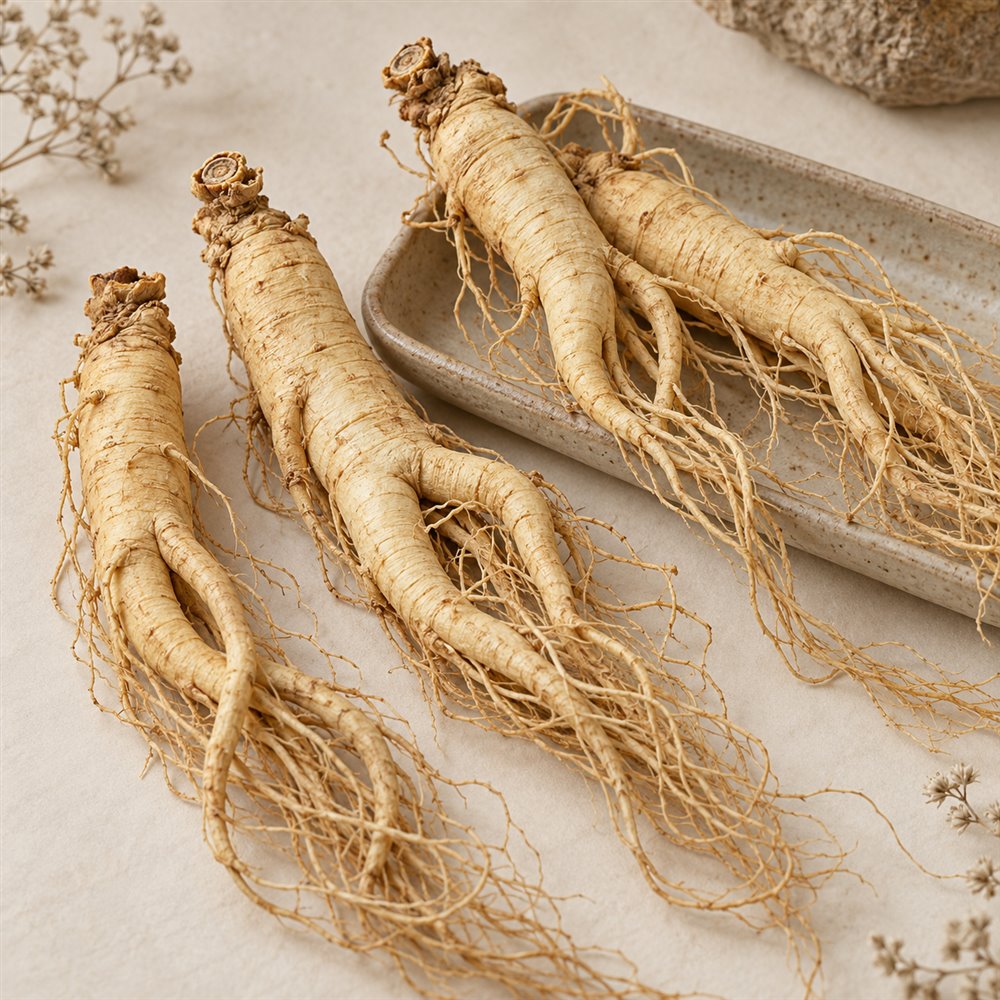
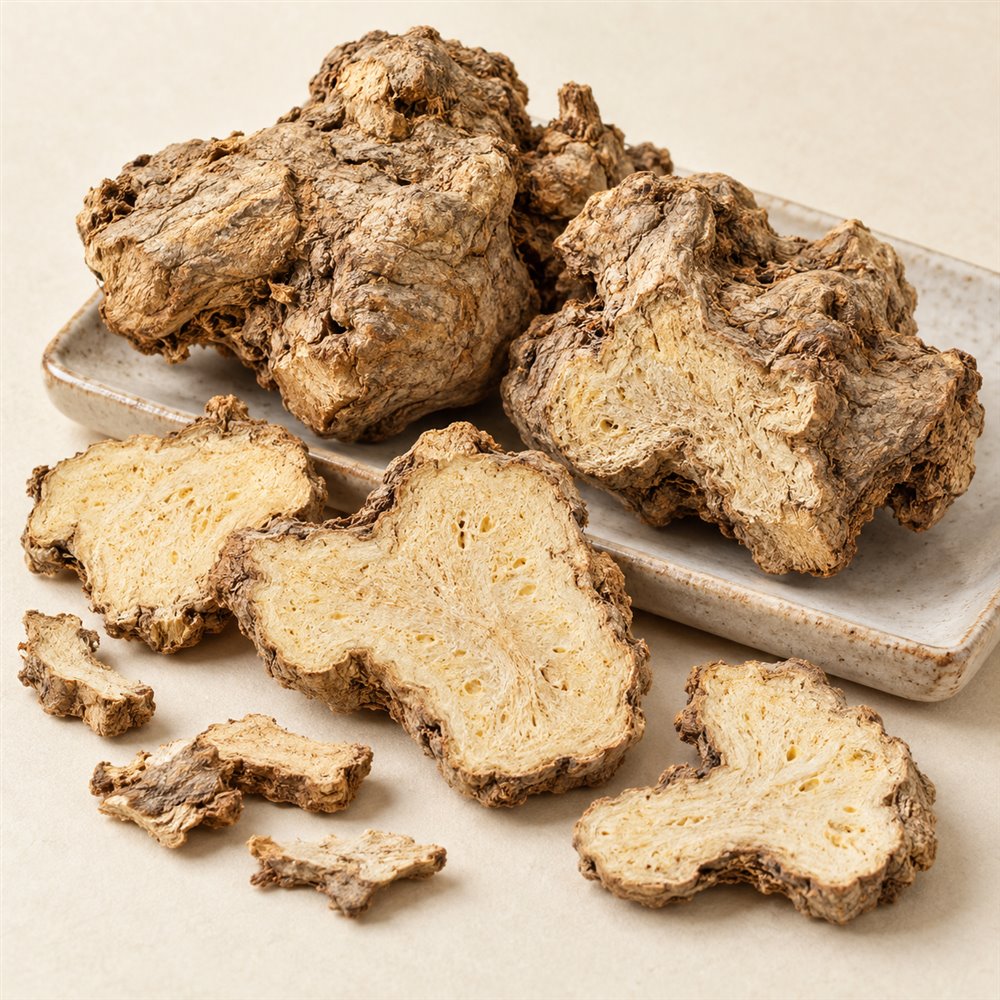
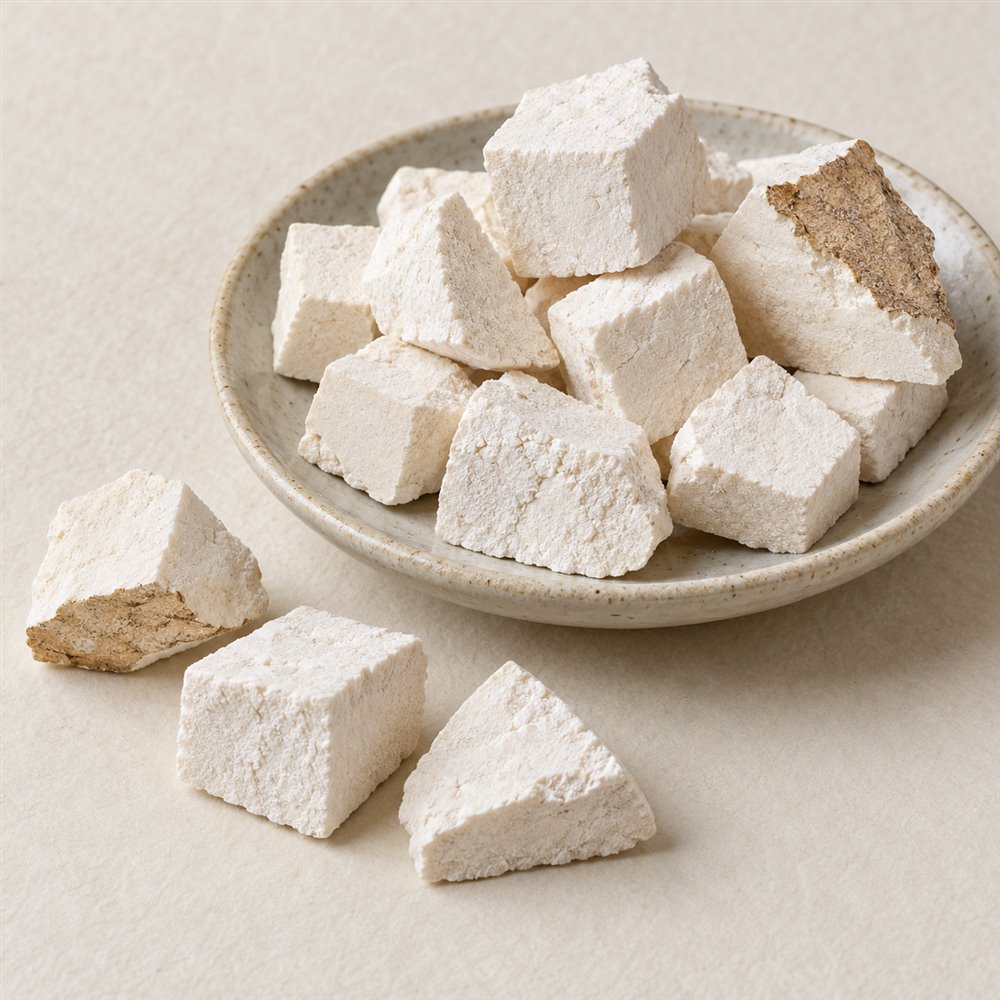
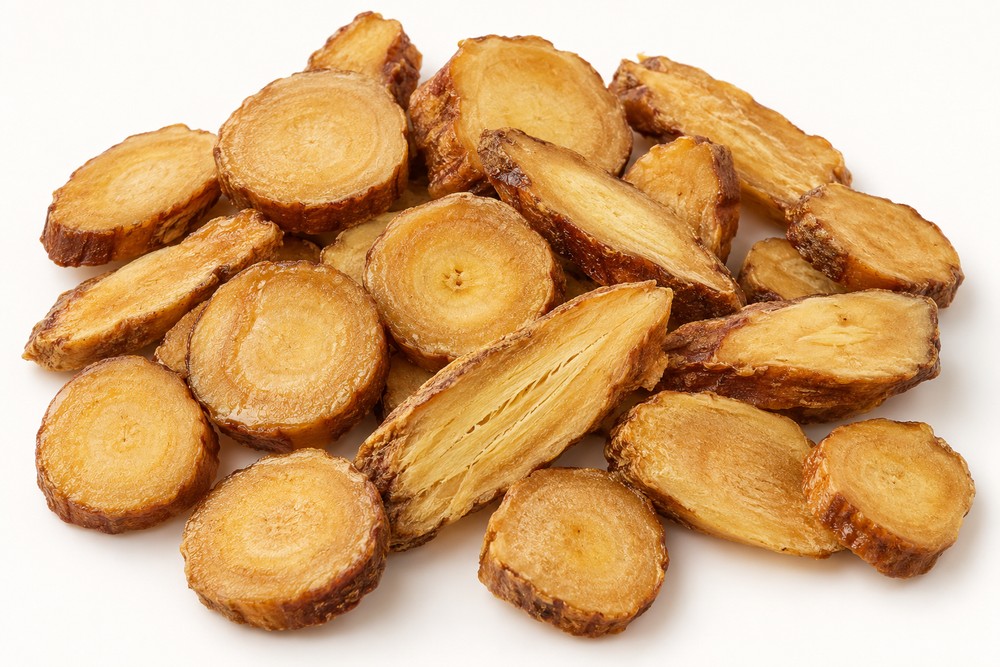
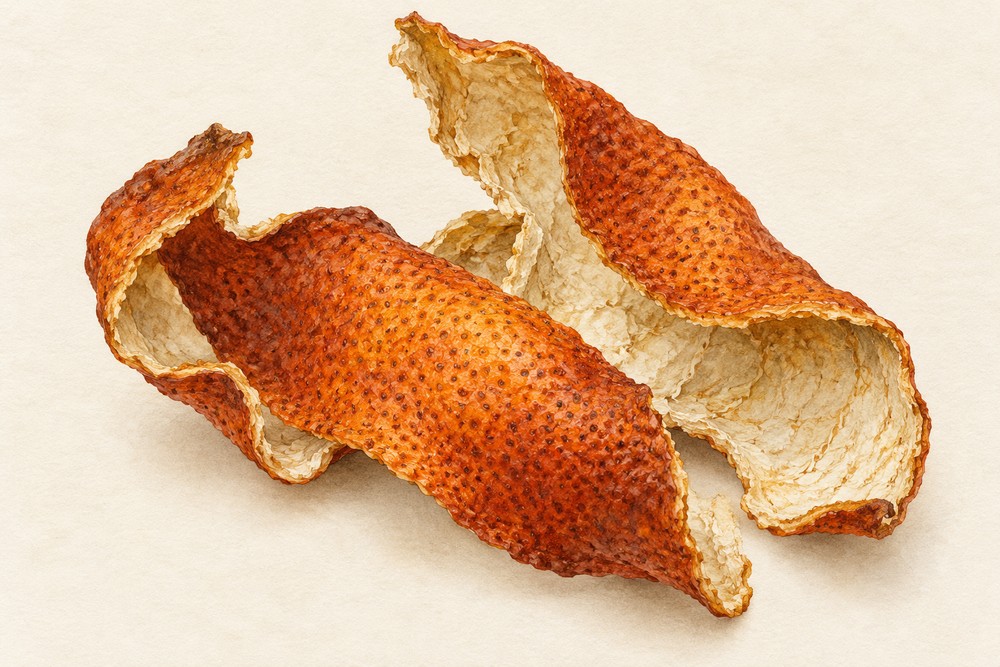
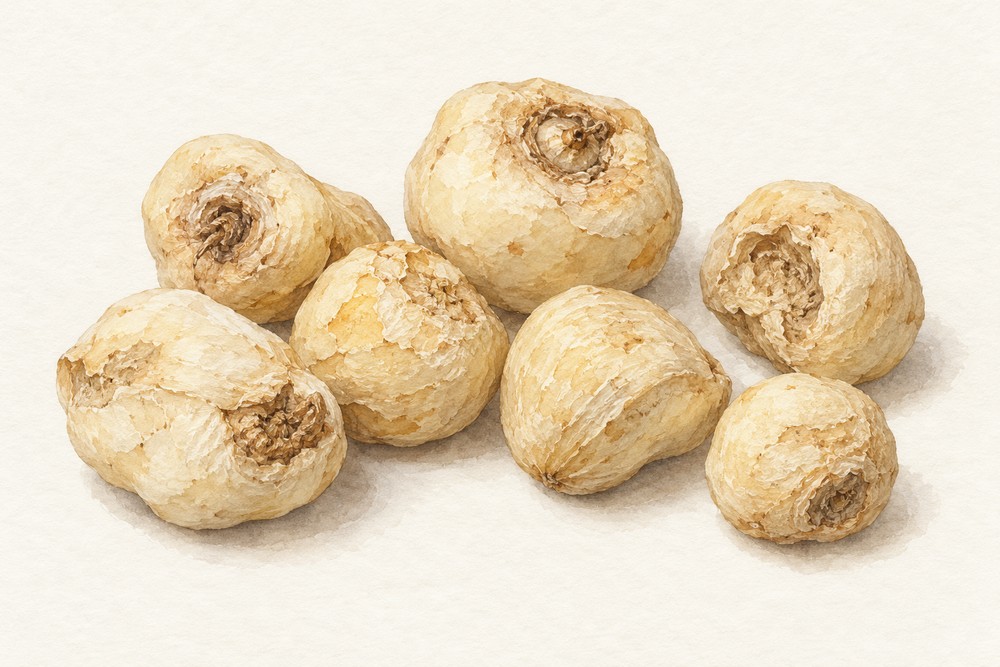
Source-recorded ratio: Source base ingredients: 9:9:9:6:6:4.5 g, equivalent to 6:6:6:4:4:3; ginger (3 slices) and jujube (2 fruits) remain in source units, not converted to grams.
Ban Xia requires verified species and processing; never use raw tuber. Do not prepare the formula yourself, especially with pregnancy, health conditions, or medicines.
Open original formula record ↗Pairings, incompatibilities, and interactions
Reviewed sources do not establish a universally toxic ginger-herb pair. Practical concerns are digestive irritation from concentrated products and uncertain drug interactions; do not combine supplemental ginger with anticoagulants or other products without review.
From plant to dried material · reference workflow
- For Sheng Jiang, harvest rhizomes, remove tops and fibrous roots, and clean soil for fresh supply. For Gan Jiang, HKBU records removal of rootlets/sediment followed by sun- or low-temperature drying to storage dryness. Do not infer medicinal dosing or equate food preparation with a pharmacopoeial process.
Source-based process description, not a home preparation or self-use guide.
Processing source ↗How to read formula amounts
Displayed amounts belong to the cited formula and source; they are not a general safe ratio, treatment dose, or home-decoction instruction. Do not transfer amounts to another formula or adjust them by body weight.