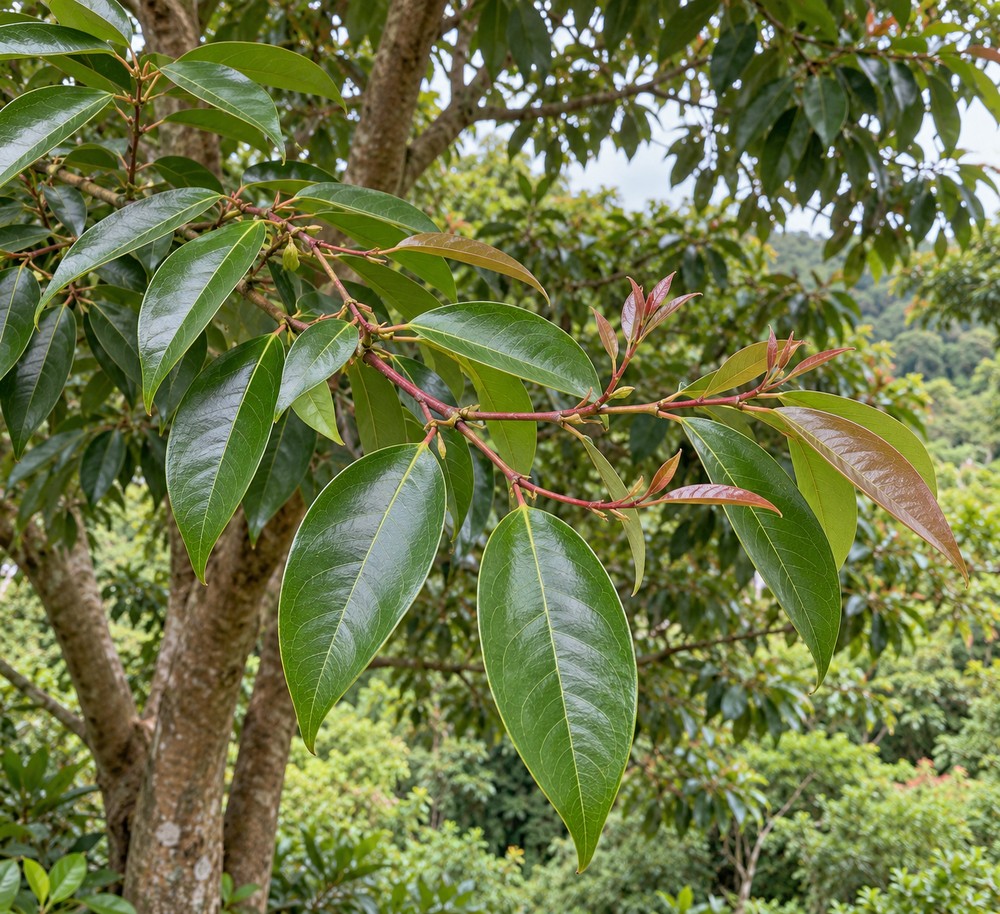
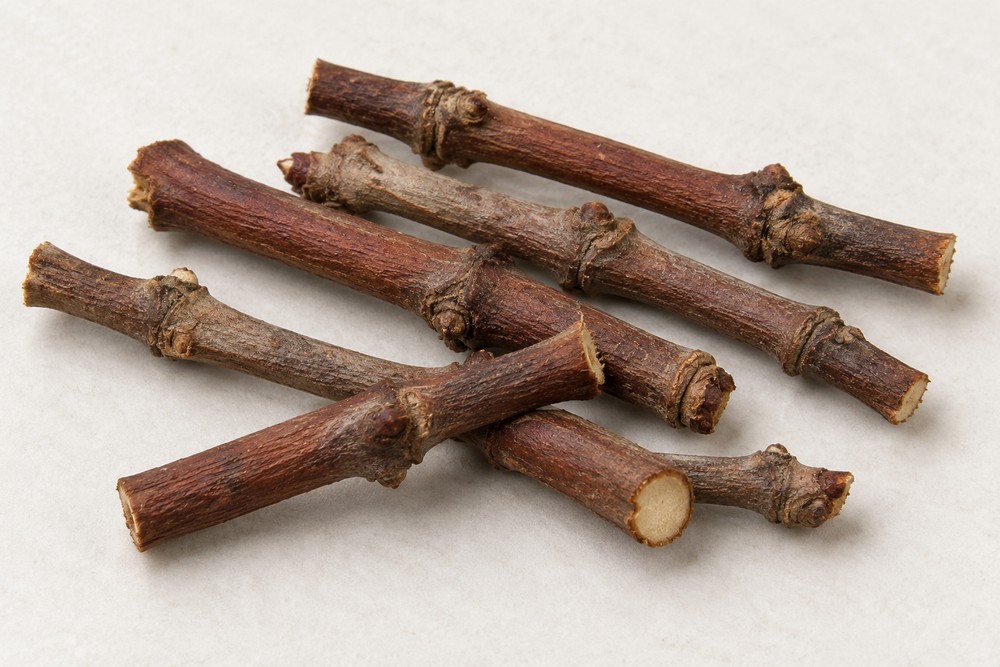
Cinnamon twig · Gui Zhi
Cinnamomum cassia (L.) J.Presl · Dried young twig
Name and part used
Gui Zhi is the dried young twig of Cinnamomum cassia, not cinnamon bark and not any generic cinnamon species. The tree is evergreen in tropical to subtropical climates; alternate leaves are aromatic when crushed, and young green twigs become brown. The medicinal material is a small bark-covered twig with nodes and a mild aroma.
Traditional context
Traditional Chinese medicine describes Gui Zhi as acrid-sweet and warm, used in formula frameworks for exterior patterns and warming the channels. This is traditional theory, not proof it treats influenza or circulatory disease.
Modern evidence
HKBU identifies the source as young Cinnamomum cassia twigs. Research on cinnamaldehyde, coumarin, or cinnamon extracts does not automatically establish efficacy or safe dosing for Gui Zhi twigs.
Safety
Volatile oils can irritate or trigger allergy; do not use concentrated essential oil. Use caution with cinnamon allergy, liver disease, anticoagulants or long-term medicines, pregnancy, or breastfeeding. Evidence checked here does not establish a particular herb pair as predictably poisonous.
Pairing in reference texts
A sourced example is Gui Zhi Tang with Gui Zhi, white peony, honey-fried licorice, fresh ginger, and jujube. HKBU records 9 g, 9 g, 6 g, 9 g, and 12 fruits (shown as 3 g); this is one historical record, not an individualized treatment dose.
Growth and habitat
Cinnamomum cassia is native to tropical Asia, grown in warm, humid regions with seasonal rain. Prefers deep, well-drained, organically rich soil and light sun to semi-shade; Prolonged waterlogging damages roots. In areas with dry seasons, steady irrigation is needed when young plants are young.
Growing, care, and harvest timing
The profile above includes sourced steps and a documented harvest window. Harvest timing is agronomic information, not a self-use instruction.
Growing and care
- Start with nursery stock identified to scientific name; a plant sold only as ‘cinnamon’ is insufficient.
- Plant at the start of the rainy season in loose, organic, drained soil, with enough light and room for a tree.
- Keep the root zone moist while establishing and mulch cleanly; once established, irrigate according to soil dryness and avoid standing water.
- Prune dead twigs, hand-weed, use moderate mature compost, and monitor borers, leaf spots, and root rot; isolate diseased plants.
- Take only young twigs from an authenticated established tree under local harvest rules; do not strip bark or damage the trunk.
- Dry on clean racks, check for mold and insects, store sealed, and label species, plant part, and harvest date.
How long until harvest? The spice plant Cinnamomum cassia can be grown as a tree; but the sources compared do not give a uniform age for harvesting medicinal herbs. It is not possible to change the age of collecting cinnamon bark to the age of collecting Cinnamon bark; Only collect according to local planting and quality standards.
Documented formula pairing: Gui Zhi Tang
Traditionally intended to harmonize ying and wei for a specific pattern; not a recipe for every cold.
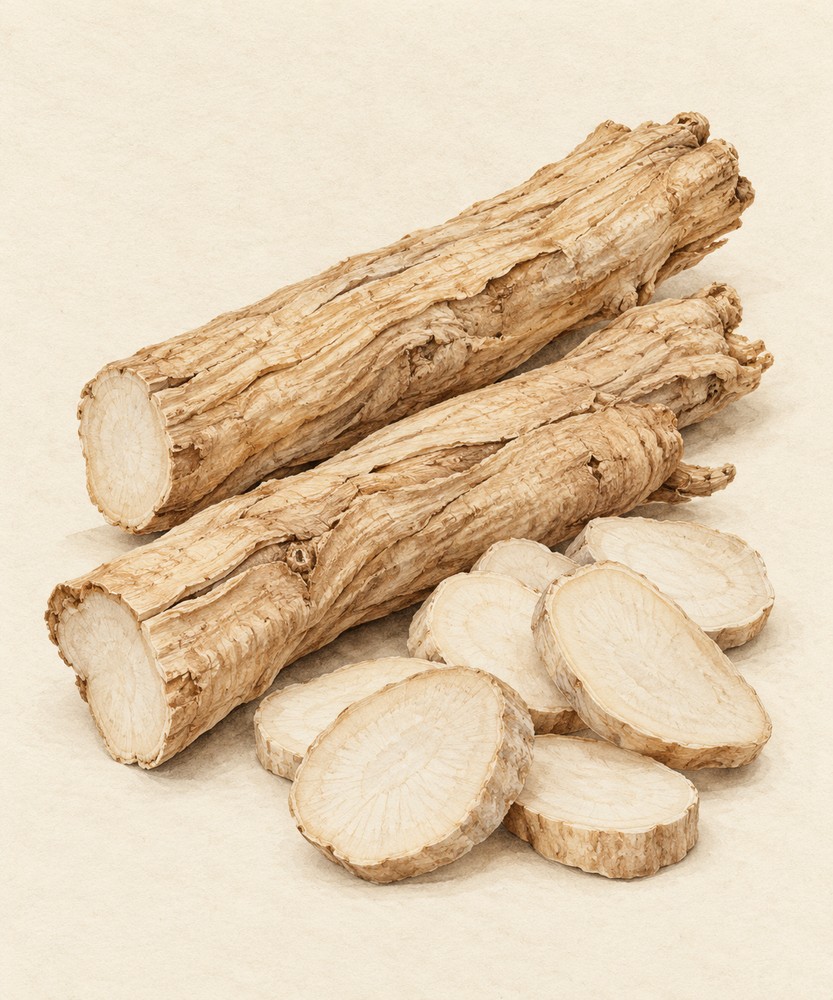
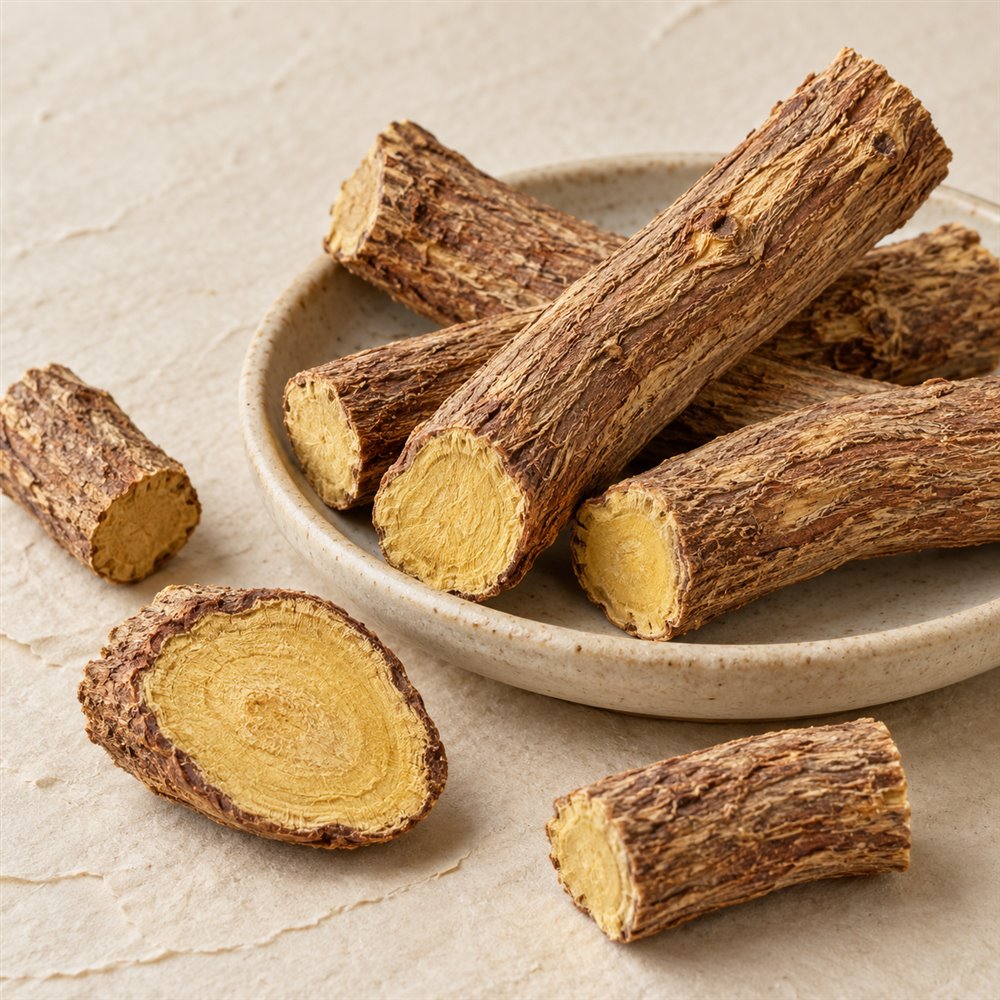
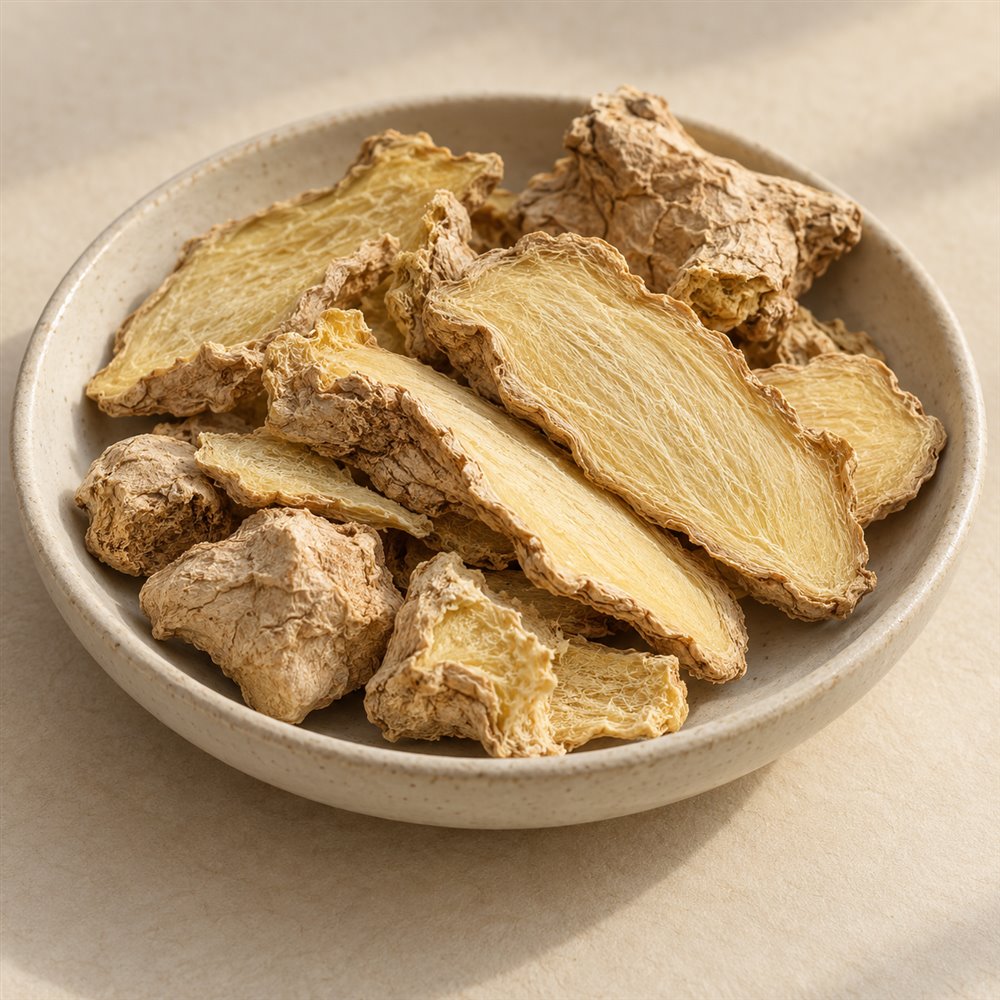
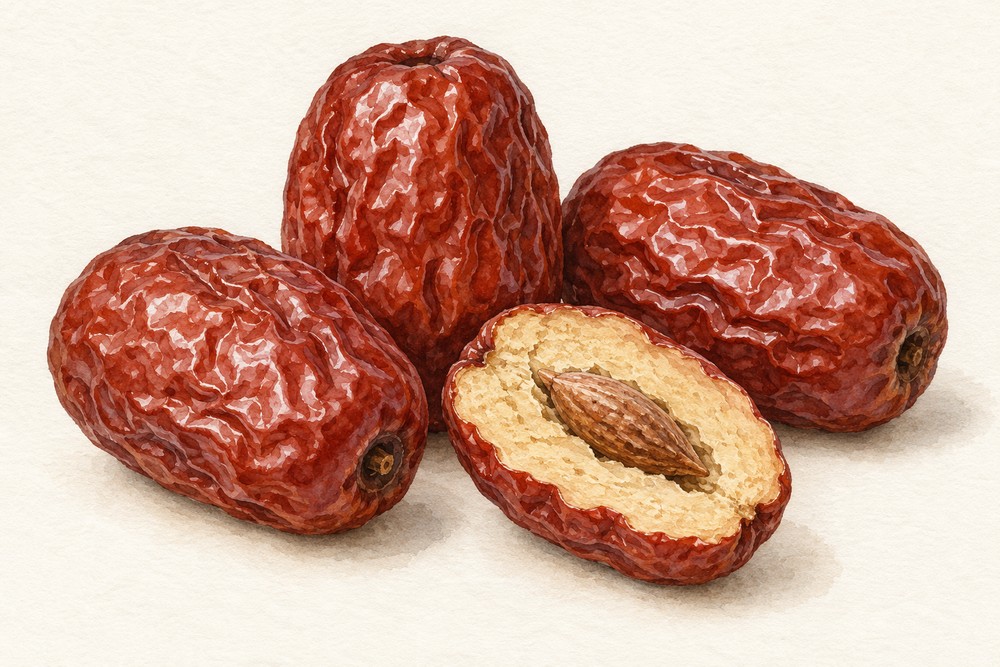
Source-recorded amounts: Source-displayed mass ratio: 9:9:6:9:3 g; jujube is also recorded by fruit count. Historical conversions vary.
Caution: Do not prepare or take this based on the image. It is a multi-herb formula with pattern-specific context and preparation; database amounts are for historical study. High fever, breathing difficulty, or persistent symptoms require medical care.
Open formula record ↗Documented toxic incompatibility
No professional source checked here verifies a specific Gui Zhi pair as becoming poisonous. This does not prove all combinations harmless; risk depends on identity, amount, processing, medicines, and health conditions.
FROM PLANT / SOURCE HABITAT TO DRIED MATERIAL · REFERENCE WORKFLOW
- Collect young branches of the right species, avoid diseased branches; leaves, old branches or crushed parts. Wash quickly if required by the facility process, drain, cut uniformly, dry with controlled heat and humidity, avoid dirty sunlight and smoke. Cool completely before packaging in dry, airtight packaging, labeled with species and lot.
- Collect young twigs from authenticated plants and reject diseased or damaged material. Remove leaves and old twigs; wash only if the controlled process requires it, drain, cut evenly, and dry with monitored heat and humidity away from contamination and smoke. Cool fully before dry, sealed, labeled storage.
These are post-harvest study notes, not directions to prepare a remedy for self-treatment. Processing reference ↗
How to read formula amounts
Displayed amounts belong to the cited formula and source; they are not a general safe ratio, treatment dose, or home-decoction instruction. Do not transfer amounts to another formula or adjust them by body weight.