Lotus seed · Lian Zi
Nelumbo nucifera Gaertn. · Dehulled lotus seed, sometimes with embryo
Name and part used
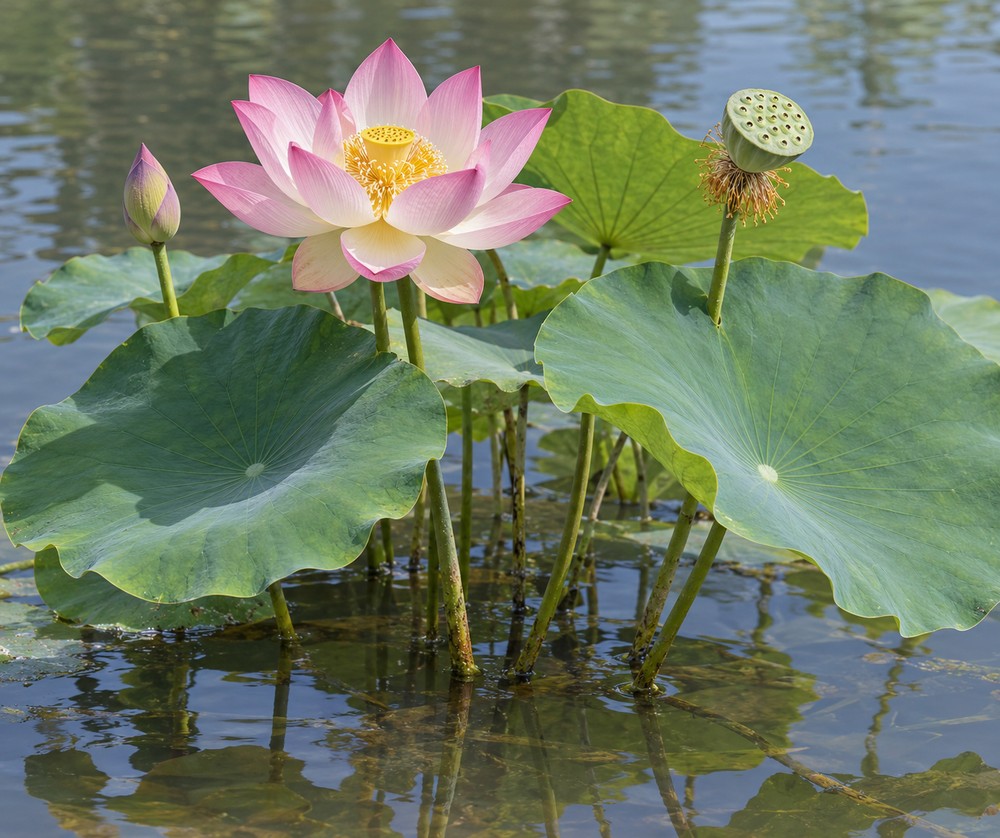
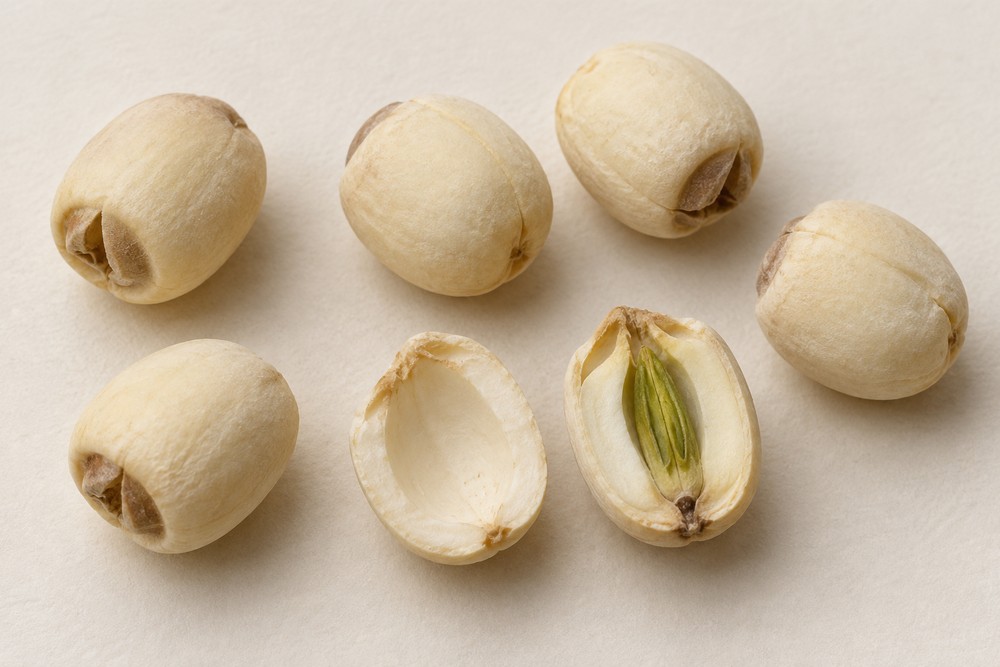
Lian Zi is the seed of the perennial aquatic lotus Nelumbo nucifera. Large round leaves rise above water; white or pink flowers develop a pitted receptacle holding fruits/seeds. Dehulled dried seeds are oval and ivory; the bitter green embryo may be retained or removed depending on the product. It is not lotus rhizome.
Traditional context
Traditional sources describe Lian Zi as sweet, astringent, and neutral, used in frameworks for supporting spleen, nourishing heart, and securing essence or stools. This is not clinical proof for diarrhea, insomnia, or kidney disease.
Modern evidence
Lotus seeds are foods in many regions; laboratory studies of extracts do not prove medicinal seeds treat disease. Distinguish whole seed with green embryo from Lian Xin (the embryo), which is a separate bitter material.
Safety
Seed allergy is possible, and dried seeds can mold in damp storage. People with diabetes should account for carbohydrate as food; those taking medicines or with chronic disease should seek advice before medicinal extracts.
Pairing in reference texts
Lotus seed/seed embryo appears in classical formulas; a formula ratio is not a personal dose. HKBU lists lotus seed in Shen Ling Bai Zhu San: 500 g with coix 500 g, cardamom 500 g, platycodon 500 g, lablab 750 g, poria 1,000 g, ginseng 1,000 g, licorice 1,000 g, atractylodes 1,000 g, and Chinese yam 1,000 g. These are source-record amounts, not self-use instructions.
Growth and habitat
Lotus grows in shallow ponds with nutrient-rich mud and full sun; rhizomes spread through sediment while leaves and flowers rise above the surface. It prefers warm climates and a long growing season; small ponds require water-quality and algae management.
Growing, care, and harvest timing
The profile above includes sourced steps and a documented harvest window. Harvest timing is agronomic information, not a self-use instruction.
Growing and care
- Propagate from healthy rhizome sections with buds or treated seed; choose a seed cultivar and clean planting stock.
- Use a shallow basin/pond with clean nutrient-rich mud; provide at least half-day sun and avoid wastewater or heavy-metal contamination.
- Set rhizome horizontally, cover shallowly, and secure the shoot; keep water shallow during establishment, then adjust to plant vigor.
- Monitor yellow leaves, leaf feeders, algae, and water clarity; manage aquatic nutrients based on testing and avoid indiscriminate fertilizer/pesticides.
- Harvest seed by lot when the receptacle browns; do not pick immature seed by calendar alone.
- Clean, dehull, and dry to food/materia standards; inspect for mold and retain traceability.
How long until harvest? Lotus may produce leaves and flowers in a warm season, but mature seed timing depends on cultivar, climate, depth, and water quality. Ecocrop describes a 120–200-day growing period; it does not guarantee every medicinal seed crop meets standard on that schedule.
Documented formula pairing: Shen Ling Bai Zhu San
HKBU records a classical tonic powder; this is historical description, not digestive treatment advice.
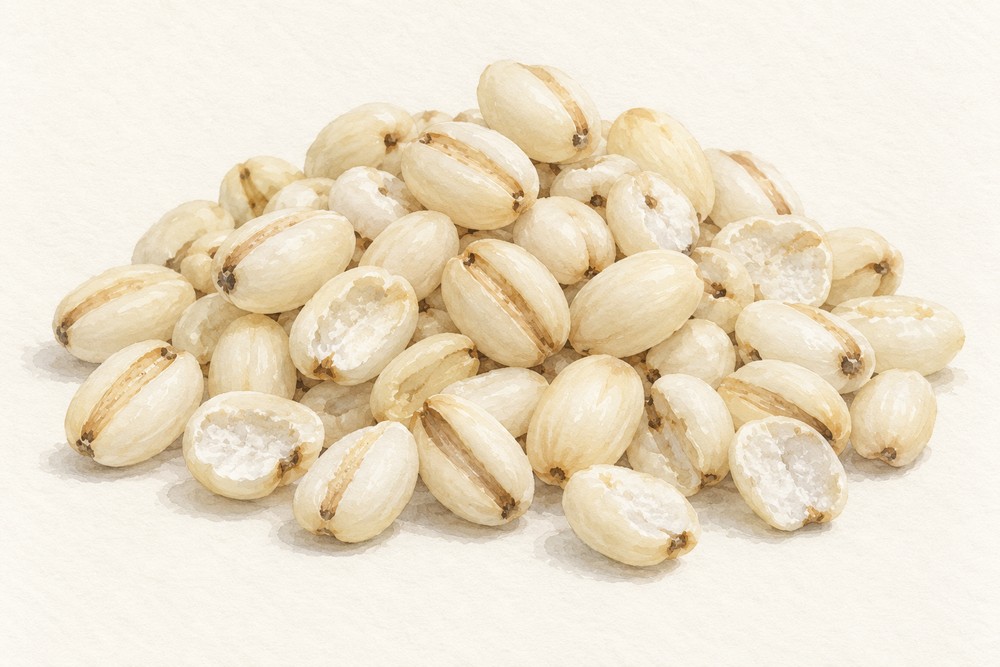
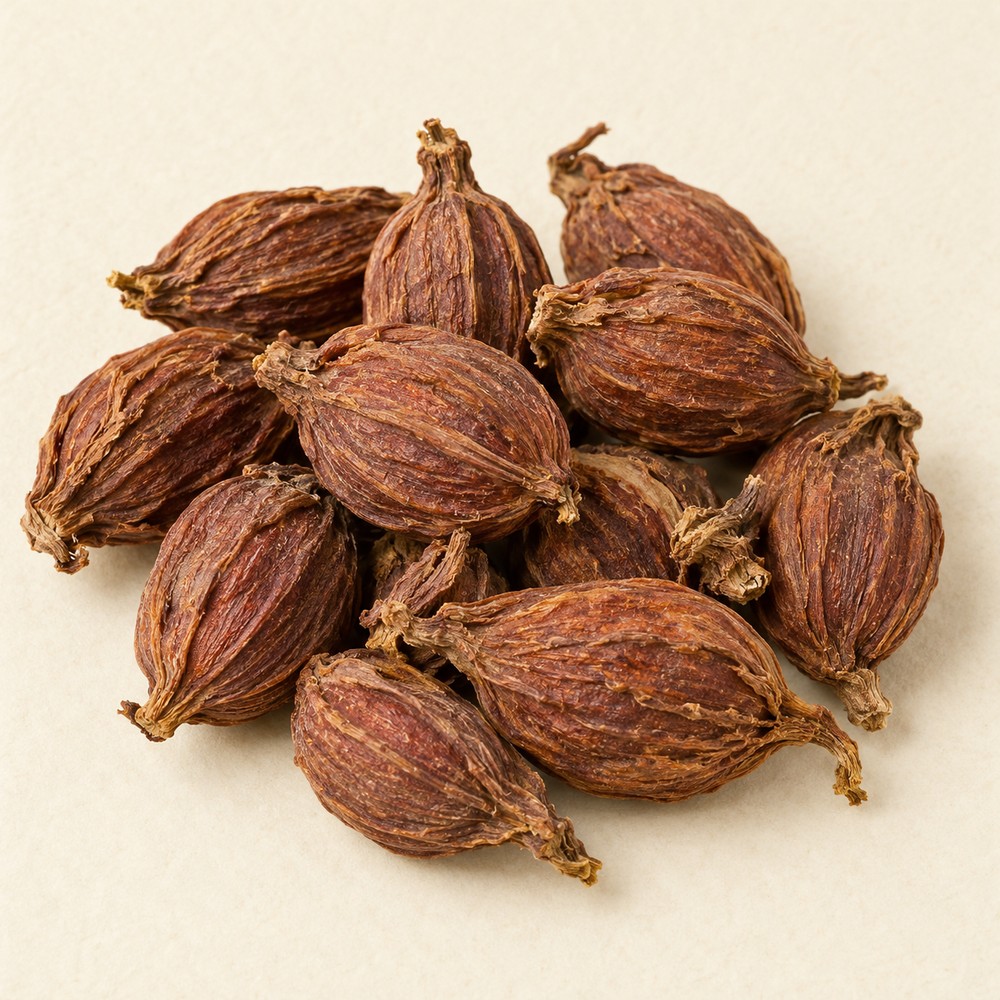
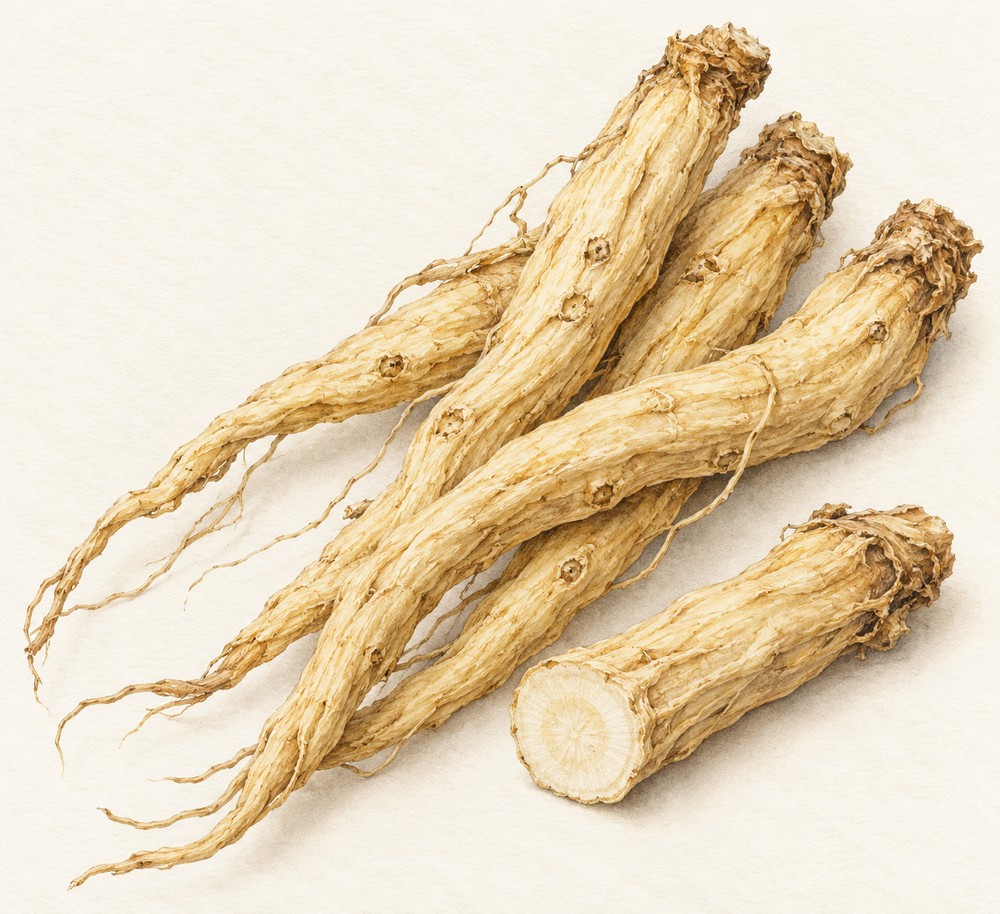
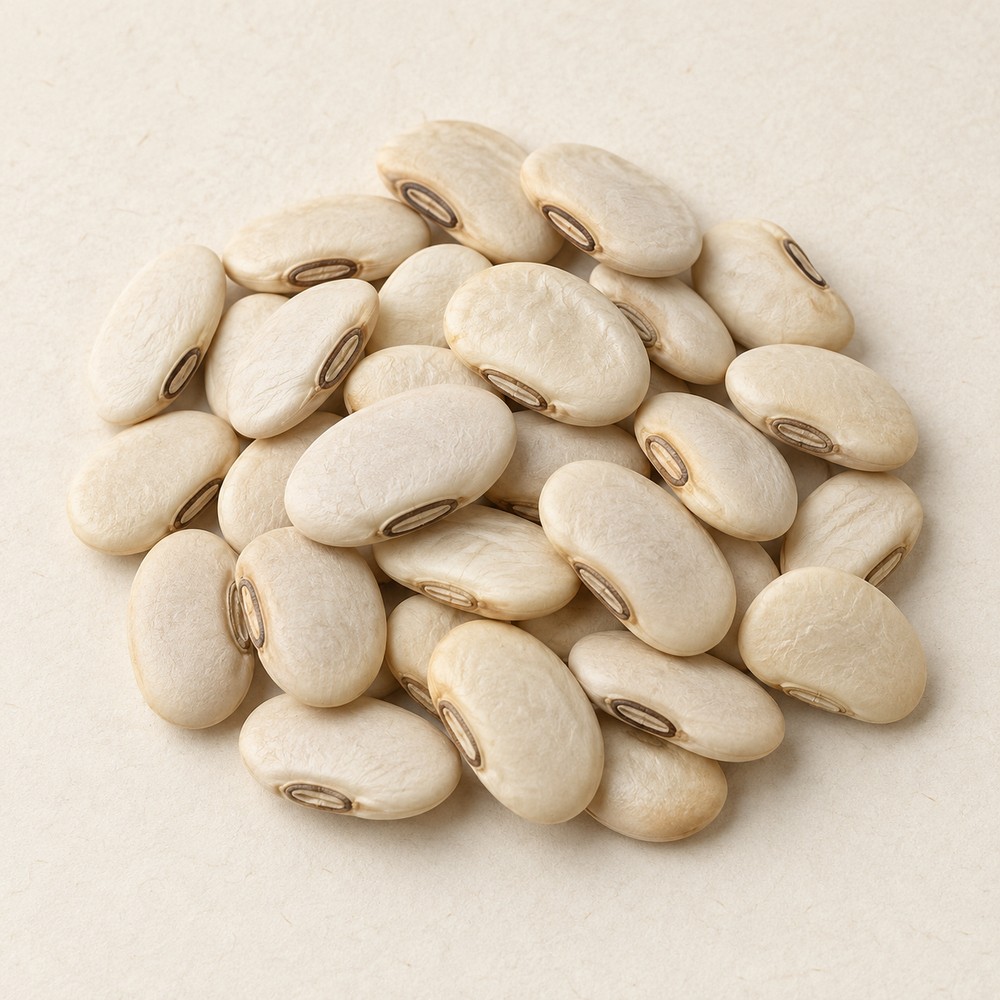
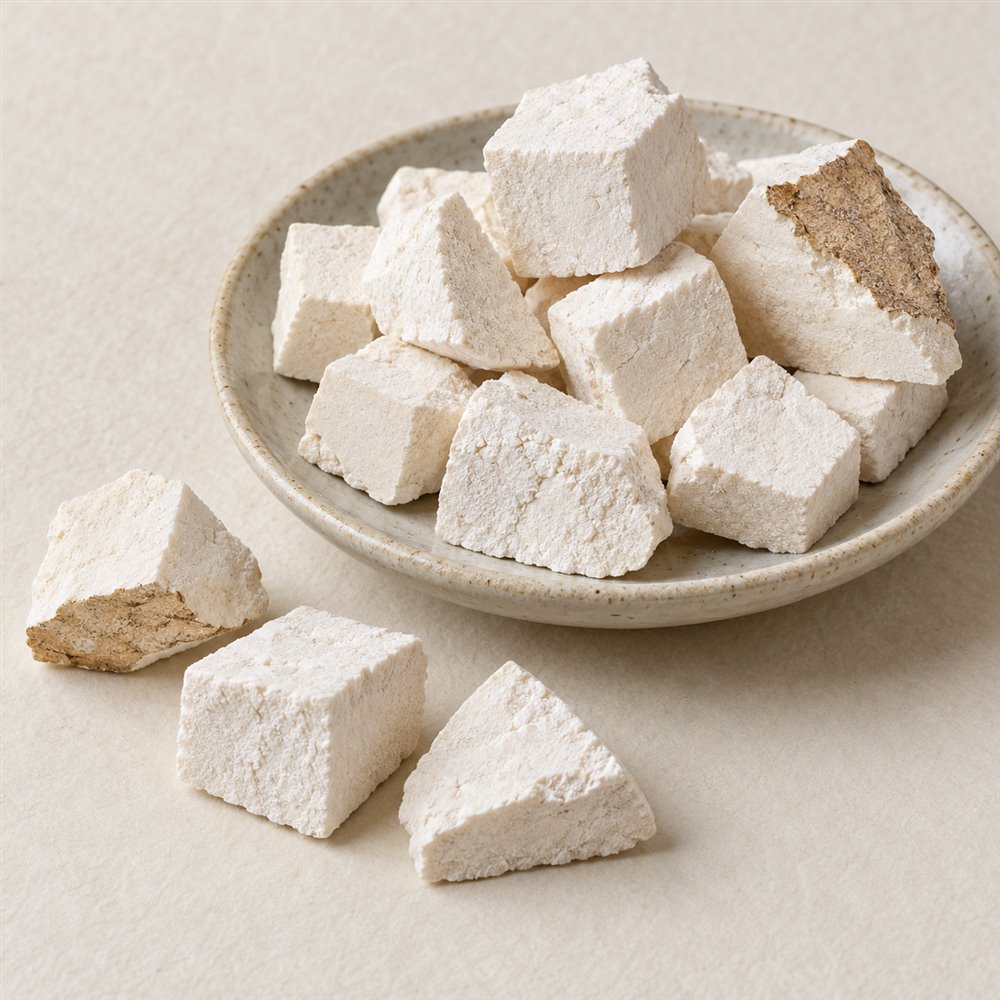
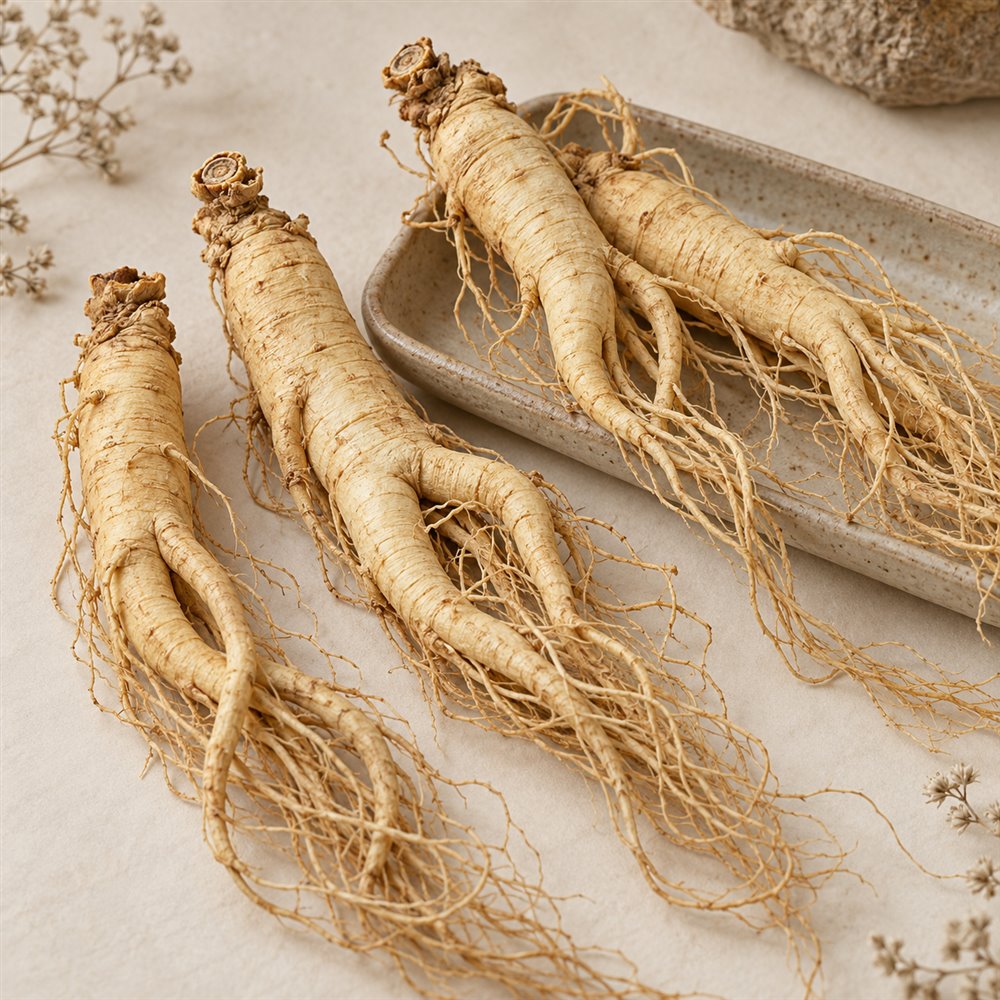
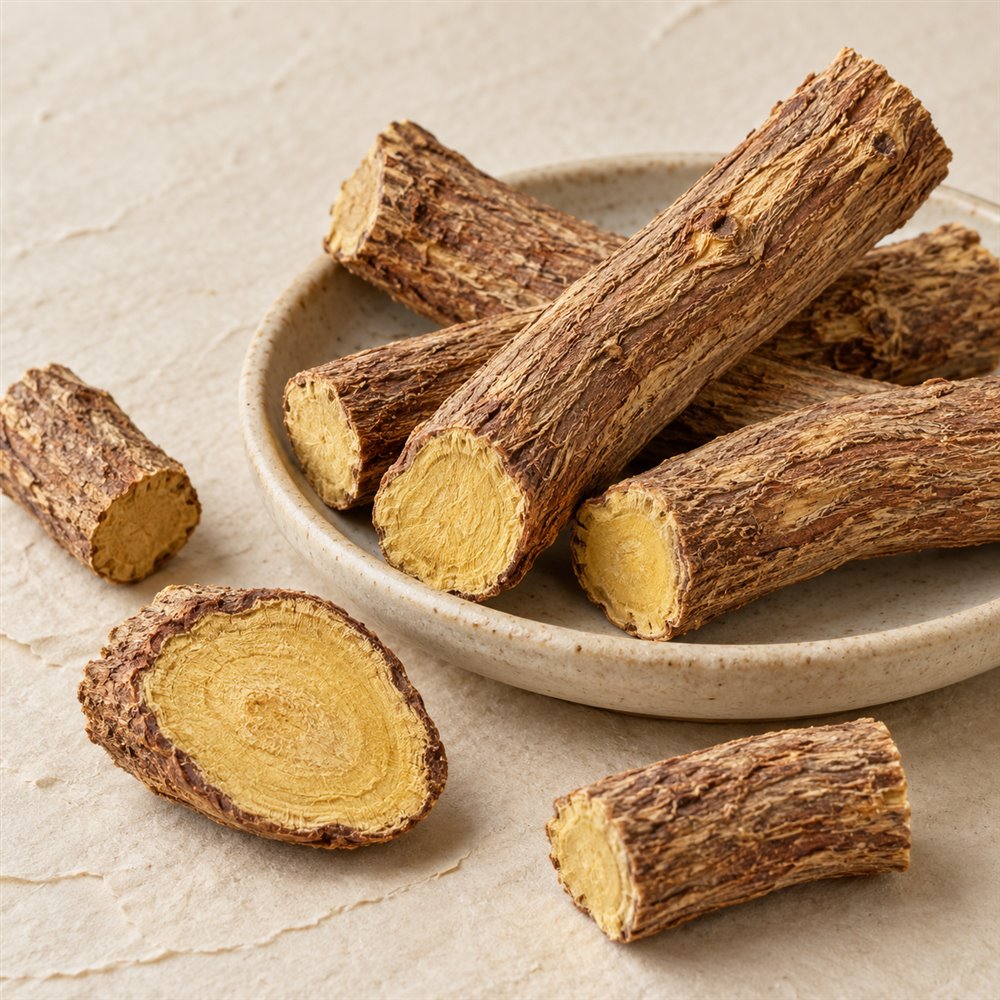
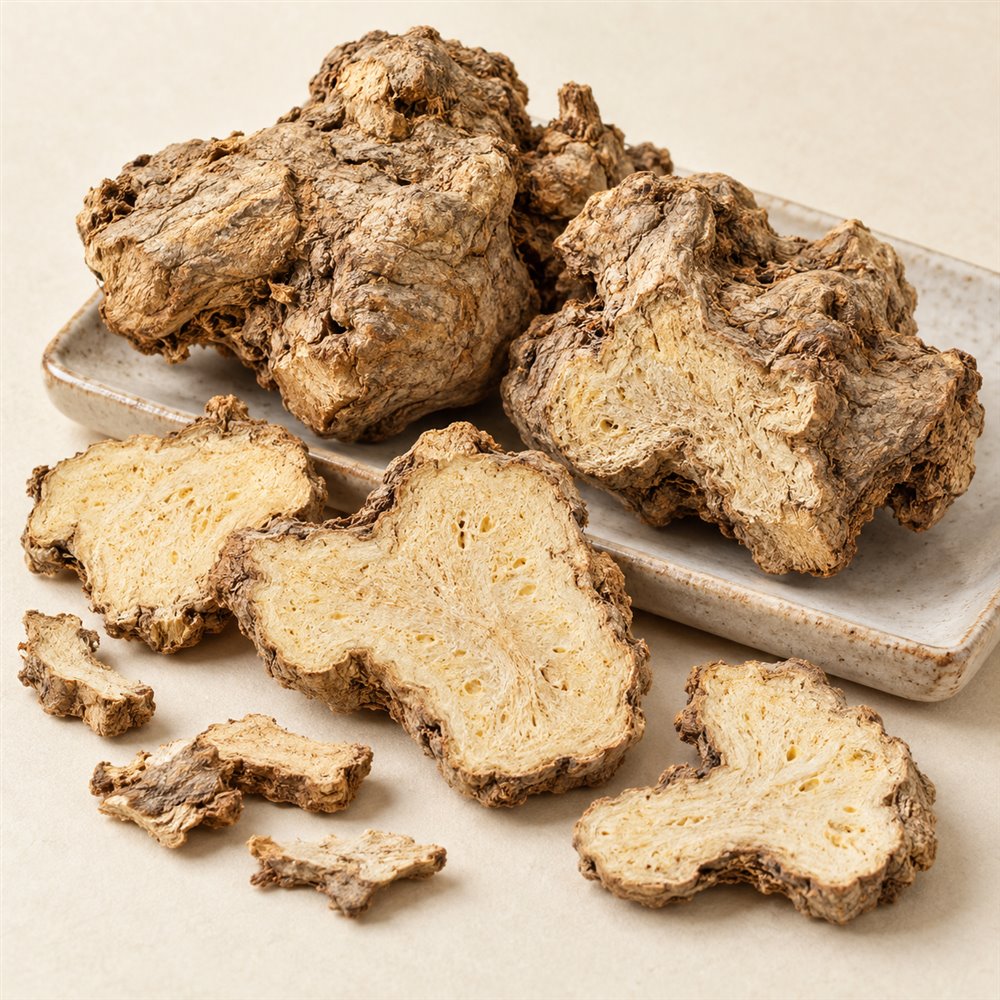
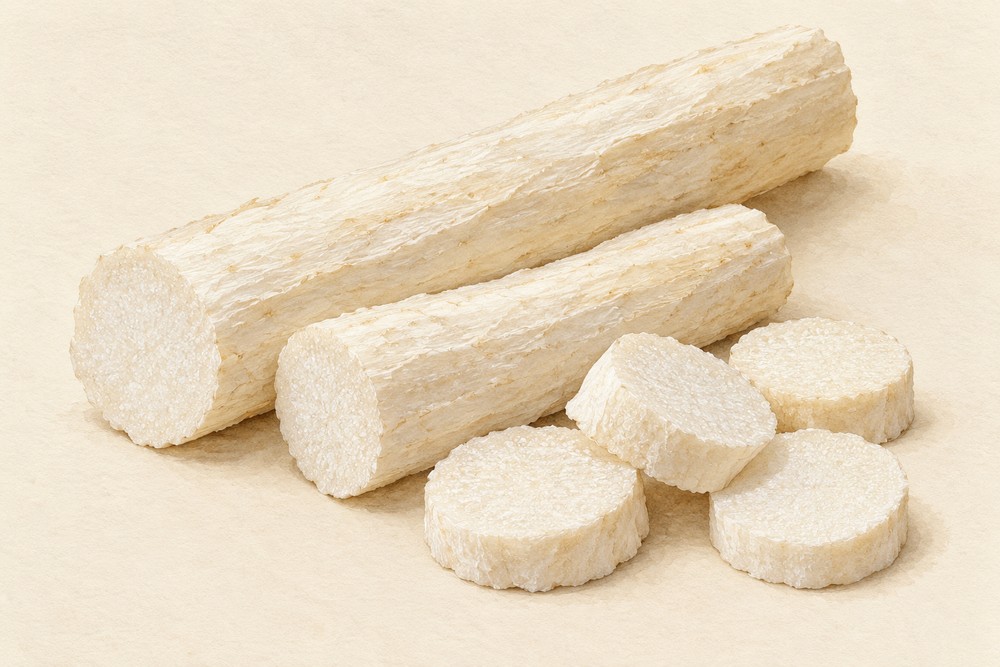
Source-recorded amounts: One HKBU source ratio by mass: 500:500:500:500:750:1,000:1,000:1,000:1,000:1,000 g; the record also gives jin units and conversions.
Caution: Not a personal dose. The source term “Lian Zi Xin” should be checked against the materia standard because it may distinguish whole seed/embryo by source convention.
Open formula record ↗Documented toxic incompatibility
No reviewed reliable source confirms a specific Lian Zi pair as toxic. Do not infer that a classical formula is safe for everyone; allergy, blood sugar, and underlying conditions still matter.
FROM PLANT / SOURCE HABITAT TO DRIED MATERIAL · REFERENCE WORKFLOW
- Harvest seeds when the receptacle browns and seeds mature; reject shriveled, moldy, or insect-damaged seeds.
- Separate seeds with clean tools, rinse briefly if needed, and dehull to standard; if removing the green embryo, maintain hygienic separation.
- Dry under controlled heat until uniform; damp seeds sealed in a bag readily mold.
- Pack against moisture and direct sun; record harvest date, source, and whether the embryo is retained.
These are post-harvest study notes, not directions to prepare a remedy for self-treatment. Processing reference ↗
How to read formula amounts
Displayed amounts belong to the cited formula and source; they are not a general safe ratio, treatment dose, or home-decoction instruction. Do not transfer amounts to another formula or adjust them by body weight.