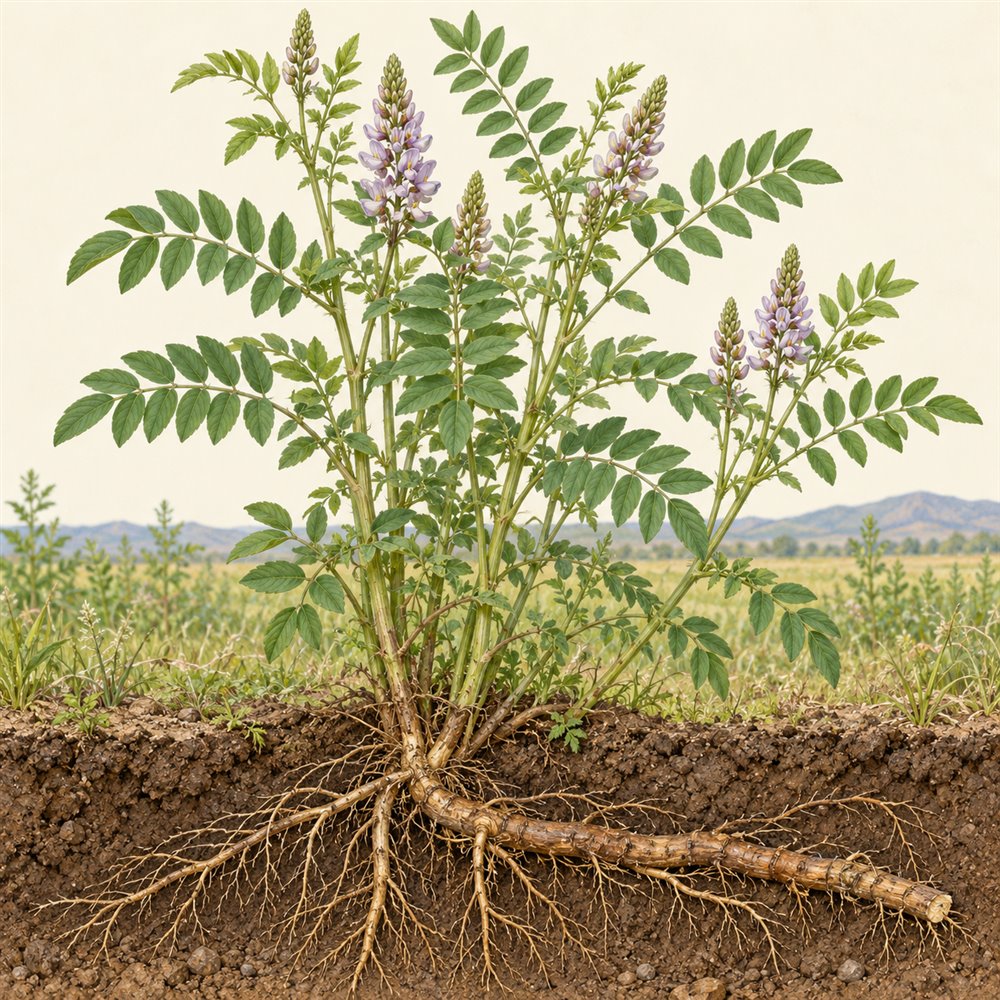
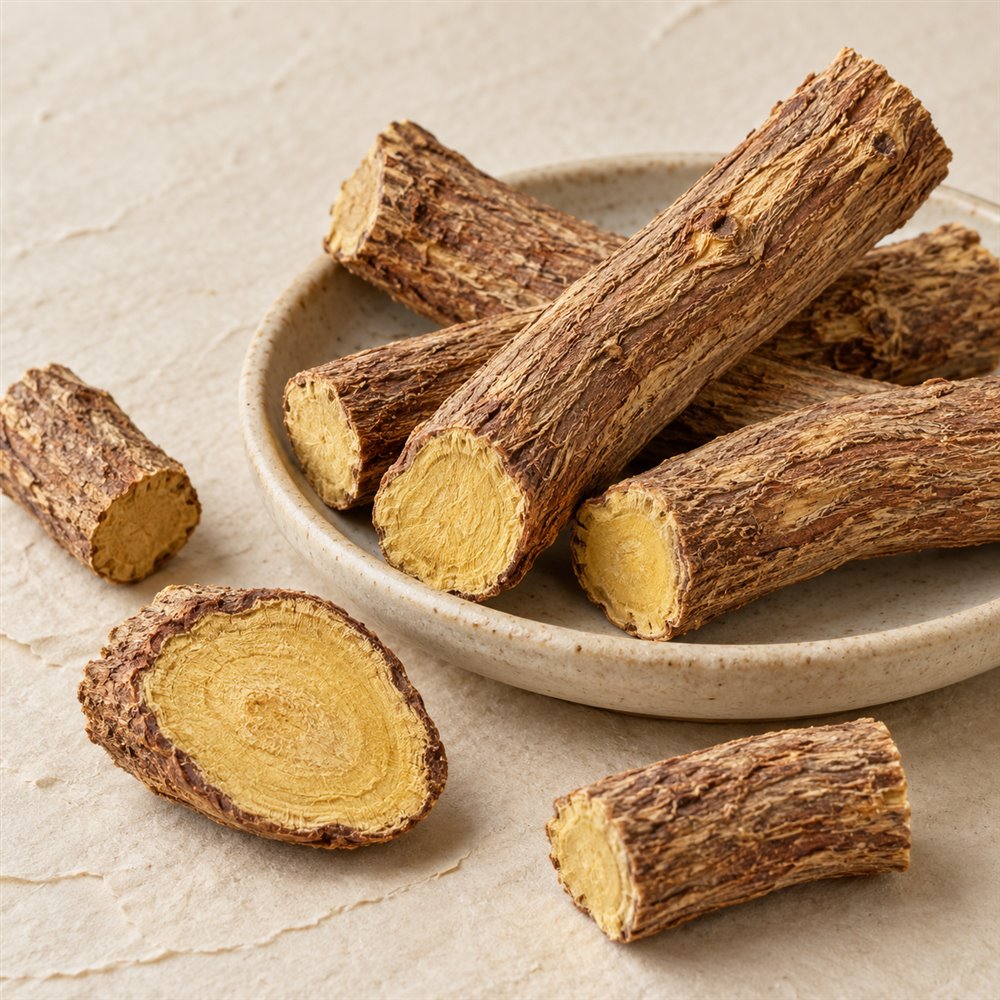
Chinese licorice · Gan Cao
Glycyrrhiza uralensis Fisch. · root and rhizome
Gan Cao appears in many traditional formulas and is often described in classical explanations as harmonizing the other ingredients. That phrase belongs to formula theory; it should never be translated as “neutral,” “harmless,” or “safe with everything.” Species, processing, extraction, and glycyrrhizin content matter. “Licorice” can also refer to other Glycyrrhiza species or to deglycyrrhizinated products, so the source material should be named precisely.
The most concrete safety issue is glycyrrhizin. NCCIH reports that licorice products containing this compound can cause serious effects, including irregular heartbeat, particularly with high or prolonged intake. Even relatively small amounts have been associated with severe effects in people with high salt intake, hypertension, or heart or kidney conditions. Interactions with corticosteroids have also been reported.
This is a useful example of why a “pairing” database needs separate fields. A formula source may document Gan Cao beside several other herbs; that does not answer whether a person’s prescription medicine interacts with the final product. Record the traditional combination, the known medicine interaction, and the uncertainty around individual commercial products as separate statements. Read NCCIH’s licorice safety summary ↗
Growth and habitat
HKBU records G. uralensis on dry sandy riverbanks, saline soils, and calcareous grasslands across northern/northwestern/northeastern China. It prefers sun and deep, loose, drained soil; rhizomes spread underground. Waterlogged soil and year-round humid heat may increase root disease; an ornamental crop is not automatically medicinal-grade material.
Habitat source ↗Growing and care
- Use seed or nursery stock verified as Glycyrrhiza uralensis; do not group several Glycyrrhiza species under one name.
- Choose full sun and a deep sandy-loam raised bed with good drainage; avoid waterlogged areas and beds where spreading roots could damage other plants.
- Follow supplier guidance for sowing/planting; water during establishment, then let the surface begin to dry between waterings and avoid excess nitrogen.
- Weed shallowly and monitor fungal/root rot; avoid pesticide residues when the goal is medicinal-material study or harvest.
- HKBU records autumn root excavation but no universal plant age; track the plot and check quality standards before harvest. Do not home-process honey-prepared licorice.
How long until harvest? HKBU records autumn root harvest, cleaning, cutting, sun drying, bundling, and final drying. It does not set a universal plant age; timing depends on regional standards, root development, and replanting plans. Root harvest injures or removes the plant; do not dig young plants for experimentation.
Cultivation / season source ↗Si Jun Zi Tang · Four Gentlemen Decoction
In HKBU’s Si Jun Zi Tang, honey-prepared licorice is paired with Ren Shen, Bai Zhu, and Fu Ling; source amounts are 6, 9, 9, and 9 g respectively. This does not establish safety for hypertension, kidney/heart disease, or corticosteroid use.
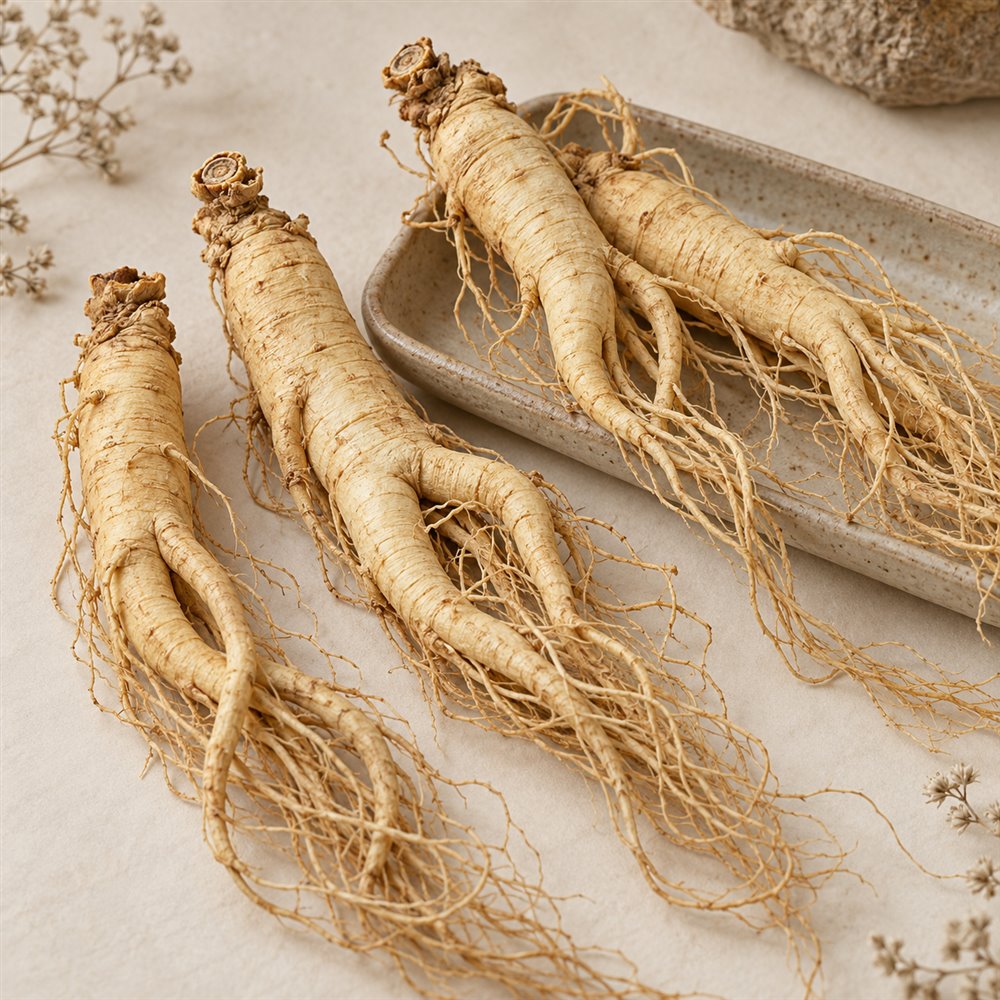
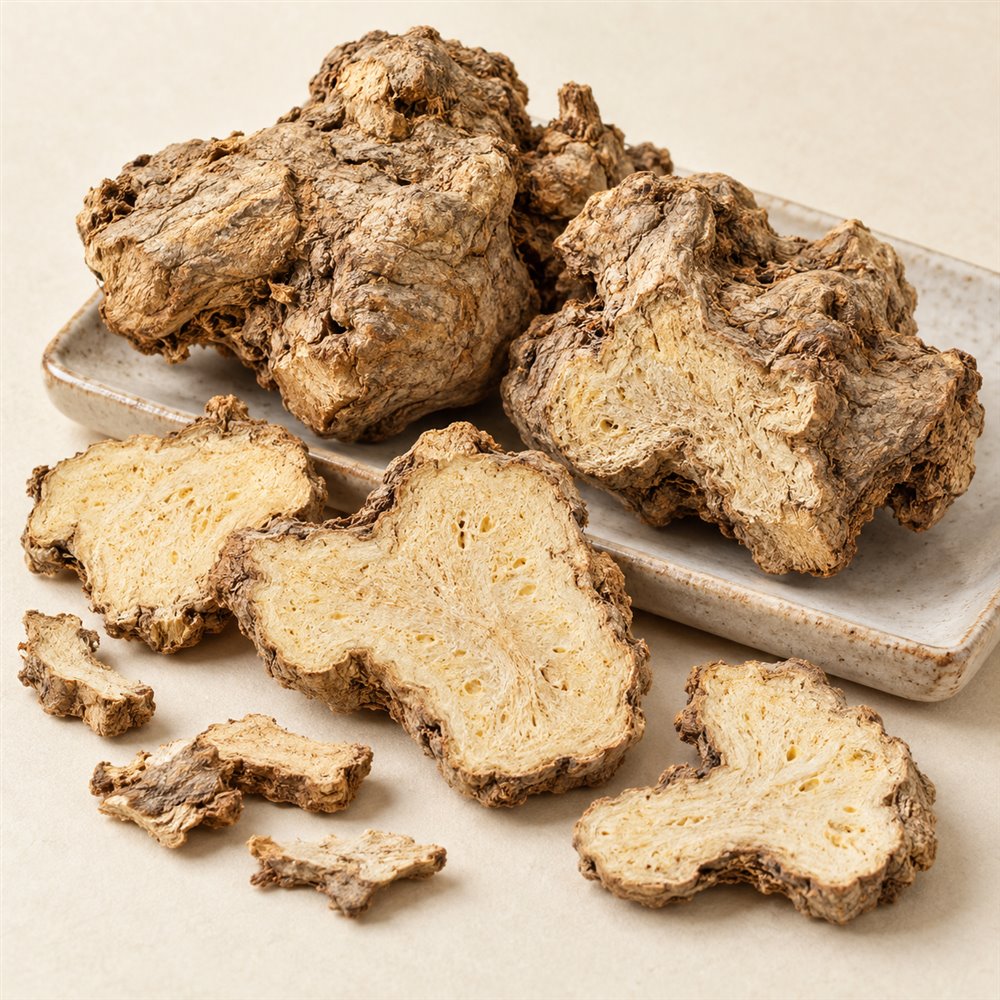
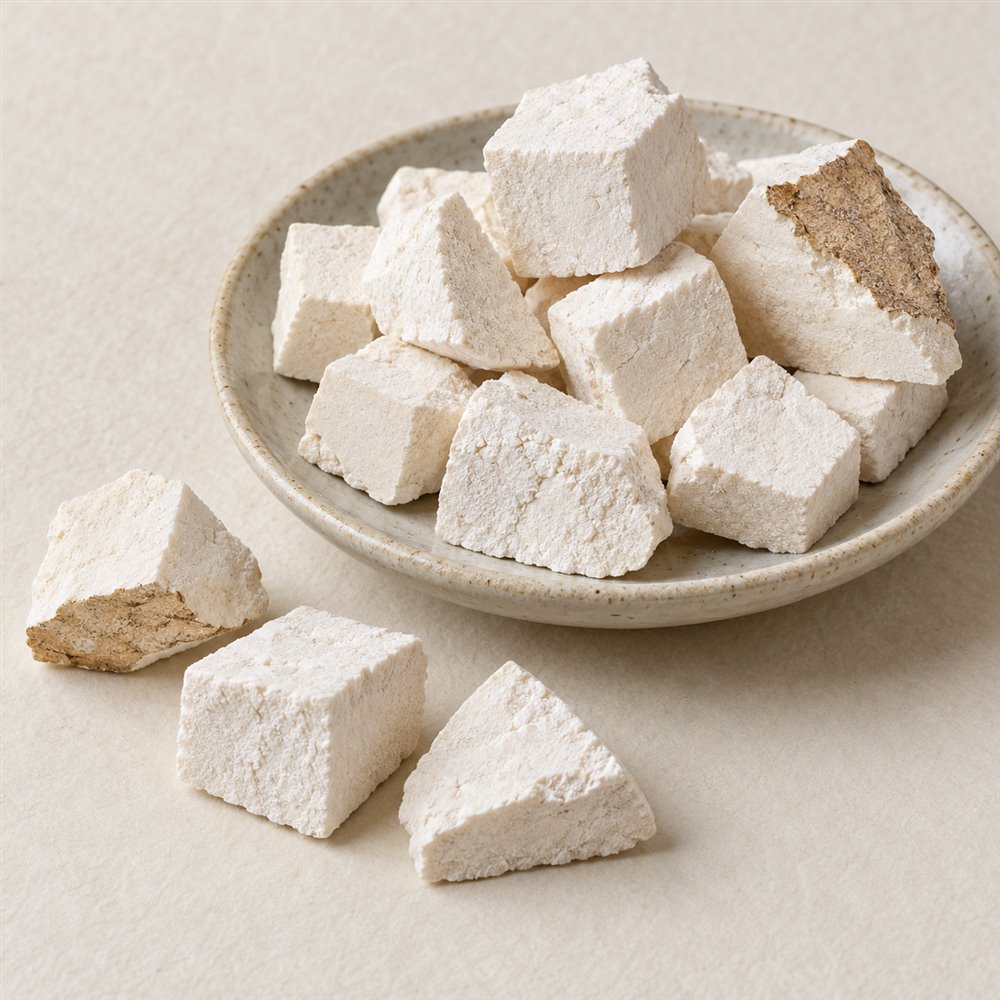
Source-recorded ratio: Zhi Gan Cao:Ren Shen:Bai Zhu:Fu Ling = 6:9:9:9 g in the source, or 2:3:3:3; only the ratio of this formula.
Do not use this ratio as a personal dose; glycyrrhizin may affect blood pressure, potassium, and the heart. Review medicines, conditions, and pregnancy risk.
Open original formula record ↗Pairings, incompatibilities, and interactions
HKBU warns against licorice with Jing Da Ji, Gansui, and Yuan Hua; traditional incompatibility sources also list Hai Zao. This is a traditional warning, not a toxicity measurement for every form. Modern review establishes no safe ratio; never self-combine these pairs.
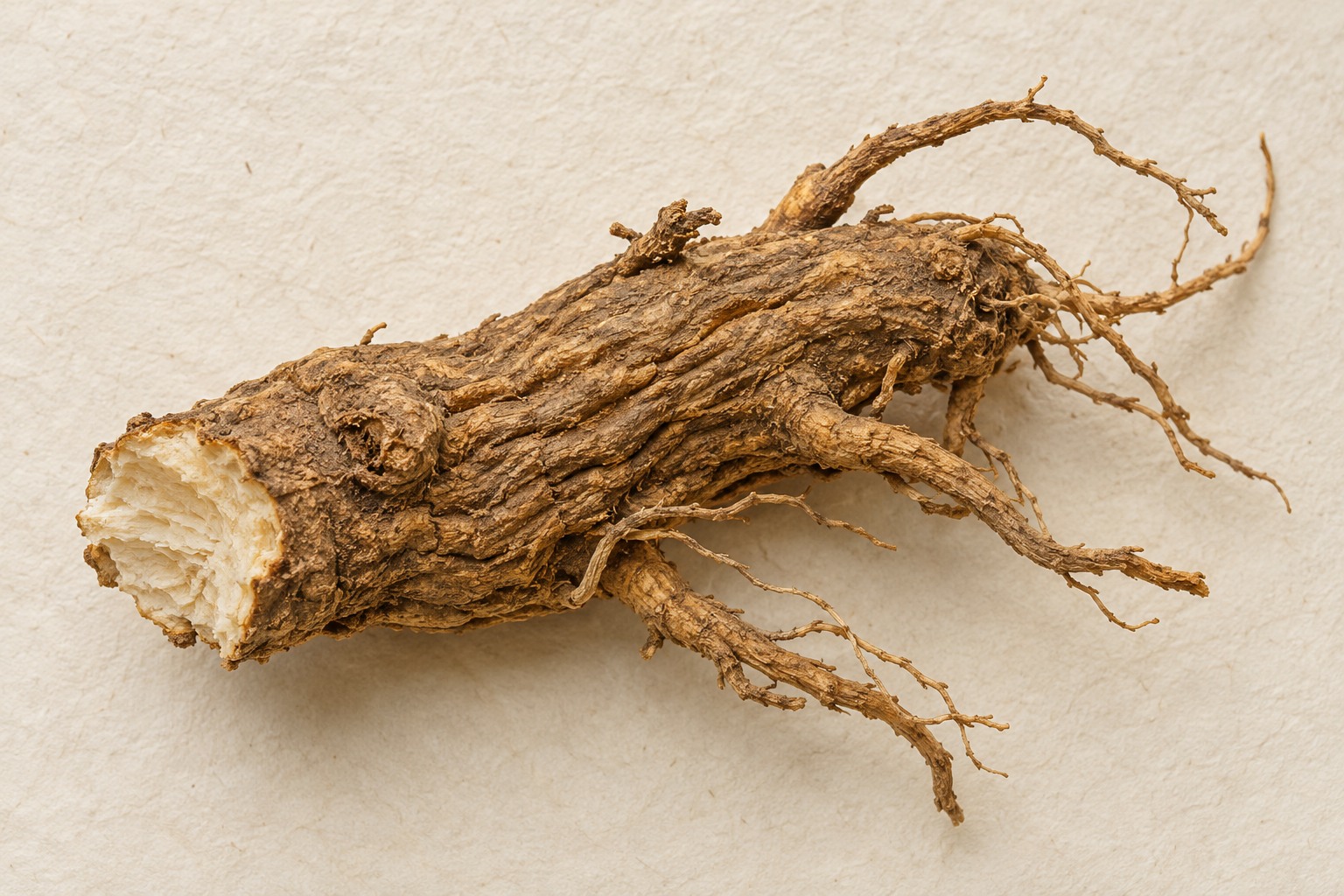
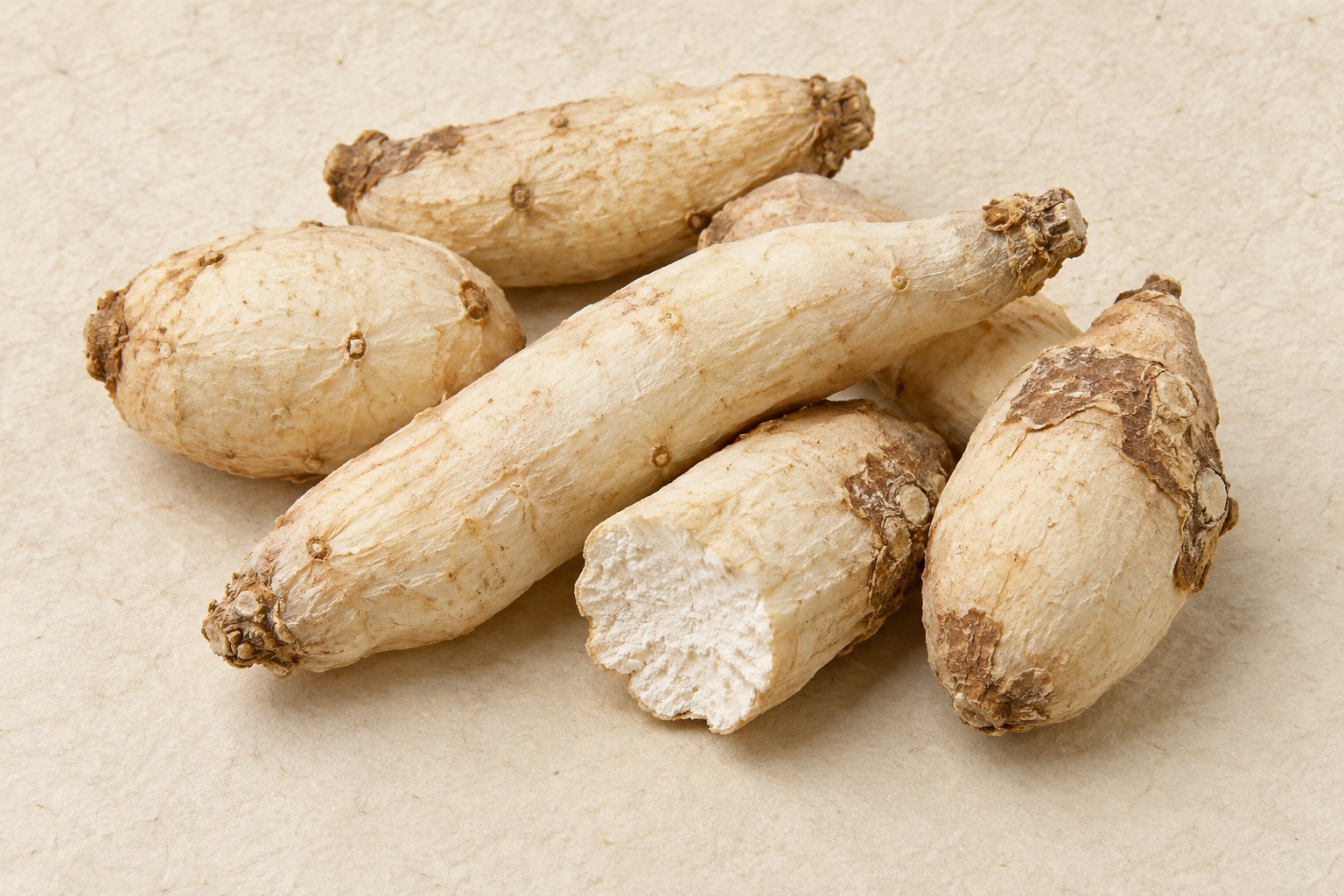
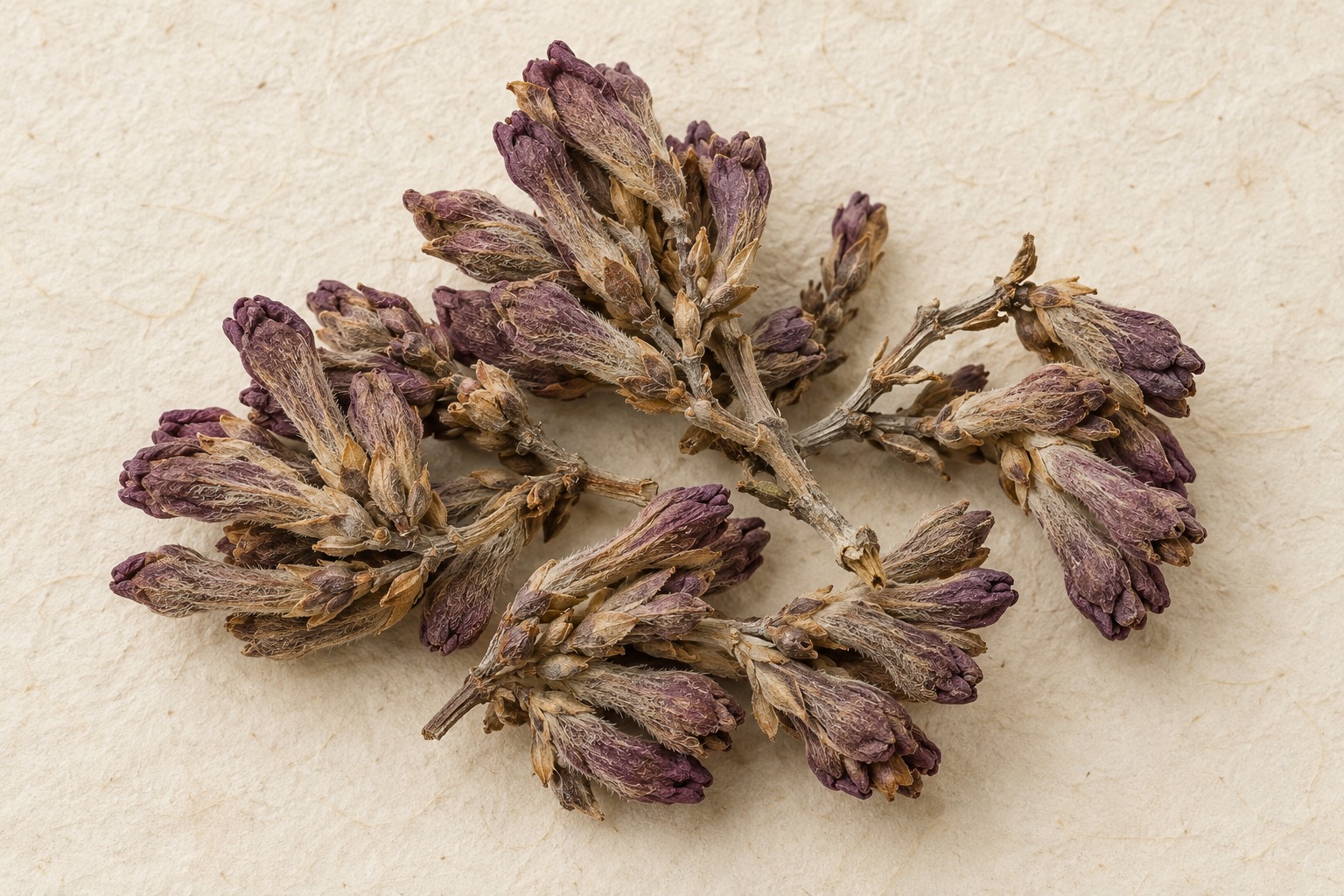
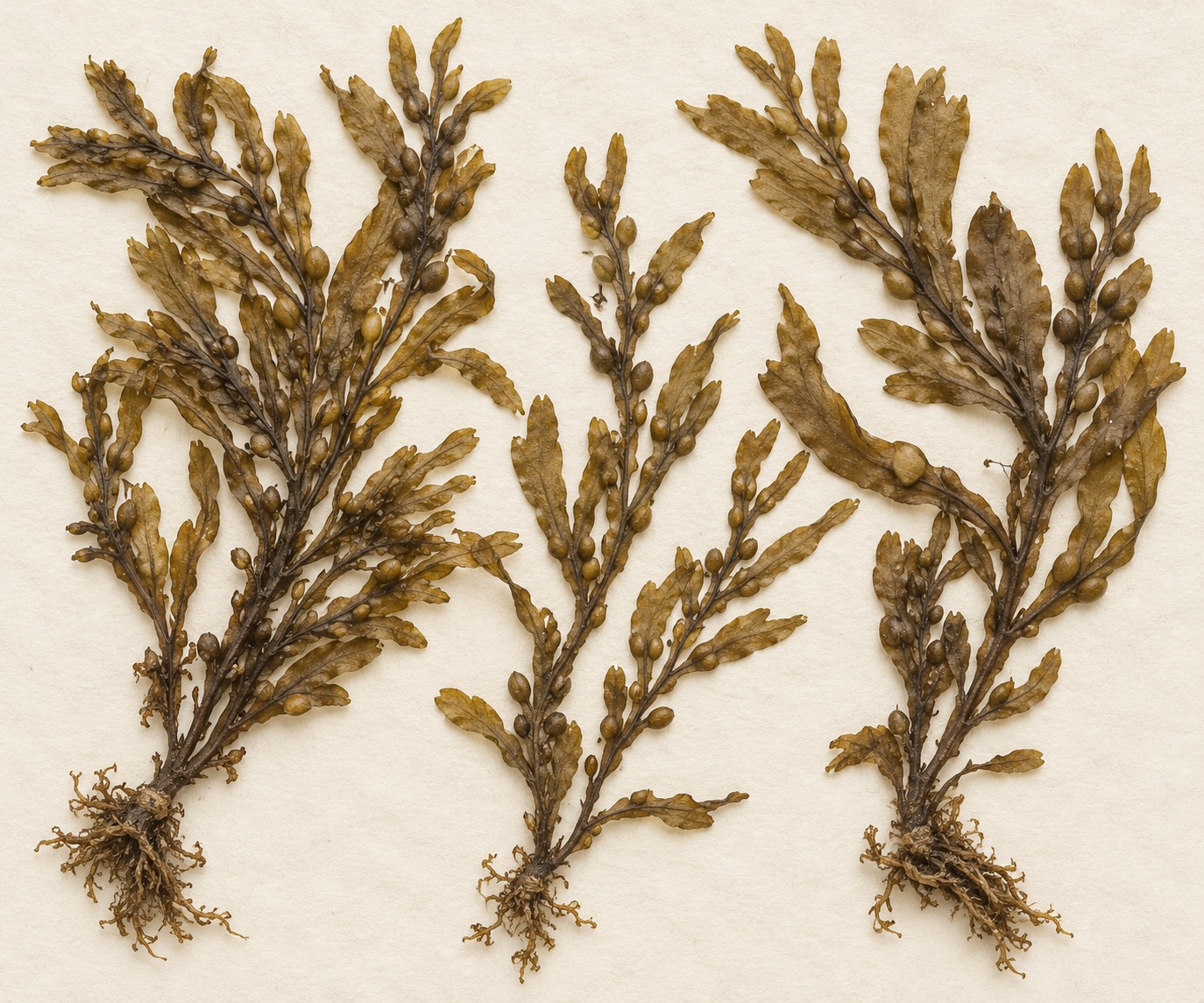
AI study images illustrate morphology and are not for specimen identification.
HKBU incompatibility record ↗ Modern research review ↗From plant to dried material · reference workflow
- HKBU describes autumn excavation, removal of tops/branches/fibrous roots, cutting into suitable segments, sun drying, bundling, and final drying. Honey preparation is professional processing requiring controlled proportions, heat, and moisture; do not add honey and roast/decoct it at home.
Source-based process description, not a home preparation or self-use guide.
Processing source ↗How to read formula amounts
Displayed amounts belong to the cited formula and source; they are not a general safe ratio, treatment dose, or home-decoction instruction. Do not transfer amounts to another formula or adjust them by body weight.