Qiang Huo · Qiang Huo
Notopterygium incisum Ting ex H.T. Chang · Dried root and rhizome
Name and part used
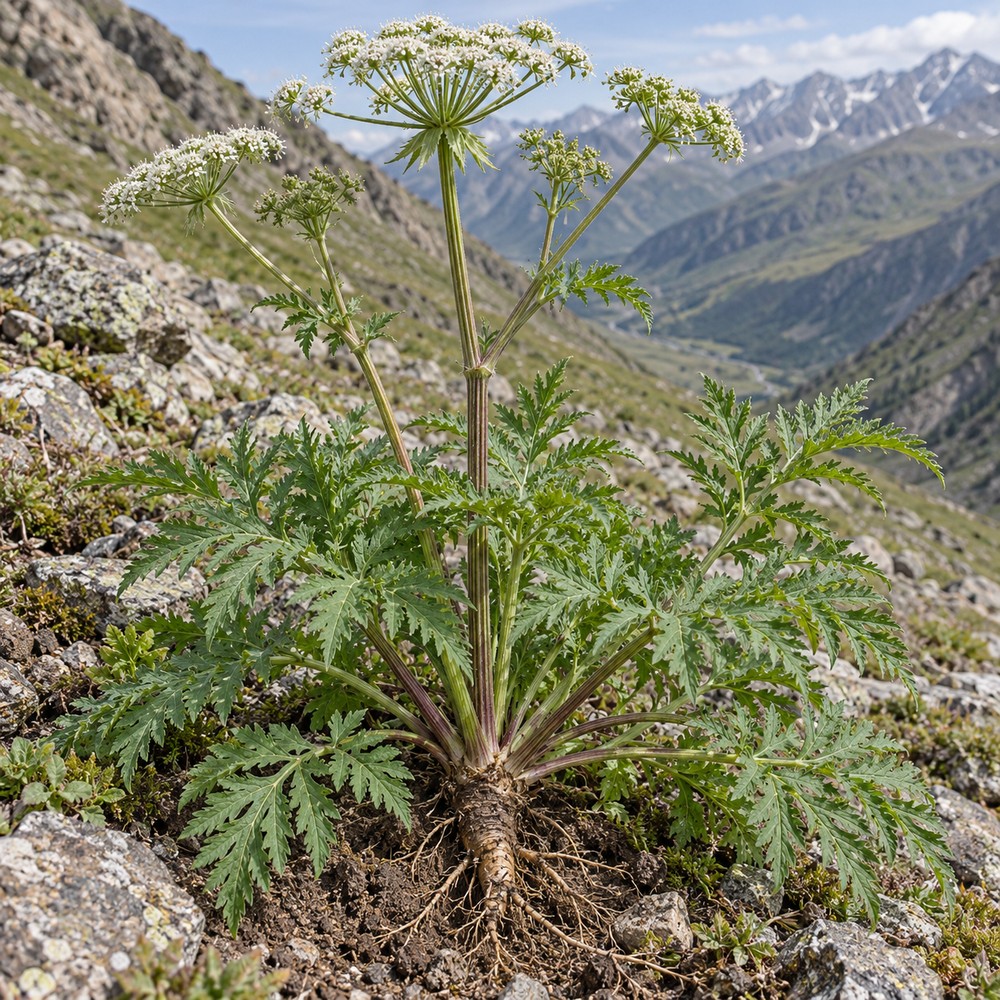
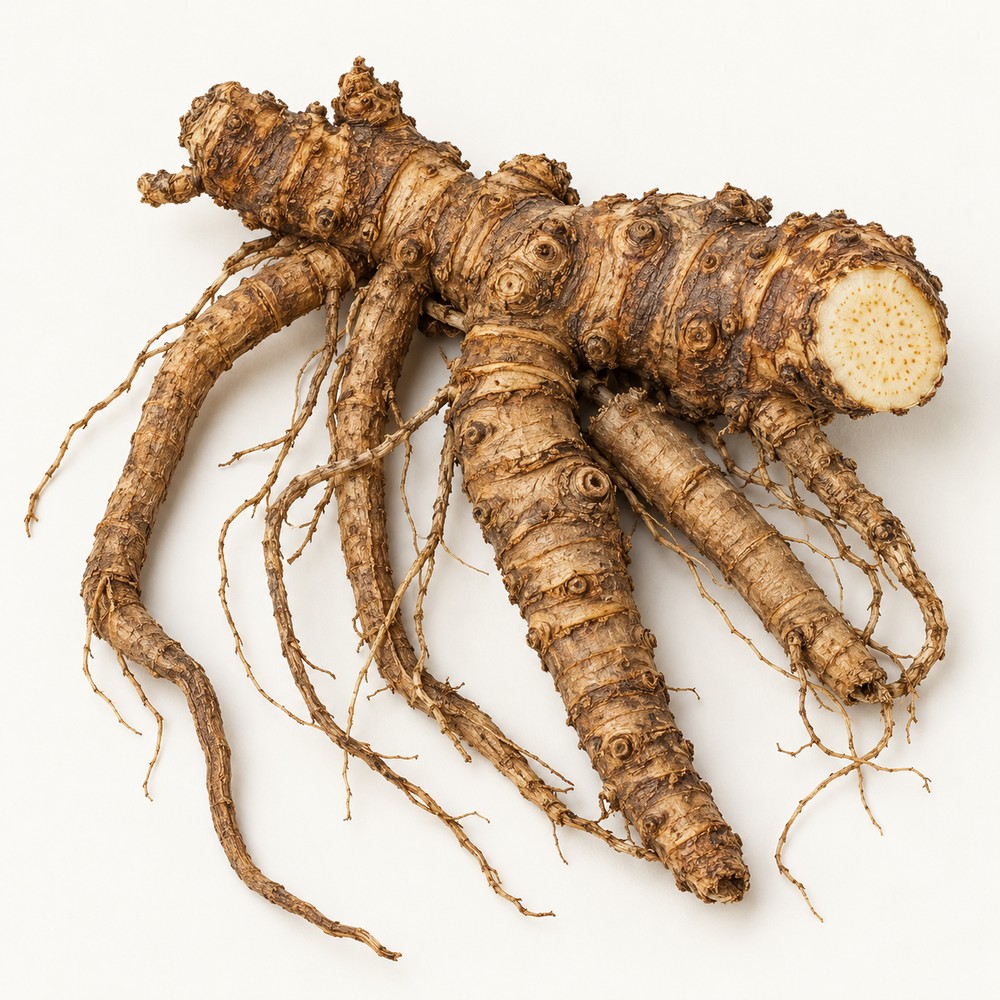
HKBU identifies Qiang Huo as Notopterygium incisum, a perennial Apiaceae herb of Chinese mountain regions. The living plant has divided leaves, tall stems, and pale umbels; dried material is a yellow-brown rhizome with stem scars, roots, and patterned cross-sections. It is not ginger or Du Huo. Local names may refer to several Notopterygium species. AI art is for study, not identification.
Traditional context
Traditional sources describe it as acrid, bitter, and warm, used in pattern-based theory for wind-cold, dampness, and pain. This does not prove treatment of flu, arthritis, or back pain.
Modern evidence
HKBU verifies the species and records historical uses; chemistry or laboratory studies do not establish clinical benefit or dosage. Persistent pain, severe fever, or weakness/numbness needs assessment.
Safety
Allergy or digestive upset and species/batch errors are concerns. Pregnancy, breastfeeding, children, liver/kidney disease, or medicines warrant professional review before concentrated products. Do not forage wild Apiaceae.
Pairing in reference texts
Qiang Huo Sheng Shi Tang records Qiang Huo with Du Huo, Gao Ben, Fang Feng, honey-prepared licorice, Man Jing Zi, and Chuan Xiong. The Chinese page lists 6, 6, 3, 3, 3, 2, and 1.5 g; HKBU English gives a different Chuan Xiong amount. This historical record has a source discrepancy and is not self-dosing advice.
Growth and habitat
Cây cần đất thoát nước, mát và giàu mùn vừa phải.
Growing, care, and harvest timing
The profile above includes sourced steps and a documented harvest window. Harvest timing is agronomic information, not a self-use instruction.
Growing and care
- G
- i
- ữ
- ẩ
- m
- k
- h
- i
- b
- é
- n
- r
- ễ
- n
- h
- ư
- n
- g
- k
- h
- ô
- n
- g
- đ
- ể
- ú
- n
- g
- ;
- l
- à
- m
- c
- ỏ
- v
- à
- p
- h
- ủ
- m
- ù
- n
- m
- ỏ
- n
- g
- .
How long until harvest? Sources provide no universal root-harvest age. A mature plant is not automatically medicinal-grade.
Documented formula pairing: Qiang Huo Sheng Shi Tang
HKBU describes traditional actions for a pattern-diagnosed condition; not self-treatment for pain or fever.
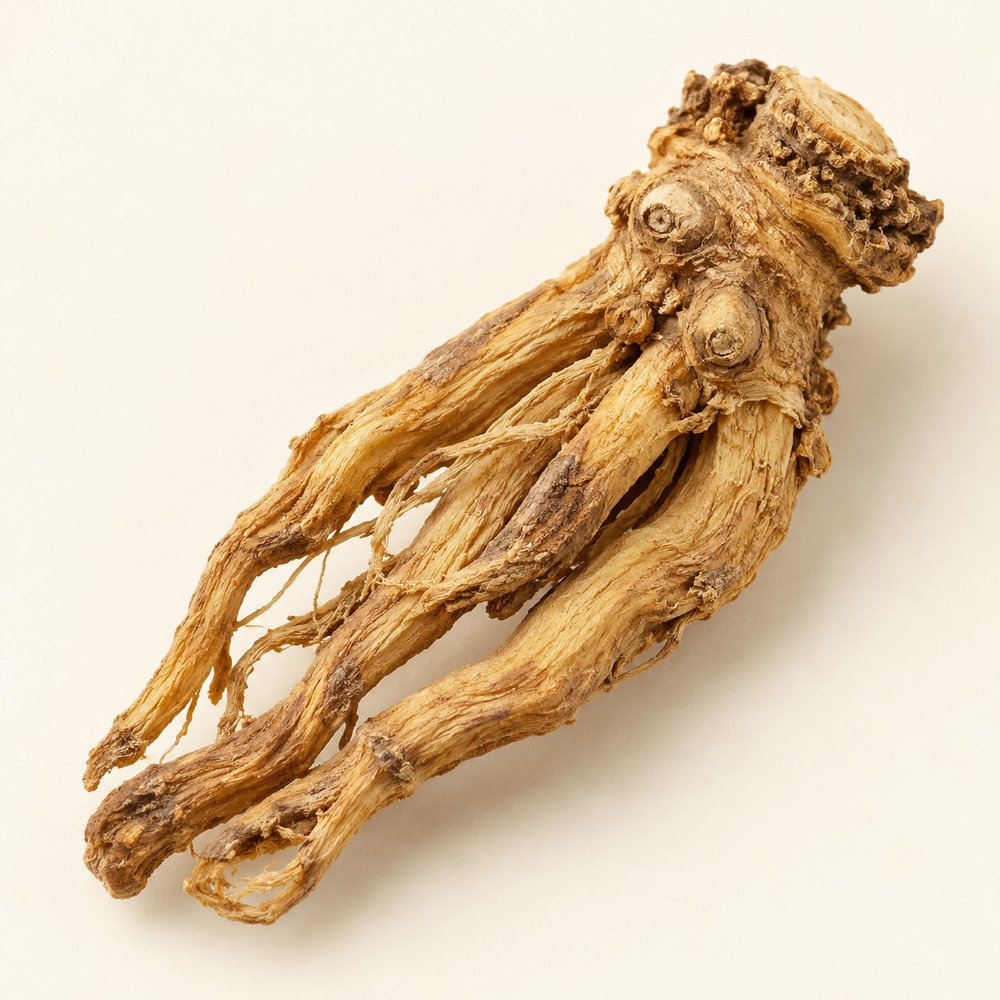
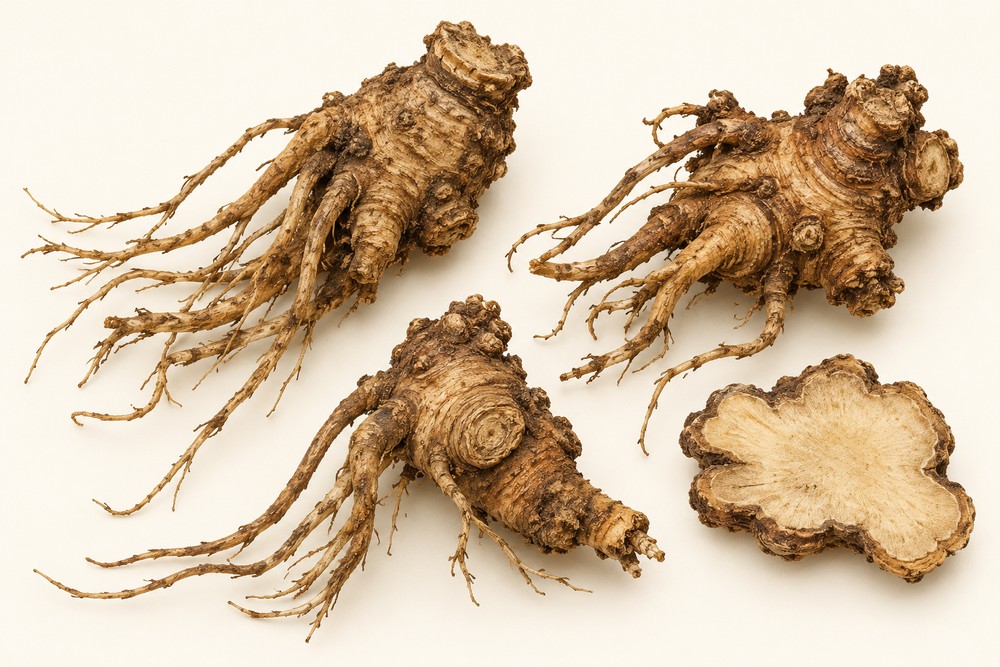
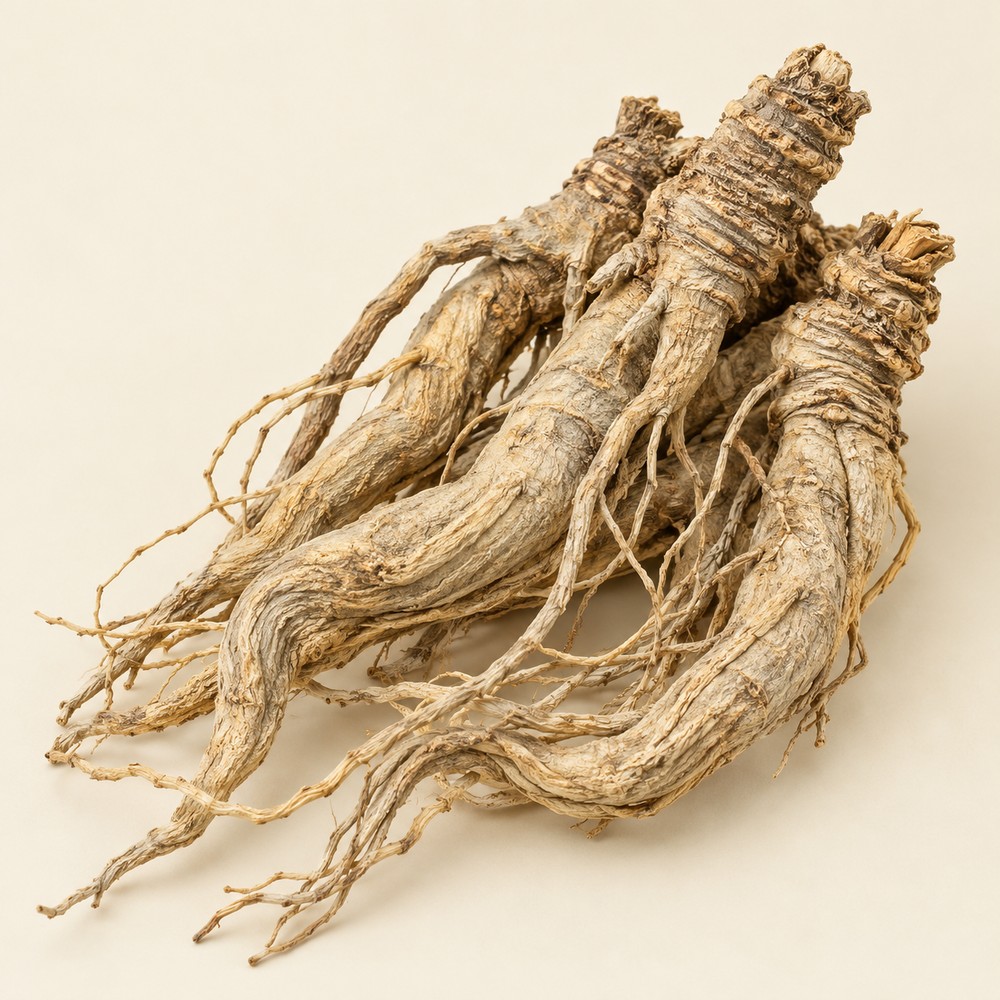
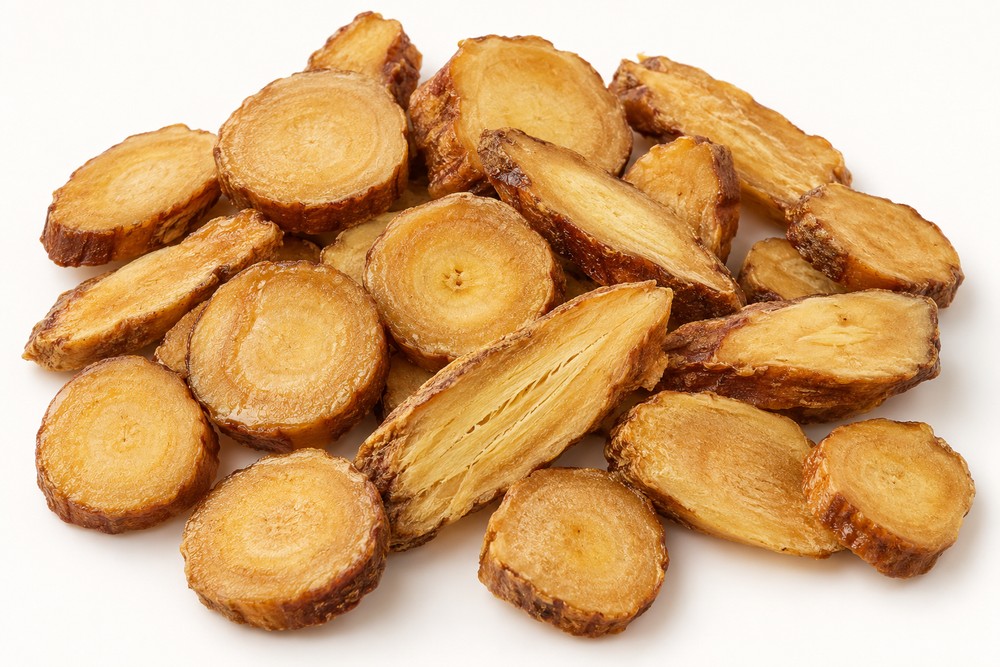
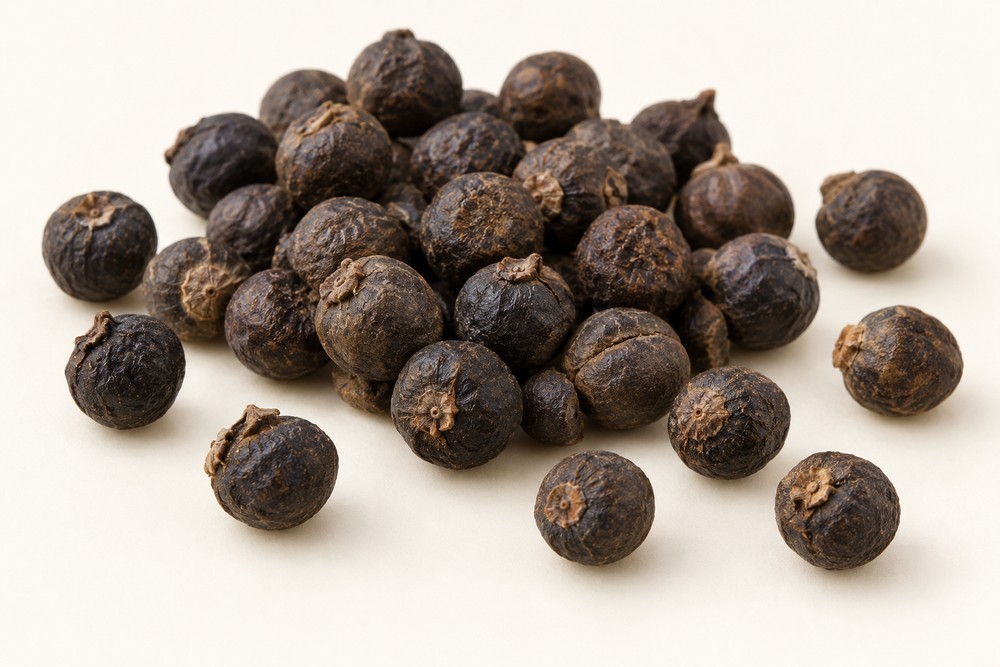
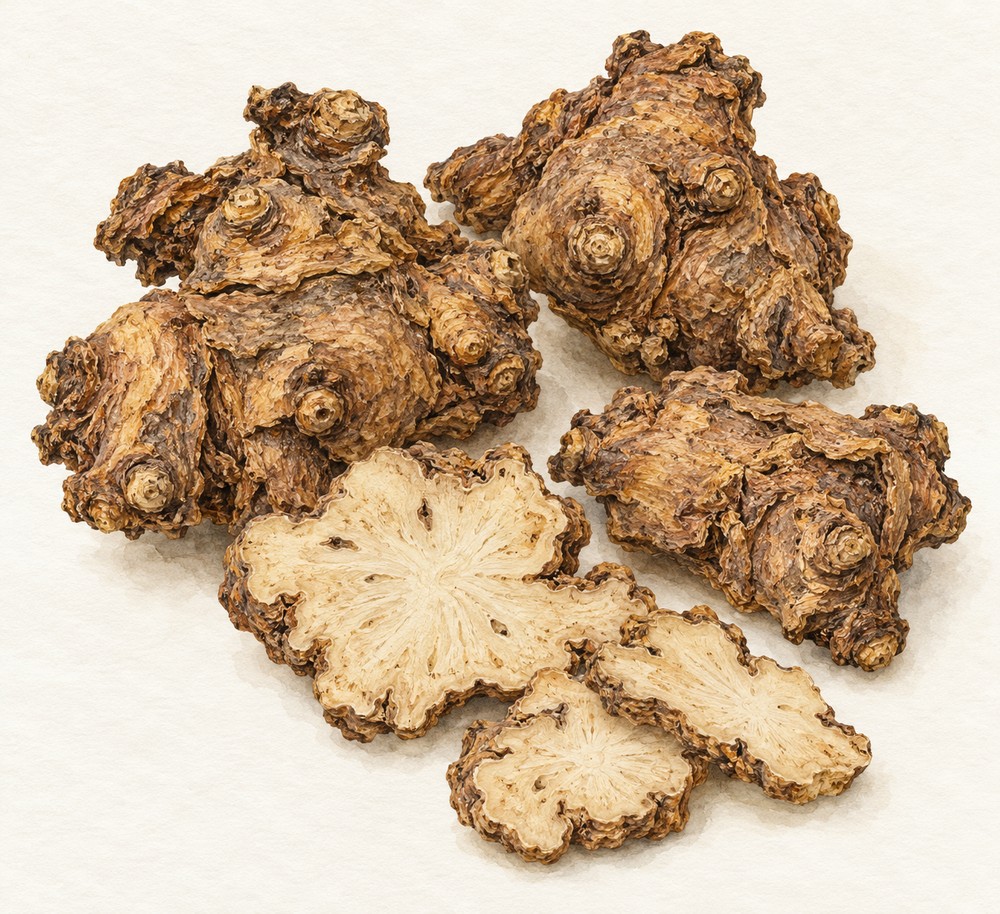
Source-recorded amounts: Chinese page lists 6:6:3:3:3:2:1.5 g in the order shown plus Gao Ben, honey-prepared licorice, and Man Jing Zi. English page differs on Chuan Xiong; verify source and do not treat as personal dosing.
Caution: Historical formula does not assess conditions or medicines. Chest pain, severe fever, or weakness needs care, not self-decoction.
Open formula record ↗Documented toxic incompatibility
No specific toxic pair is confirmed. This does not establish universal safety; dose, identity, processing, and medicines matter.
FROM PLANT / SOURCE HABITAT TO DRIED MATERIAL · REFERENCE WORKFLOW
- Grow only verified, legally sourced plants; do not collect wild mountain plants.
- Wash off soil, remove damaged material and debris; avoid prolonged soaking.
- Cut to the batch specification and record species, origin, harvest date, and processor.
- Dry in clean, ventilated conditions until stable; avoid soil, smoke, insects, and re-wetting.
- Grade and store dry and sealed; medicinal batches need testing and professional handling.
These are post-harvest study notes, not directions to prepare a remedy for self-treatment. Processing reference ↗
How to read formula amounts
Displayed amounts belong to the cited formula and source; they are not a general safe ratio, treatment dose, or home-decoction instruction. Do not transfer amounts to another formula or adjust them by body weight.