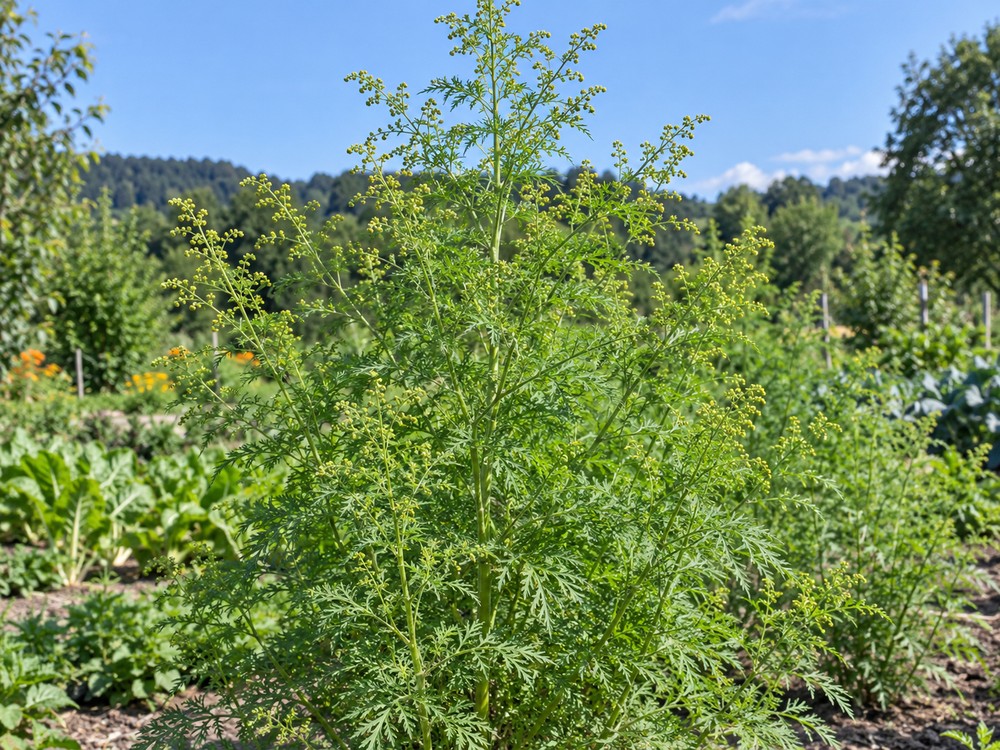
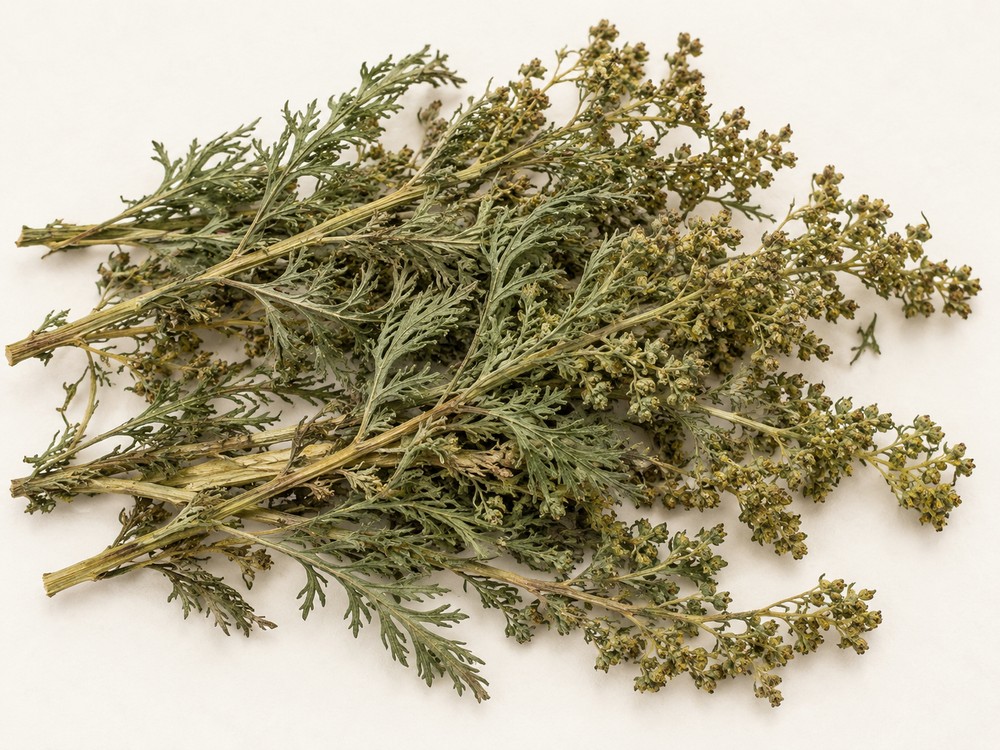
Qing Hao (sweet wormwood) · Qing Hao
Artemisia annua L. · Shade-dried aerial parts
Name and part used
This entry uses Qing Hao as Artemisia annua L., an annual Asteraceae, not other mugworts with similar common names. It has an upright branched stem, finely divided aromatic leaves, and small yellow-green flower heads near the top. The materia medica is generally the shade-dried aerial part, but standards must be checked because “Qing Hao” can be used broadly. Kew records a height of about 1–2 m in cultivation.
Traditional context
Traditional medicine describes Qing Hao in deficiency-heat and summerheat patterns. Artemisinin derived from A. annua was developed into standardized antimalarial medicines, but homemade leaves or tea are not antimalarial treatment and do not replace WHO combination therapy. Do not self-treat fever or parasitic infection with the plant.
Modern evidence
Kew POWO confirms an annual species and notes verified flowering-stem reference material at Kew’s Chinese Medicinal Plants Authentication Centre is shade-dried and sourced from China. Artemisinin research concerns extraction and standardized pharmaceuticals; content varies by cultivar, environment, stage, and plant part, so it cannot define a home leaf or tea dose.
Safety
Aromatic leaves are not automatically safe medicine. Avoid concentrated oils or extracts; pregnancy, breastfeeding, children, liver disease, and medication use require professional review. High fever, confusion, breathing difficulty, seizures, or suspected malaria is urgent. No reviewed source confirms a specific Qing Hao pair as toxic; interactions of preparations still require assessment.
Pairing in reference texts
Qing Hao appears in Qing Hao Bie Jia Tang with Bie Jia, Sheng Di, Zhi Mu, and Mu Dan Pi. HKBU records 9 g, 15 g, 12 g, 6 g, and 9 g, a ratio of 3:5:4:2:3. This is a classical record, not fever-treatment advice. Another formula, Qing Gu San, has eight ingredients and different quantities; the recipes must not be merged.
Growth and habitat
Kew describes the species as native across parts of Eurasia and cultivated elsewhere; garden growth needs sun, drained soil, and a warm season. It is annual: germination, vegetative growth, flowering, seed set, then senescence. Avoid planting where it may become invasive; check local rules and limit seed spread outside its native range.
Growing, care, and harvest timing
The profile above includes sourced steps and a documented harvest window. Harvest timing is agronomic information, not a self-use instruction.
Growing and care
- Buy authenticated seed; do not collect seed from an unknown plant because it may be confused with Artemisia vulgaris or other mugworts.
- Start in clean trays and transplant after several true leaves to reduce competition.
- Choose full sun and avoid saturated ground; water at the base in the morning and allow the surface to dry between watering.
- Pinch lightly for branching in a study garden and stake tall plants in windy conditions.
- Keep a growth, insect, and bud-date log; leaf color is not a test of artemisinin content.
- Harvest only for botanical study and within local rules; do not make tea or extract compounds at home.
How long until harvest? Kew confirms an annual life cycle but gives no universal sowing-to-harvest day count. Growth usually spans one warm season; flowering-stem collection for research must follow a published protocol and verified identity. There is no age at which the plant becomes a safe medicine; leaves are not malaria treatment.
Documented formula pairing: Qing Hao Bie Jia Tang
HKBU records this classical formula in warm-disease pattern theory with damaged yin and lingering heat. Persistent fever needs diagnosis; do not self-use it to reduce fever.
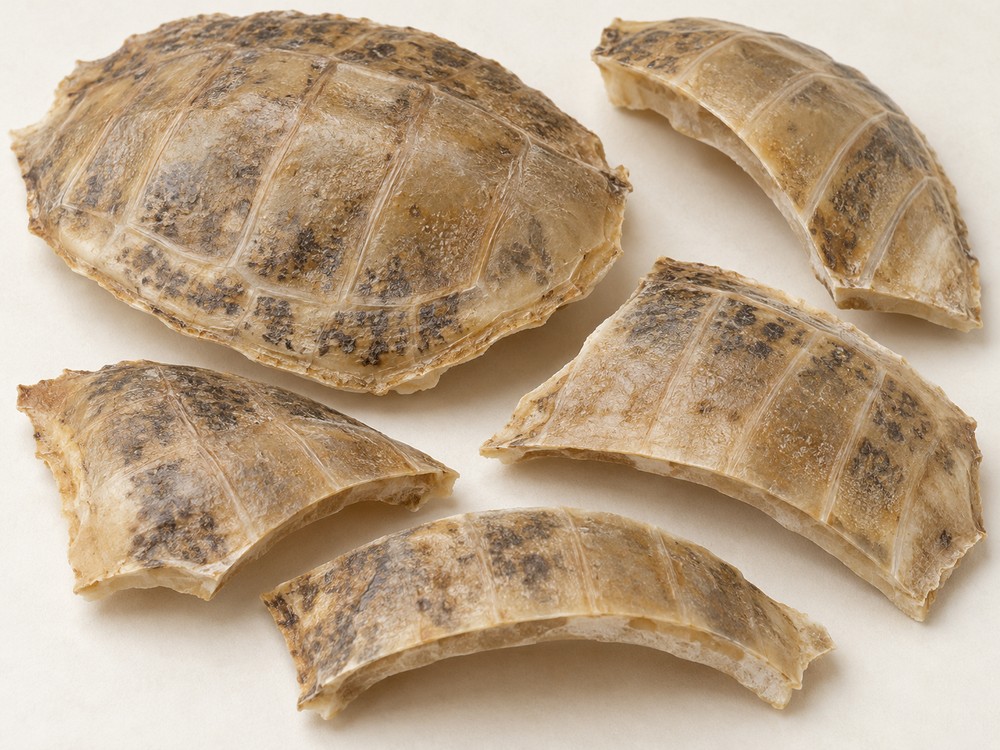
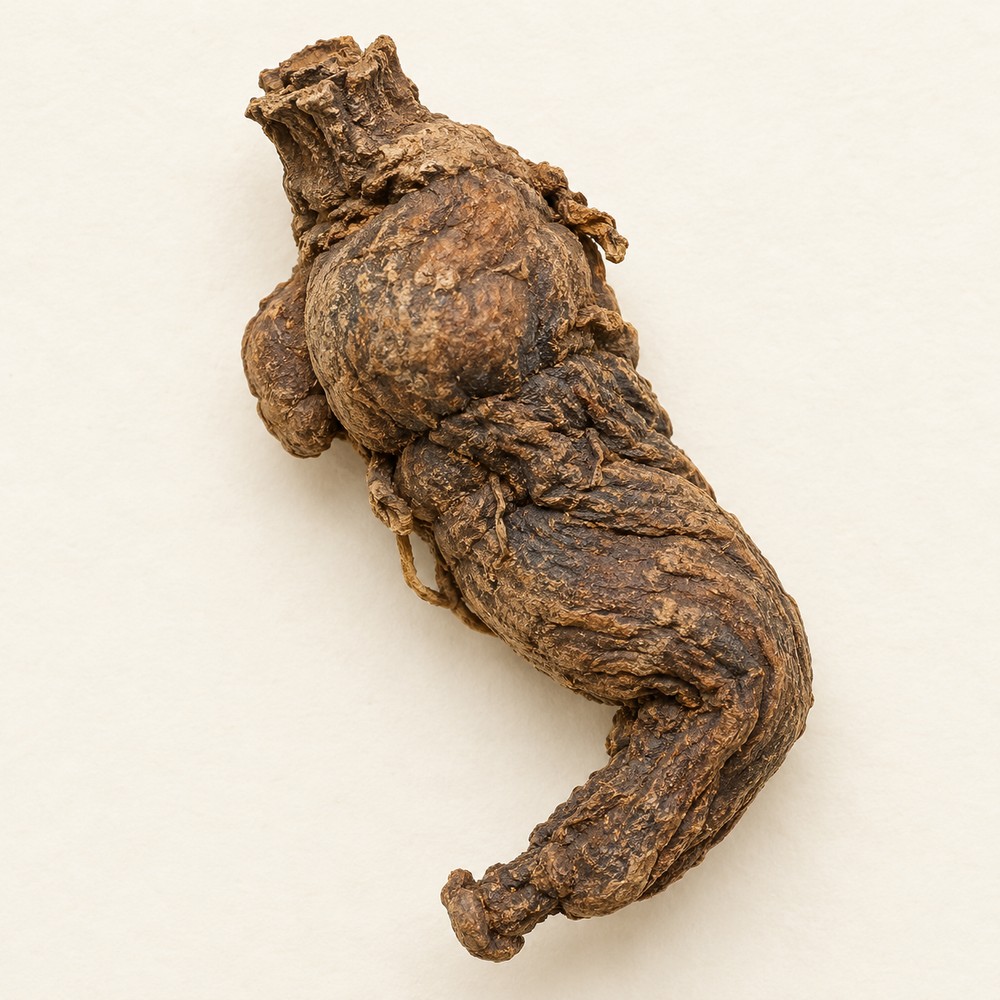
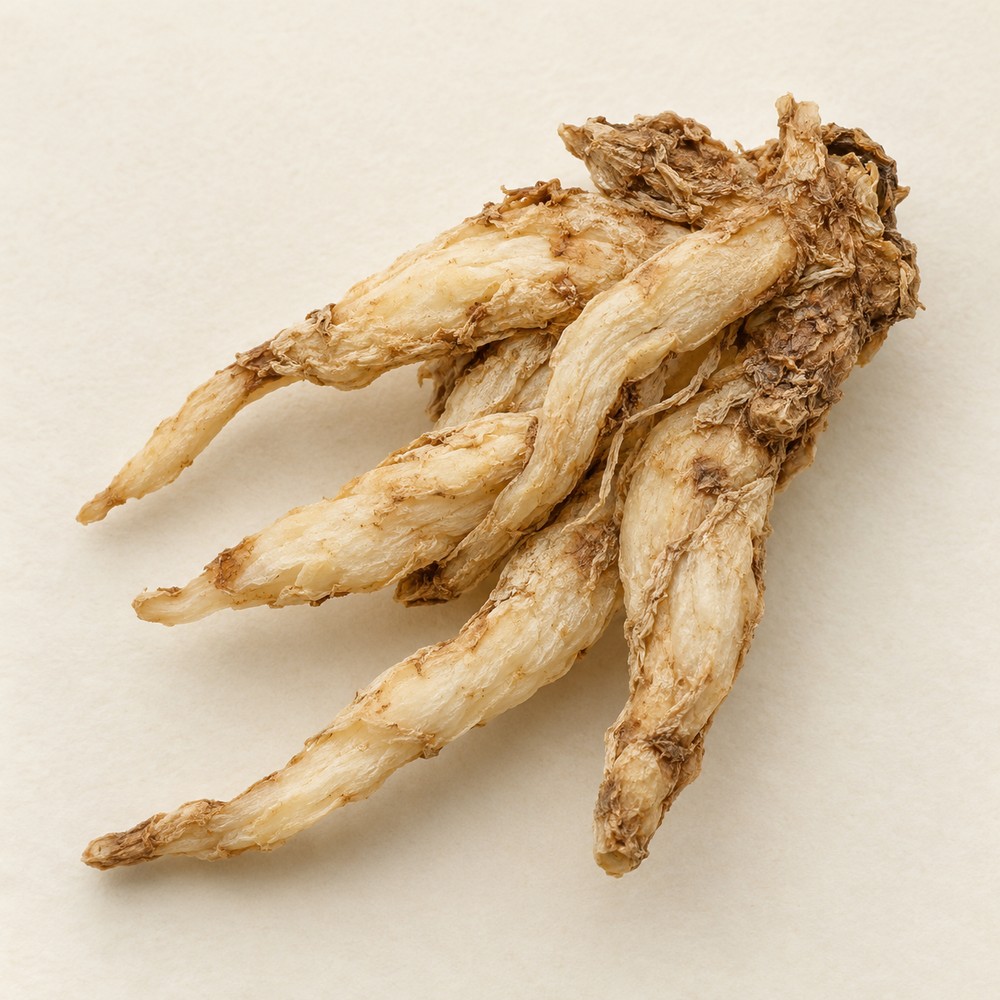
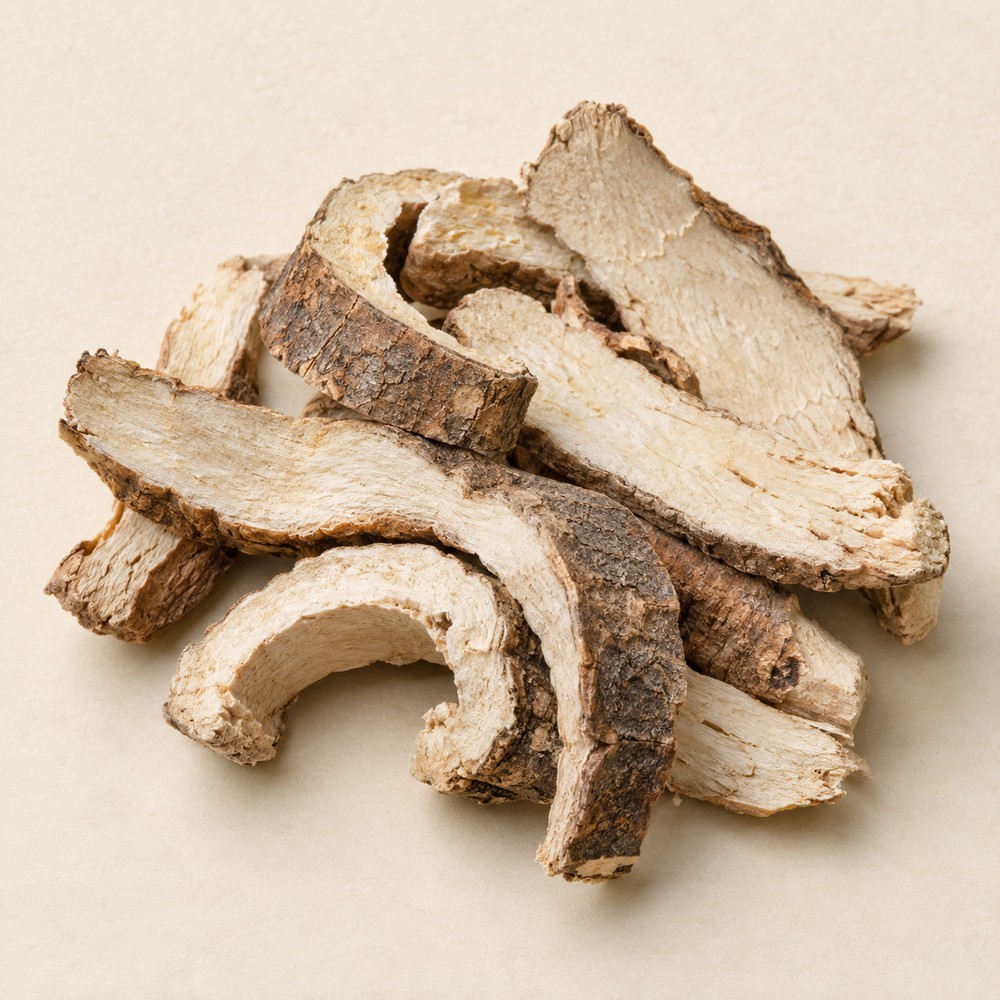
Source-recorded amounts: HKBU amounts: 9:15:12:6:9 g (ratio 3:5:4:2:3). This is a historical converted record, not a personal dose; Bie Jia is an animal shell and sourcing/legal rules must be checked.
Caution: Do not self-decoct or substitute for antipyretic/anti-infective care. The source does not assess medicines, pregnancy, or chronic disease.
Open formula record ↗Documented toxic incompatibility
No reviewed source confirms a specific toxic Qing Hao pair. This does not establish safety of oils, extracts, large doses, or drug combinations; a classical formula is not a modern interaction study.
FROM PLANT / SOURCE HABITAT TO DRIED MATERIAL · REFERENCE WORKFLOW
- Sow traceable Artemisia annua seed after frost risk; the seed is small, so cover lightly and keep the medium gently moist until germination.
- Transplant into full sun and loose drained soil with moderate organic matter; space plants for branching.
- Water during establishment, then reduce irrigation once roots are established; avoid flooding and excess nitrogen.
- Hand-weed, remove broken branches, and monitor aphids/fungal disease; avoid untracked pesticide use on study material.
- Record sowing date, cultivar, location, and bud/flower timing to learn the local cycle; retain seed only from verified plants where permitted.
- For study, cut aerial portions according to the study objective, shade-dry in a clean place, and label as botanical material, not medicine.
These are post-harvest study notes, not directions to prepare a remedy for self-treatment. Processing reference ↗
How to read formula amounts
Displayed amounts belong to the cited formula and source; they are not a general safe ratio, treatment dose, or home-decoction instruction. Do not transfer amounts to another formula or adjust them by body weight.