Shi Hu (Dendrobium) · Shi Hu
Dendrobium candidum Wall. ex Lindl. · Processed and dried stems
Name and part used
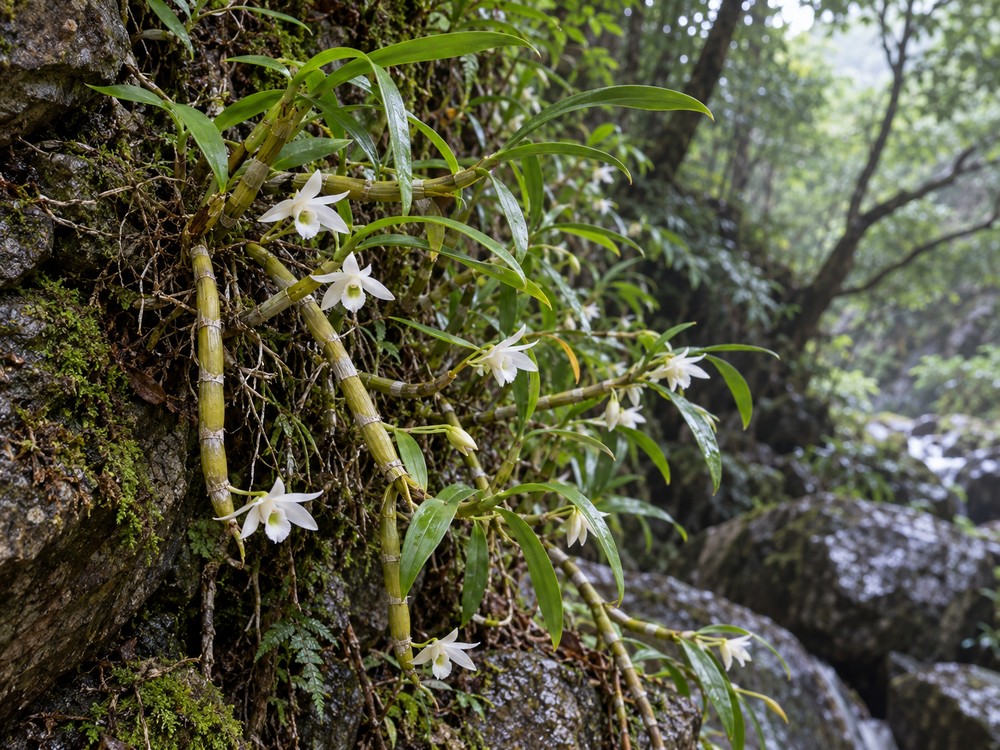
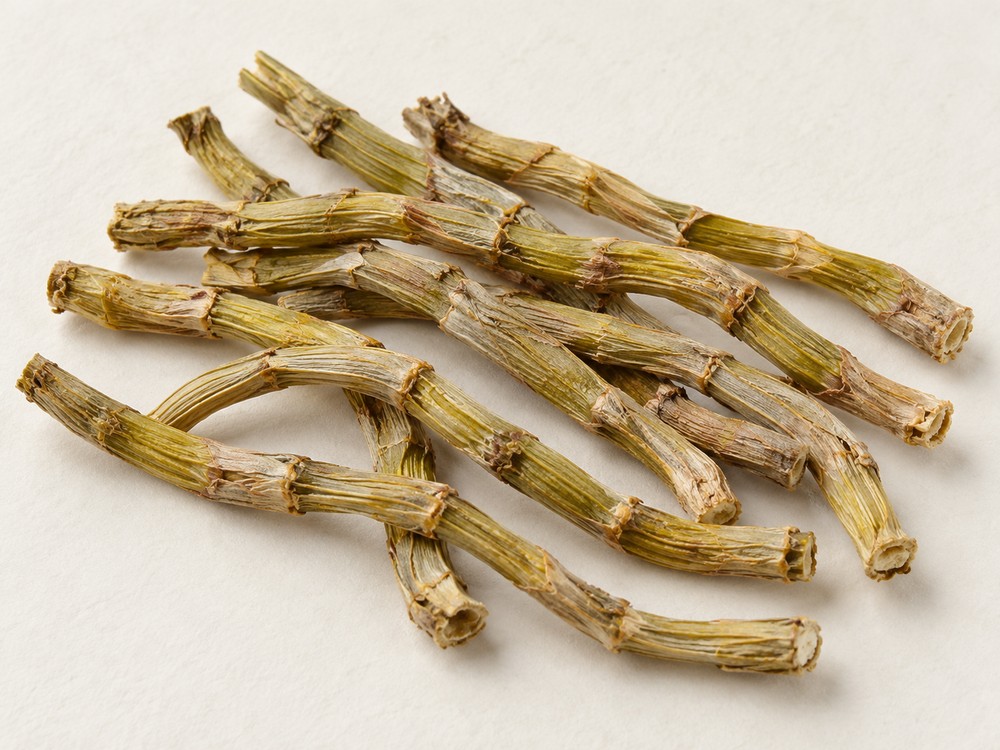
Shi Hu is a materia medica name for stems of several Dendrobium species; HKBU’s specimen record names Dendrobium candidum. Not every ornamental Dendrobium is equivalent medicinal material. This epiphytic orchid has jointed canes, narrow leaves along stems, and white flowers; wild plants cling to rocks, moss, or tree trunks in humid forests. Dried medicinal canes are yellow-green to tan, segmented, and fibrous or hollow at cut ends. Species and cultivated origin must be verified because wild orchid collection can deplete populations.
Traditional context
Traditional sources describe Shi Hu in yin-nourishing and fluid-generating patterns. This is historical terminology, not proof that orchid stems cure dry mouth, persistent fever, or chronic disease. Fresh stems, dried stems, and extracts differ in composition and standards.
Modern evidence
HKBU identifies its specimen as D. candidum and flags confusion risks. Findings for one orchid species cannot be generalized to all Dendrobium or preparations. Research reports flowering after roughly 3–4 years and different harvest conclusions by study objective; this is cultivation data, not proof of therapeutic benefit.
Safety
Do not collect wild orchids or buy stems of unknown identity; many Dendrobium species are protected or trade-controlled. Pregnancy, breastfeeding, children, chronic disease, or medicines require professional review before extracts. Check allergy and product quality; never brew pesticide-treated ornamentals. No specific toxic pair was confirmed in reviewed sources.
Pairing in reference texts
In Qing Shu Yi Qi Tang, HKBU records Shi Hu with American ginseng 5 g, Mai Dong 9 g, Coptis 3 g, bamboo leaf 6 g, lotus petiole 15 g, Zhi Mu 6 g, licorice 3 g, rice 15 g, and watermelon rind 30 g; Shi Hu is 15 g. This is a multi-ingredient historical formula, not a rehydration drink. Heat illness requires medical care, not self-decoction.
Growth and habitat
The orchid grows epiphytically in humid mountain forests on mossy rock or tree bark; it needs bright shade, humidity, and airy roots. Habitat loss and harvesting threaten medicinal orchids, so prefer traceable cultivated stock. Do not plant it in heavy garden soil or keep roots waterlogged.
Growing, care, and harvest timing
The profile above includes sourced steps and a documented harvest window. Harvest timing is agronomic information, not a self-use instruction.
Growing and care
- Buy legally propagated nursery plants and check the species label; flower color alone cannot identify Dendrobium species.
- Use a ventilated basket or mount; secure the cane without constricting roots and place in bright shade away from hot winds and prolonged driving rain.
- Water according to medium dryness rather than a rigid calendar; improve airflow after rain and reduce water during dormancy.
- Remove rotting canes with clean tools, quarantine new plants, and avoid unsuitable household pesticides.
- Keep cultivar, seller, and planting records; divide clumps with clean tools when enough shoots are present, keeping roots and healthy canes.
- Harvest only permitted cultivated plants under conservation standards; do not strip a mother plant with too few shoots or take wild orchids.
How long until harvest? A PubMed-indexed study reports D. candidum usually flowers after 3–4 years; another study proposed autumn of year three when balancing constituent indices and yield. Results depend on stock, environment, and objective, so this is not a universal garden standard. Flowering also does not guarantee medicinal-stem quality.
Documented formula pairing: Qing Shu Yi Qi Tang
HKBU describes a classical combination for summerheat patterns affecting qi and fluids; it does not replace oral rehydration or emergency heatstroke care.
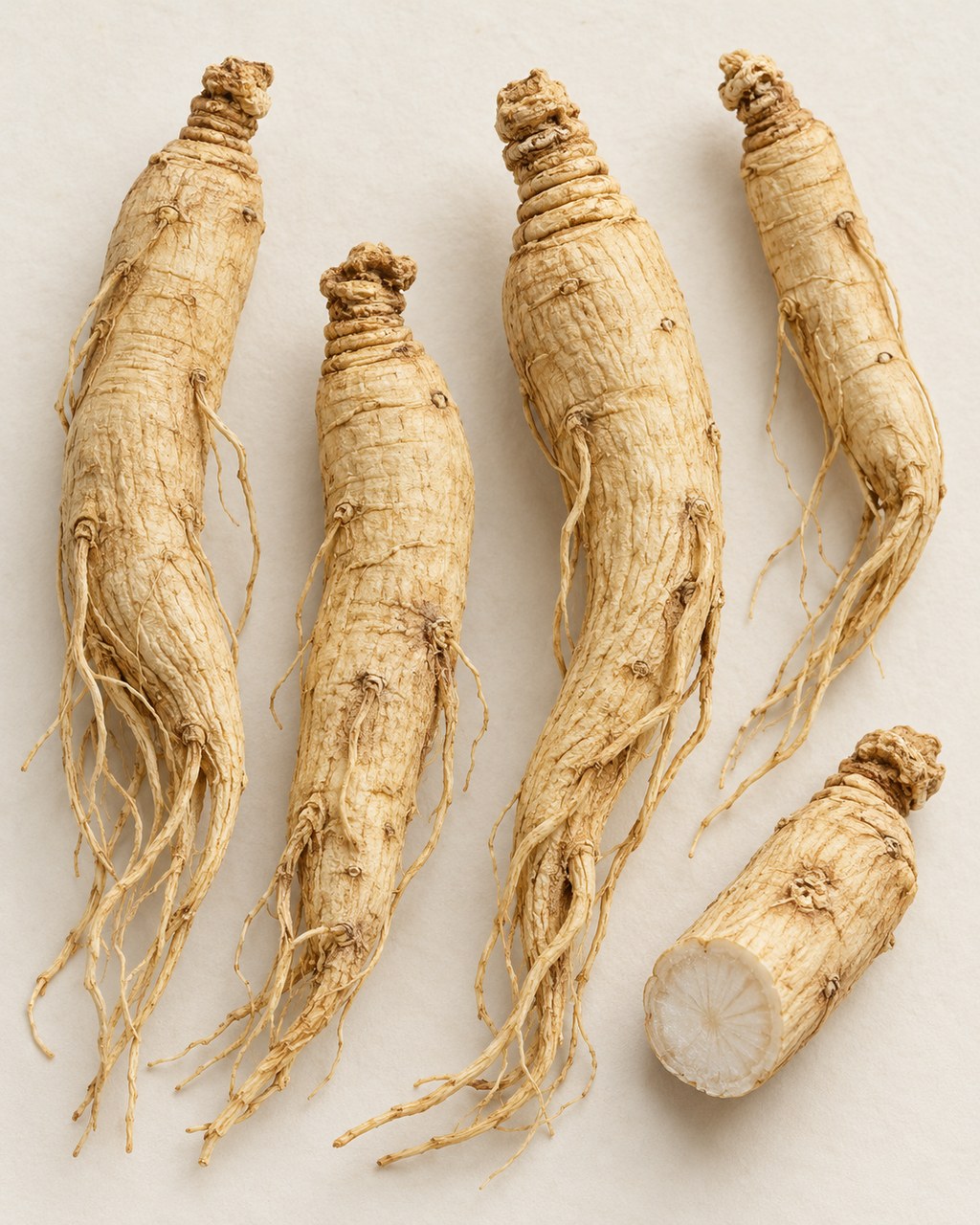
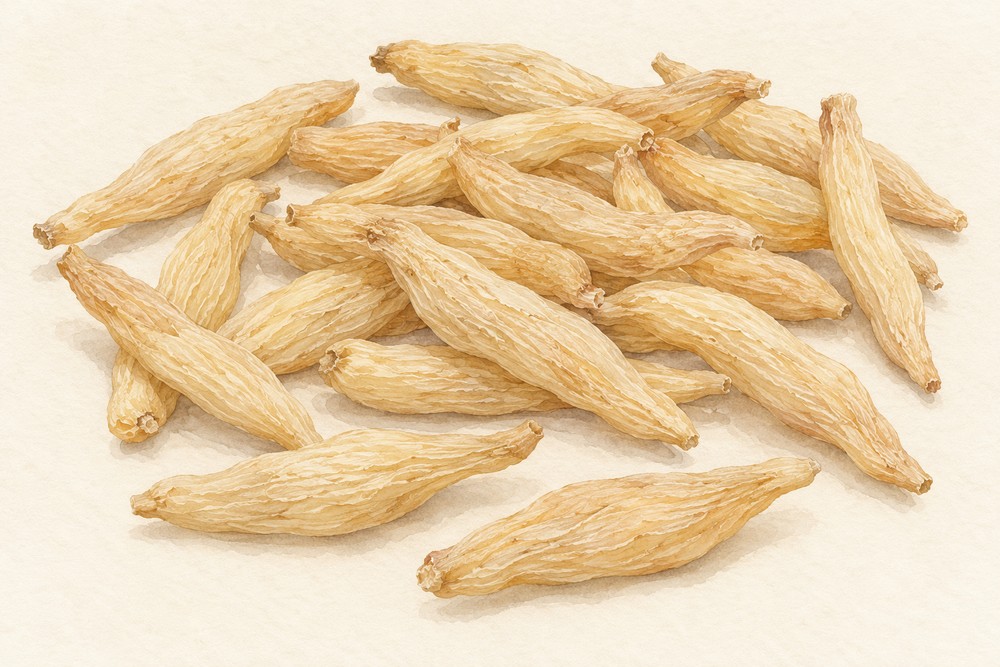
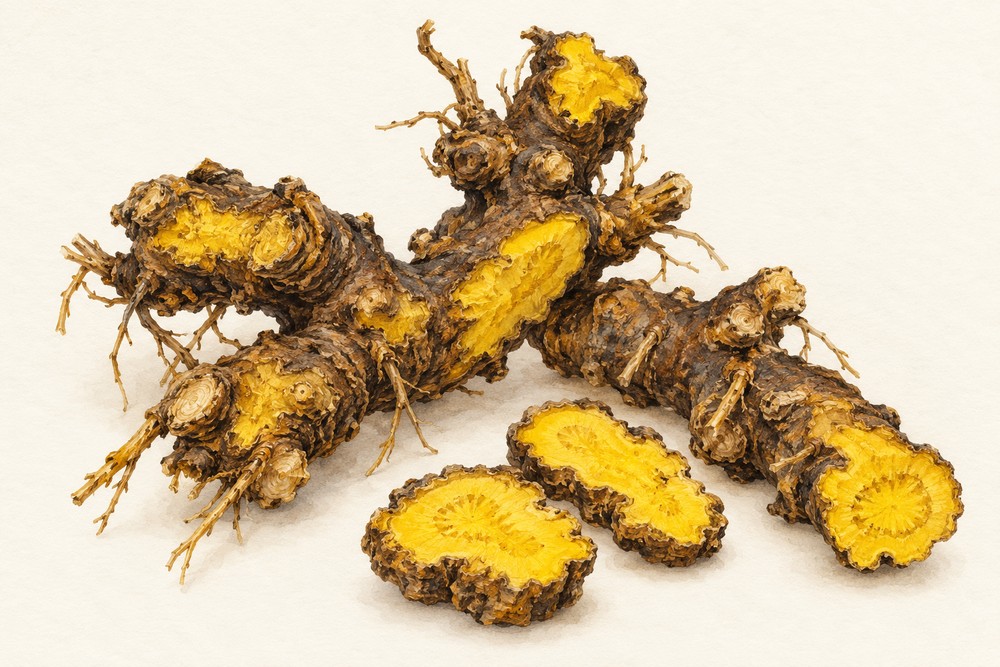
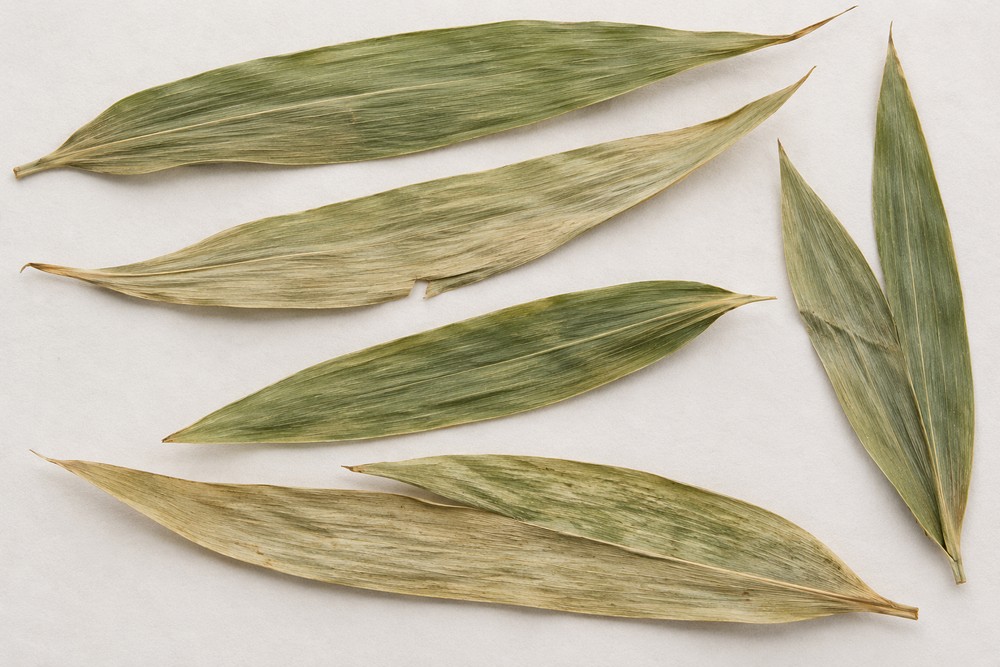
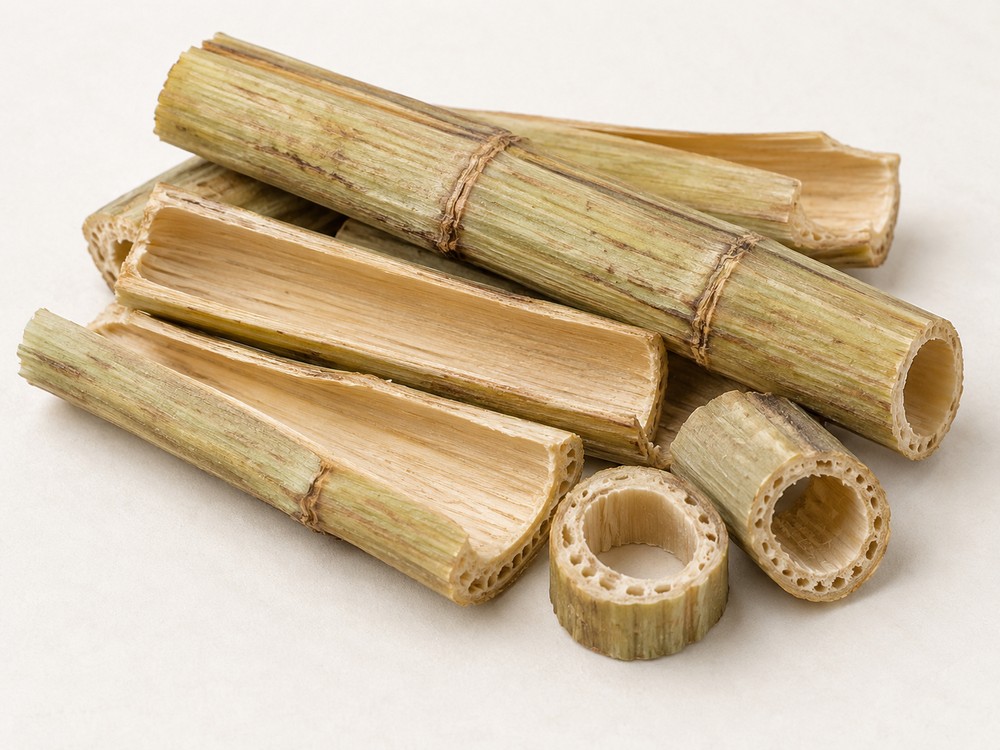
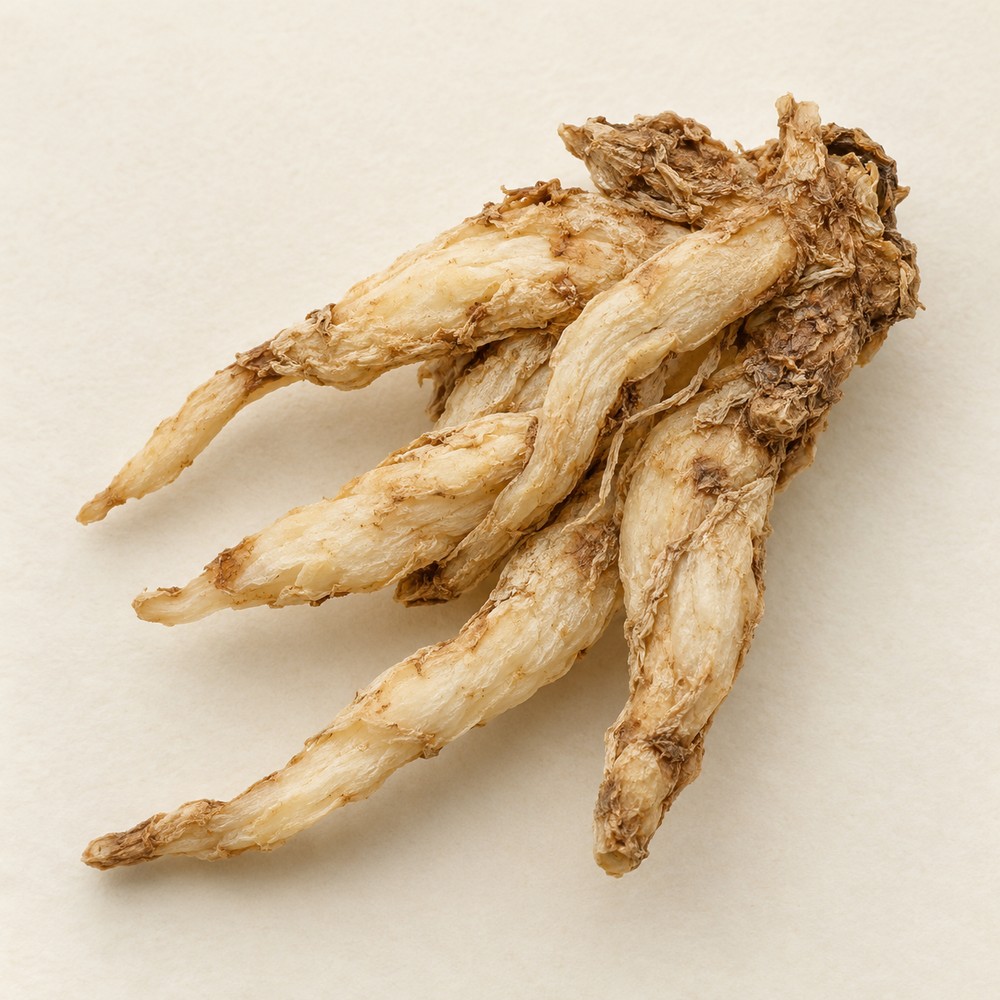
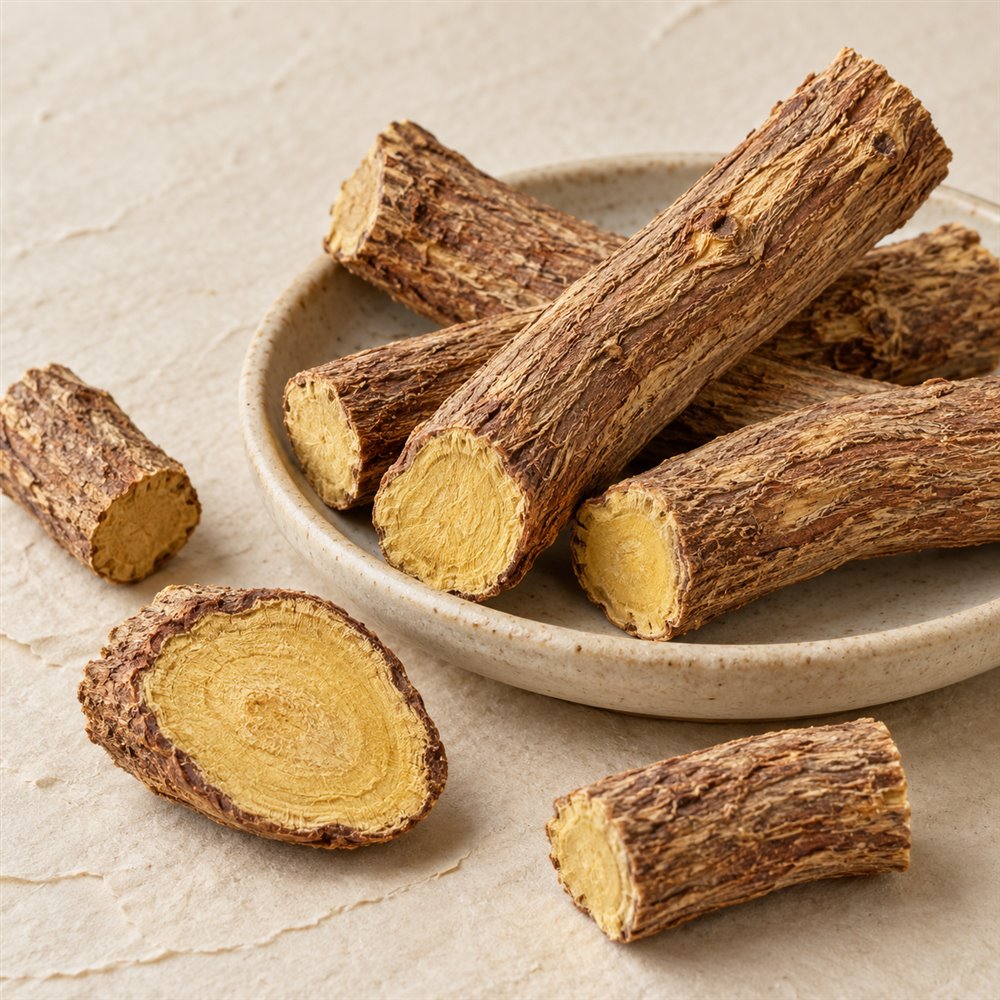
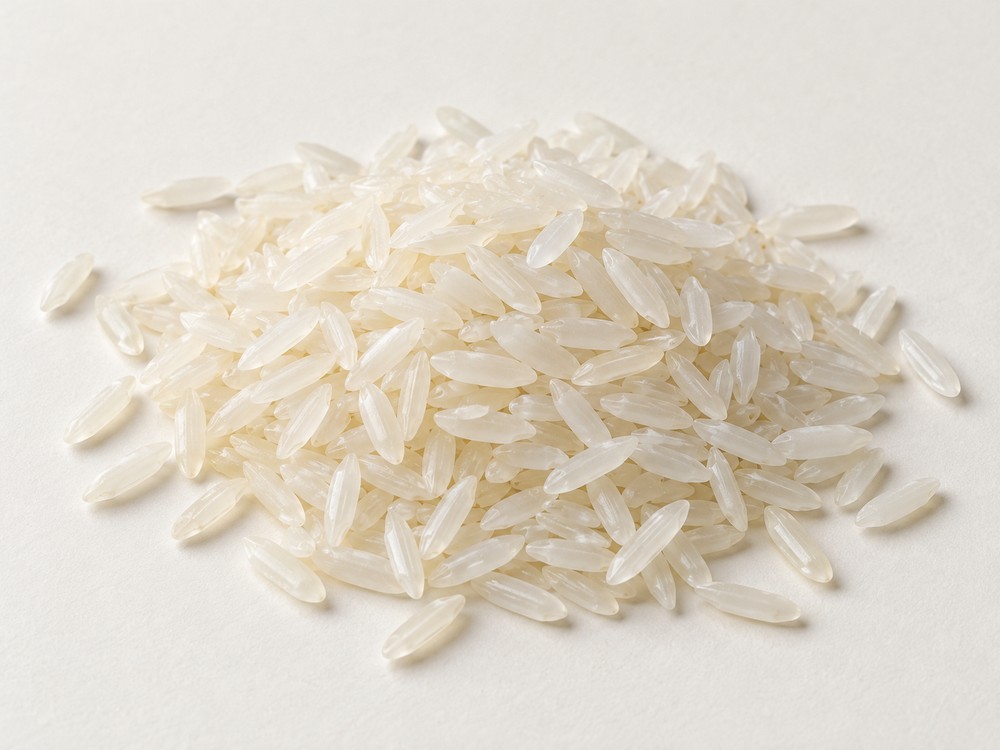
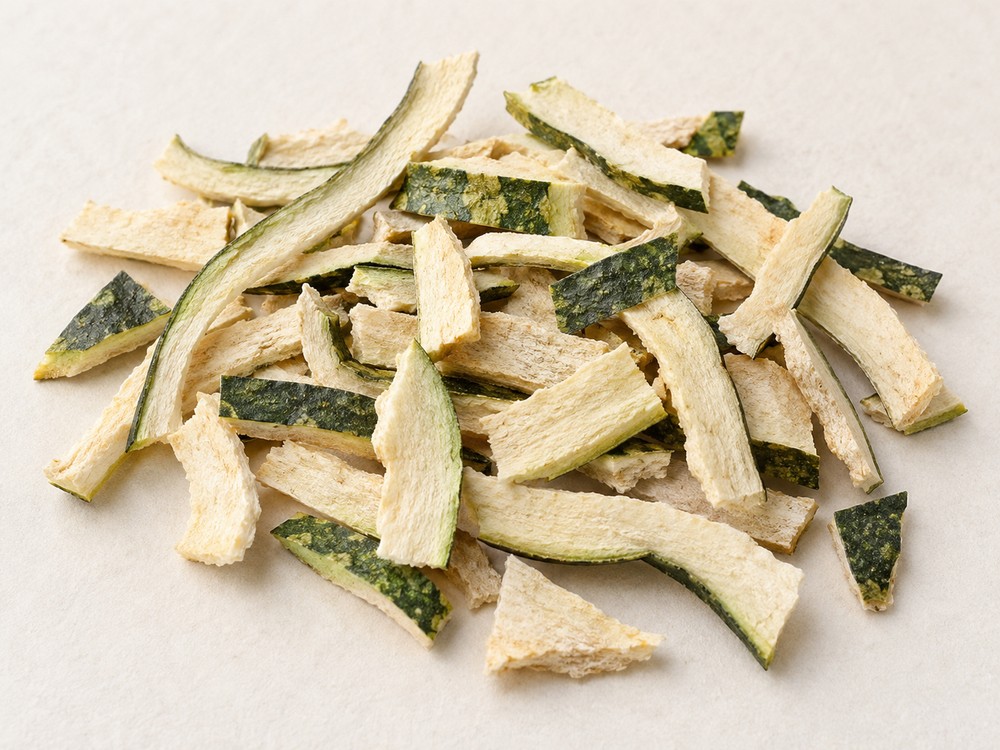
Source-recorded amounts: HKBU lists all ten ingredients: 5:15:9:3:6:15:6:3:15:30 g in the order American ginseng, Shi Hu, Mai Dong, Coptis, bamboo leaf, lotus petiole, Zhi Mu, licorice, rice, watermelon rind. Ingredient cards show each source amount.
Caution: Do not decoct this to manage fever or dehydration. Animal/plant ingredients, medicines, chronic conditions, and allergy risks need professional review.
Open formula record ↗Documented toxic incompatibility
No reviewed source confirms a specific toxic Shi Hu pair. Main risks are species confusion, illegal harvest, contamination/mold, and unknown sourcing; medicine combinations still need person-specific review.
FROM PLANT / SOURCE HABITAT TO DRIED MATERIAL · REFERENCE WORKFLOW
- Propagate or buy legal nursery-grown Dendrobium candidum/material species; never take plants from wild forests.
- Mount on clean bark, porous rock, or inert wood with drainage; roots need airflow and should not be buried in fine soil.
- Provide bright filtered shade, high humidity, and gentle airflow; avoid harsh midday sun.
- Mist or water when the medium approaches dryness and reduce watering in cool weather; do not let water sit in leaf sheaths.
- Use dilute orchid fertilizer per horticultural guidance and flush salts periodically; monitor snails, mealybugs, and cane rot.
- Do not harvest young plants; retain healthy mother canes and follow conservation/trade permits before any medicinal-material harvest.
These are post-harvest study notes, not directions to prepare a remedy for self-treatment. Processing reference ↗
How to read formula amounts
Displayed amounts belong to the cited formula and source; they are not a general safe ratio, treatment dose, or home-decoction instruction. Do not transfer amounts to another formula or adjust them by body weight.