Rice-paper plant pith · Tong Cao
Tetrapanax papyrifer (Hook.) K.Koch · Dried stem pith
Name and part used
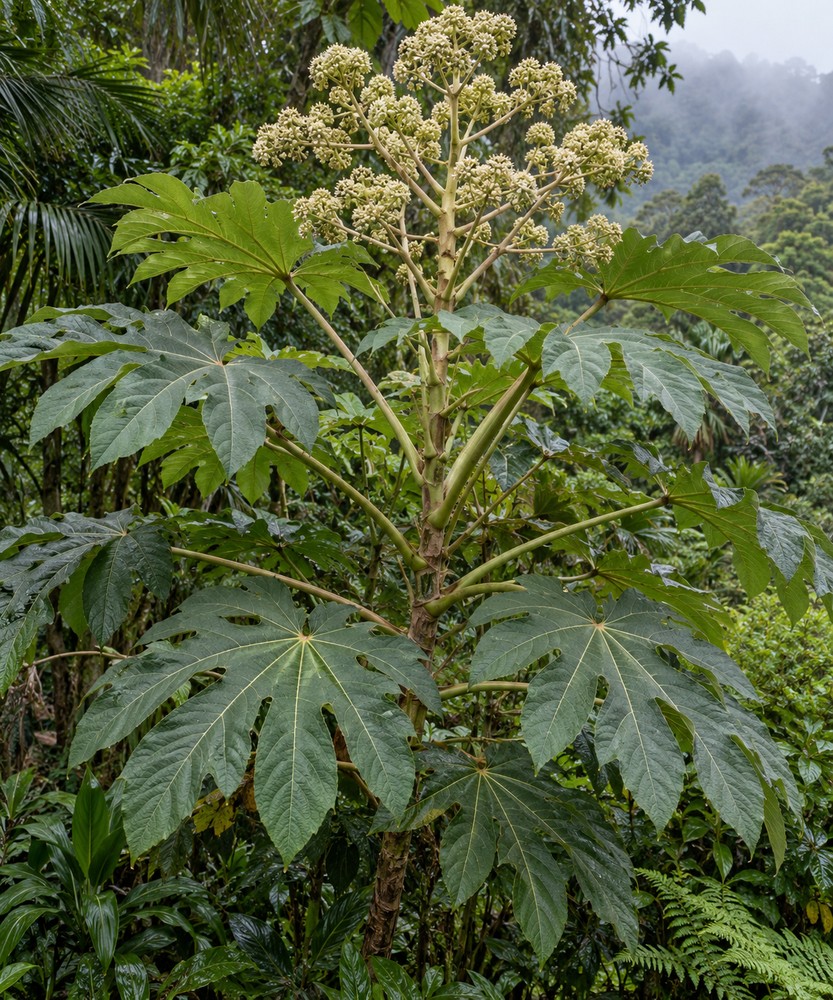
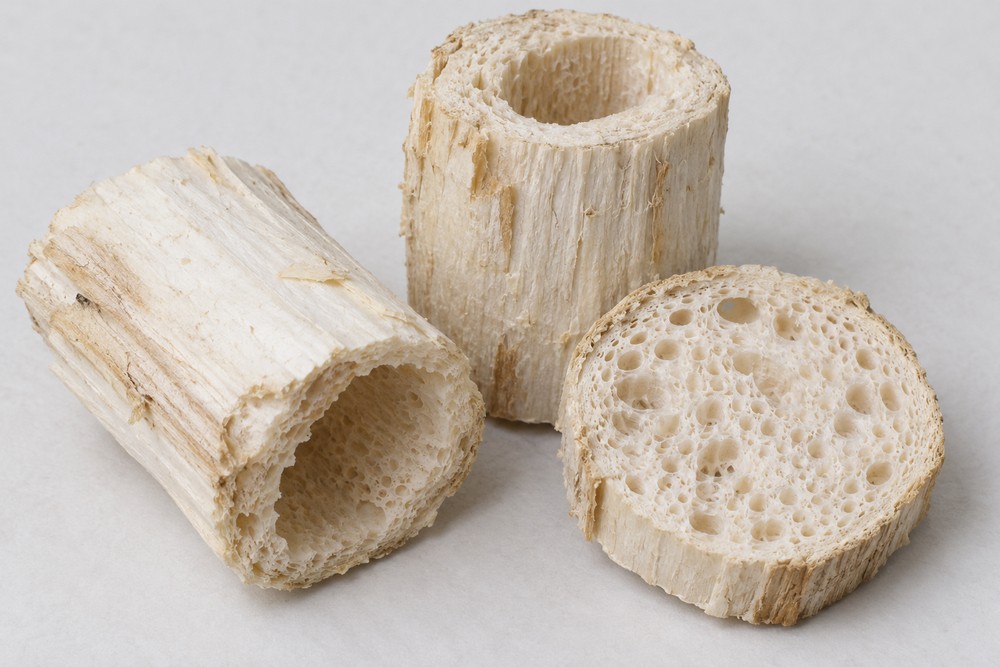
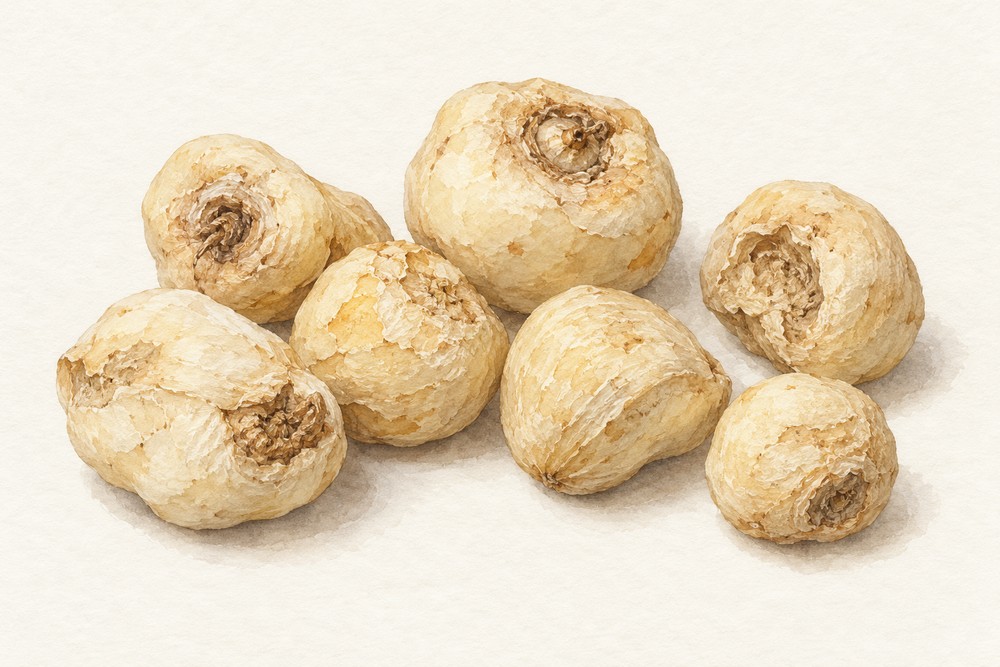
HKBU Tong Cao is the pale, spongy pith from the stem center of Tetrapanax papyrifer, not bamboo twig or paper pulp. This shrub/small tree has large palmately lobed leaves clustered toward branch tips and suckers from roots. The medicinal slices are ivory, light, porous, and moisture-sensitive.
Traditional context
Traditional sources describe Tong Cao as sweet, bland, and cool, used in formula contexts involving urination or lactation. This does not replace assessment of urinary retention, edema, infection, or lactation concerns.
Modern evidence
HKBU identifies the source as stem pith of Tetrapanax papyrifer. Substitution with false Tong Cao or untraceable fibrous material can mislead; use only tested, traceable material. Clinical evidence does not support claiming disease treatment.
Safety
Do not self-use during pregnancy or breastfeeding, kidney/heart disease, edema, or with diuretics; consult a health professional. Porous material readily absorbs moisture and molds; reject lots with odor, discoloration, or insects. No specific toxic pair was verified in the sources reviewed.
Pairing in reference texts
Tong Cao appears in San Ren Tang with bitter apricot kernel, talc, white cardamom, bamboo leaf, Magnolia bark, coix seed, and Pinellia. HKBU records 15, 18, 6, 6, 6, 6, 18, and 15 g in order; this classical formula is not instructions to ingest.
Growth and habitat
Tetrapanax papyrif is native to Taiwan and parts of south/central China; inhabits humid subtropical environments, forest slopes, and drained lands. The plant likes moisture, rich in organic matter, light sun or semi-shade; Poor cold tolerance at the top, easy to spread by root shoots.
Growing, care, and harvest timing
The profile above includes sourced steps and a documented harvest window. Harvest timing is agronomic information, not a self-use instruction.
Growing and care
- Buy stock identified as Tetrapanax papyrifer; do not rely on the broad common name ‘Tong Cao’ alone.
- Choose moist but drained soil in filtered light; use a large container or root barrier because suckers can spread.
- Propagate by dividing root suckers during active growth or from fresh seed; young plants need moist soil, light shade, and wind protection.
- Water when the surface begins to dry, mulch, apply moderate mature compost, and remove unwanted suckers. Protect young growth from cold.
- Track the main stem and planting date; PROSEA describes pith harvest from stems about 2–3 years old and 1.5–2 m tall, but processing belongs in controlled production.
- Where pith is harvested professionally, use clean tools, dry completely, inspect for mold, and preserve lot traceability; do not self-medicate.
How long until harvest? PROSEA source states that the main stem is about 2–3 years old, 1.5–2 m high for marrow collection; Actual time depends on climate, variety and plant health. This milestone is about harvesting marrow as raw material, not the time to use it as medicine.
Documented formula pairing: San Ren Tang
The classical formula is described in traditional theory for damp-heat patterns; do not use it to treat edema, fever, or infection.
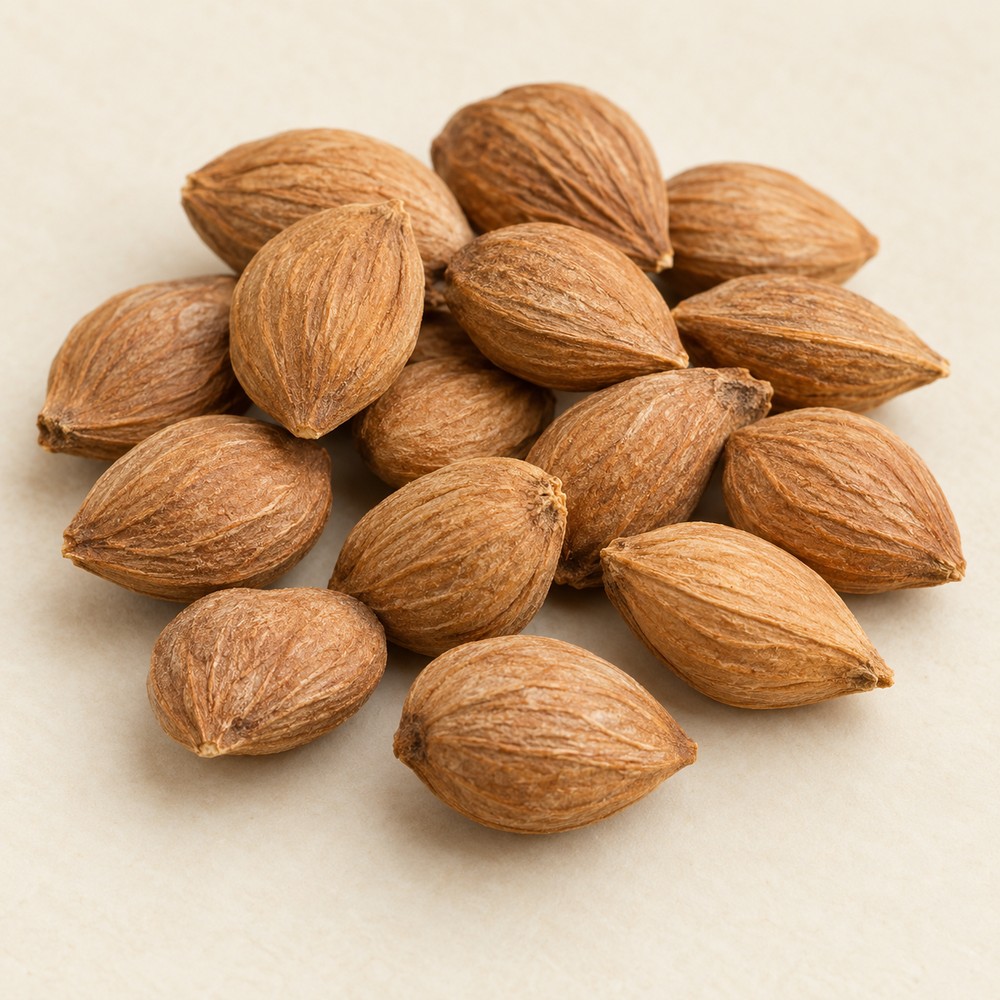
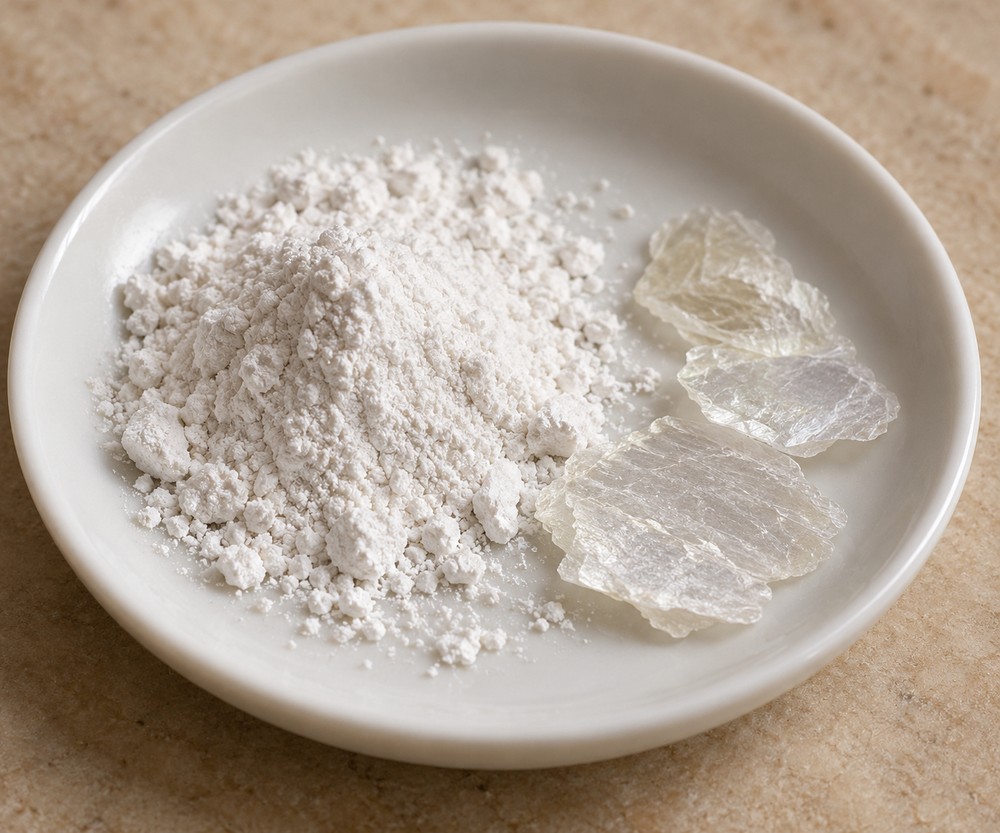
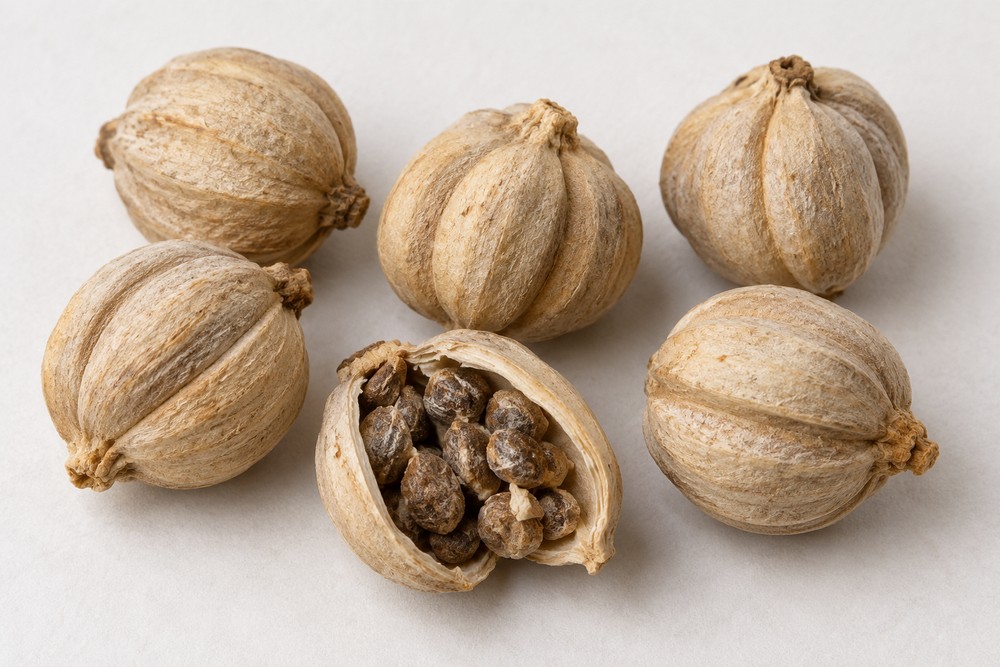
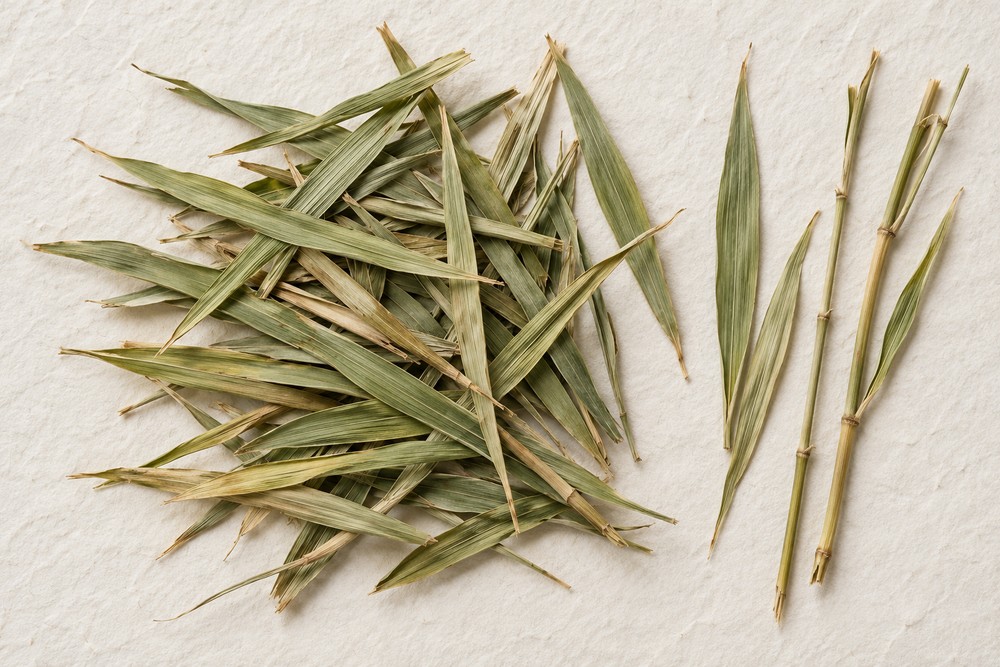
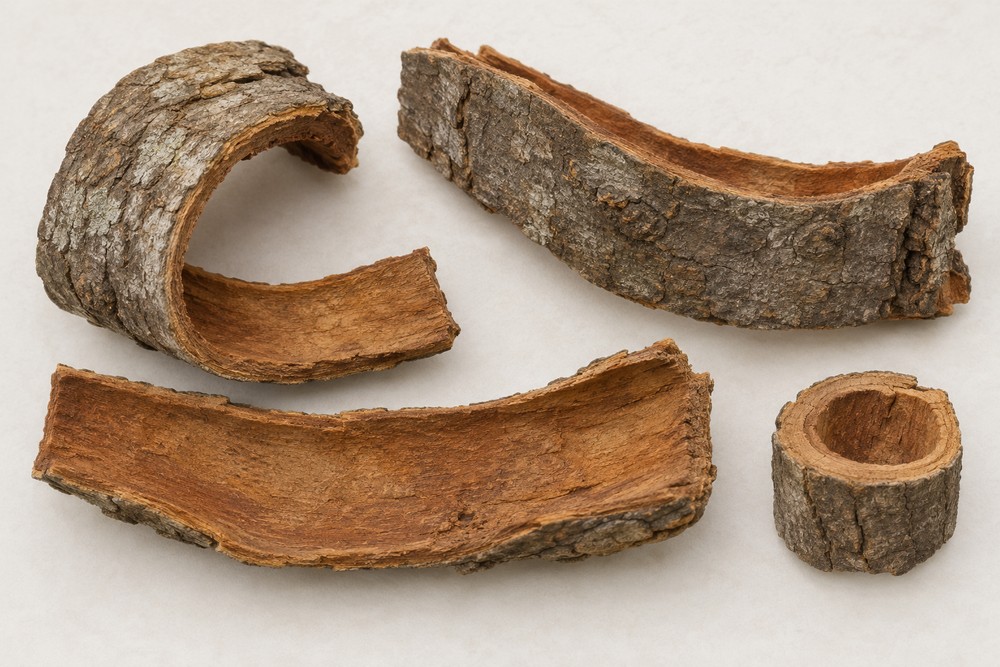
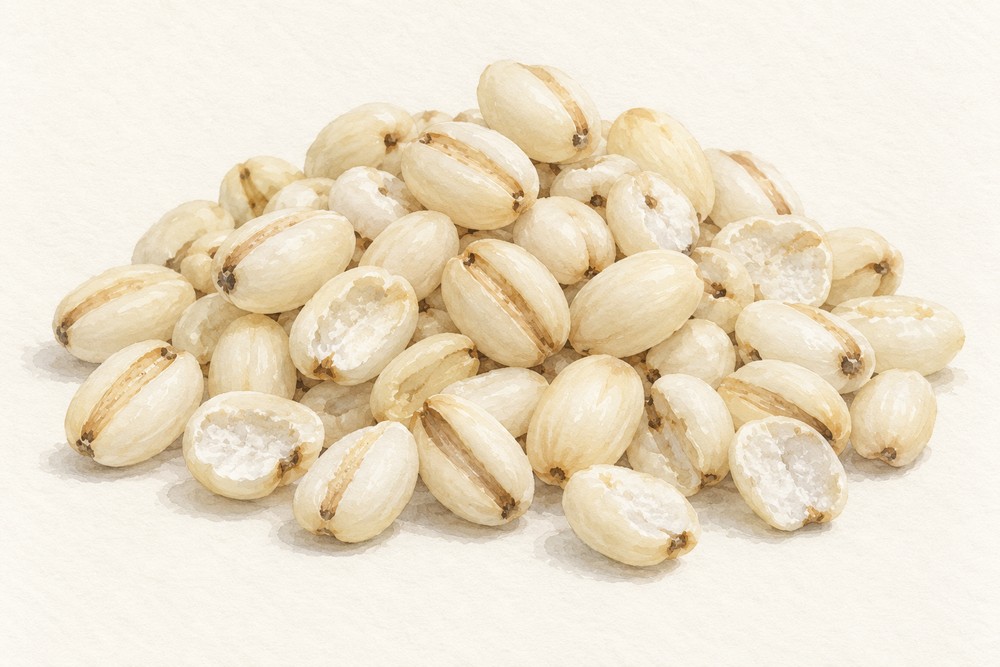
Source-recorded amounts: HKBU records 15:18:6:6:6:6:18:15 g in order. Consult the source because amounts are historical and materia names may follow specific standards.
Caution: Bitter apricot kernels contain cyanogenic compounds; raw Pinellia is irritating/toxic and requires professional processing; talc needs impurity controls. Do not prepare or ingest this formula yourself.
Open formula record ↗Documented toxic incompatibility
No reviewed source identifies Tong Cao plus one specific herb as a toxic pair. Risks of San Ren Tang cannot be attributed as a pairwise effect of Tong Cao; specific cautions concern ingredients such as raw Pinellia, bitter apricot kernel, and talc quality.
FROM PLANT / SOURCE HABITAT TO DRIED MATERIAL · REFERENCE WORKFLOW
- According to the PROSEA description, trees are cut down when the main stem is about 2–3 years old and 1.5–2 m tall to harvest the pulp. Then remove leaves and small branches; Separate the core from the shell, roll/separate into standard segments or slices, dry clean and protect from moisture. This is a description of preliminary processing materials, not instructions for making your own medicine.
- PROSEA describes felling the main stem at about 2–3 years and 1.5–2 m tall for pith. Leaves and small twigs are removed; pith is separated from bark and processed into pieces/slices to standard, then dried hygienically and protected from moisture. This is a source summary, not home medicine-making guidance.
These are post-harvest study notes, not directions to prepare a remedy for self-treatment. Processing reference ↗
How to read formula amounts
Displayed amounts belong to the cited formula and source; they are not a general safe ratio, treatment dose, or home-decoction instruction. Do not transfer amounts to another formula or adjust them by body weight.