Wang Bu Liu Xing · cowherb seed · Wang Bu Liu Xing
Vaccaria segetalis (Neck.) Garcke · Dried mature seed
Name and part used
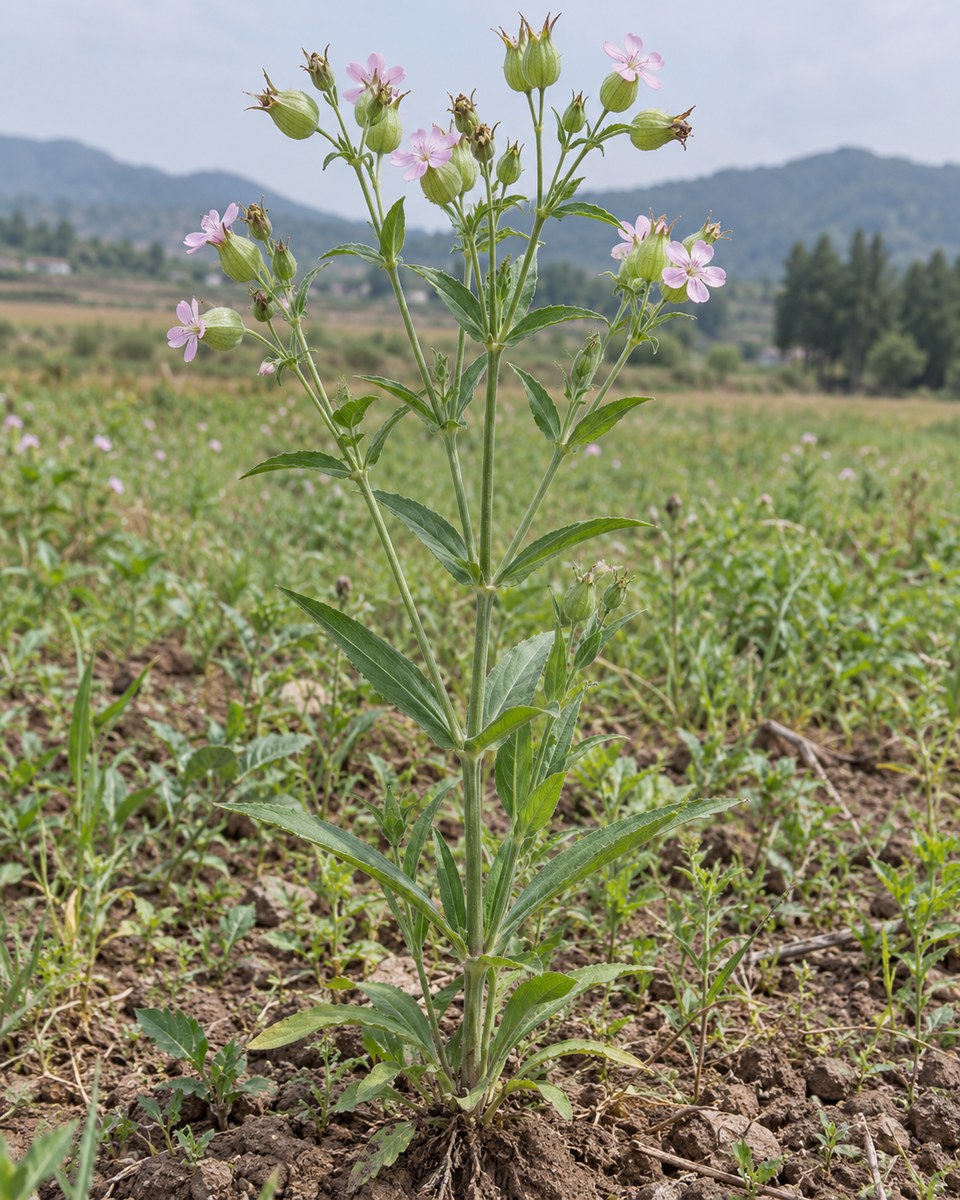
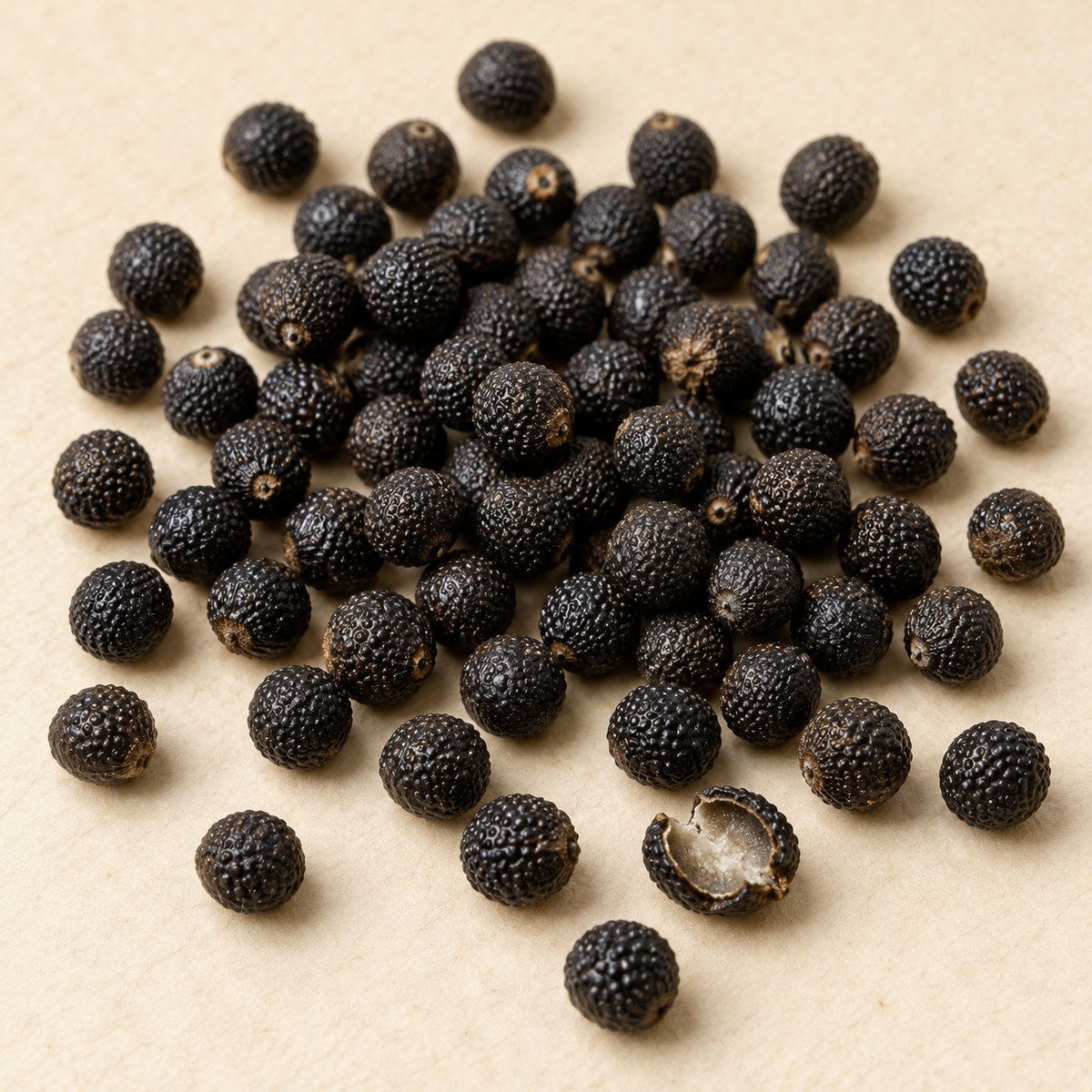
Wang Bu Liu Xing is the dried mature seed of Vaccaria segetalis, an annual Caryophyllaceae herb. The plant is usually upright with opposite sessile leaves, pale pink flowers, and an inflated calyx; the medicinal seed is tiny, hard, nearly spherical, glossy black with minute granules and a pale hilum. HKBU describes seeds around 2 mm and production areas in Jiangsu, Hebei, Henan, and Shaanxi. The common name alone is not sufficient for identification.
Traditional context
HKBU records a slightly bitter, neutral nature and traditional actions of invigorating blood, freeing channels, reducing swelling and pain, and promoting lactation. These are traditional descriptors, not proof that the seed induces labor, regulates menstruation, treats mastitis, or increases milk in people.
Modern evidence
The US National Library of Medicine’s LactMed notes use of Vaccaria in galactagogue formulas but found no well-designed clinical trials demonstrating benefit after oral use in humans. Prolactin-like effects and mild estrogenic activity of vaccarin come from cell/animal work and do not establish benefit or safety for a parent or infant.
Safety
Do not self-use during pregnancy, abnormal bleeding, fertility treatment, or with medicines affecting hormones/coagulation. During breastfeeding, do not use it instead of evaluating low supply; LactMed notes the lack of good human trials and limited data in nursing infants. Poor infant weight gain or dehydration signs need professional support.
Safety reference ↗Pairing in reference texts
LactMed mentions Wang Bu Liu Xing with Lu Lu Tong (Liquidambar formosana fruit) in traditional galactagogue formulas, but there is no standardized source ratio or good trial evidence confirming benefit. This does not show the pair is safe for every parent or infant, or appropriate for mastitis. Reviewed sources do not establish a specific toxic pair; absence of a recorded incompatibility does not make arbitrary combinations safe.
Identification and study notes
Vaccaria segetalis grows to a few tens of centimeters, with upright stems and nearly sessile opposite leaves; small five-petaled pale pink flowers sit above an inflated green calyx. Capsules contain many tiny round seeds. The medicinal material is the mature seed, not flower or whole herb. HKBU describes seeds around 2 mm, black or occasionally reddish-brown, slightly glossy, finely raised with granules, a pale round hilum, and a shallow longitudinal groove. The hard fracture is gray-white and horn-like. These signs help study separation from weed seed but do not establish cleanliness, residues, or species in a retail packet. Local labels can vary; check Vaccaria segetalis on the Latin label.
Growth and habitat
Vaccaria segetalis is an annual herb recorded from production areas including Jiangsu, Hebei, Henan, and Shaanxi. It occurs in fields, open ground, and sunny temperate habitats and is cultivated for seed. Clean growing conditions, drainage, and traceable seed matter more than collecting wild seed, which can be mixed with look-alikes or contaminated soil.
Identification and study notes
Vaccaria segetalis grows to a few tens of centimeters, with upright stems and nearly sessile opposite leaves; small five-petaled pale pink flowers sit above an inflated green calyx. Capsules contain many tiny round seeds. The medicinal material is the mature seed, not flower or whole herb. HKBU describes seeds around 2 mm, black or occasionally reddish-brown, slightly glossy, finely raised with granules, a pale round hilum, and a shallow longitudinal groove. The hard fracture is gray-white and horn-like. These signs help study separation from weed seed but do not establish cleanliness, residues, or species in a retail packet. Local labels can vary; check Vaccaria segetalis on the Latin label.
Growing and care
- Gieo nơi có nắng, đất tơi thoát nước; rải hạt nông rồi phủ lớp đất mỏng, tưới nhẹ. Chừa hàng thoáng để dễ theo dõi thân, lá đối và đài phồng.
- Sow in a sunny site with loose, well-drained soil; cover seed shallowly and water gently. Leave spacing for observing stems, opposite leaves, and inflated calyces.
How long until harvest? It is an annual, but HKBU’s seed record does not specify days from sowing to harvest; timing depends on climate and fruit maturity. Harvesting seed for morphology study does not make it medicinal-grade or safe to ingest.
Documented toxic incompatibility
Reviewed sources do not establish a specific toxic incompatibility for Wang Bu Liu Xing. It is mentioned with Lu Lu Tong in a galactagogue context, without a standardized ratio or good trials; this is not a recommendation to combine. Do not self-pair it with hormonal, anticoagulant, or labor-inducing medicines.
AI study illustrations; not for specimen identification.
FROM PLANT / SOURCE HABITAT TO DRIED MATERIAL · REFERENCE WORKFLOW
- Harvest mature dry capsules from an authenticated Vaccaria segetalis lot; do not collect roadside seed or mix cultivars.
- Dry capsules and thresh the seed; winnow away husks, empty seed, and debris. HKBU’s descriptor is nearly spherical, black, hard, around 2 mm, but an image cannot replace testing.
- Retain species, growing site, and harvest date; control dust, mold, insects, and pesticide residues at a qualified facility.
- Store sealed and dry. Do not roast, grind, or brew the seeds at home to increase milk or induce labor.
These are post-harvest study notes, not directions to prepare a remedy for self-treatment. Processing reference ↗
Material source, dried appearance, and processing forms (HKBU)
HKBU identifies Wang Bu Liu Xing as dried mature Vaccaria segetalis (Neck.) Garcke seed, Caryophyllaceae. Seeds are nearly spherical, around 2 mm, black and occasionally reddish-brown, slightly glossy with tiny raised granules, a pale round hilum, and shallow longitudinal groove; they are hard with a gray-white horn-like cross-section, faint odor, and slightly astringent-bitter taste. Production regions listed include Jiangsu, Hebei, Henan, and Shaanxi. AI imagery shows a seed type but cannot prove origin or quality.
Open original materia medica record ↗Habitat, season, and harvest in the HKBU botanical record
HKBU confirms the material is dried mature seed of Vaccaria segetalis and lists production areas in four Chinese provinces. The seed record supplies neither a sowing-to-harvest duration nor detailed cultivation protocol, so no number of months is invented. Harvest, drying, and threshing should keep lots segregated to avoid weed-seed admixture.
Open botanical source ↗