Xie Bai (longstamen onion bulb) · Xie Bai
Allium macrostemon Bunge · Dried bulb
Name and part used
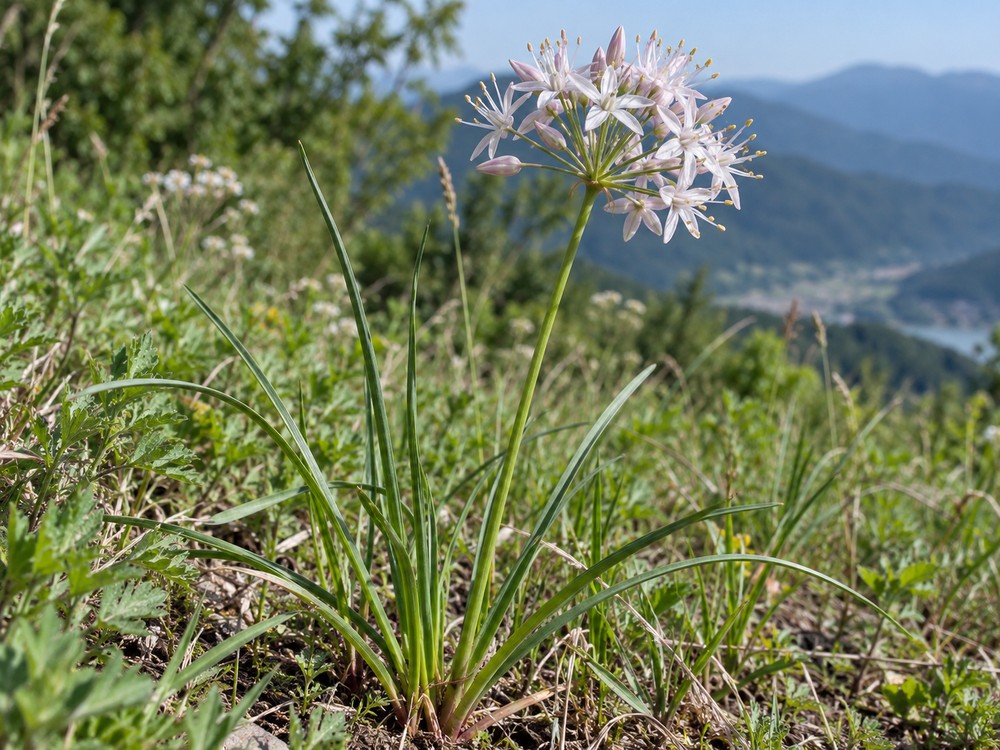
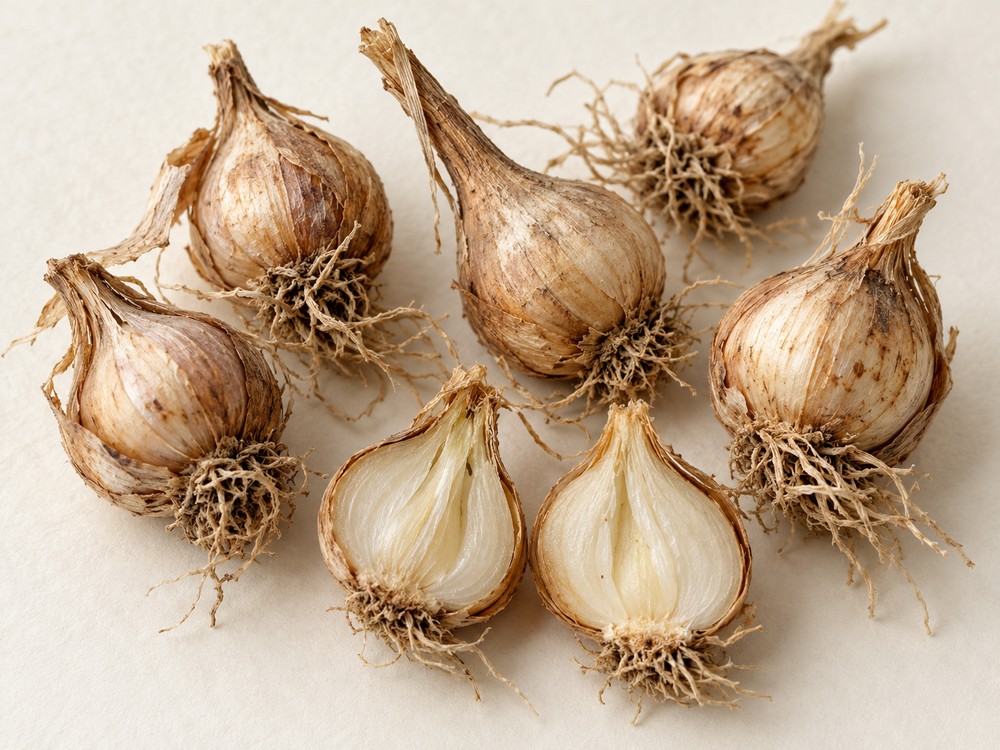
Xie Bai is the bulb of the perennial Allium macrostemon; HKBU notes that materia standards may also list Allium chinense as a source. It is not garlic or ordinary scallion. Plants are about 30–60 cm tall, with hollow narrow leaves and a tall stalk carrying a round umbel of pale pink flowers; small bulbs cluster under white scales that darken with age. The dried material consists of small firm, wrinkled ivory-to-tan bulbs, sometimes with papery scales.
Traditional context
Classical sources describe Xie Bai as acrid, bitter, and warm; traditional pattern-based formulas pair it to unblock yang, move qi, and disperse binds in chest patterns. This is historical theory, not evidence that the bulb independently treats chest pain, breathlessness, or coronary disease. New chest pain radiating to arm/jaw, sweating, or breathlessness needs emergency care.
Modern evidence
HKBU records the dried bulb and historical applications. Sulfur/volatile constituents and laboratory findings do not prove human treatment benefit. Standards may distinguish A. macrostemon from A. chinense, so a market name is not a substitute for botanical identity and batch testing.
Safety
Digestive irritation or allergy is possible in people sensitive to alliums. Traditional sources advise caution in qi-deficiency patterns; pregnancy, breastfeeding, chronic illness, or anticoagulant/antiplatelet use warrants professional review before concentrated medicinal use. Do not harvest and ingest wild onion-like plants: related species and lookalikes can be confused.
Pairing in reference texts
In Zhi Shi Xie Bai Gui Zhi Tang, HKBU records Xie Bai with Gua Lou, Zhi Shi, Hou Po, and Gui Zhi: Zhi Shi 4 fruits (12 g), Hou Po 4 liang (12 g), Xie Bai half sheng (9 g), Gui Zhi 1 liang (6 g), and Gua Lou 1 fruit (12 g). These are one historical record’s converted amounts, not modern dosing advice. No reviewed source confirms a specific toxic Xie Bai pair.
Growth and habitat
HKBU describes the plant in damp, shaded mountain habitats and records broad distribution in China, with materia medica production in the northeast, Hebei, Jiangsu, and Hubei. Its habitat is moist but drained soil with filtered light; it is a bulb-forming perennial.
Growing, care, and harvest timing
The profile above includes sourced steps and a documented harvest window. Harvest timing is agronomic information, not a self-use instruction.
Growing and care
- Start with bulbs or nursery plants authenticated as Allium macrostemon; market bulbs are not reliable for species identification.
- Use a drained humus-rich bed with morning sun or light shade; plant in the cool season for the local climate with spacing for airflow.
- Keep evenly moist during establishment without standing water; mulch with clean leaf mold and hand-weed.
- Remove diseased leaves, monitor bulb rot after prolonged rain, and avoid fresh manure against the crown.
- Leave some plants to flower and set seed to maintain the planting; propagate only from clean stock rather than digging every clump.
- Harvest by local bulb size and maturity standards and record planting source and season for traceability.
How long until harvest? HKBU records flowering around May–June, fruiting August–October, and bulb harvest in spring in northern areas or summer–autumn in southern areas. This is a source-region calendar, not a direct Vietnam schedule. It gives no universal planting-to-harvest duration; harvest only when bulbs meet local standards in an authenticated crop.
Documented formula pairing: Zhi Shi Xie Bai Gui Zhi Tang
HKBU describes this historical formula in chest-bi pattern theory; Xie Bai and Gua Lou are paired with qi-regulating ingredients. It is not for acute chest pain or self-treatment.
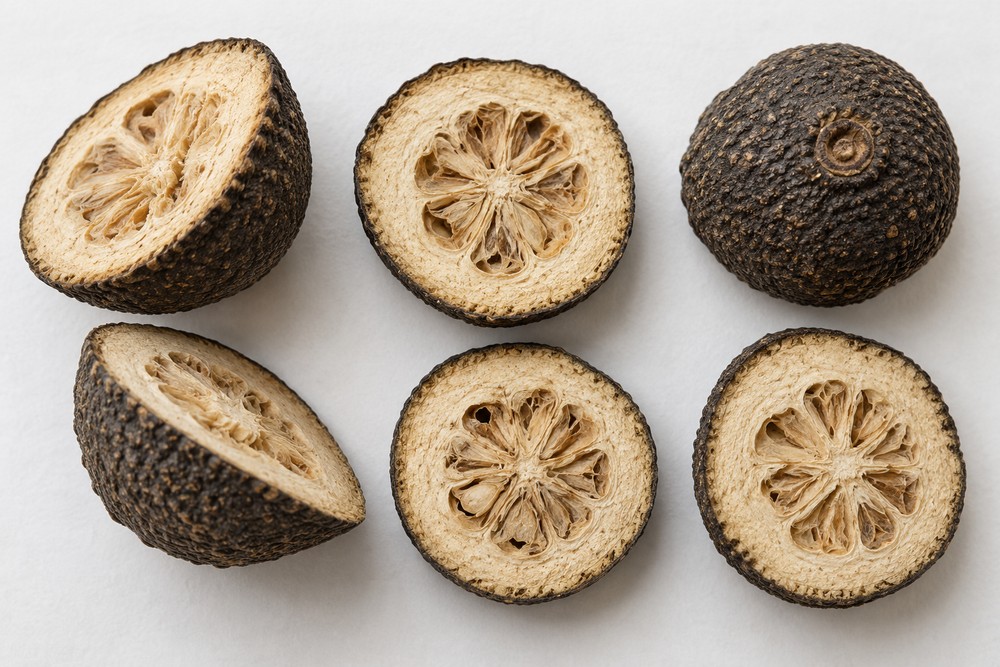
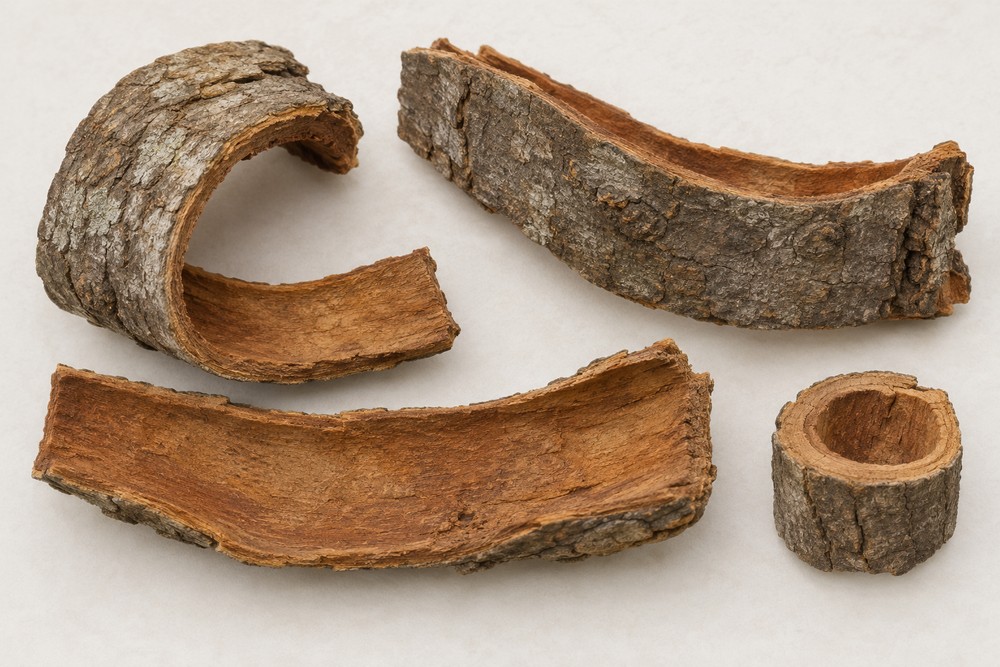
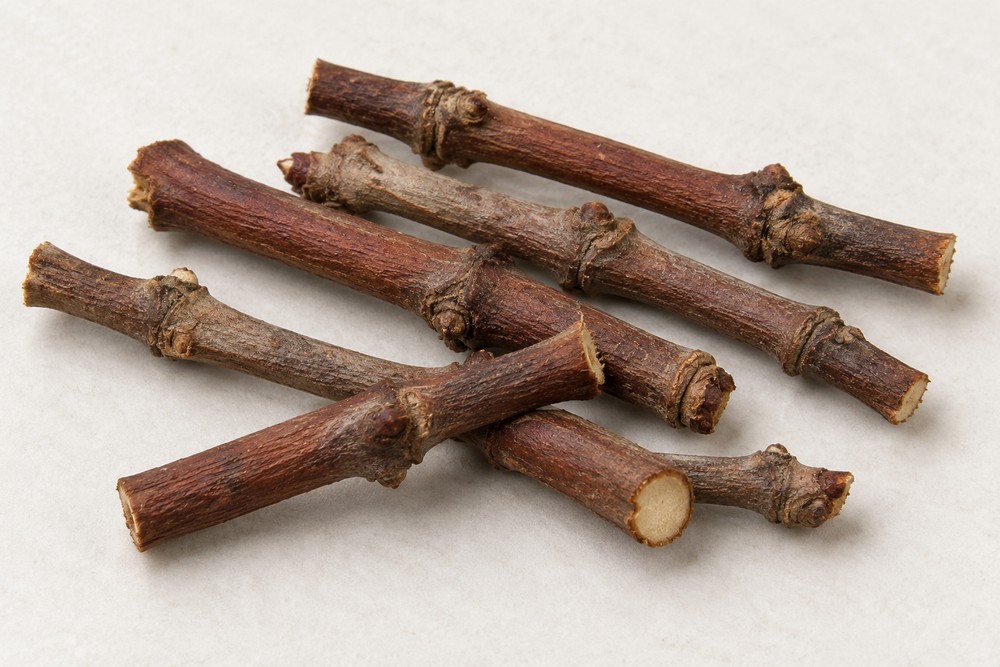
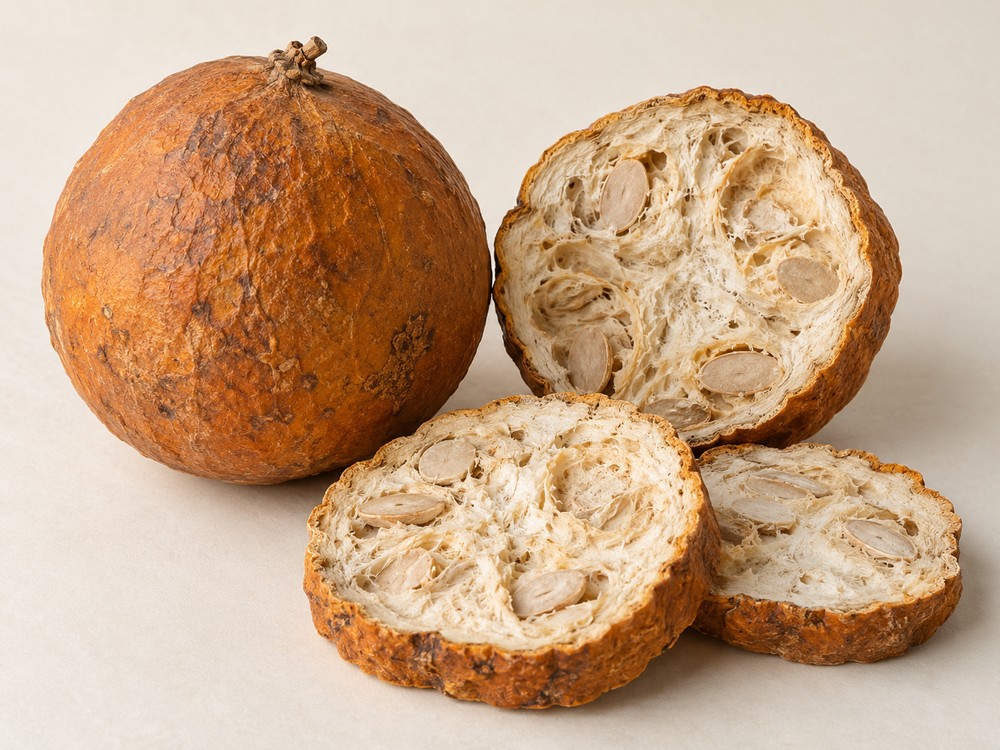
Source-recorded amounts: HKBU amounts by mass: Zhi Shi 12 : Hou Po 12 : Xie Bai 9 : Gui Zhi 6 : Gua Lou 12 g; the source also records fruit counts. Documentation, not a dose.
Caution: Do not self-combine or use for chest pain. HKBU notes pattern-specific cautions; acute chest pain requires medical assessment.
Open formula record ↗Documented toxic incompatibility
No reliable source reviewed here confirms a specific toxic Xie Bai pair. This does not mean every product, dose, or person is safe; practical risks include allergy, misidentification, and poor batch quality.
FROM PLANT / SOURCE HABITAT TO DRIED MATERIAL · REFERENCE WORKFLOW
- Harvest only authenticated cultivated plants when bulbs reach the local seasonal maturity standard.
- Remove foliage, flower stalks, and fine roots; shake off soil before a quick clean-water rinse if needed.
- HKBU describes blanching bulbs through in boiling water before draining; this is source-recorded processing, not detoxification or a home-remedy instruction.
- Dry completely in a clean ventilated place, turning gently; do not dry on bare soil or in smoke and dust.
- Sort damaged, moldy, or discolored bulbs; seal against moisture and insects and label species, harvest date, and origin.
These are post-harvest study notes, not directions to prepare a remedy for self-treatment. Processing reference ↗
How to read formula amounts
Displayed amounts belong to the cited formula and source; they are not a general safe ratio, treatment dose, or home-decoction instruction. Do not transfer amounts to another formula or adjust them by body weight.