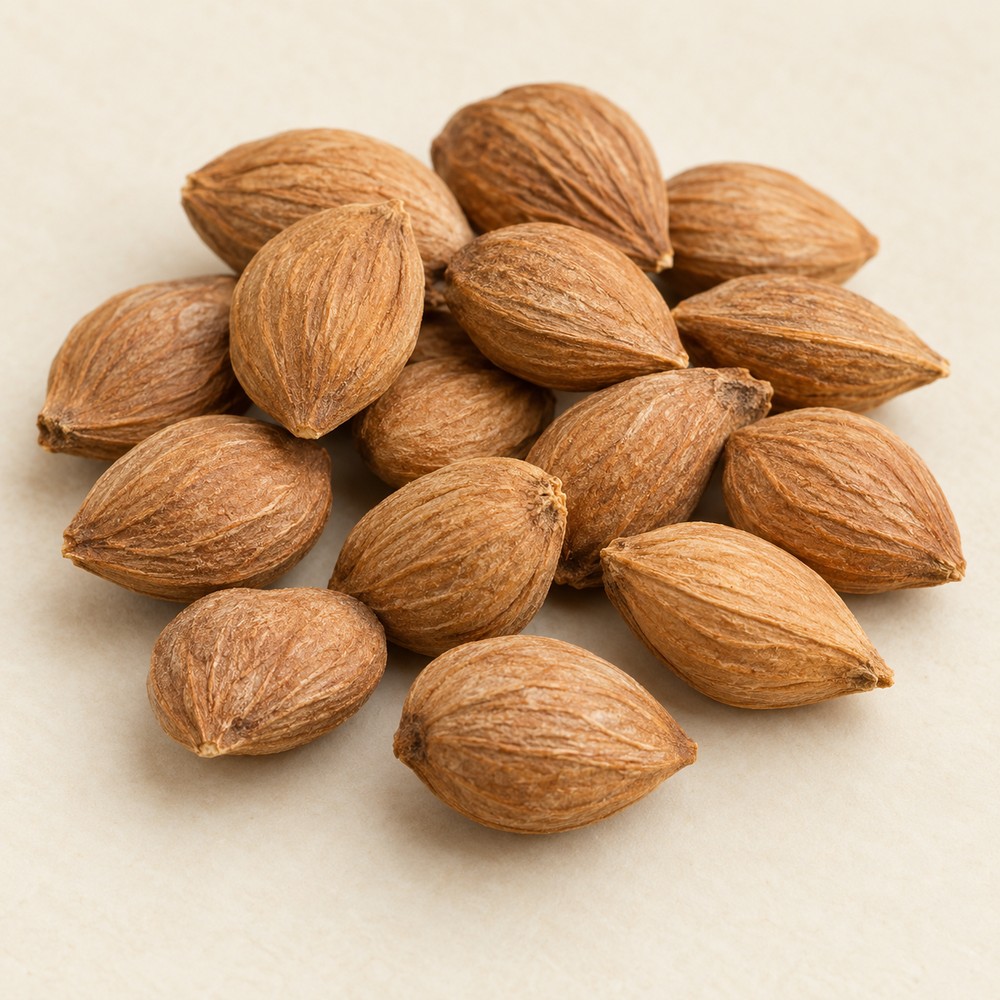
Bitter apricot kernel · Xing Ren
Prunus armeniaca L. (and accepted source species) · Mature processed seed
Name and part used
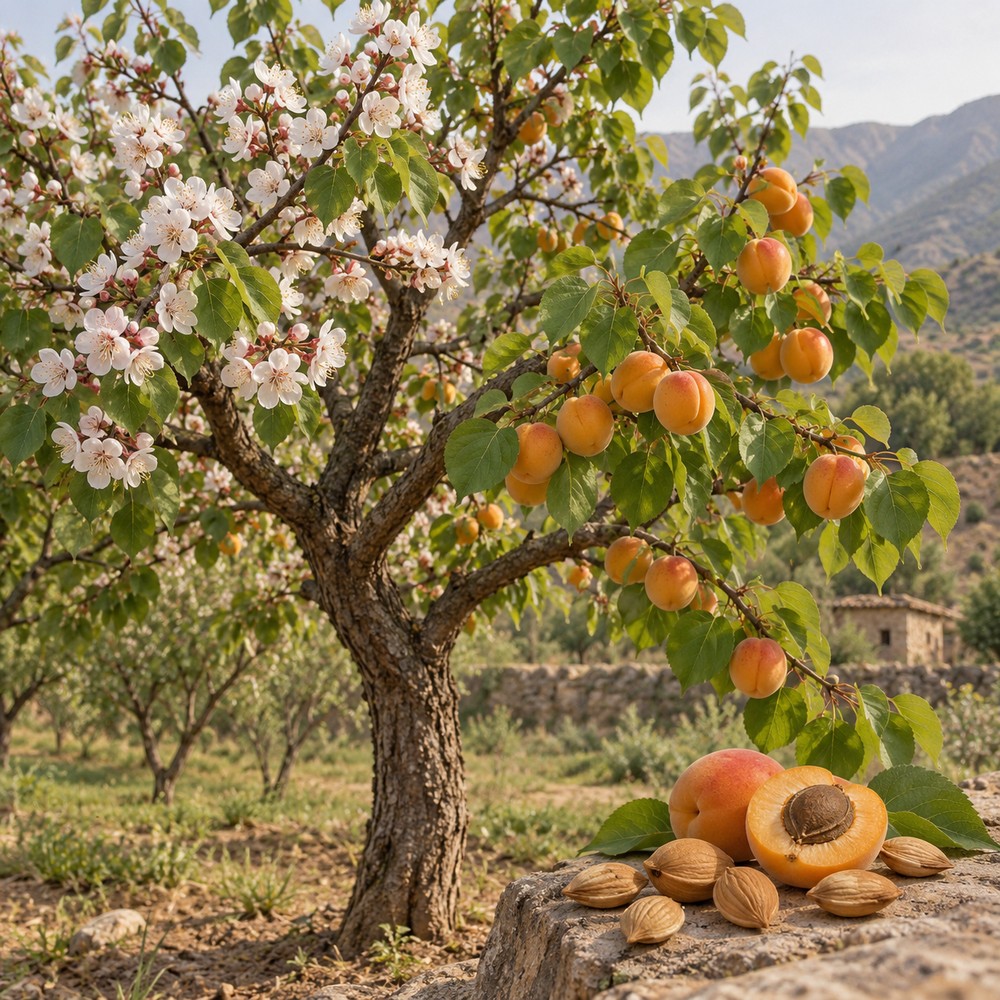
Apricot is a small tree with pale pink-white flowers before leaf-out; mature orange-yellow drupes contain a hard stone. AI art cannot distinguish the medicinal source species.
Traditional context
HKBU records bitter apricot seed as the dried mature seed of several Prunus species, including P. armeniaca and related sources. Traditional respiratory uses are not treatment advice.
Modern evidence
The seed contains amygdalin and can release cyanide; chemical constituents do not establish clinical efficacy. The English name can be confused with edible sweet almond.
Safety
Do not eat raw bitter apricot kernels or process them at home. Cyanide toxicity can be life-threatening; children, pregnancy, and medication use increase concern. Seek emergency or poison-center help for suspected poisoning.
Pairing in reference texts
Xing Ren appears in classical combinations such as Sang Ju Yin with Sang Ye, Ju Hua, Jie Geng, and others. Historical pairing does not establish safety with modern medicines.
Growing, care, and harvest timing
HKBU habitat record: Growing on montane or hills. Can be cultivated. Distributed in Heilongjiang, Liaoning, Jilin, Inner Mongolia, Hebei, Henan, Shandong, Jiangsu, Shanxi, Shaanxi, Gansu, Ningxia, Xinjiang, Sichuan, Guizhou and etc. The medicinal materials are mainly produced in the northern parts of China Harvest and processing as recorded: Harvested in summer mature fruits, removed pulp and shuck, taken out seeds, and sun-dried
Source-recorded harvest/processing: Harvested in summer mature fruits, removed pulp and shuck, taken out seeds, and sun-dried
The reviewed source does not provide a complete species-specific sowing/growing routine, irrigation/fertilization schedule, or universal plant age. The page therefore does not infer care instructions or years to harvest; consult local cultivation guidance.
Open habitat and season source ↗FROM PLANT / SOURCE HABITAT TO DRIED MATERIAL · REFERENCE WORKFLOW
- Authenticate the Prunus source in a licensed supply chain; never use unidentified or food-market kernels as medicine.
- Harvest mature fruit under a regulated facility protocol and separate the stones from the pulp.
- Clean and dry stones, then separate seeds using professional equipment; this is not a home-processing procedure because of cyanide risk.
- Verify identity and toxic constituents against applicable standards, reject nonconforming lots, and retain traceable warning labels.
These are post-harvest study notes, not directions to prepare a remedy for self-treatment. Processing reference ↗
How to read formula amounts
Displayed amounts belong to the cited formula and source; they are not a general safe ratio, treatment dose, or home-decoction instruction. Do not transfer amounts to another formula or adjust them by body weight.
Habitat, season, and harvest in the HKBU botanical record
HKBU botanical record (translated summary): Flowering and fruiting dates: Flowering: March to April. Fruiting: April to June Habitat and distribution: Growing on montane or hills. Can be cultivated. Distributed in Heilongjiang, Liaoning, Jilin, Inner Mongolia, Hebei, Henan, Shandong, Jiangsu, Shanxi, Shaanxi, Gansu, Ningxia, Xinjiang, Sichuan, Guizhou and etc. The medicinal materials are mainly produced in the northern parts of China Harvest and processing as recorded: Harvested in summer mature fruits, removed pulp and shuck, taken out seeds, and sun-dried
Open botanical source ↗HKBU formula record containing this herb: Ma Huang Tang / Ephedra Decoction
Traditional action in the source: to induce sweating releases the flesh and disperses the exterior unblocks the blood vessels with warmth relieves headache due to blockage of the channels Assistant Xing Ren combines with ma huang to descend the lung qi enhances the effects of ma huang to diffuse the lung and calm labored breathing regains the ability for lung qi to purify and diffuse The combination of ma huang and xing ren is often used to diffuse and descend lung qi. Envoy Gan Cao relieves cough and calms labored breathing reinforces the effect of ma huang and xing ren to calm labored breathing harmonizes the other ingredients Chief Ma Huang induces sweating and expels wei level exterior wind-cold with acridity and warmth diffuses the lung to calm labored breathing unblocks constrained lung qi This combination is the foundation for inducing sweating with acridity and warmth. Deputy Gui Zhi enhances ma huang’s action to induce sweating releases the flesh and disperses the exterior unblocks the blood vessels with warmth relieves headache due to blockage of the channels Assistant Xing Ren combines with ma huang to descend the lung qi enhances the effects of ma huang to diffuse the lung and calm labored breathing regains the ability for lung qi to purify and diffuse The combination of ma huang and xing ren is often used to diffuse and descend lung qi. Envoy Gan Cao relieves cough and calms labored breathing reinforces the effect of ma huang and xing ren to calm labored breathing harmonizes the other ingredients Chinese Name 麻黃湯 Phonetic Ma Huang Tang English Name Ephedra Decoction Classification Exterior-releasing formulas Source 《Treatise on Cold Damage》Shang Han Lun《傷寒論》 Combination Ephedrae Herba (Ma Huang) 3 liang (9g), Cinnamomi Ramulus (Gui Zhi) 2 liang (6g), Armeniacae Semen Amarum (Xing Ren) 70 pieces (6g), Glycyrrhizae Radix et Rhizoma (Zhi Gan Cao) 1 liang (3g) Method Prepare Ma Huang Tang as a decoction. The source text points out that ma huang should be decocted first and the foam that collects at the top of the decoction needs to be removed before adding the other medicinals. The decoction should be taken warm and the patient should bundle up with an extra layer to induce a mild sweat. Action Induces sweating to release the exterior, diffuses the lung to calm labored breathing
Ingredient images and source amounts are shown for comparison only; this is not a treatment recipe.
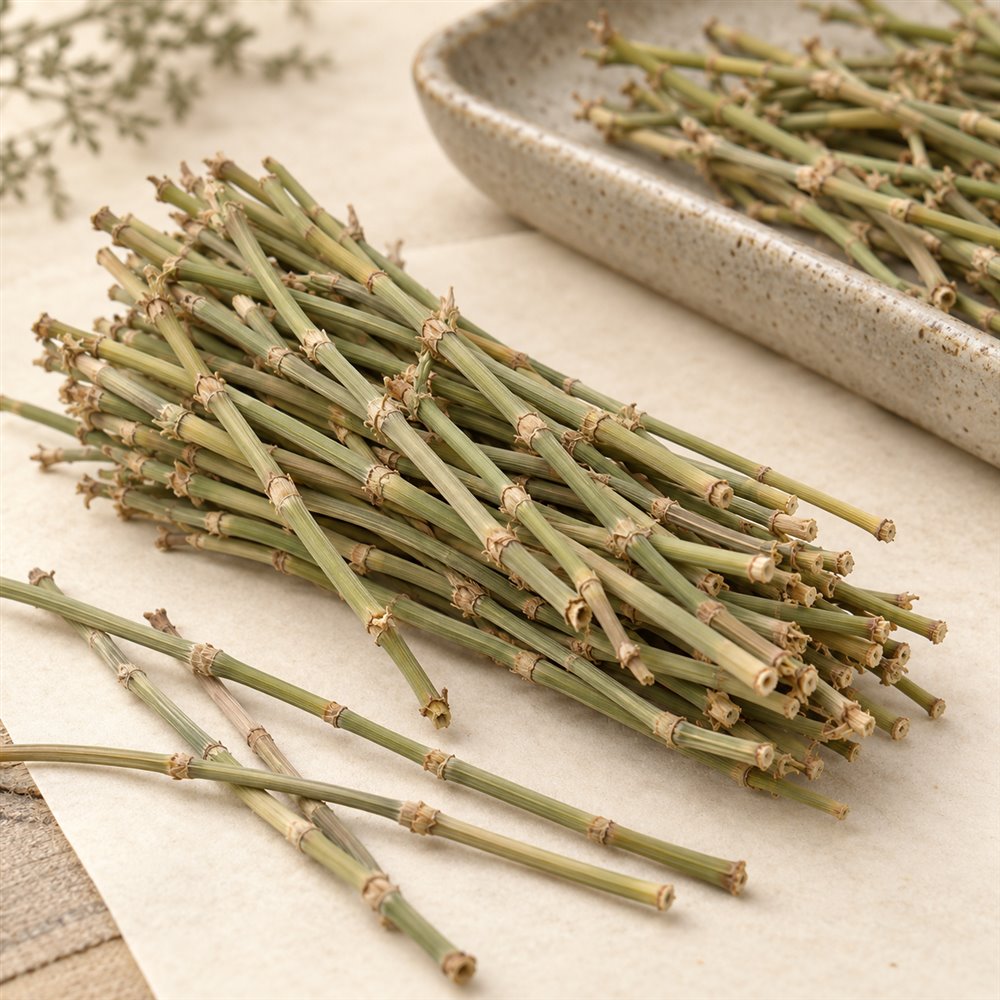
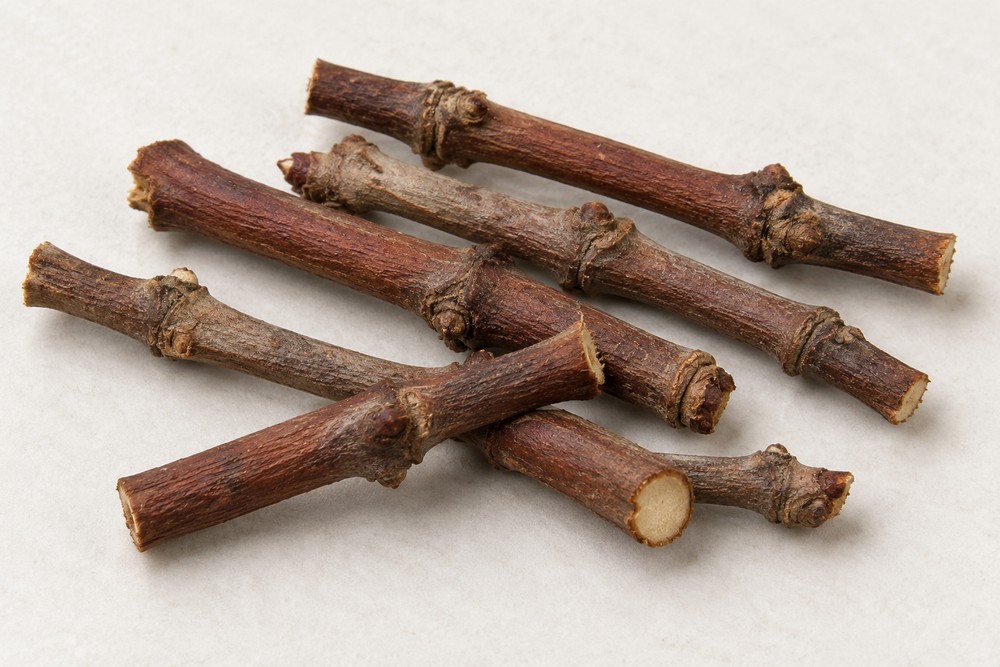
HKBU source-recorded composition
Ephedrae Herba (Ma Huang) 3 liang (9g), Cinnamomi Ramulus (Gui Zhi) 2 liang (6g), Armeniacae Semen Amarum (Xing Ren) 70 pieces (6g), Glycyrrhizae Radix et Rhizoma (Zhi Gan Cao) 1 liang (3g)
The ingredients and amounts below are one HKBU-recorded version; texts, historical units, processing, and modern products can differ. This is comparative reference data, not a home-preparation recipe or personal dose.
Open complete HKBU formula record ↗