Xin Yi · Xin Yi
Magnolia biondii Pamp. · Dried unopened flower bud
Name and part used
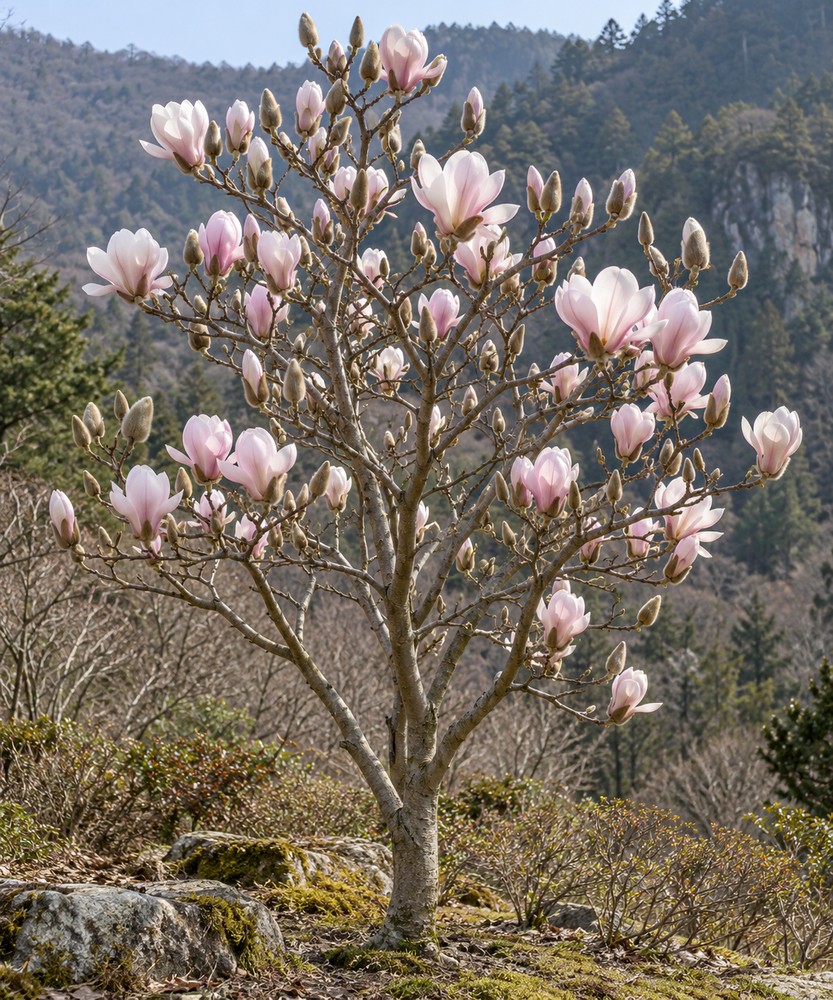
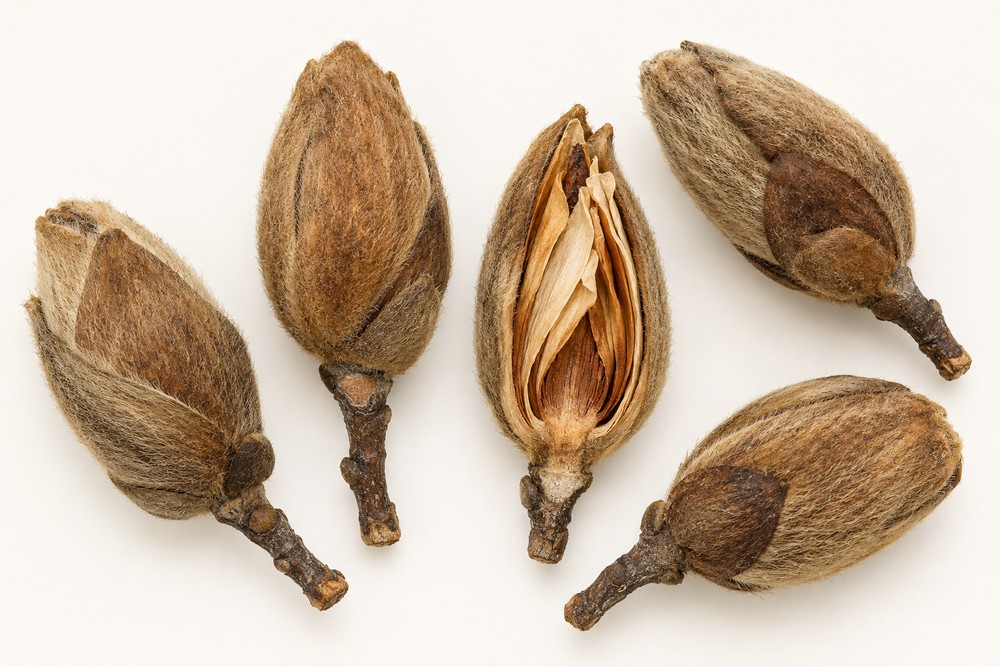
Xin Yi is the dried unopened flower bud of Magnolia biondii, M. denudata, or M. sprengeri in HKBU records. M. biondii is deciduous and flowers before its leaves in early spring; buds are densely hairy like a brush tip. Dried buds are elongated oval, purplish-brown, densely gray/white hairy, often with a short stem. Separate images show the living tree and dried buds; AI art cannot verify species or quality.
Traditional context
Traditional sources describe acrid, warm properties in pattern-based wind-cold and nasal-opening methods. This does not prove treatment of sinusitis, allergy, or infection; persistent obstruction needs care.
Modern evidence
HKBU records source species, unopened-bud morphology, and late-winter/early-spring harvest. Volatile oils and historical descriptions do not prove clinical benefit or safety across uses.
Safety
Hairy buds may irritate nose/skin. Do not insufflate raw powder or self-use essential oil/unverified species; pregnancy, asthma, allergy, or medicines warrant professional review.
Pairing in reference texts
HKBU’s M. biondii botanical record gives a historical example pairing Xin Yi with Cang Er Zi, Bai Zhi, and mint for nasal patterns. The record lists historical units 0.5 liang : 2.5 qian : 1 liang : 0.5 qian in that order; these are not modern doses. This is source illustration, not self-treatment advice.
Growth and habitat
Magnolia biondii is a deciduous temperate tree cultivated on mountain slopes and in deep, cool, drained soils; HKBU records cultivation in central/eastern Chinese provinces. Provide sun to partial shade, canopy space, and a sufficiently cool winter; avoid waterlogging.
Growing, care, and harvest timing
The profile above includes sourced steps and a documented harvest window. Harvest timing is agronomic information, not a self-use instruction.
Growing and care
- Grow verified Magnolia biondii in a cool site with deep drained soil and sun to partial shade; allow canopy space.
- Plant labeled nursery stock away from standing water and prolonged hot wind.
- Water steadily during establishment, mulch away from the trunk, prune dead branches with clean tools.
- Monitor pests and avoid pesticide sprays near bud harvest if grown for medicinal material.
- Harvest only from verified trees in late winter/early spring before opening; do not strip young trees.
How long until harvest? HKBU records harvesting buds before flowering in late winter/early spring and drying in shade. Years to harvestable buds vary by stock and region; no universal age is given.
Documented formula pairing: Xin Yi example in HKBU botanical record
A historical example recorded in HKBU’s botanical entry; not a modern prescription or personal dose.
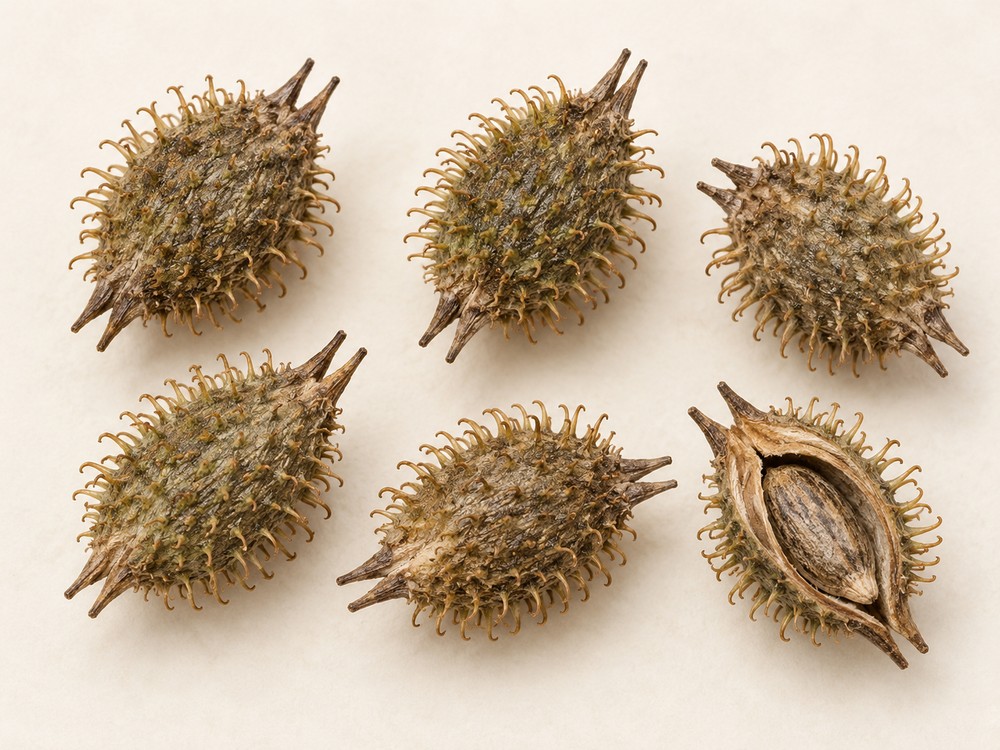
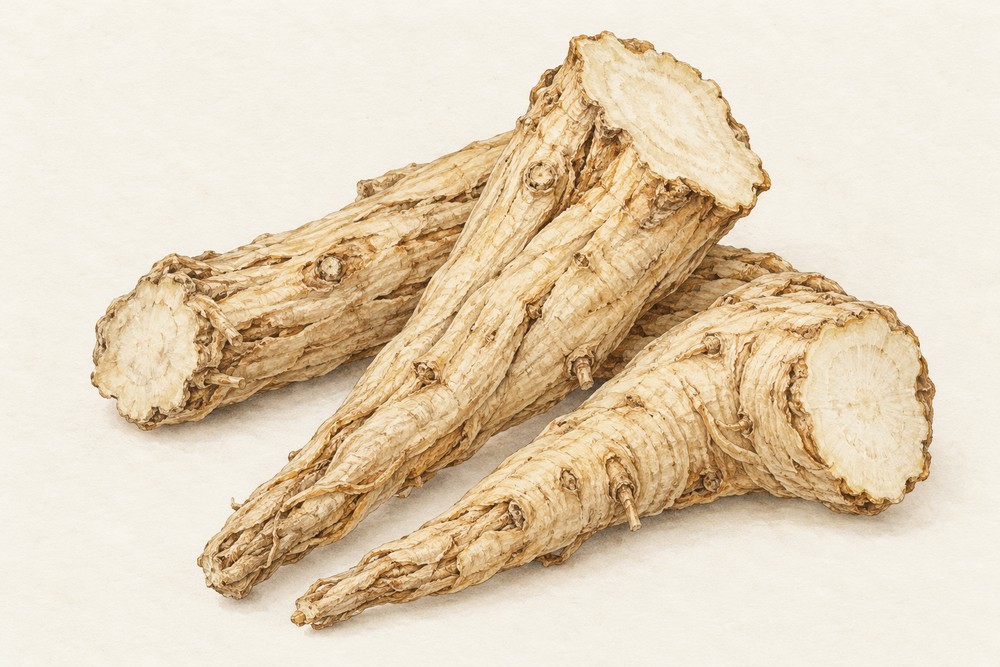
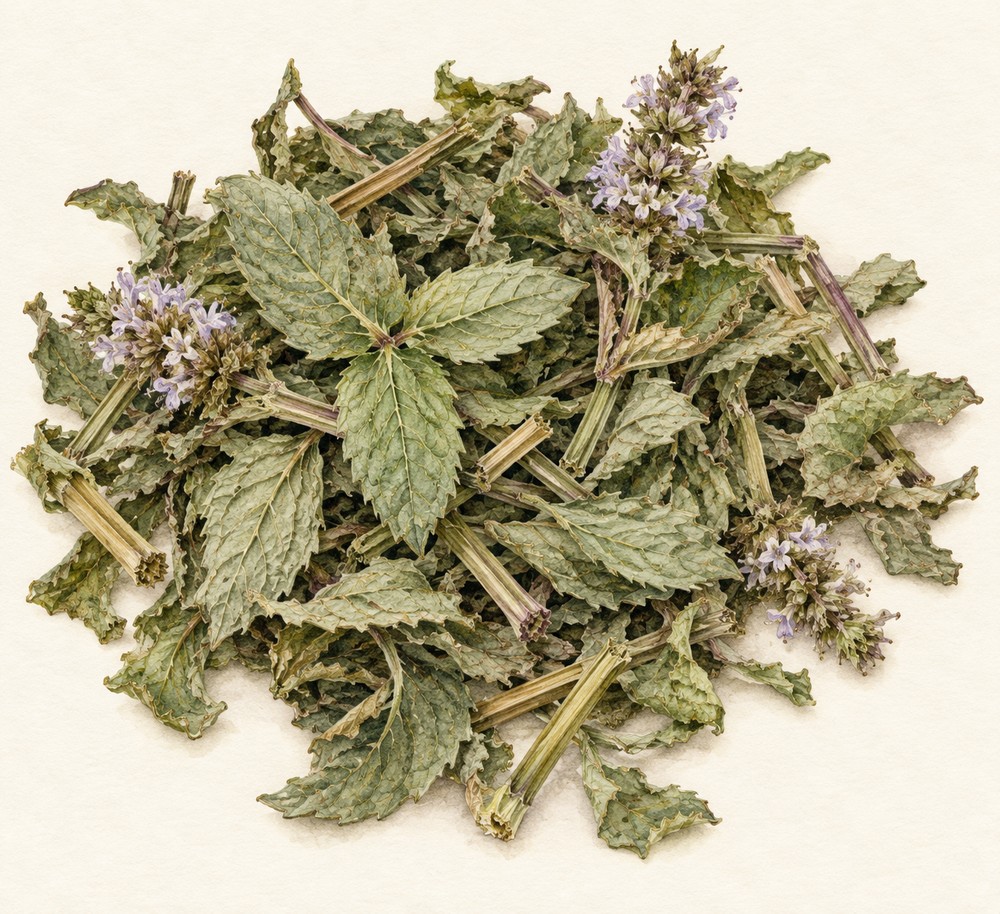
Source-recorded amounts: Xin Yi:Cang Er Zi:Bai Zhi:mint = 0.5 liang:2.5 qian:1 liang:0.5 qian in the source’s historical units; not converted to modern doses.
Caution: Cang Er Zi has toxicity risks if improperly processed; do not self-combine, grind, or use intranasally.
Open formula record ↗Documented toxic incompatibility
Reviewed sources do not confirm a specific toxic pair; this gap does not prove universal safety. Species, plant part, processing, medicines, and conditions still require review.
FROM PLANT / SOURCE HABITAT TO DRIED MATERIAL · REFERENCE WORKFLOW
- Buds are collected in late winter/early spring before opening; remove debris, clean-dry, then shade-dry as HKBU records to preserve bud form. Grade intact buds and store dry; never insufflate raw bud powder/hairs.
These are post-harvest study notes, not directions to prepare a remedy for self-treatment. Processing reference ↗
How to read formula amounts
Displayed amounts belong to the cited formula and source; they are not a general safe ratio, treatment dose, or home-decoction instruction. Do not transfer amounts to another formula or adjust them by body weight.