Teasel root · Xu Duan
Dipsacus asperoides C.Y.Cheng & T.M.Ai · Root
Name and part used
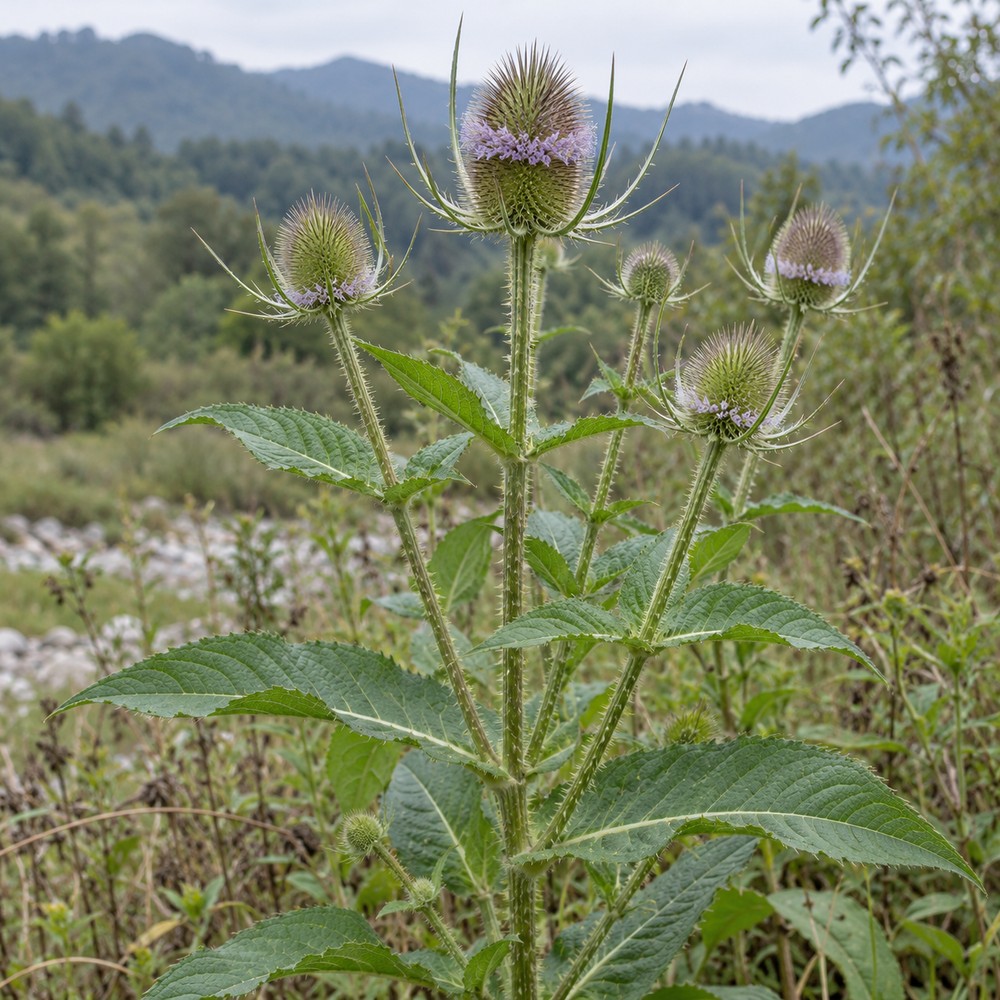
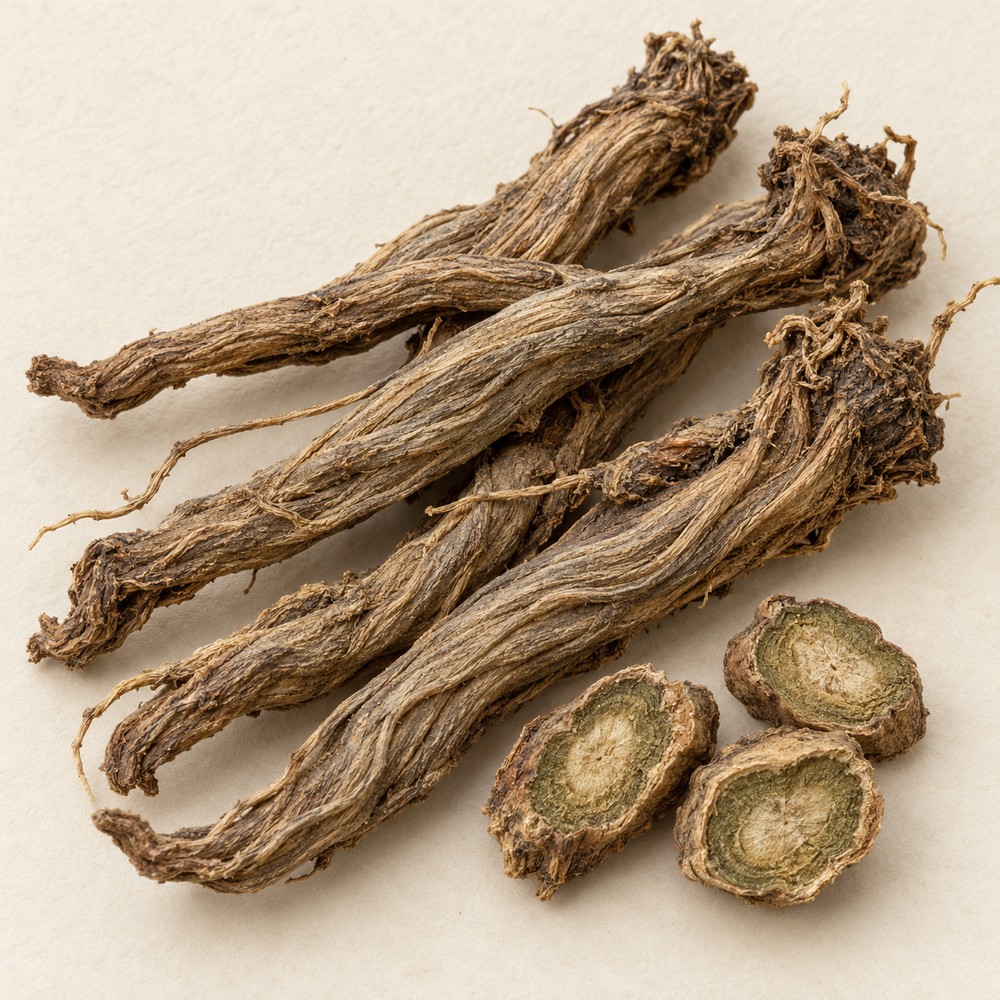
A tall herb with opposite leaves and spiny rounded flower heads; its long gray-brown root has twisted grooves and a green-brown cut with radial wood.
Traditional context
Liver/kidney tonifying, strengthening sinews, and injury repair are traditional claims; fracture or bleeding needs medical care.
Modern evidence
HKBU describes Dipsacus asperoides root and wine/salt processed forms; keep forms separate rather than assuming equivalence.
Safety
May affect coagulation; avoid self-use in pregnancy, active bleeding, anticoagulants, or liver/kidney disease.
Pairing in reference texts
Xu Duan may pair with Du Zhong in traditional formulas; combinations do not replace injury care.
Growth and habitat
Dipsacus asperoides is a perennial herb of temperate Asia, found at woodland margins, grasslands, hillsides, and paths. It prefers deep, cool, moderately moist but drained soil. The tall angled stems carry lobed, softly prickly leaves and spherical flower heads; the taproot is the medicinal part. Crowded young plants may be weak, while saturated soil causes soft or rotting roots.
Botanical / habitat source ↗Growing, care, and harvest timing
The profile above includes sourced steps and a documented harvest window. Harvest timing is agronomic information, not a self-use instruction.
Growing and care
- Sow authenticated Dipsacus asperoides seed; do not identify it from the common word “teasel” or AI art alone. Spring or autumn sowing depends on the production region.
- Raise plants in a drained medium under good light; thin seedlings to allow root development. Transplant into deep humus-rich soil after hardening.
- Use a slightly raised bed in rainy areas; soil should retain moisture without standing water. Full sun supports sturdy stems and roots.
- Water evenly after planting, then adjust to soil moisture; hand-weed shallowly and add moderate mature compost.
- Monitor aphids, leaf feeders, and root rot; rotate crops, improve drainage, and avoid untracked pesticide residues on medicinal crops.
- Harvest before frost under the local standard; dig the whole root and remove soil and damaged roots. “Sweating” processing is professional handling, not a home procedure.
How long until harvest? HKBU botanical notes record root harvest in year three after autumn sowing or year two after spring sowing, before frost; another materia record describes one- or two-year crops by region. These are regional production timings, not a guarantee that every garden reaches equal yield or quality.
Cultivation / season source ↗Documented formula pairing: Tai Shan Pan Shi San
HKBU records Xu Duan in a historical formula with traditional obstetric indications. It must not be used to maintain pregnancy or replace modern obstetric care.
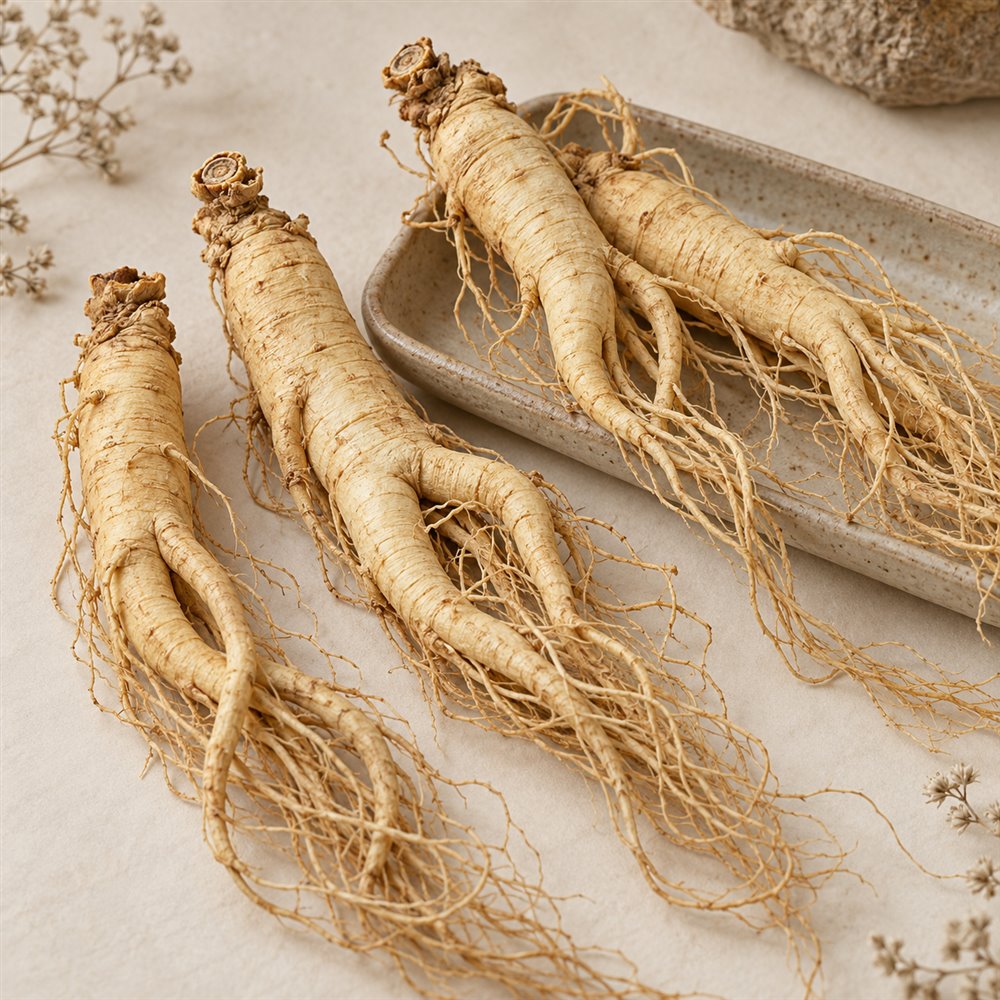
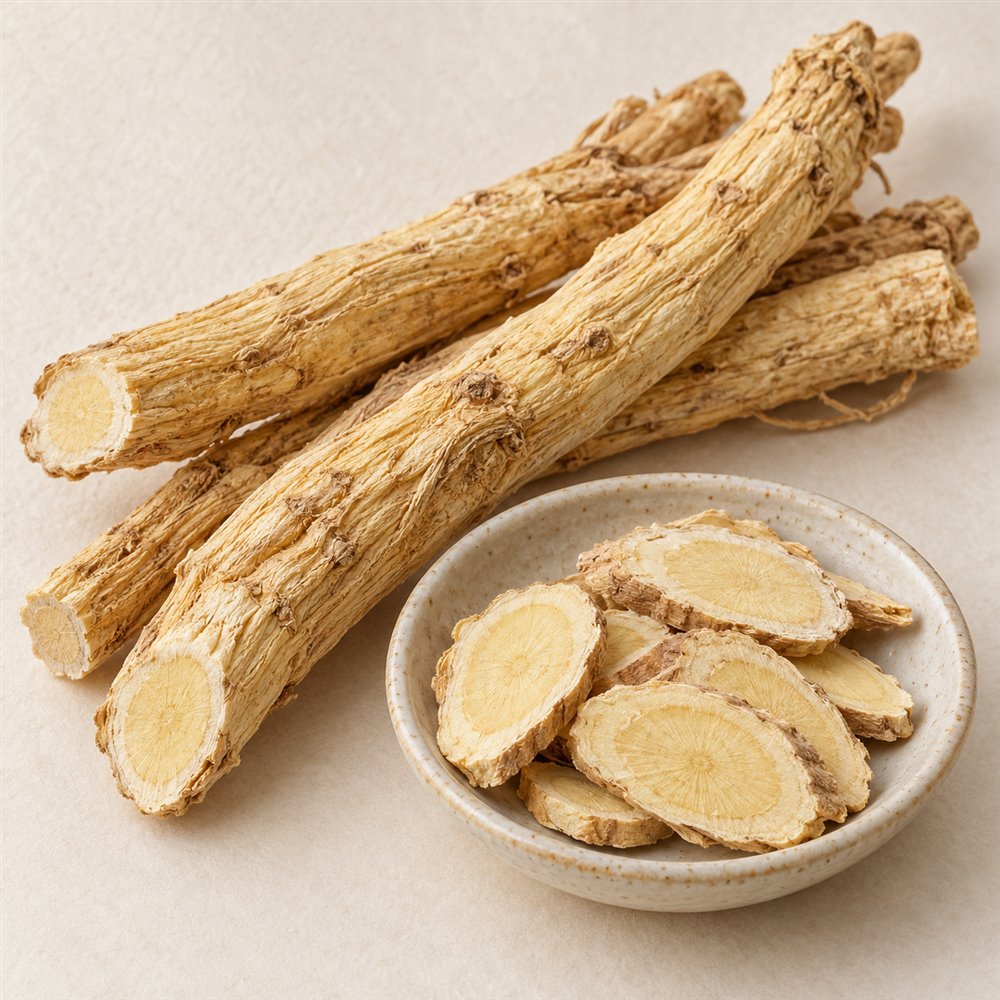
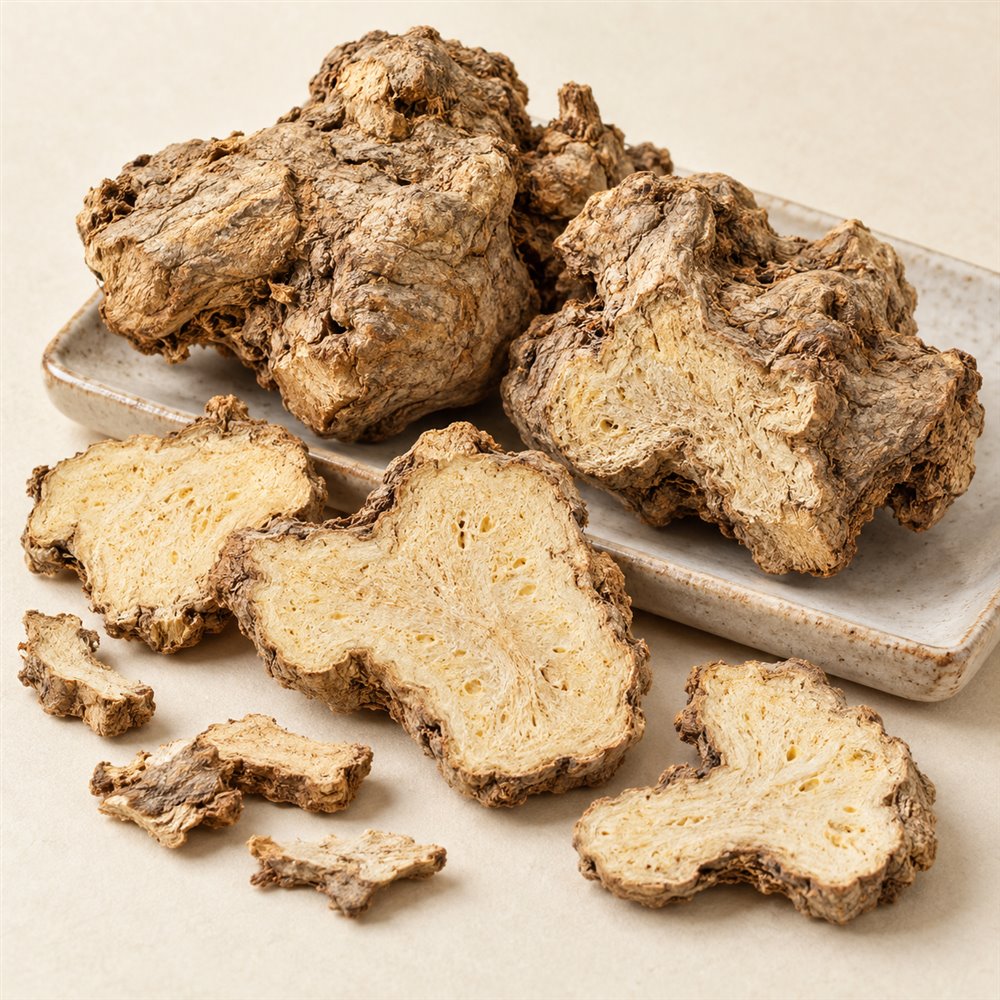
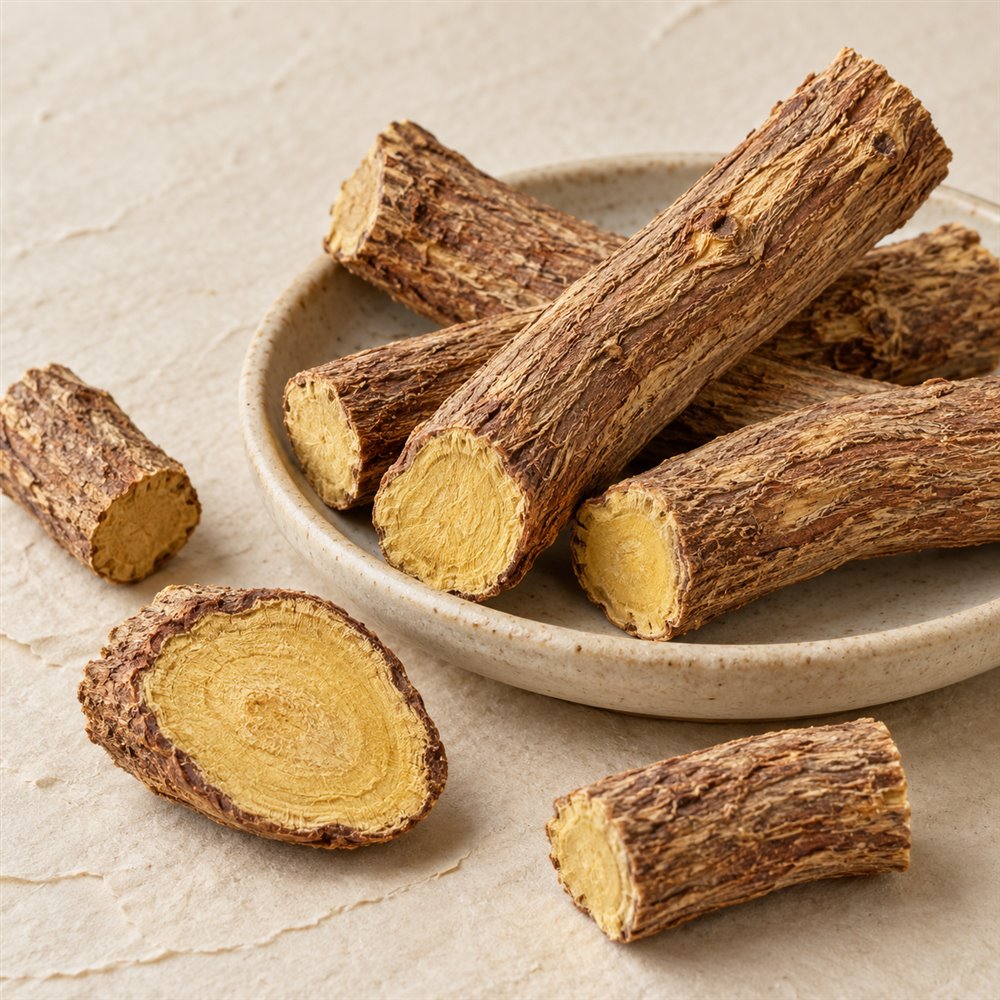
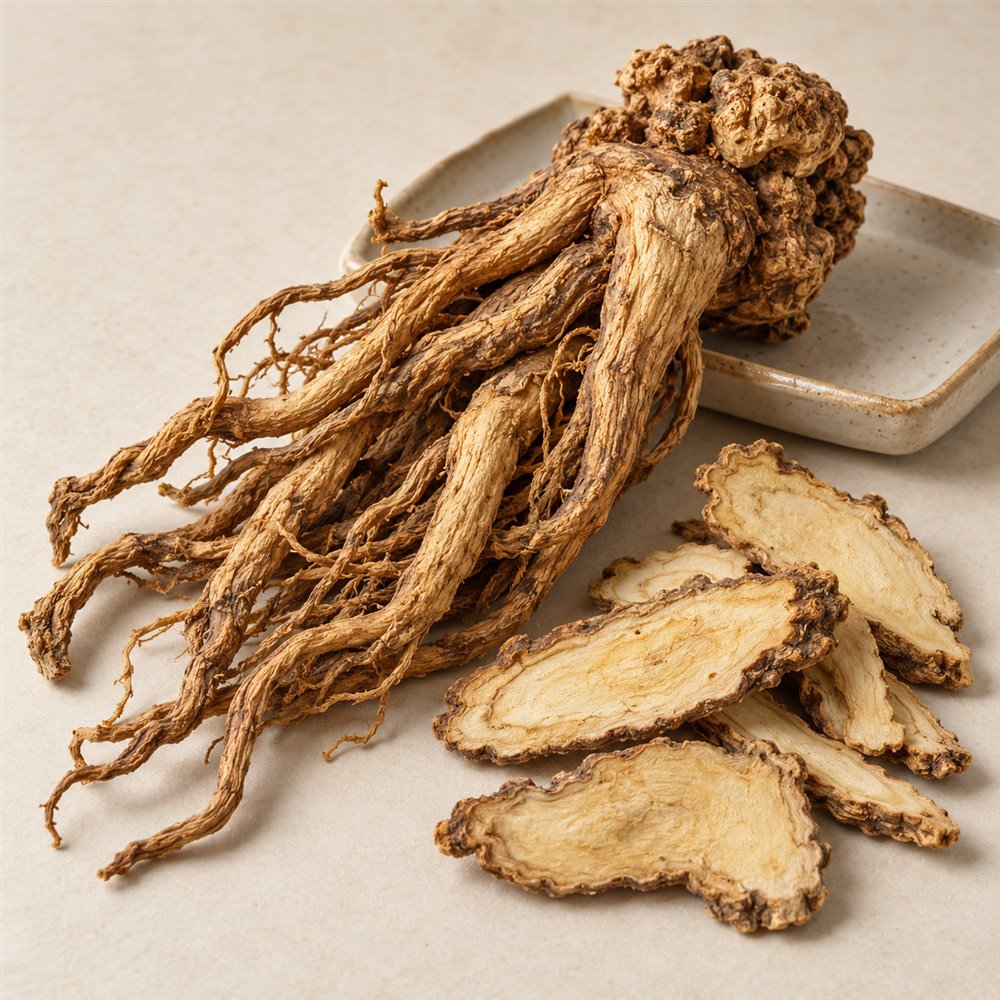
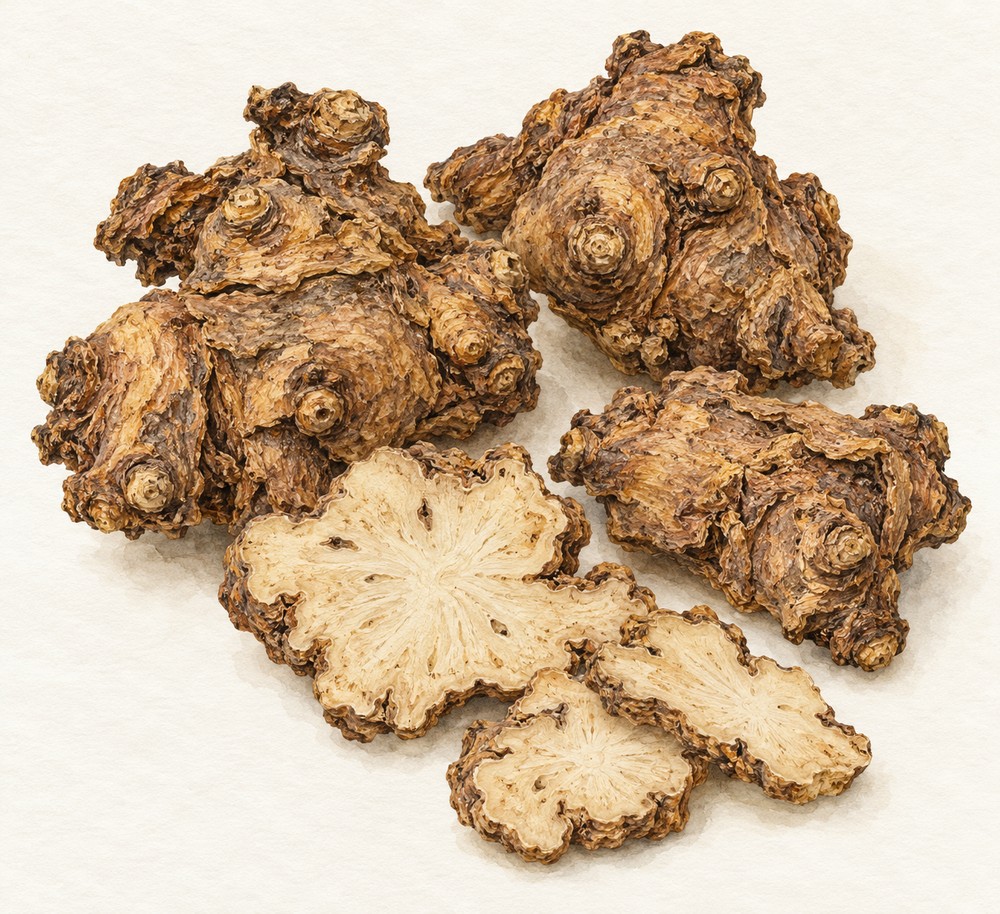
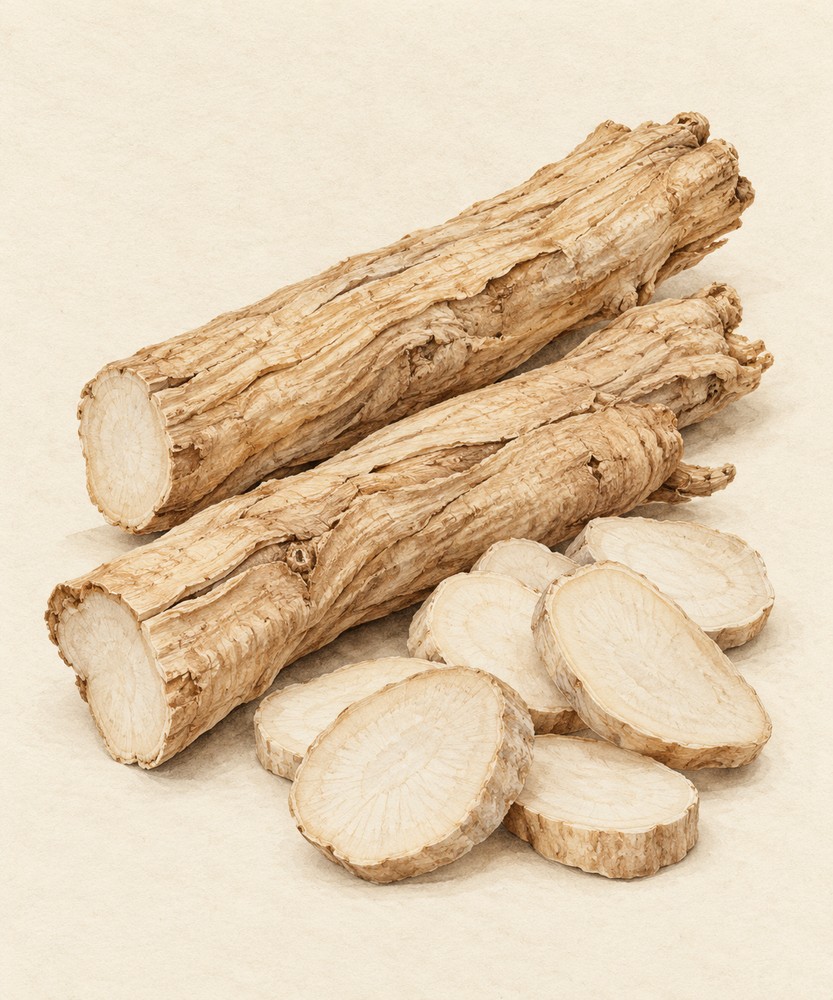
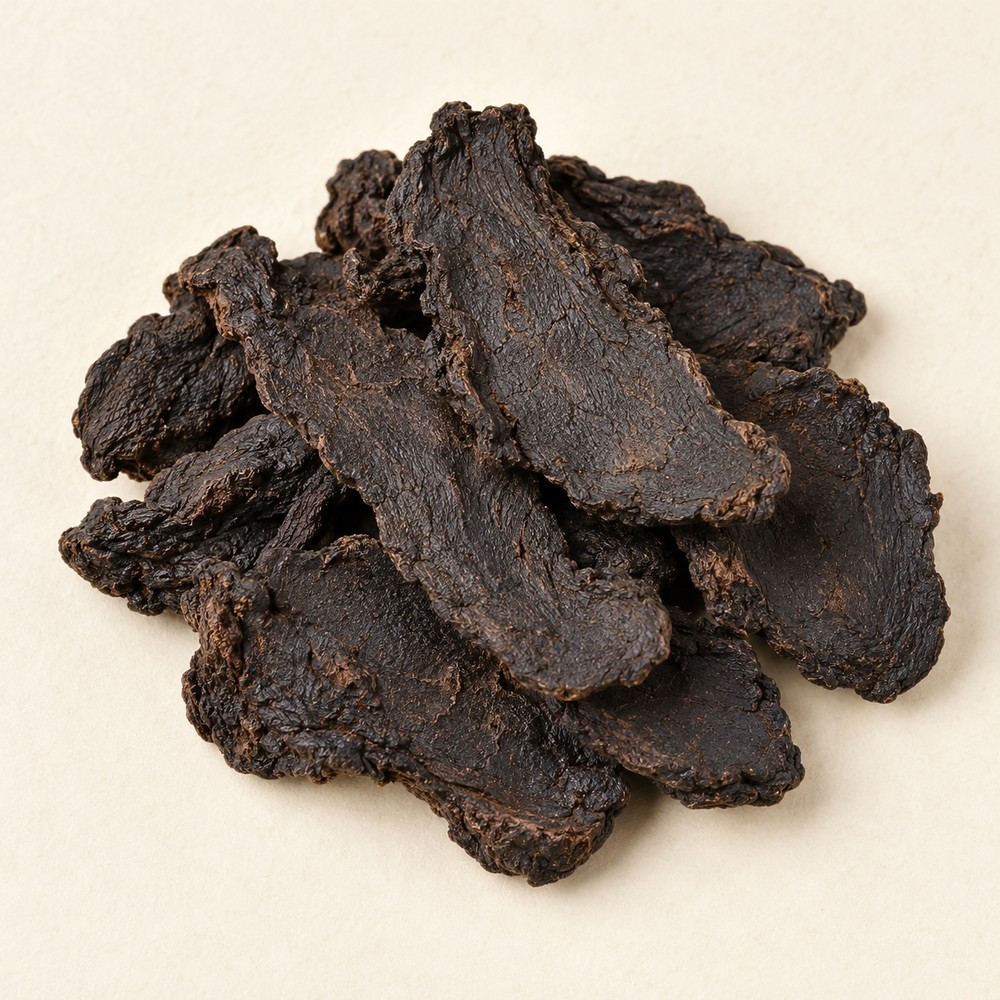
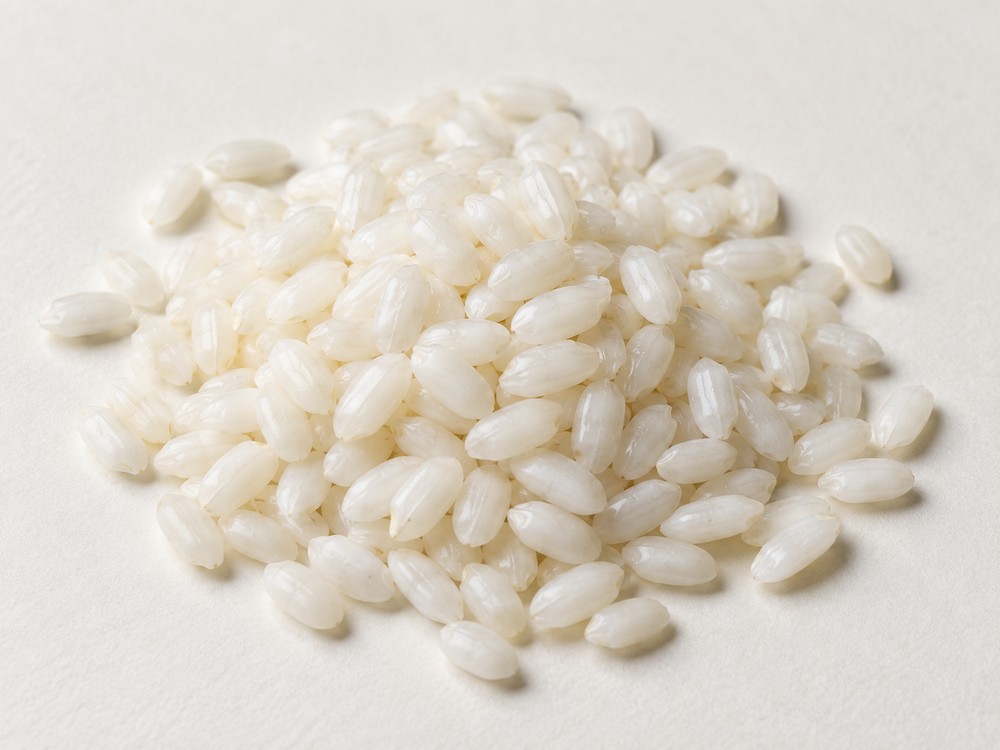
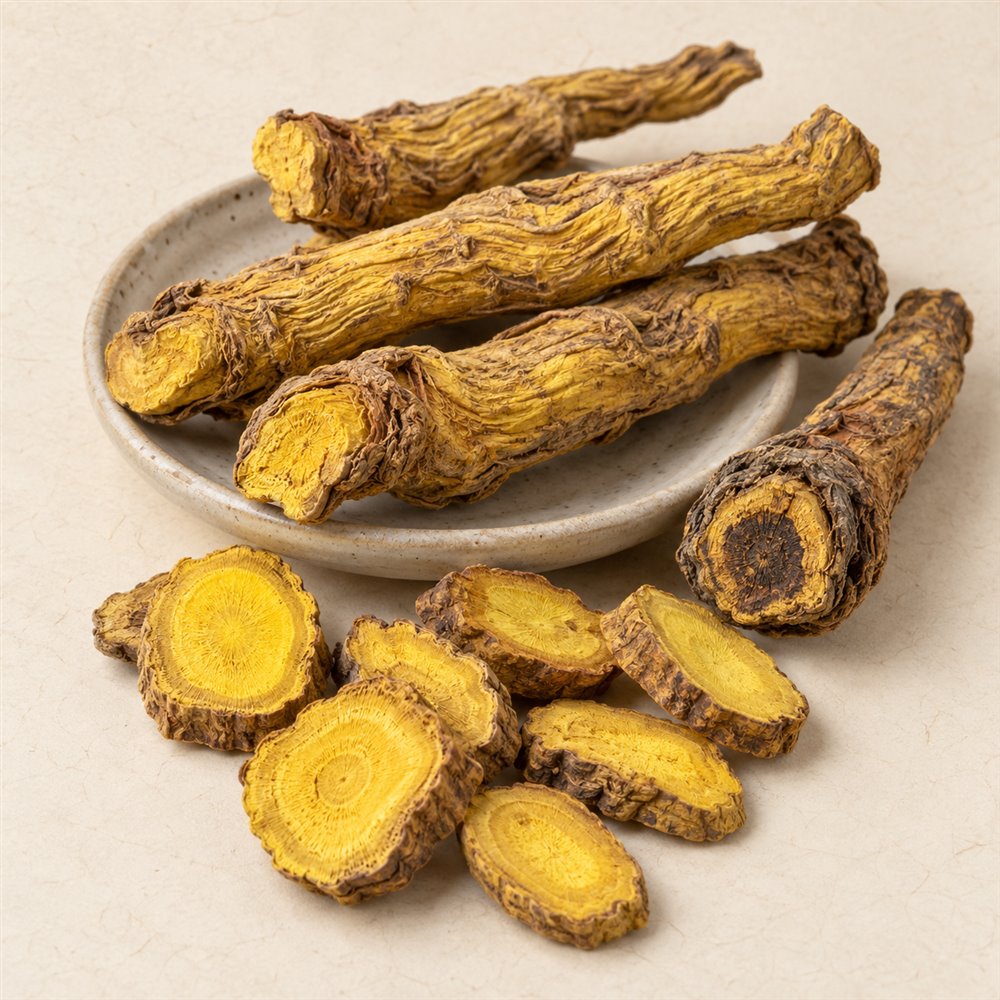
Source-recorded ratio / amounts: HKBU amounts in card order: 3:6:6:2:3:2:3:3:3:6:3:1.5 g. This is a historical formula with obstetric framing, not instructions or a self-combination ratio.
Caution: Do not self-use during pregnancy or bleeding. Threatened miscarriage, abdominal pain, or bleeding needs obstetric care.
Open original formula record ↗FROM PLANT / SOURCE HABITAT TO DRIED MATERIAL · REFERENCE WORKFLOW
- Thu rễ tại cơ sở trồng, loại đất và rễ phụ quá nhỏ.
- Harvest roots from cultivated supply, removing soil and overly small rootlets.
These are post-harvest study notes, not directions to prepare a remedy for self-treatment. Processing reference ↗
How to read formula amounts
Displayed amounts belong to the cited formula and source; they are not a general safe ratio, treatment dose, or home-decoction instruction. Do not transfer amounts to another formula or adjust them by body weight.