Yuan Hua (Genkwa flower buds) · Yuan Hua
Daphne genkwa Siebold & Zucc. · Dried flower buds
Name and part used
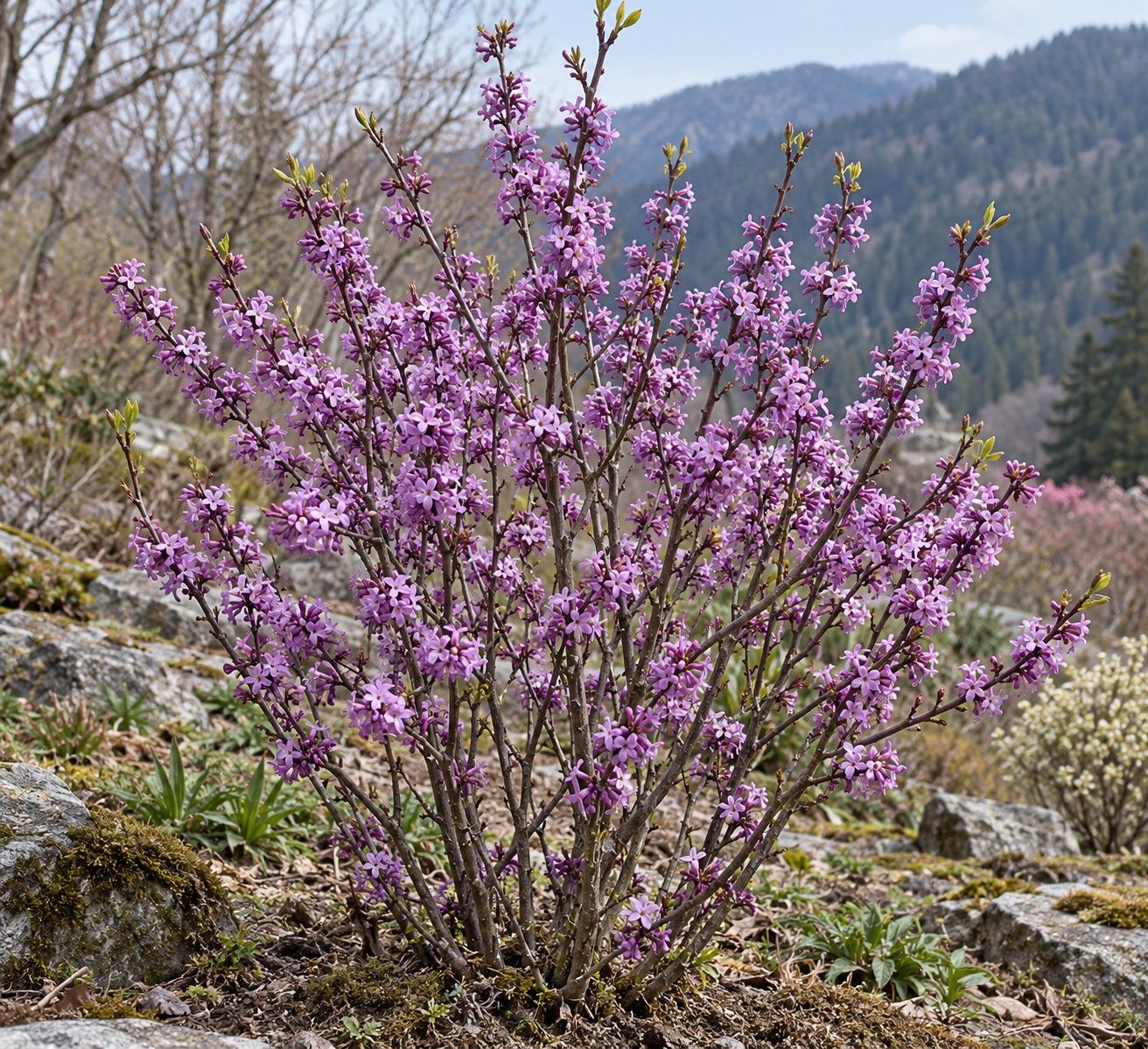
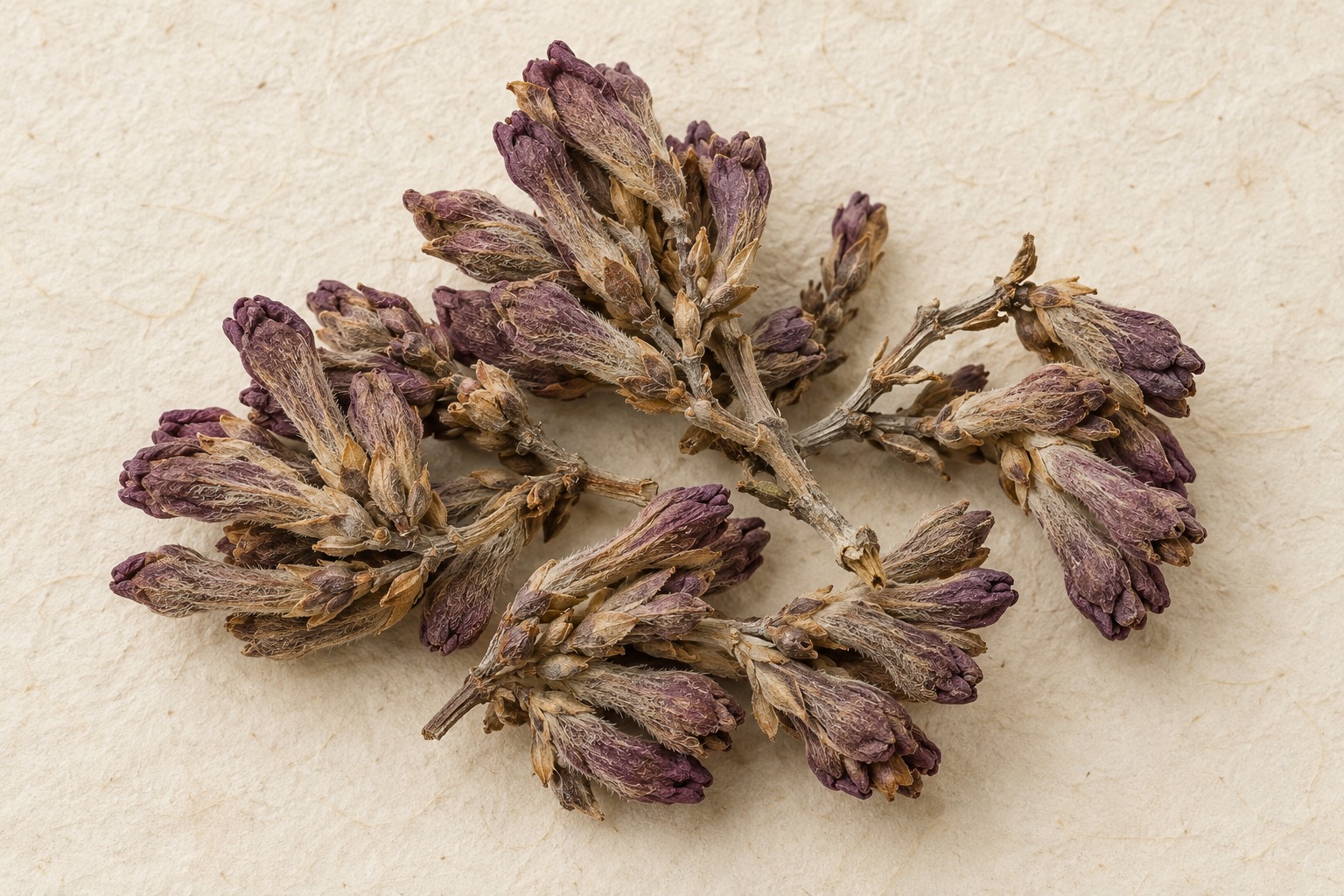
This Yuan Hua record is the flower bud of Daphne genkwa, a deciduous shrub in Thymelaeaceae; mauve flowers often appear before or near leaf-out. Dried buds are the medicinal part in the monograph, while the root is also toxic. AI images are for morphology study, not field discrimination among Daphne species.
Traditional context
Historical texts place it in strong water-expelling formulas and warn of toxicity. Traditional actions are not a recommendation for edema, phlegm, or asthma and do not replace medical assessment.
Modern evidence
HKBU describes the species, buds/root, toxicity, harvest season, and pregnancy warning. It does not establish clinical efficacy or a safe dose.
Safety
Buds and roots are toxic and may cause nausea, vomiting, abdominal pain, diarrhea, and injury if misused. Avoid entirely in pregnancy and frailty; do not forage, grind, soak, or ingest it. Keep unknown plant material away from eyes and mouth; accidental ingestion requires urgent care.
Pairing in reference texts
Yuan Hua–licorice is a traditional incompatibility; modern review does not establish a safe combination threshold. Historical Shi Zao Tang lists three toxic herbs in equal proportions, but that is not a safe ratio or a recipe to follow.
Growth and habitat
HKBU records Daphne genkwa in mountain and scrub habitats in parts of China; it tolerates cold winters and drained soil. Do not forage wild shrubs: several Daphne species look similar and are toxic.
Growing, care, and harvest timing
The profile above includes sourced steps and a documented harvest window. Harvest timing is agronomic information, not a self-use instruction.
Growing and care
- Growing it for medicinal harvest is not recommended because buds and roots are toxic; choose a non-toxic ornamental alternative for home gardens.
- For botany study, observe labeled specimens at a botanical garden; do not pick flowers or stems.
- Do not share harvesting tools with food or medicinal plants; avoid eye/mouth contact and wash hands after observation.
- HKBU provides habitat/harvest notes, not a safe home-growing protocol; do not prepare it yourself.
How long until harvest? The source records spring collection before flowering and professional cleaning/drying. This does not define how many years a home-grown plant must grow; do not harvest buds for self-use.
Documented formula pairing: Shi Zao Tang · historical record
HKBU records a historical formula containing the three toxic herbs Jing Da Ji, Gansui, and Yuan Hua with jujube. This is a formula-history reference, not a treatment or recommendation.
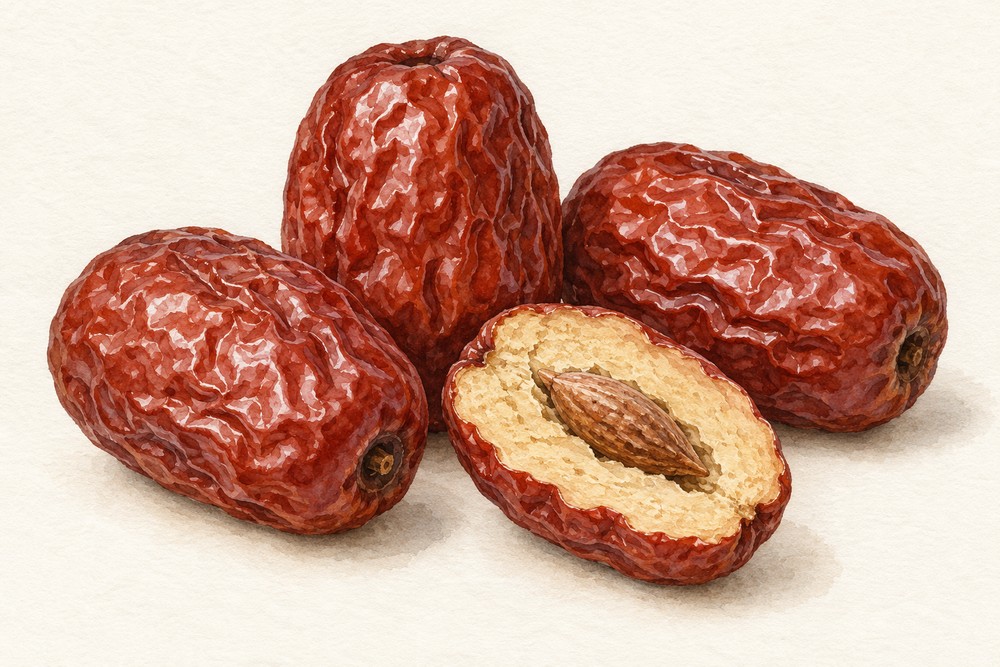
Source-recorded amounts: The source lists the three toxic herbs in equal proportions, 1:1:1, without a self-use amount. This is a historical textual ratio, not a safe ratio; do not combine or prepare it.
Caution: All three herbs carry toxicity warnings; historical recording does not establish modern safety. This profile gives no dose, decoction, or detoxification method. Avoid self-use; accidental exposure or ingestion needs urgent poison-control/medical advice.
Open formula record ↗Documented toxic incompatibility
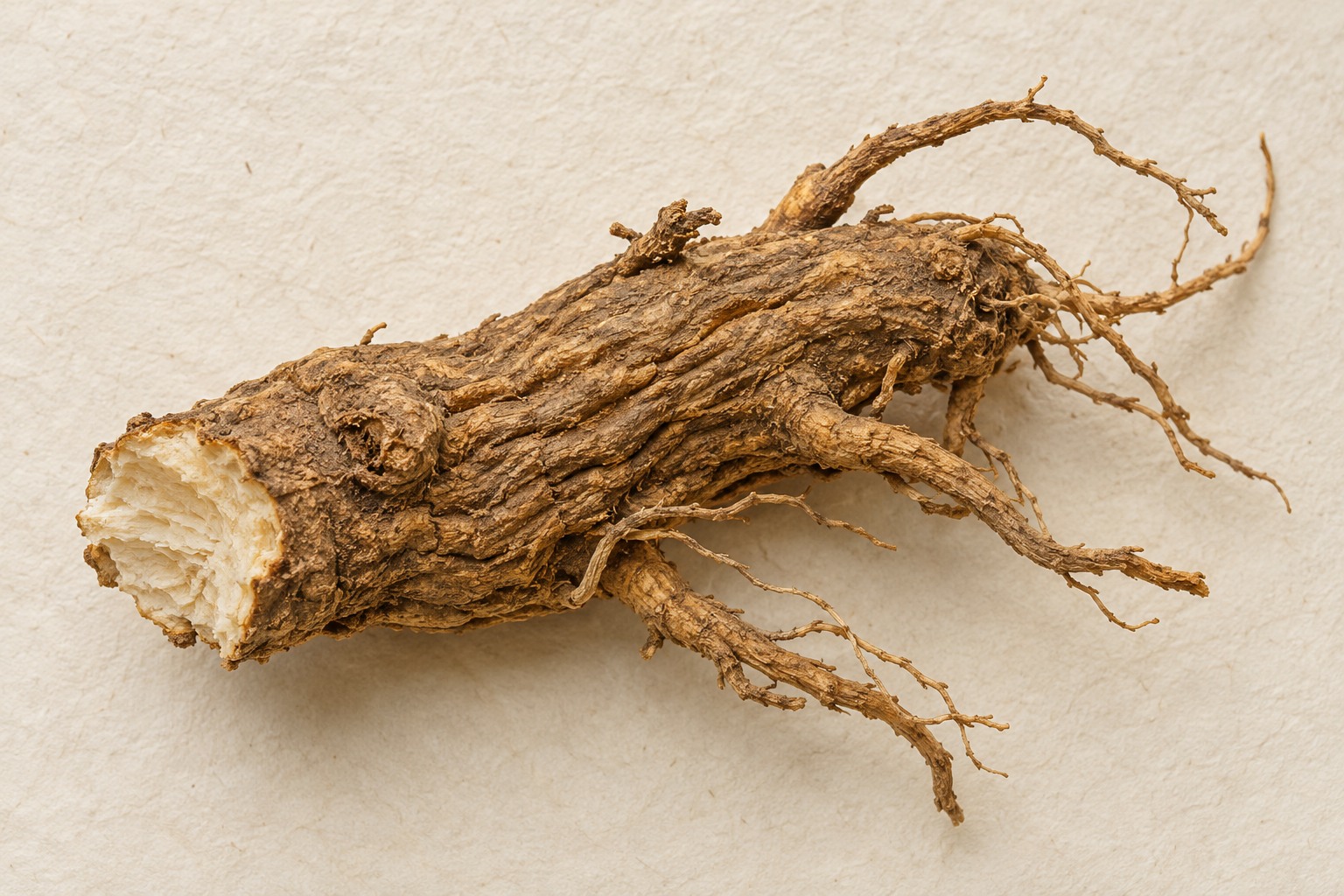
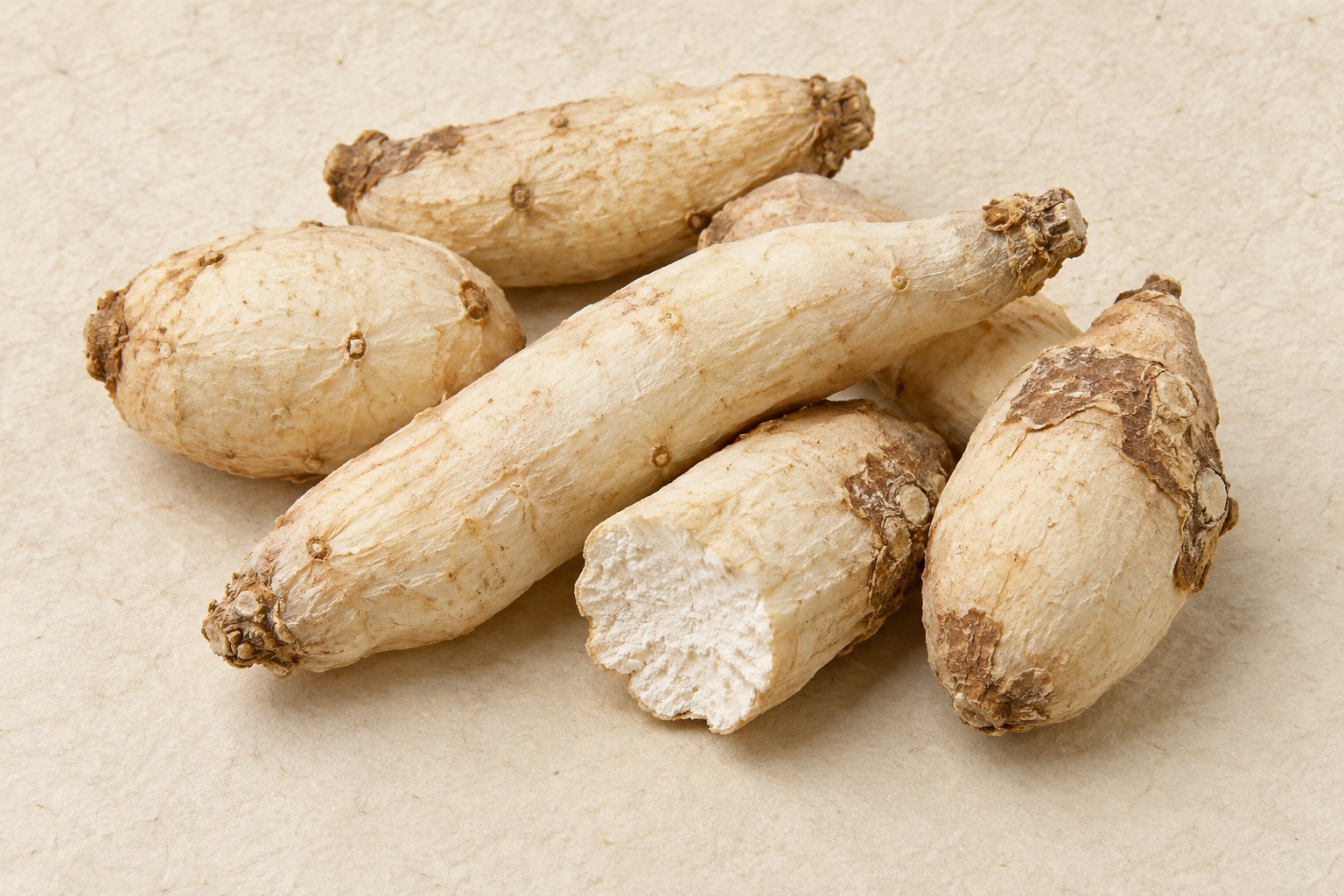
The Gan Cao–Jing Da Ji incompatibility is recorded in traditional sources. Jing Da Ji is a toxic Euphorbia root that may cause severe gastrointestinal effects; do not grow, forage, process, or combine it with licorice for self-use. No safe self-use ratio is established.
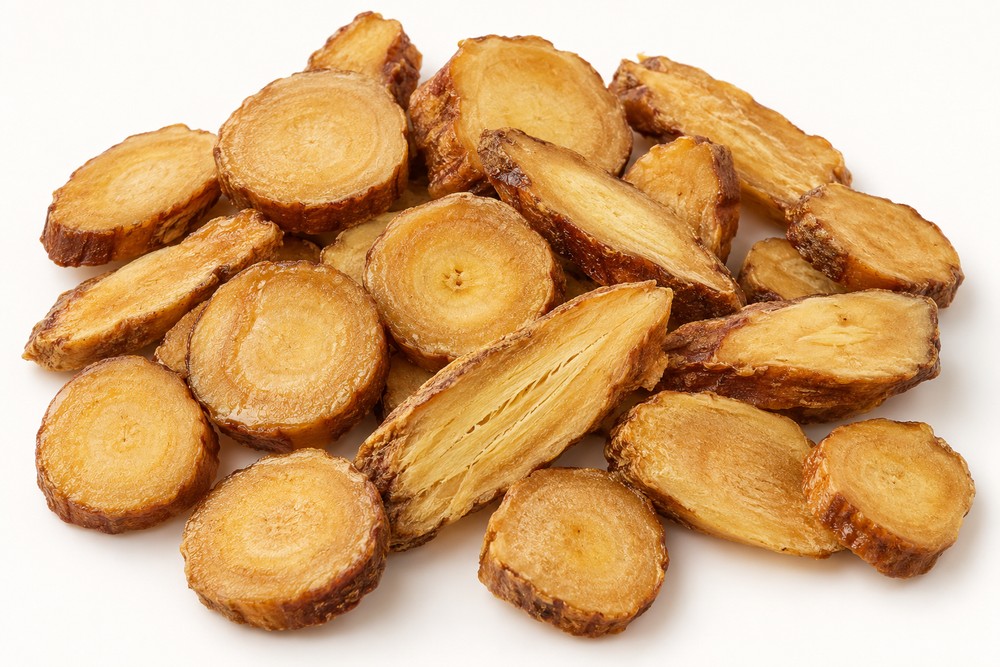
AI study illustrations; not for specimen identification.
HKBU licorice record ↗ ↗ Modern review of incompatibility research ↗ ↗FROM PLANT / SOURCE HABITAT TO DRIED MATERIAL · REFERENCE WORKFLOW
- The source describes pre-bloom bud collection, debris removal, and controlled sun/heat drying. This is a professional supply-chain description only, not instructions for processing, dosing, or self-use of a toxic drug.
These are post-harvest study notes, not directions to prepare a remedy for self-treatment. Processing reference ↗
How to read formula amounts
Displayed amounts belong to the cited formula and source; they are not a general safe ratio, treatment dose, or home-decoction instruction. Do not transfer amounts to another formula or adjust them by body weight.
Material source, dried appearance, and processing forms (HKBU)
HKBU identifies the materia medica and records toxicity/incompatibility warnings; species and plant part must be verified.
Open original materia medica record ↗