Zhi Gan Cao · Zhi Gan Cao
Glycyrrhiza uralensis Fisch. ex DC. (honey-processed) · Honey-processed root and rhizome
Name and part used
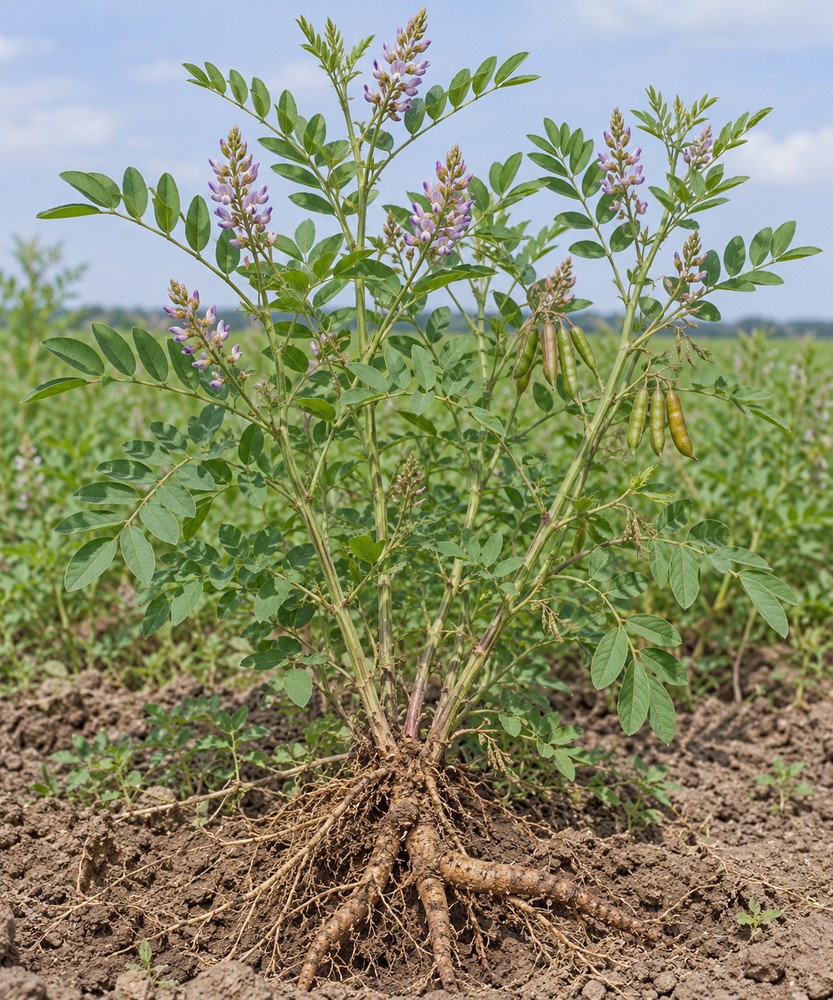
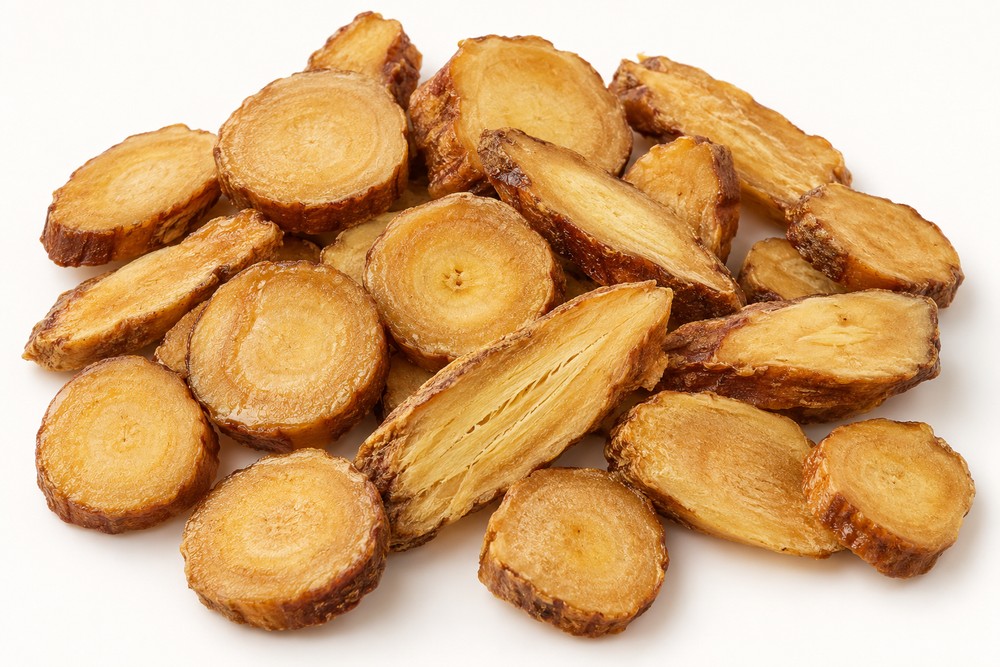
Zhi Gan Cao is licorice root/rhizome sliced and honey-processed; this image illustrates Glycyrrhiza uralensis. The living plant is about 30–70 cm tall with pinnate leaves, pale purple pea flowers, and curved pods. Crude dried roots are yellow-brown; honey-prepared slices are often golden-brown and slightly glossy. One species image does not represent every accepted Glycyrrhiza source.
Traditional context
Traditional theory describes honey-prepared licorice as qi-supporting, harmonizing, and soothing cough in selected patterns; this does not prove self-treatment of fatigue, cough, or heart disease.
Modern evidence
Glycyrrhiza root contains glycyrrhizin. NCCIH warns large or prolonged use may cause arrhythmia and serious events, with higher risk in hypertension, heart/kidney disease, or high-salt diets; corticosteroid interactions are reported. Honey-processing does not remove these risks.
Safety
Do not self-use high or prolonged amounts, especially with hypertension, low potassium, heart/kidney disease, pregnancy, corticosteroids, diuretics, or blood-pressure medicines. Ask a clinician/pharmacist. Honey-processing requires quality controls; do not turn culinary licorice into medicine at home.
Safety reference ↗Pairing in reference texts
Qiang Huo Sheng Shi Tang records 3 g honey-prepared licorice with Qiang Huo, Du Huo, Gao Ben, Fang Feng, Man Jing Zi, and Chuan Xiong. Chinese source lists amounts but English differs on Chuan Xiong. This is not a universally safe licorice dose; blood-pressure, potassium, and interaction risks remain.
Growth and habitat
Glycyrrhiza uralensis occurs in temperate regions, grasslands and sunny sandy soils; HKBU describes dry sandy habitat. It needs a long growing season and deep drained soil for root development; avoid waterlogged ground.
Growing, care, and harvest timing
The profile above includes sourced steps and a documented harvest window. Harvest timing is agronomic information, not a self-use instruction.
Identification and study notes
Chích cam thảo là dạng đã chế biến, không đồng nghĩa với mọi rễ cam thảo. Hồ sơ minh họa Glycyrrhiza uralensis mật chích; loài Glycyrrhiza khác và rễ khô thường phải ghi riêng. Lát vàng bóng có thể gợi ý chế biến nhưng không xác nhận lượng mật, lịch sử gia nhiệt, loài, hàm lượng glycyrrhizin hay mức đạt chuẩn lô. Mẫu học cần hồ sơ cơ sở chế biến và nhãn tên Latin. Mùa đào rễ mùa thu không có nghĩa cây trồng tại nhà sẵn dùng sau một số tháng cố định; tự rang mật không phải quy trình dược điển kiểm soát. Công thức cổ cũng có ngữ cảnh riêng. Lượng cam thảo mật chích trong bài dẫn không áp dụng chung vì glycyrrhizin có thể ảnh hưởng huyết áp, kali và tương tác thuốc. Người học nên so sánh dạng sống/chế biến theo hồ sơ nguồn, nhớ rằng “đã chế” không có nghĩa “hết rủi ro”. Đọc phần an toàn, không suy từ kẹo hoặc trà cam thảo. Với Chích cam thảo, bài kiểm tra chất lượng hữu ích là so ba nhãn riêng: loài, dạng thường hay mật chích, và kết quả phân tích. Lát mật chích có thể bóng hơn, nhưng màu/vị ngọt không chứng minh loài Glycyrrhiza hay kiểm soát chế biến. Tự gia nhiệt tại nhà không tạo được dạng chuẩn hóa. Nguy cơ liên quan glycyrrhizin vẫn tồn tại sau chế biến, nên lượng trong công thức cổ không phải “liều an toàn” cá nhân. Khi đọc bài thuốc, ghi dạng chế nguồn in và bản dịch Anh có giữ cùng lượng không. Trang giữ rõ phân biệt này. Người học cũng nên tách cam thảo dược liệu khỏi kẹo, trà và hương liệu vì nồng độ và quy định nhãn khác.
Growing and care
- Grow G. uralensis in deep, loose, sandy but drained soil in sun.
- Use traceable seed/nursery stock; long roots need deep, uncompacted beds.
- Keep lightly moist while young; after establishment avoid frequent irrigation/waterlogging.
- Weed, mulch moderately, monitor aphids/leaf disease, and avoid excess nitrogen.
- Keep cultivar and soil records; separate medicinal crops from pesticide-treated areas.
- HKBU records autumn root harvest but no universal household harvest age; medicinal roots need identity/testing and professional honey-processing.
How long until harvest? HKBU records autumn root harvest but no universal cultivation age. Honey-processing and active-content quality require professional standards.
Documented formula pairing: Qiang Huo Sheng Shi Tang
HKBU records traditional actions for a pattern-diagnosed presentation; not self-decoction or pain-treatment advice.
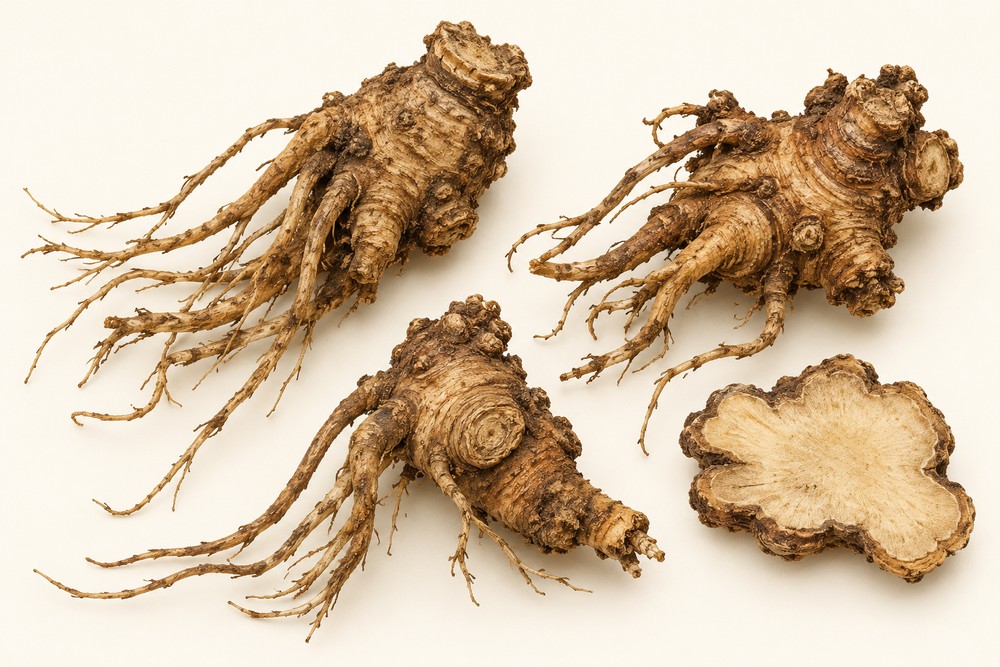
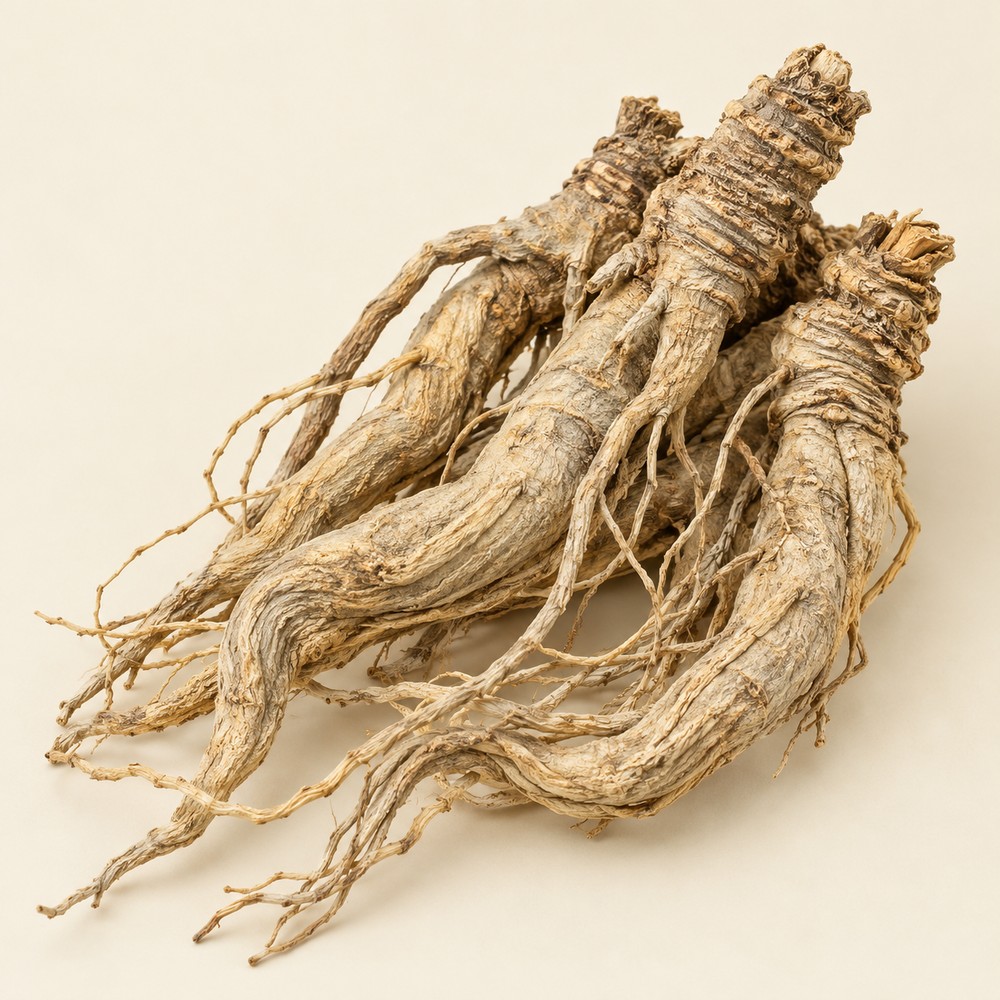
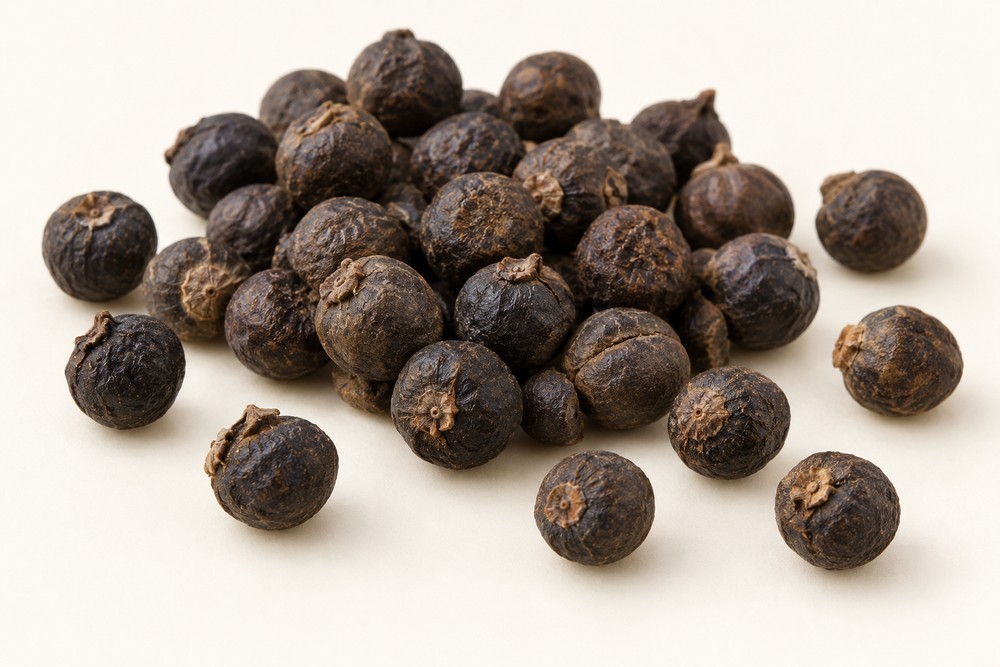
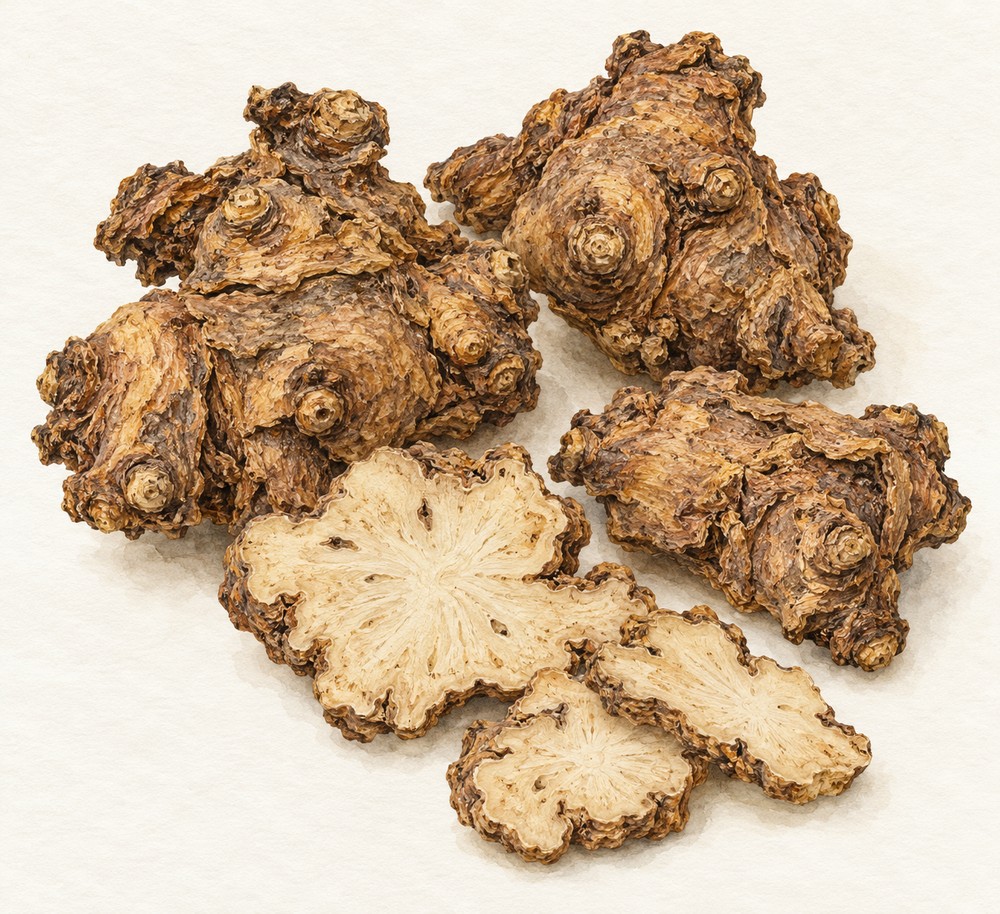
Source-recorded amounts: Chinese source lists 6:6:3:3:3:2:1.5 g in this order. HKBU English differs on Chuan Xiong; this is a source discrepancy, not personal dosing.
Caution: A historical formula does not assess conditions, medicines, or batch quality. Do not self-use for chest pain, severe fever, or weakness.
Open formula record ↗Pairs traditionally recorded as incompatible
HKBU states that licorice should not be used together with Jing Da Ji (Euphorbia pekinensis root), Gansui (Euphorbia kansui tuber), or Yuan Hua (Daphne genkwa buds). This is a traditional incompatibility warning, not proof of a fixed toxicity level across processing forms, amounts, or people. A modern review reports that effects on active and toxic constituents remain under study and does not establish a safe ratio for self-combination. Do not combine these pairs on your own; no safe-use ratio is recommended here.
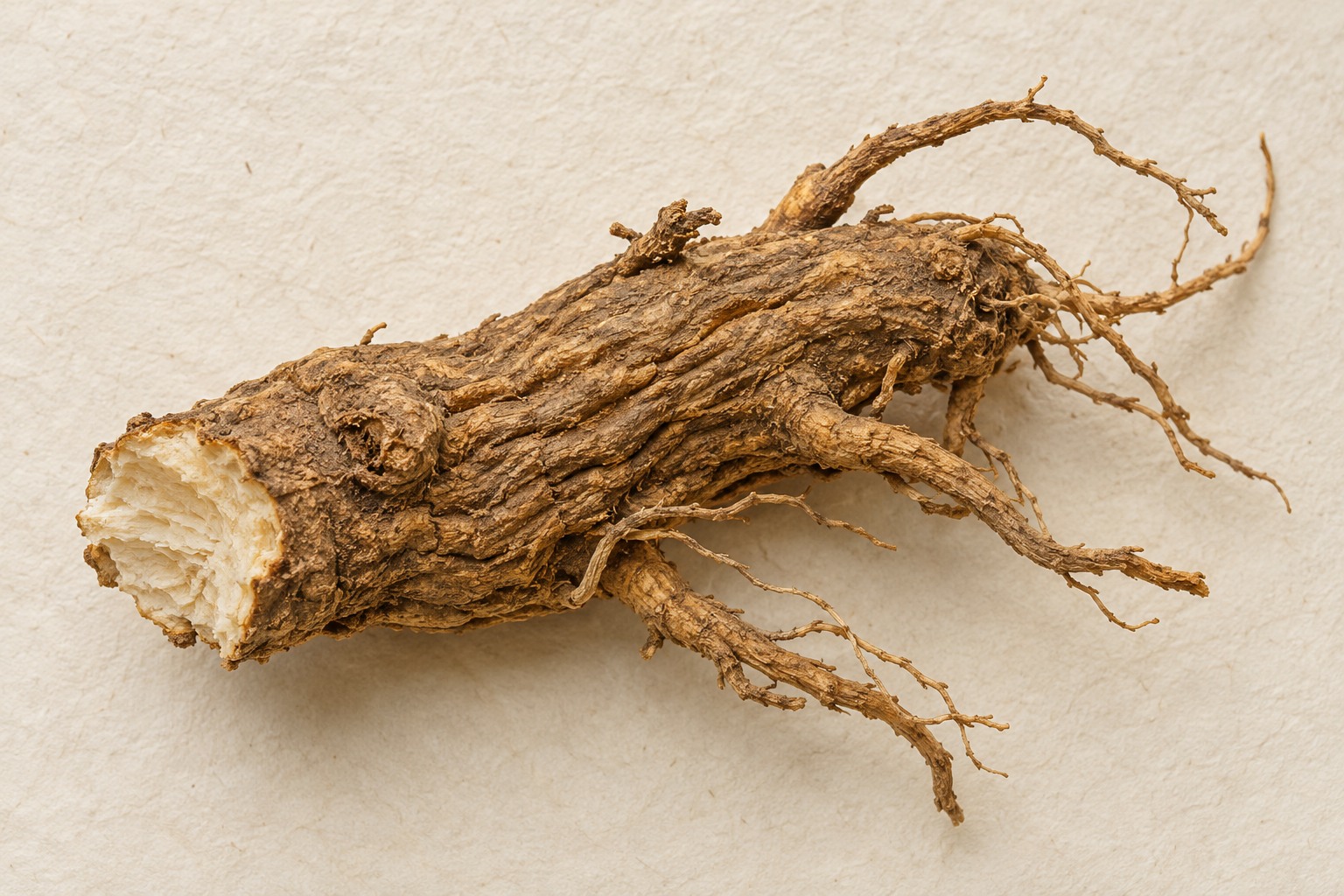
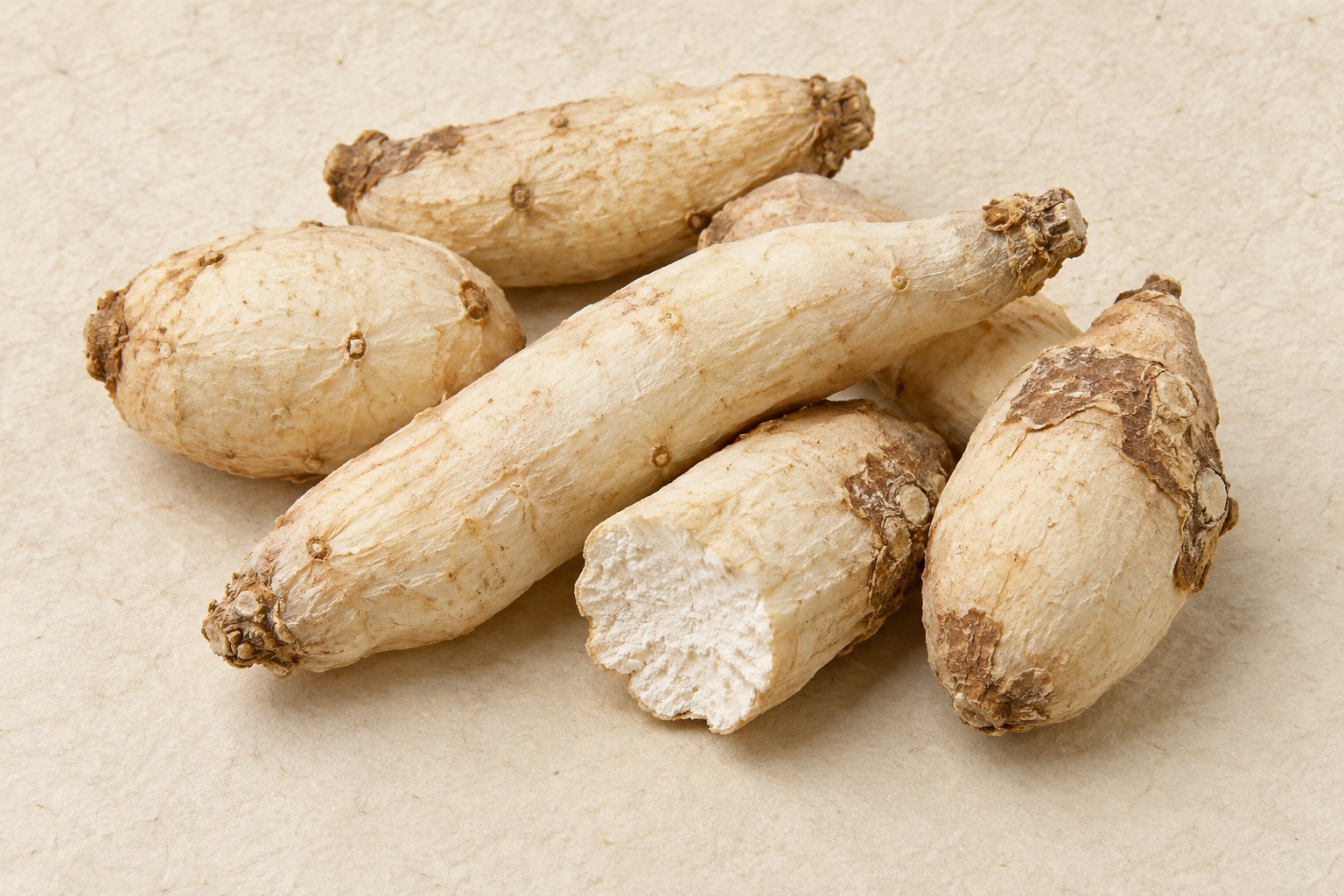
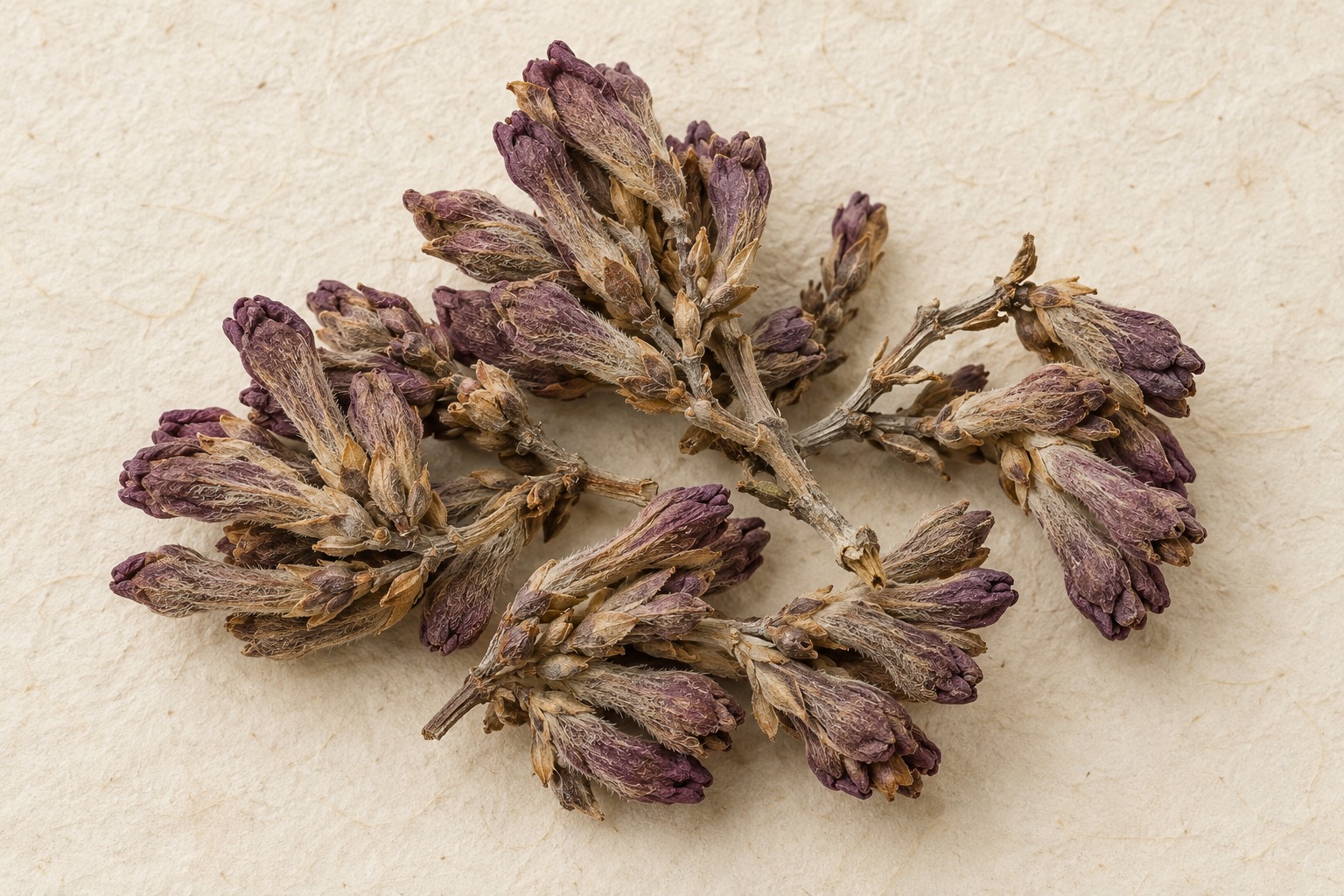
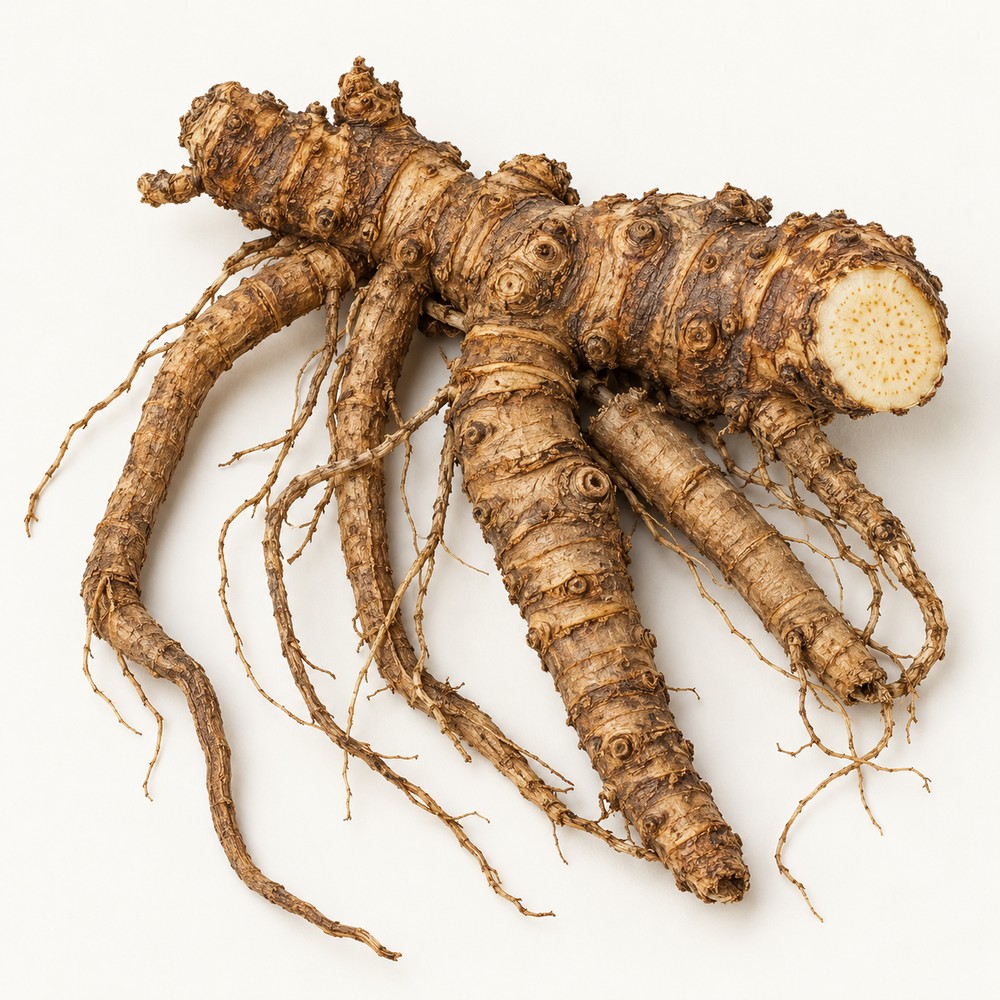
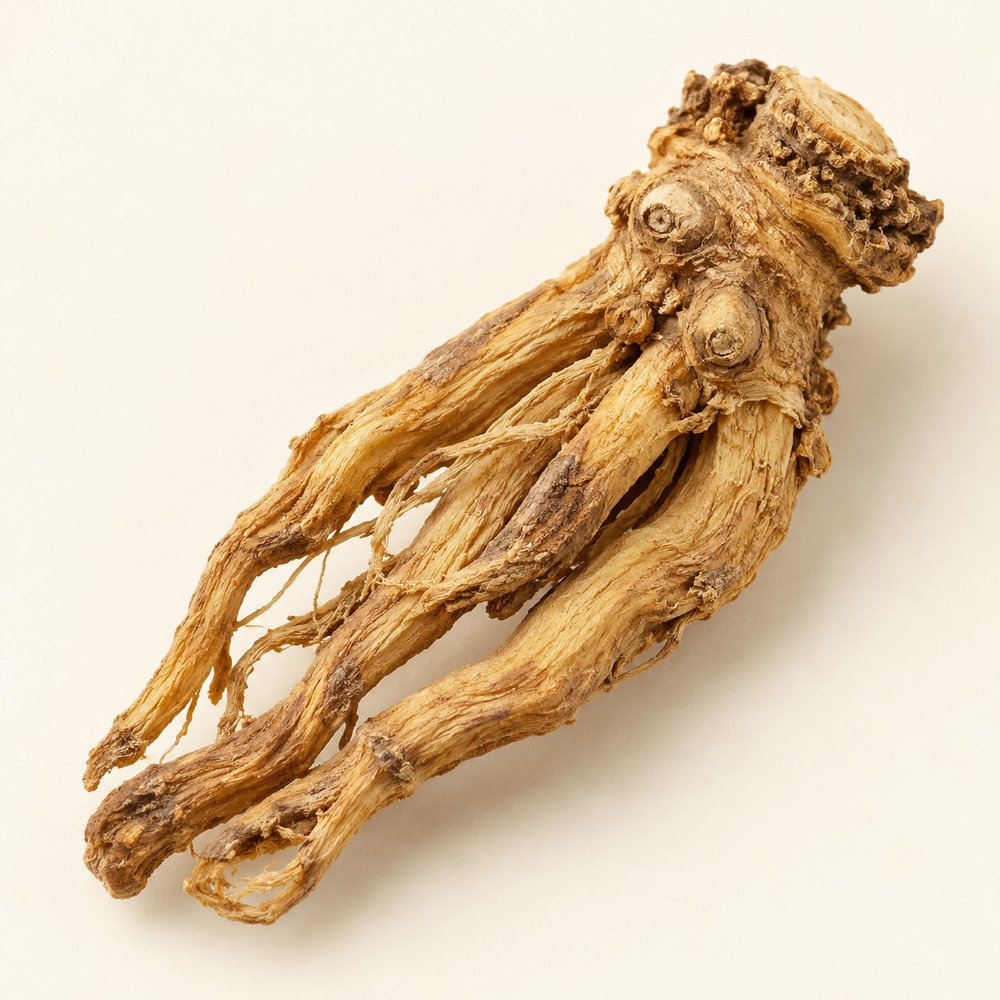
AI illustrations for visual study; not for specimen identification.
HKBU licorice record ↗ Modern review of incompatibility research ↗FROM PLANT / SOURCE HABITAT TO DRIED MATERIAL · REFERENCE WORKFLOW
- Harvest roots in the source-recorded season; clean, grade, and slice to the relevant monograph. Honey-processing requires controlled honey proportion, temperature, and moisture at a qualified facility; do not home-roast licorice for ingestion.
- Keep plain and honey-prepared licorice lots separate and request the processor’s documentation for the declared form.
- Check labeling, dryness, mold, and foreign matter; dark color or sweetness does not prove compliant honey-processing.
- Store sealed away from heat and moisture; record lot and expiry for traceability if quality problems arise.
These are post-harvest study notes, not directions to prepare a remedy for self-treatment. Processing reference ↗
How to read formula amounts
Displayed amounts belong to the cited formula and source; they are not a general safe ratio, treatment dose, or home-decoction instruction. Do not transfer amounts to another formula or adjust them by body weight.