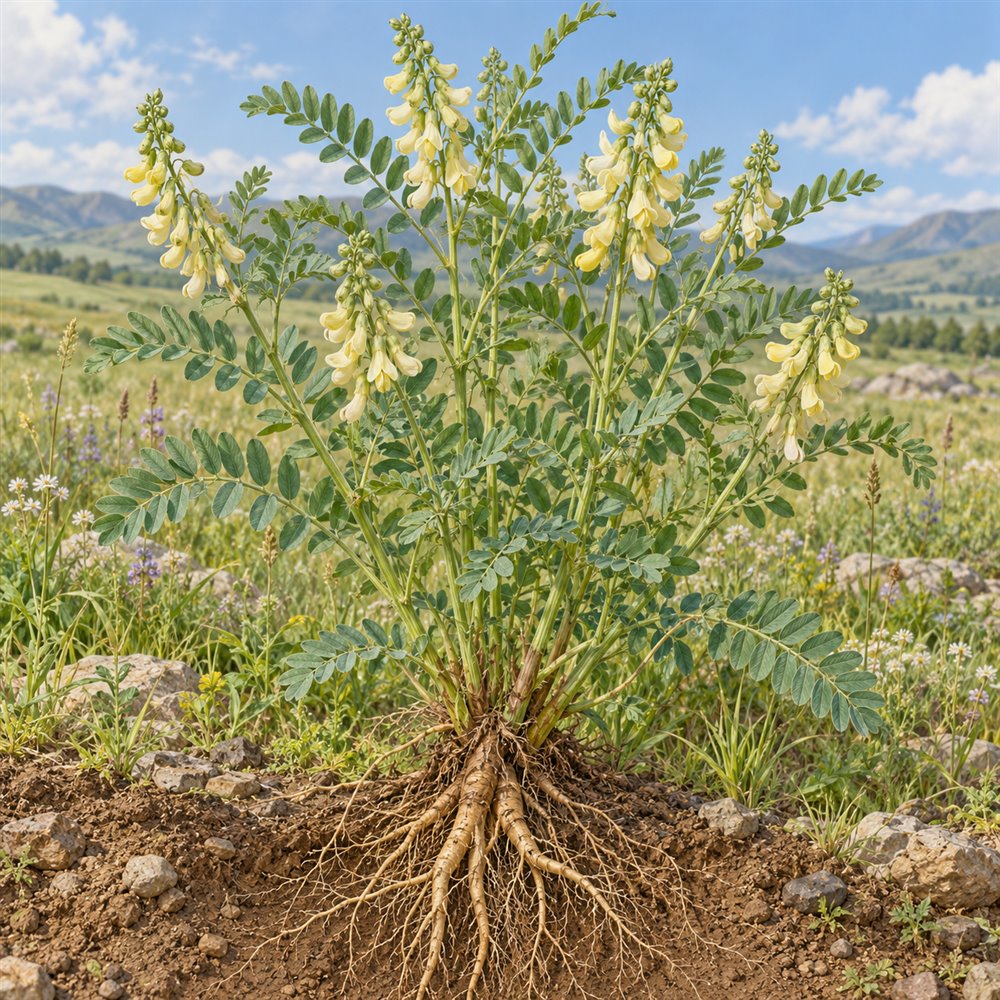
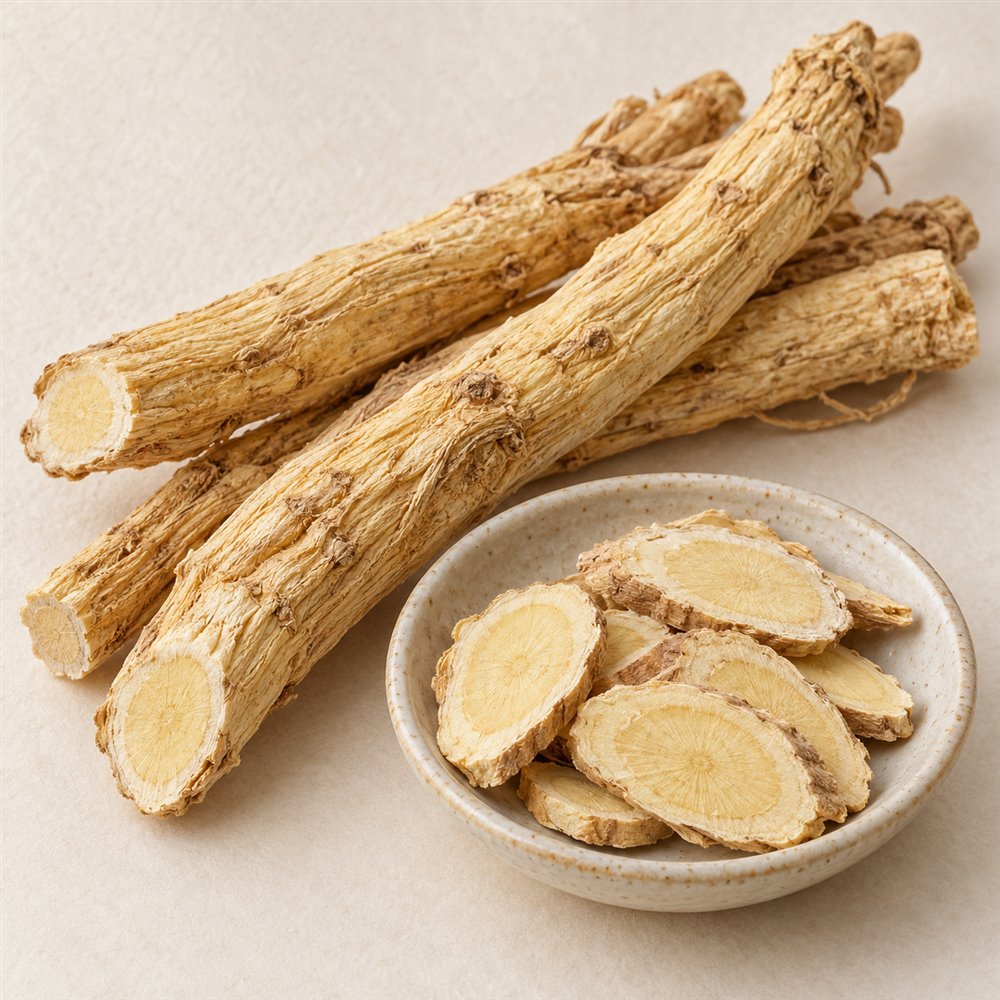
The paired study images show two forms for comparison. Use scientific nomenclature and source records for reference; do not identify real specimens from the image alone.
Astragalus root · Huang Qi
Astragalus membranaceus (Fisch.) Bunge · Root
Name and part used
Astragalus root; the living plant is a legume with pinnate leaves and pea-like flowers.
Traditional context
Huang Qi refers to specified Astragalus species in materia medica sources; do not generalize the name to every species in the genus.
Modern evidence
Studies differ by Astragalus species, extract, and product quality; traditional descriptions do not establish treatment efficacy.
Safety
It may be unsuitable with some autoimmune conditions or immune-modulating medicines; interaction data are limited. Ask a clinician during treatment.
Pairing in reference texts
Appears in many classical formulas; no specific toxic pairing is labeled here without reliable evidence for the exact species and product.
Growing, care, and harvest timing
HKBU habitat record: Growing on mountain slopes, ditch sides or in thin forests. Distributed in Heilongjiang, Xinjiang, Jilin, Inner Mongolia, Shanxi, Hebei and etc. The medicinal materials are mainly produced in Shanxi, Inner Mongolia, Jilin, Hebei and etc Harvest and processing as recorded: Excavated in spring and summer. Removed fibrous roots and root ends, sun-dried; or bevel into thick slices and dried
Source-recorded harvest/processing: Excavated in spring and summer. Removed fibrous roots and root ends, sun-dried; or bevel into thick slices and dried
The reviewed source does not provide a complete species-specific sowing/growing routine, irrigation/fertilization schedule, or universal plant age. The page therefore does not infer care instructions or years to harvest; consult local cultivation guidance.
Open habitat and season source ↗FROM PLANT / SOURCE HABITAT TO DRIED MATERIAL · REFERENCE HANDLING
- Harvest cultivated roots on the production region’s schedule; HKBU describes Huang Qi as dried root, typically long and cylindrical with a pale yellow cut surface.
- Shake off soil and remove debris or damaged portions; do not combine different Astragalus species under one label.
- Slice or retain whole according to a qualified processing standard and dry evenly on clean surfaces.
- Cool, lot, and label species, growing region, and processing date; check for moisture or mold before packaging.
These steps describe post-harvest handling for study; they are not directions for self-medication. Processing reference ↗
How to read formula amounts
Displayed amounts belong to the cited formula and source; they are not a general safe ratio, treatment dose, or home-decoction instruction. Do not transfer amounts to another formula or adjust them by body weight.
Material source, dried appearance, and processing forms (HKBU)
Medicinal material source: The dried root of Astragalus membranaceus (Fisch.) Bge. var. mongholicus (Bge.) Hsiao or Astragalus membranaceus (Fisch.)(Fabaceae) Dried appearance and identification features: Straight root is cylindrical, some has branches, apex is relatively thick, 30~90cm long, 1~3.5cm diameter; externally longitudinally wrinkled, pale brownish-yellow or pale brown, with irregular longitudinal wrinkles or longitudinal grooves, hard, pliable and powdery; cortex is yellowish-white and relatively loose, xylem has chrysanthemum-like lines, bean-like flavor, slightly sweet taste. Old root center occasionally is rotten, black-brown or hollow. faint odor, slightly sweet taste, bean-like flavor when chewed Quality markers recorded by HKBU: Superior medicinal material has thick and long root, obvious ‘chrysanthemum center’, small hollow, lack of broken skin; hong qi has red and moisture skin, even root, firm texture, and powdery Processing forms recorded by HKBU: Fried huang qi: Fried huang qi slices with brans, till dark yellow, sift brans out and cool. Enhance the effect of supplementing spleen and harmonizing stomach. Processed huang qi is also called honey-processed huang qi, honey huang qi. Stir huang qi slices with honey, fry till not sticky to hands, take out and cool. Enhance supplementing qi and moistening lung
Open original materia medica record ↗Habitat, season, and harvest in the HKBU botanical record
HKBU botanical record (translated summary): Flowering and fruiting dates: Flowering: June to July; fruiting: August to September Habitat and distribution: Growing on mountain slopes, ditch sides or in thin forests. Distributed in Heilongjiang, Xinjiang, Jilin, Inner Mongolia, Shanxi, Hebei and etc. The medicinal materials are mainly produced in Shanxi, Inner Mongolia, Jilin, Hebei and etc Harvest and processing as recorded: Excavated in spring and summer. Removed fibrous roots and root ends, sun-dried; or bevel into thick slices and dried
Open botanical source ↗HKBU formula record containing this herb: Dang Gui Liu Huang Tang / Chinese Angelica Six Yellow Decoction
Traditional action in the source: Nourishes yin, drains fire, consolidates the exterior, and arrests sweating
Ingredient images and source amounts are shown for comparison only; this is not a treatment recipe.
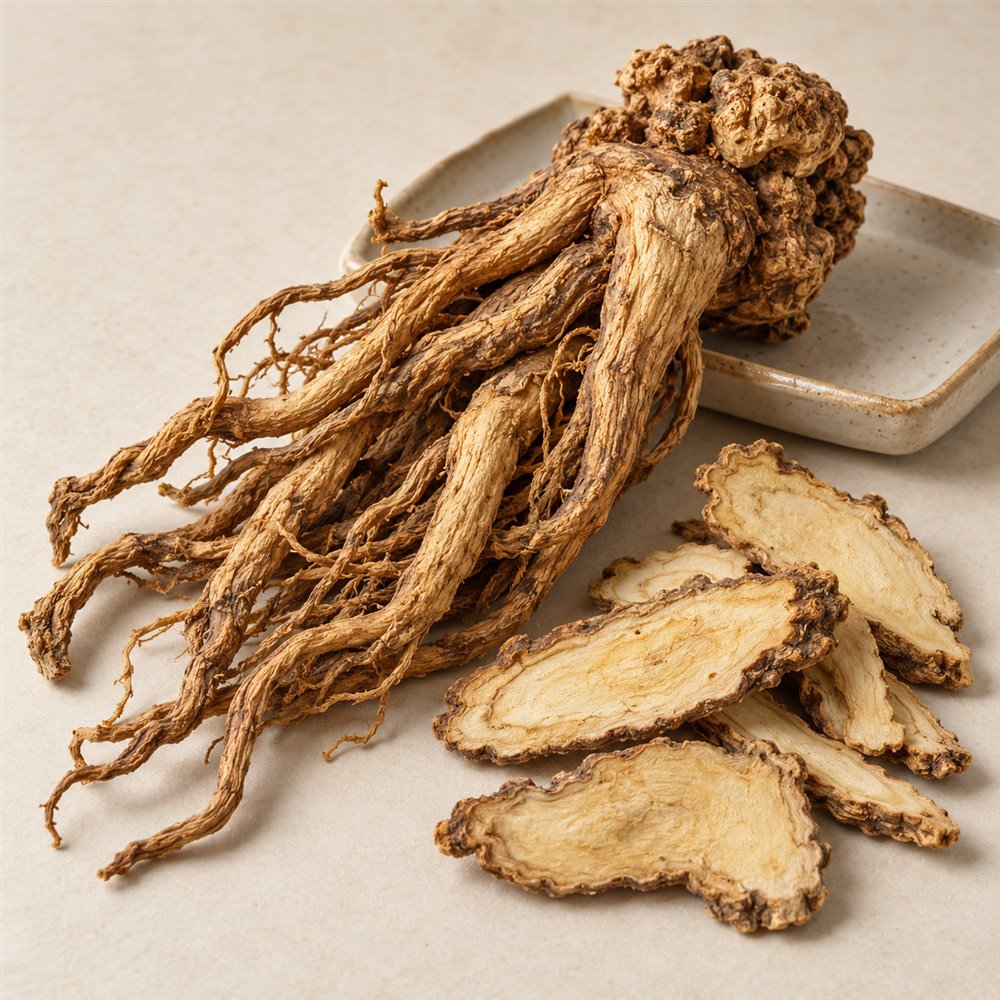
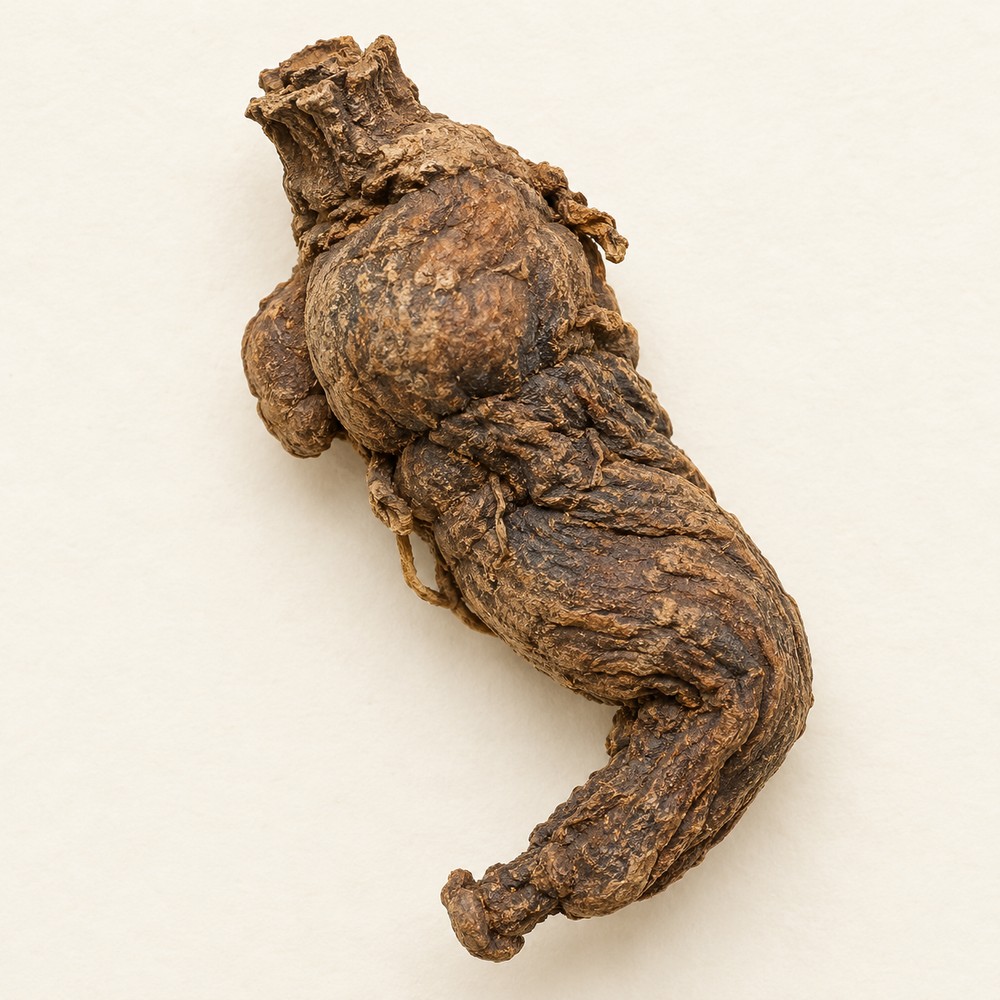
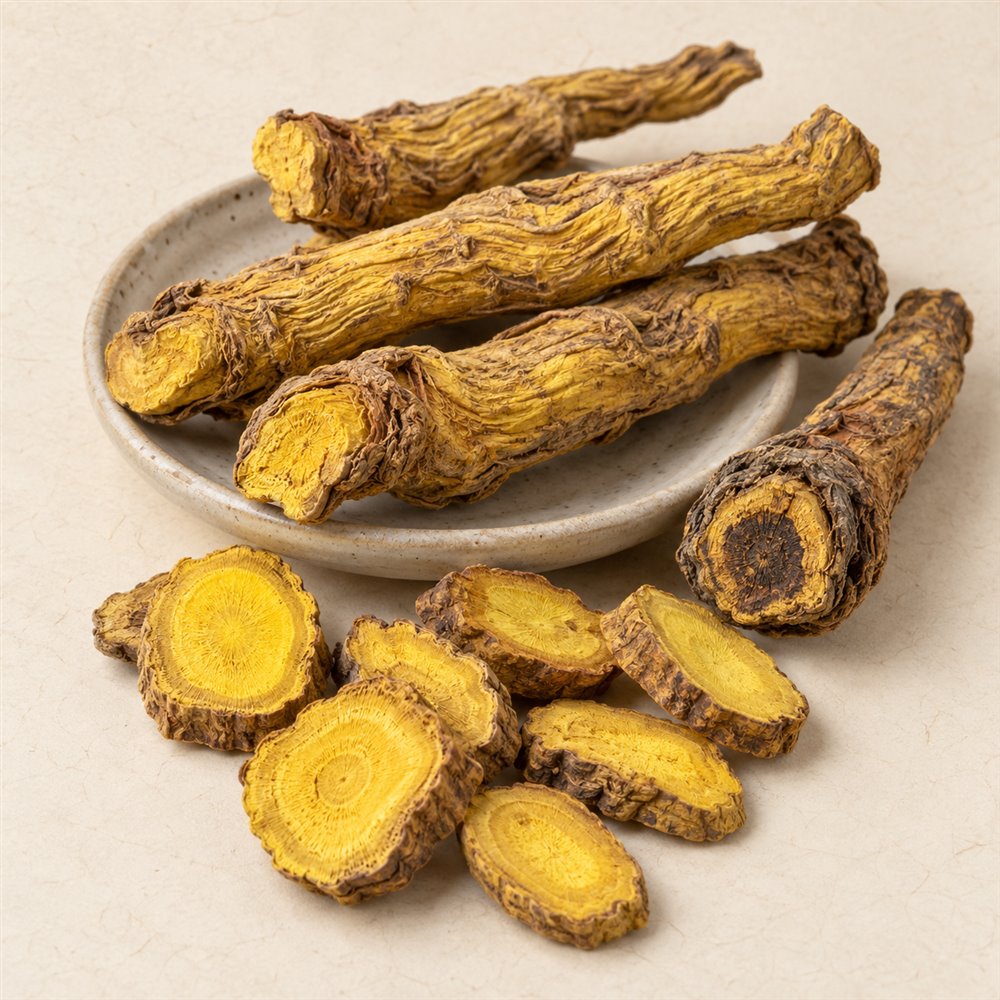
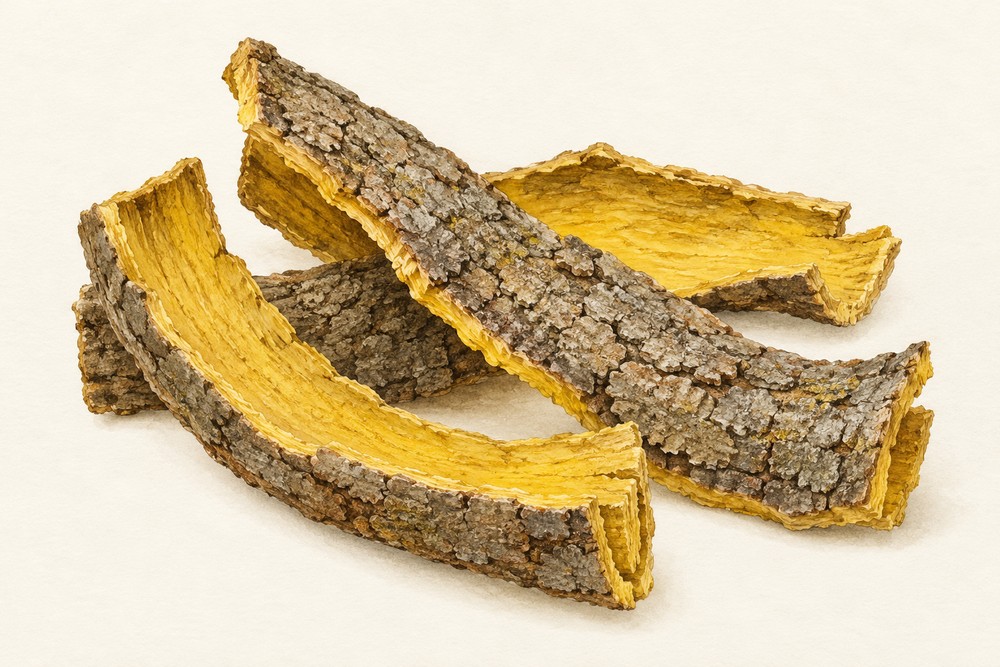
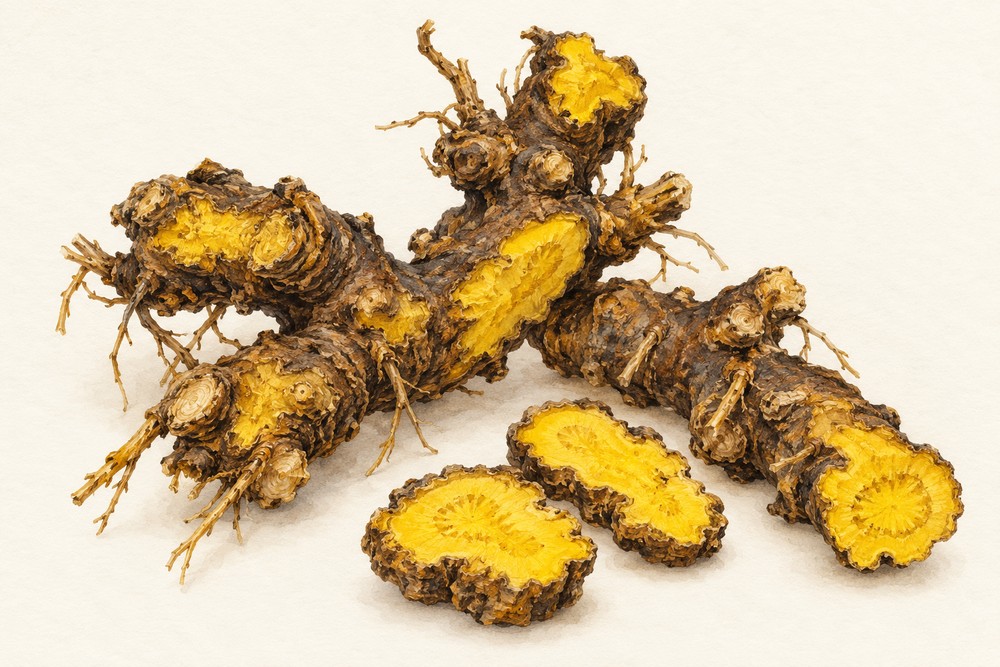
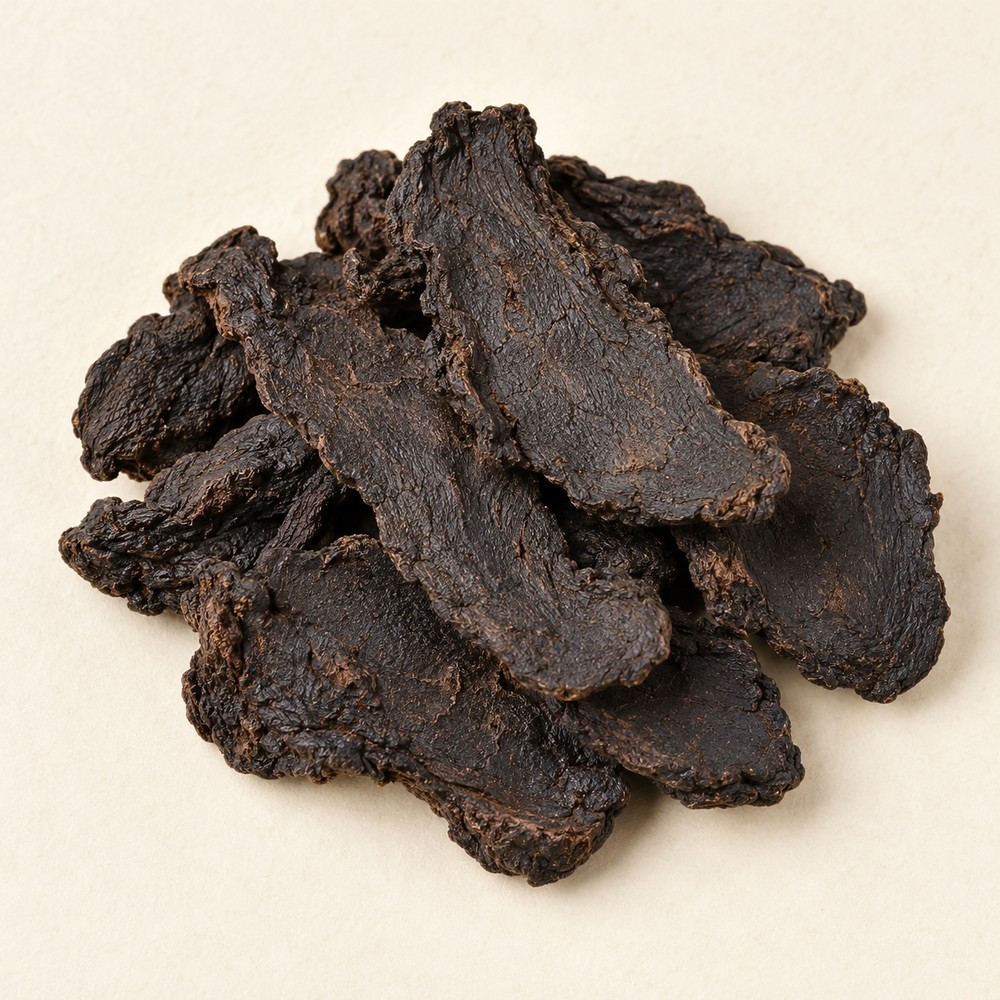
HKBU source-recorded composition
Angelicae Sinensis Radix (Dang Gui) 6g, Rehmanniae Radix (Sheng Di Huang) 6g, Scutellariae Radix (Huang Qin) 6g, Phellodendri Chinensis Cortex (Huang Bai) 6g, Coptidis Rhizoma (Huang Lian) 6g, Rehmanniae Radix Praeparata (Shu Di Huang) 6g, Astragali Radix (Huang Qi) 12g
The ingredients and amounts below are one HKBU-recorded version; texts, historical units, processing, and modern products can differ. This is comparative reference data, not a home-preparation recipe or personal dose.
Open complete HKBU formula record ↗