Indigowoad root · Ban Lan Gen
Isatis indigotica Fort. · Root
Name and part used
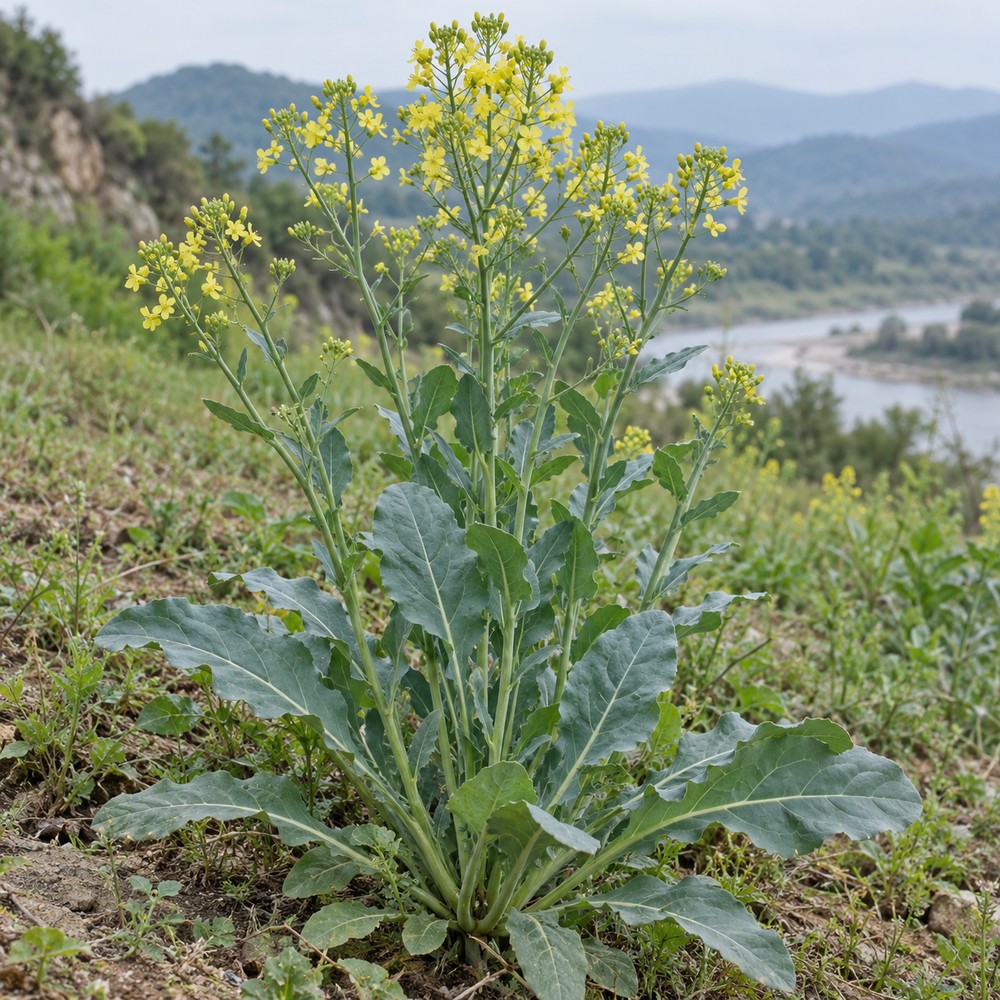
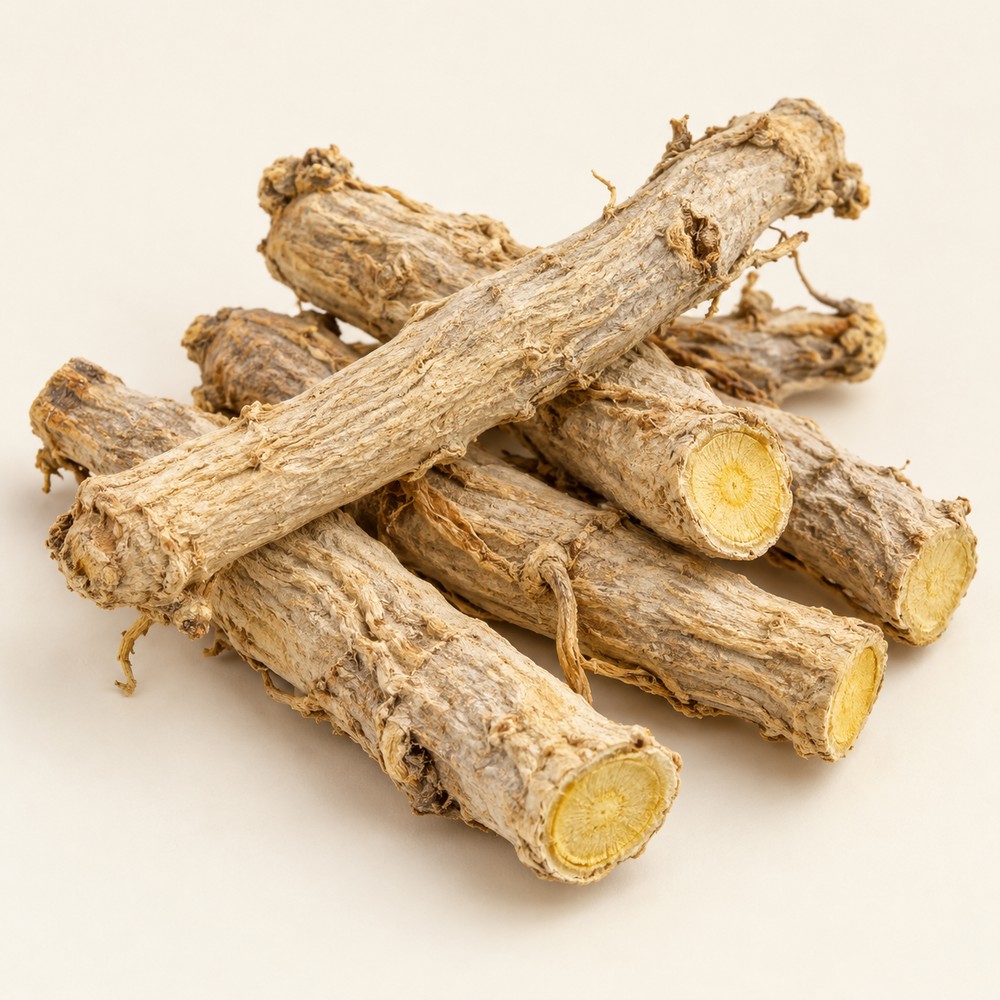
A biennial brassica has oblong leaves and yellow racemes; dried roots are straight gray-yellow cylinders with a yellow chrysanthemum-like center.
Traditional context
Heat-clearing, detoxifying, and throat-relieving are traditional claims; this does not prevent or treat flu, COVID, or infection.
Modern evidence
HKBU identifies dried Isatis indigotica root with pale cortex and yellow wood; do not confuse with Nan Ban Lan Gen from other species.
Safety
Brassicaceae allergy and drug interactions are possible; use caution with thyroid disease, pregnancy, and prolonged use. Do not delay care for high fever or breathing difficulty.
Pairing in reference texts
Ban Lan Gen appears with Da Qing Ye or Jin Yin Hua in historical heat-clearing formulas; pairing is not epidemic prevention.
Growing, care, and harvest timing
HKBU habitat record: Growing on wet places of forest margins. Cultivated in all parts of China. The medicinal materials are mainly produced in Hebei, Anhui, Jiangsu, Henan and etc Harvest and processing as recorded: Roots: excavated roots in autumn; removed stem leaves, washed, and sun-dried. Leaves: collected from Aug-Nov, and sun-dried
Source-recorded harvest/processing: Roots: excavated roots in autumn; removed stem leaves, washed, and sun-dried. Leaves: collected from Aug-Nov, and sun-dried
The reviewed source does not provide a complete species-specific sowing/growing routine, irrigation/fertilization schedule, or universal plant age. The page therefore does not infer care instructions or years to harvest; consult local cultivation guidance.
Open habitat and season source ↗FROM PLANT / SOURCE HABITAT TO DRIED MATERIAL · REFERENCE WORKFLOW
- Đào rễ vào mùa thu/đông; bỏ đất, rễ phụ quá nhỏ và phần hỏng.
- Harvest roots in autumn/winter; remove soil, tiny rootlets, and damaged portions.
These are post-harvest study notes, not directions to prepare a remedy for self-treatment. Processing reference ↗
How to read formula amounts
Displayed amounts belong to the cited formula and source; they are not a general safe ratio, treatment dose, or home-decoction instruction. Do not transfer amounts to another formula or adjust them by body weight.
Habitat, season, and harvest in the HKBU botanical record
HKBU botanical record (translated summary): Flowering and fruiting dates: Flowering: April to May, fruiting: May to June Habitat and distribution: Growing on wet places of forest margins. Cultivated in all parts of China. The medicinal materials are mainly produced in Hebei, Anhui, Jiangsu, Henan and etc Harvest and processing as recorded: Roots: excavated roots in autumn; removed stem leaves, washed, and sun-dried. Leaves: collected from Aug-Nov, and sun-dried
Open botanical source ↗HKBU formula record containing this herb: Pu Ji Xiao Du Yin / Universal Relief Toxin-Removing Beverage
Traditional action in the source: Clears heat, resolves toxins, scatters wind, and disperses swelling
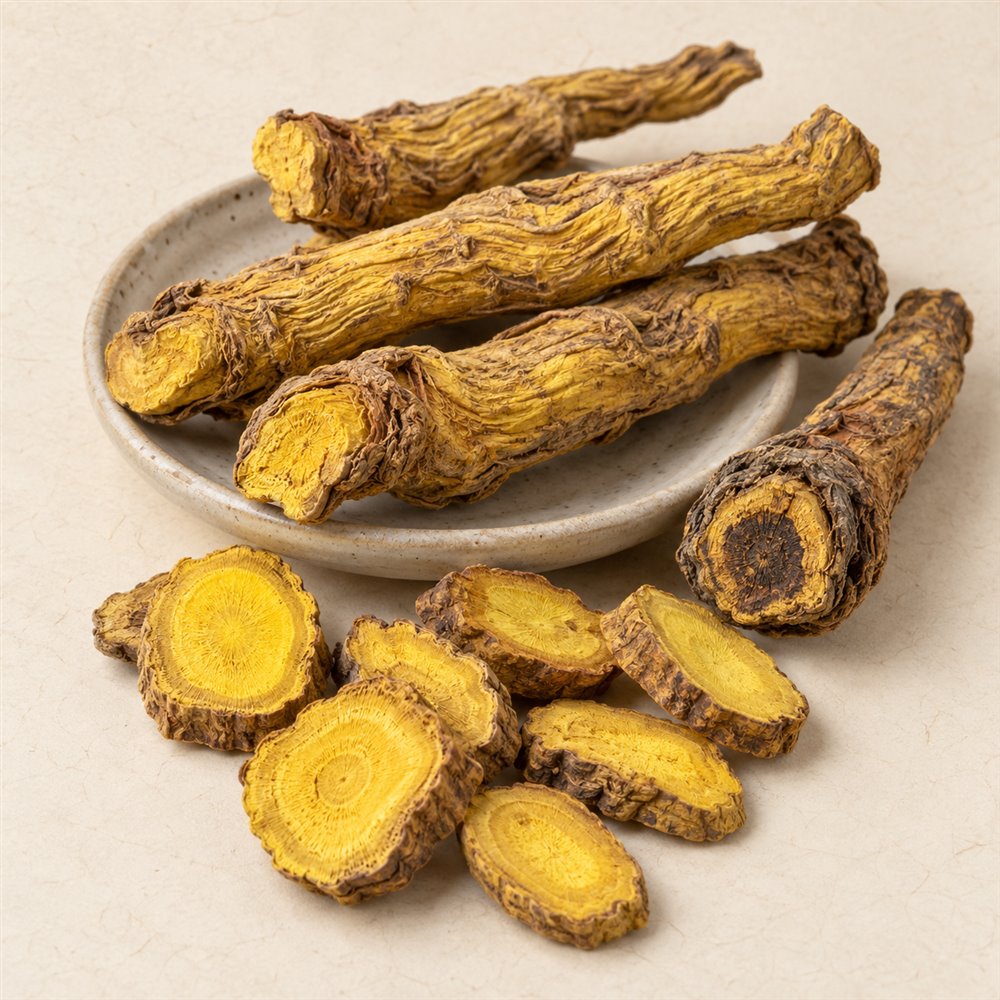
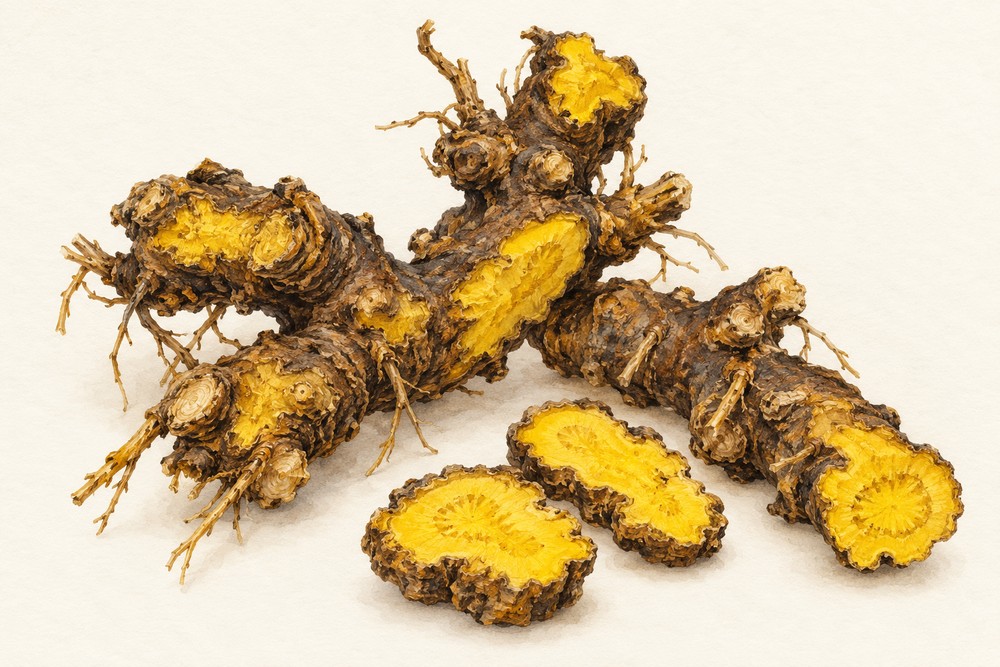
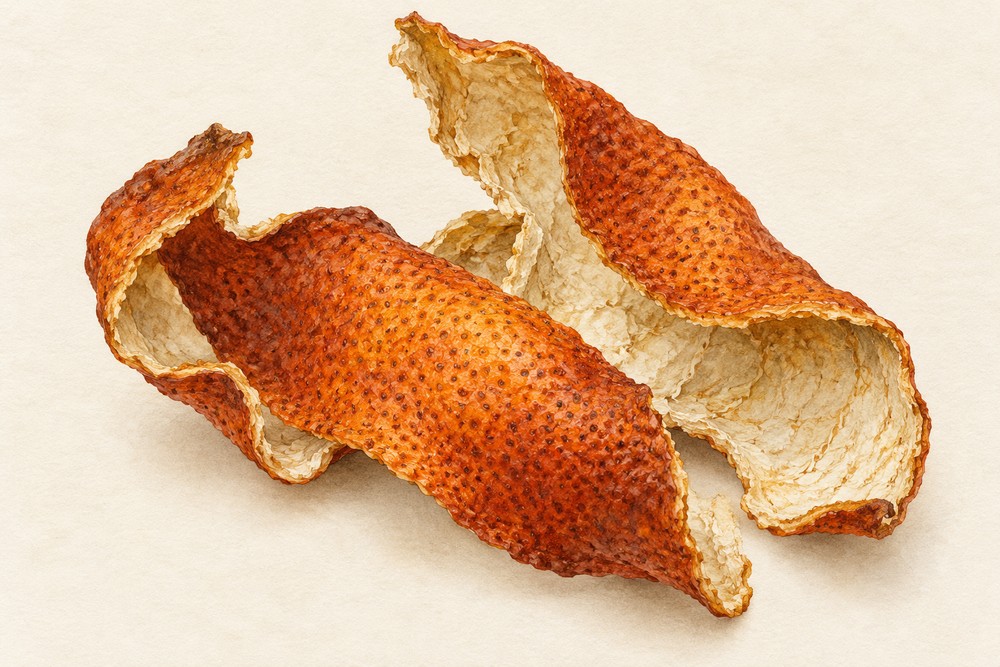
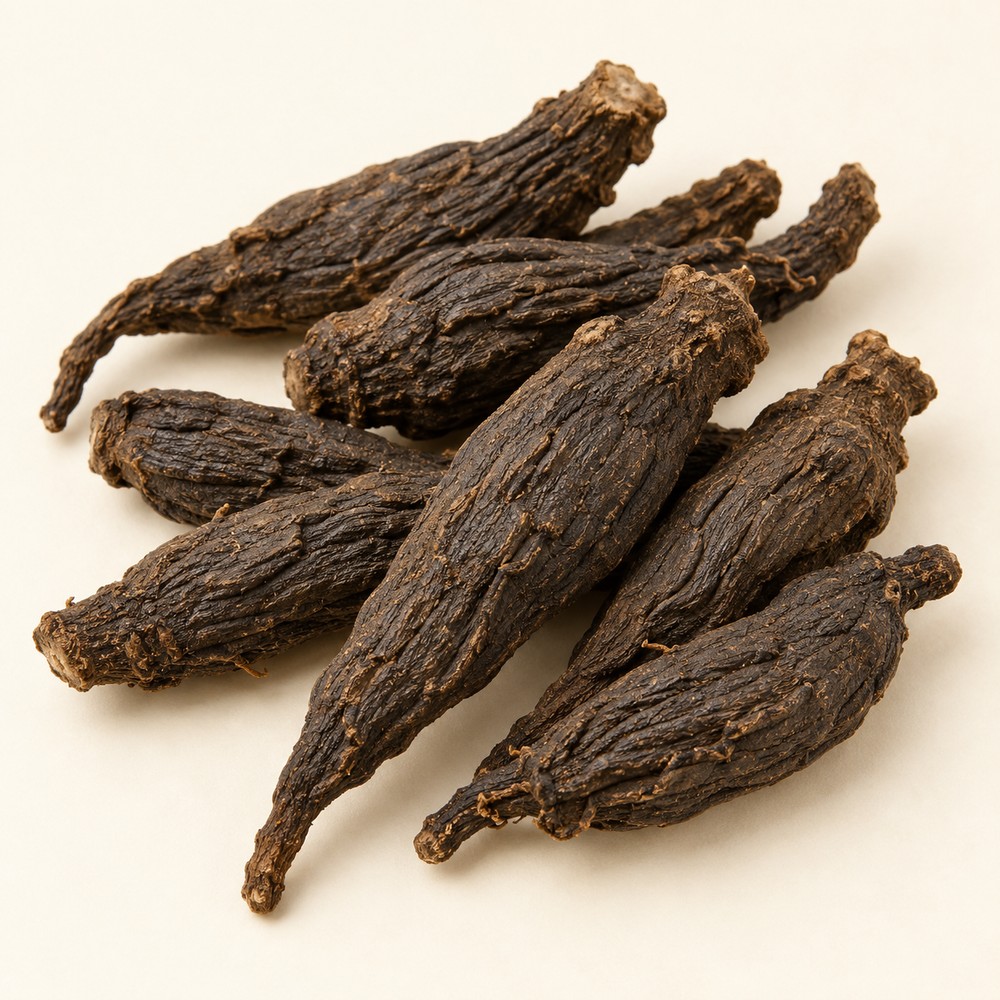
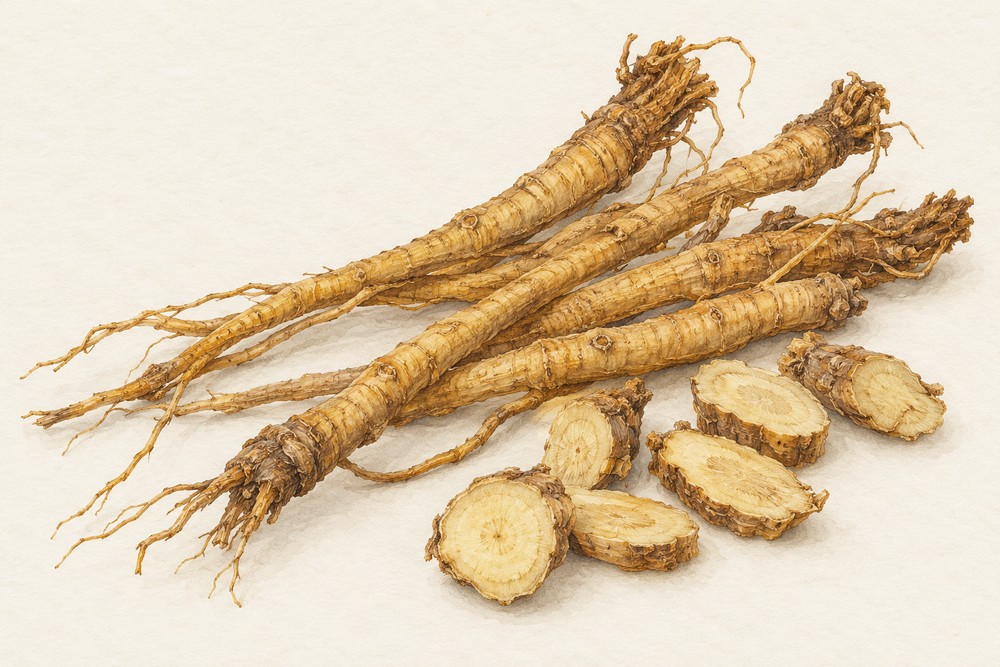
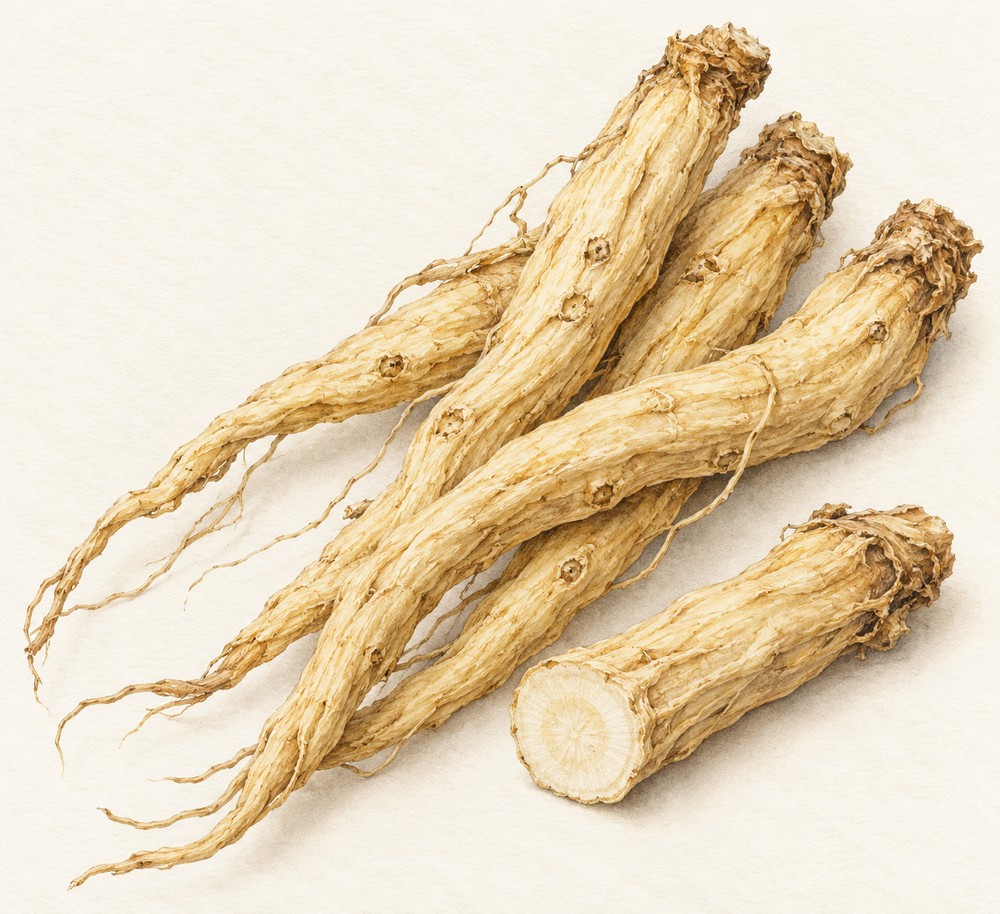
Ingredient images and source amounts are shown for comparison only; this is not a treatment recipe.
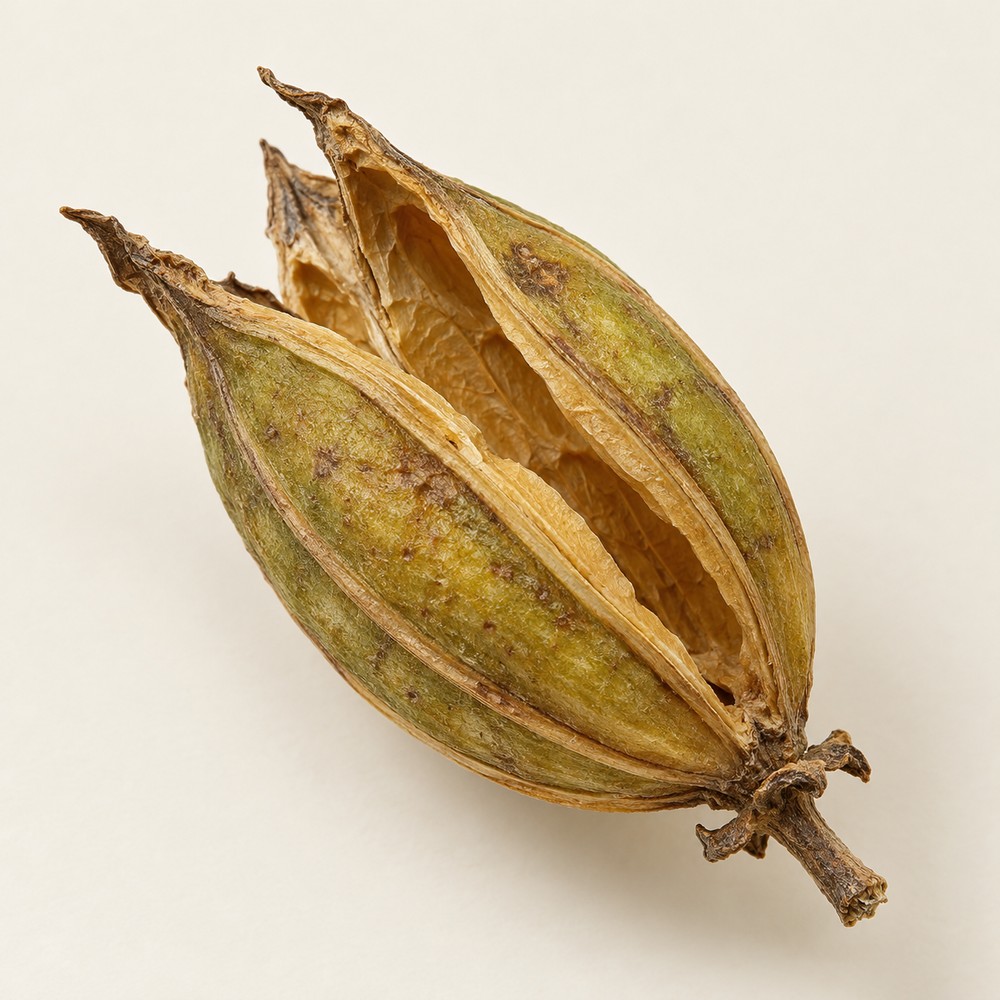
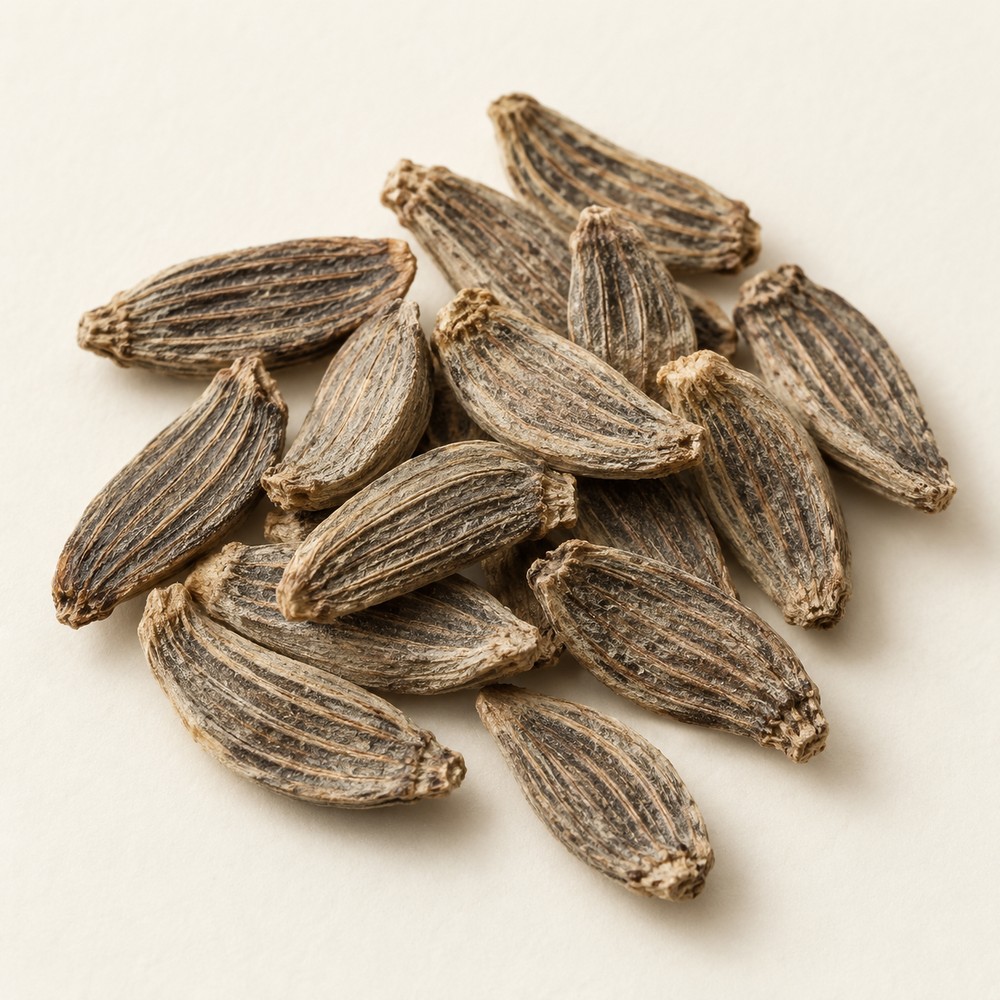
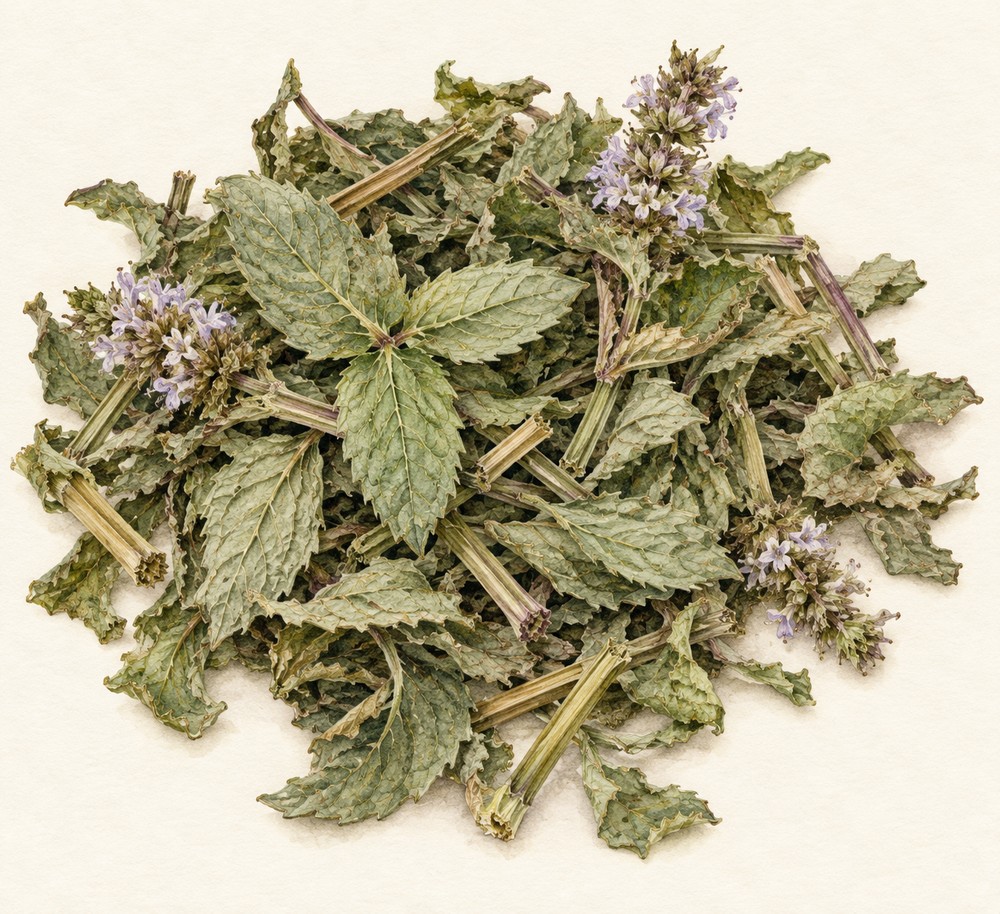
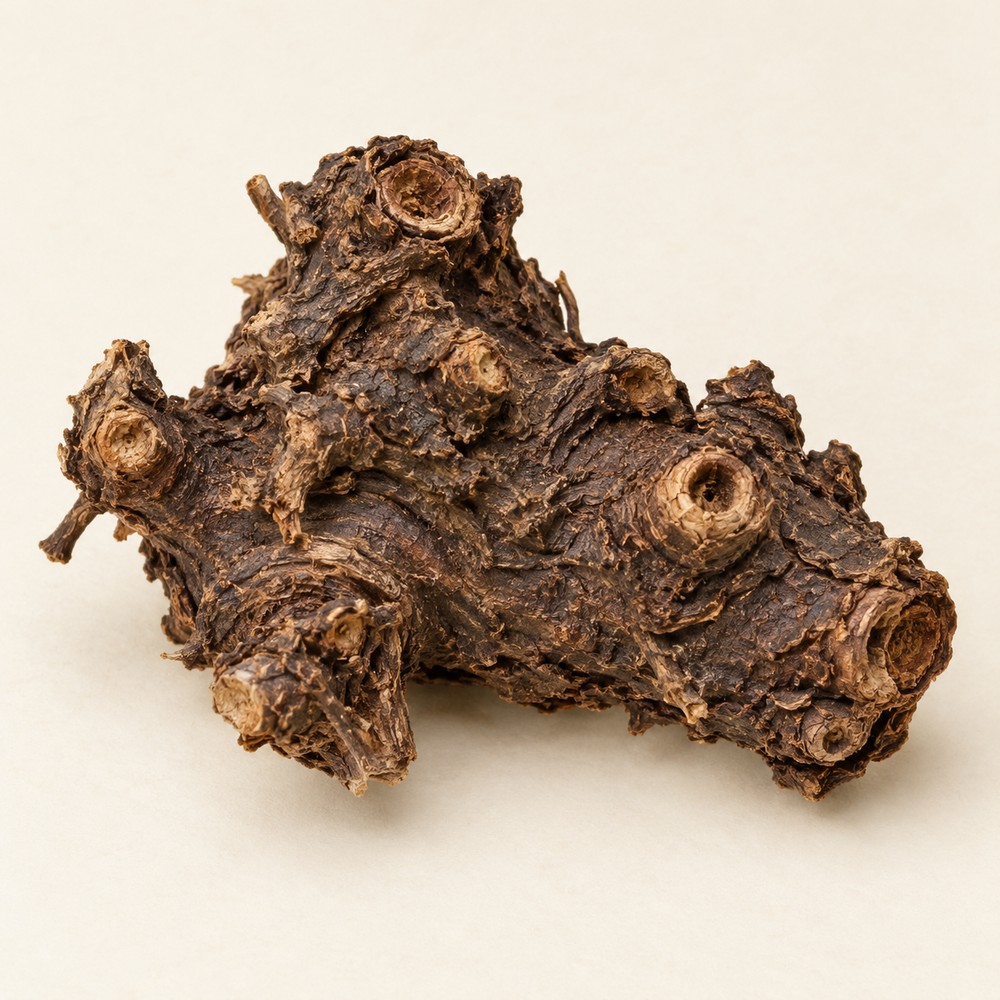
HKBU source-recorded composition
Scutellariae Radix (Huang Qin) 5 qian (15g), Coptidis Rhizoma (Huang Lian) 5 qian (15g), Citri Reticulatae Pericarpium (Chen Pi) 2 qian (6g), Glycyrrhizae Radix et Rhizoma (Sheng Gan Cao) 2 qian (6g), Scrophulariae Radix (Xuan Shen) 2 qian (6g), Bupleuri Radix (Chai Hu) 2 qian (6g), Platycodonis Radix (Jie Geng) 2 qian (6g), Forsythiae Fructus (Lian Qiao) 1 qian (3g), Isatidis Radix (Ban Lan Gen) 1 qian (3g), Lasiosphaera Calvatia (Ma Bo) 1 qian (3g), Arctii Fructus (Niu Bang Zi) 1 qian (3g), Menthae Haplocalycis Herba (Bo He) 1 qian (3g), Bombyx Batryticatus (Jiang Can) 7 fen (2g), Cimicifugae Rhizoma (Sheng Ma) 7 fen (2g)
The ingredients and amounts below are one HKBU-recorded version; texts, historical units, processing, and modern products can differ. This is comparative reference data, not a home-preparation recipe or personal dose.
Open complete HKBU formula record ↗