Red peony root · Chi Shao
Paeonia lactiflora Pall. and accepted Paeonia species · Root
Name and part used
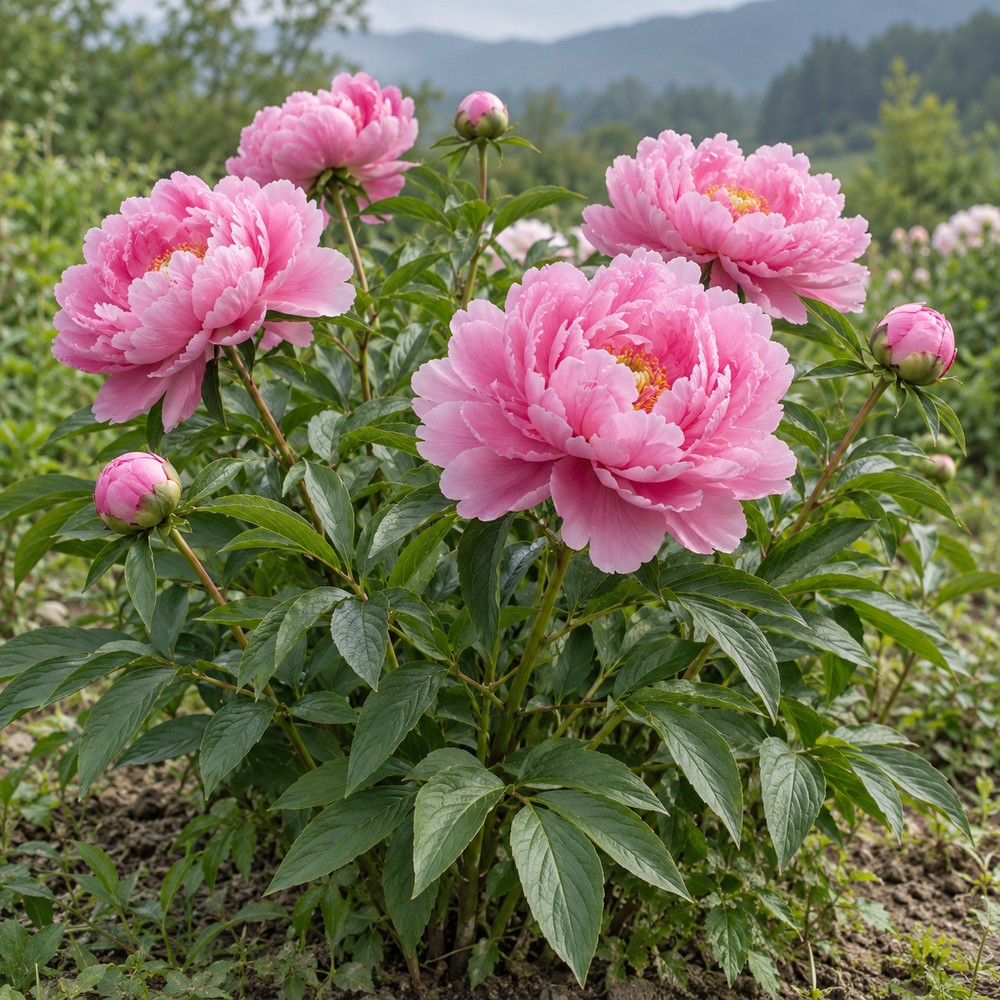
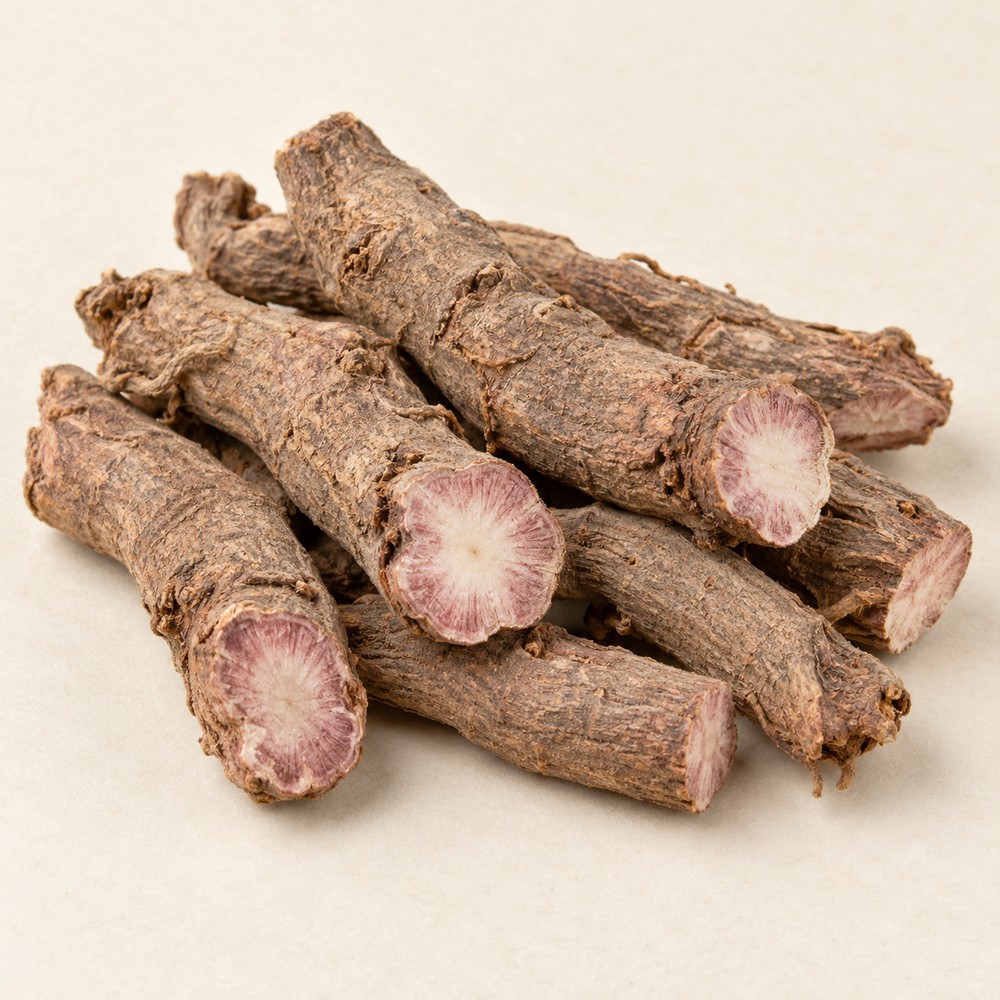
Herbaceous peonies have compound leaves and large white, pink, or purple flowers; dried roots are gray-brown with pink powdery cuts and radial lines.
Traditional context
Cooling blood and dispersing stasis are traditional claims; do not self-treat fever, inflammation, or pain.
Modern evidence
HKBU describes rough grooved roots with pink-white radial cut surfaces; AI art is not a reference specimen.
Safety
Bleeding risk may rise with anticoagulants or antiplatelets; avoid pregnancy, pre-surgery, or clotting disorders without medical advice.
Pairing in reference texts
Chi Shao appears with Dang Gui or Dan Shen in some blood-regulating texts; pairing does not establish individual safety.
Growing, care, and harvest timing
HKBU habitat record: Growing on mountain slopes, thickets or tussock of valleys. Distributed in Heilongjiang, Jilin, Liaoning, Hebei, Henan, Shandong, Shanxi, Shaanxi, Inner Mongolia and etc. The medicinal materials are mainly produced in Zhejiang, Anhui, Sichuan and et. Also produced in Shandong, Guizhou, Hunan, Hubei, Gansu, Shaanxi, Henan, Yunnan and etc Harvest and processing as recorded: In summer and autumn, excavated peony root cultivated for 3-4 years, removed rhizome and fibrous root, well washed, removed raw barks, simply stewed in boiling water to soften the root, then sundried
Source-recorded harvest/processing: In summer and autumn, excavated peony root cultivated for 3-4 years, removed rhizome and fibrous root, well washed, removed raw barks, simply stewed in boiling water to soften the root, then sundried
The reviewed source does not provide a complete species-specific sowing/growing routine, irrigation/fertilization schedule, or universal plant age. The page therefore does not infer care instructions or years to harvest; consult local cultivation guidance.
Open habitat and season source ↗FROM PLANT / SOURCE HABITAT TO DRIED MATERIAL · REFERENCE WORKFLOW
- Thu rễ từ nguồn trồng, rửa sạch và cắt bỏ thân/rễ hỏng.
- Harvest roots from cultivation, wash, and remove damaged stems or roots.
These are post-harvest study notes, not directions to prepare a remedy for self-treatment. Processing reference ↗
How to read formula amounts
Displayed amounts belong to the cited formula and source; they are not a general safe ratio, treatment dose, or home-decoction instruction. Do not transfer amounts to another formula or adjust them by body weight.
Habitat, season, and harvest in the HKBU botanical record
HKBU botanical record (translated summary): Flowering and fruiting dates: Flowering: June, fruiting: August to September Habitat and distribution: Growing on mountain slopes, thickets or tussock of valleys. Distributed in Heilongjiang, Jilin, Liaoning, Hebei, Henan, Shandong, Shanxi, Shaanxi, Inner Mongolia and etc. The medicinal materials are mainly produced in Zhejiang, Anhui, Sichuan and et. Also produced in Shandong, Guizhou, Hunan, Hubei, Gansu, Shaanxi, Henan, Yunnan and etc Harvest and processing as recorded: In summer and autumn, excavated peony root cultivated for 3-4 years, removed rhizome and fibrous root, well washed, removed raw barks, simply stewed in boiling water to soften the root, then sundried
Open botanical source ↗HKBU formula record containing this herb: Xian Fang Huo Ming Yin / Immortal Formula Life-Giving Beverage
Traditional action in the source: of all the medicinals in the formula Chief Jin Yin Hua clears heat, resolves toxins scatters pathogenic heat Deputy Dang Gui Wei invigorate blood and expel stasis disperse swelling, and relieve pain Chi Shao Ru Xiang Mo Yao Chen Pi rectifies qi and scatters obstruction Assistant Fang Feng vent pathogens in the wei level, and scatter obstruction Bai Zhi Bei Mu clear heat, dissolve phlegm, disperse swelling, and resolve toxins Hua Fen Chuan Shan Jia scatter and vent the channels and collaterals, disperse swelling, and promote suppuration Zao Jiao Ci Envoy Gan Cao clears heat and resolves toxins harmonizes the actions of all the medicinals in the formula Chinese Name 仙方活命飲 Phonetic Xian Fang Huo Ming Yin English Name Immortal Formula Life-Giving Beverage Classification Heat-clearing formulas Source 《Corrections and Annotations to Fine Formulas for Women》Jiao Zhu Fu Ren Liang Fang《校注婦人良方》 Combination Angelicae Dahuricae Radix (Bai Zhi) 6 fen (3g), Manis Squama (Chuan Shan Jia) 1 qian (6g), Glycyrrhizae Radix et Rhizoma(Gan Cao) 1 qian (6g), Saposhnikoviae Radix (Fang Feng) 1 qian (6g), Myrrha (Mo Yao) 1 qian (6g), Paeoniae Radix Rubra (Chi Shao) 1 qian (6g), Angelicae Sinensis Radix (Dang Gui Wei) 1 qian (6g), Olibanum (Ru Xiang) 1 qian (6g), Fritillariae Bulbus (Bei Mu) 1 qian (6g), Trichosanthis Radix (Tian Hua Fen) 1 qian (6g), Gleditsiae Spina (Zao Jiao Ci) 1 qian (6g), Lonicerae Japonicae Flos (Jin Yin Hua) 3 qian (9g), Citri Reticulatae Pericarpium (Chen Pi) 3 qian (9g) Method Decoct one dose of the formula with three bowls of Chinese wine, and boil it down to one and a half bowls. Take the decoction after meals for diseases in the upper part of the body. Take the decoction before meals for diseases in the lower part of the body, and then take three or four cups of Chinese wine to enhance the power of the decoction. Action Clears heat, resolves toxins, disperses swelling, promotes suppuration, invigorates blood, and relieves pain
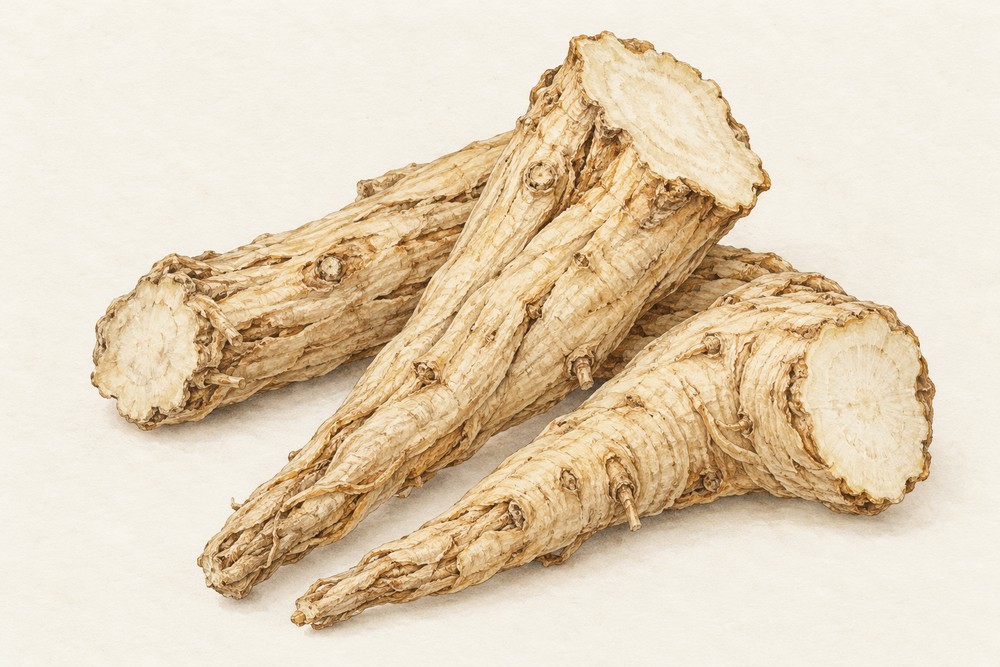
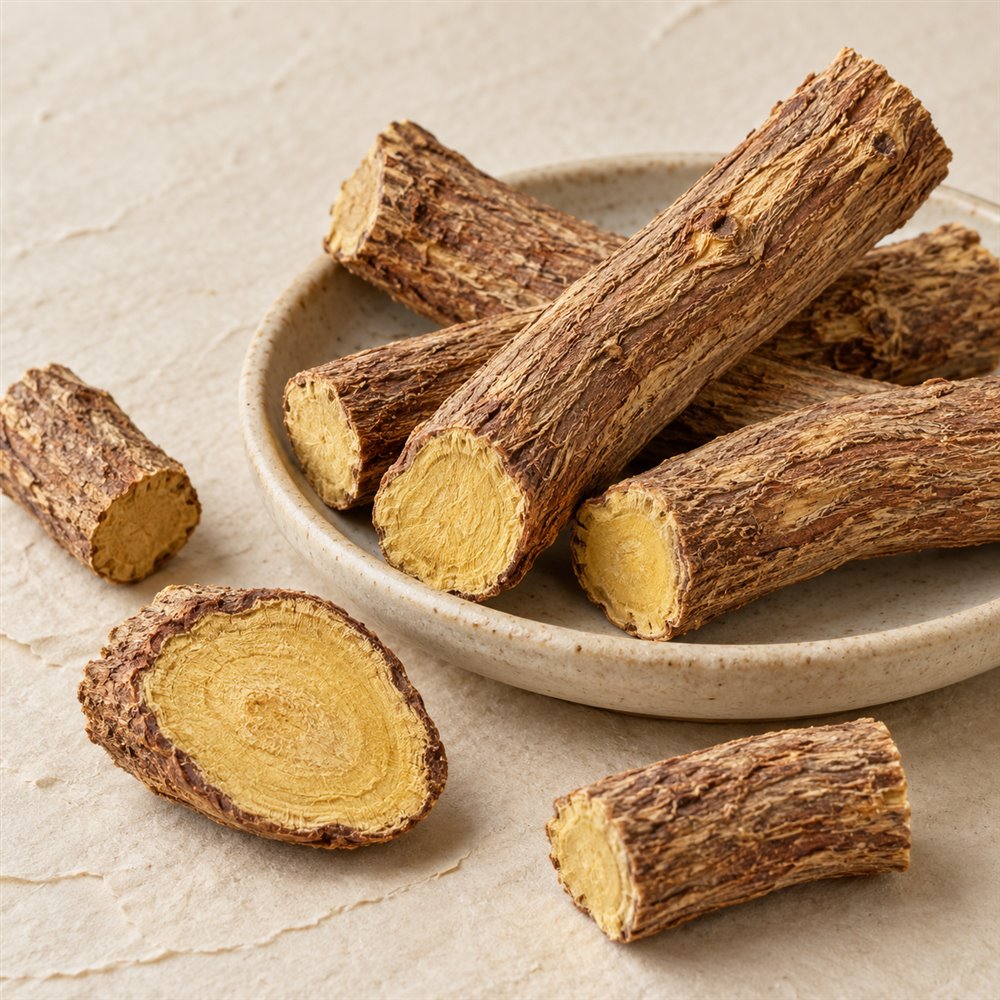
Ingredient images and source amounts are shown for comparison only; this is not a treatment recipe.
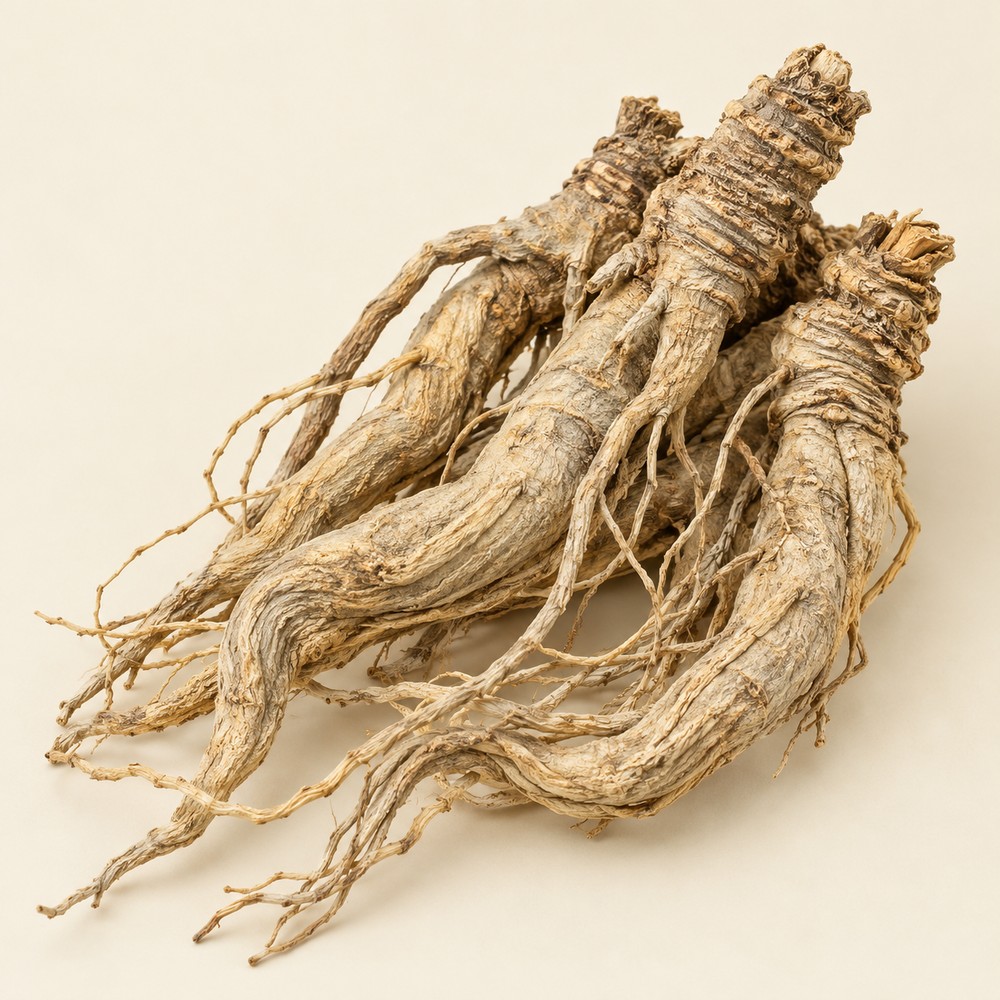
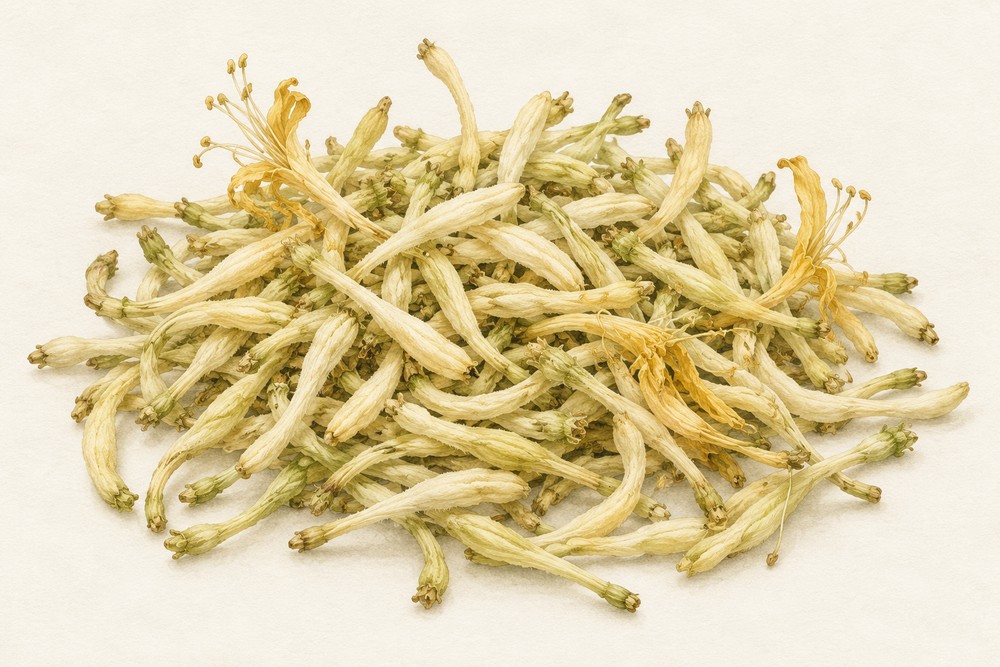
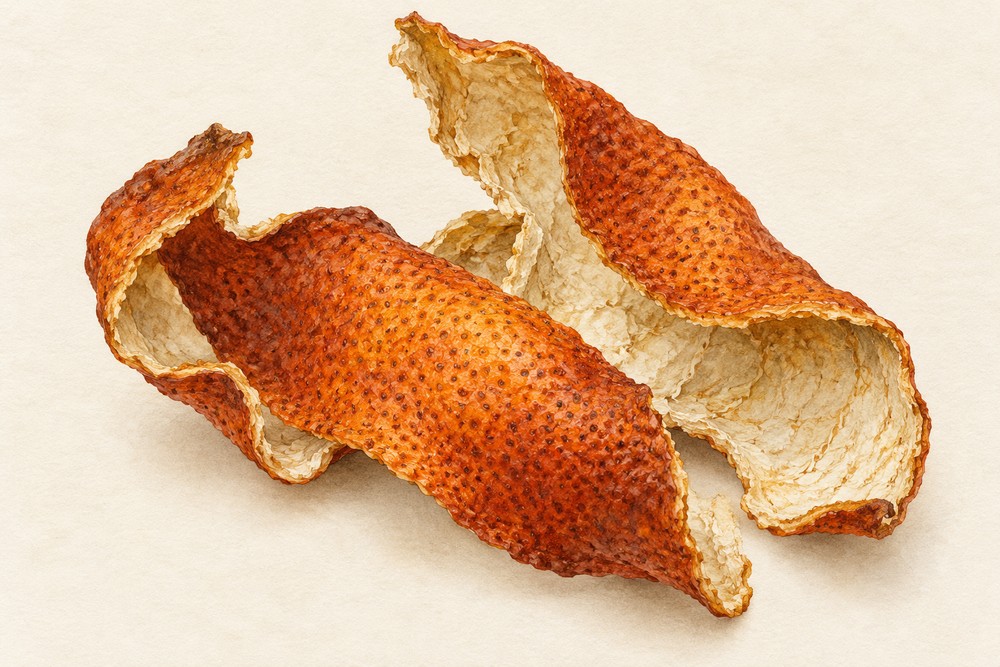
HKBU source-recorded composition
Angelicae Dahuricae Radix (Bai Zhi) 6 fen (3g), Manis Squama (Chuan Shan Jia) 1 qian (6g), Glycyrrhizae Radix et Rhizoma(Gan Cao) 1 qian (6g), Saposhnikoviae Radix (Fang Feng) 1 qian (6g), Myrrha (Mo Yao) 1 qian (6g), Paeoniae Radix Rubra (Chi Shao) 1 qian (6g), Angelicae Sinensis Radix (Dang Gui Wei) 1 qian (6g), Olibanum (Ru Xiang) 1 qian (6g), Fritillariae Bulbus (Bei Mu) 1 qian (6g), Trichosanthis Radix (Tian Hua Fen) 1 qian (6g), Gleditsiae Spina (Zao Jiao Ci) 1 qian (6g), Lonicerae Japonicae Flos (Jin Yin Hua) 3 qian (9g), Citri Reticulatae Pericarpium (Chen Pi) 3 qian (9g)
The ingredients and amounts below are one HKBU-recorded version; texts, historical units, processing, and modern products can differ. This is comparative reference data, not a home-preparation recipe or personal dose.
Open complete HKBU formula record ↗