Lophatherum herb · Dan Zhu Ye
Lophatherum gracile Brongn. · Dried aerial parts
Name and part used
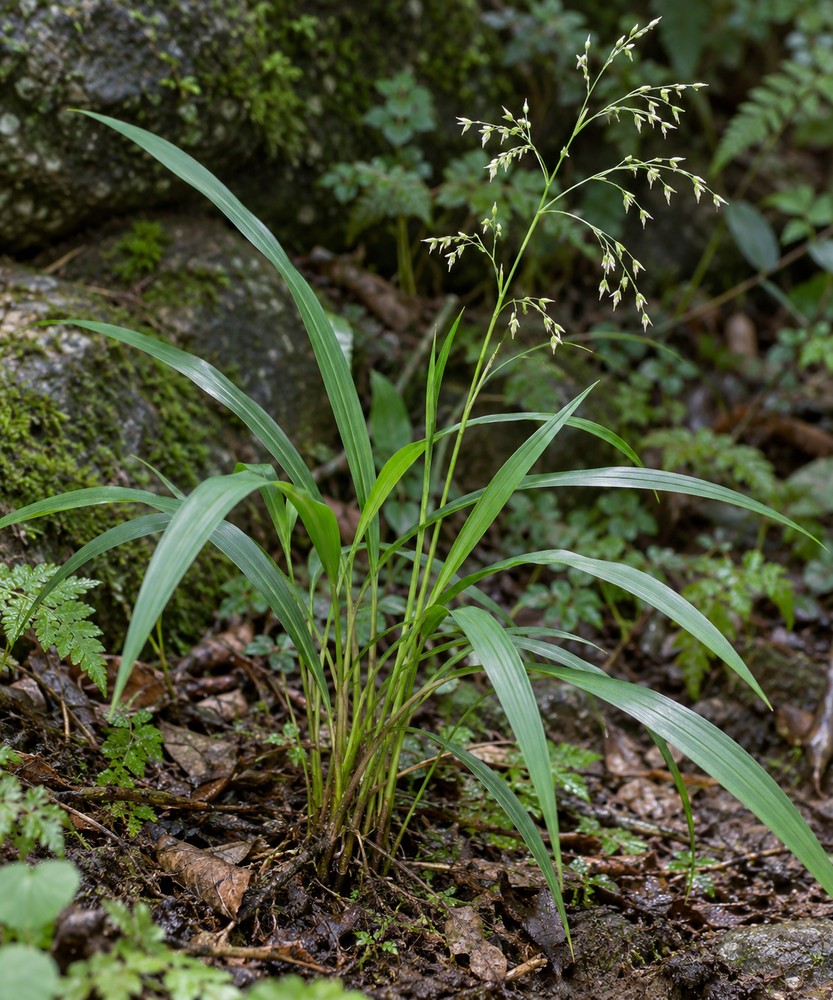
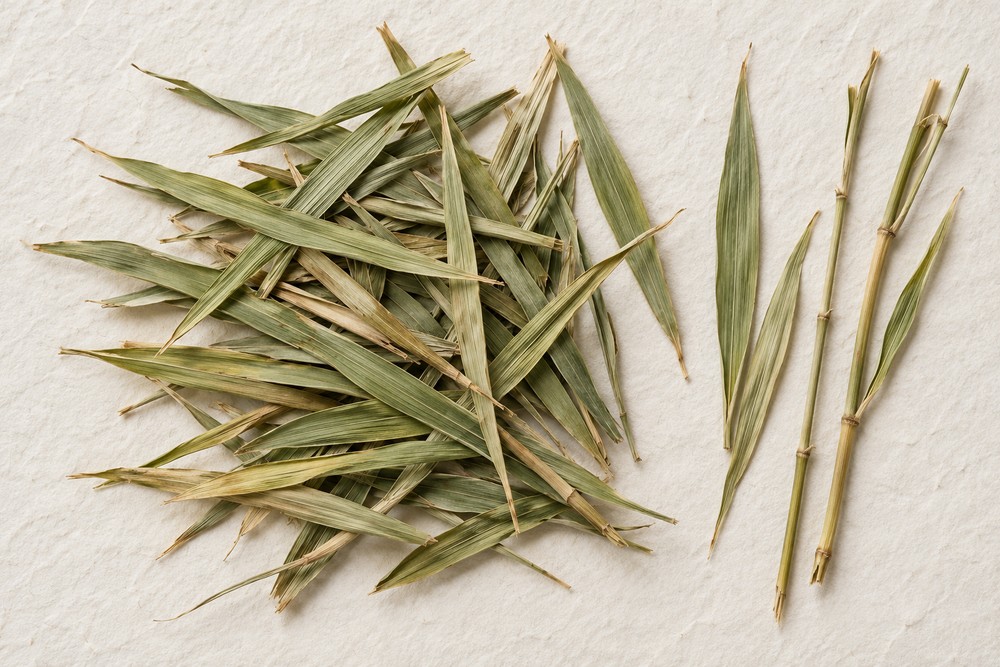
Dan Zhu Ye is the grass Lophatherum gracile (Poaceae), not bamboo leaf and not a bamboo plant. It forms clumps of narrow lance-shaped leaves with parallel veins and small panicles. The dried aerial herb is green-yellow to straw-colored, with narrow blades and jointed stem pieces.
Traditional context
Traditional sources describe Dan Zhu Ye as sweet, bland, and cold, in contexts of clearing heat, easing restlessness, and promoting urination. This is traditional theory, not proof of treating fever, dehydration, or urinary disease.
Modern evidence
Distinguish Lophatherum gracile herb from true bamboo leaves and from locally variable materia called Zhu Ye. A generic label is not enough for identification. The materia record describes dried aerial parts; real samples need species-level traceability.
Safety
It has a traditional diuretic use description; avoid self-use with dehydration, kidney/heart disease, diuretics, pregnancy, or breastfeeding. Grass-family allergy is possible. No specific toxic pair was verified in sources reviewed.
Pairing in reference texts
Dan Zhu Ye may be added in Dao Chi San according to HKBU preparation notes; the base record lists Rehmannia 6 g, Mu Tong 6 g, and licorice 6 g, while the historical method mentions bamboo leaf. Do not follow historical preparation as self-treatment.
Growth and habitat
Lophatherum gracile is a perennial grass in East Asia, growing at the edge of forests, in moist soil, under thin canopy or along ravines. Prefers moist but well-drained loamy soil, diffused light/semi-shade; Tolerates heat and humidity better than prolonged drought. Not identical with bamboo even though the Chinese name has the word bamboo.
Growing, care, and harvest timing
The profile above includes sourced steps and a documented harvest window. Harvest timing is agronomic information, not a self-use instruction.
Growing and care
- Use seed or nursery plants labeled Lophatherum gracile; do not collect unidentified ‘bamboo-like leaves.’
- Surface-sow in a moist tray or divide rooted clumps; place in filtered light and maintain even moisture while establishing.
- Transplant into moist, drained humus-rich soil with room for clumps; use containers if root spread or species mixing is a concern.
- Water as the surface begins to dry, mulch with clean leaf mold, hand-weed, remove diseased leaves, and maintain airflow during rainy periods.
- When clumps are established and foliage is vigorous, cut aerial parts according to local harvest standards; do not uproot the entire clump if it is to regrow.
- Rinse briefly, remove debris, cut into sections, dry hygienically to completion, and inspect for mold before storage.
How long until harvest? The reviewed document confirms perennial plants and the above-ground collection process but does not state a fixed number of months. The time it takes to reach strong enough bushes depends on the seeds/seedlings, season and climate; Only collect when the tree has been correctly identified, has taken root and created good biomass.
Documented formula pairing: Dao Chi San (preparation note mentions Zhu Ye)
HKBU describes a traditional action of clearing heart heat, nourishing yin, and promoting urination. Bamboo leaf is mentioned in the preparation note, but botanical identity can vary by standard; do not self-treat painful urination or fever.
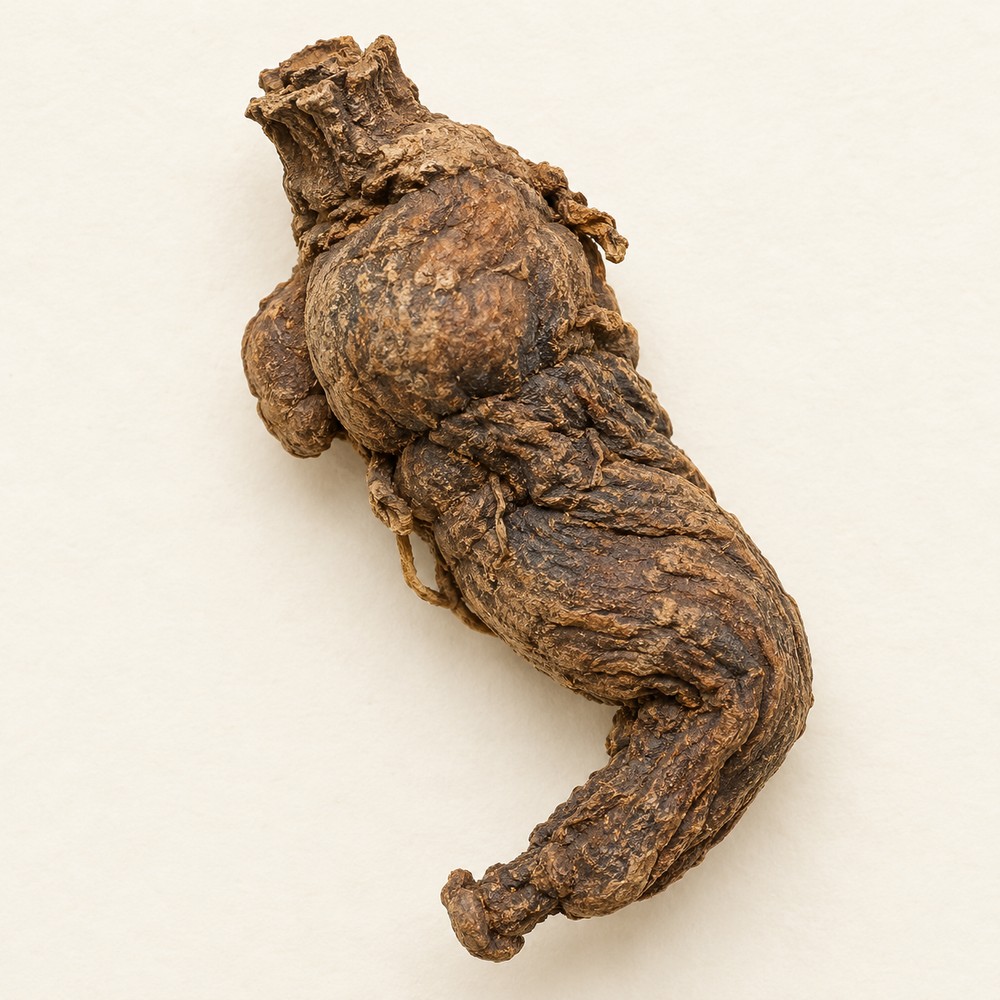
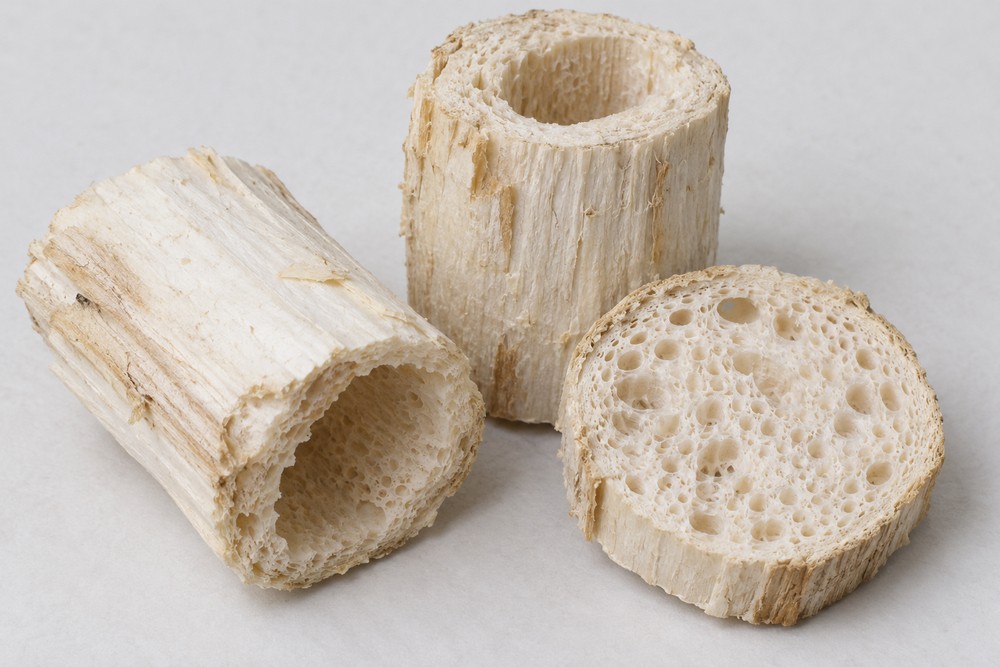
Source-recorded amounts: HKBU records three base ingredients at 6:6:6 g; its method note mentions bamboo leaf, with 3 g in the modern note. Read the source in context; this is not a dosing list.
Caution: Do not confuse Mu Tong with Tong Cao; similar names refer to different materials. Some Mu Tong substitutions involving Aristolochia pose nephrotoxicity risk. Do not prepare it yourself; painful urination with fever may need urgent care.
Open formula record ↗Documented toxic incompatibility
No reliable source checked here confirms a specific Dan Zhu Ye pair as toxic. The major formula concern is substitution of Mu Tong with nephrotoxic Aristolochia, a separate herb-identity problem rather than toxicity caused by Dan Zhu Ye.
FROM PLANT / SOURCE HABITAT TO DRIED MATERIAL · REFERENCE WORKFLOW
- Collect the above-ground portion of Lophatherum gracile when the plant is healthy, avoiding polluted roadsides or chemical spraying areas. Remove mixed grass, dead leaves and soil; Wash quickly if necessary, drain, cut into pieces and dry/dry with gentle heat in a well-ventilated place until crisp and dry. Store tightly sealed against moisture and termites.
- Harvest the aerial parts of authenticated healthy Lophatherum gracile, away from polluted roads or sprayed sites. Remove weeds, yellow leaves, and soil; rinse only quickly if needed, drain, cut, and air-dry or gently dry with ventilation until crisp. Store sealed against moisture and insects.
These are post-harvest study notes, not directions to prepare a remedy for self-treatment. Processing reference ↗
How to read formula amounts
Displayed amounts belong to the cited formula and source; they are not a general safe ratio, treatment dose, or home-decoction instruction. Do not transfer amounts to another formula or adjust them by body weight.