White cardamom · Dou Kou
Amomum kravanh Pierre ex Gagnep. · Dried mature fruit
Name and part used
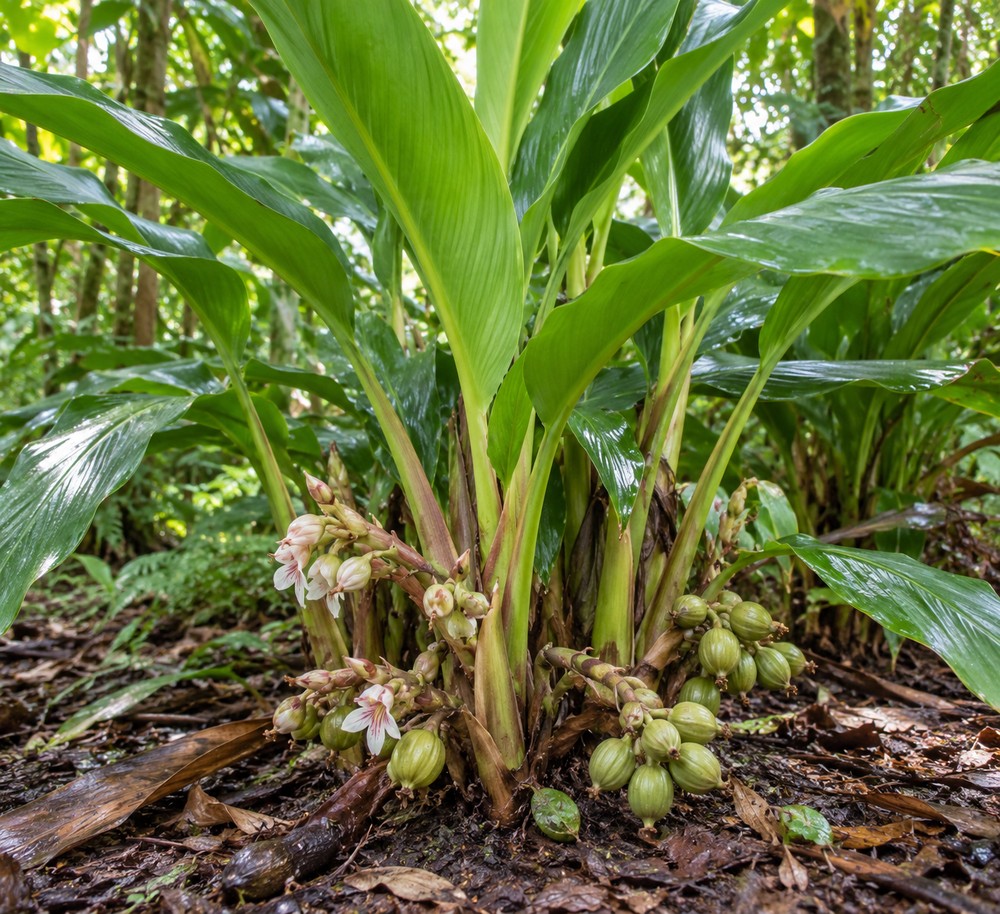
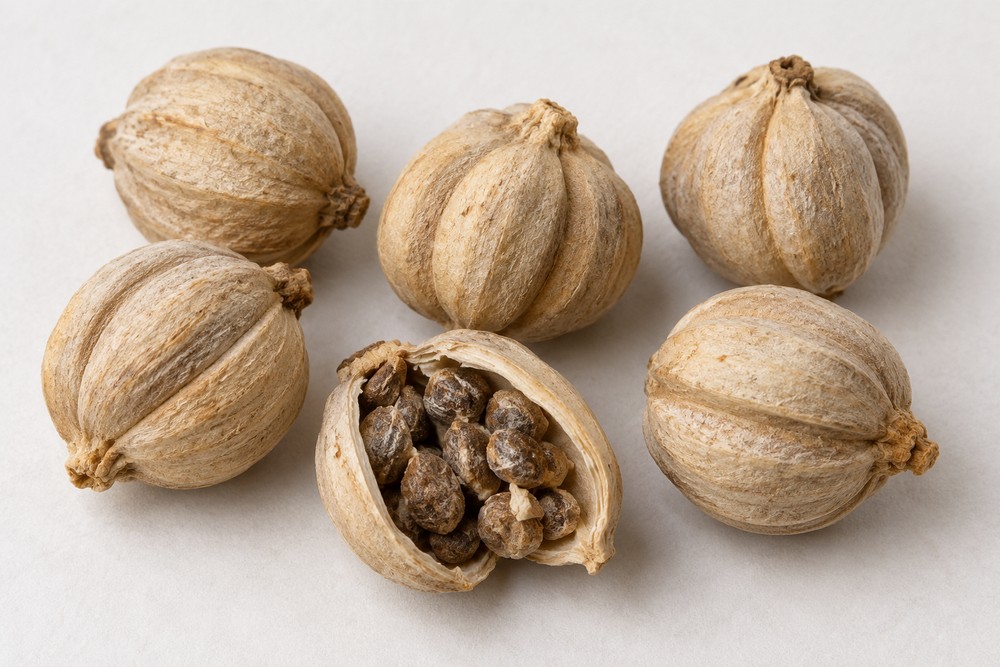
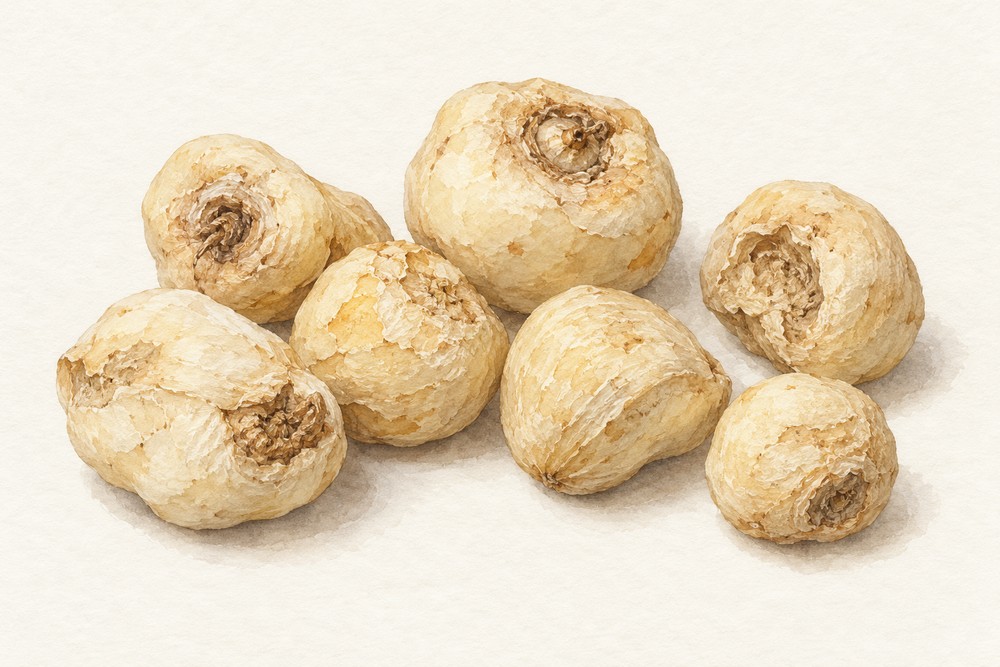
A rhizomatous ginger-family plant forms broad-leaved clumps with basal flower stalks. The gray-yellow oval fruit has three blunt ridges and three chambers of aromatic clustered seeds.
Traditional context
Transforming dampness, moving qi, and warming the middle are traditional classifications. Do not treat white cardamom as a cure for bloating, vomiting, or liver disease; distinguish it from Sha Ren and related Amomum species.
Modern evidence
HKBU records mature dried fruits of Amomum kravanh; other standards may accept related Amomum sources. Three ridges and chambered seeds are study features; real material needs verified source and lot.
Safety
Volatile oils may irritate or cause allergy; use caution with reflux, gastritis, liver disease, pregnancy, or medicines. Whole fruit/concentrated extract is not equivalent to culinary seasoning; do not self-dose children.
Pairing in reference texts
Bai Dou Kou appears in San Ren Tang with apricot kernel, talc, Tetrapanax pith, bamboo leaf, Magnolia bark, coix seed, and Pinellia. HKBU records 15, 18, 6, 6, 6, 6, 18, and 15 g respectively; the formula is traditionally described as diffusing qi and clearing damp-heat.
Growth and habitat
Southeast Asian Amomum cultivation references describe a humid shade-grown rhizomatous crop; other cardamom species/products follow different timelines. A universal schedule specific to A. kravanh was not verified.
Growing, care, and harvest timing
The profile above includes sourced steps and a documented harvest window. Harvest timing is agronomic information, not a self-use instruction.
Growing and care
- Choose a warm humid site with filtered shade, humus-rich drained soil, and dry-season water access.
- Plant authenticated seedlings/rhizomes, mulch, and irrigate to avoid complete drying.
- Remove diseased leaves/stems, maintain airflow, protect the crown, and watch for fungal problems in prolonged humidity.
- Harvest mature fruits to local standards; clean and dry evenly, then inspect for mold before storage.
How long until harvest? The open cultivation references checked do not establish a universal year count for Amomum kravanh; other cardamom species may take several years. Harvest only at species-appropriate fruit maturity, not by borrowing another species’ timeline.
Documented formula pairing: San Ren Tang
HKBU describes a traditional action of diffusing qi and clearing damp-heat, with ingredient roles explained in the source. This is not a self-treatment plan for fever, jaundice, or infection.
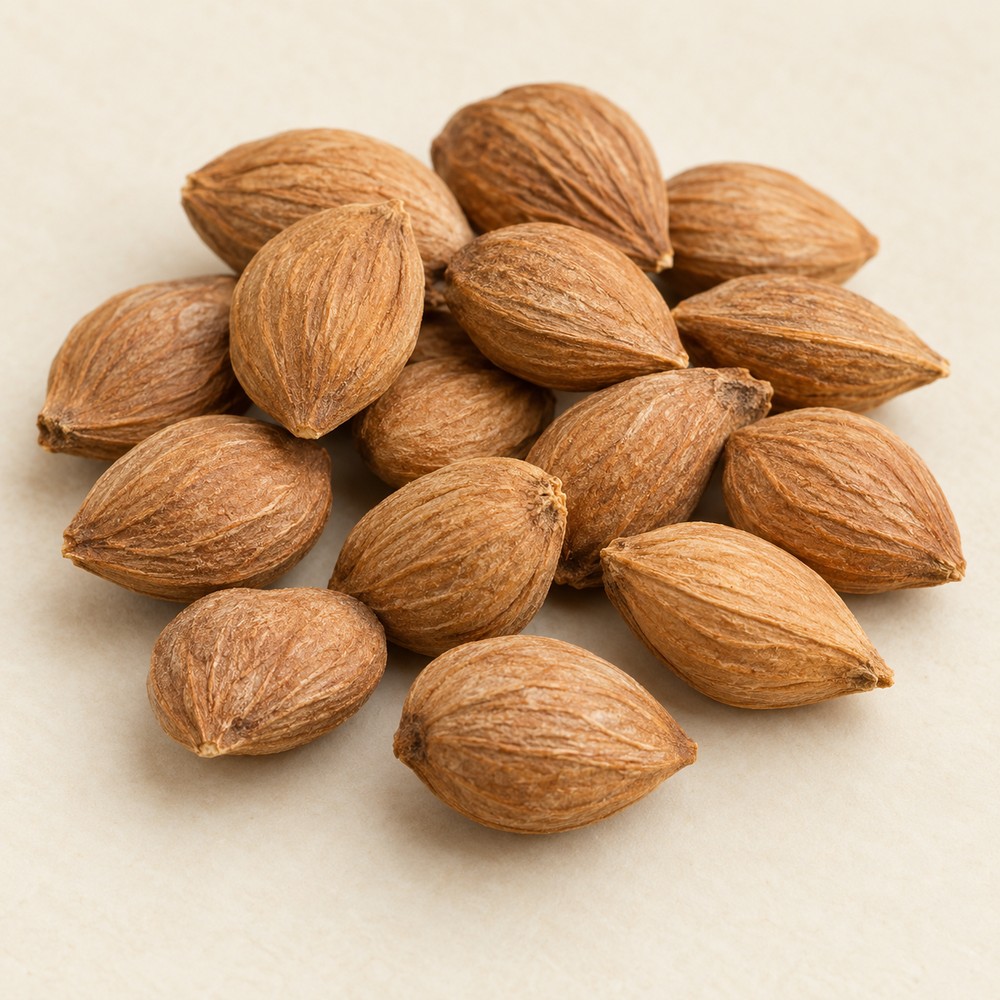
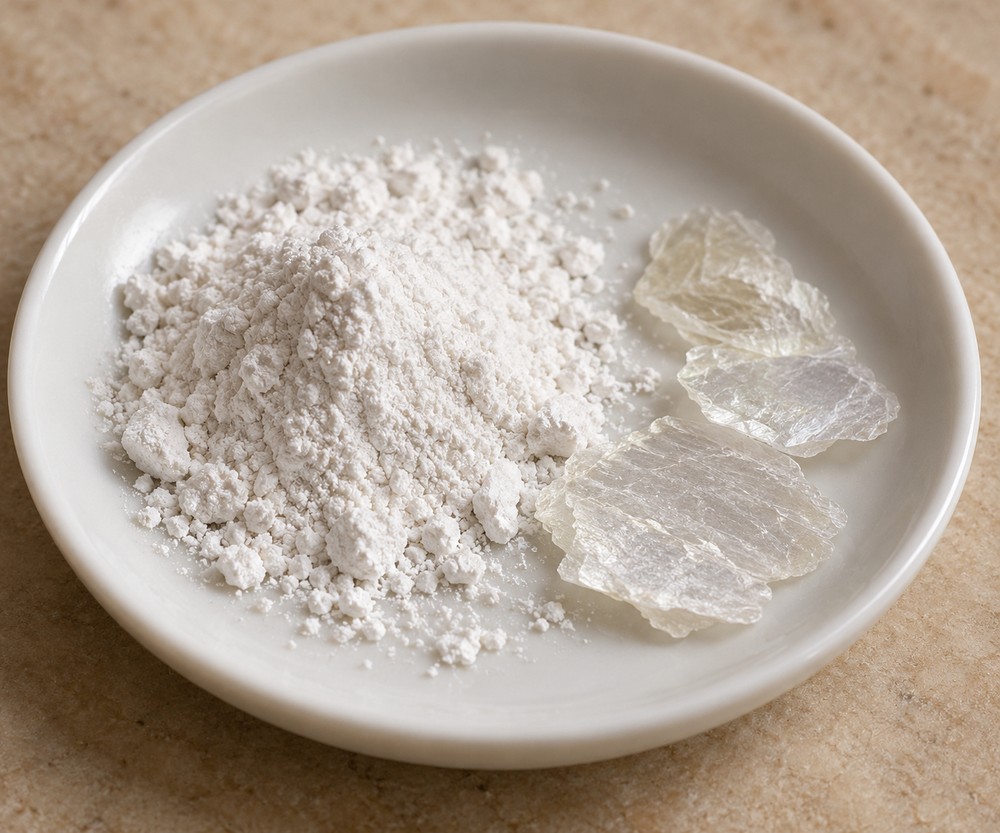
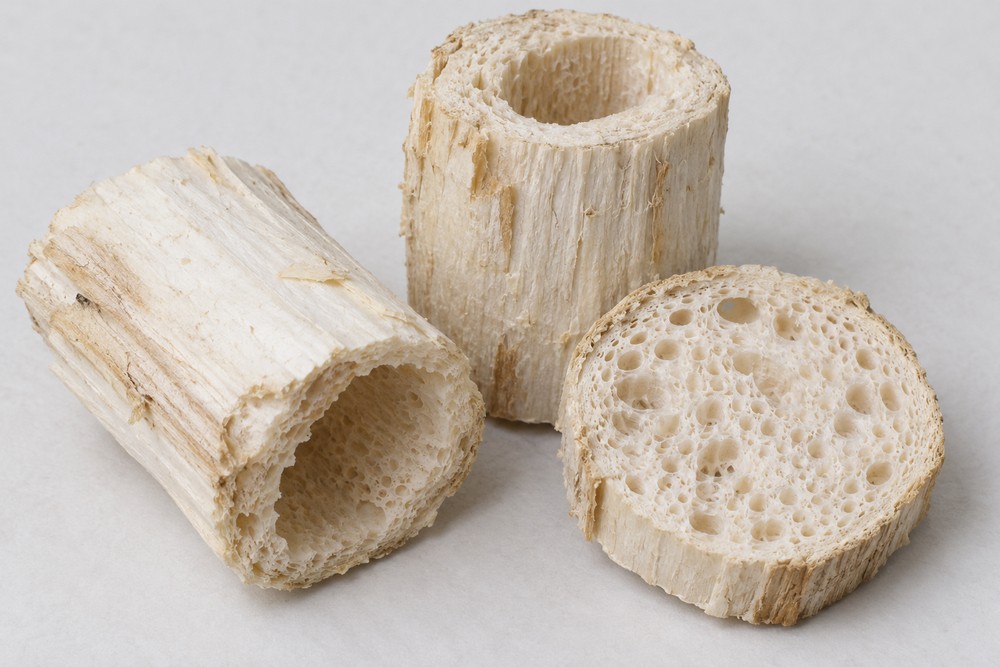
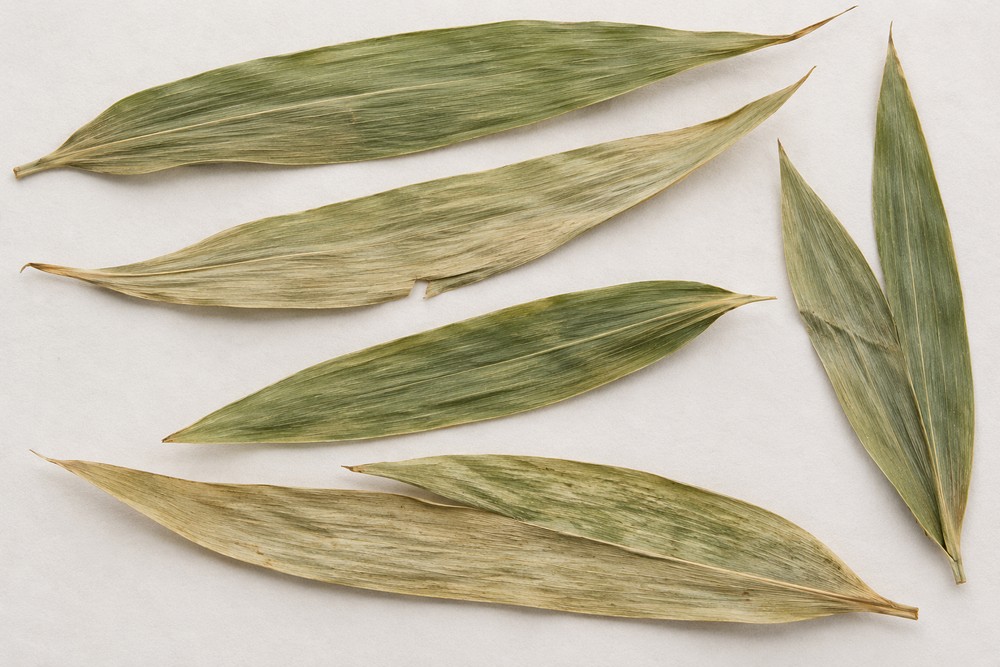
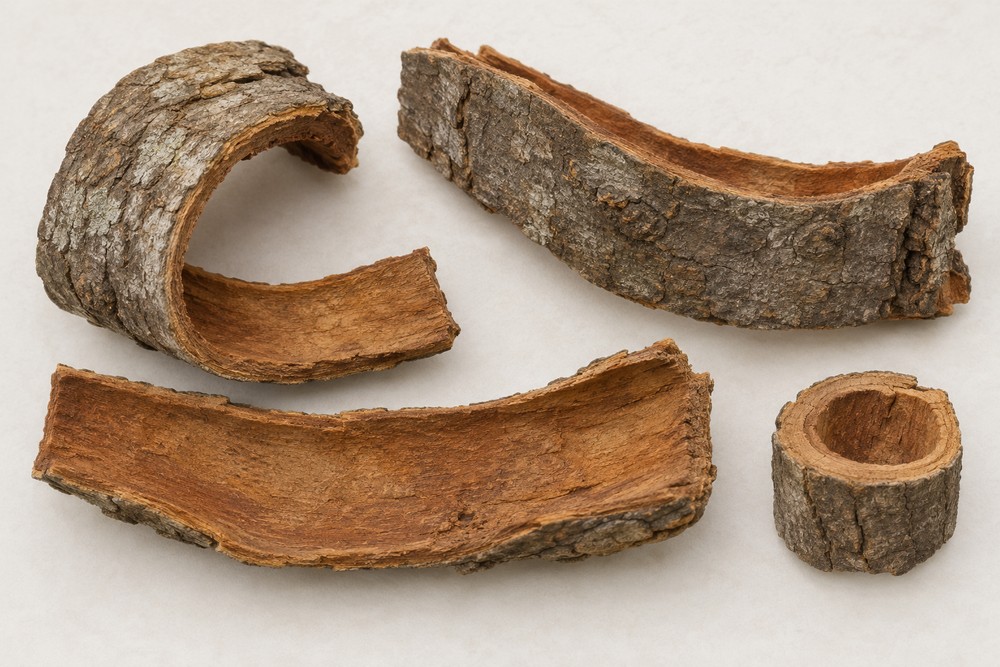
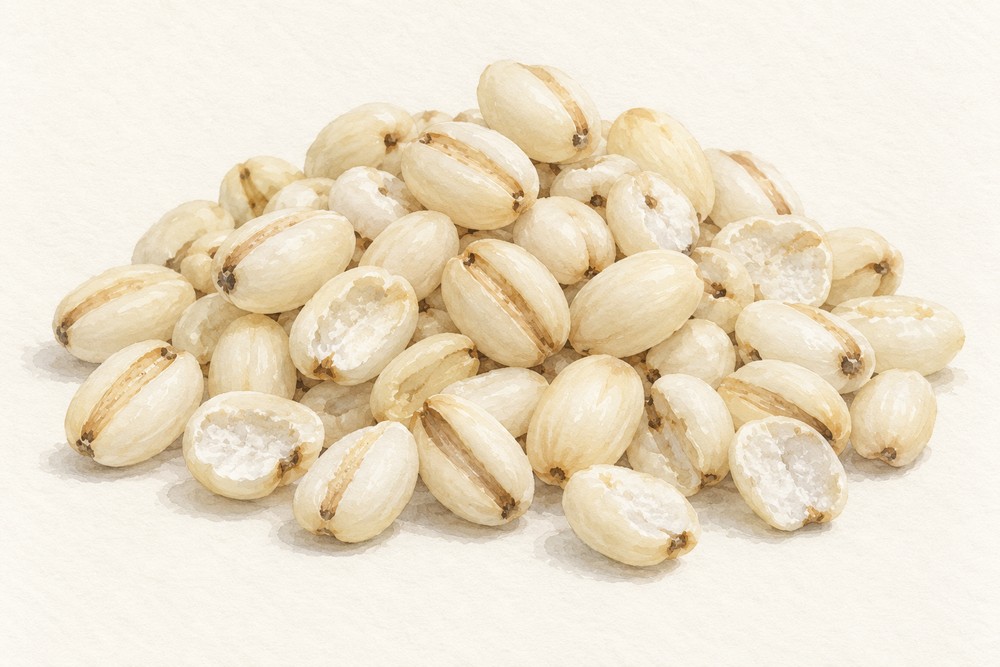
Source-recorded amounts: HKBU amounts in order: 15:18:6:6:6:6:18:15 g. This is a classical formula record, not advice to ingest; Pinellia requires processing and talc requires quality control.
Caution: Bitter apricot kernel contains cyanogenic compounds; raw Pinellia is irritating/toxic and requires professional processing. Talc needs asbestos/impurity controls. Do not source or prepare this formula yourself.
Open formula record ↗Documented toxic incompatibility
No checked source confirms that Bai Dou Kou plus one named ingredient in San Ren Tang is poisonous. The formula contains materials needing processing/quality controls; historical pairing is not proof of safety.
FROM PLANT / SOURCE HABITAT TO DRIED MATERIAL · REFERENCE WORKFLOW
- It needs a humid tropical climate, filtered shade, and humus-rich drained soil; rhizomes form clumps and fruits grow near the base. Fruit set declines in cold or dry conditions.
- Propagate from authenticated rhizome offsets or sourced seed; plant under canopy, keep moisture steady, avoid harsh midday sun and waterlogged soil.
- Top-dress with mature organic matter, mulch, hand-weed, and monitor rhizome rot; do not harvest unidentified wild plants.
- Harvest clusters when fruits are mature and firm with variety-appropriate color; discard damaged fruits and dry intact capsules to retain aroma and traceability.
These are post-harvest study notes, not directions to prepare a remedy for self-treatment. Processing reference ↗
How to read formula amounts
Displayed amounts belong to the cited formula and source; they are not a general safe ratio, treatment dose, or home-decoction instruction. Do not transfer amounts to another formula or adjust them by body weight.
HKBU formula record containing this herb: San Ren Tang / Three Kernels Decoction
Traditional action in the source: Disperses and diffuses qi movement, clears and removes damp-heat
Ingredient images and source amounts are shown for comparison only; this is not a treatment recipe.
HKBU source-recorded composition
Armeniacae Semen Amarum (Xing Ren) 5 qian (15g), Talcum (Hua Shi) 6 qian (18g), Tetrapanacis Medulla (Tong Cao) 2 qian (6g), Amomi Fructus Rotundus (Bai Dou Kou) 2 qian (6g), Lophatheri Herba (Zhu Ye) 2 qian (6g), Magnoliae Officinalis Cortex (Hou Po) 2 qian (6g), Coicis Semen (Yi Yi Ren) 6 qian (18g), Pinelliae Rhizoma (Ban Xia) 5 qian (15g)
The ingredients and amounts below are one HKBU-recorded version; texts, historical units, processing, and modern products can differ. This is comparative reference data, not a home-preparation recipe or personal dose.
Open complete HKBU formula record ↗