Pubescent angelica root · Du Huo
Angelica pubescens Maxim. f. biserrata Shan et Yuan · Root
Name and part used
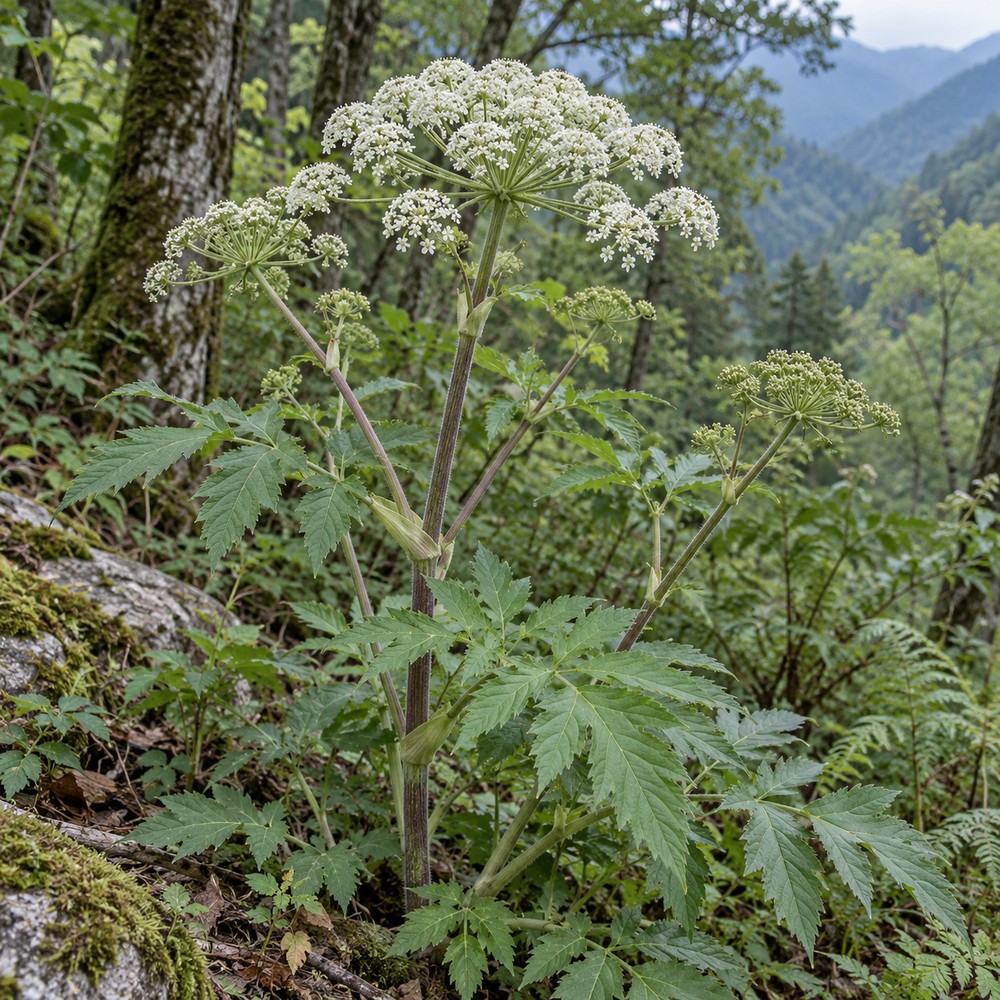
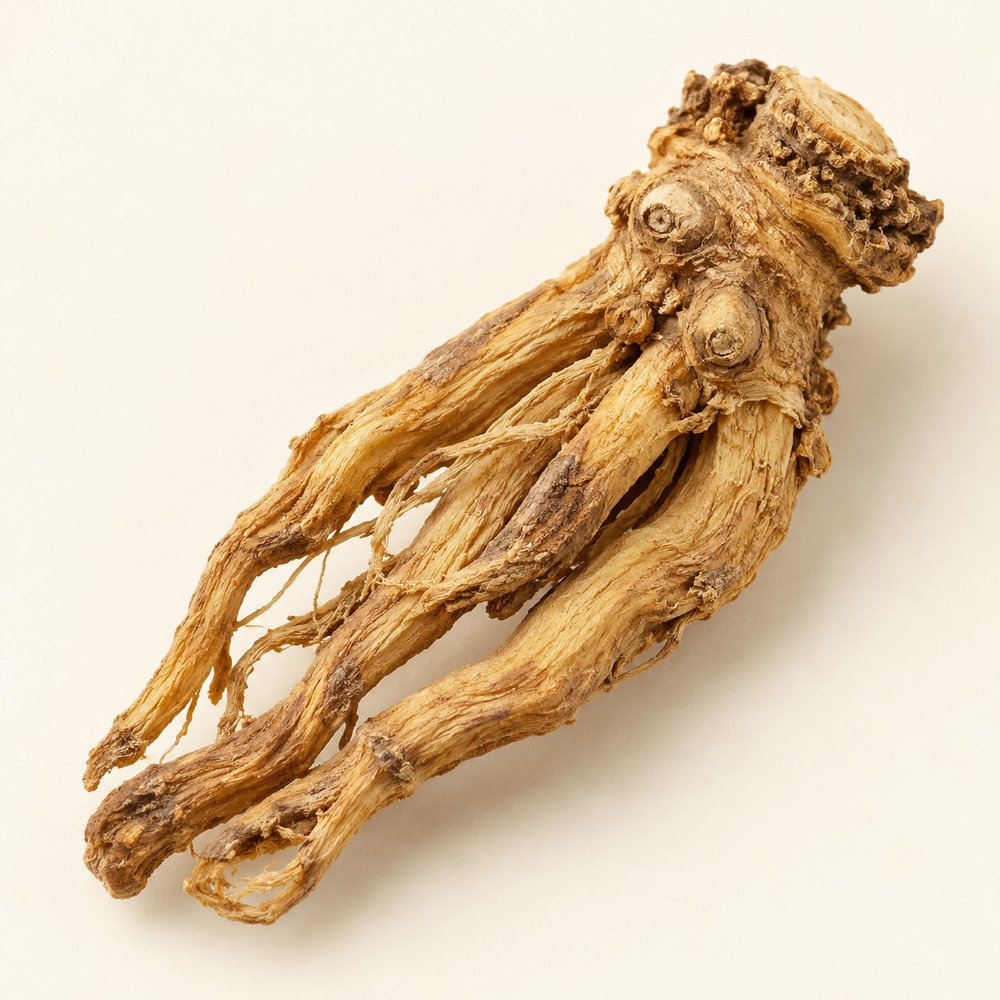
An Apiaceae herb with divided leaves and white umbels; the aromatic brown root comes from authenticated cultivation. Several Apiaceae lookalikes are highly toxic.
Traditional context
Dispelling wind-damp and joint-pain relief are traditional claims, not substitutes for assessment of arthritis, injury, or neuropathic pain.
Modern evidence
Identity and traditional functions follow HKBU specimen records; English and Latin names require source verification, not AI-image matching.
Safety
Never wild-harvest Apiaceae; allergy and sedative/anticoagulant interactions need review. Avoid in pregnancy unless professionally directed.
Pairing in reference texts
Du Huo pairs with Sang Ji Sheng or Qin Jiao in some historical wind-damp formulas; this is not a back-pain regimen.
Growth and habitat
Du Huo, Angelica pubescens var. biserrata, is an Apiaceae herb of cool, moist mountain regions in China, growing on slopes, forest gullies, and drained humus-rich soils. Compound umbels and divided leaves are family traits, but species identification requires expertise because several Angelica look similar. The medicinal part is the root; deep, cool, friable soil supports root growth, while prolonged hot dryness stresses the plant.
Botanical / habitat source ↗Growing, care, and harvest timing
The profile above includes sourced steps and a documented harvest window. Harvest timing is agronomic information, not a self-use instruction.
Growing and care
- Start only with traceable seed or nursery stock identified as Angelica pubescens var. biserrata; never use unidentified wild plants.
- Raise seed in a cool, moist, drained medium; Apiaceae seedlings can dislike root disturbance, so transplant with the intact root ball.
- Choose morning sun or partial shade and deep, humus-rich, slightly acidic to neutral soil; use raised beds where rainfall is heavy.
- Keep evenly moist during establishment, then water when the surface begins to dry. Mulch with clean leaf mold and prevent crown saturation.
- Hand-weed, monitor leaf feeders and leaf spots, remove diseased plants, rotate crops, and avoid untracked pesticide withholding periods.
- Do not harvest young roots or unidentified ornamentals. Harvest only at the local crop standard and clean/dry under controlled materia procedures.
How long until harvest? The reviewed references do not establish one universal harvest age for Du Huo roots. Timing depends on stock, altitude, climate, and regional standards; formula names cannot determine planting duration. Harvest only authenticated plants whose roots meet the producer’s quality standard.
Cultivation / season source ↗Documented formula pairing: Du Huo Ji Sheng Tang
HKBU describes this historical formula for differentiated chronic bi patterns, combining wind-dampness approaches with liver-kidney and qi-blood support. It does not replace assessment of back pain, arthritis, or weakness.
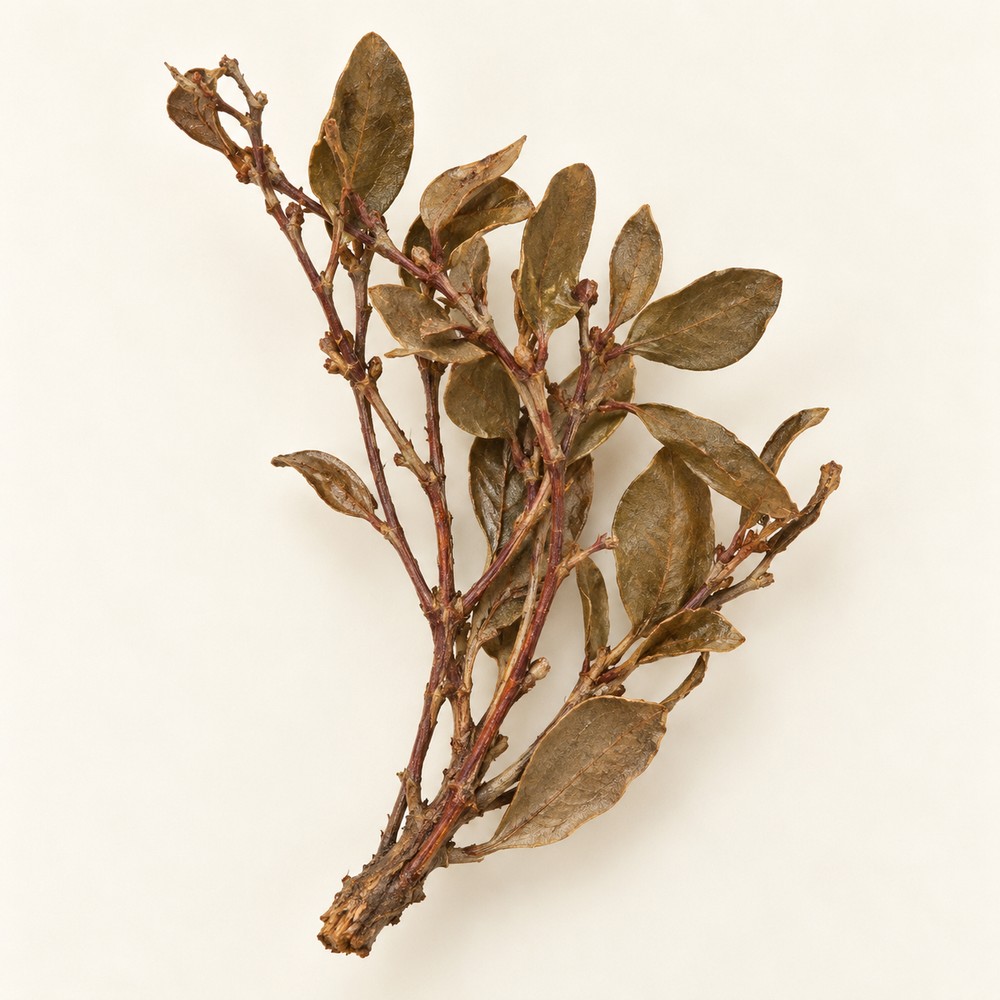
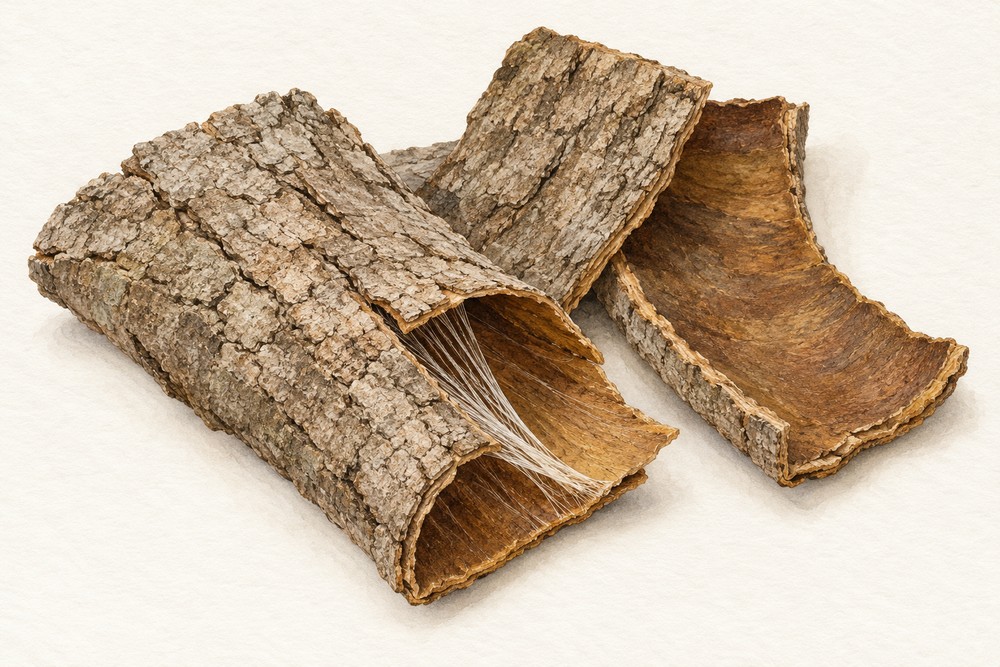
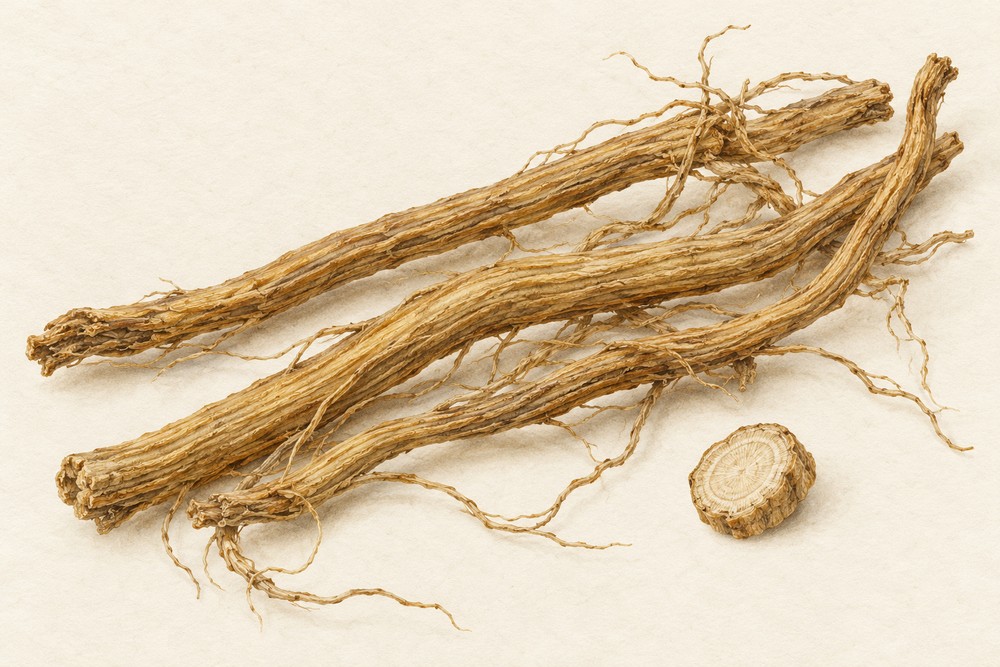
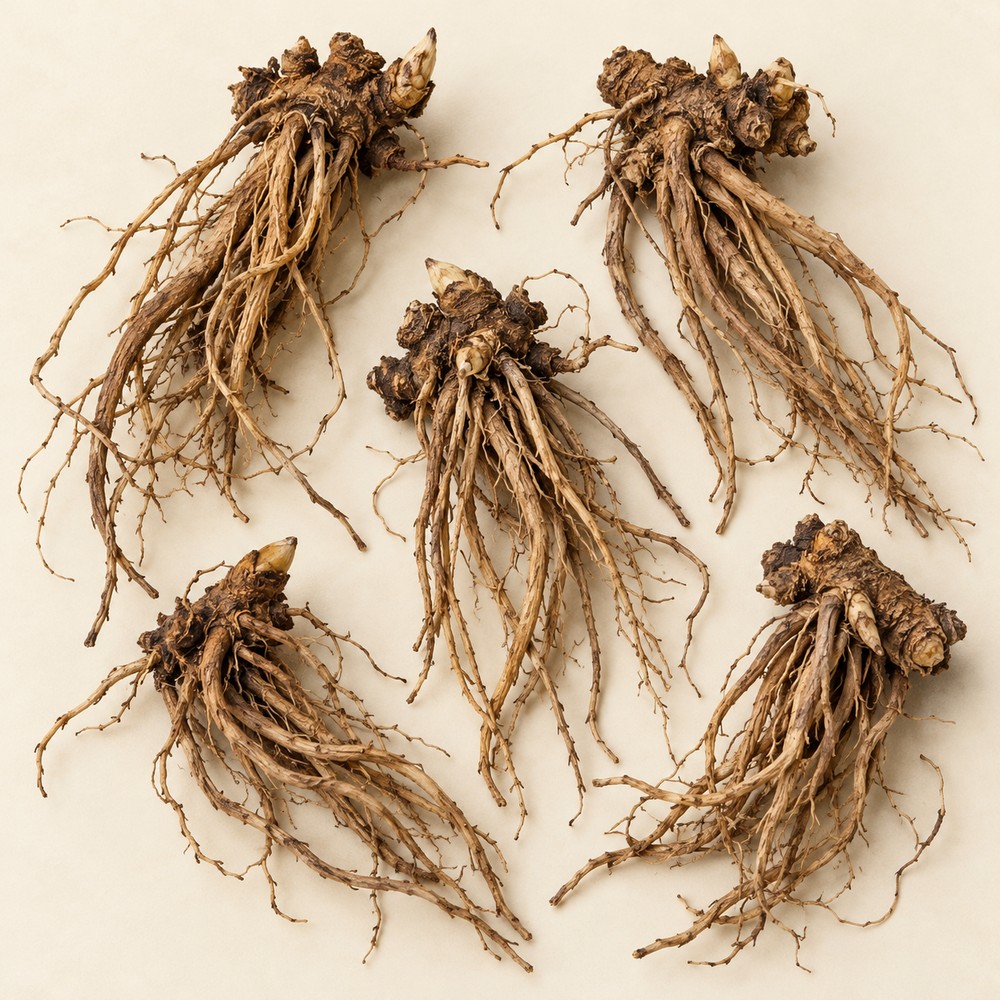
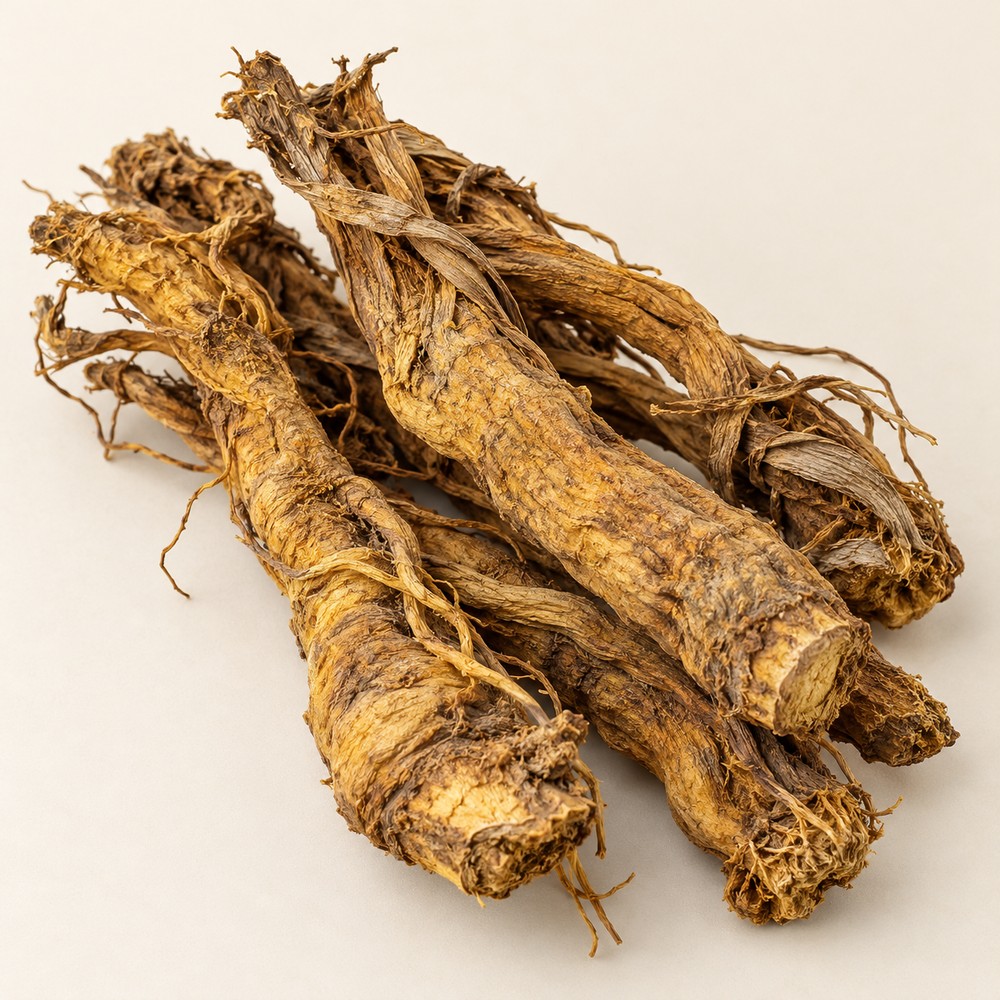
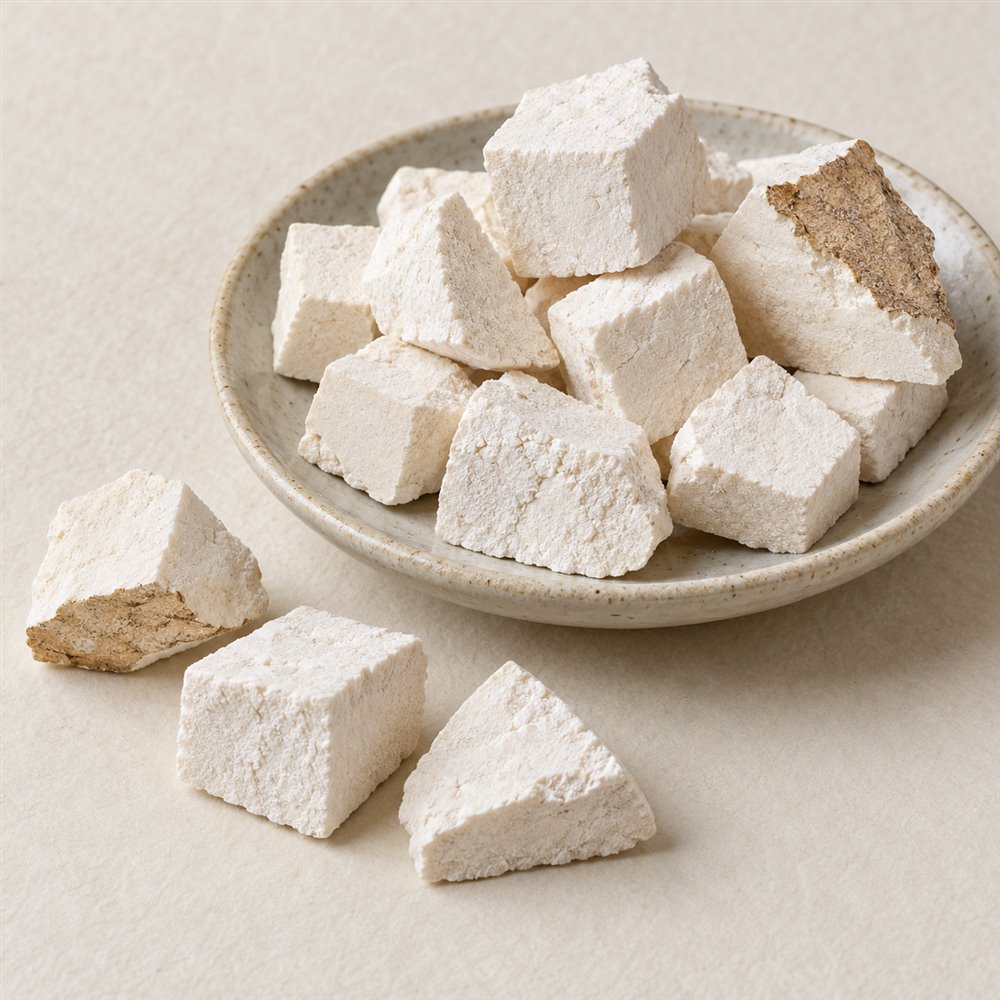
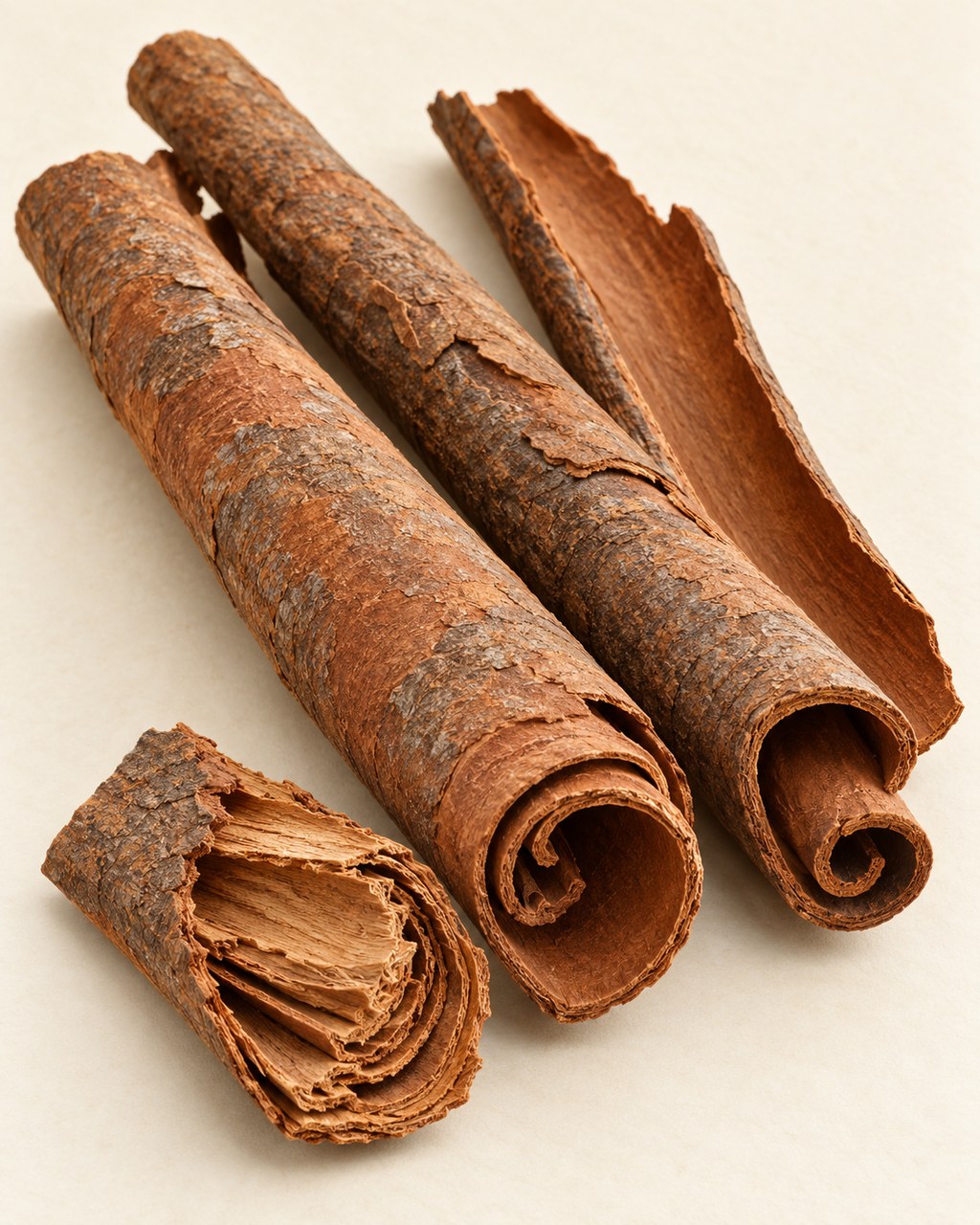
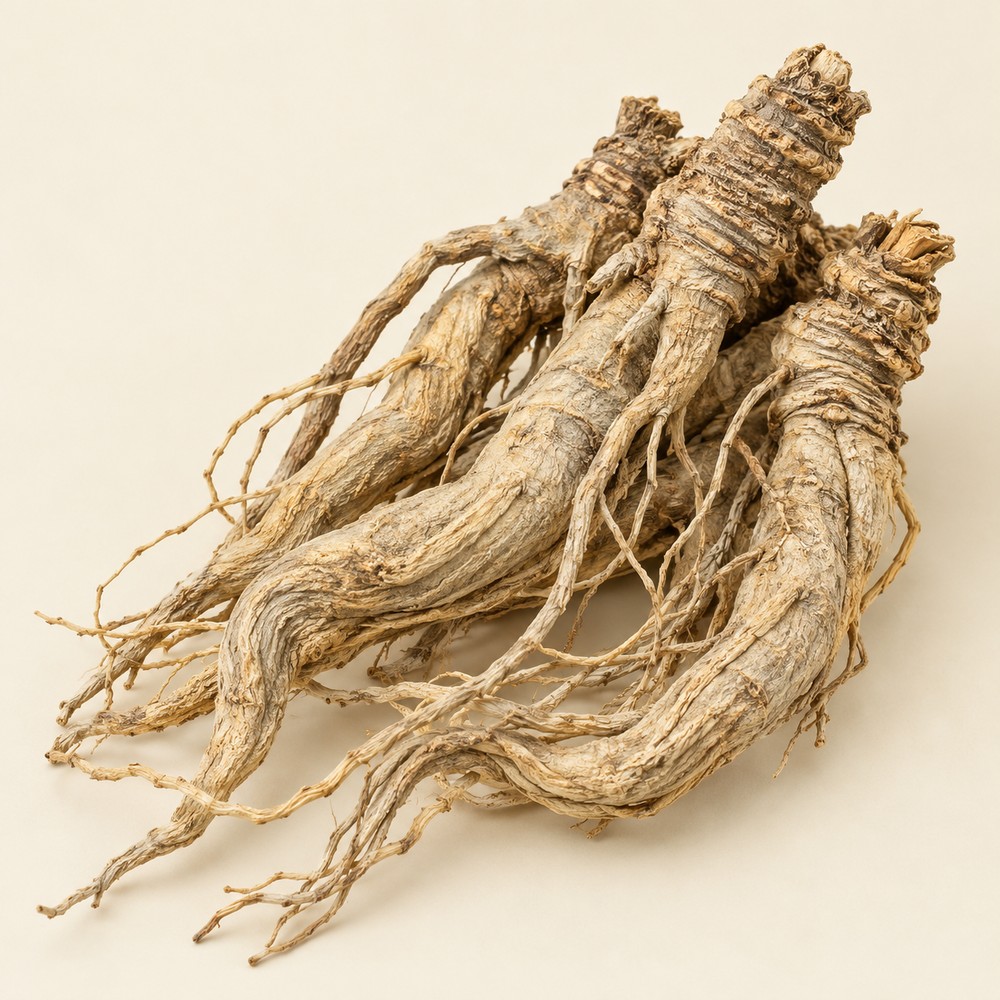
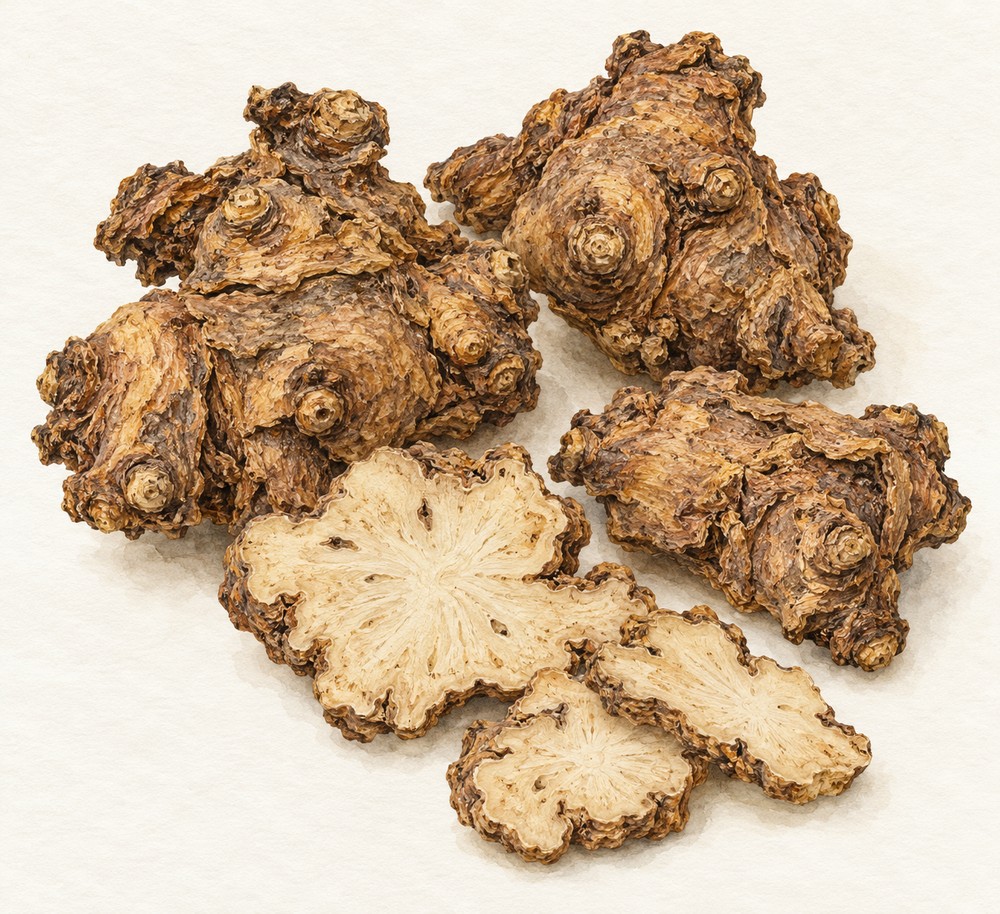
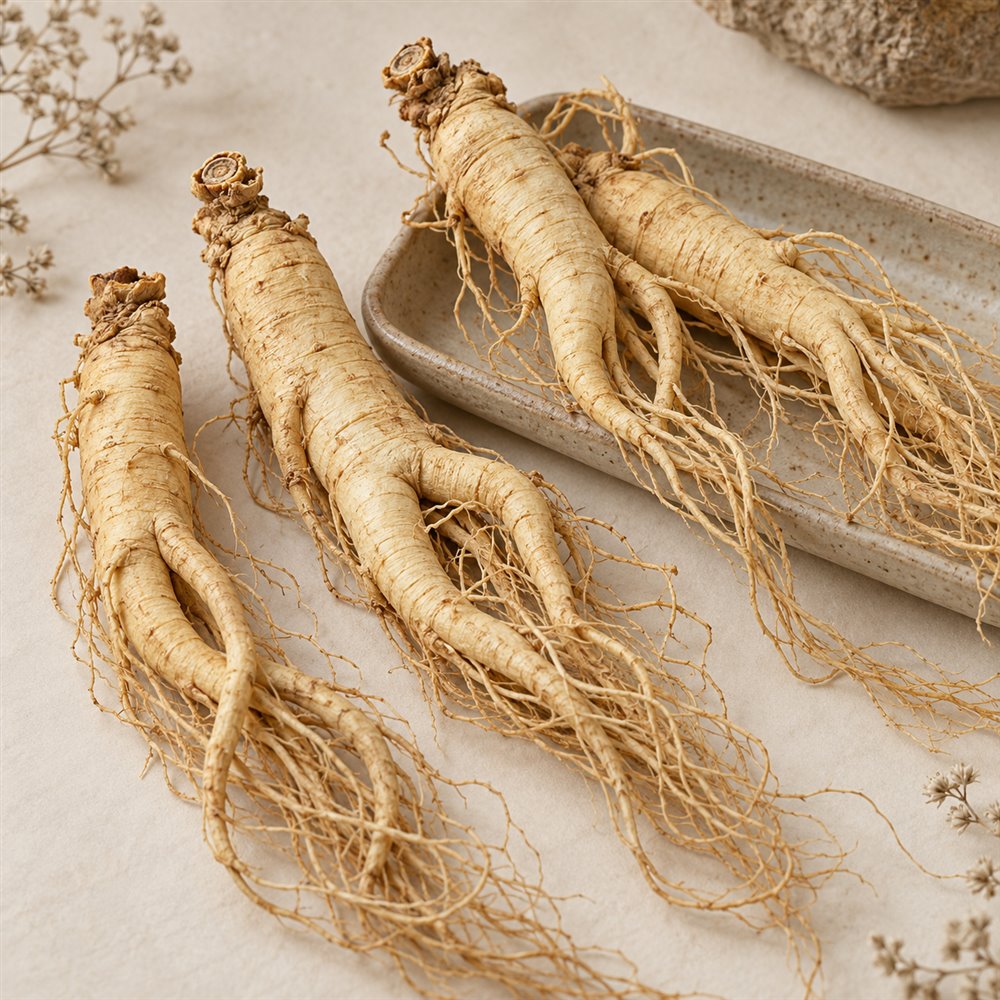
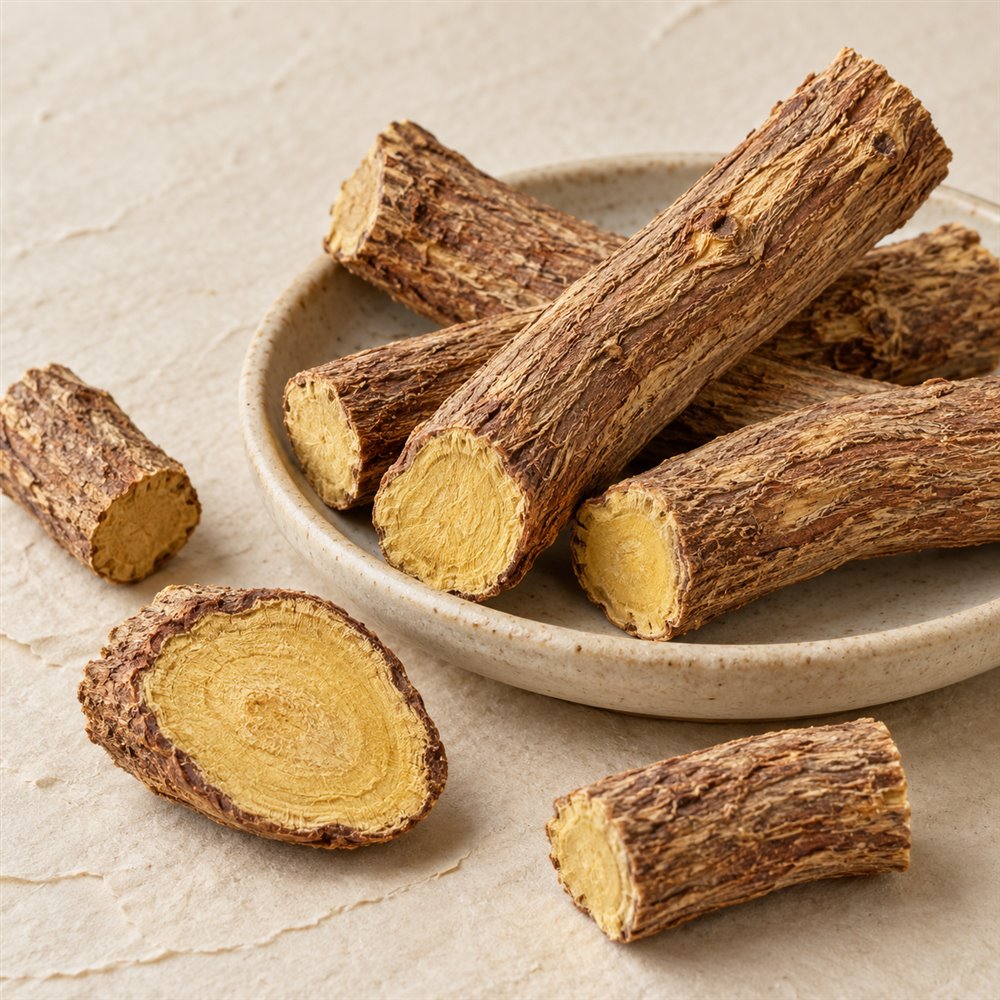
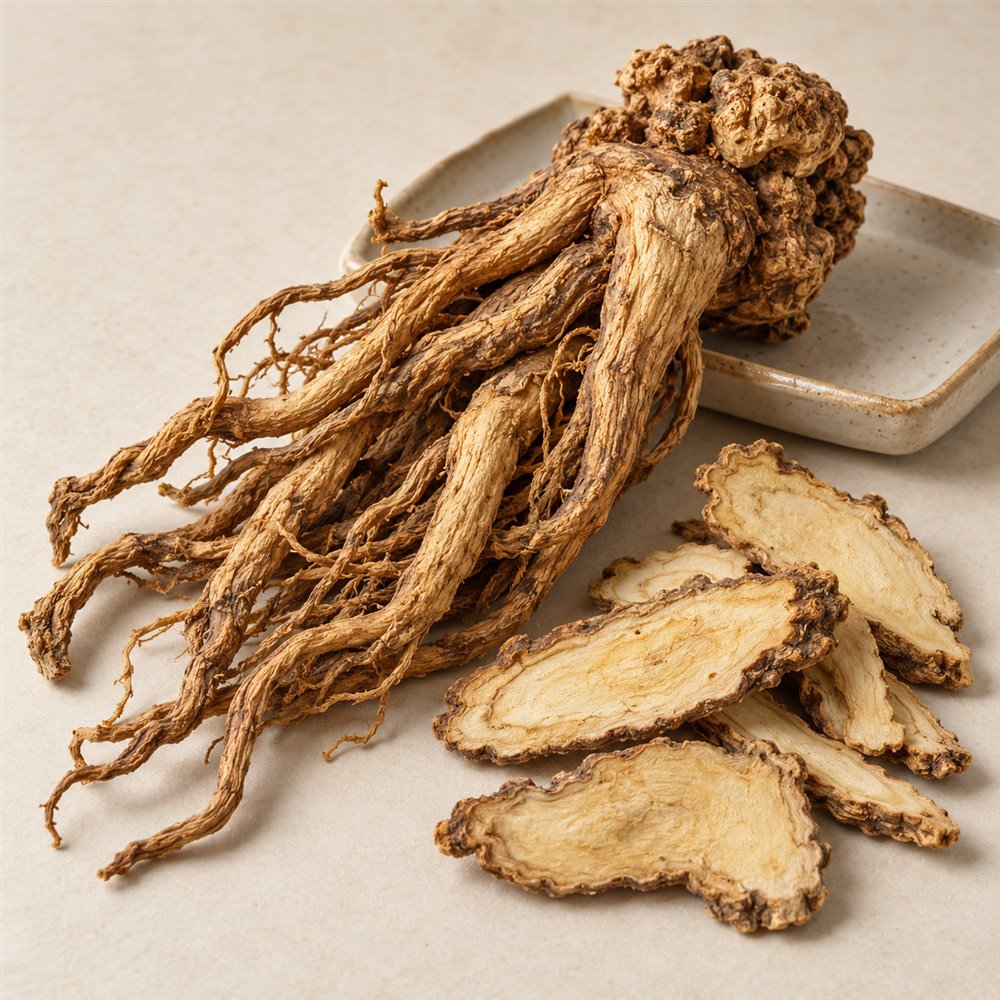
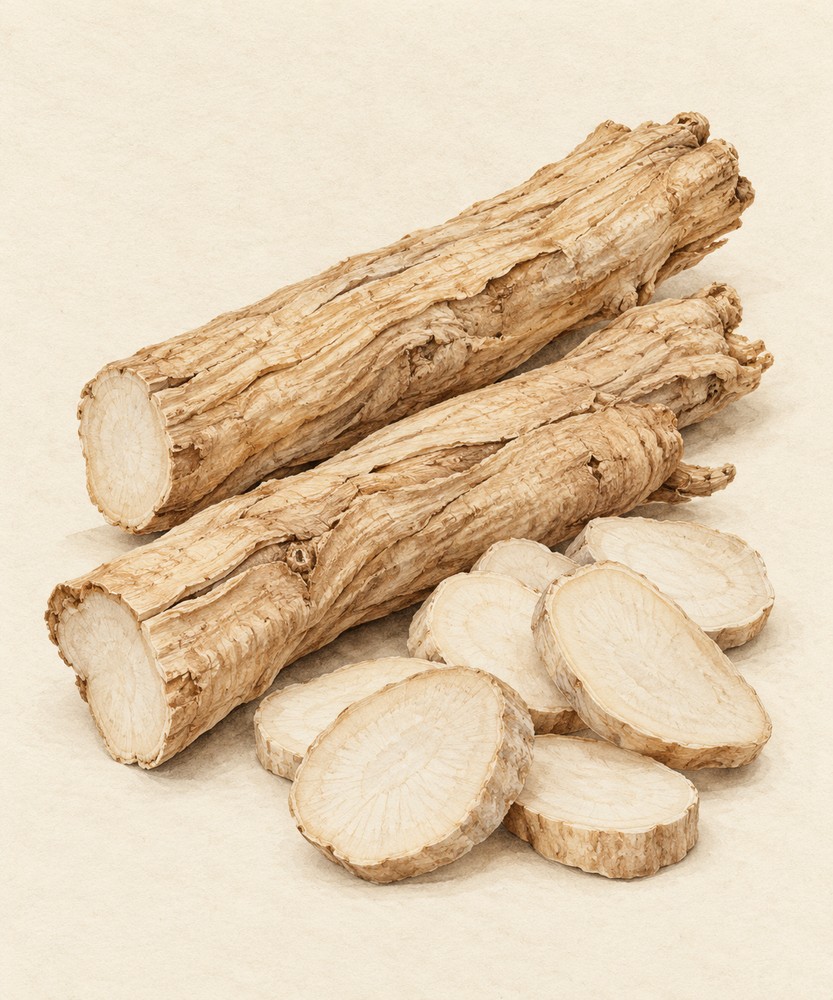
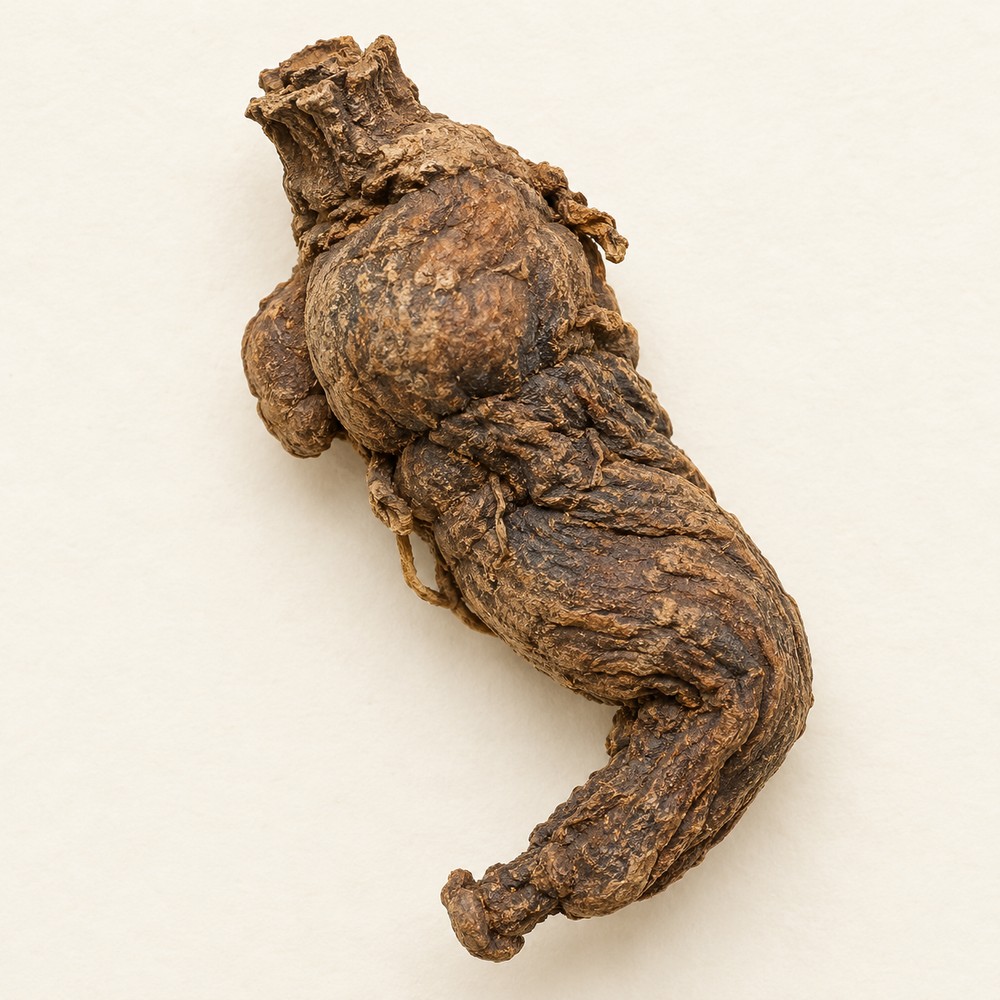
Source-recorded ratio / amounts: HKBU amounts in card order: Du Huo 9 g; each of the other 14 ingredients 6 g. Relative mass ratio 3:2:2:2:2:2:2:2:2:2:2:2:2:2:2. Historical converted formula, not a personal dose.
Caution: HKBU notes pattern-specific contraindications including some damp-heat patterns. Pregnancy, kidney/liver disease, medicines, or new pain require clinician/pharmacist review; do not self-decoct.
Open original formula record ↗FROM PLANT / SOURCE HABITAT TO DRIED MATERIAL · REFERENCE WORKFLOW
- Thu rễ theo mùa của cơ sở, loại đất và rễ hư; rửa nhanh.
- Harvest roots in the facility's seasonal window, remove soil and damaged parts, and wash promptly.
These are post-harvest study notes, not directions to prepare a remedy for self-treatment. Processing reference ↗
How to read formula amounts
Displayed amounts belong to the cited formula and source; they are not a general safe ratio, treatment dose, or home-decoction instruction. Do not transfer amounts to another formula or adjust them by body weight.