Gao Ben · Gao Ben
Ligusticum sinense Oliv. · Dried root and rhizome
Name and part used
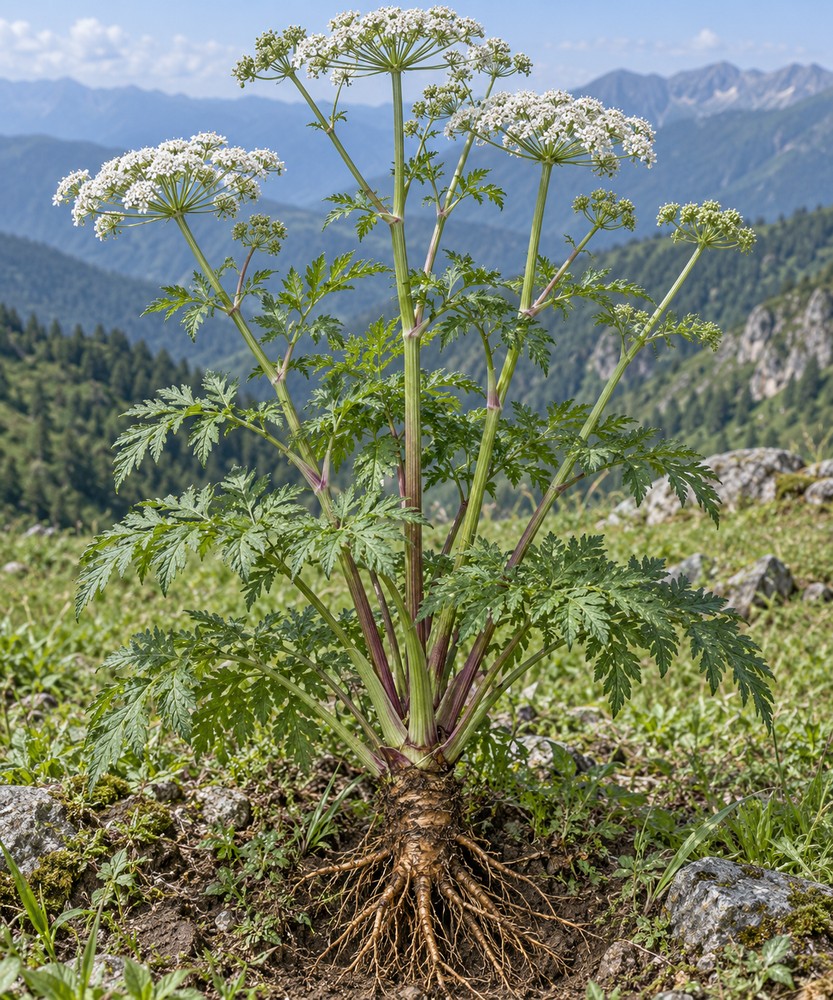
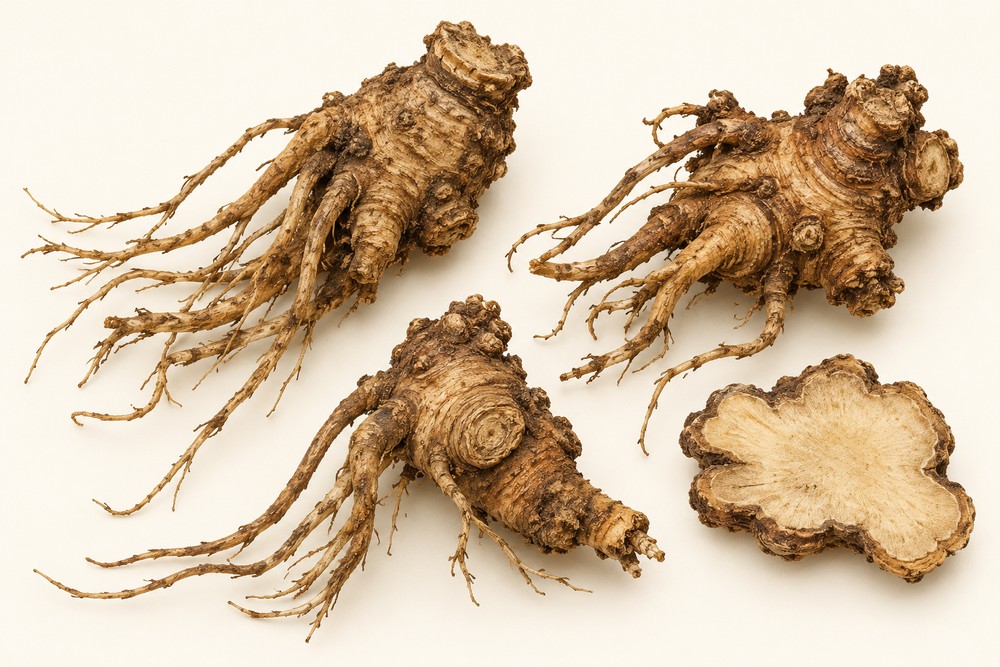
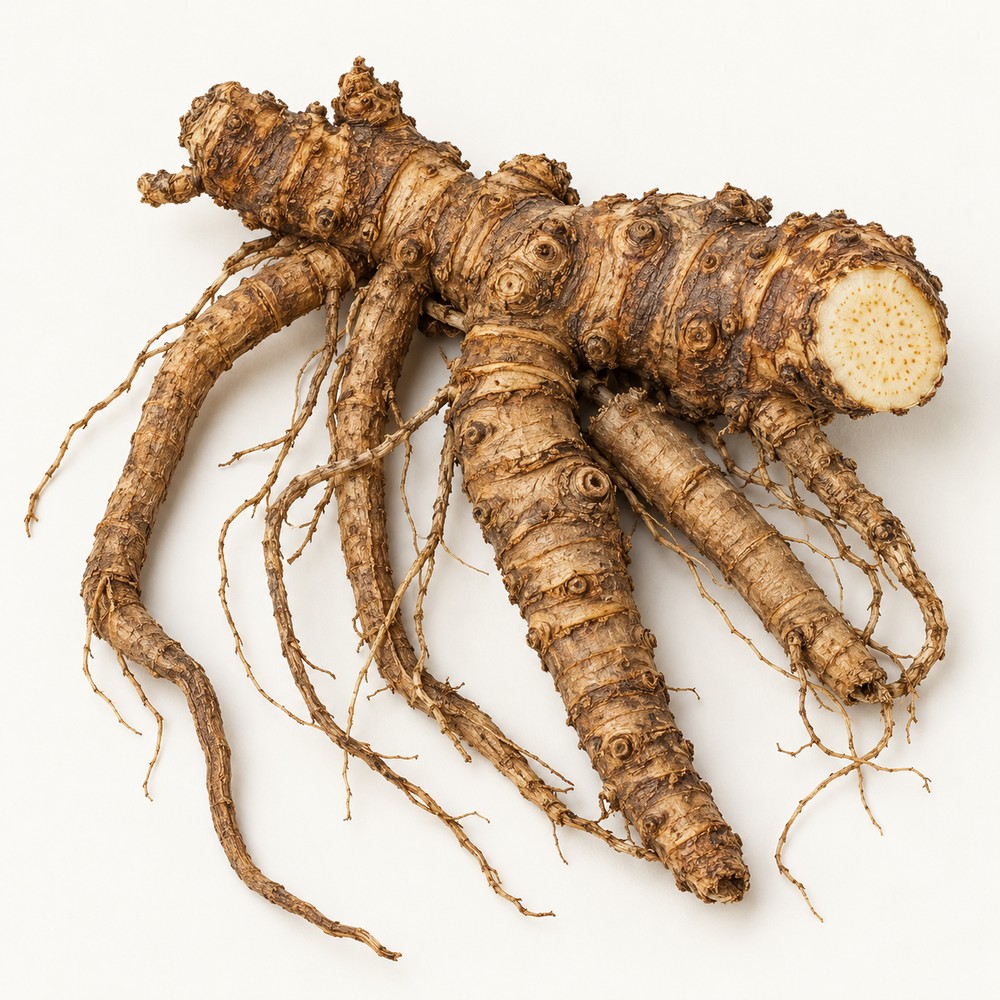
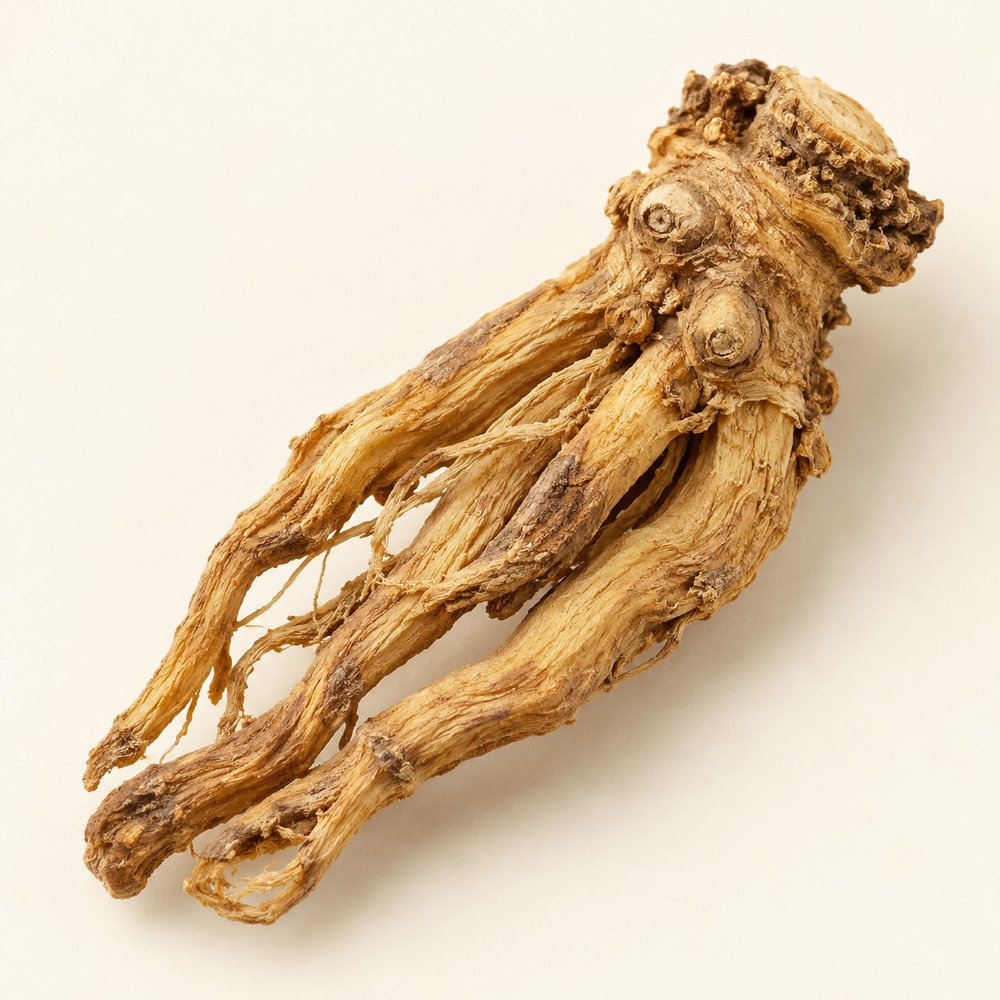
Gao Ben is the dried root and rhizome of Ligusticum sinense; some standards also recognize L. jeholense. This perennial Apiaceae plant has hollow stems, divided leaves, and white umbels. Dried material is aromatic, with rhizome and roots; identity requires material features, not merely the common name “lovage.” This AI plant image illustrates L. sinense, not every accepted source species.
Traditional context
Traditional sources describe acrid, bitter, warm properties for pattern-based wind-cold, dampness, and vertex headache. This does not prove treatment of headache, colds, or joint pain.
Modern evidence
HKBU records the root/rhizome, morphology, harvest season, and habitat; these are identity/agronomy records, not clinical efficacy trials. Sudden severe headache, high fever, or weakness needs medical care.
Safety
Apiaceae substitution, allergy, and irritation are concerns. Do not forage wild umbellifers. Pregnancy, breastfeeding, chronic conditions, or prescription medicines require professional review before concentrated products.
Pairing in reference texts
Gao Ben appears in Qiang Huo Sheng Shi Tang with Qiang Huo 6 g, Du Huo 6 g, Fang Feng 3 g, honey-prepared licorice 3 g, Man Jing Zi 2 g, and Chuan Xiong. Chinese source gives Gao Ben 3 g; English HKBU differs on Chuan Xiong. This historical formula is not self-dosing advice.
Growth and habitat
Ligusticum sinense occurs in cooler mountain/upland meadows and forest margins with moist but drained soils; HKBU records distribution in China. Cultivate in mild sun to partial shade, cool conditions, deep humus-rich soil, and no waterlogging.
Growing, care, and harvest timing
The profile above includes sourced steps and a documented harvest window. Harvest timing is agronomic information, not a self-use instruction.
Growing and care
- Use labeled Ligusticum nursery stock; do not dig wild plants.
- Use drained soil in sun to partial shade and avoid prolonged waterlogging.
- Water when the surface begins drying during establishment; weed and mulch lightly.
- Monitor fungi/root rot after rain; avoid unverified pesticide residues on medicinal crops.
- Record species, stock source, and season; have an expert distinguish similar Apiaceae.
- HKBU records digging after foliage withers in autumn or at spring emergence; this is a source harvest window, not a universal age for every region.
How long until harvest? HKBU records harvest after autumn foliage withers or at spring emergence. Cultivation age varies by stock and region; do not infer a fixed number of years.
Documented formula pairing: Qiang Huo Sheng Shi Tang
HKBU records traditional actions for a pattern-diagnosed presentation; not self-decoction or pain-treatment advice.
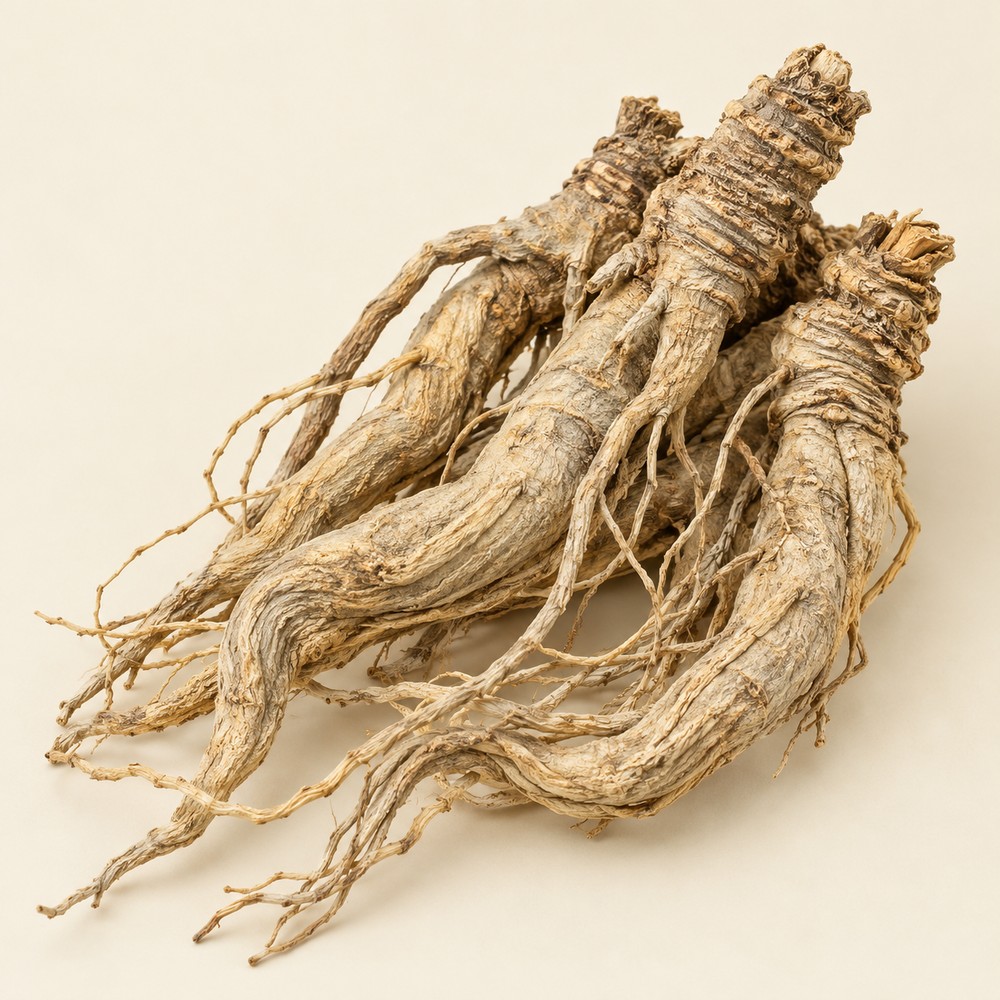
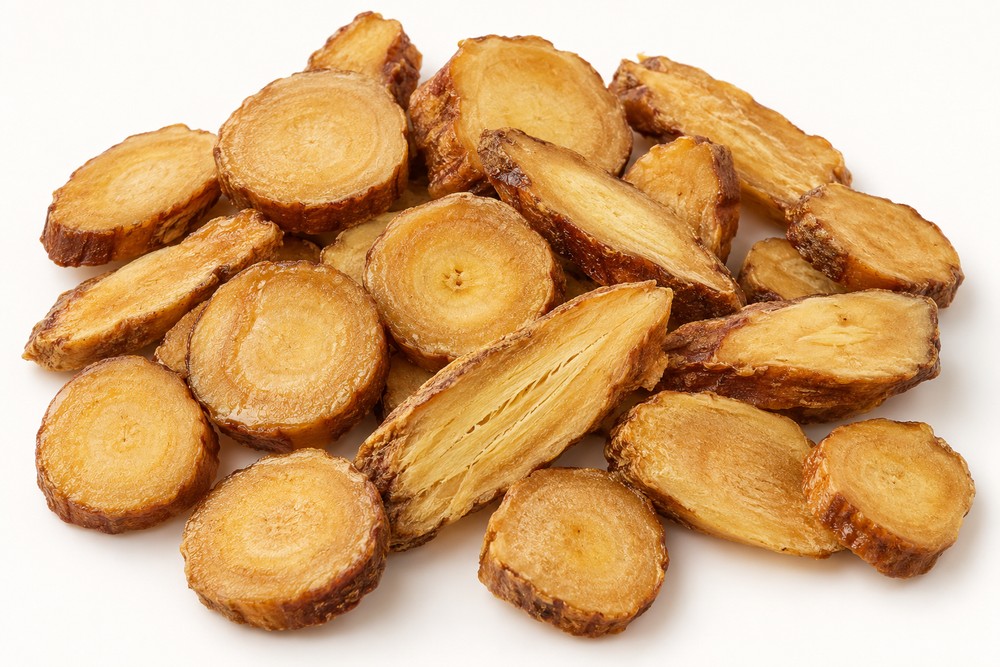
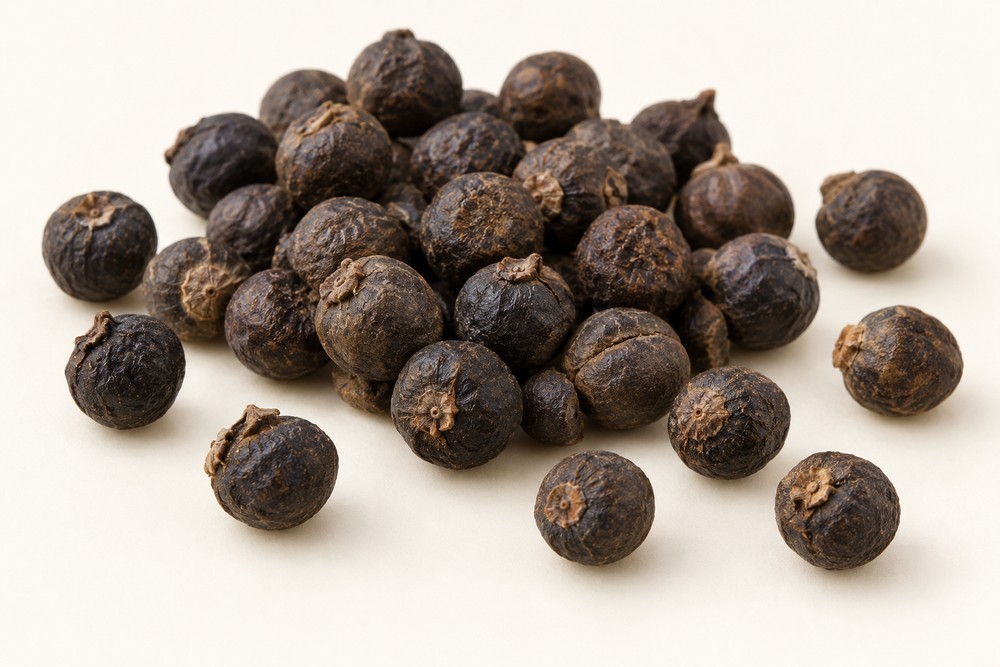
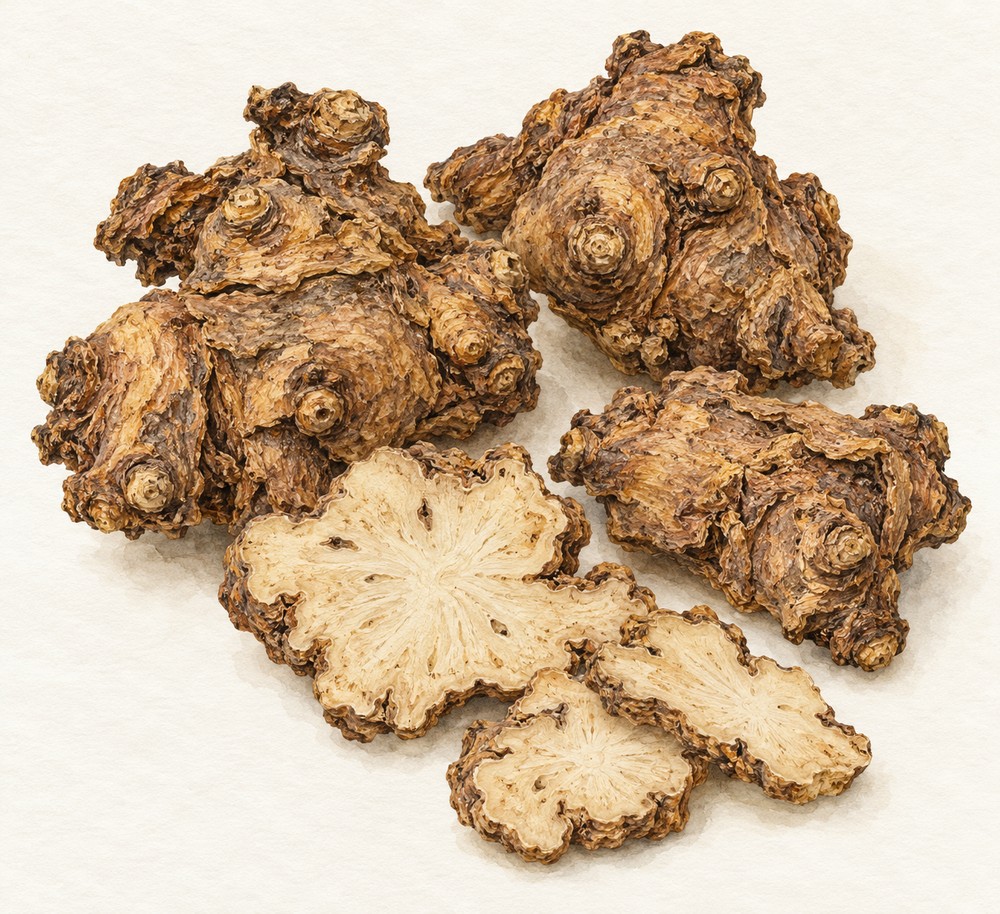
Source-recorded amounts: Chinese source lists 6:6:3:3:3:2:1.5 g in this order. HKBU English differs on Chuan Xiong; this is a source discrepancy, not personal dosing.
Caution: A historical formula does not assess conditions, medicines, or batch quality. Do not self-use for chest pain, severe fever, or weakness.
Open formula record ↗Documented toxic incompatibility
Reviewed sources do not confirm a specific toxic pair; this gap does not prove universal safety. Species, plant part, processing, medicines, and conditions still require review.
FROM PLANT / SOURCE HABITAT TO DRIED MATERIAL · REFERENCE WORKFLOW
- After confirming the species and harvesting in the recorded season, shake off soil, remove debris, rinse briefly, slice as specified by the materia-medica standard, dry under controlled conditions, sort, and store sealed and dry. Never process unidentified wild Apiaceae.
These are post-harvest study notes, not directions to prepare a remedy for self-treatment. Processing reference ↗
How to read formula amounts
Displayed amounts belong to the cited formula and source; they are not a general safe ratio, treatment dose, or home-decoction instruction. Do not transfer amounts to another formula or adjust them by body weight.