Safflower · Hong Hua
Carthamus tinctorius L. · Dried tubular florets
Name and part used
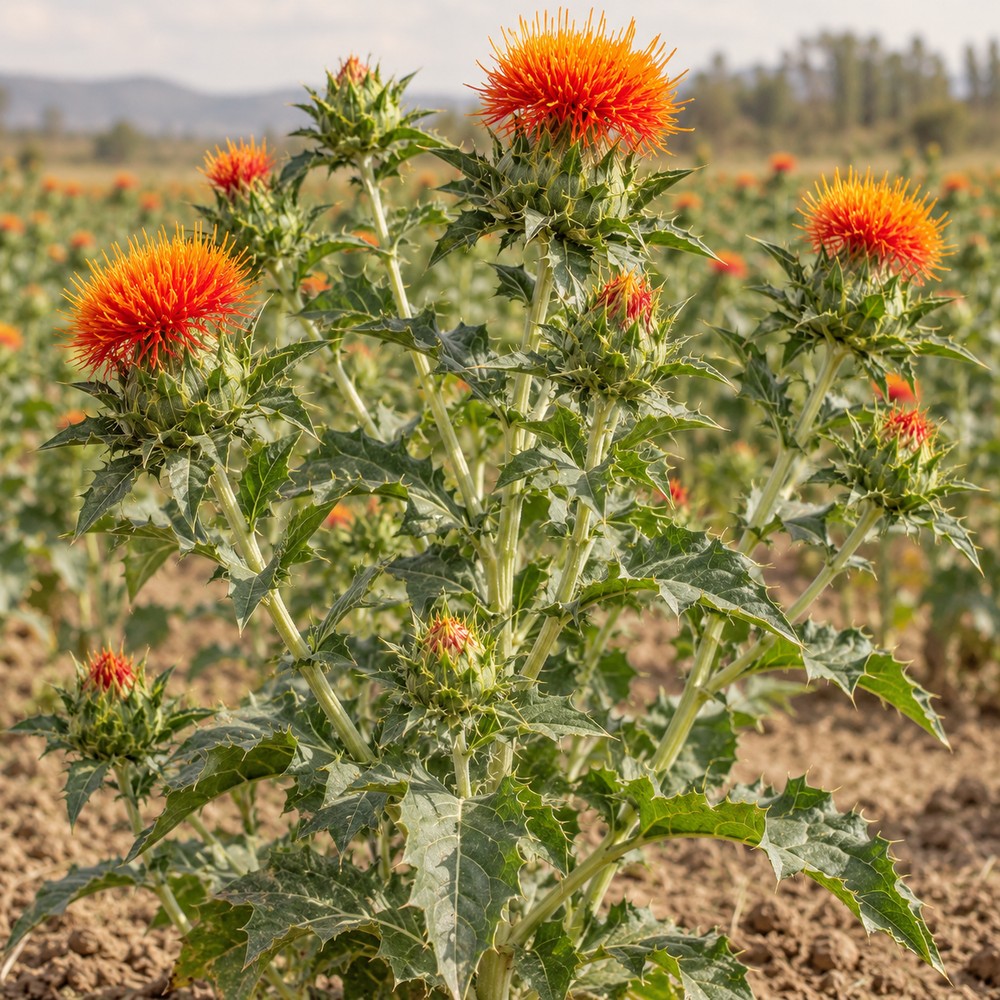
An annual herb with stiff spiny-edged leaves and terminal flower heads that shift from yellow to orange-red. The materia medica is the flower, not the oilseed.
Traditional context
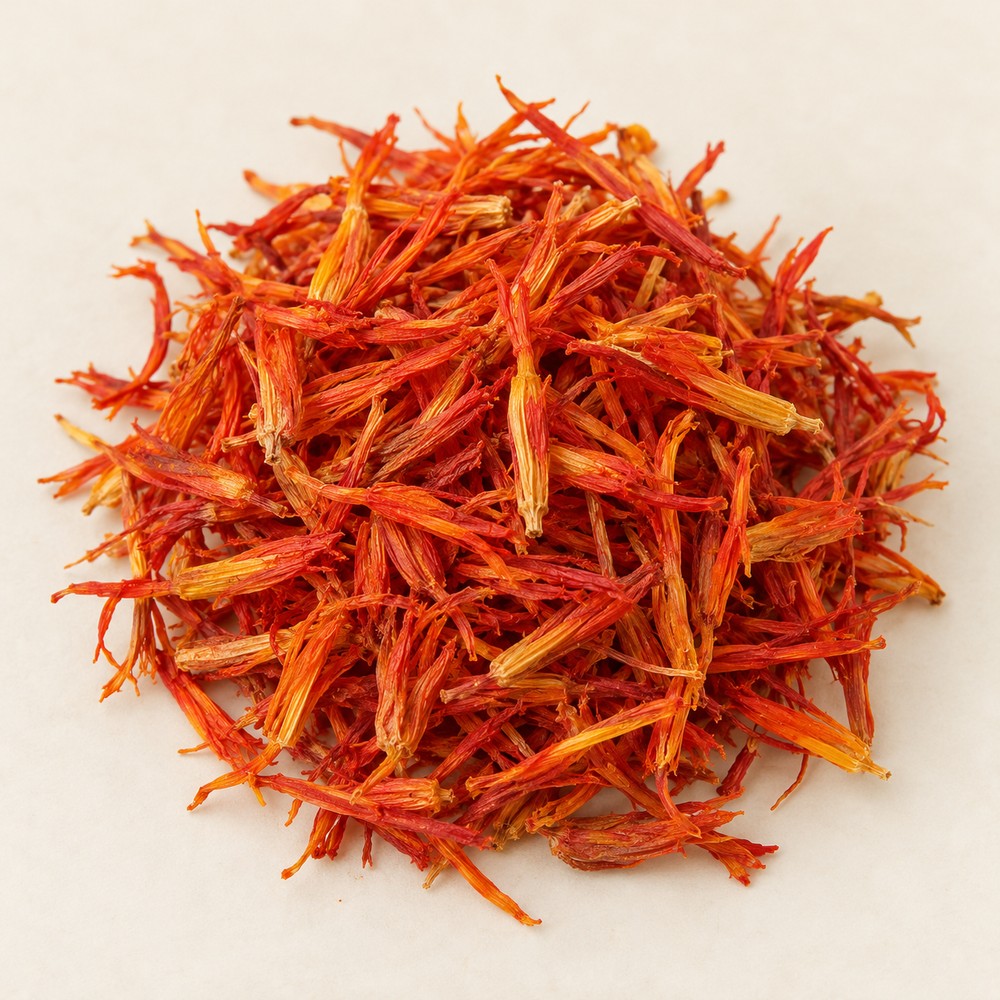
HKBU describes the drug as dried flowers of Carthamus tinctorius, collected as florets change from yellow to red; tubular florets are reddish-yellow, soft, and faintly scented.
Modern evidence
Blood-moving, channel-unblocking, and pain-relieving are traditional claims; they do not establish treatment for clots, heart disease, or menstrual disorders.
Safety
Bleeding risk may increase with anticoagulants or antiplatelets; avoid self-use in pregnancy or unexplained bleeding. Ask a clinician or pharmacist.
Pairing in reference texts
Hong Hua occurs in traditional blood-regulating formulas; pairing depends on traditional assessment and may conflict with modern medicines. Do not self-combine to treat pain or menstrual symptoms.
Growing, care, and harvest timing
HKBU habitat record: Growing in warm and dry weather; cold-, drought- and salinity- resistant. Widely cultivated in Northeast, North and Northwest China, Shandong, Zhejiang, Guizhou, Sichuan, Tibet and etc. The medicinal materials are produced in Yanjin and Fengqiu of Henan, Zhejiang Cixi and Yuyao of Zhejiang, Jianyang and Suining of Sichuan. Mass cultivated in Sichuan and Henan Harvest and processing as recorded: Flowering starts from late May, and bloom in Late May to mid- and late June. Picked in batches. Harvested at 6-8 a.m. on sunny days. Harvested when tubular flowers fully developed and become golden color. Or tubular flowers will wither and become red-black, of low quality and quantity. Dried or dried in 40℃-60℃
Source-recorded harvest/processing: Flowering starts from late May, and bloom in Late May to mid- and late June. Picked in batches. Harvested at 6-8 a.m. on sunny days. Harvested when tubular flowers fully developed and become golden color. Or tubular flowers will wither and become red-black, of low quality and quantity. Dried or dried in 40℃-60℃
The reviewed source does not provide a complete species-specific sowing/growing routine, irrigation/fertilization schedule, or universal plant age. The page therefore does not infer care instructions or years to harvest; consult local cultivation guidance.
Open habitat and season source ↗FROM PLANT / SOURCE HABITAT TO DRIED MATERIAL · REFERENCE WORKFLOW
- Cultivate or source authenticated Carthamus tinctorius; use protection against spiny leaves and avoid mixed flowers.
- Collect flower heads as florets change from yellow to red, as recorded by HKBU.
- Separate tubular florets from debris and dry under controlled sun-drying or shade/low-heat conditions until dry yet pliable.
- Remove stems, insects, and discolored florets; store sealed away from moisture and strong light.
These are post-harvest study notes, not directions to prepare a remedy for self-treatment. Processing reference ↗
How to read formula amounts
Displayed amounts belong to the cited formula and source; they are not a general safe ratio, treatment dose, or home-decoction instruction. Do not transfer amounts to another formula or adjust them by body weight.
Habitat, season, and harvest in the HKBU botanical record
HKBU botanical record (translated summary): Flowering and fruiting dates: Flowering: May to August. Fruiting: May to August Habitat and distribution: Growing in warm and dry weather; cold-, drought- and salinity- resistant. Widely cultivated in Northeast, North and Northwest China, Shandong, Zhejiang, Guizhou, Sichuan, Tibet and etc. The medicinal materials are produced in Yanjin and Fengqiu of Henan, Zhejiang Cixi and Yuyao of Zhejiang, Jianyang and Suining of Sichuan. Mass cultivated in Sichuan and Henan Harvest and processing as recorded: Flowering starts from late May, and bloom in Late May to mid- and late June. Picked in batches. Harvested at 6-8 a.m. on sunny days. Harvested when tubular flowers fully developed and become golden color. Or tubular flowers will wither and become red-black, of low quality and quantity. Dried or dried in 40℃-60℃
Open botanical source ↗HKBU formula record containing this herb: Xue Fu Zhu Yu Tang / Blood Stasis-Expelling Decoction
Traditional action in the source: Invigorates blood, dissolves stasis, and moves qi to relieve pain
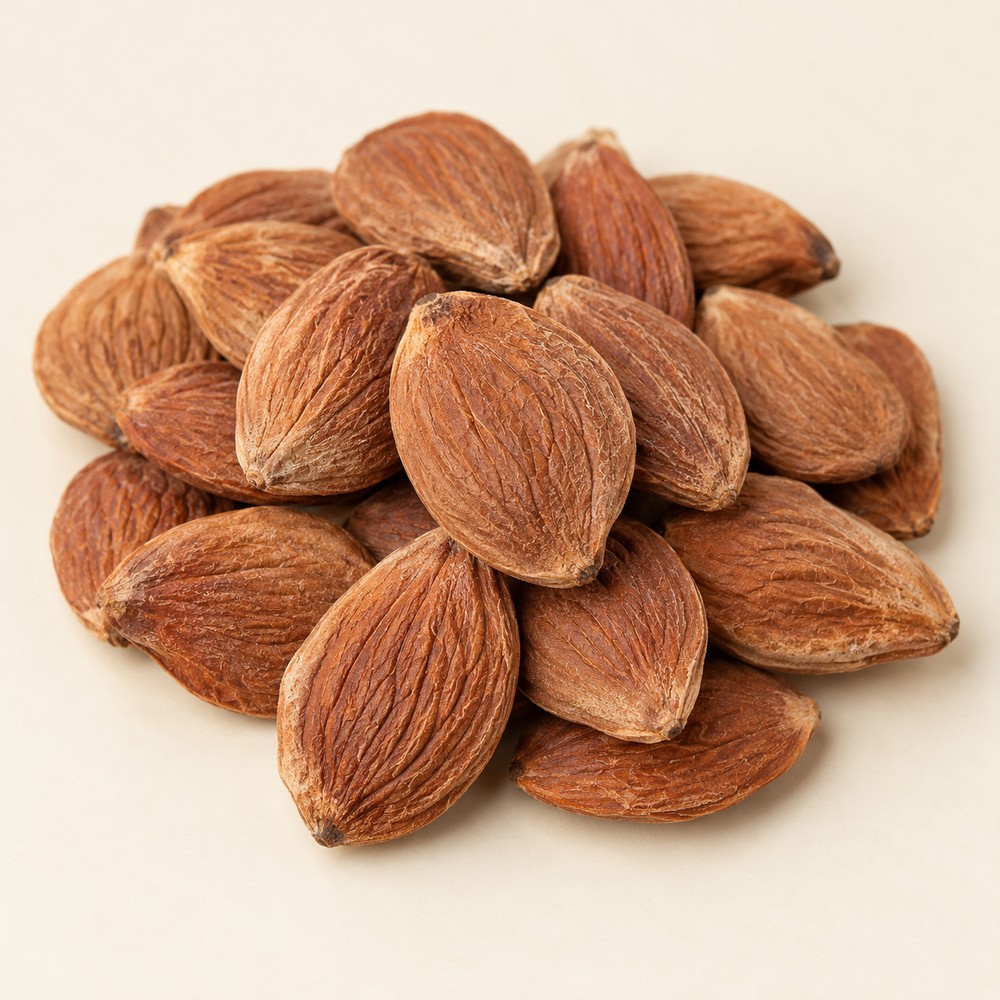
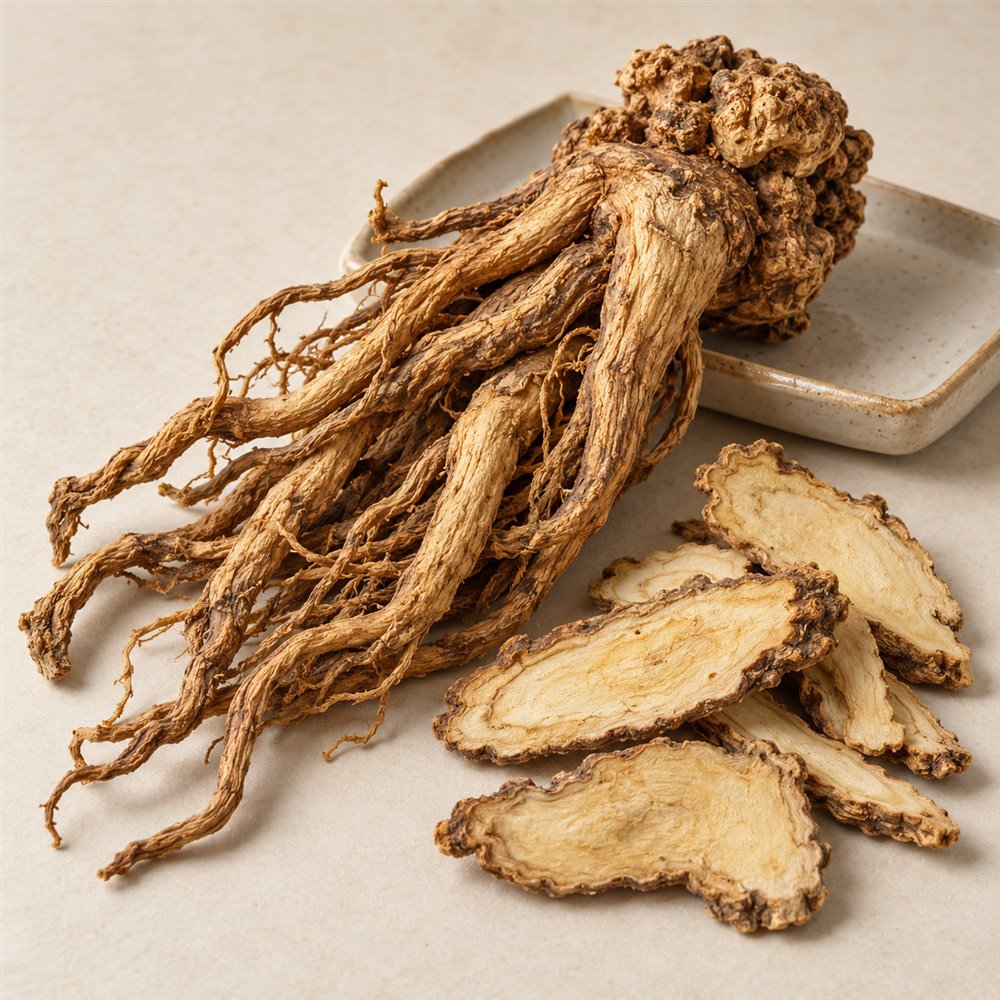
Ingredient images and source amounts are shown for comparison only; this is not a treatment recipe.
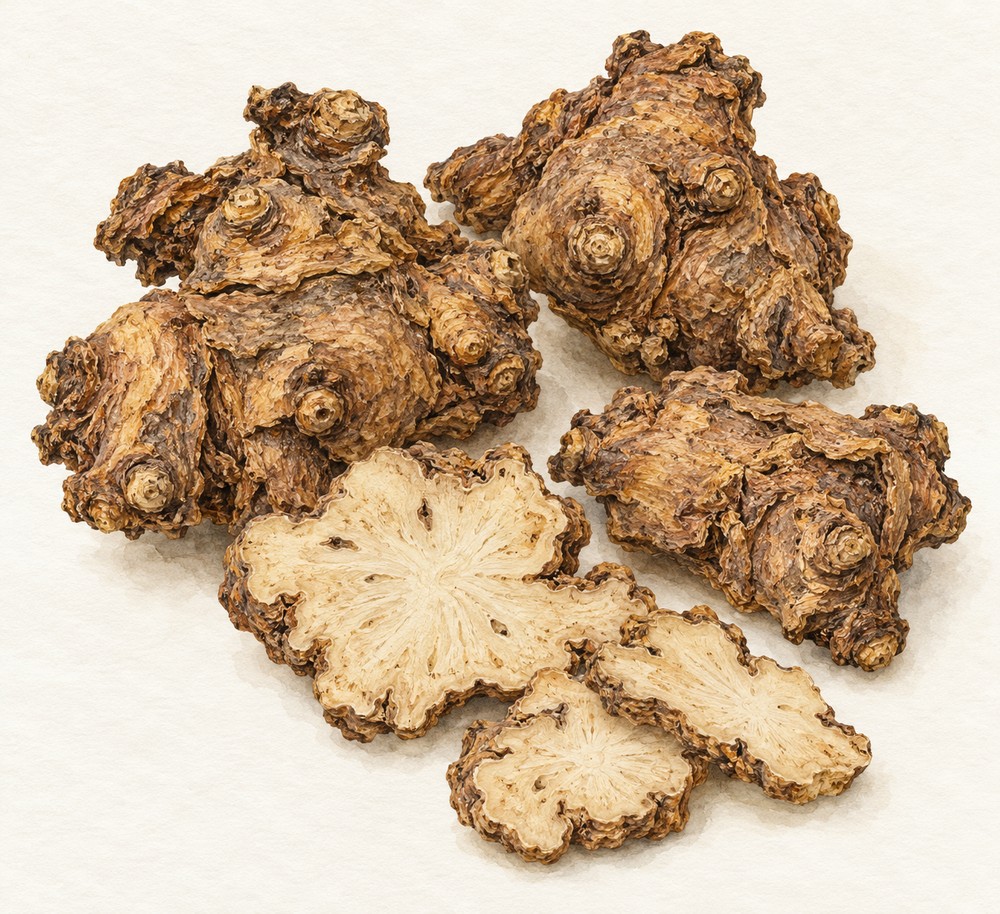
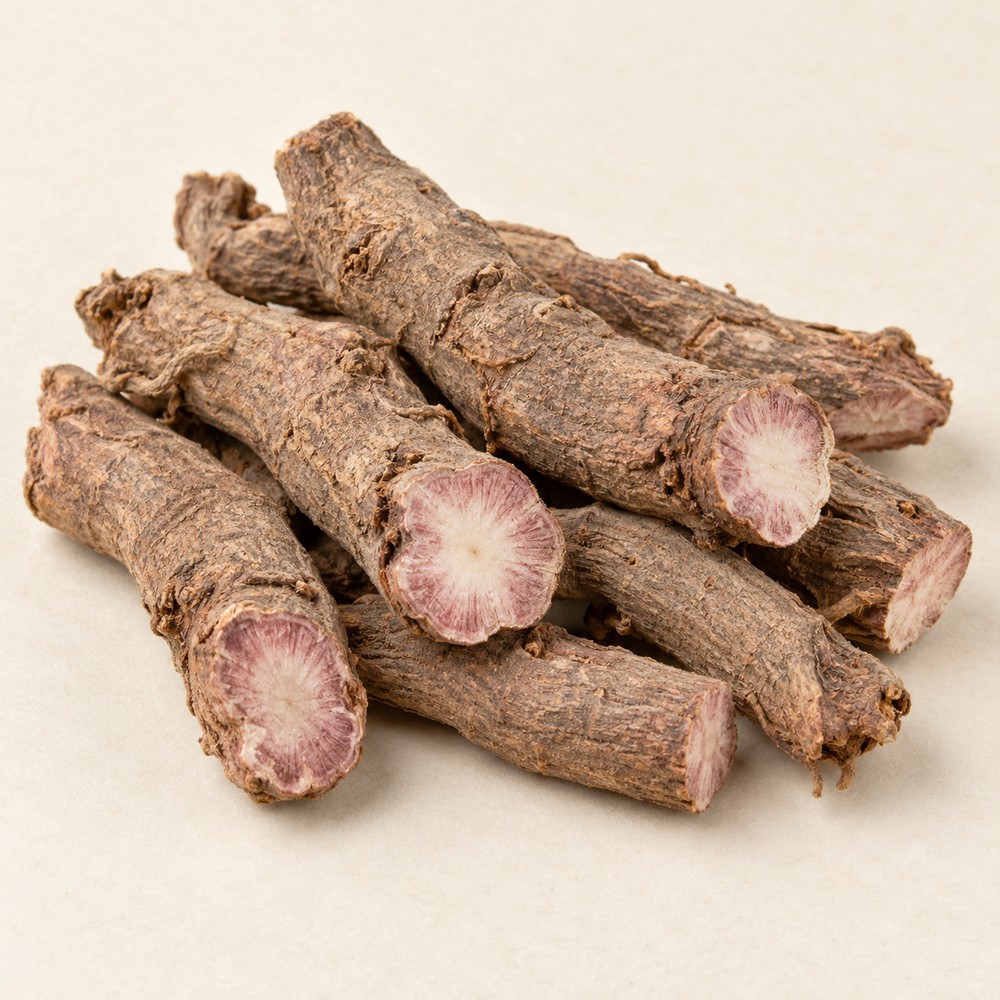
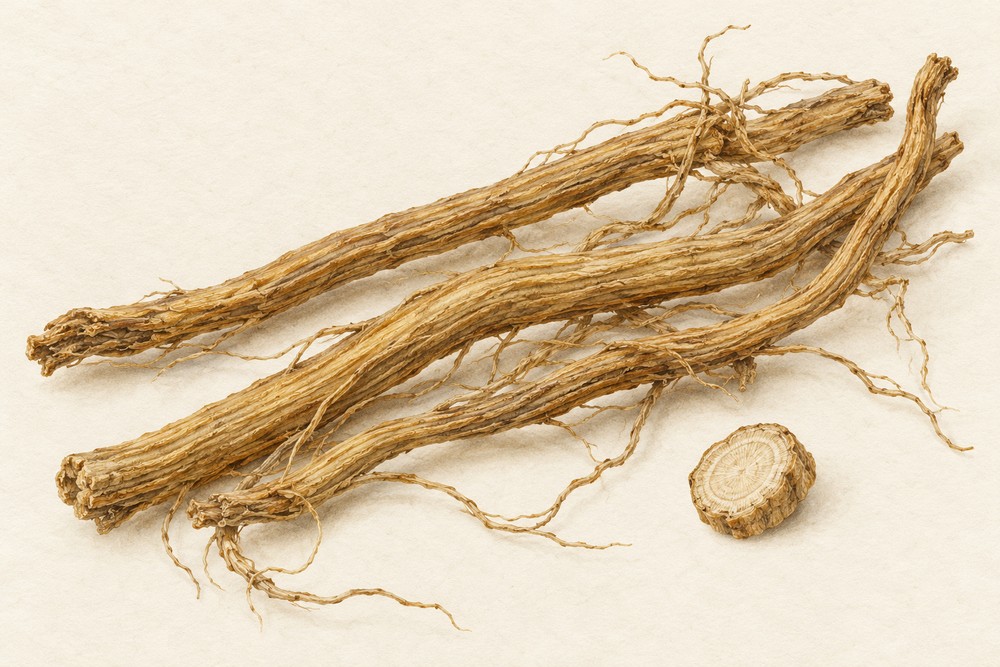
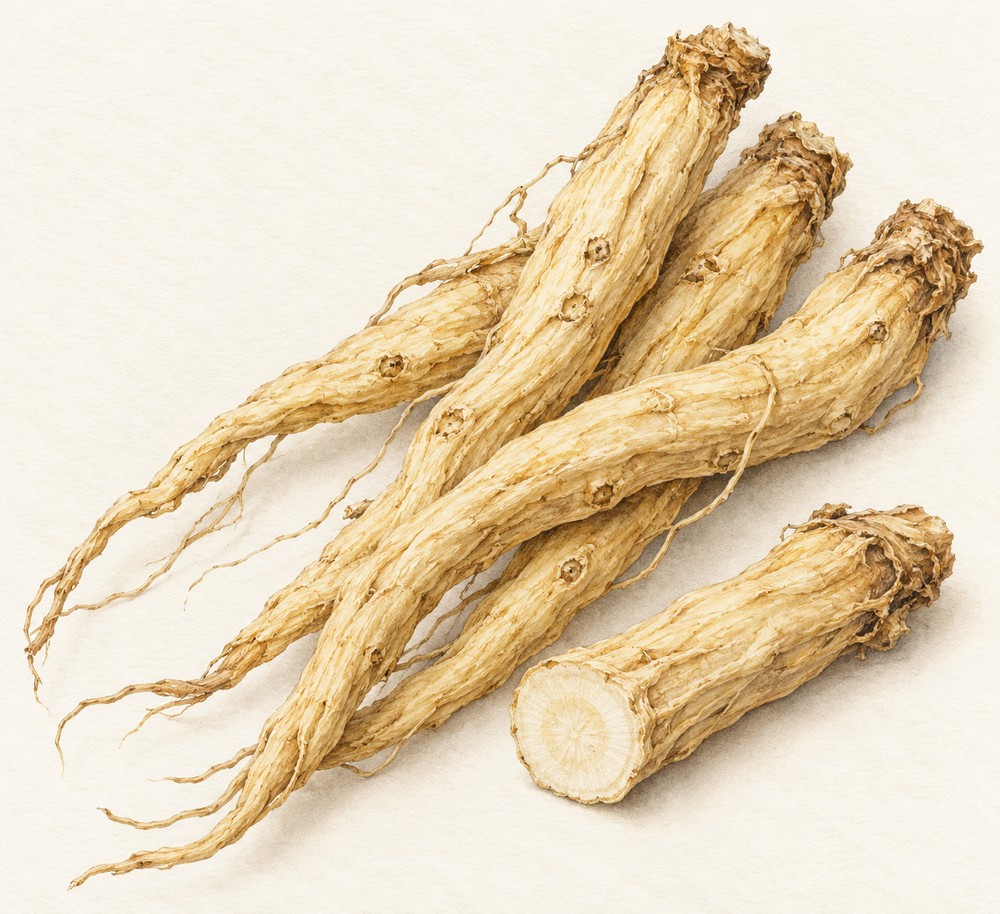
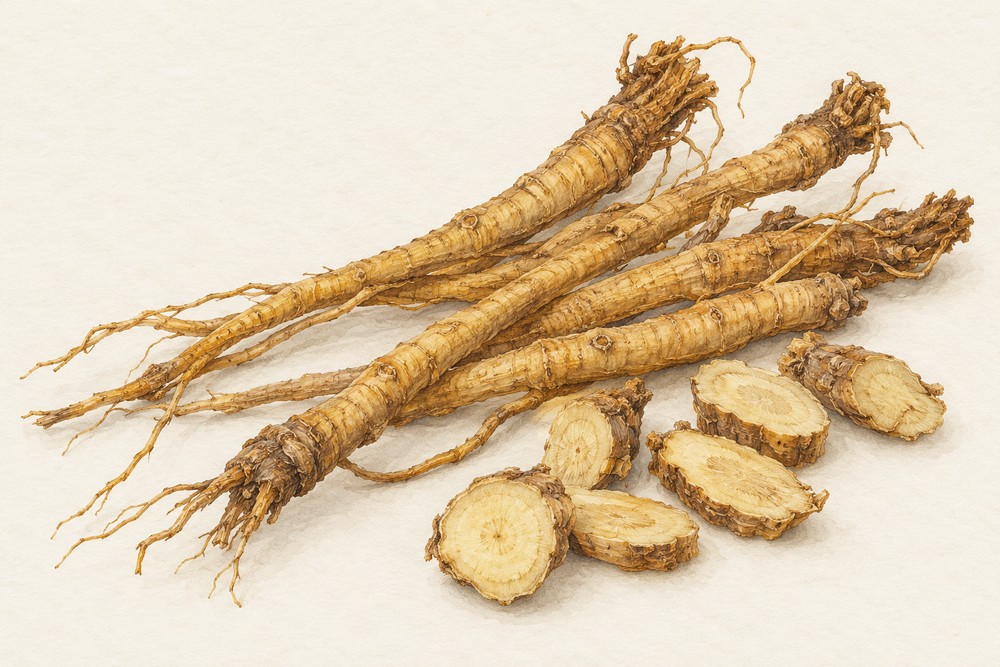
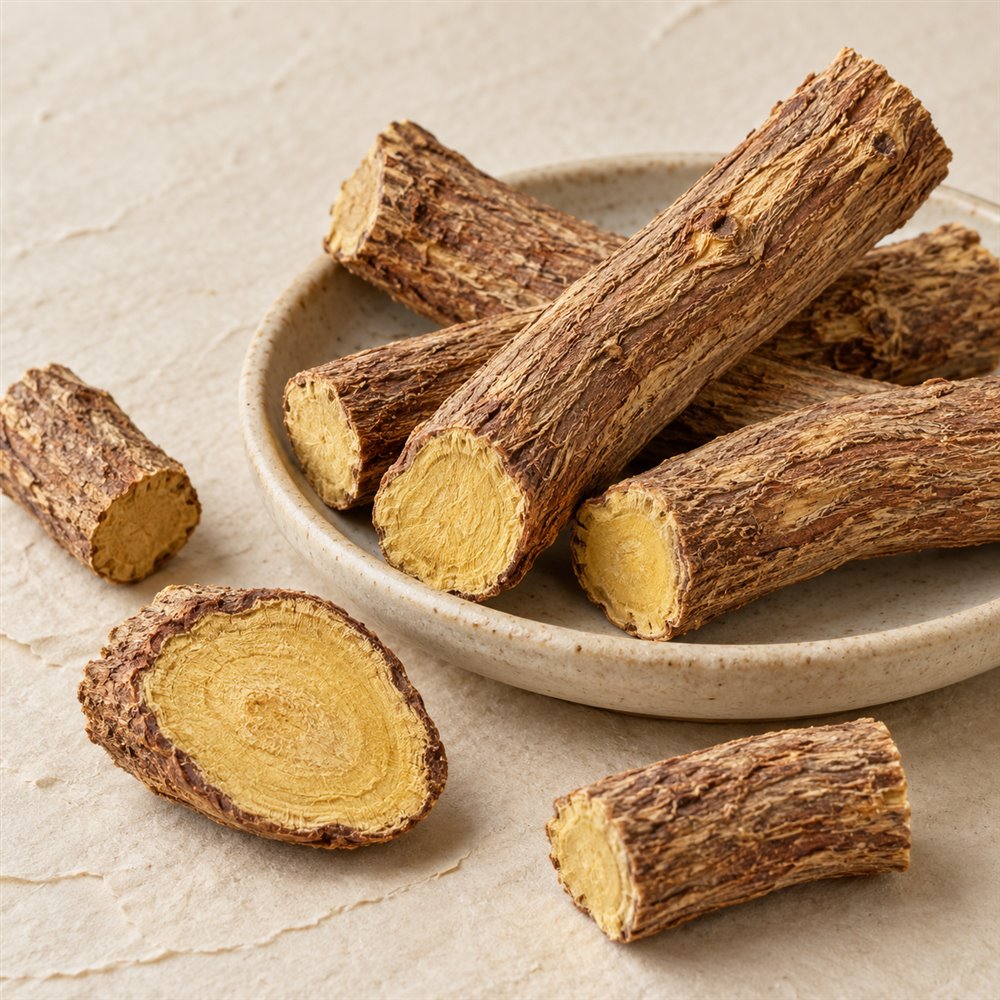
HKBU source-recorded composition
Persicae Semen(Tao Ren) 4 qian (12g),Carthami Flos (Hong Hua) 3 qian (9g), Angelicae Sinensis Radix (Dang Gui) 3 qian (9g), Rehmanniae Radix (Sheng Di) 3 qian (9g), Chuanxiong Rhizoma (Chuan Xiong) 1.5 qian (4.5g), Paeoniae Radix Rubra(Chi Shao) 2 qian (6g), Achyranthis Bidentatae Radix (Niu Xi) 3 qian (9g), Platycodonis Radix (Jie Geng) 1.5 qian (4.5g), Bupleuri Radix (Chai Hu) 1 qian (3g), Aurantii Fructus (Zhi Qiao) 2 qian (6g), Glycyrrhizae Radix et Rhizoma (Gan Cao) 2 qian (6g)
The ingredients and amounts below are one HKBU-recorded version; texts, historical units, processing, and modern products can differ. This is comparative reference data, not a home-preparation recipe or personal dose.
Open complete HKBU formula record ↗