Sichuan pepper pericarp · Hua Jiao
Zanthoxylum bungeanum Maxim. · Dried mature pericarp
Name and part used
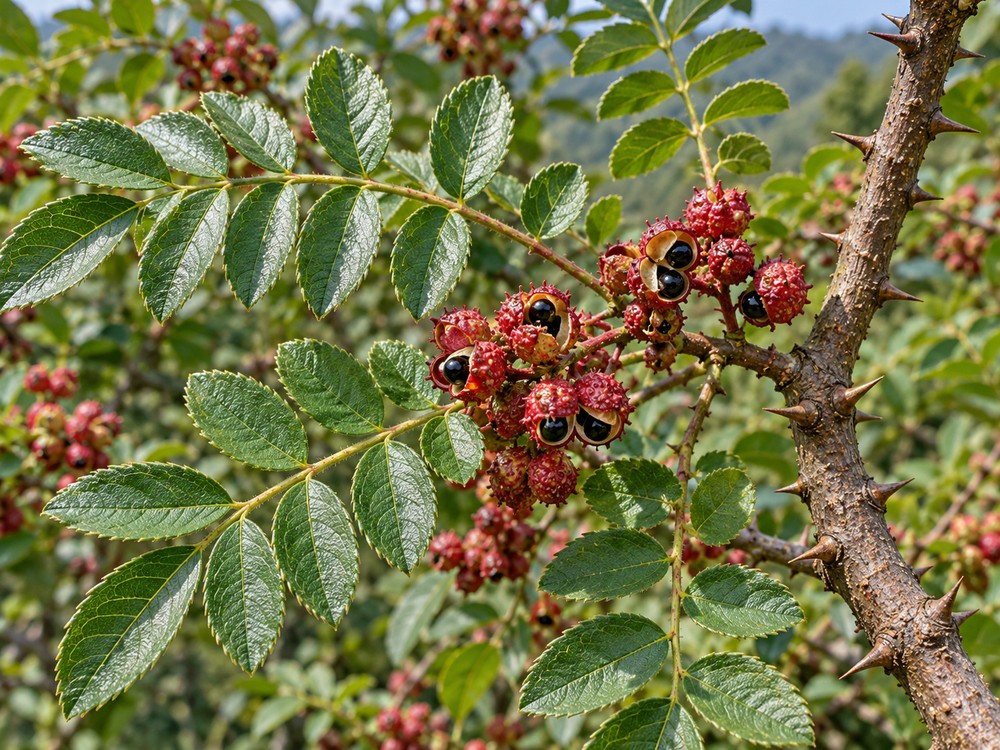
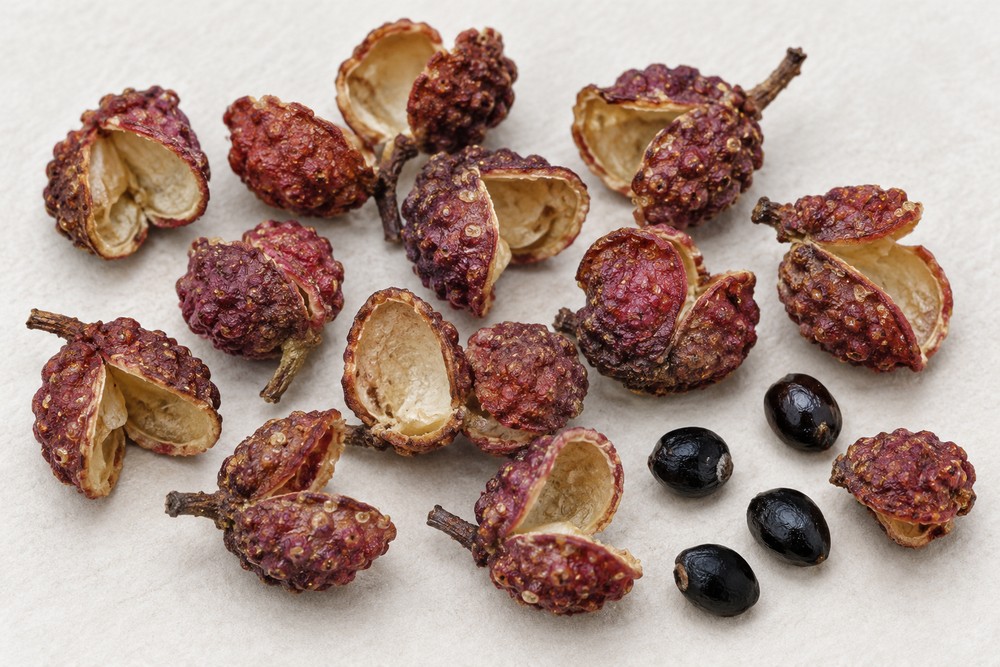
A thorny shrub or small tree has pinnate leaves with aromatic glands; ripe fruits split into paired red-purple follicles. The dried drug is the pericarp, with tiny oil dots and loose black seeds.
Traditional context
Warming the middle, relieving pain, and killing parasites are traditional descriptions. HKBU classifies unprocessed Hua Jiao as slightly toxic; culinary use does not make every dose or extract safe.
Modern evidence
HKBU describes the dried ripe pericarp of Zanthoxylum bungeanum, red-purple with raised oil glands and a numbing pungency. The black seed is ‘jiao mu’, a different part; images cannot distinguish Zanthoxylum species.
Safety
HKBU records slight toxicity in the raw material; concentrated oil/extract can irritate and may cause allergic, neurologic, or digestive effects. Use caution in pregnancy, children, liver disease, anticoagulant use, or before surgery; avoid neat oil.
Pairing in reference texts
Hua Jiao appears in the classical Wu Mei Wan with Mume, Asarum, dried ginger, Coptis, Dang Gui, processed Fu Zi, cinnamon twig, ginseng, and Phellodendron. HKBU records Hua Jiao at 4 liang amid historical units; the formula includes Fu Zi and Asarum and is not for self-use.
Growth and habitat
HKBU describes a shrub/small tree native to southwestern and southeastern China. A reliable cultivation source for exact years to bearing was not confirmed in this pass, so no first-harvest year is promised.
Growing, care, and harvest timing
The profile above includes sourced steps and a documented harvest window. Harvest timing is agronomic information, not a self-use instruction.
Identification and study notes
Điểm cần phân biệt bằng hình là bộ phận dùng: Hoa tiêu là vỏ quả chín phơi khô; hạt đen bên trong được ghi riêng là Tiêu mục. Các chấm tuyến dầu nổi và màu nâu đỏ là gợi ý học tập, nhưng không đủ phân biệt mọi loài Zanthoxylum hay xác thực ảnh AI. Hồ sơ Ngô mai hoàn là bài cổ nhiều vị, có Phụ tử chế và Tế tân, không phải công thức để tự làm. Không tách lượng Hoa tiêu khỏi ngữ cảnh công thức. Khi ghi mẫu, lưu loài, vỏ hay hạt, độ chín, vùng nguồn và dạng chế biến. Việc dùng tiêu Tứ Xuyên làm gia vị không xóa cảnh báo nguồn về độc tính của dược liệu Hoa tiêu.
Growing and care
- Start with labeled Zanthoxylum bungeanum stock; plant in sun, avoid waterlogging and damaging winds.
- Allow room for the canopy; water during establishment and prolonged drought and mulch with clean material.
- Prune for sanitation and inspect pests/disease; reject dirty or fermented fallen fruits.
- Harvest ripe red-purple fruits, dry with airflow, inspect for mold, and distinguish the pericarp from black seeds.
How long until harvest? No reliable time-to-bearing was verified in the sources accessed in this pass. Harvest requires mature trees and ripe fruits; timing depends on cultivar, climate, soil, and care.
Documented formula pairing: Wu Mei Wan
HKBU records this classical formula in the parasite category, combining warming and cooling ingredients in traditional theory; it is not a modern treatment for parasitic infection.
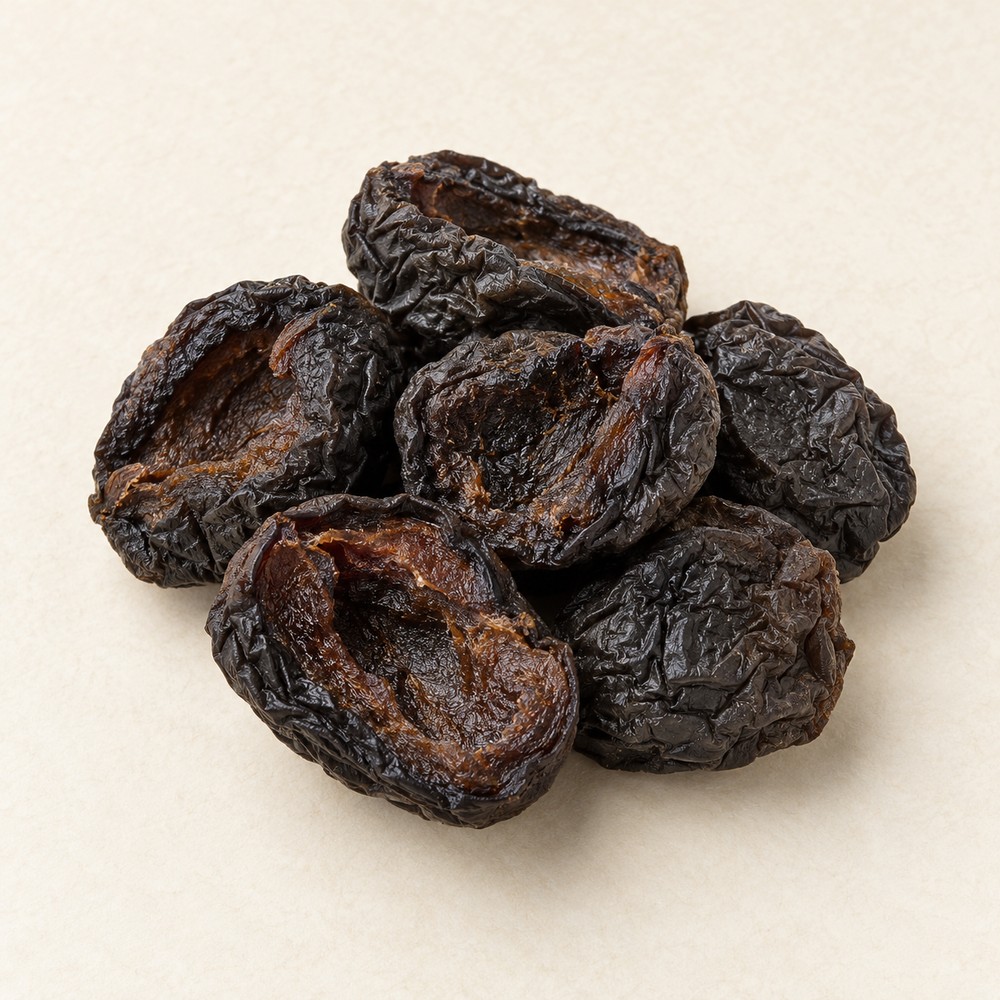
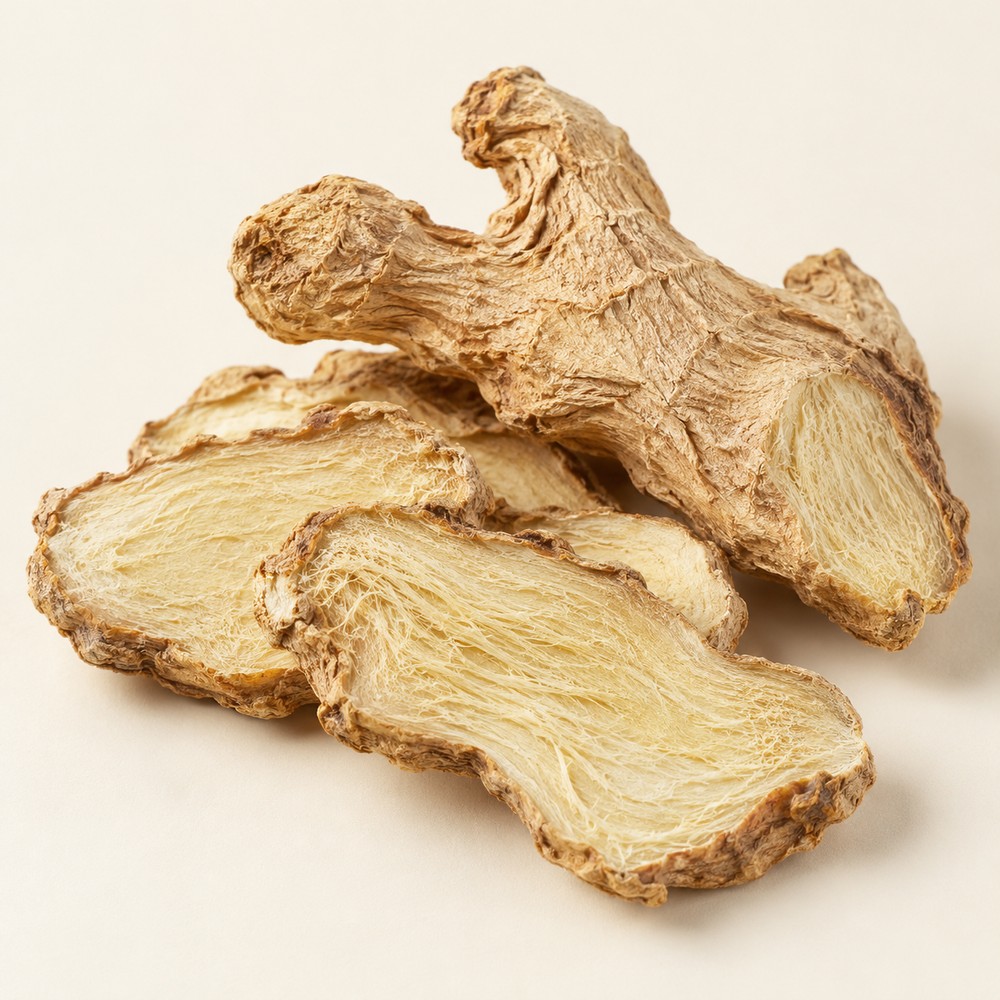
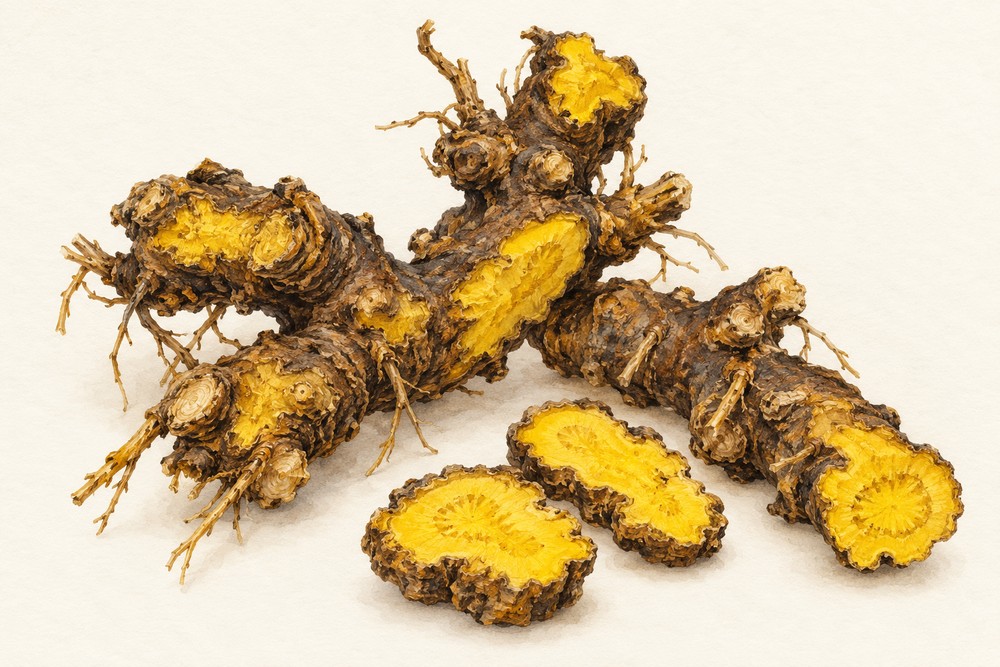
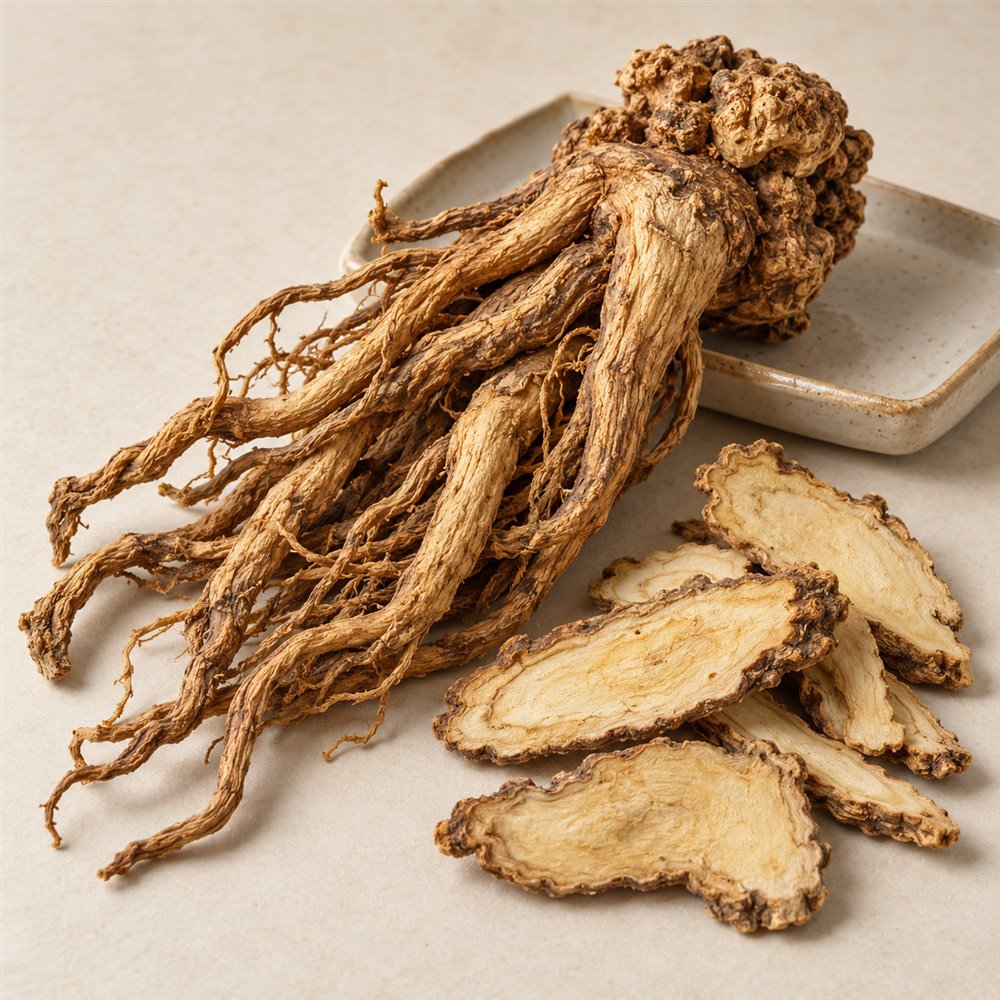
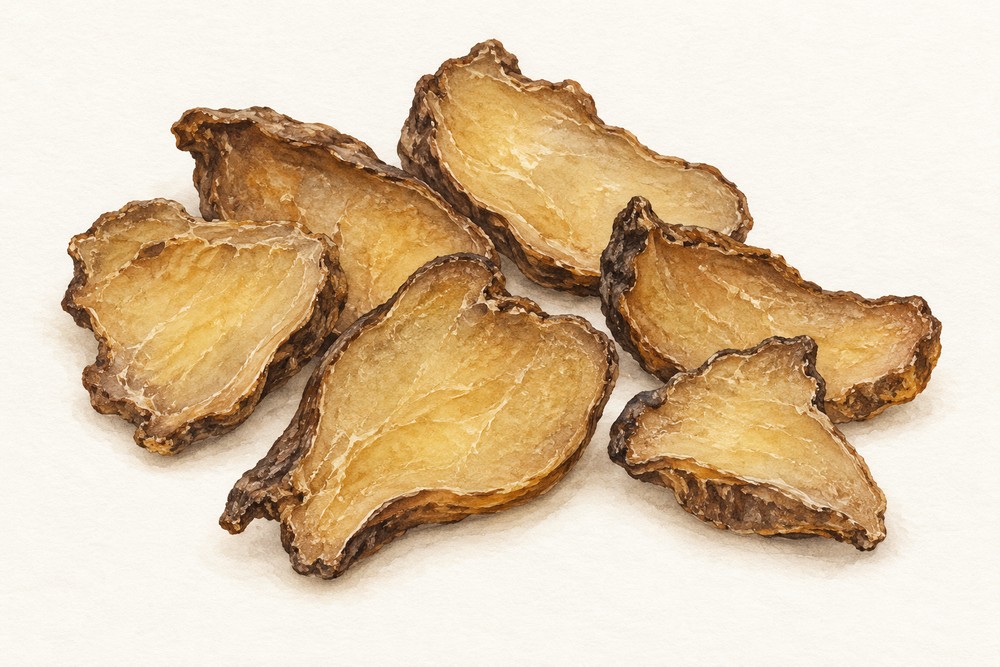
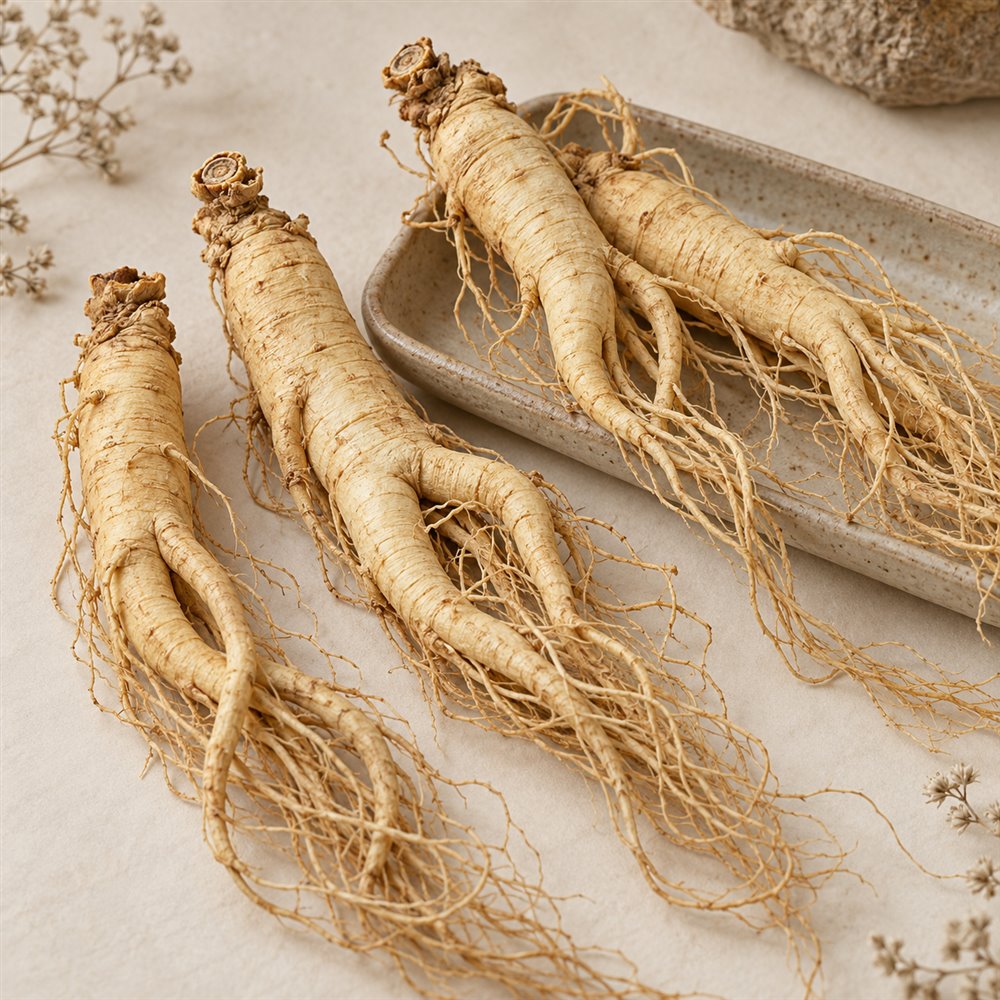
Source-recorded amounts: These are amounts in one classical version in HKBU (also containing cinnamon twig, Phellodendron, and Asarum); historical units and conversion have limits. Do not prepare or ingest from this table.
Caution: Fu Zi can cause severe cardiotoxicity if species or processing is wrong; Asarum also requires strict identity and quality controls. Abnormal heartbeat, perioral numbness, weakness/paralysis, or fainting is an emergency. Never self-use this formula.
Open formula record ↗Documented toxic incompatibility
HKBU calls raw Hua Jiao slightly toxic; evidence here does not justify assigning toxicity to one isolated pair. Wu Mei Wan is a complex formula containing processed Fu Zi and Asarum—risk depends on ingredients, processing, whole formula, and patient, not a rule that ‘Hua Jiao + X is always poison’.
FROM PLANT / SOURCE HABITAT TO DRIED MATERIAL · REFERENCE WORKFLOW
- Zanthoxylum bungeanum is a thorny shrub/tree suited to temperate and subtropical conditions; it needs light, drained soil, and space for its crown.
- Propagate with properly treated dormant seed or authenticated nursery stock; do not use seed or cuttings from unidentified trees.
- Plant seedlings permanently, irrigate during establishment and dry spells, prune dead wood, maintain airflow, and handle thorny branches carefully.
- Harvest ripe red-purple clusters separately and dry hygienically; separate seeds according to the materia medica standard and retain species/lot records.
These are post-harvest study notes, not directions to prepare a remedy for self-treatment. Processing reference ↗
How to read formula amounts
Displayed amounts belong to the cited formula and source; they are not a general safe ratio, treatment dose, or home-decoction instruction. Do not transfer amounts to another formula or adjust them by body weight.
HKBU formula record containing this herb: Wu Mei Wan / Mume Pill
Traditional action in the source: Calms roundworms and relieves pain
Ingredient images and source amounts are shown for comparison only; this is not a treatment recipe.
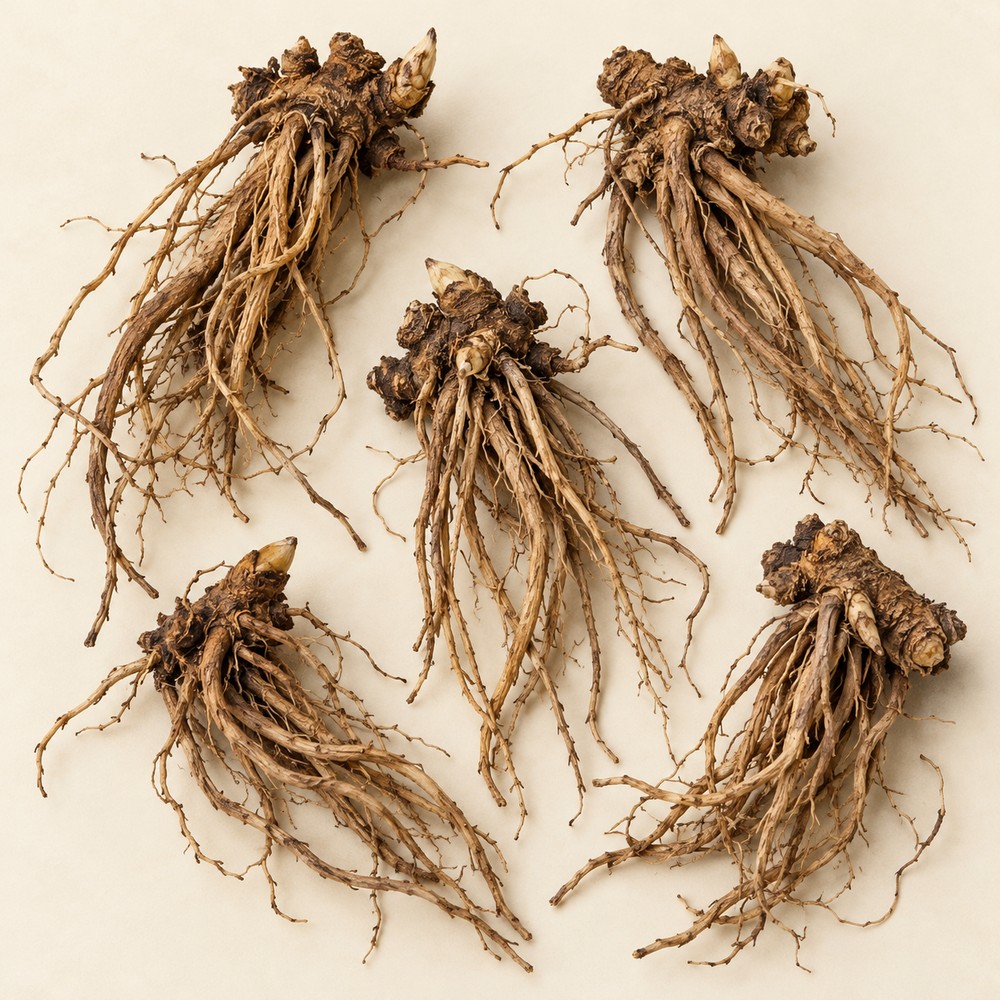
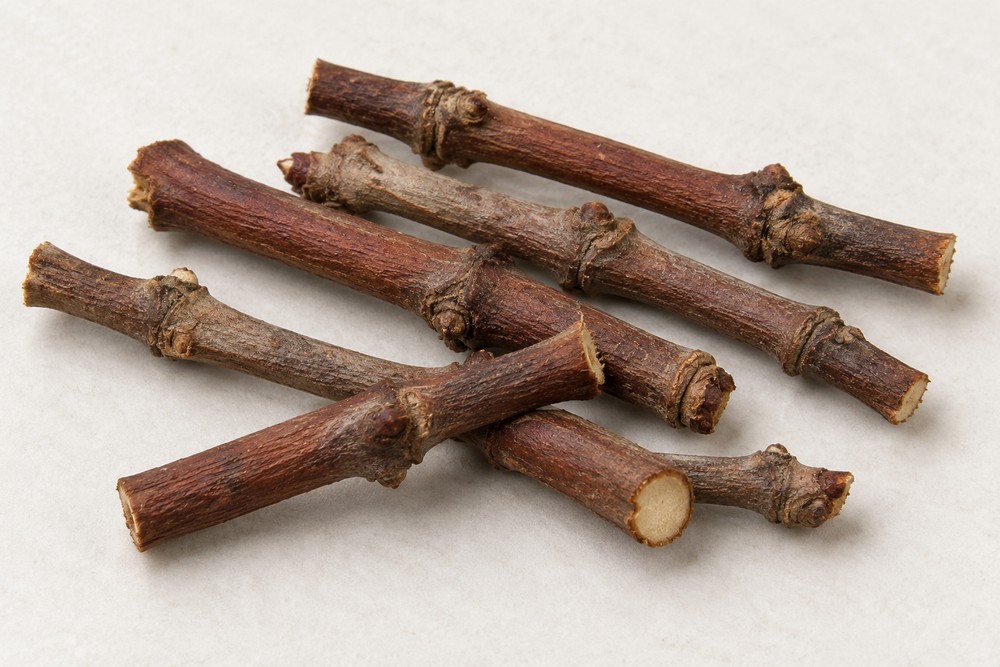
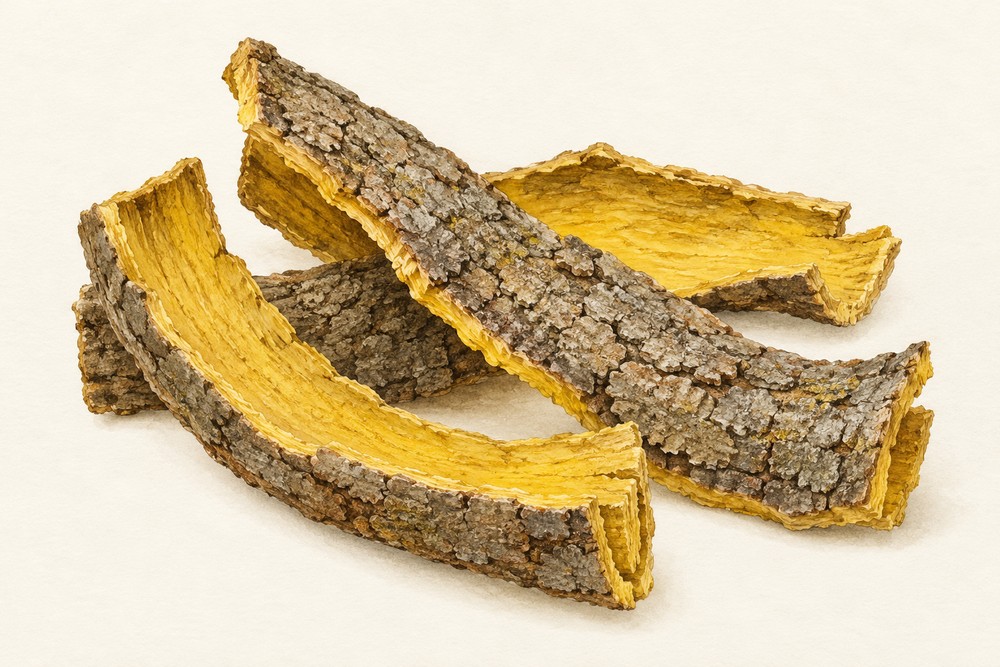
HKBU source-recorded composition
Mume Fructus (Wu Mei) 300 pieces (480g), Asari Radix et Rhizoma (Xi Xin) 6 liang (180g), Zingiberis Rhizoma (Gan Jiang) 10 liang (300g), Coptidis Rhizoma (Huang Lian) 16 liang (480g), Angelicae Sinensis Radix (Dang Gui) 4 liang (120g), Aconiti Lateralis Radix Praeparata(Zhi Fu Zi) 6 liang (180g), Zanthoxyli Pericarpium (Hua Jiao) 4 liang (120g), Cinnamomi Ramulus(Gui Zhi) 6 liang (3g), Ginseng Radix et Rhizoma(Ren Shen) 6 liang (180g), Phellodendri Chinensis Cortex (Huang Bai) 6 liang (180g)
The ingredients and amounts below are one HKBU-recorded version; texts, historical units, processing, and modern products can differ. This is comparative reference data, not a home-preparation recipe or personal dose.
Open complete HKBU formula record ↗