Hemp seed kernel · Huo Ma Ren
Cannabis sativa L. · Mature fruit kernel
Name and part used
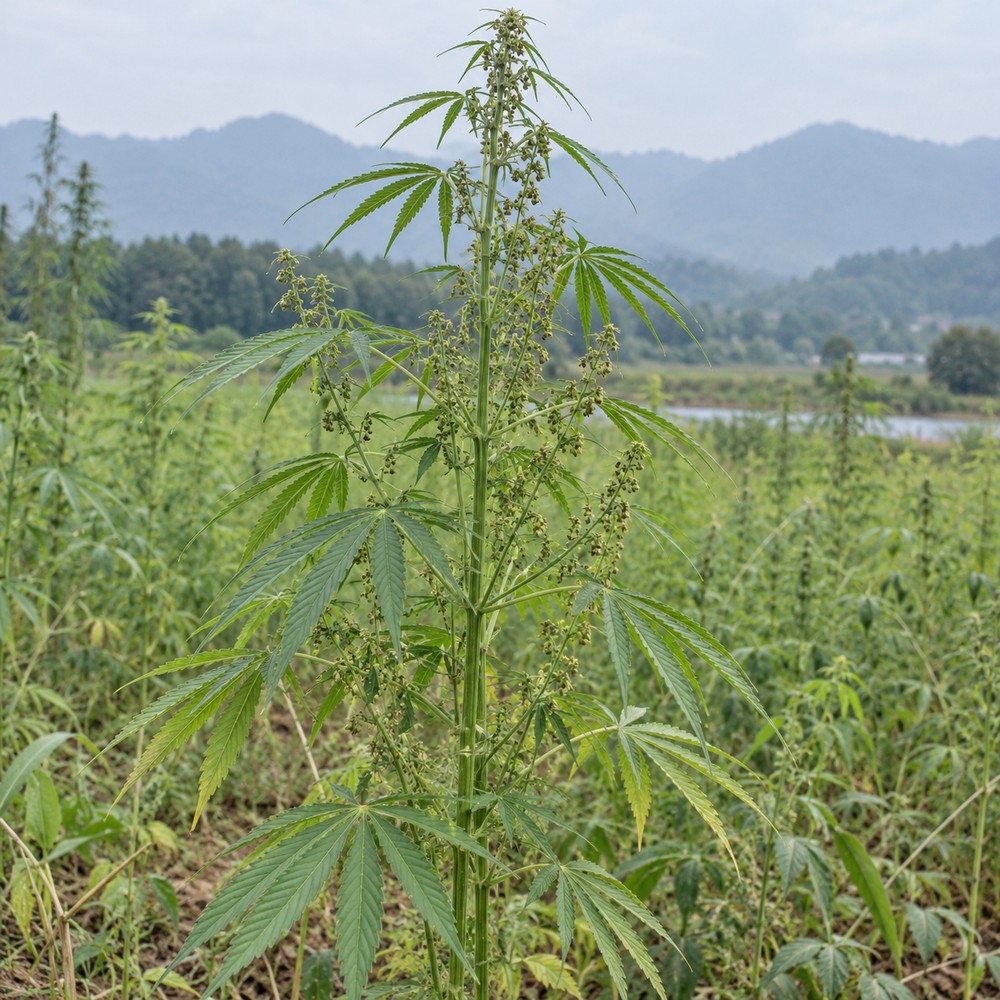
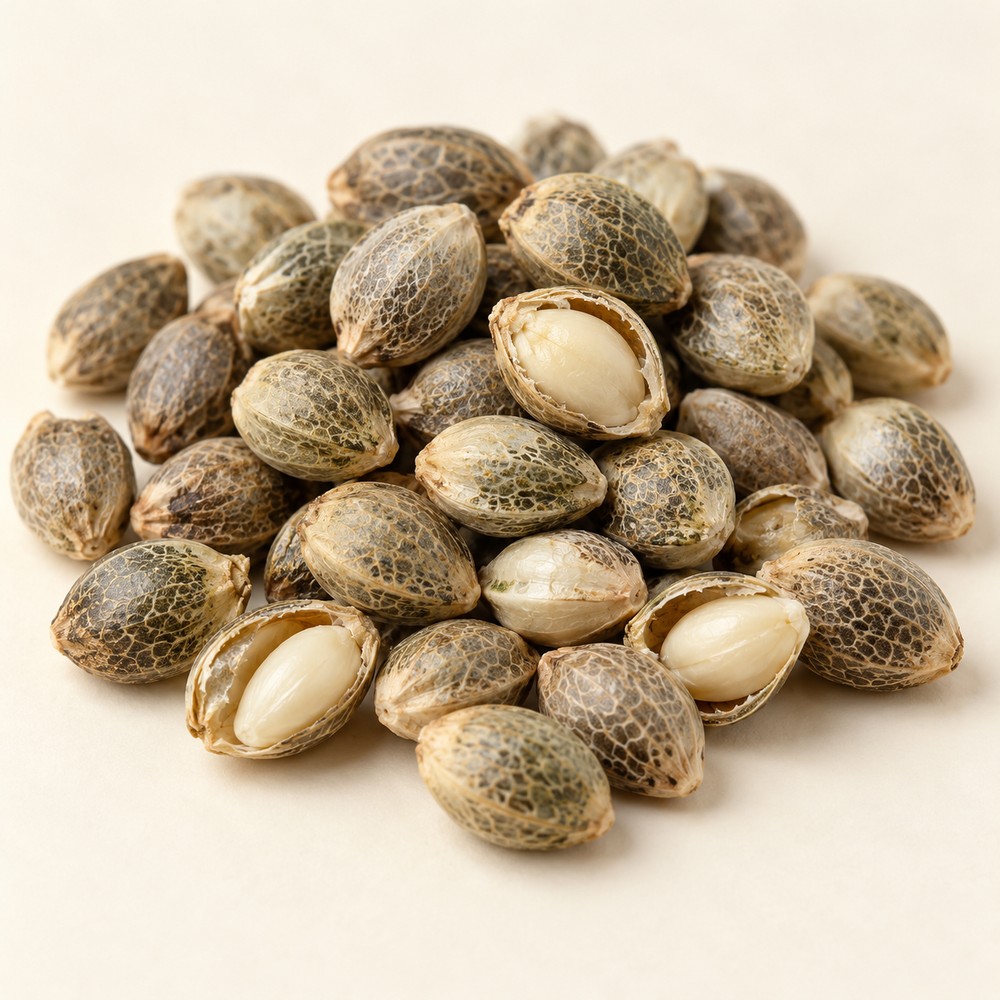
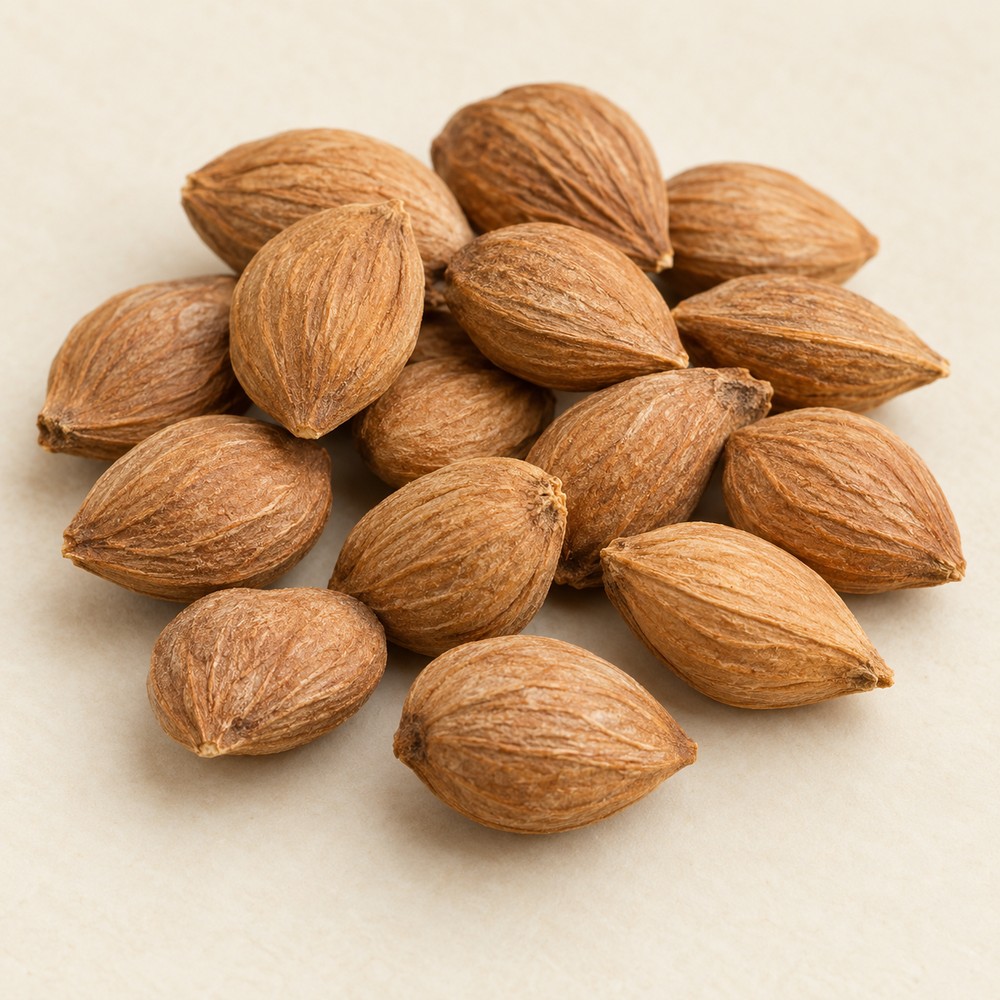
Hemp is tall with palmately divided leaves; small oval gray-green fruits have netted shells. The materia medica is the seed kernel, not cannabis resin.
Traditional context
Bowel-moistening is a traditional claim, not proof for constipation caused by underlying disease. HKBU describes a 4–5.5 mm dried mature fruit, gray-green/yellow with fine netting and an oily ivory kernel.
Modern evidence
Do not infer flower/leaf cannabinoid content from seed; legal and chemical composition depends on plant part, cultivar, and lot.
Safety
Seed oil may cause diarrhea and seed allergy is possible. Verify legality and sourcing because cannabis/cannabinoid products differ; consult a professional in pregnancy or with medication use.
Pairing in reference texts
Huo Ma Ren occurs in historical bowel-moistening combinations with Tao Ren and Bai Zi Ren; this is reference material, not a self-use recipe.
Growing, care, and harvest timing
HKBU habitat record: Growing in open fields near villages and on roadsides. Wild and cultivated in all parts of China. The medicinal materials are mainly produced in all parts of China Harvest and processing as recorded: In October and November when most fruits are mature, harvest the plant sun-dried, threshed down seed and winnowed clean
Source-recorded harvest/processing: In October and November when most fruits are mature, harvest the plant sun-dried, threshed down seed and winnowed clean
The reviewed source does not provide a complete species-specific sowing/growing routine, irrigation/fertilization schedule, or universal plant age. The page therefore does not infer care instructions or years to harvest; consult local cultivation guidance.
Open habitat and season source ↗FROM PLANT / SOURCE HABITAT TO DRIED MATERIAL · REFERENCE WORKFLOW
- Source seed only from a supplier licensed under applicable local law; do not use flowers, leaves, or resin-bearing material.
- HKBU records harvest when most fruits mature in October–November, sun-dry plants, then thresh and winnow.
- Clean fruits and separate kernels at a facility; prevent admixture with cannabinoid-bearing plant parts.
- Verify identity, pesticide residues, legal compliance, and package against oil rancidity.
These are post-harvest study notes, not directions to prepare a remedy for self-treatment. Processing reference ↗
How to read formula amounts
Displayed amounts belong to the cited formula and source; they are not a general safe ratio, treatment dose, or home-decoction instruction. Do not transfer amounts to another formula or adjust them by body weight.
Habitat, season, and harvest in the HKBU botanical record
HKBU botanical record (translated summary): Flowering and fruiting dates: Flowering and fruiting varied by different origin, in Eastern China. Flowering: May to June; fruiting: June to July; in Northern China, flowering: June to July, fruiting: August to September Habitat and distribution: Growing in open fields near villages and on roadsides. Wild and cultivated in all parts of China. The medicinal materials are mainly produced in all parts of China Harvest and processing as recorded: In October and November when most fruits are mature, harvest the plant sun-dried, threshed down seed and winnowed clean
Open botanical source ↗HKBU formula record containing this herb: Ma Zi Ren Wan (Pi Yue Wan) / Cannabis Fruit Pill (Spleen Confinement Pill)
Traditional action in the source: Moistens the intestines, drains heat, and moves qi to promote defecation
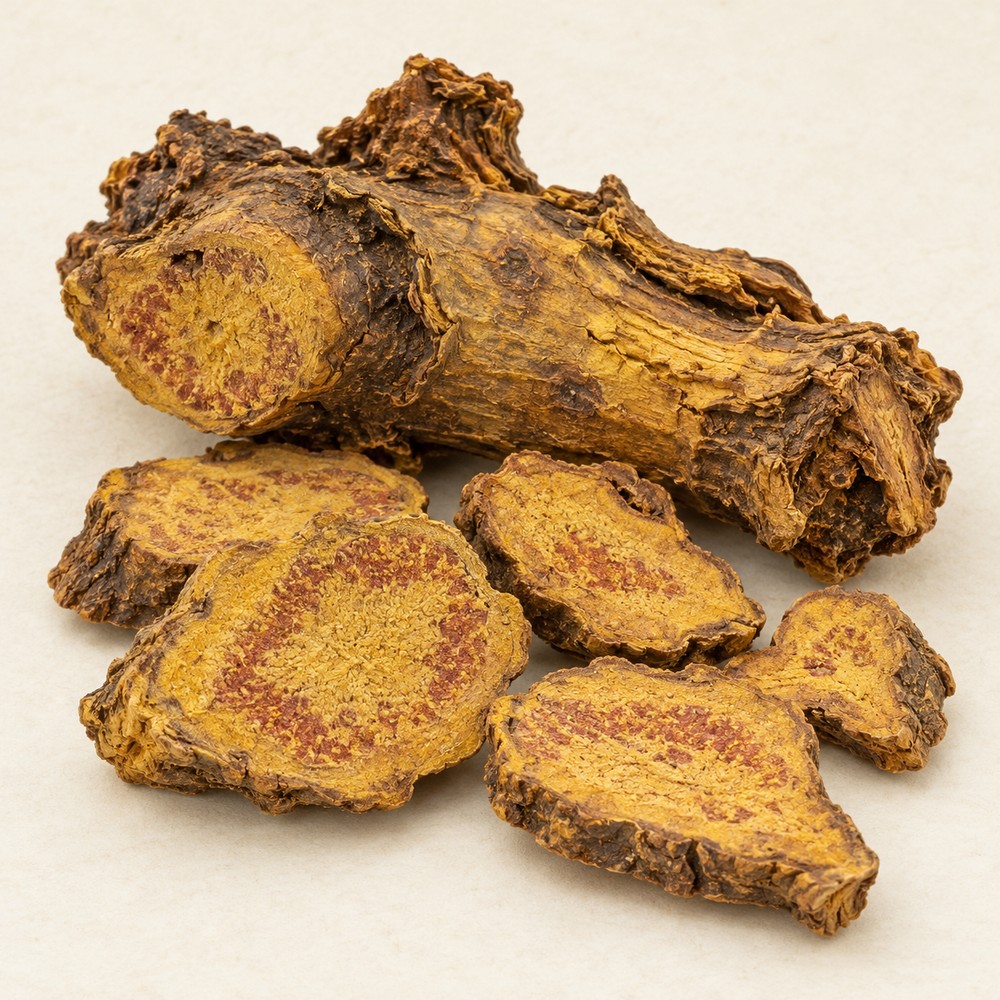
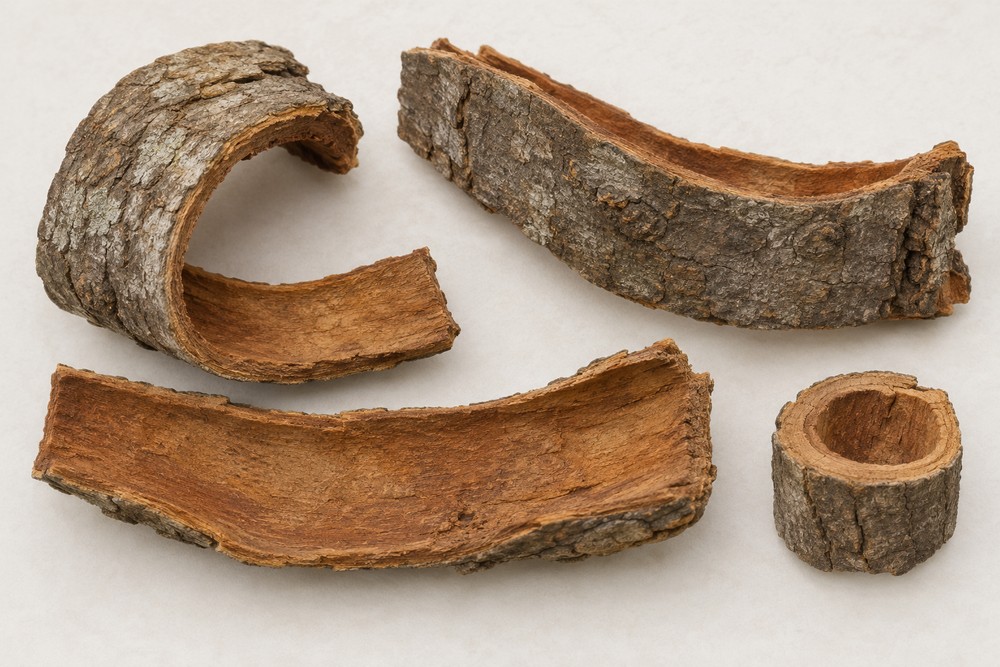
Ingredient images and source amounts are shown for comparison only; this is not a treatment recipe.
HKBU source-recorded composition
Cannabis Fructus (Ma Zi Ren) 2 sheng (500g), Paeoniae Radix Alba (Shao Yao) 0.5 jin (250g), Aurantii Fructus Immaturus(Zhi Shi) 0.5 jin (250g), Rhei Radix et Rhizoma (Da Huang) 1 jin (500g), Magnoliae Officinalis Cortex (Hou Po) 1 chi (250g), Armeniacae Semen Amarum (Xing Ren) 1 sheng (250g)
The ingredients and amounts below are one HKBU-recorded version; texts, historical units, processing, and modern products can differ. This is comparative reference data, not a home-preparation recipe or personal dose.
Open complete HKBU formula record ↗