Long Yan Rou · Longan aril · Long Yan Rou
Dimocarpus longan Lour. · Dried aril of mature fruit
Name and part used
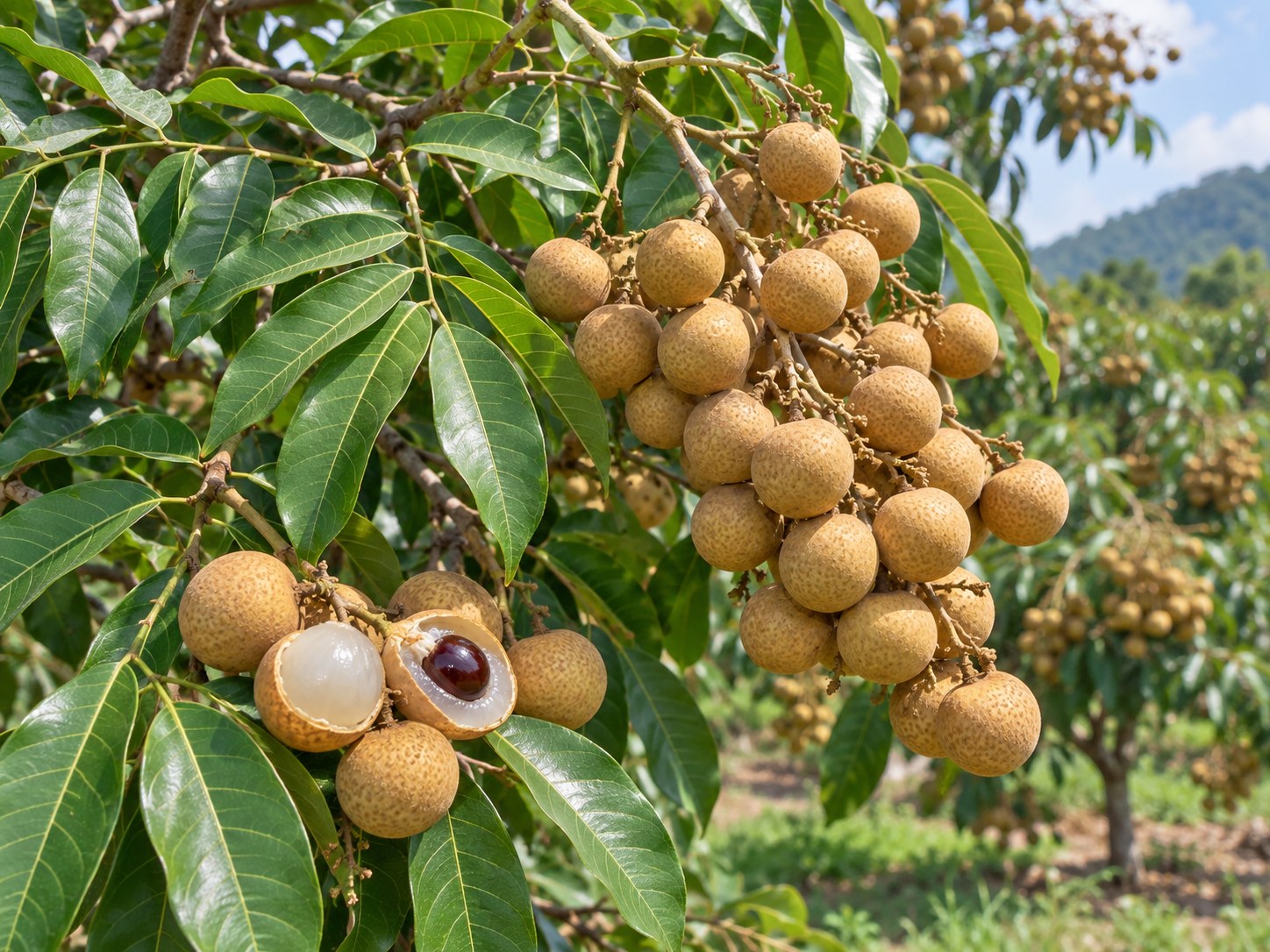
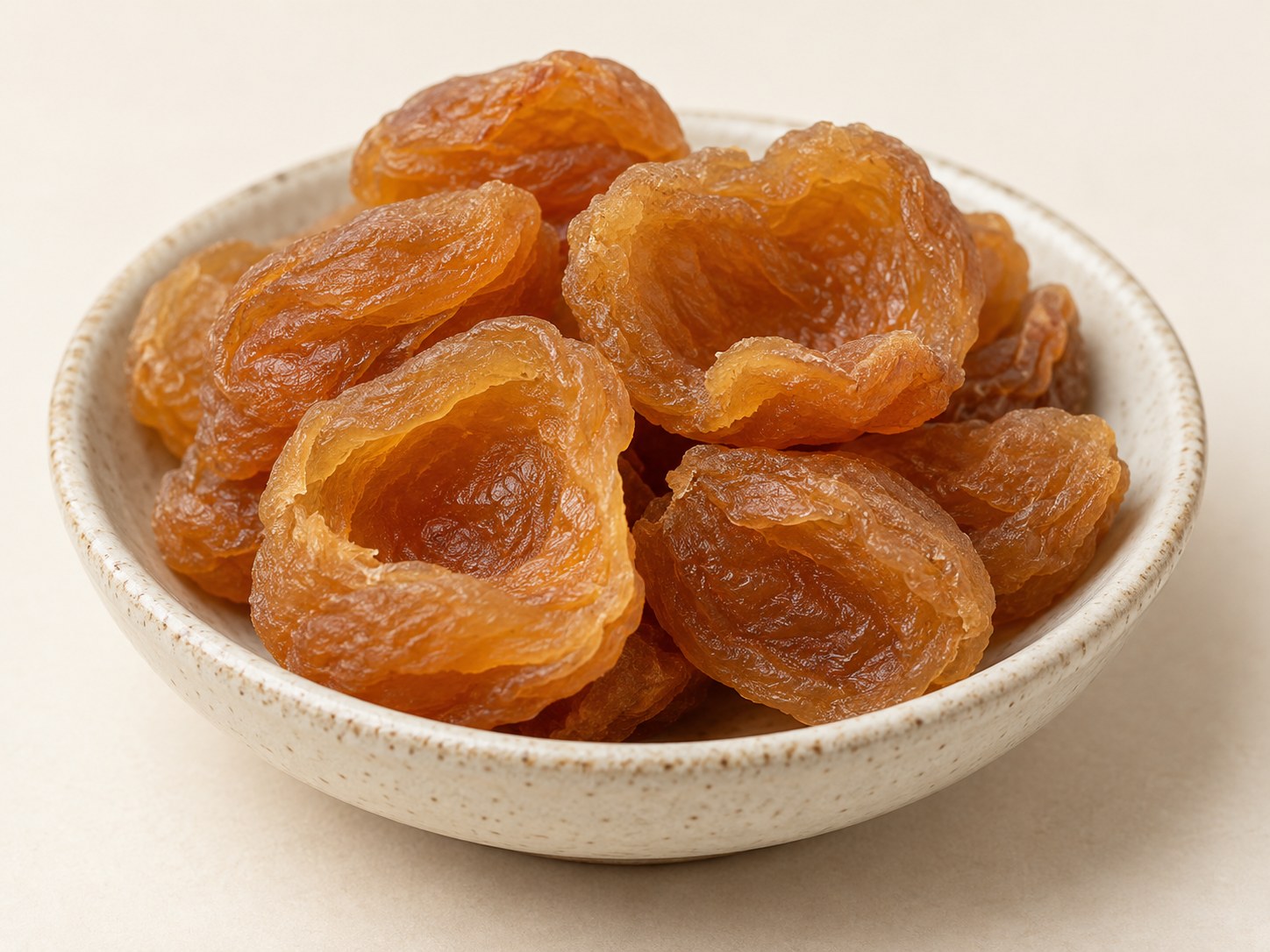
Long Yan Rou is the aril of Dimocarpus longan Lour., an evergreen Sapindaceae tree. Trees may reach 20 m, with alternate pinnate leaves and terminal or axillary flower panicles. The spherical tan-brown fruit contains a glossy black seed surrounded by translucent white flesh. The drug is that flesh separated from peel and seed and then dried, becoming amber-brown and slightly tacky. It is not the seed, fresh longan, or the whole fruit; water content and concentration differ. HKBU records mature fruit harvest from July to October in producing regions. Damp, fermented, moldy, or chemically scented material should be rejected.
Traditional context
HKBU records Long Yan Rou as sweet and warm, with traditional actions of nourishing heart and spleen, qi and blood, and calming the spirit. Historical mentions of palpitations, insomnia, or weakness do not prove that aril treats anemia, heart disease, or sleep disorders. Dried longan is a sugar-rich food; people with diabetes should consider portions and ask a clinician or dietitian.
Modern evidence
Longan aril contains sugars and food constituents; chemical studies do not establish sedative or palpitation treatment effects. Fresh flesh, home-dried aril, commercial dried product, syrup, and extracts differ in moisture, added sugar, and quality. A food serving’s nutritional effects are not the same as a clinical treatment. Do not use Long Yan Rou instead of evaluating insomnia, anemia, palpitations, or severe weakness, which have many possible causes.
Safety
Longan aril is a concentrated carbohydrate food and can raise blood glucose; people managing diabetes should check portions and labels. Avoid it if allergic. Mold, added sugar, or sulfites may affect certain products. Pregnancy and interactions of concentrated extracts are not well characterized, so seek advice before medicinal-dose products. Palpitations, fainting, severe insomnia, or possible anemia require assessment rather than assumption of “blood deficiency.”
Safety reference ↗Pairing in reference texts
Long Yan Rou is recorded with Suan Zao Ren, Lian Zi, Fu Shen, or glutinous rice in some traditional formulas and foods; amounts depend on the source and preparation. Porridge or tonic examples are not standardized ratios for people with metabolic conditions. Do not combine medicinal extracts with sleep or diabetes medicines without review; a food can still affect glucose.
Identification and study notes
In fresh fruit, translucent white flesh surrounds a glossy black seed; drying turns the aril amber-brown and shrinks it into curved pieces. The drug is the aril, not the seed; seeds pose choking risk and are not the used part. A “longan” label may mean whole fruit, fresh flesh, dried aril, or syrup; check ingredients and sugar. A dried-material image cannot show additives or moisture. In fresh fruit, translucent flesh surrounds a black seed; drying shrinks the aril, darkens it, and changes tackiness with moisture. Seed and peel are not Long Yan Rou. Dried products may contain added sugar, preservatives, or sulfites; read labels and ask suppliers about allergens. Longan is a warm-climate fruit tree with pinnate leaves and drooping clusters; grafted stock is more predictable than seedlings. For cultivation notes, record cultivar, flowering, fruit set, rainfall, and harvest. Natural sugars still affect blood glucose, so “tonic herb” does not mean unlimited portions. A dried-aril photograph cannot reveal added sugar or moisture content. Cùi nhãn khô có thể được ăn như thực phẩm, nhưng nhãn dược liệu không làm mất lượng đường. Khi so sản phẩm, ghi phơi nắng, sấy máy, thêm đường hay bảo quản. Kiểm tra vón cục, côn trùng, mùi lên men và ẩm; không chấp nhận dấu hỏng vì “truyền thống”. Để hạt xa trẻ nhỏ vì nguy cơ hóc. Nhãn Latin và danh sách thành phần giúp phân biệt thực phẩm với cao chiết hay thực phẩm bổ sung nhiều vị.
Growth and habitat
Longan prefers warm, humid climates; HKBU records distribution in southern China and production in Guangxi, Fujian, Guangdong, Sichuan, and Taiwan. Some cultivars need a modest cool/dry period for flowering, along with sun and well-drained soil. Orchards require pest, pesticide, and irrigation control; do not use roadside fruit as medicinal material.
Identification and study notes
In fresh fruit, translucent white flesh surrounds a glossy black seed; drying turns the aril amber-brown and shrinks it into curved pieces. The drug is the aril, not the seed; seeds pose choking risk and are not the used part. A “longan” label may mean whole fruit, fresh flesh, dried aril, or syrup; check ingredients and sugar. A dried-material image cannot show additives or moisture. In fresh fruit, translucent flesh surrounds a black seed; drying shrinks the aril, darkens it, and changes tackiness with moisture. Seed and peel are not Long Yan Rou. Dried products may contain added sugar, preservatives, or sulfites; read labels and ask suppliers about allergens. Longan is a warm-climate fruit tree with pinnate leaves and drooping clusters; grafted stock is more predictable than seedlings. For cultivation notes, record cultivar, flowering, fruit set, rainfall, and harvest. Natural sugars still affect blood glucose, so “tonic herb” does not mean unlimited portions. A dried-aril photograph cannot reveal added sugar or moisture content. Cùi nhãn khô có thể được ăn như thực phẩm, nhưng nhãn dược liệu không làm mất lượng đường. Khi so sản phẩm, ghi phơi nắng, sấy máy, thêm đường hay bảo quản. Kiểm tra vón cục, côn trùng, mùi lên men và ẩm; không chấp nhận dấu hỏng vì “truyền thống”. Để hạt xa trẻ nhỏ vì nguy cơ hóc. Nhãn Latin và danh sách thành phần giúp phân biệt thực phẩm với cao chiết hay thực phẩm bổ sung nhiều vị.
Growing and care
- Use grafted Dimocarpus longan from a nursery and a cultivar suited to the local climate; seedlings may vary and take longer to fruit.
- Plant in sun and deep, well-drained soil with room for a large canopy; stake young trees and mulch without burying the root collar.
- Water consistently during establishment and fruit set; fertilize from soil testing and local horticultural guidance, then prune after harvest.
- Monitor pests and diseases, thin overloaded clusters, and log flowering, fruit set, and maturity; harvest in batches when rind browns and arils develop.
How long until harvest? HKBU records mature fruit harvest from July to October. Grafted trees may fruit after several years, depending on cultivar, climate, and care; this source gives no universal figure. Use healthy ripe fruit only; medicinal aril processing removes peel and seed and dries the flesh until non-sticky.
Habitat, season, and harvest in the HKBU botanical record
HKBU describes Dimocarpus longan as an evergreen tree up to 20 m with pinnate leaves and spherical fruit; a black seed is enclosed by the aril, which is the medicinal part. Mature fruit is harvested July–October in southern Chinese production regions. The record includes traditional descriptions but does not prove treatment of insomnia or palpitations.
Open botanical source ↗FROM PLANT / SOURCE HABITAT TO DRIED MATERIAL · REFERENCE WORKFLOW
- Select traceable, healthy ripe fruit and wash the exterior before peeling.
- Remove peel and seed carefully, keeping only the aril; prevent contact with soil, dirty tools, or chemicals.
- Dry on clean ventilated trays until arils are dry and non-sticky; protect from smoke, rain, insects, and coloring agents.
- Cool, label species, region, harvest season, drying method, and additives; seal dry and monitor for mold or insects.
These are post-harvest study notes, not directions to prepare a remedy for self-treatment. Processing reference ↗