Man Jing Zi · Man Jing Zi
Vitex trifolia L. var. simplicifolia Cham. · Dried mature fruit
Name and part used
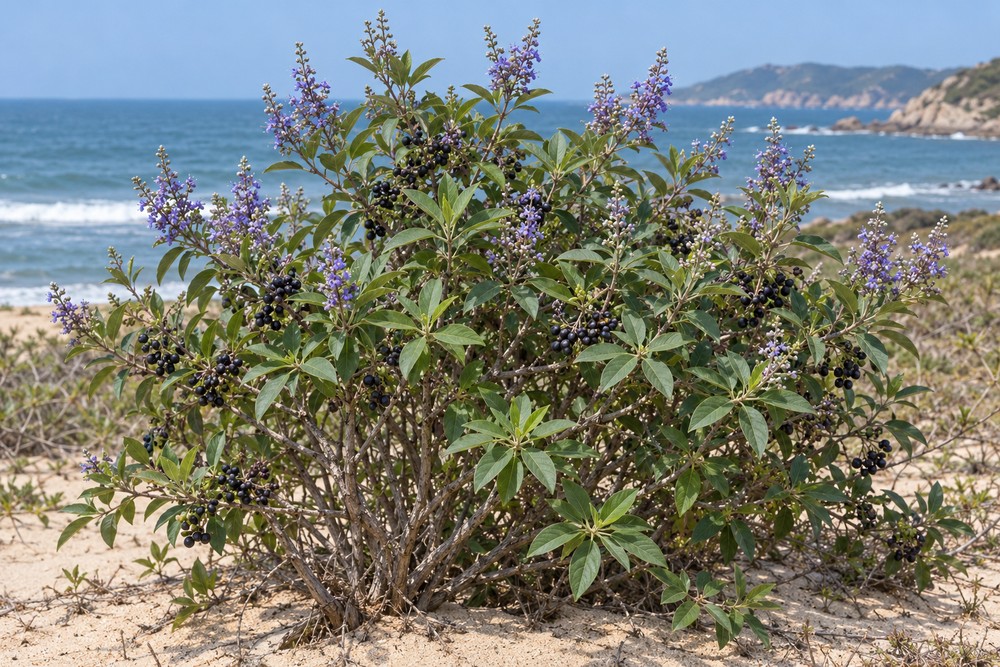
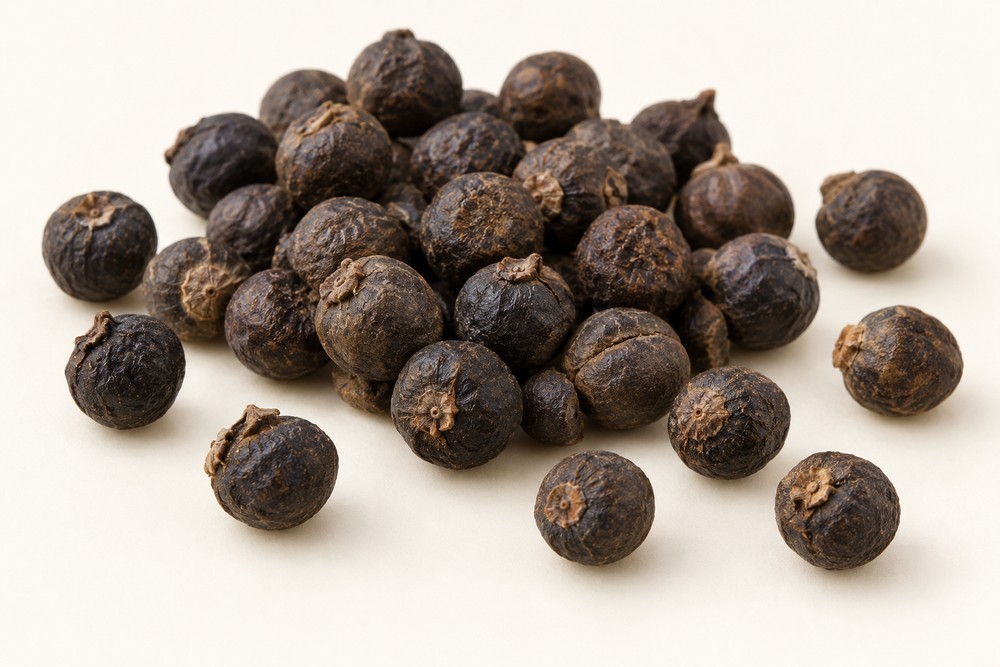
Man Jing Zi is the dried mature fruit of Vitex trifolia or var. simplicifolia. This coastal shrub may sprawl or stand upright; leaves are opposite, often trifoliate, while var. simplicifolia has simple leaves. Blue-purple flowers form spikes and fruits are small and round. Dried fruits are about 4–6 mm, gray-black to dark brown, with four shallow grooves and a persistent gray-white fuzzy calyx. Do not confuse it with other seeds or goji berries.
Traditional context
Traditional sources describe acrid, bitter, slightly cool properties for pattern-based wind-heat and head/eye symptoms. This does not prove treatment of headache, conjunctivitis, or flu.
Modern evidence
HKBU records source species, fruit morphology, and autumn harvest; constituent research does not establish clinical benefit. Sudden severe headache, vision loss, or painful red eye needs assessment.
Safety
Allergy or digestive upset and confusion with other coastal Vitex species are concerns. Pregnancy, children, conditions, or medicines warrant professional review; use only verified controlled fruit.
Pairing in reference texts
Man Jing Zi appears in Qiang Huo Sheng Shi Tang; Chinese HKBU lists 2 g with Qiang Huo 6 g, Du Huo 6 g, Gao Ben 3 g, Fang Feng 3 g, honey-prepared licorice 3 g, and Chuan Xiong 1.5 g. English page differs on Chuan Xiong; do not use as personal dosing.
Growth and habitat
Coastal Vitex trifolia tolerates salt spray, sun, and sandy drained soils; HKBU records beaches and lakeshores. Provide full sun, drainage, and room for a spreading shrub; avoid standing water.
Growing, care, and harvest timing
The profile above includes sourced steps and a documented harvest window. Harvest timing is agronomic information, not a self-use instruction.
Growing and care
- Grow labeled Vitex in sun and sandy drained soil; do not take wild coastal shrubs.
- Water moderately during establishment; the coastal shrub tolerates dryness better than waterlogging.
- Prune dead branches, maintain drainage, monitor pests/fungus after rain.
- Record whether leaves are simple or trifoliate and retain nursery/source details.
- Harvest only mature fruit in season from verified plants; do not use pesticide-treated ornamentals.
How long until harvest? HKBU records autumn collection of mature fruits followed by cleaning and sun-drying. It gives no universal years-to-fruiting; timing depends on stock and region.
Documented formula pairing: Qiang Huo Sheng Shi Tang
HKBU records traditional actions for a pattern-diagnosed presentation; not self-decoction or pain-treatment advice.
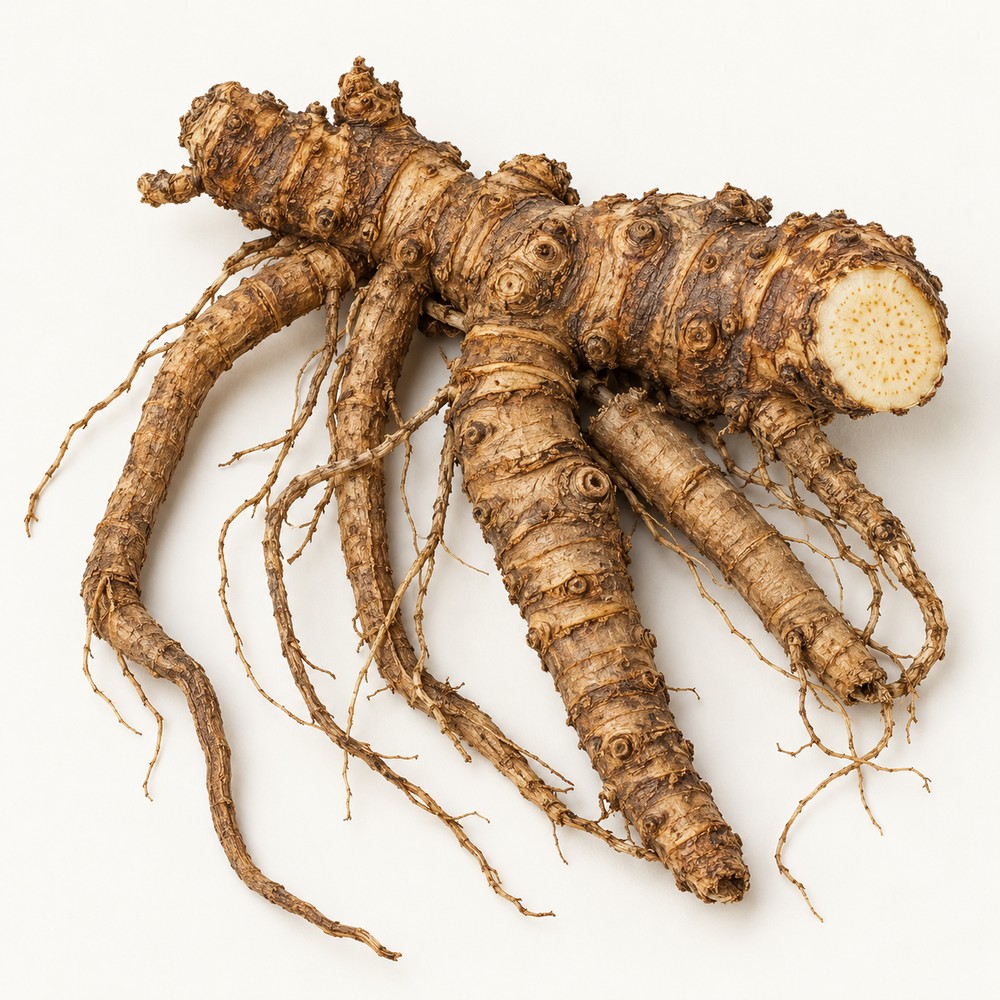
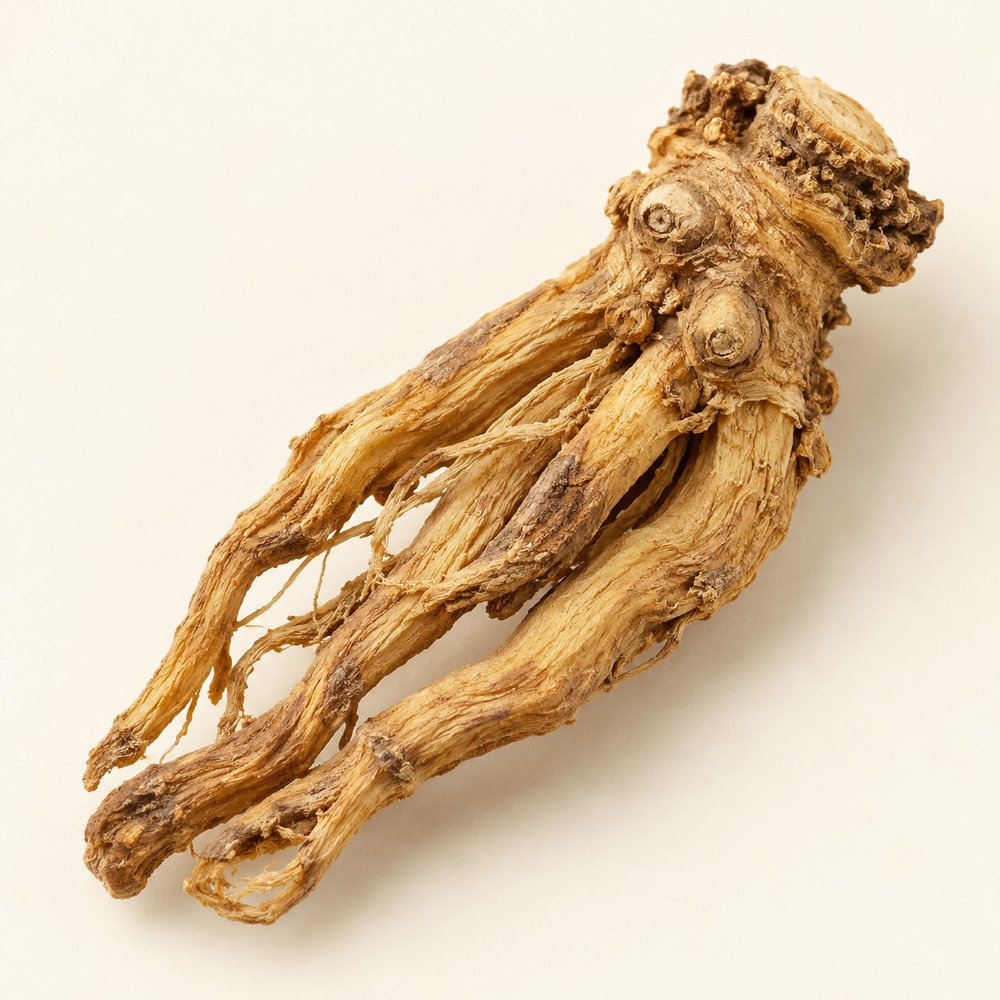
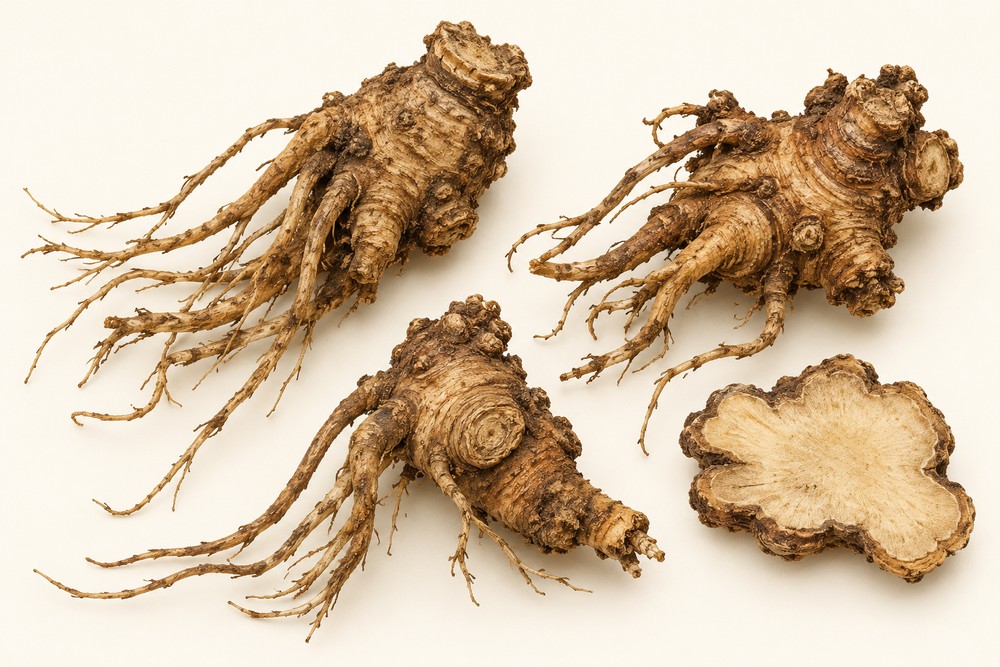
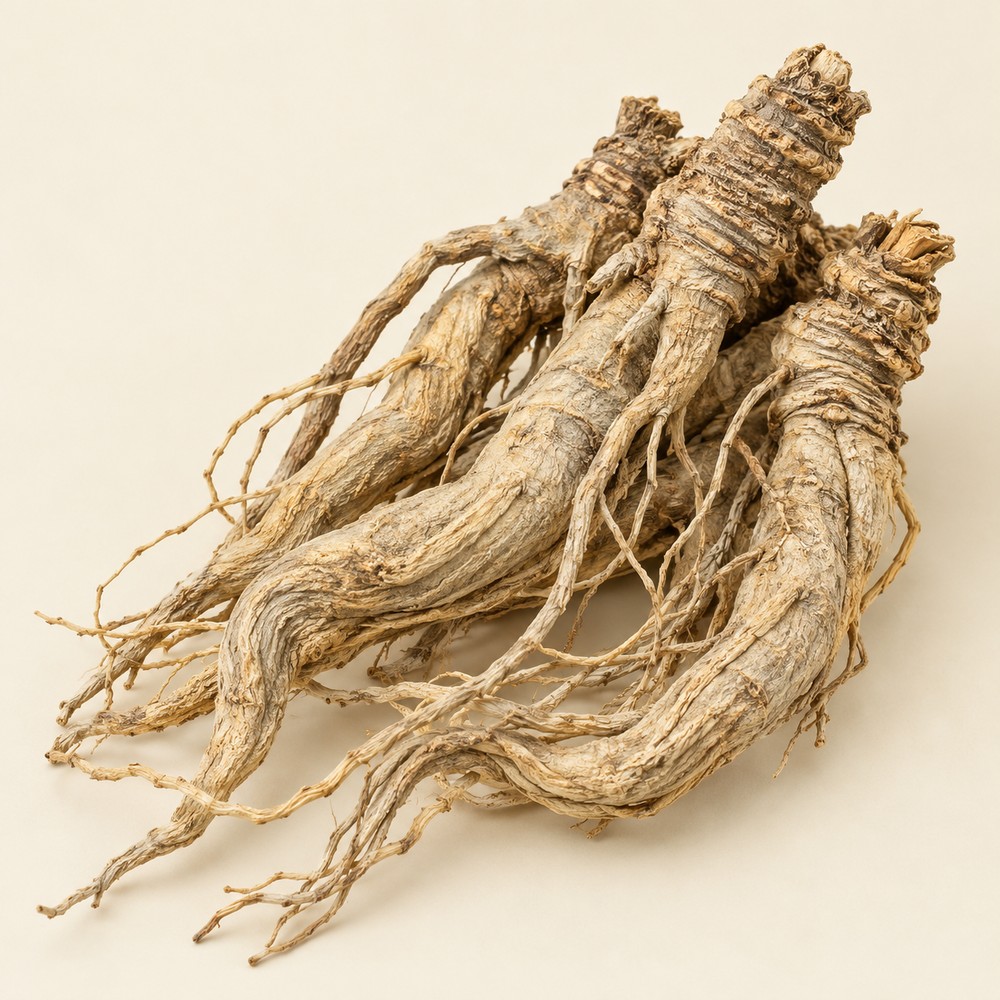
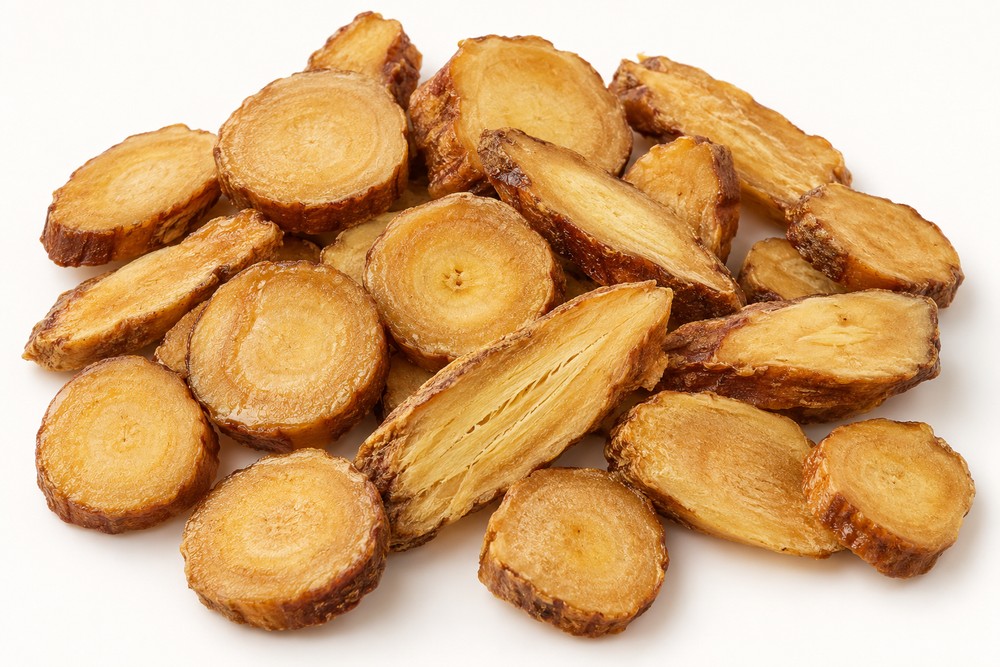
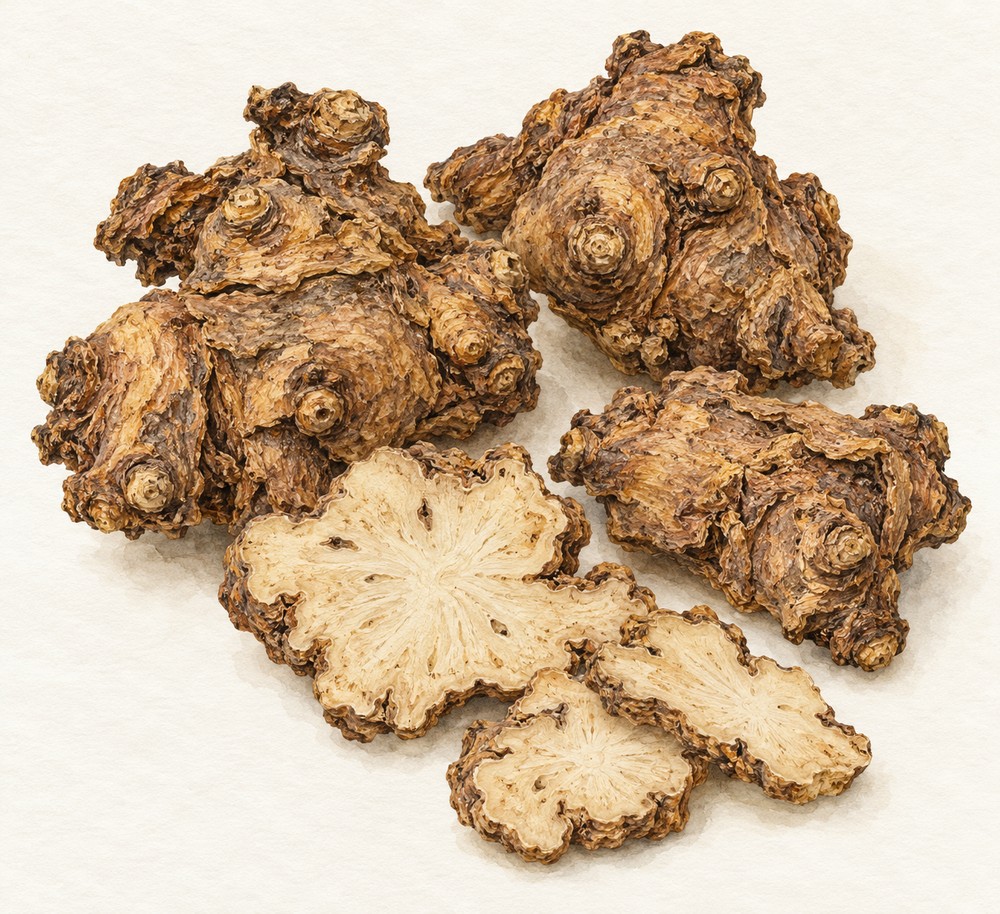
Source-recorded amounts: Chinese source lists 6:6:3:3:3:2:1.5 g in this order. HKBU English differs on Chuan Xiong; this is a source discrepancy, not personal dosing.
Caution: A historical formula does not assess conditions, medicines, or batch quality. Do not self-use for chest pain, severe fever, or weakness.
Open formula record ↗Documented toxic incompatibility
Reviewed sources do not confirm a specific toxic pair; this gap does not prove universal safety. Species, plant part, processing, medicines, and conditions still require review.
FROM PLANT / SOURCE HABITAT TO DRIED MATERIAL · REFERENCE WORKFLOW
- Collect only mature fruit from a verified plant, remove stalks/debris, clean, and sun-dry or dry to the monograph moisture standard; check for mold/insects and store sealed. Do not forage in protected areas.
These are post-harvest study notes, not directions to prepare a remedy for self-treatment. Processing reference ↗
How to read formula amounts
Displayed amounts belong to the cited formula and source; they are not a general safe ratio, treatment dose, or home-decoction instruction. Do not transfer amounts to another formula or adjust them by body weight.