Two-toothed achyranthes · Niu Xi
Achyranthes bidentata Blume · Root
Name and part used
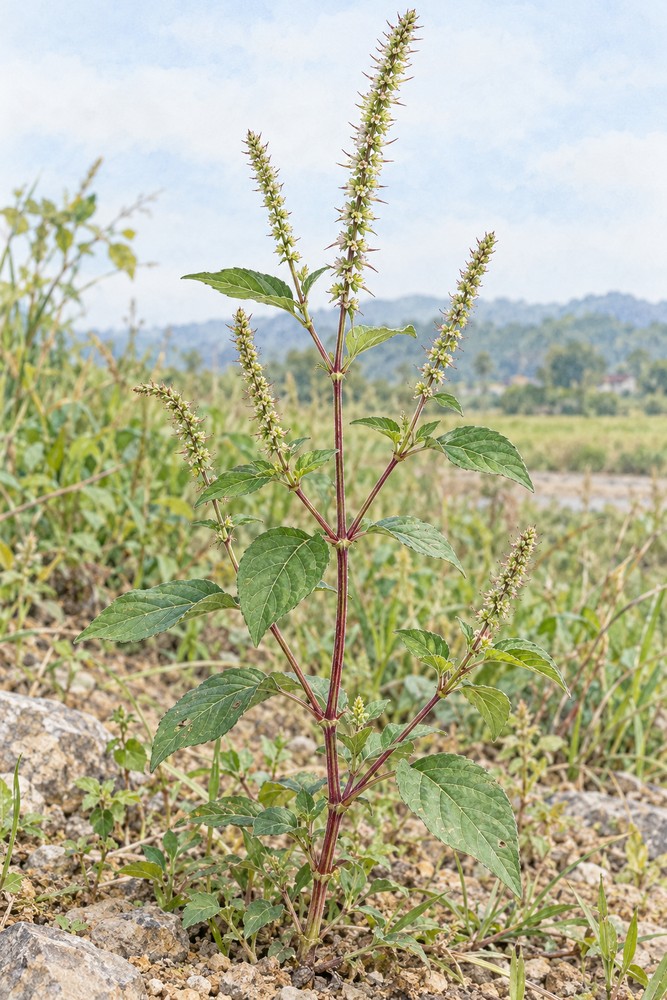
A square-stemmed herb with opposite leaves, pale green flower spikes, and a long taproot.
Traditional context
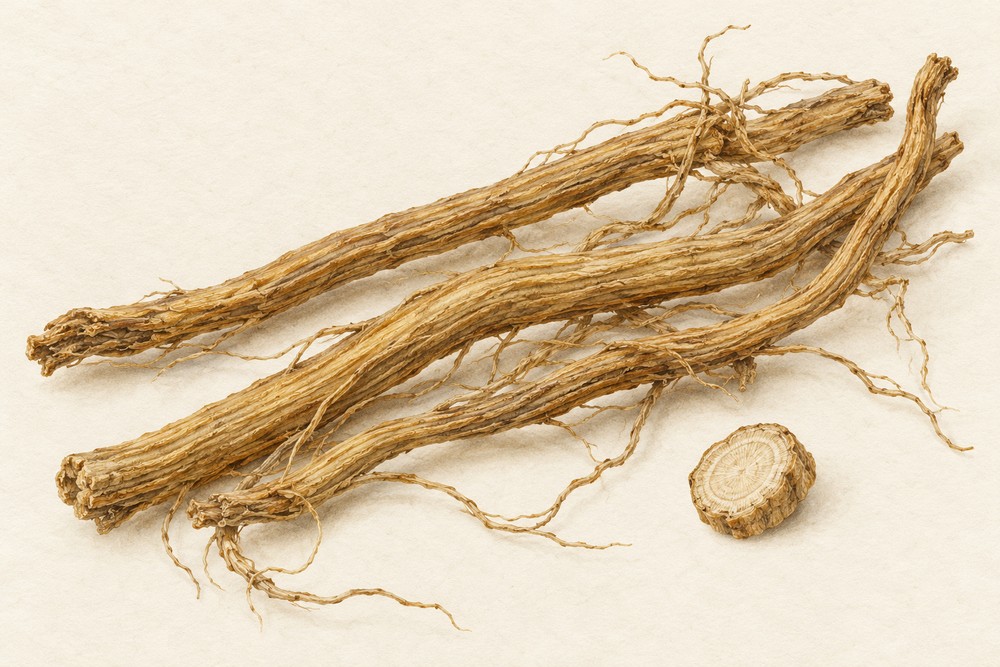
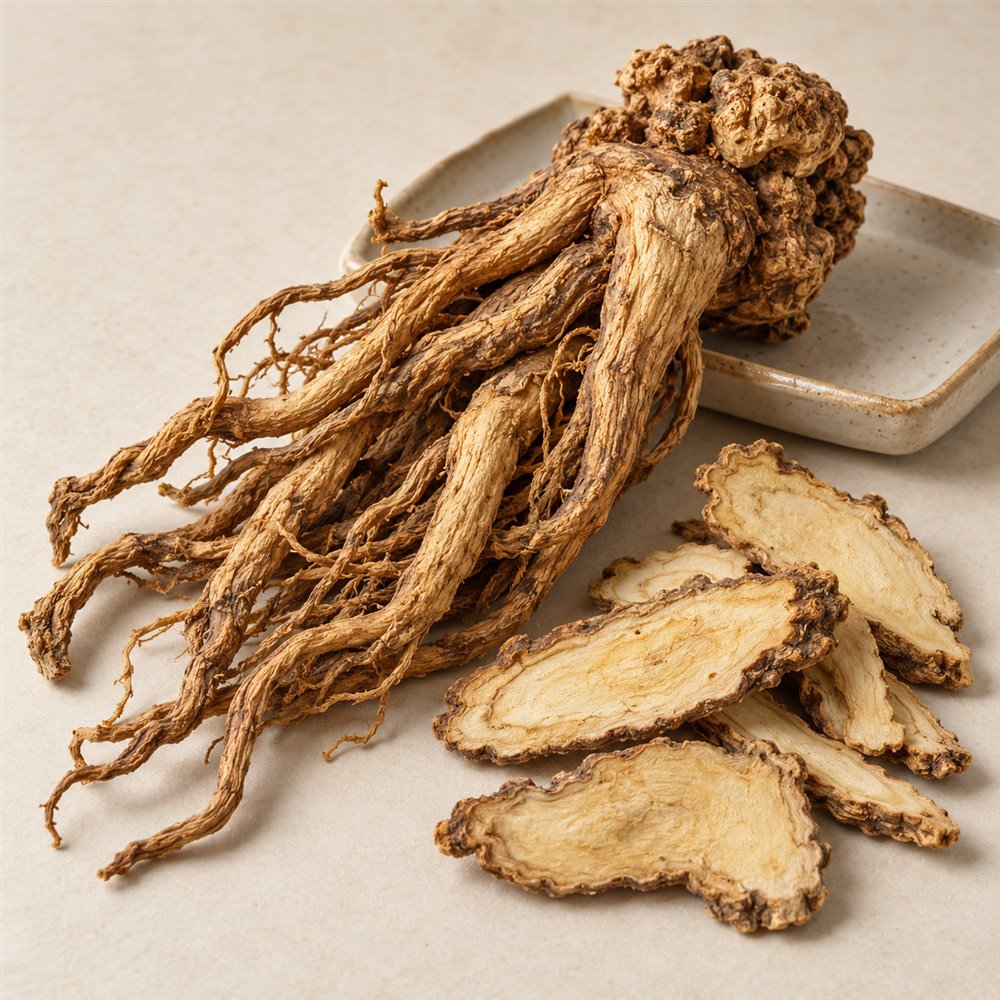
HKBU identifies Niu Xi as Achyranthes bidentata root, distinct from other Achyranthes species with similar local names. Dried roots are long, cylindrical, and grayish yellow.
Modern evidence
Materia medica records and botanical descriptions do not establish clinical efficacy for joint pain or menstrual disorders.
Safety
Do not self-use during pregnancy or active treatment; interaction data are incomplete. People taking anticoagulants or prescription medicines should ask a clinician or pharmacist.
Pairing in reference texts
It appears in some traditional formulas; that does not establish the safety of every pairing or modern dose.
Growth and habitat
Achyranthes bidentata occurs across tropical and subtropical Asia. Botanical records describe it along roadsides, hillsides, forest margins, and moist sunny sites. Plants reach roughly 0.7–1.2 m, with swollen stem nodes and opposite leaves; flowers point upward, while mature fruiting spikes bend down and cling to clothing. Medicinal roots need deep, loose, drained soil; prolonged waterlogging encourages root rot.
Botanical / habitat source ↗Growing, care, and harvest timing
The profile above includes sourced steps and a documented harvest window. Harvest timing is agronomic information, not a self-use instruction.
Growing and care
- Use seed authenticated as Achyranthes bidentata; “Niu Xi” seed from an unidentified plant may belong to a similar Achyranthes species.
- Sow in a loose seed tray at the locally suitable cool-to-warm season; keep lightly moist and do not bury seed deeply. Transplant after several true leaves when the root ball holds together.
- Choose light to full sun and deep, organic, well-drained soil; use raised beds in rainy areas.
- Water evenly during establishment, then when the bed surface begins to dry. Hand-weed, cultivate shallowly, and use clean mulch.
- Monitor root-knot nematodes, aphids, and crown rot; rotate crops, remove diseased debris, and keep fresh manure away from plants.
- Harvest roots in autumn or early winter after tops decline, when the crop reaches its harvest year; wash, remove fine roots, and dry to the materia standard. Do not improvise sulfur fumigation.
How long until harvest? PROSEA records roots from one- to two-year-old plants harvested in autumn or early winter as foliage dies back; exact timing depends on region, cultivar, and soil. This is an agronomic harvest window, not a safe-use dose or self-medication schedule.
Cultivation / season source ↗Documented formula pairing: Xue Fu Zhu Yu Tang
HKBU records this historical formula for differentiated chest blood-stasis patterns; do not self-use for chest pain, menstrual problems, or cardiovascular disease.
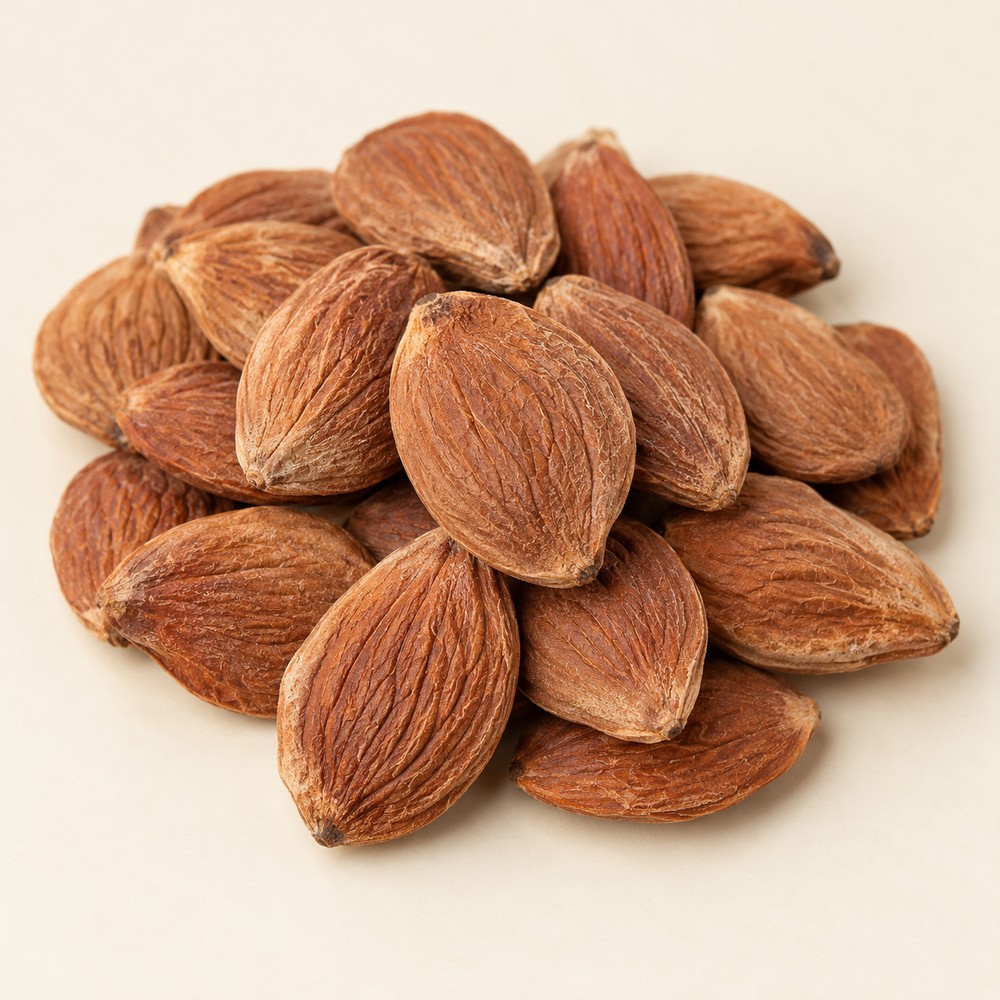
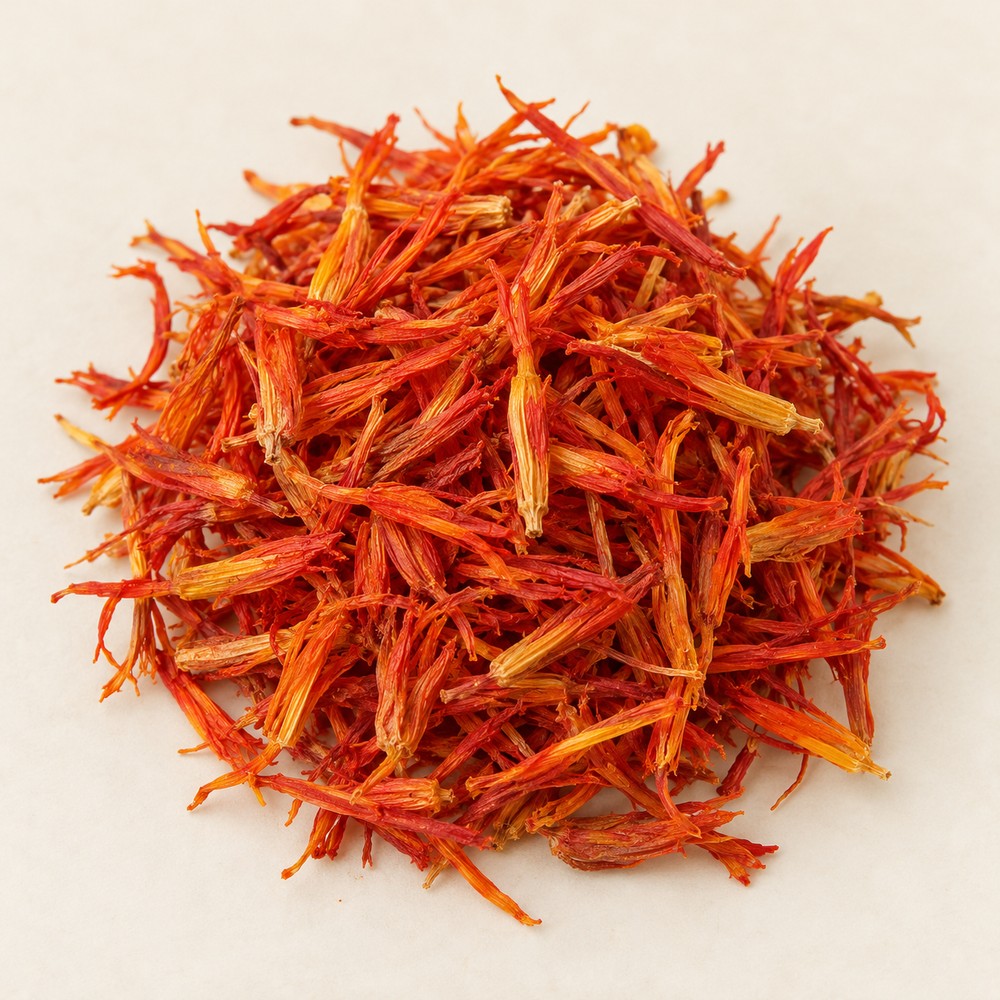
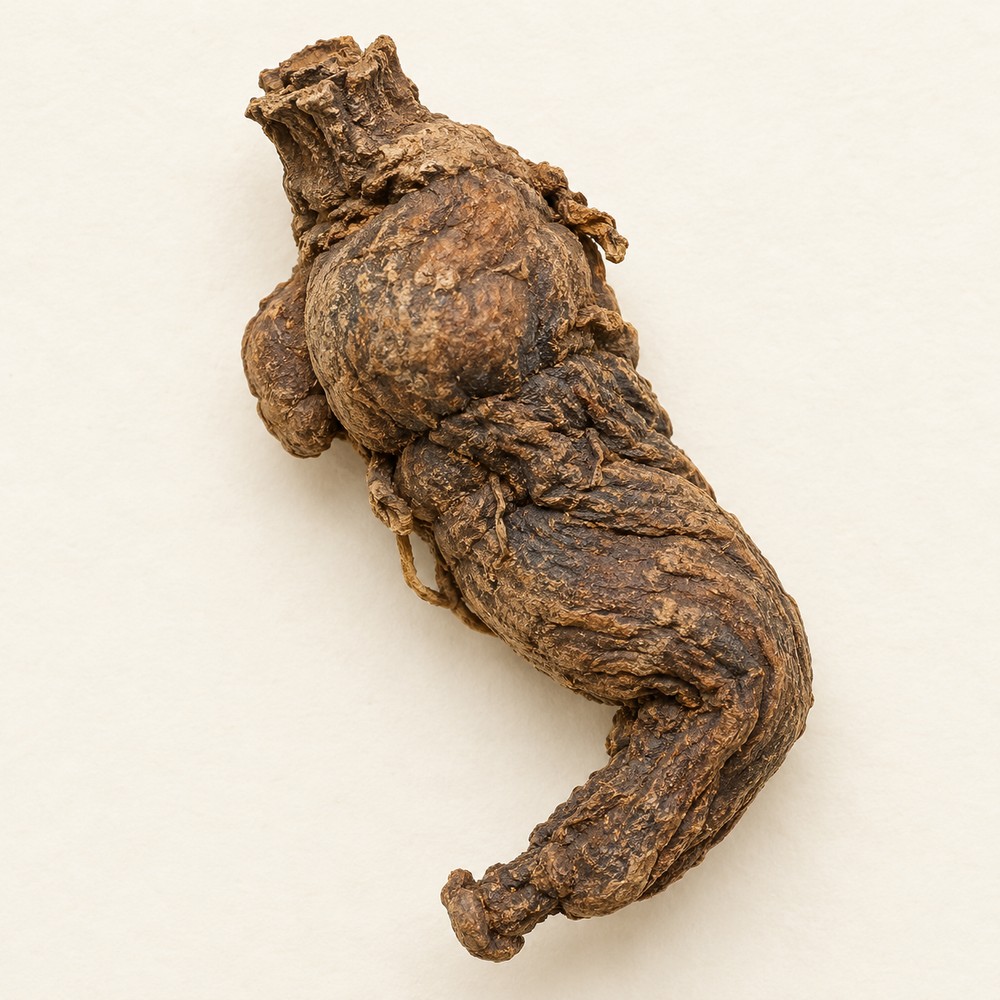
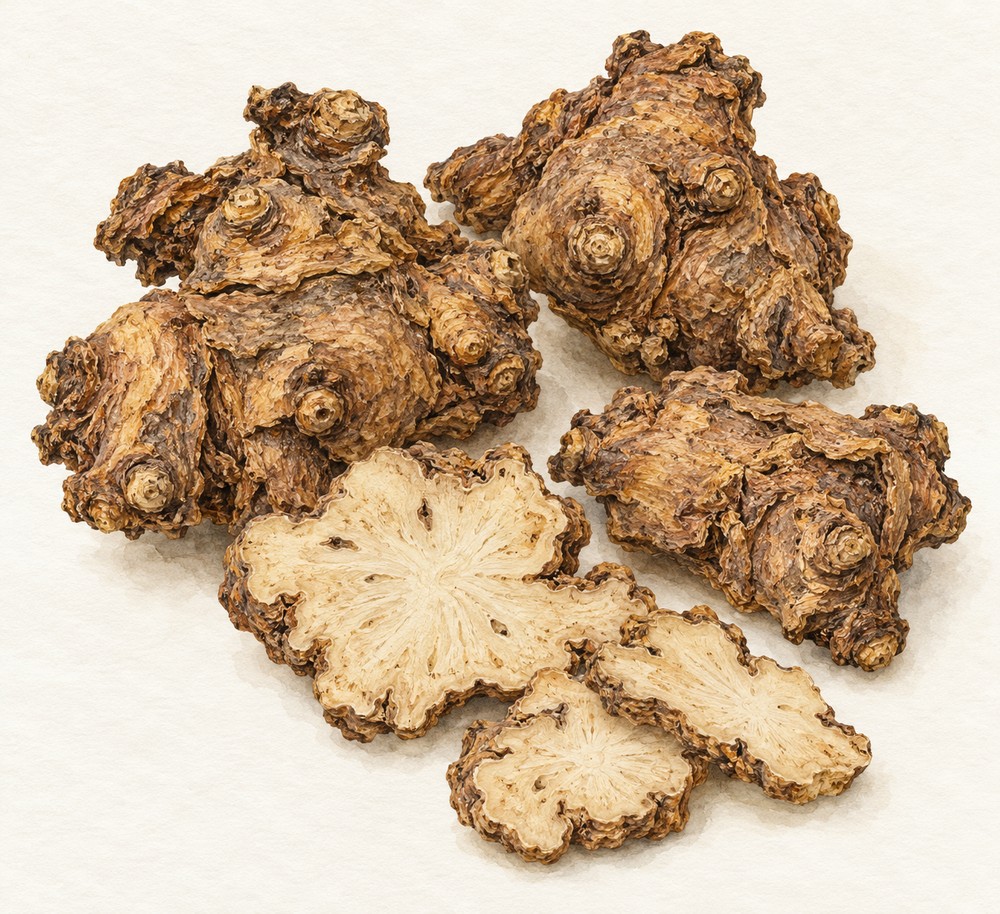
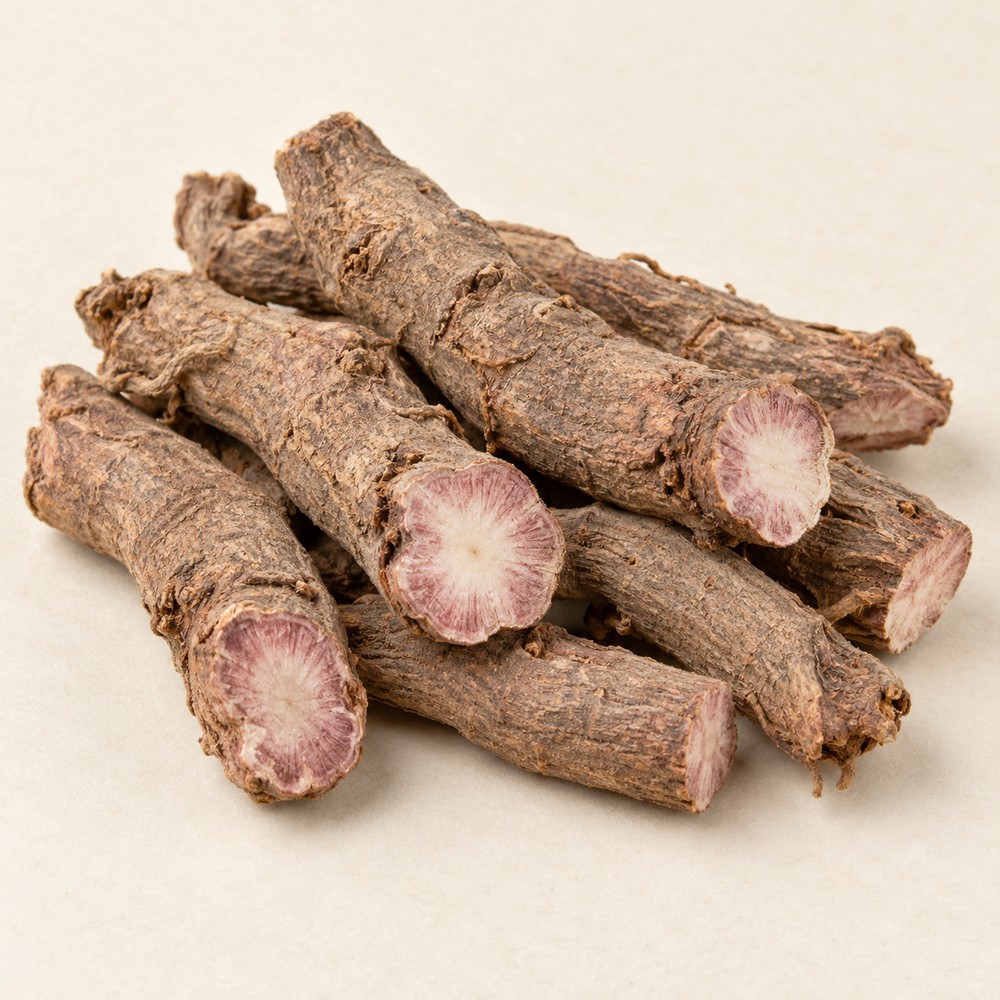
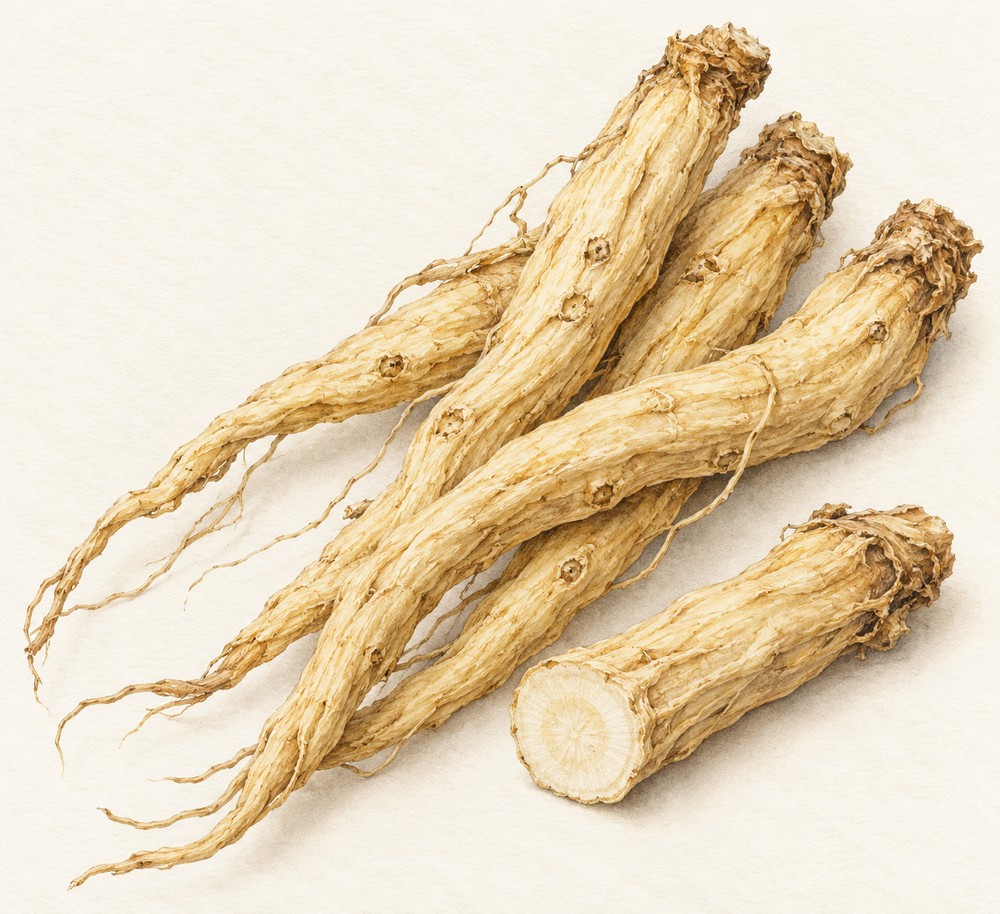
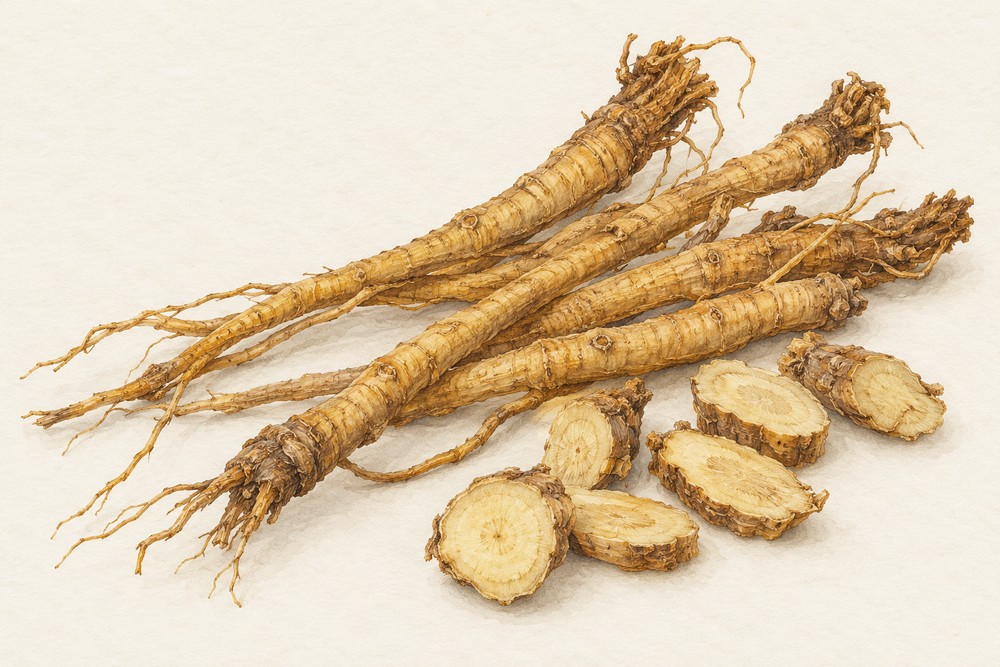
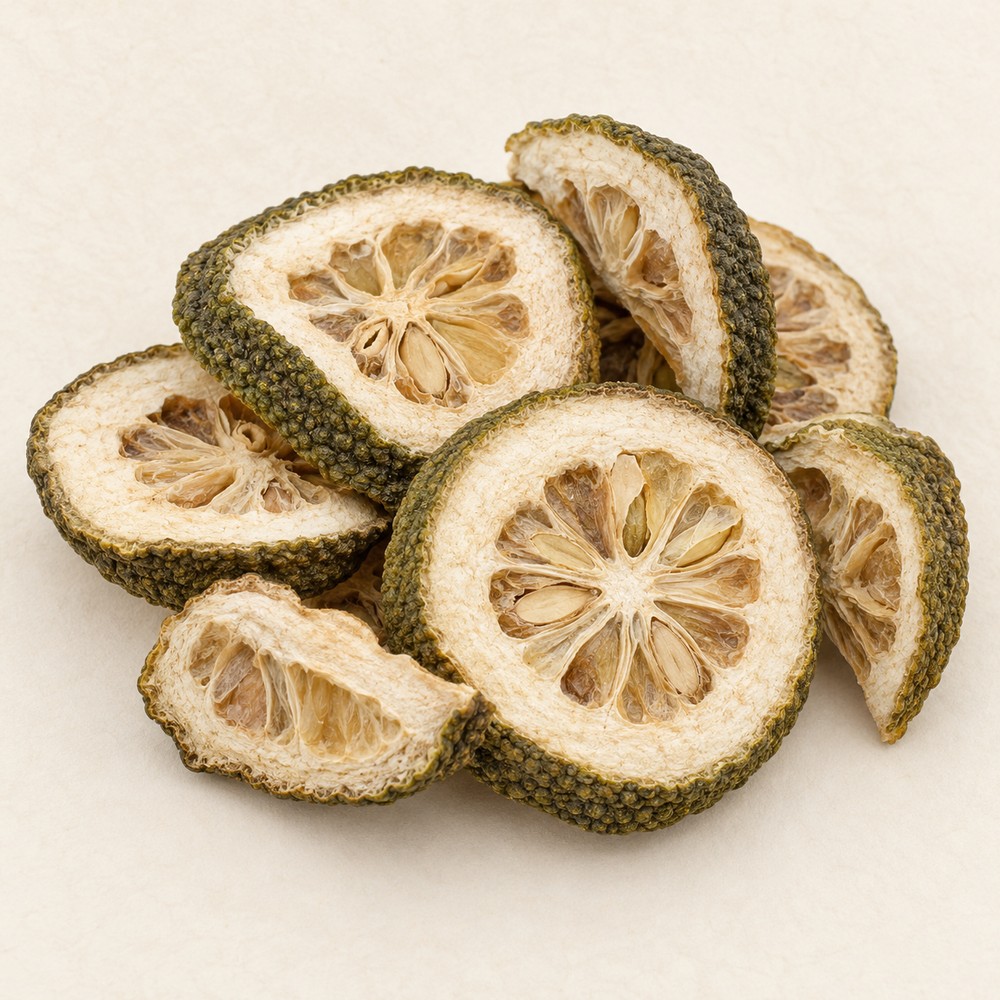
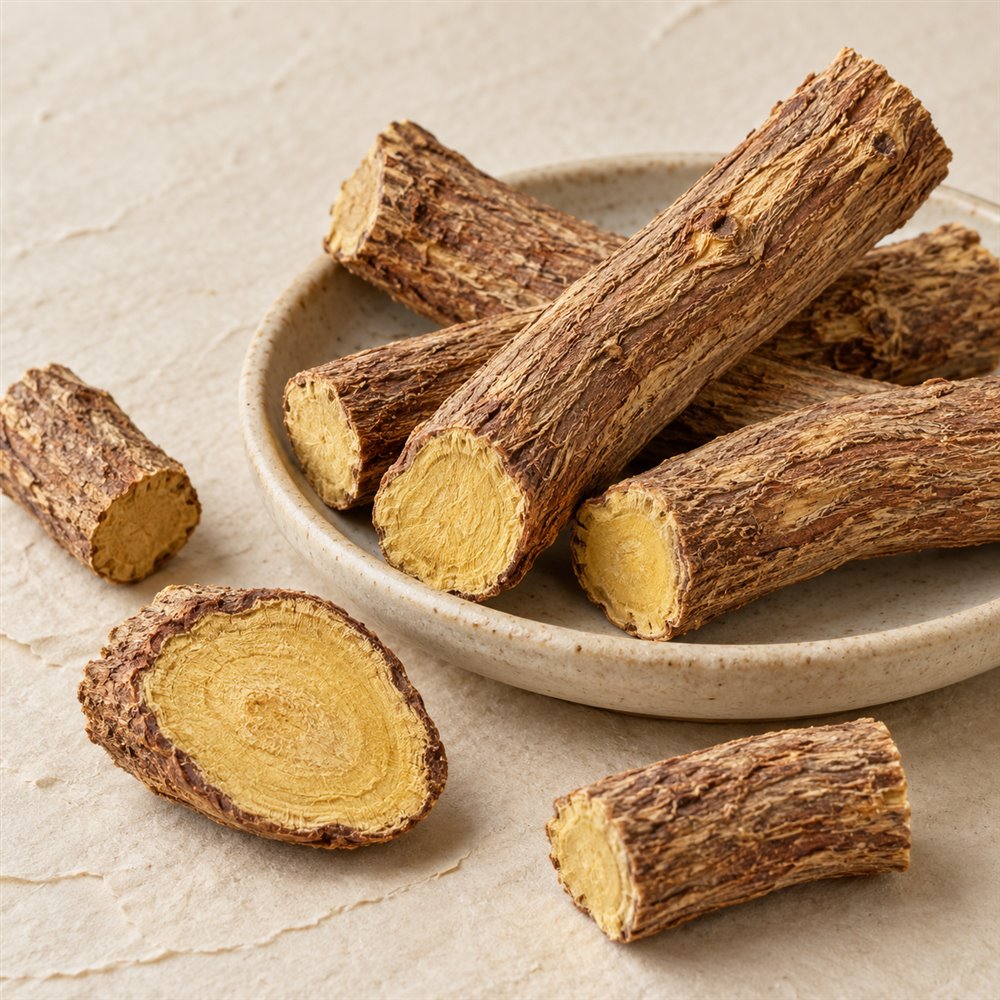
Source-recorded ratio / amounts: HKBU recorded amounts in card order: 12:9:9:9:4.5:6:9:4.5:3:6:6 g. Historical converted record, not a personal dose.
Caution: Do not self-combine. A qualified professional must check interactions and contraindications; acute chest pain, breathlessness, or fainting needs emergency care.
Open original formula record ↗FROM PLANT / SOURCE HABITAT TO DRIED MATERIAL · REFERENCE WORKFLOW
- Dig cultivated roots in winter after foliage withers, as in the HKBU record; verify species and follow local harvest rules.
- Remove soil and fine roots, sort, and dry on clean trays or racks to the required condition.
- HKBU records a historical sulfur-fumigation process; do not reproduce it at home. Commercial lots must meet current quality standards and rules.
- Label source, date, process, and lot; store dry and protect from mold.
These are post-harvest study notes, not directions to prepare a remedy for self-treatment. Processing reference ↗
How to read formula amounts
Displayed amounts belong to the cited formula and source; they are not a general safe ratio, treatment dose, or home-decoction instruction. Do not transfer amounts to another formula or adjust them by body weight.
Habitat, season, and harvest in the HKBU botanical record
HKBU botanical record (translated summary): Flowering and fruiting dates: Flowering: May to August, fruiting: August to September Habitat and distribution: Growing on roadsides in hills. Distributed in Henan, Shanxi, Shandong, Jiangsu, Anhui, Zhejiang, Jiangxi, Hunan, Hubei, Sichuan, Yunnan, Guizhou and etc. The medicinal materials are mainly produced in Henan Harvest and processing as recorded: Roots of Niuxi: excavated when leaves wither in winter, removed fibrous roots and soil, sun-dried to shriveling, smoked several times by sulfur, cropped the upper part and sun-dried
Open botanical source ↗