Qu Mai · fringed pink herb · Qu Mai
Dianthus superbus L. (source material also permits Dianthus chinensis L.) · Dried aerial parts
Name and part used
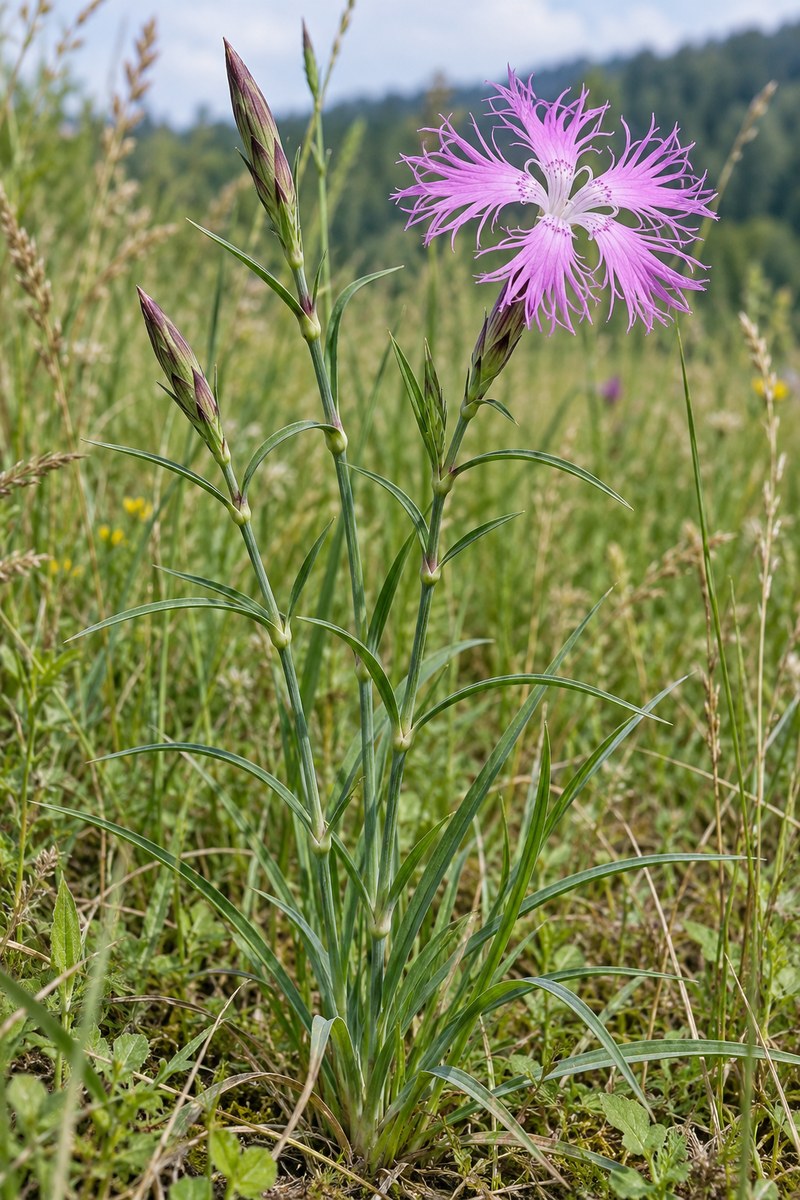
Qu Mai is the dried aerial part of Dianthus superbus or D. chinensis in the HKBU materia medica record; the plant image here depicts D. superbus specifically. It forms clumps with narrow opposite leaves, slightly swollen stem nodes, and pink-purple flowers with deeply fringed petals and a long tubular calyx. HKBU records D. superbus commonly at 50–60 cm in meadows, forest margins, and ravines.
Traditional context
HKBU records a bitter, cold nature and traditional actions of promoting urination and freeing menstruation by moving blood. The latter warrants particular caution against self-use in pregnancy; these actions do not prove treatment of stones, cystitis, or menstrual disorders.
Modern evidence
HKBU documents the drug and historical uses; a scientific review of Dianthi Herba summarizes preclinical activity, which does not replace high-quality human trials. Source species may differ (D. superbus and D. chinensis), so extract findings cannot be generalized to every Qu Mai lot.
Safety
Avoid self-use during pregnancy or possible pregnancy because of the traditional blood-moving/menstruation action; children and people taking diuretics should seek professional advice. Painful urination with fever, flank pain, blood, retention, or abnormal menstruation needs evaluation, not delayed herbal treatment.
Safety reference ↗Pairing in reference texts
Qu Mai and Bian Xu are both listed in HKBU’s Ba Zheng San; the record gives each 1 jin (shown as 500 g) with Che Qian Zi, talc, Zhi Zi, honey-prepared licorice, Mu Tong, and Da Huang. This is a historical batch ratio, not an individual dose. Reviewed sources do not establish a specific toxic pair; use caution with diuretic combinations and avoid self-use in pregnancy.
Identification and study notes
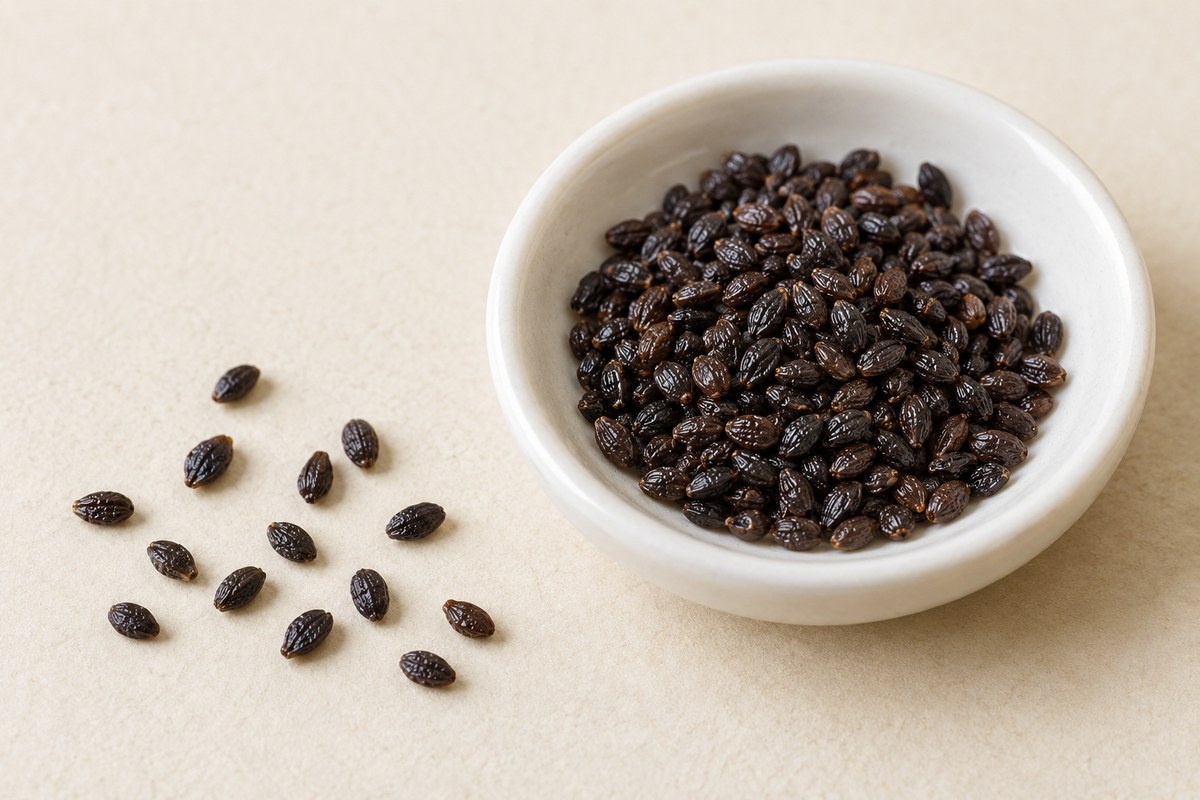
Dianthus superbus forms clumps with upright stems and slightly swollen nodes; leaves are narrow, opposite, and sheath the stem at the base. Flowers have a long tubular calyx and several small bracts; pink or pale-purple petals are deeply fringed, sometimes nearly to the middle. Cylindrical capsules open at the tip and contain flat glossy black seeds. Qu Mai is dried aerial material; HKBU also recognizes D. chinensis as a source, and the two species differ morphologically. Good dried material remains green with flowers/calyces, and hollow stems are brittle. The AI plant image depicts D. superbus only; specimen provenance and monographs are needed to distinguish source species.
Growth and habitat
Dianthus superbus grows in meadows, forest margins, ravines, and open woods from cool mountain areas to grassland; HKBU records elevations around 400–3,700 m. It prefers light, drained soil, and cooler conditions; provide afternoon shade in hot regions. Do not collect wild plants without permission and species confirmation.
Identification and study notes
Dianthus superbus forms clumps with upright stems and slightly swollen nodes; leaves are narrow, opposite, and sheath the stem at the base. Flowers have a long tubular calyx and several small bracts; pink or pale-purple petals are deeply fringed, sometimes nearly to the middle. Cylindrical capsules open at the tip and contain flat glossy black seeds. Qu Mai is dried aerial material; HKBU also recognizes D. chinensis as a source, and the two species differ morphologically. Good dried material remains green with flowers/calyces, and hollow stems are brittle. The AI plant image depicts D. superbus only; specimen provenance and monographs are needed to distinguish source species.
Growing and care
- Gieo nông trong khay giá thể sạch, chuyển cây khi có vài lá thật; trồng cách nhau để bụi thông thoáng. Có thể nhân giống bằng hạt hoặc tách bụi theo giống.
- Sow shallowly in clean propagation medium and transplant after several true leaves; space clumps for airflow. Propagate by seed or division according to cultivar.
How long until harvest? A perennial; harvest is tied to flowering/fruiting in summer–autumn, with no standard number of days or plant age. Let plants mature enough for accurate identification and lot-based harvest; ornamental plants are not automatically tested materia medica.
Documented formula pairing: Ba Zheng San
HKBU records this as a classical damp-clearing formula for a traditional damp-heat urinary pattern. It pairs Bian Xu and Qu Mai with Che Qian Zi, Zhi Zi, and other ingredients; this is not advice to self-treat urinary infection or stones.
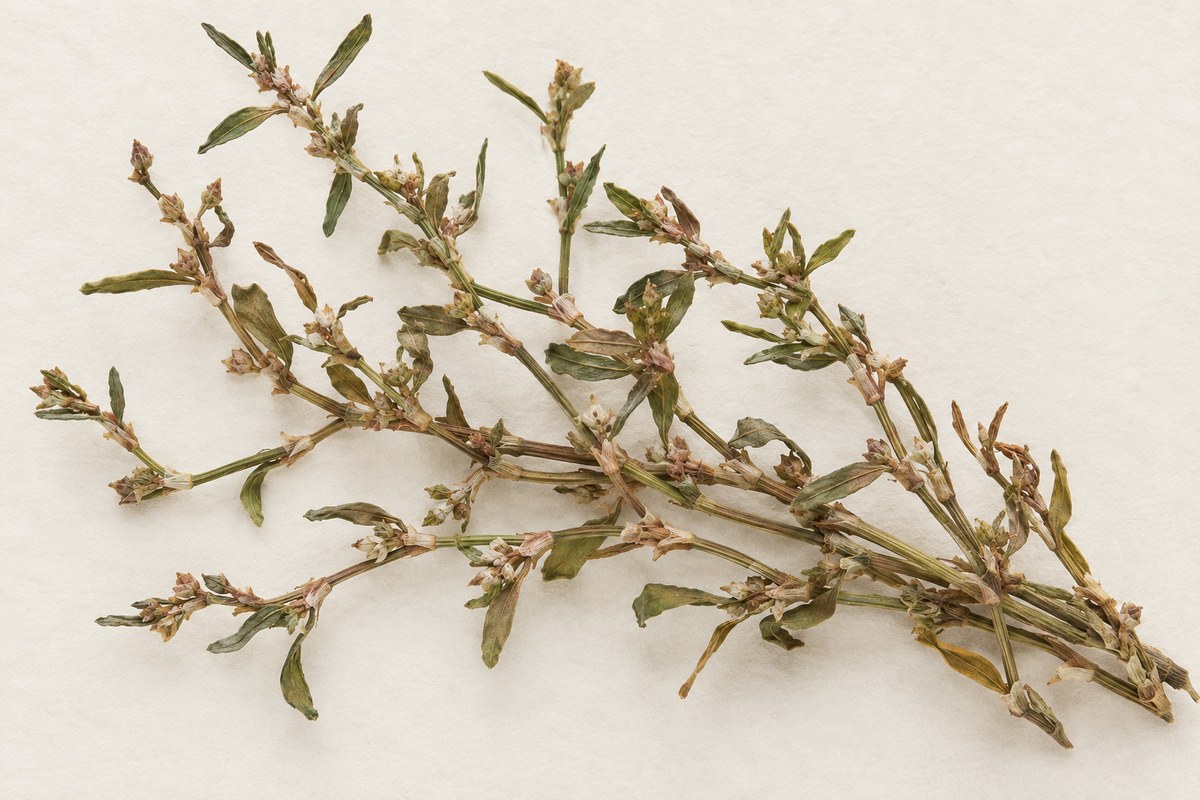
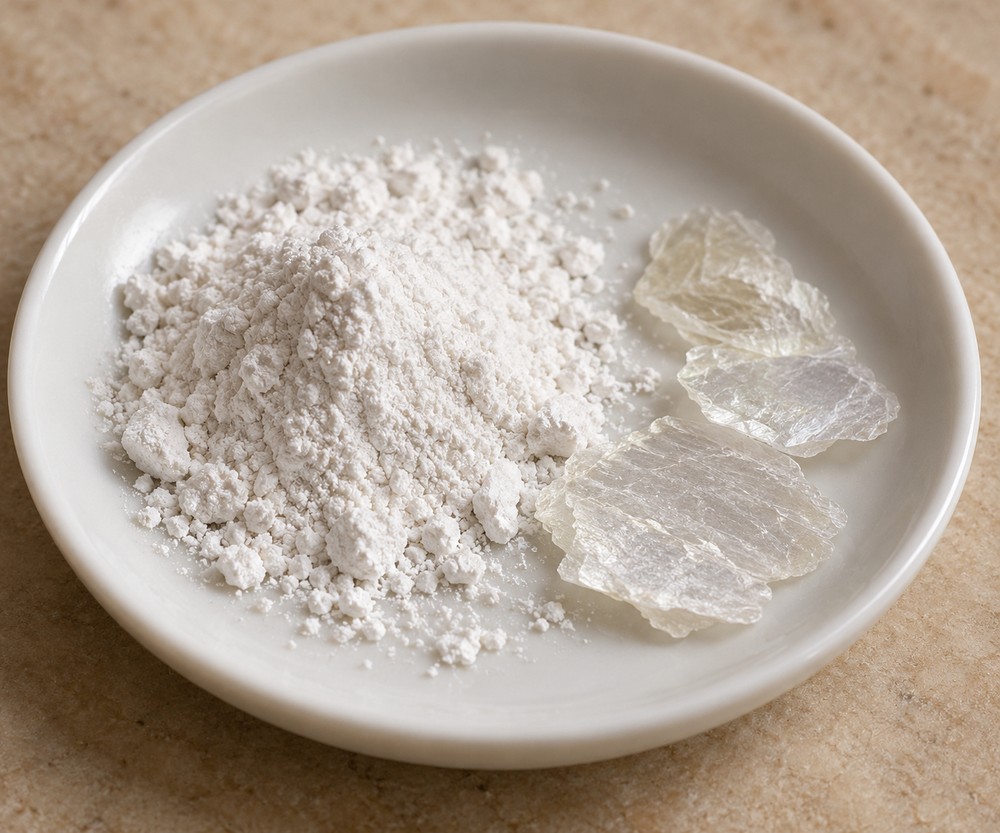
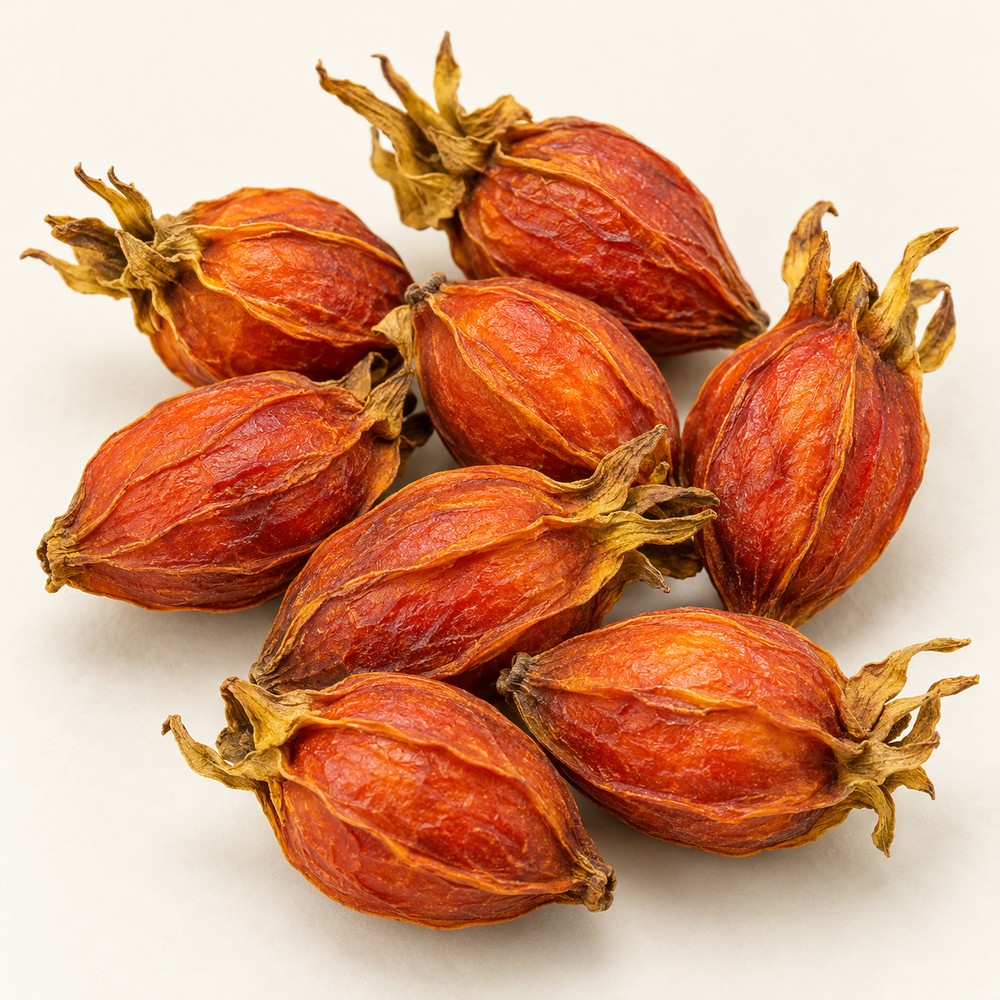
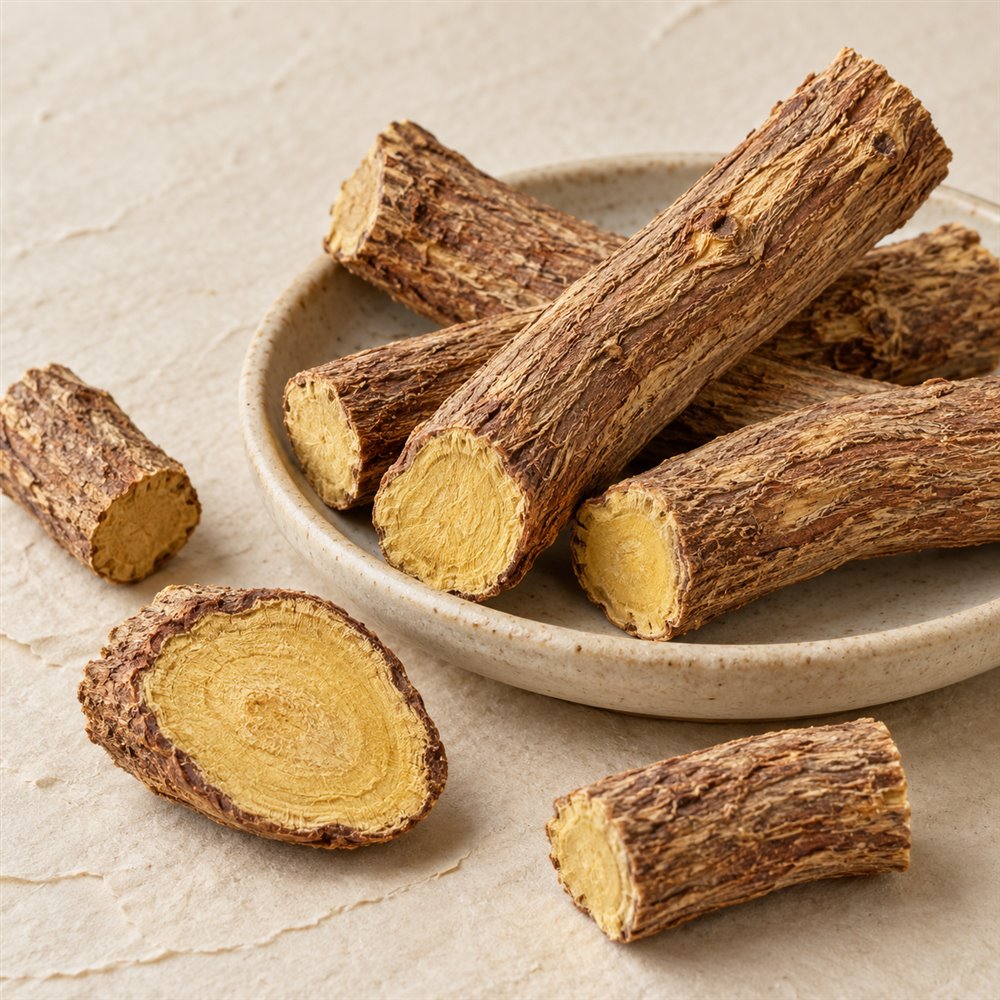
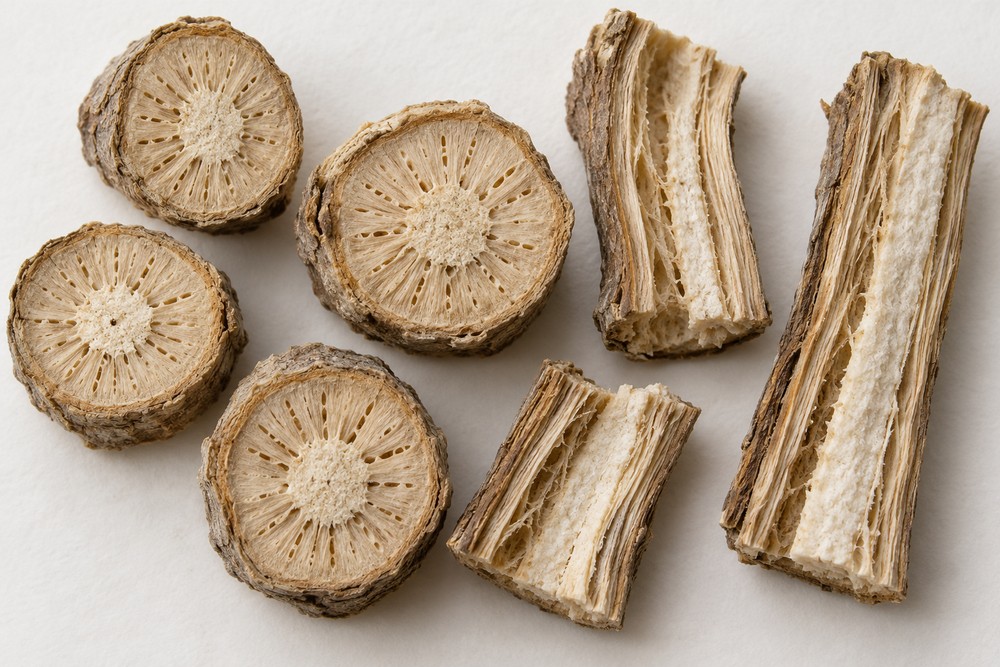
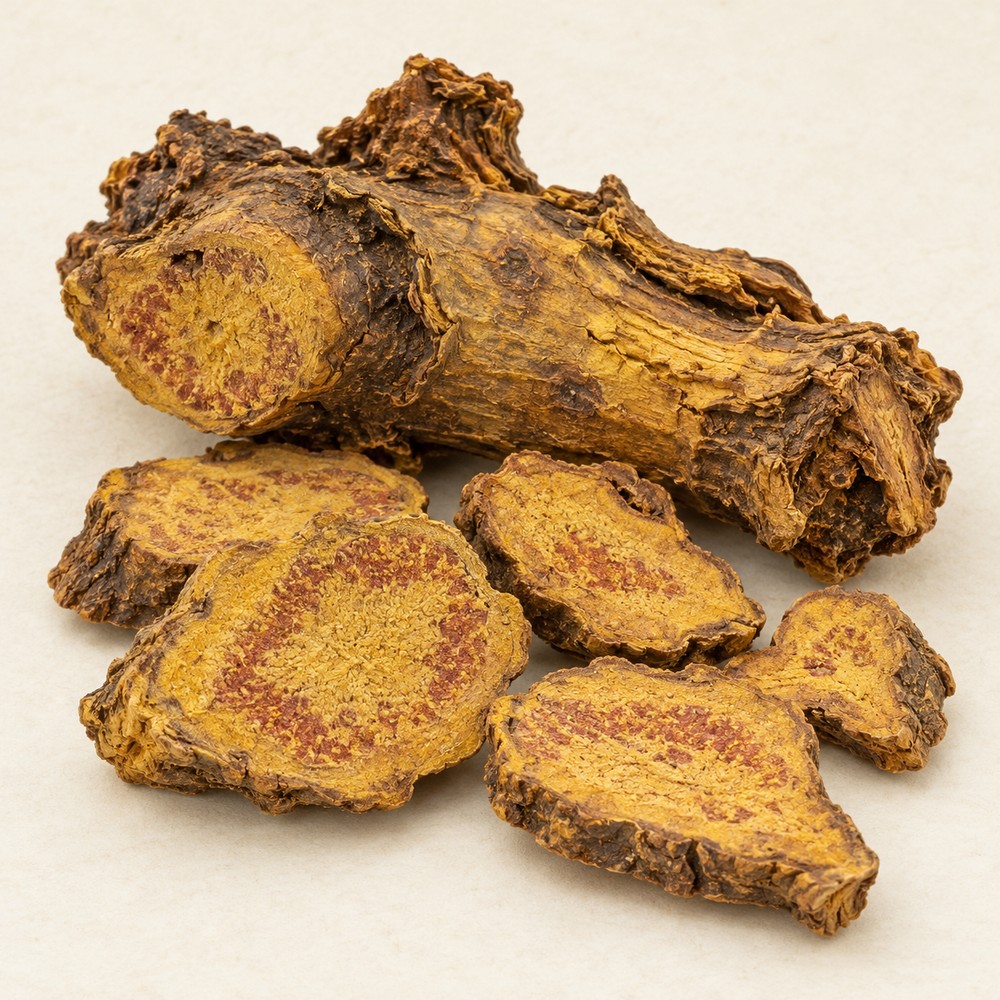
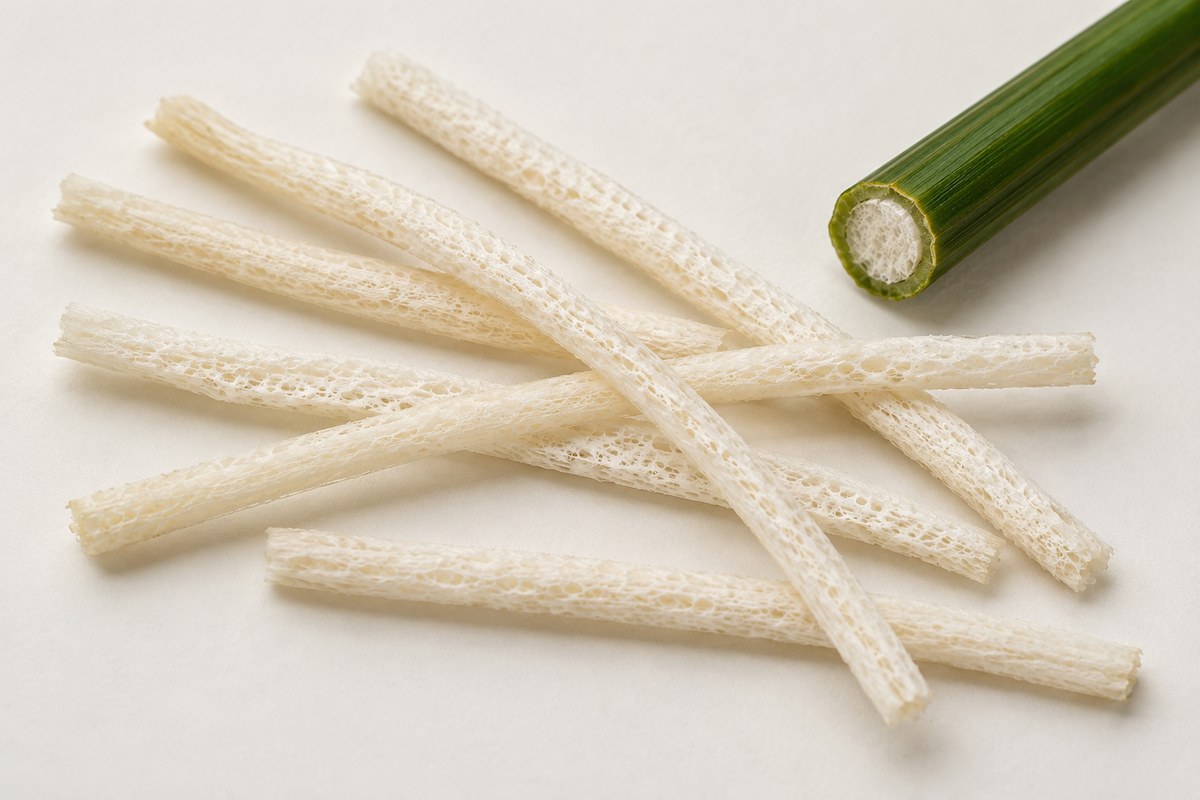
Source-recorded amounts: HKBU lists eight principal ingredients at 1 jin each (shown as 500 g in its converted record), with a Deng Xin decoction as the vehicle. This is a historical batch formula, not an individual dose.
Caution: Not a home decoction. Painful urination, fever, flank pain, blood in urine, retention, or pregnancy requires medical assessment. Talc is a mineral; quality, identity, and processing of all ingredients require professional controls.
Open formula record ↗Documented toxic incompatibility
No specific toxic pairing for Qu Mai was confirmed. Traditional blood-moving/menstruation actions and possible uterine effects are discussed in pharmacology research; avoid self-use in pregnancy. Data are insufficient to treat every diuretic combination as safe.
AI study illustrations; not for specimen identification.
FROM PLANT / SOURCE HABITAT TO DRIED MATERIAL · REFERENCE WORKFLOW
- Cut aerial parts during summer–autumn flowering or fruiting per HKBU; do not dig roots when preparing Qu Mai.
- Shake off soil and remove weeds or mold; keep D. superbus and D. chinensis lots separate if identified. HKBU accepts both source species.
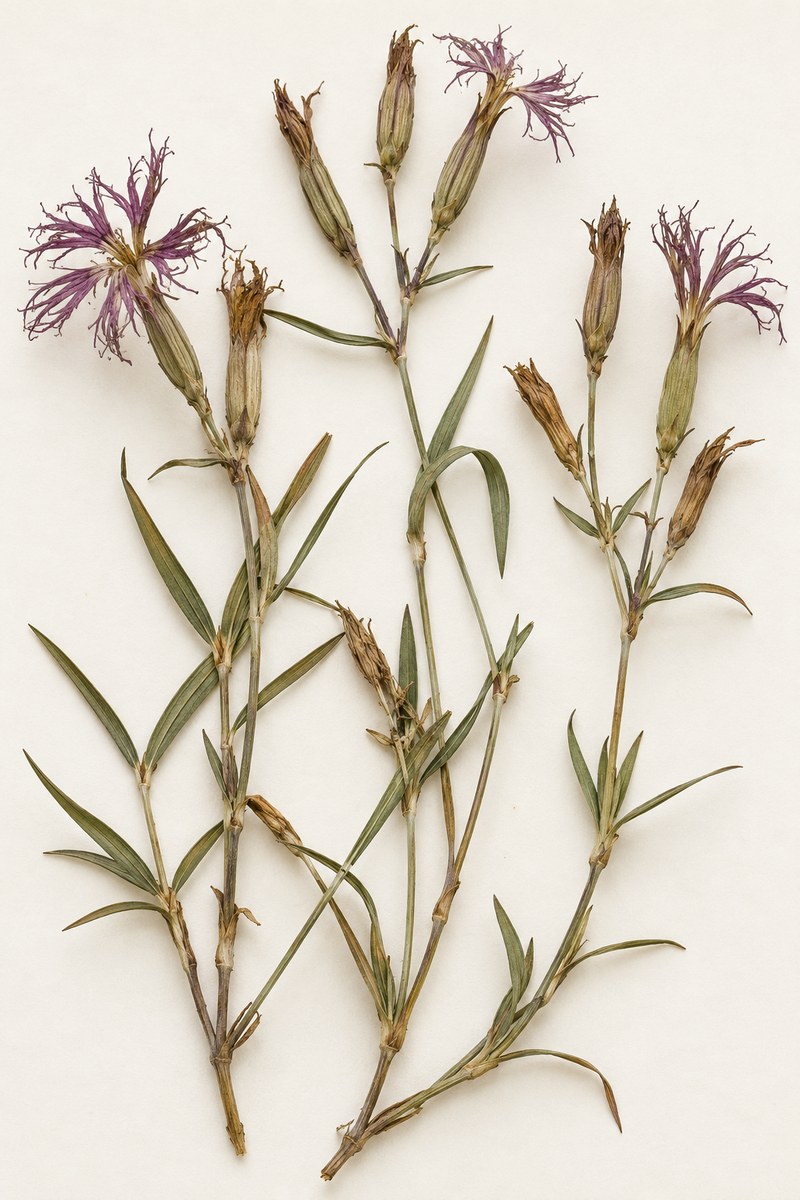
- Dry aerial parts in clean ventilated conditions; dried material often has brittle hollow stems, narrow opposite leaves, and remaining tubular calyces/flowers.
- Record species, date, and part. Do not decoct it at home for painful urination or menstrual regulation; severe symptoms need care.
These are post-harvest study notes, not directions to prepare a remedy for self-treatment. Processing reference ↗
Material source, dried appearance, and processing forms (HKBU)
HKBU identifies Qu Mai as dried aerial parts of Dianthus superbus or D. chinensis. For D. superbus, stems are 30–60 cm with swollen nodes, narrow opposite leaves, long tubular calyces, and deeply fringed petals; dried material is often green with flowers/calyces and brittle hollow stems. Harvest during summer–autumn flowering/fruiting, remove impurities, and dry.
Open original materia medica record ↗Habitat, season, and harvest in the HKBU botanical record
HKBU records Dianthus superbus around 50–60 cm in meadows, forest margins, and ravines; it flowers June–September and fruits August–October. Harvest aerial parts during summer–autumn flowering/fruiting, remove impurities, and dry.
Open botanical source ↗