Rou Gui · Chinese cassia bark · Rou Gui
Cinnamomum cassia (L.) J.Presl · Dried trunk and branch bark
Name and part used
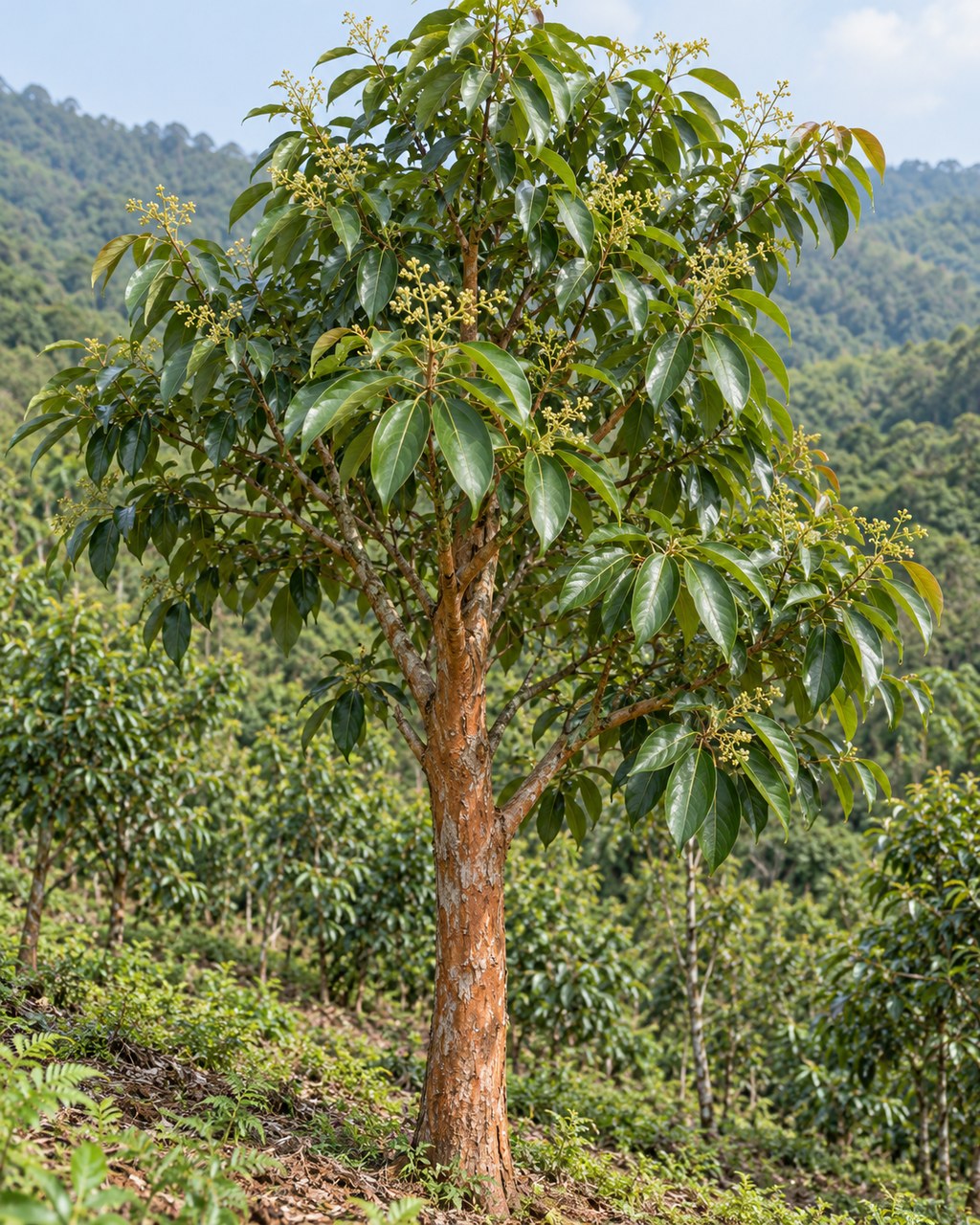
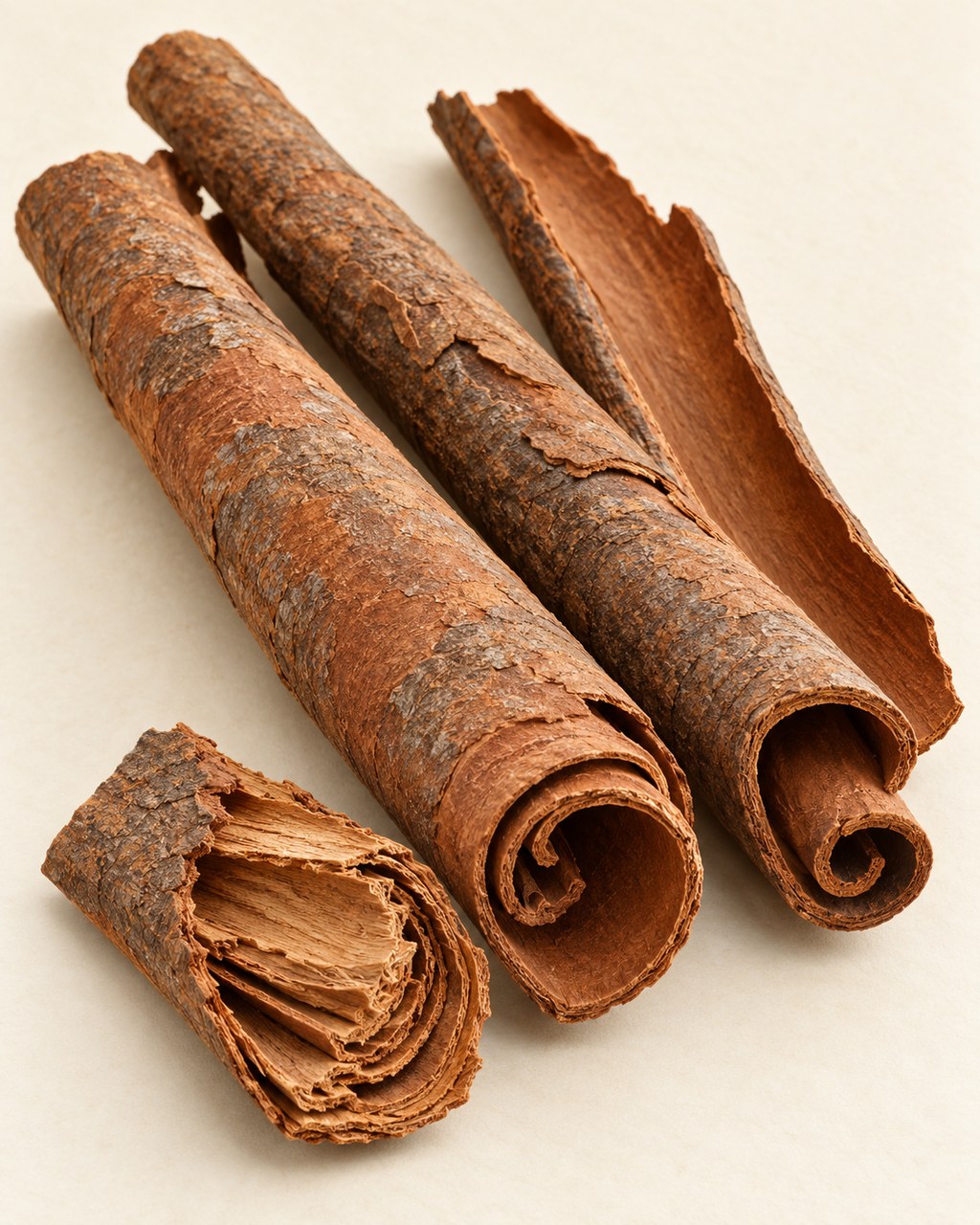
Rou Gui is trunk/branch bark of aromatic evergreen Cinnamomum cassia cultivated in southern China. Leaves are alternate/nearly opposite, leathery, with three main veins from near the base; pale flowers form panicles and fruits ripen dark purple. Do not confuse trunk bark (Rou Gui) with young twigs (Gui Zhi): same species, different plant part and materia medica. AI art illustrates tree and bark but cannot authenticate products.
Traditional context
HKBU records acrid, sweet, hot bark and traditional actions of warming/assisting yang, dispersing cold, and relieving pain. This is not proof of treating shock, abdominal pain, diarrhea, or circulatory disease. Do not equate medicinal bark with culinary cinnamon powder; species, plant parts, and coumarin differ.
Modern evidence
NCCIH notes that cassia products vary in species/plant part and coumarin; large prolonged amounts may concern people sensitive to liver effects or with liver disease. Dietary cinnamon research does not prove treatment of diabetes or other disease. HKBU actions are traditional, not clinical evidence. Use as a culinary spice only in customary amounts; ask a clinician before concentrated products.
Safety
Cassia may contain coumarin; NCCIH notes prolonged/high exposure can affect the liver in susceptible people. Do not use bark as a daily “natural medicine,” especially with liver disease or medication use. Concentrated oil/powder may irritate. Do not self-use medicinal amounts in pregnancy, breastfeeding, or young children.
Safety reference ↗Pairing in reference texts
HKBU’s Shen Qi Wan lists Gui Zhi (young twig), not Rou Gui bark, with seven other ingredients including toxic processed Fu Zi. Do not substitute bark for twig or self-combine. Concentrated cinnamon products may be unsuitable with liver disease/medicines; ask a clinician/pharmacist.
Identification and study notes
Glossy leathery leaves with three basal veins, pale axillary panicles, and purple-black fruit are study cues. The drug is thick trunk/branch bark rolled into tubes/strips with cinnamon aroma. Gui Zhi is the young twig of the same species. Ceylon cinnamon (Cinnamomum verum) differs from C. cassia; aroma cannot authenticate. AI cannot verify coumarin/quality.
Growth and habitat
HKBU records cultivation on sandy soils and hillsides in Fujian, Guangdong, Guangxi, and Yunnan; it prefers warm humid conditions and drainage. This evergreen tree needs space/years; a pot teaches leaf/bark morphology but will not produce standardized materia medica. Do not strip a mature tree at home.
Identification and study notes
Glossy leathery leaves with three basal veins, pale axillary panicles, and purple-black fruit are study cues. The drug is thick trunk/branch bark rolled into tubes/strips with cinnamon aroma. Gui Zhi is the young twig of the same species. Ceylon cinnamon (Cinnamomum verum) differs from C. cassia; aroma cannot authenticate. AI cannot verify coumarin/quality. Nhục quế và Quế chi có liên quan nhưng là hai dược liệu khác: Nhục quế là vỏ Cinnamomum cassia, Quế chi là cành. Bài cổ ghi Quế chi không cho phép thay bằng vỏ vì thành phần và mức phơi nhiễm coumarin khác nhau. Lá ba gân, chùm hoa và quả sẫm giúp hình dung cây; miếng vỏ thơm không tự xác định loài, tuổi cây hay lượng coumarin. Quế cassia thực phẩm cũng khác nguồn, không mặc định là lô dược liệu. Cảnh báo NCCIH về dùng cassia liều cao/kéo dài và ảnh hưởng gan giúp diễn giải an toàn, không chứng minh mọi lượng gia vị đều gây hại. Cây cần nhiều năm nhưng nguồn không có tuổi thu vỏ chung. Không bóc cây nhà hoặc dùng vỏ hàng ngày như “thuốc tự nhiên”. Khi ghi công thức, chép rõ cành hay vỏ, dạng chế và nguồn; điều này tránh tên quế quen thuộc che mất việc thay nguyên liệu.
Growing and care
- Buy a labeled Cinnamomum cassia sapling. Choose a warm sunny site protected from frost and drying winds.
- Plant in deep loose drained soil; keep evenly moist during establishment but prevent waterlogging. Mulch with the trunk collar exposed.
- Remove dead branches, keep an open canopy, weed, and monitor pests. Do not scrape bark or use unidentified chemicals on a study tree.
- Observe three-veined leaves, aromatic bark, flowers/fruit. HKBU records August–October bark harvest but no minimum tree age; do not strip trunk or use home-grown bark medicinally.
How long until harvest? The tree takes years to establish; HKBU gives no mature age or years-to-bark-harvest interval. August–October is the professional harvest season, not time from planting to use. Grow for study; do not strip/process bark.
Habitat, season, and harvest in the HKBU botanical record
HKBU describes Cinnamomum cassia as an aromatic evergreen with alternate/nearly opposite three-veined leaves, cultivated on sandy hillsides in southern China. Trunk/branch bark is collected around August–October; Gui Zhi is the separate young-twig materia medica.
Open botanical source ↗HKBU formula record containing this herb: Shen Qi Wan · Kidney Qi Pill
Công năng theo lý luận truyền thống của nguồn: In classical theory, Shan Zhu Yu is recorded among the liver-kidney supporting ingredients; HKBU describes the whole formula as warming kidney yang and supporting qi transformation. This is not evidence of kidney-disease treatment.
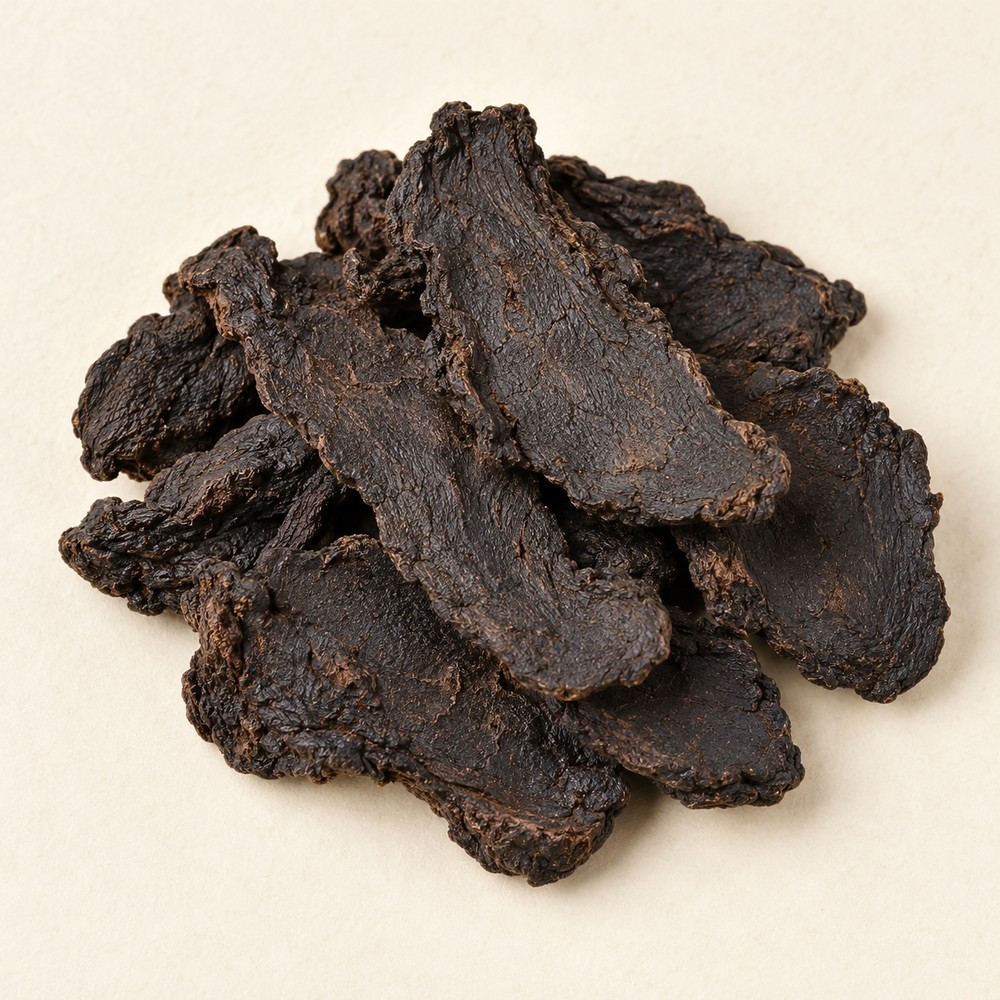
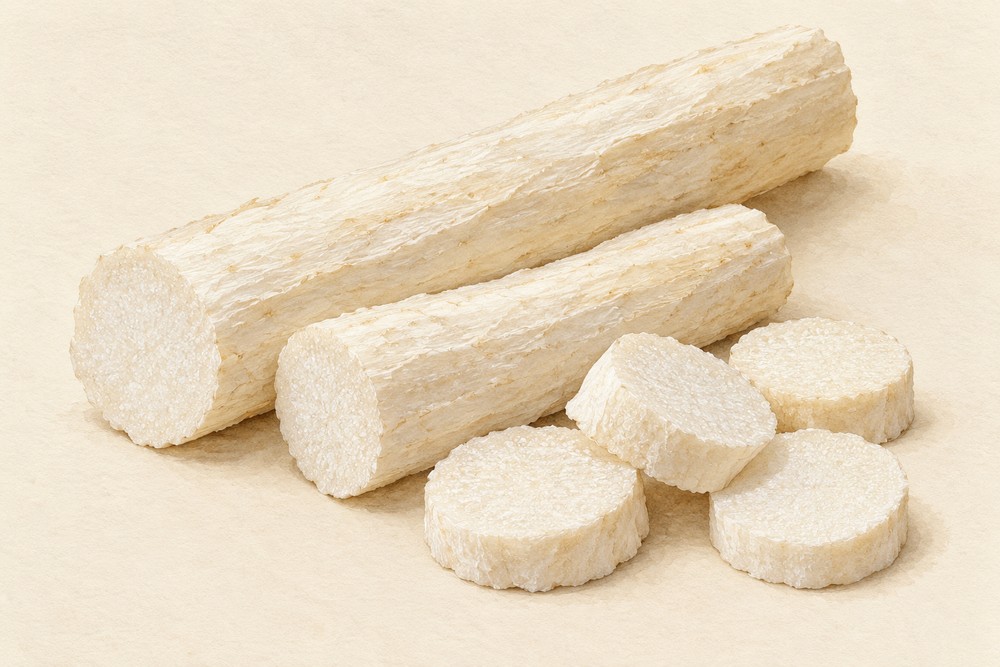
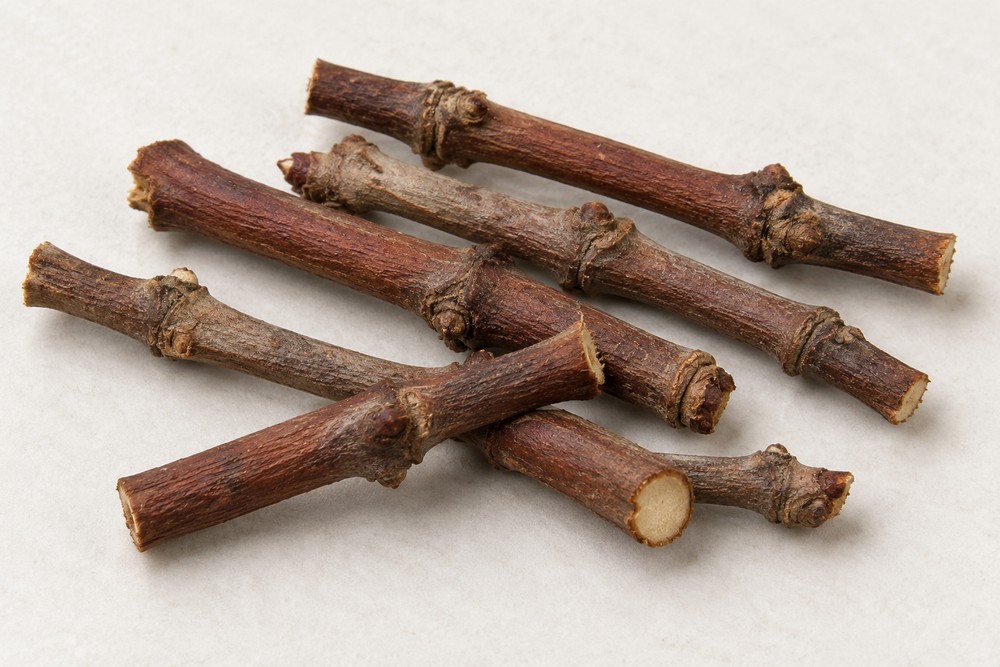
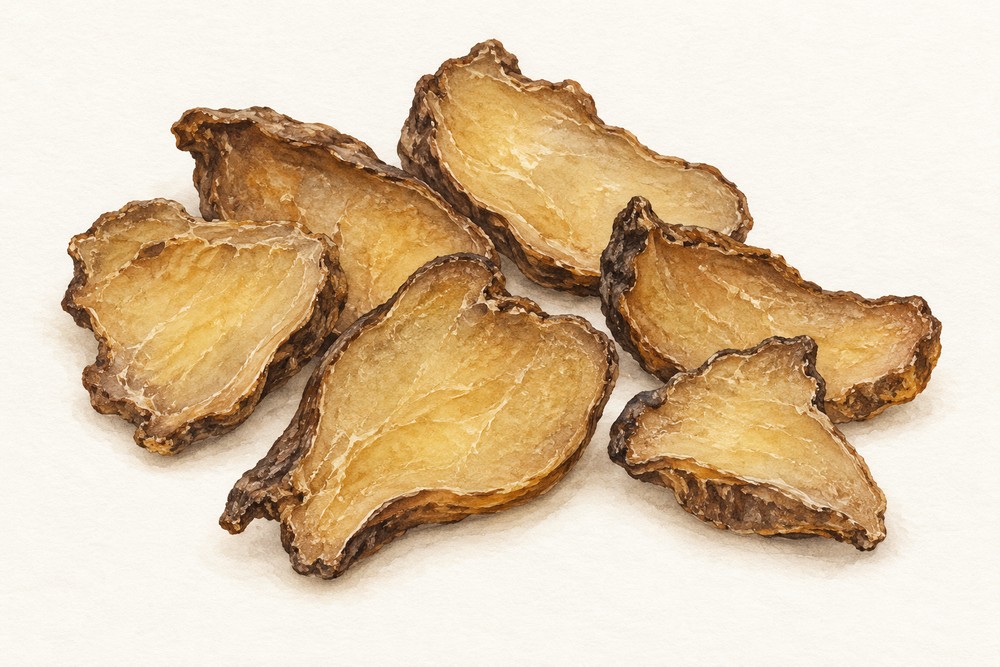
Ingredient images and source amounts are shown for comparison only; this is not a treatment recipe.
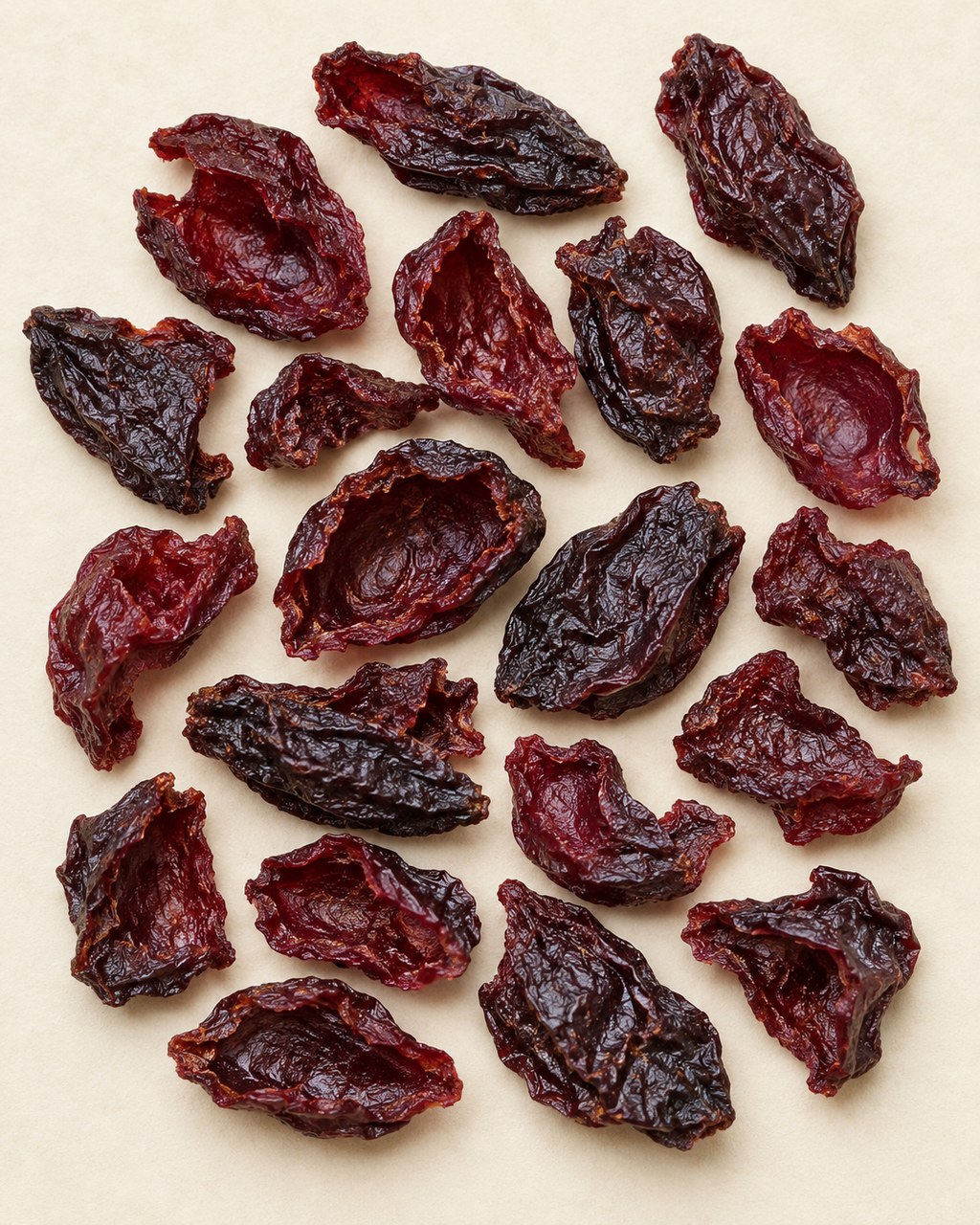
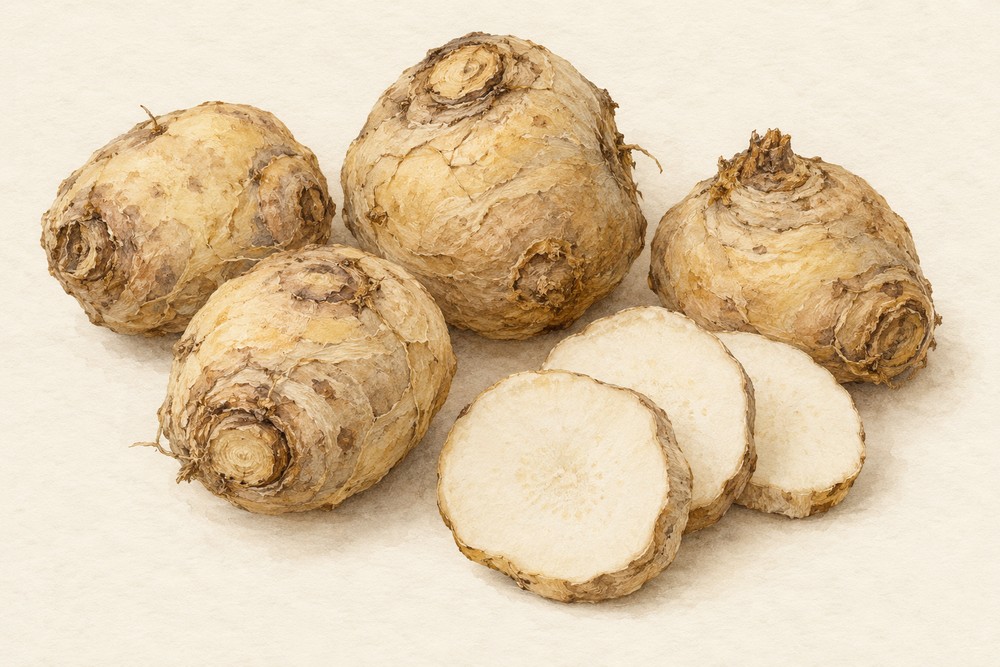
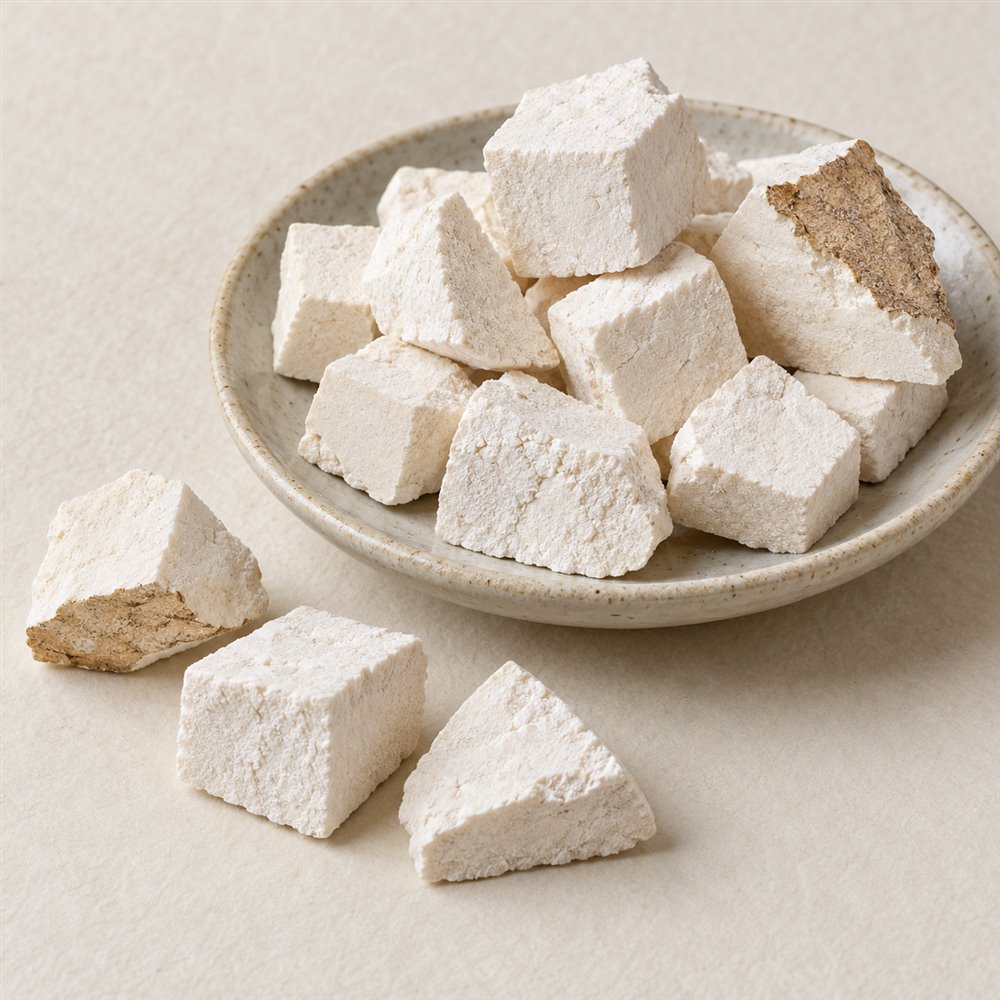
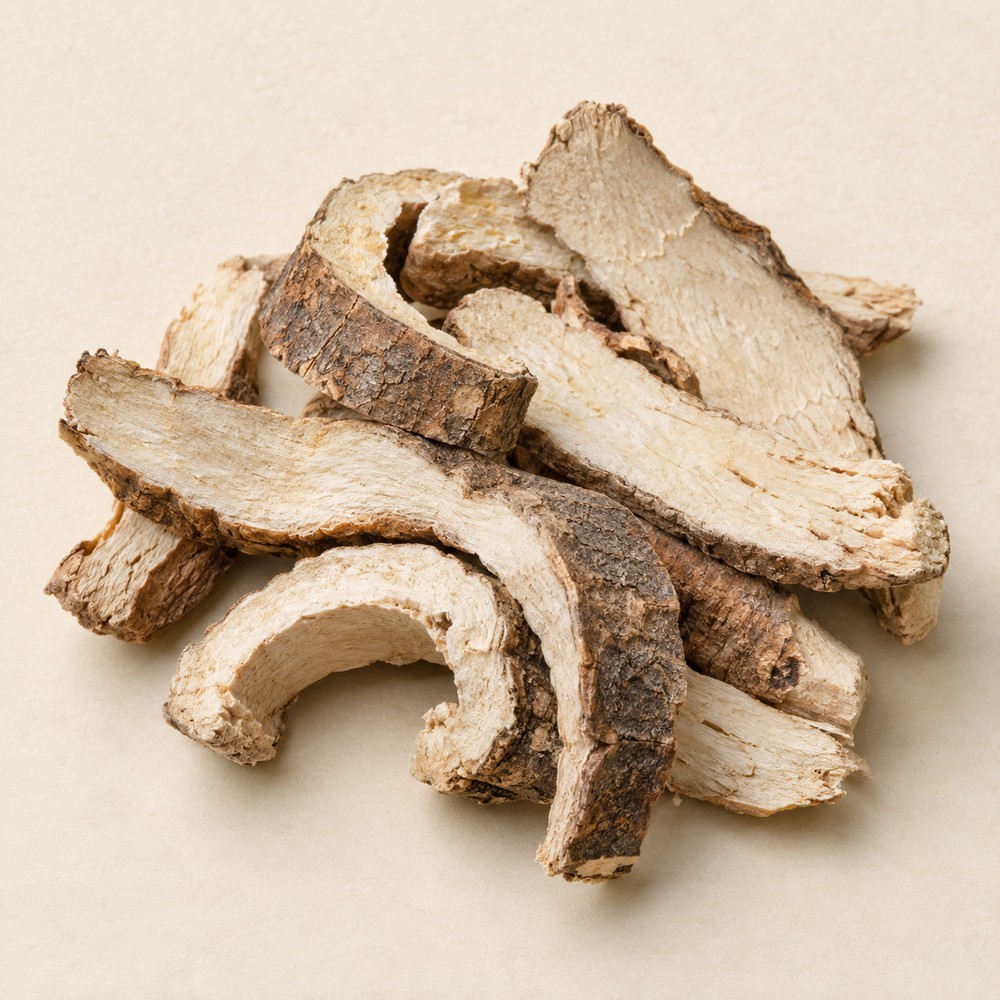
HKBU source-recorded composition
HKBU F00082: Gan Di Huang 8 liang (240 g), Shan Yao 4 liang (120 g), Shan Zhu Yu 4 liang (120 g), Ze Xie 3 liang (90 g), Fu Ling 3 liang (90 g), Mu Dan Pi 3 liang (90 g), Gui Zhi 1 liang (30 g), processed Fu Zi 1 liang (30 g).
These are historical source quantities, not a dose. The formula contains toxic processed Fu Zi; do not buy, combine, decoct, or adapt the amounts for self-use.
Open complete HKBU formula record ↗FROM PLANT / SOURCE HABITAT TO DRIED MATERIAL · REFERENCE WORKFLOW
- HKBU records August–October collection of trunk/branch bark from selected trees; do not strip a live tree at home.
- A production facility separates bark to specification; the source does not support improvised burning, boiling, or additives. Avoid concentrated dust/oil on skin or eyes.
- Dry and grade by form/thickness, then roll or cut into strips. The outer side is gray-brown and inner surface aromatic reddish-brown; labels must distinguish bark Rou Gui from twig Gui Zhi.
- Store sealed and dry, separate from culinary cinnamon to prevent species/part confusion; medicinal lots need provenance and quality control.
These are post-harvest study notes, not directions to prepare a remedy for self-treatment. Processing reference ↗