Chinese taxillus herb · Sang Ji Sheng
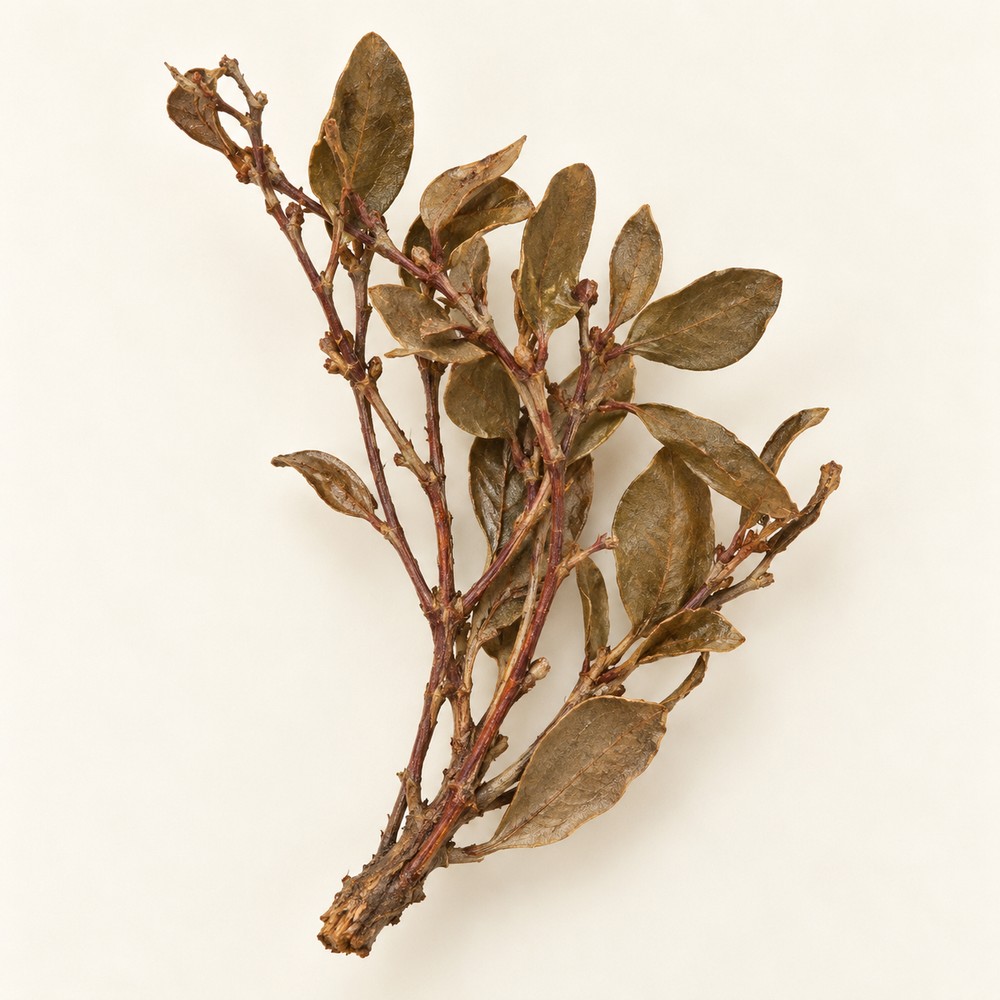
Taxillus chinensis (DC.) Danser · Dried leafy stems
Name and part used
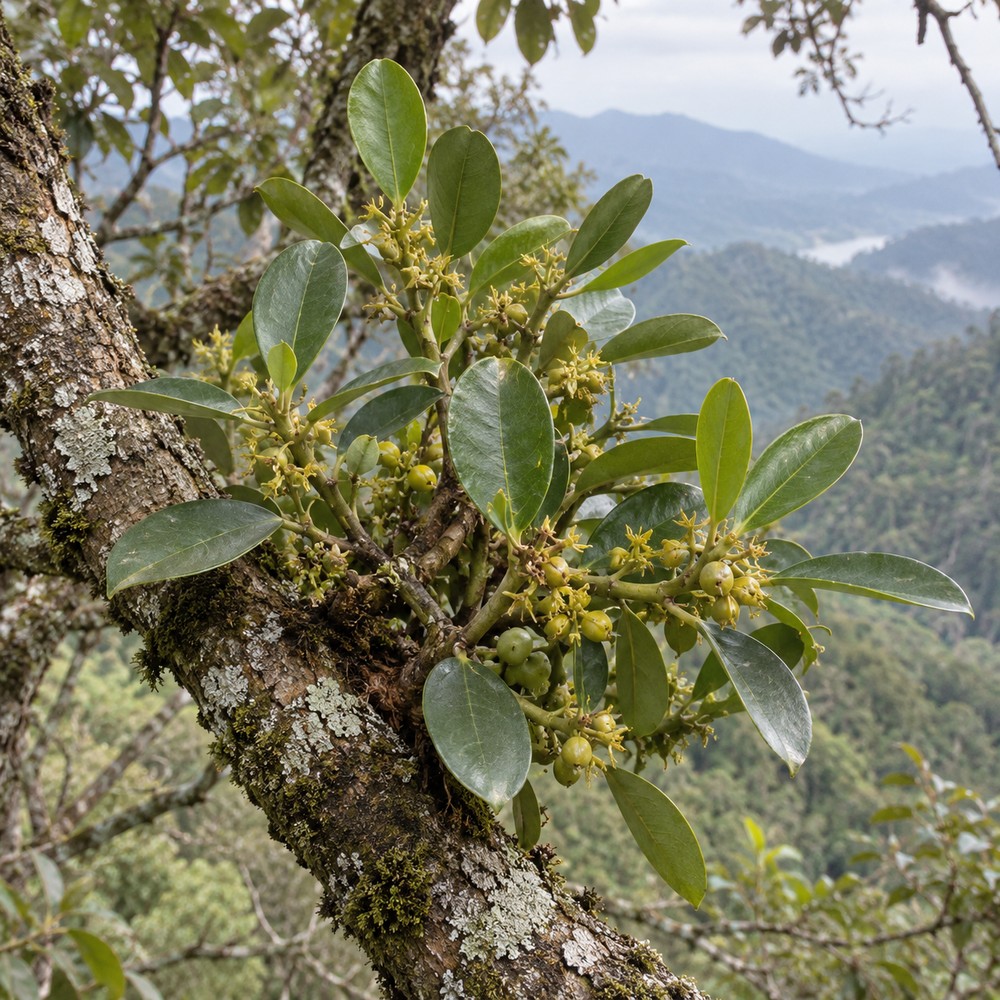
Taxillus chinensis is a hemiparasitic shrub growing on host trees; reddish-brown stems have lenticels and leathery oval entire leaves.
Traditional context
Wind-damp relief, liver/kidney support, tendon/bone strengthening, and fetal security are traditional claims, not evidence of pregnancy protection.
Modern evidence
HKBU identifies the drug as dried leafy stems of Taxillus chinensis; appearance alone cannot verify host or species.
Safety
Host tree and parasite identity can be confused; do not wild-harvest. Pregnancy, anticoagulants, and chronic illness need professional review.
Pairing in reference texts
Sang Ji Sheng may appear with Du Zhong in traditional liver/kidney formulas; do not self-combine for joint disease.
Growing, care, and harvest timing
HKBU habitat record: Growing in plain or low mountain broad-leaved evergreen forests at altitude 20-400m, parasitizing on mulberry, peach tree, plum tree, longan, litchi, carambola, oiltea camellia, tung tree, rubber tree, banyan, kapok, masson pine and huon pine, etc. Distributed in Fujian, Guangdong, Guangxi and etc. The medicinal materials are mainly produced in Fujian, Guangdong, Guangxi and etc Harvest and processing as recorded: Harvested in from winter to next spring, removed thick stem, cut into segments and dried, or steamed, then dried
Source-recorded harvest/processing: Harvested in from winter to next spring, removed thick stem, cut into segments and dried, or steamed, then dried
The reviewed source does not provide a complete species-specific sowing/growing routine, irrigation/fertilization schedule, or universal plant age. The page therefore does not infer care instructions or years to harvest; consult local cultivation guidance.
Open habitat and season source ↗FROM PLANT / SOURCE HABITAT TO DRIED MATERIAL · REFERENCE WORKFLOW
- Cắt cành non vừa phải theo quy trình bền vững, giữ lá lành và tránh khai thác tận diệt cây chủ.
- Harvest moderate young branches under sustainable practice, retaining sound leaves and protecting the host tree.
These are post-harvest study notes, not directions to prepare a remedy for self-treatment. Processing reference ↗
How to read formula amounts
Displayed amounts belong to the cited formula and source; they are not a general safe ratio, treatment dose, or home-decoction instruction. Do not transfer amounts to another formula or adjust them by body weight.
Habitat, season, and harvest in the HKBU botanical record
HKBU botanical record (translated summary): Flowering and fruiting dates: Flowering and fruiting: April to January of next year Habitat and distribution: Growing in plain or low mountain broad-leaved evergreen forests at altitude 20-400m, parasitizing on mulberry, peach tree, plum tree, longan, litchi, carambola, oiltea camellia, tung tree, rubber tree, banyan, kapok, masson pine and huon pine, etc. Distributed in Fujian, Guangdong, Guangxi and etc. The medicinal materials are mainly produced in Fujian, Guangdong, Guangxi and etc Harvest and processing as recorded: Harvested in from winter to next spring, removed thick stem, cut into segments and dried, or steamed, then dried
Open botanical source ↗HKBU formula record containing this herb: Tian Ma Gou Teng Yin / Gastrodia and Uncaria Decoction
Traditional action in the source: Calms the liver and extinguishes wind, clears heat and invigorates blood, supplements and boosts the liver and kidney
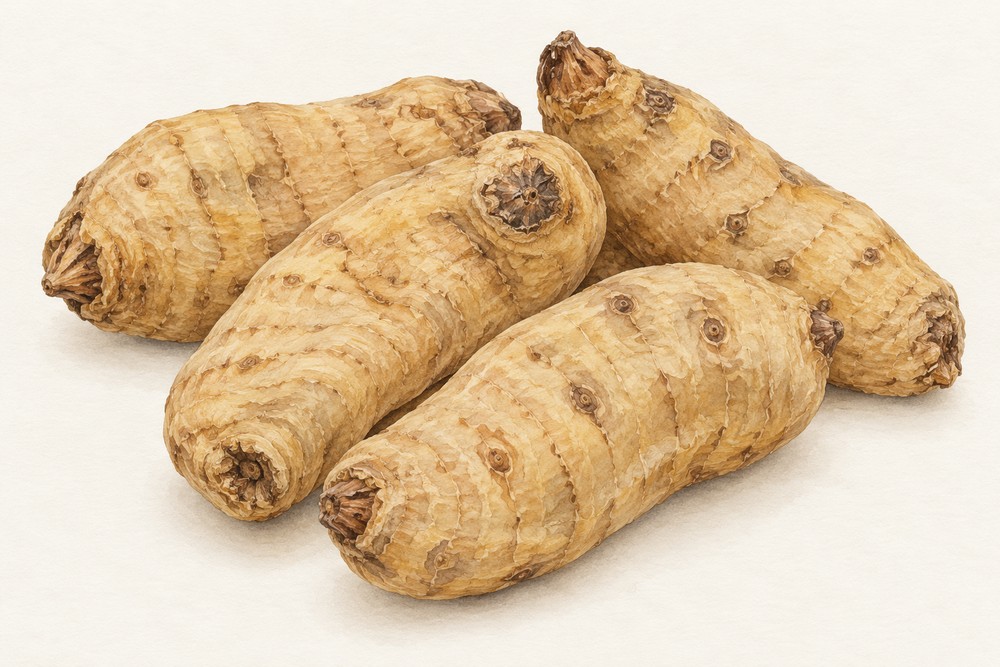
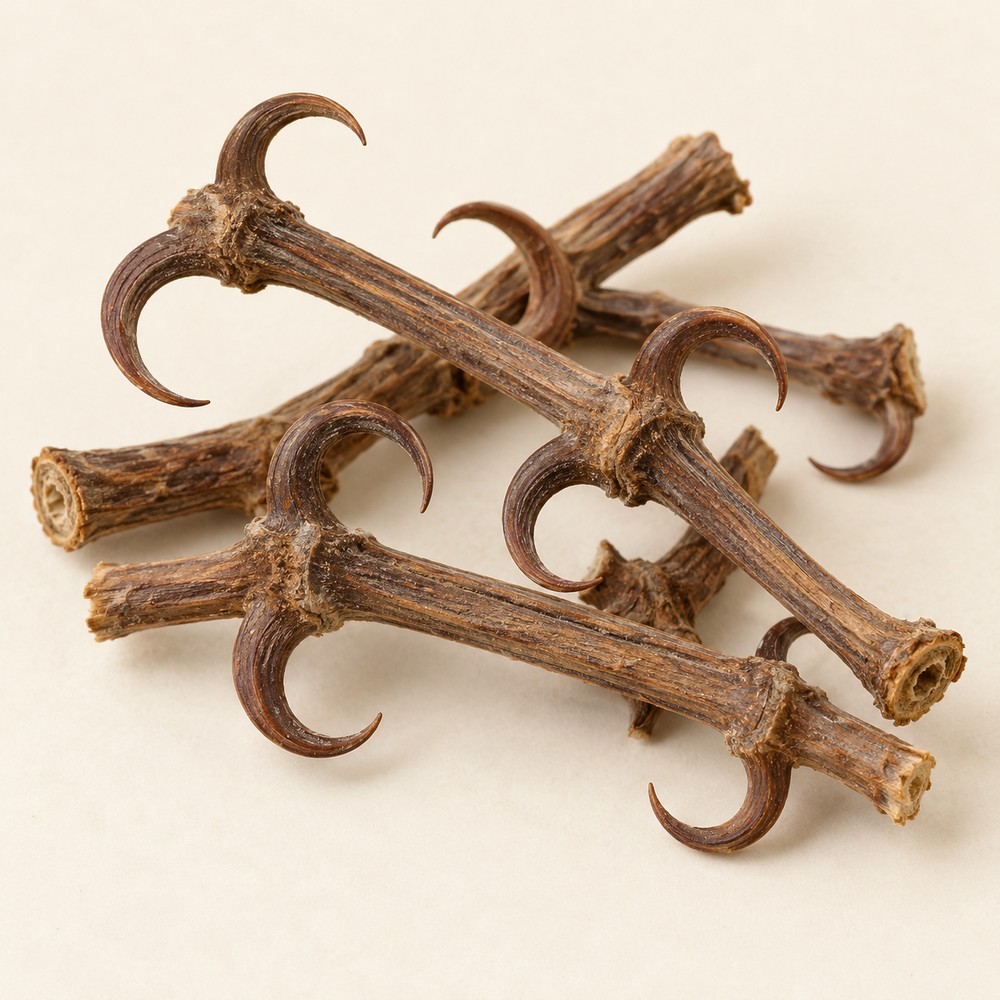
Ingredient images and source amounts are shown for comparison only; this is not a treatment recipe.
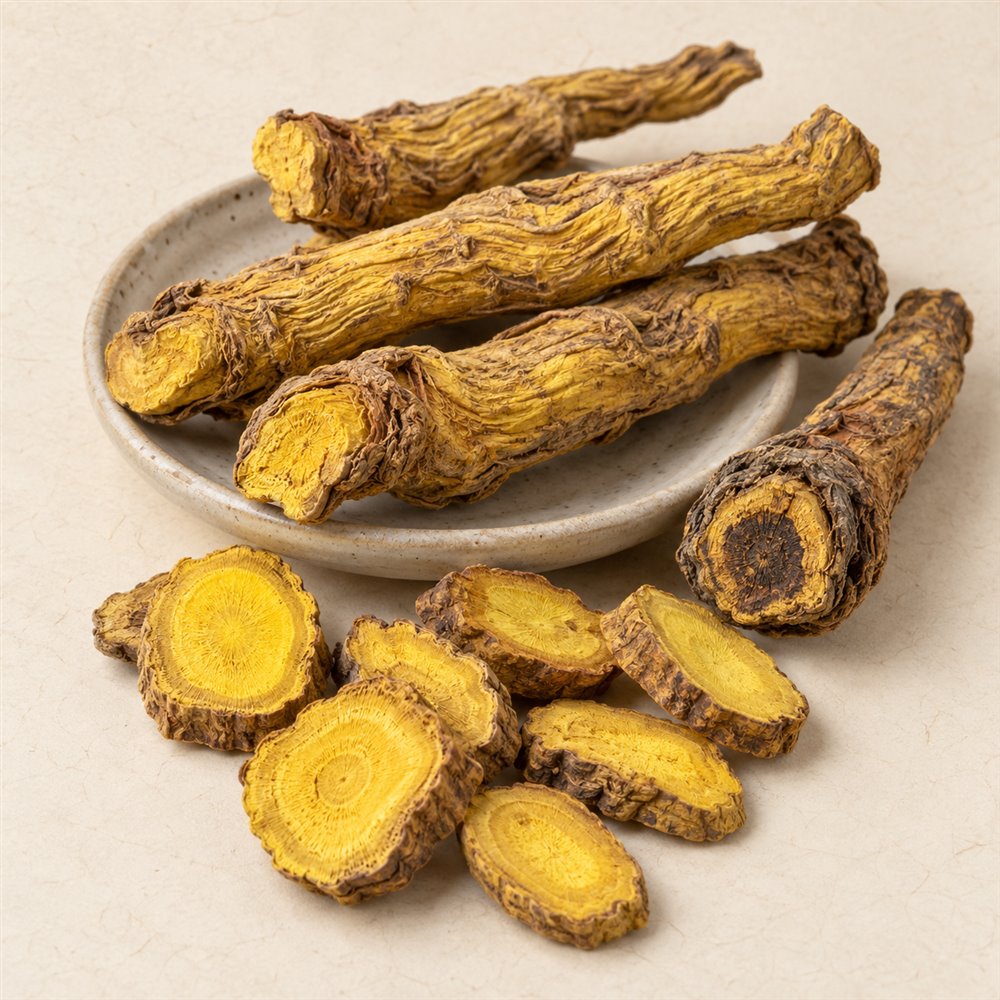
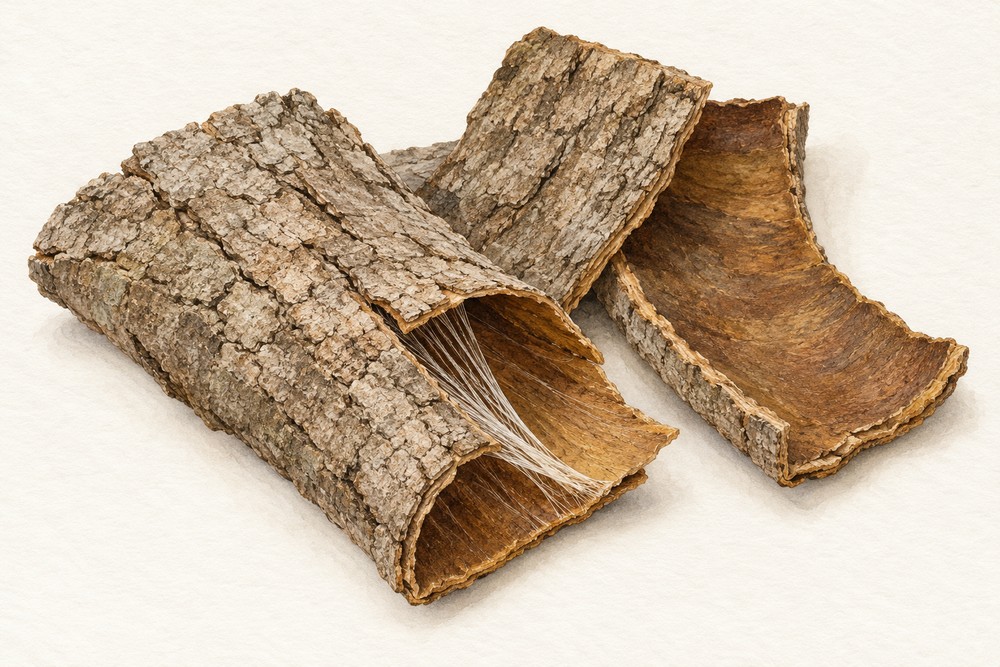
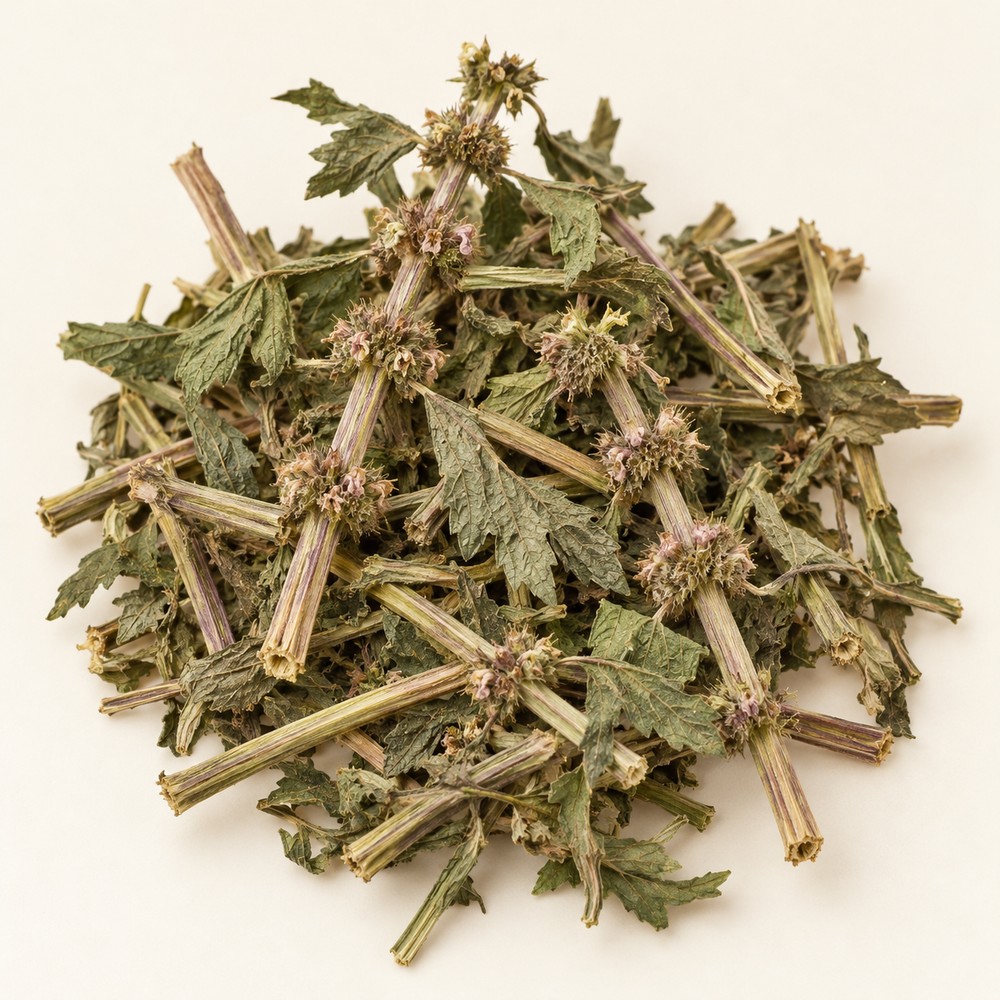
HKBU source-recorded composition
Gastrodiae Rhizoma (Tian Ma) 9g, Uncariae Ramulus cum Uncis (Gou Teng) 12g, Haliotidis Concha (Sheng Jue Ming) 18g, Gardeniae Fructus (Shan Zhi) 9g, Scutellariae Radix (Huang Qin) 9g, Cyathulae Radix (Chuan Niu Xi) 12g, Eucommiae Cortex (Du Zhong) 9g, Leonuri Herba (Yi Mu Cao) 9g, Taxilli Herba (Sang Ji Sheng) 9g, Polygoni Multiflori Caulis (Ye Jiao Teng) 9g, Poriae Pararadicis Sclerotium (Zhu Fu Shen) 9g
The ingredients and amounts below are one HKBU-recorded version; texts, historical units, processing, and modern products can differ. This is comparative reference data, not a home-preparation recipe or personal dose.
Open complete HKBU formula record ↗