Persimmon calyx · Shi Di
Diospyros kaki Thunb. · Dried persistent calyx
Name and part used
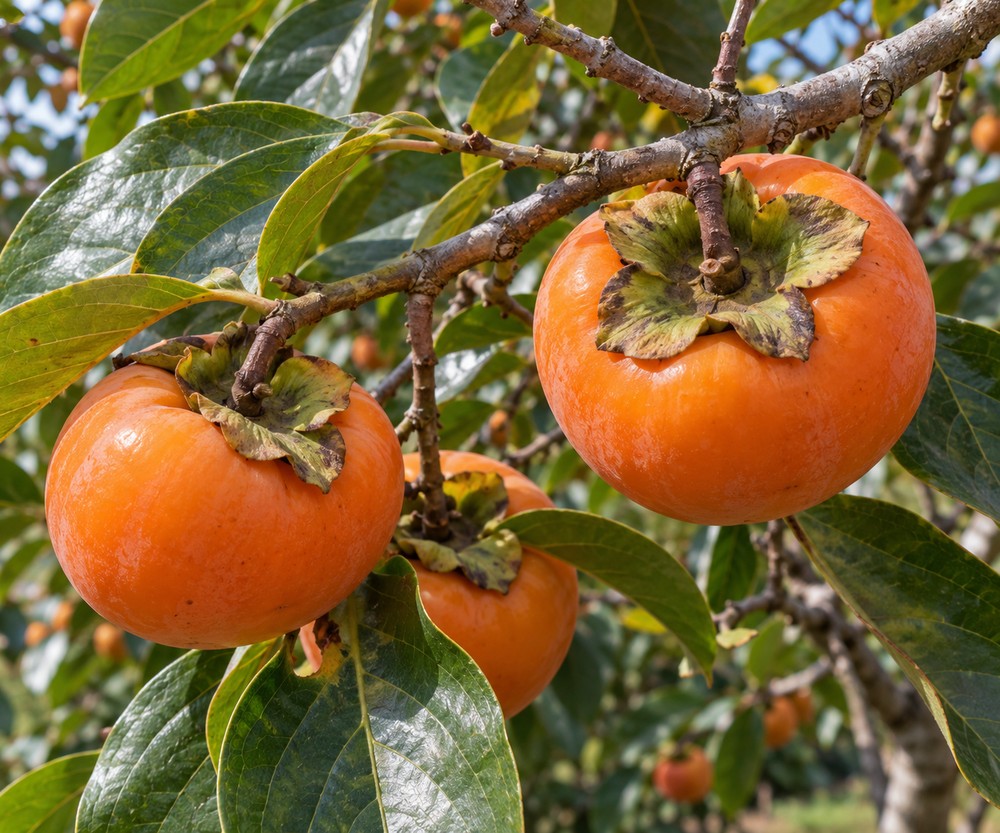
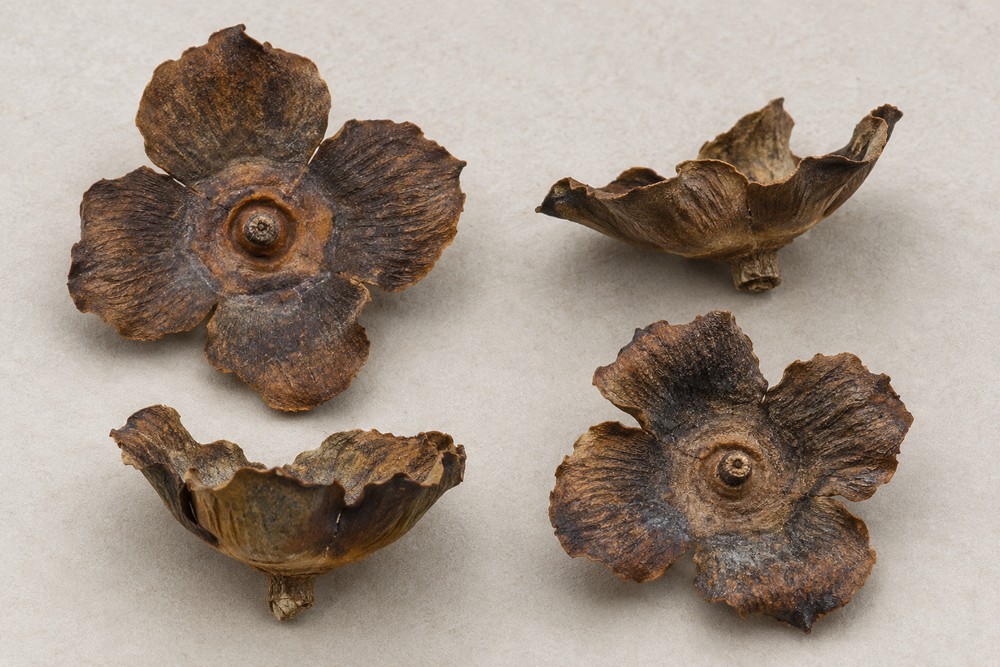
Shi Di is the persistent calyx and fruit base attached to Diospyros kaki persimmon after harvest. It has four green-brown lobes that become leathery with age; dried material is flattened or star-shaped, with a short stalk and wrinkled surface. It is not the seed or leaf.
Traditional context
Traditional sources record Shi Di as bitter, astringent, and neutral, used in formula contexts for hiccup/counterflow. This is not treatment for persistent hiccups, vomiting, obstruction, or stomach disease.
Modern evidence
HKBU describes Shi Di as the dried calyx of ripe Diospyros kaki, collected after fruit use, washed, and sun-dried. Using this fruit byproduct can reduce waste, but contamination, pesticide residues, mold, and species substitution remain concerns.
Safety
Moldy or contaminated material can be harmful; avoid calyces from fruit treated with unknown pesticides. People with persimmon allergy, pregnancy/breastfeeding, chronic disease, or medicines should seek professional advice before medicinal use. No specific toxic pair was verified in reviewed sources.
Pairing in reference texts
Shi Di is combined with clove, ginseng, and fresh ginger in Ding Xiang Shi Di Tang. HKBU records 6, 9, 3, and 6 g, respectively; the sourced historical formula is described as directing counterflow in traditional theory. This is not self-treatment dosing.
Growth and habitat
Diospyros kaki is native to East Asia, grown in warm temperate to subtropical regions; The plant prefers full sun, deep, well-drained soil and a warm growing season. The plant is cold-resistant when dormant, but young flowers/fruits can be exposed to frost; Many varieties need a cool, dry fall for the fruit to ripen.
Growing, care, and harvest timing
The profile above includes sourced steps and a documented harvest window. Harvest timing is agronomic information, not a self-use instruction.
Growing and care
- Choose a cultivar suited to the local climate and grafted/nursery stock with cultivar identity; seed-grown trees may not retain fruit traits.
- Plant in a cool season or early rainy season in drained soil and full sun; dig a broad hole and keep the root collar at grade.
- Water deeply while establishing and during dry spells; mulch but keep it off the trunk, and avoid waterlogging and weeds.
- Maintain an open canopy, remove dead/crossing branches, fertilize to soil needs, thin overloaded fruit if needed, and monitor fruit flies and leaf spot.
- Grafted trees need several seasons to establish and fruit, but timing depends on cultivar, rootstock, and climate. Use healthy ripe fruit for calyx harvest and follow pesticide label intervals.
- Remove calyces from clean fruit, wash, dry promptly with airflow, record date and lot, and reject moldy or suspect-residue material.
How long until harvest? Thi De can be used after the persimmon harvest season, when the fruit is ripe and the calyx forms; The fruiting age of the tree is not fixed and depends on the variety/rootstock. HKBU source does not give a standard age for harvesting trees. Do not confuse the time the tree bears fruit with the time the medicinal herbs dry.
Documented formula pairing: Ding Xiang Shi Di Tang
HKBU describes a traditional action of directing counterflow and warming the middle; persistent hiccups or those with chest pain/bloody vomiting require medical assessment.
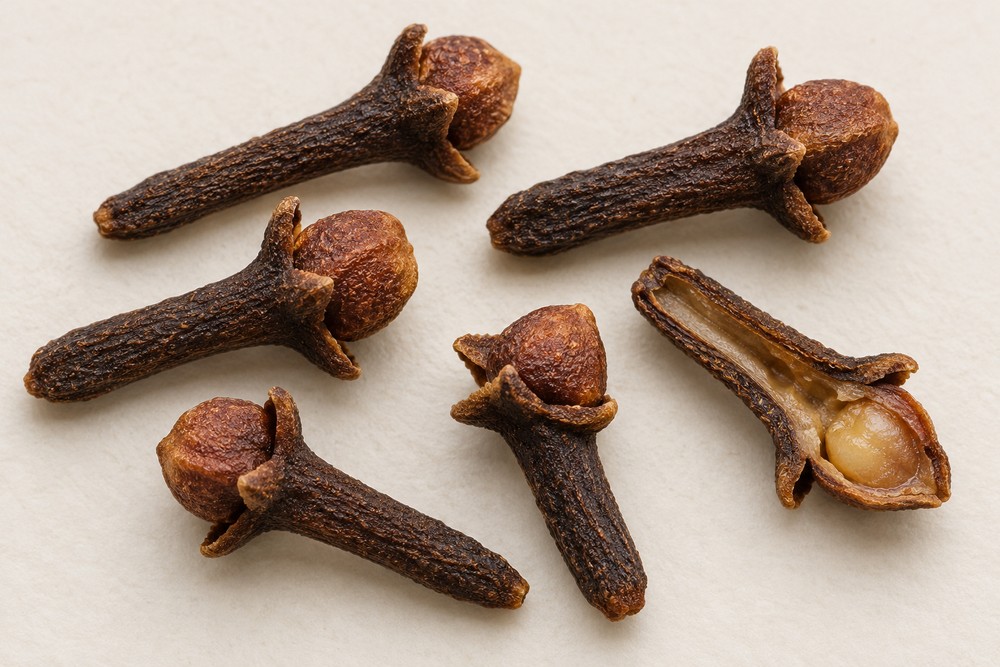
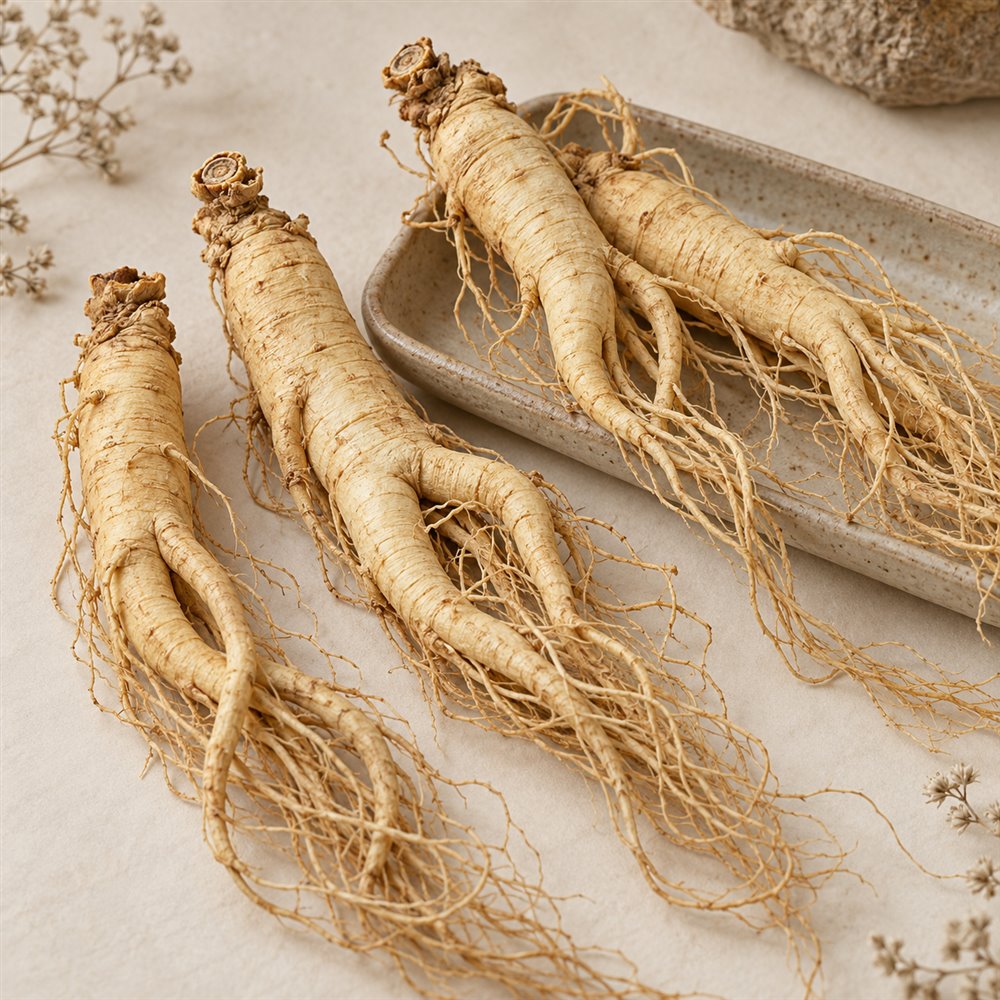
Source-recorded amounts: HKBU records 6:9:3:6 g in order—clove:persimmon calyx:ginseng:fresh ginger—or 2:3:1:2. This is one formula source, not dosing advice.
Caution: Ginseng has sourcing/conservation and interaction cautions; concentrated clove can affect coagulation or irritate. Do not self-use for children, people taking anticoagulants, or pregnancy.
Open formula record ↗Documented toxic incompatibility
No reviewed source confirms a specific Shi Di pair as toxic. A multi-herb traditional formula does not prove Shi Di plus clove is poisonous; consider individual herb interactions and the user’s health context.
FROM PLANT / SOURCE HABITAT TO DRIED MATERIAL · REFERENCE WORKFLOW
- Collect ripe persimmons from the source Diospyros kaki tree; After separating the fruit for eating/processing, keep the calyx and stem intact, remove the rotten part, wash and dry/dry on a clean tray. Dry until dry, medium crisp, avoid sunlight, dust, smoke, and insects; Store in a sealed dry place and check for mold periodically.
- Harvest ripe fruit from authenticated Diospyros kaki. After separating fruit for food, retain intact calyx and stem, reject rotten portions, wash, and air/sun-dry on clean racks. Dry thoroughly without dust, smoke, or insects; Store dry and sealed and check periodically for mold.
These are post-harvest study notes, not directions to prepare a remedy for self-treatment. Processing reference ↗
How to read formula amounts
Displayed amounts belong to the cited formula and source; they are not a general safe ratio, treatment dose, or home-decoction instruction. Do not transfer amounts to another formula or adjust them by body weight.