Tu Si Zi · Chinese dodder seed · Tu Si Zi
Cuscuta chinensis Lam. · Dried ripe seed
Name and part used
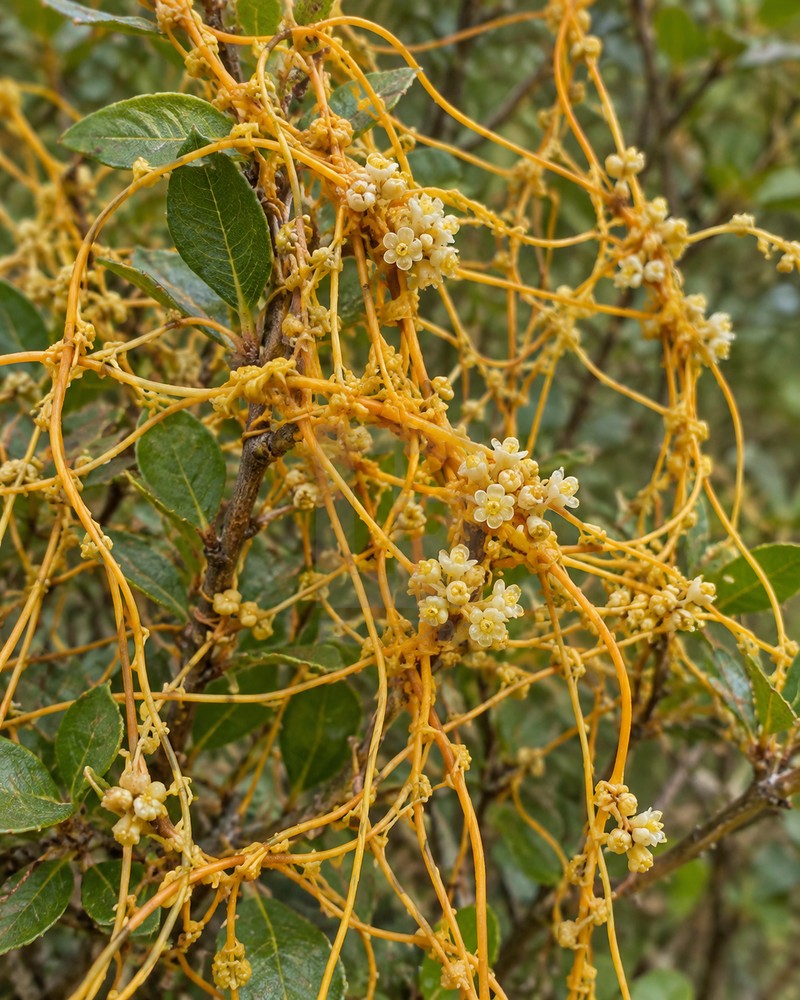
Cuscuta chinensis is a golden-orange threadlike parasitic vine that attaches to host plants with haustoria and bears tiny clustered flowers. Tu Si Zi is the small ripe brown seed, not the parasitic vine.
Traditional context
HKBU records traditional actions including tonifying liver and kidney, securing essence, improving vision, and “quieting the fetus.” The latter is historical language, not evidence for treating threatened miscarriage or advice for pregnancy.
Modern evidence
Materia medica records and historical use are not equivalent to clinical-trial evidence. Do not identify seeds from an illustration or common name; pharmacopoeial standards may accept multiple Cuscuta species, while this page illustrates C. chinensis only.
Safety
Do not self-use in pregnancy even though historical texts use the phrase “quieting the fetus”; products, species, and quality vary. People taking medicines, with chronic conditions, pregnant, or breastfeeding should ask a clinician or pharmacist; do not forage the parasitic vine for ingestion.
Pairing in reference texts
An HKBU historical lumbago example records Tu Si Zi with Du Zhong in equal amounts; the text also describes liquor soaking and pill making. This page shows the source ratio 1:1 for textual study only, not for home preparation or use.
Growth and habitat
HKBU records it in fields, wasteland, and thickets across much of China; it is an annual obligate parasite on host plants. Flowering is roughly July–September and fruiting August–October.
Identification and study notes
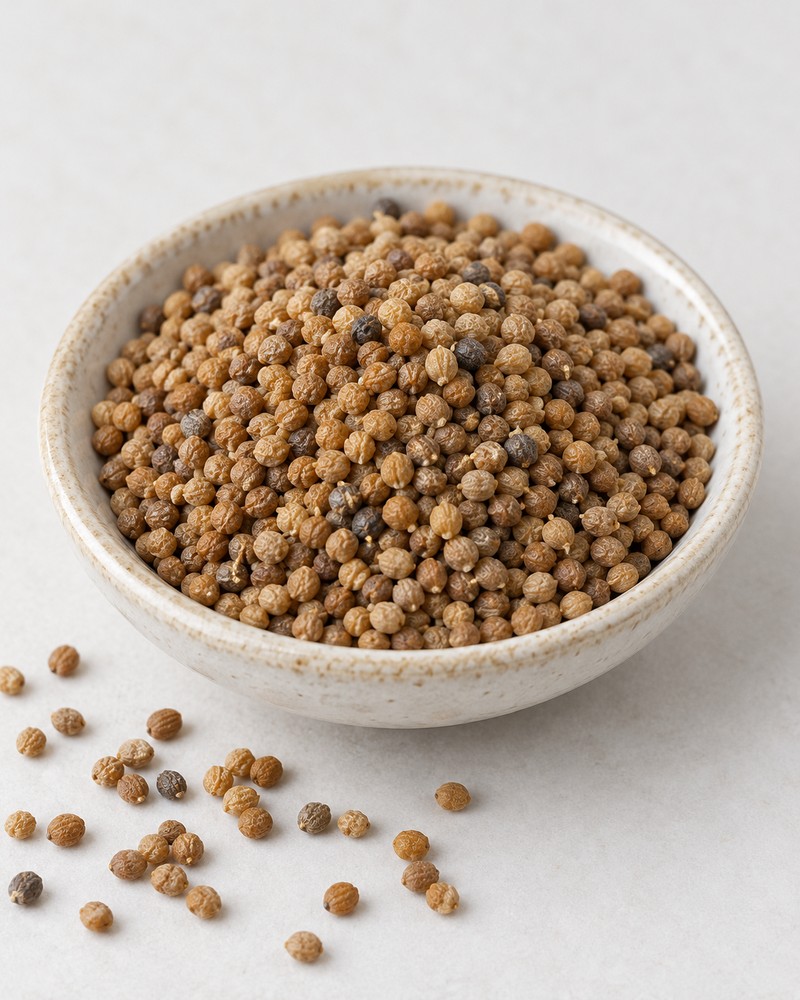
Mature Tu Si Zi vines can form a golden-orange web over host plants; they do not have a normal green leafy canopy because the leaves are reduced to tiny scales. Haustoria connect the parasite to host tissue. Small cream flowers cluster along the vine and capsules contain brown seeds. The materia medica is the ripe seed separated from the vine and dried. Seeds are tiny, round to slightly irregular, and yellow-brown to gray-brown; a macro image helps study shape but cannot replace a loupe, pharmacopoeial standard, or laboratory testing. Some standards accept more than one Cuscuta species, but this page depicts Cuscuta chinensis Lam. The parasite can damage crops and spread by seed, so do not trial-sow it on a garden host. Historical formulas may include alcohol or other hazardous ingredients; a written record is not a home recipe. The phrase “quieting the fetus” is historical terminology, never pregnancy advice.
Growing and care
- Để học thực vật, chỉ quan sát ảnh hoặc mẫu kín do cơ sở thực vật học kiểm soát; không đưa dây/hạt lên cây trồng sống.
- For botanical study, use photographs or sealed specimens managed by a botanical institution; do not place vines or seeds on living crops.
How long until harvest? HKBU records flowering in July–September and fruiting August–October, with seed collected at maturity. Because the parasite can spread and species are easily confused, do not grow or harvest it for personal use.
Documented formula pairing: HKBU historical pairing: Tu Si Zi – Du Zhong
HKBU lists this example under a lumbago entry in its plant record; it is a historical citation, not a modern treatment indication.
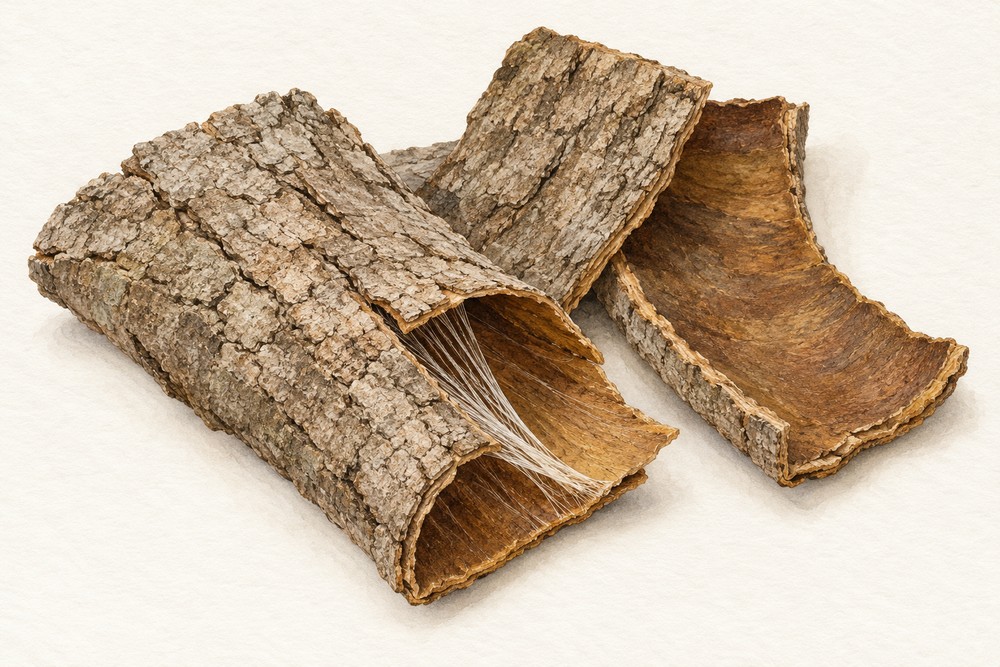
Source-recorded amounts: Source ratio: 1:1 by weight (no gram amount stated). The source also mentions liquor soaking and pill making; those steps are not reproduced as instructions.
Caution: For studying historical formula composition only; not a recommended dose and not for pregnancy or self-treatment of back pain. Interactions with modern medicines have not been assessed.
Open formula record ↗Documented toxic incompatibility
Reviewed records did not establish a specific toxic incompatibility pair for Tu Si Zi. The historical Du Zhong pairing above is textual evidence only; it does not establish safety in pregnancy or with other medicines.
AI study illustrations; not for specimen identification.
FROM PLANT / SOURCE HABITAT TO DRIED MATERIAL · REFERENCE WORKFLOW
- HKBU records harvesting the host plant when seeds mature around July–September, sun-drying, threshing out the seeds, and removing foreign matter.
- Do not collect from wild parasitic vines: Cuscuta chinensis must be verified, look-alike species excluded, and host plants managed.
- Clean and dry under a qualified producer’s standard; test and trace each lot. Do not roast, soak in alcohol, or decoct at home.
- Store dry seed in sealed packaging away from moisture, insects, and other seed lots.
These are post-harvest study notes, not directions to prepare a remedy for self-treatment. Processing reference ↗