Evodia fruit · Wu Zhu Yu
Tetradium ruticarpum (A.Juss.) T.G.Hartley · Dried nearly ripe fruit
Name and part used
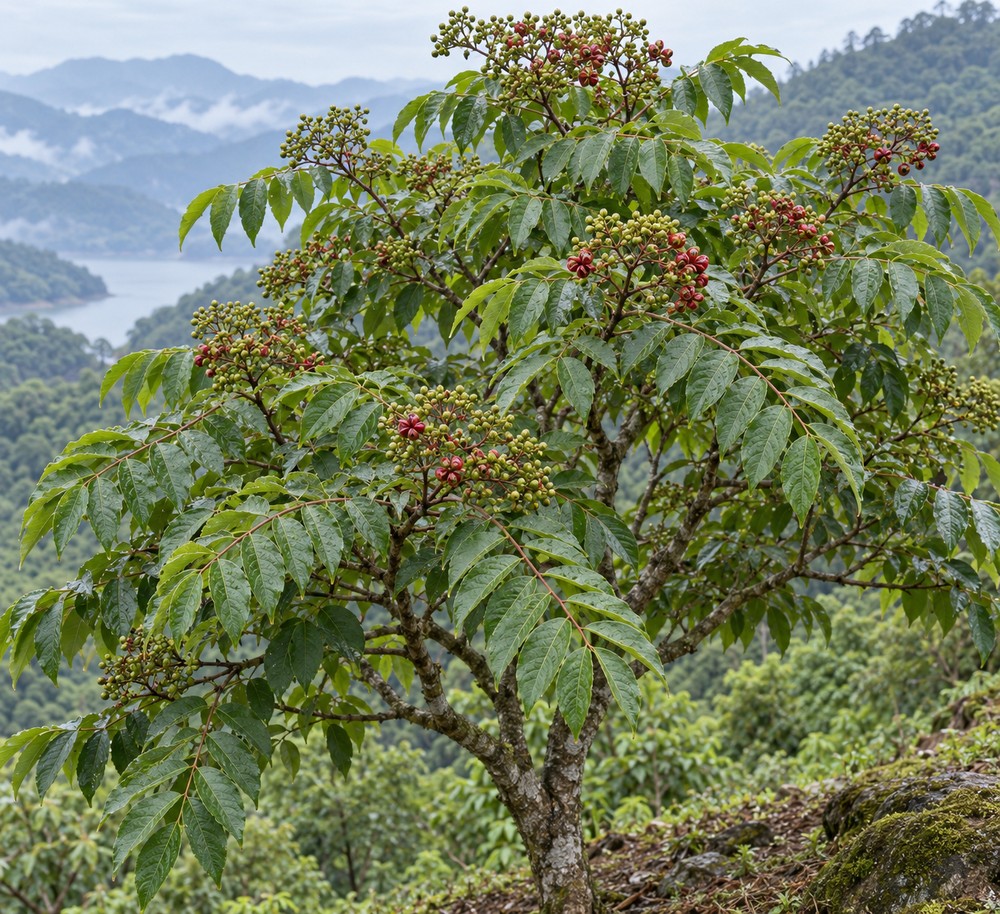
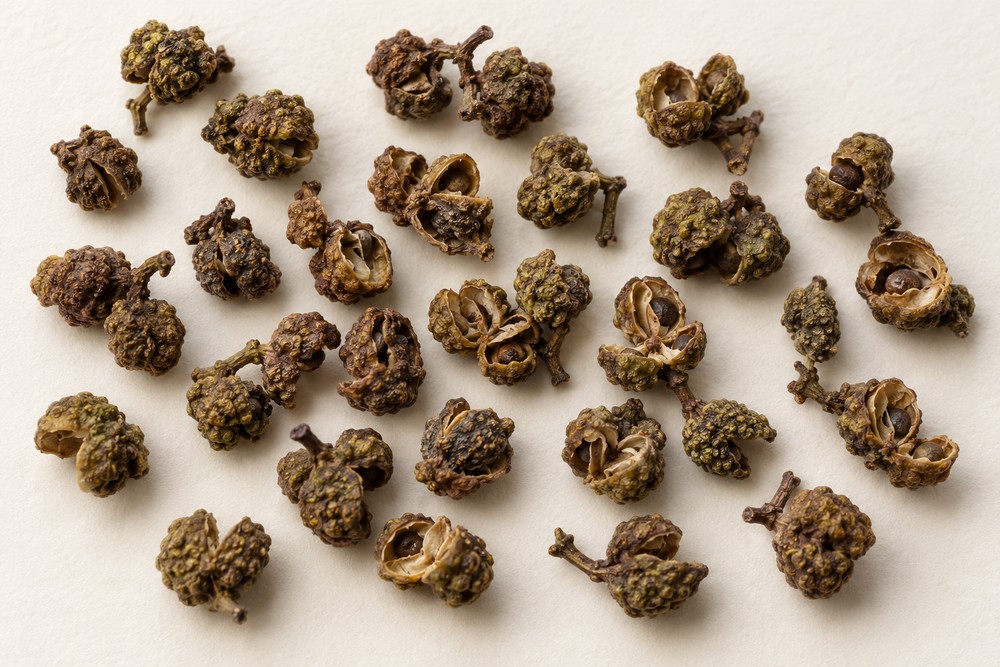
Wu Zhu Yu is the fruit of a small Rutaceae tree, currently named Tetradium ruticarpum; older sources often use Evodia rutaecarpa. Pinnate leaves carry multiple leaflets; clustered fruits are green when immature, then reddish-brown and split into small capsules. The dried material is a small wrinkled green-brown to dark-brown fruit with a pungent aroma.
Traditional context
Traditional sources describe it as acrid, bitter, and hot, used to warm the middle, disperse cold, and direct counterflow in selected patterns. This is not proof that it treats abdominal pain, vomiting, or headache generally.
Modern evidence
HKBU records the dried fruit as the medicinal part. Alkaloid/extract research varies by species, part, processing, and preparation; it does not establish clinical efficacy or a safe dose for dried fruit.
Safety
It may irritate the digestive tract or interact with medicines; do not self-use concentrated oils/extracts. Use caution with liver disease, ulcers, pregnancy, breastfeeding, or medicines. No reviewed source confirms a specific toxic pair; a classical formula does not prove every combination is safe.
Pairing in reference texts
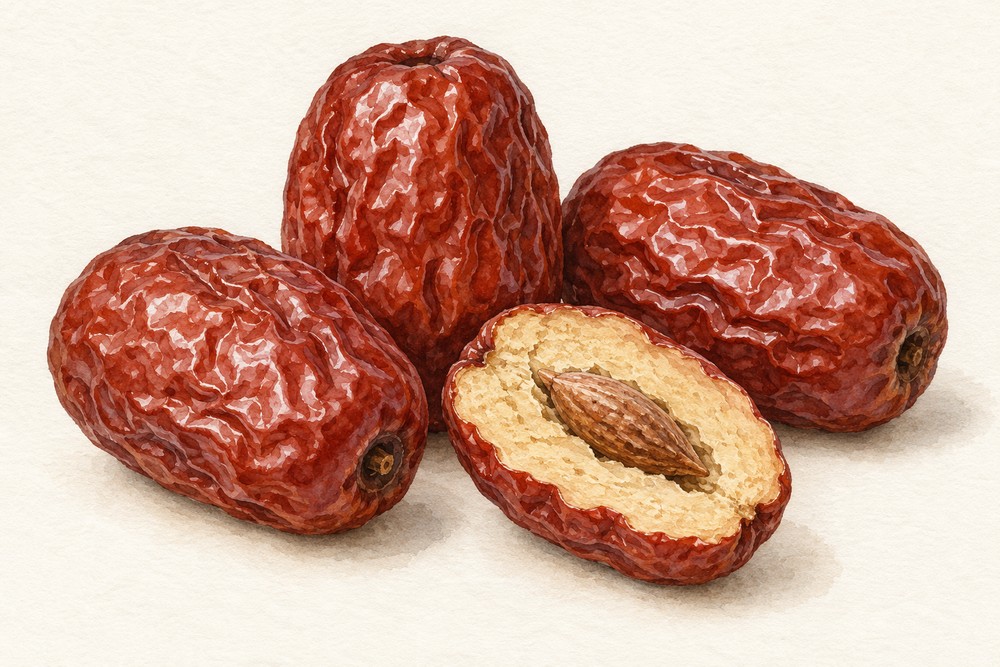
Wu Zhu Yu appears in Wu Zhu Yu Tang with ginseng, fresh ginger, and jujube. HKBU records 9 g, 9 g, 18 g, and 12 fruits (the English record also notes a 4-piece conversion); one historical record, not a self-use recipe.
Growth and habitat
The species occurs in East Asia in warm, humid hills, woodland margins, and drained soils. Young plants need steady moisture; established plants tolerate brief dry spells. It prefers deep, slightly acidic to neutral organic soil and light sun or partial shade.
Growing, care, and harvest timing
The profile above includes sourced steps and a documented harvest window. Harvest timing is agronomic information, not a self-use instruction.
Growing and care
- Use traceable seed or nursery stock identified as Tetradium ruticarpum; market fruit is not reliable planting material.
- Sow fresh seed under nursery guidance or plant young trees at the start of the rainy season in drained soil with morning sun and light afternoon shade.
- Water evenly while establishing and mulch with clean leaf mold; later irrigate when the surface dries and avoid prolonged flooding.
- Prune dead branches, hand-weed, add moderate mature compost, and monitor leaf feeders and fungal disease after extended rain.
- Avoid pesticide application near fruiting if medicinal fruit is intended; follow labels and local rules.
- Harvest only after the tree is verified, bears reliably, and meets local crop standards; retain a voucher and lot records.
How long until harvest? The checked open sources give no universal fruiting age for Tetradium ruticarpum. First fruiting depends on cultivar, stock, climate, and pollination; harvest by fruit maturity and local standards rather than assuming a fixed year count.
Documented formula pairing: Wu Zhu Yu Tang
Traditional formula theory uses this combination to warm the middle and direct counterflow in a differentiated deficiency-cold pattern; it does not treat all vomiting or abdominal pain.
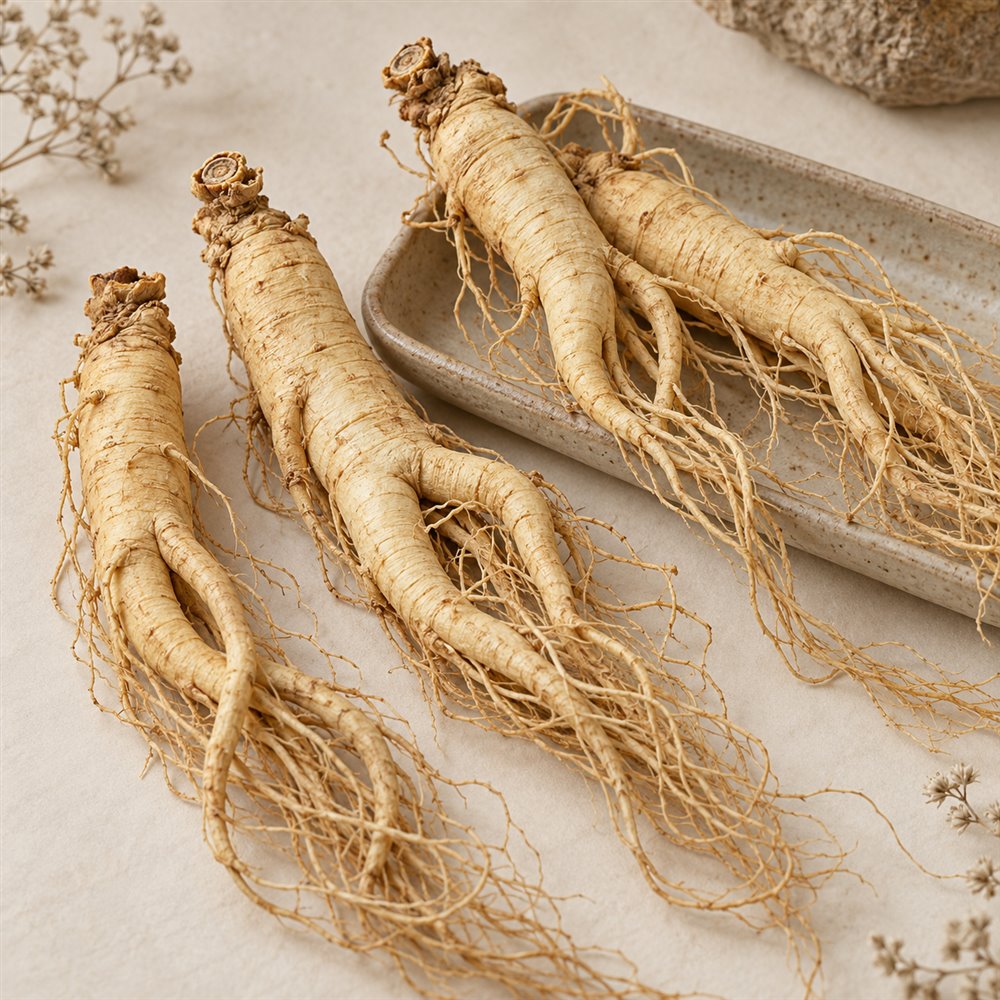
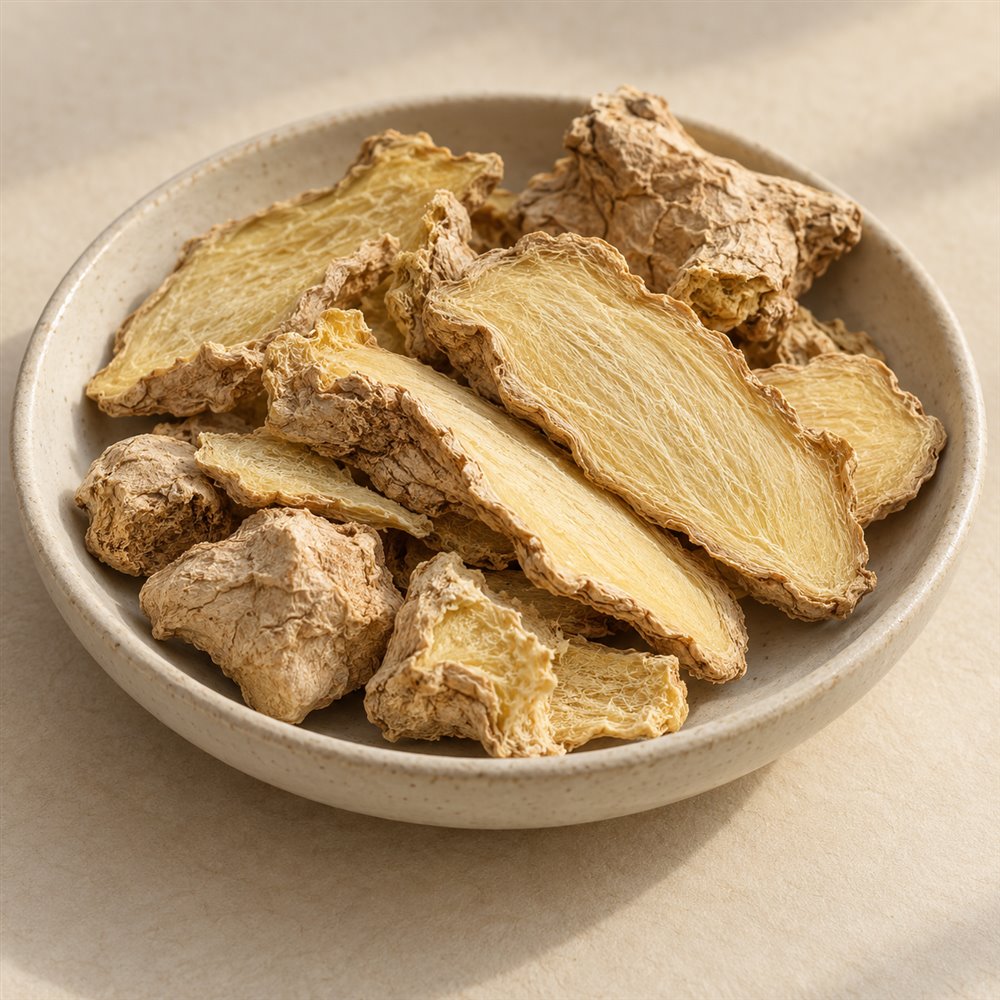
Source-recorded amounts: HKBU source amounts: 9 g : 9 g : 18 g : 12 jujube fruits. Historical documentation, not an individualized modern dose.
Caution: Do not self-use from this table; obtain professional assessment, especially with liver disease, pregnancy, or medicines.
Open formula record ↗Documented toxic incompatibility
No reliable source reviewed here confirms a specific Wu Zhu Yu pair as toxic. That does not prove all users or extracts safe.
FROM PLANT / SOURCE HABITAT TO DRIED MATERIAL · REFERENCE WORKFLOW
- Harvest fruits near maturity when capsules shift from green toward yellow-brown under the local standard; do not confuse them with other Rutaceae. Remove twigs, leaves, and damaged fruits.
- Dry in a thin layer with airflow away from contamination and excessive heat; turn gently for even drying. Processing belongs to a facility that verifies identity and controls residues.
- Sieve debris, cool completely, seal against moisture, and record scientific name, site, harvest date, and lot.
- Do not grind, soak in alcohol, or extract it for self-use; dried fruit requires identity and quality checks.
These are post-harvest study notes, not directions to prepare a remedy for self-treatment. Processing reference ↗
How to read formula amounts
Displayed amounts belong to the cited formula and source; they are not a general safe ratio, treatment dose, or home-decoction instruction. Do not transfer amounts to another formula or adjust them by body weight.