Xiang Ru · Chinese Mosla · Xiang Ru
Mosla chinensis Maxim. · Dried aerial parts
Name and part used
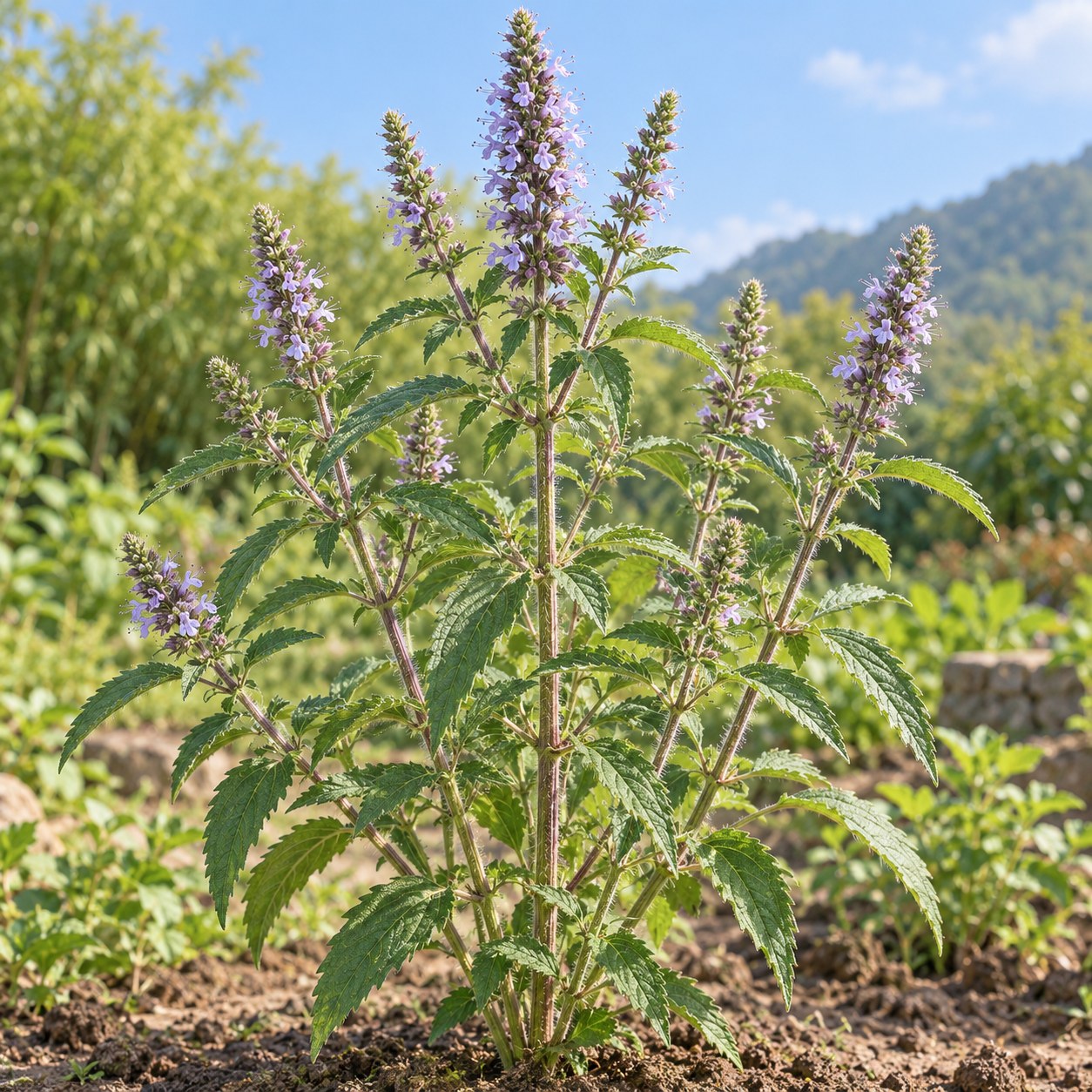
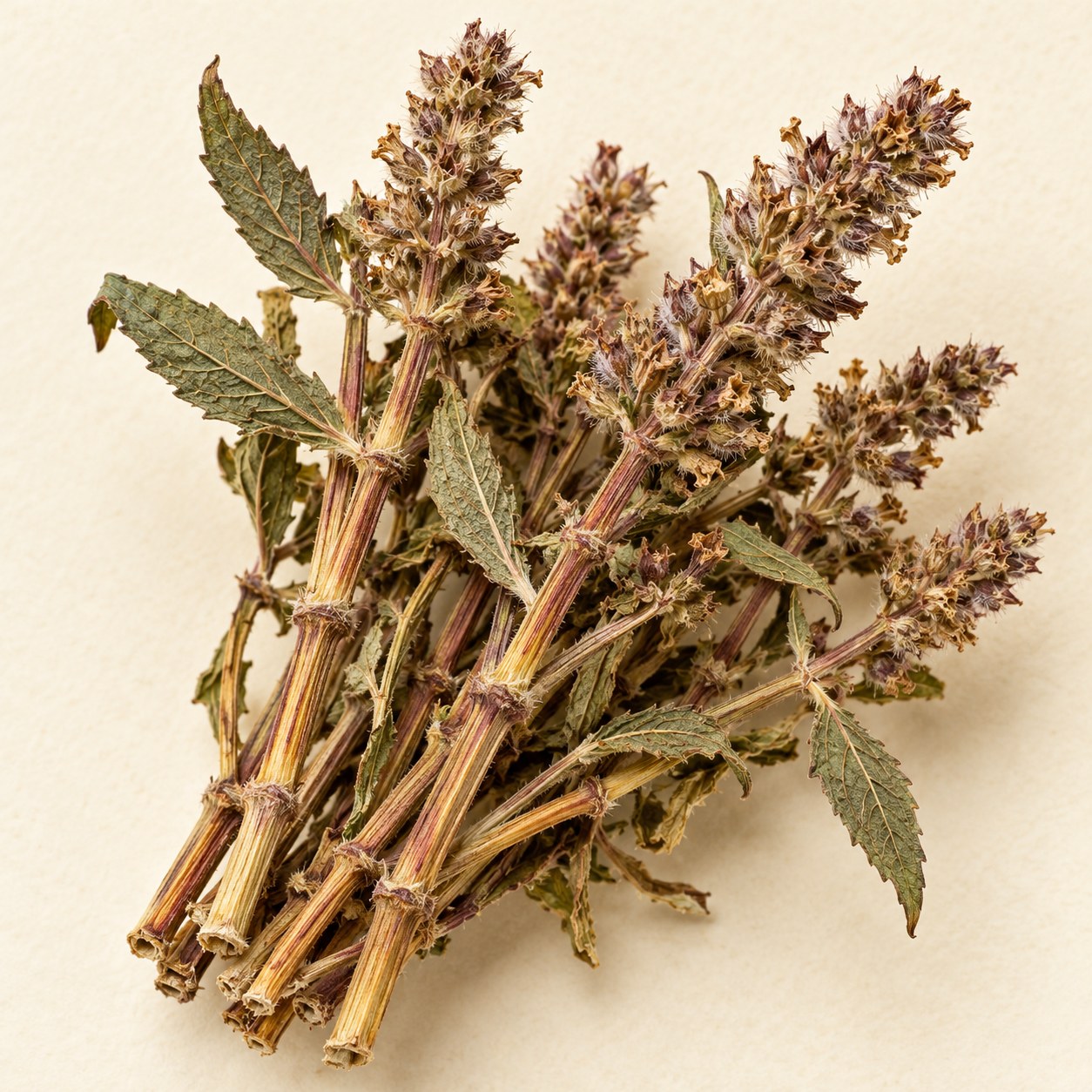
Xiang Ru here is the dried aerial part of Mosla chinensis Maxim. and the cultivated Jiangxiangru form cited by HKBU; it is not every local plant called “xiang ru.” This is an aromatic annual in the mint family, with upright square stems about 55–65 cm in HKBU’s botanical account, opposite narrow lance-shaped serrated leaves, and dense terminal spikes of tiny pale lilac/pink/white flowers. The dried herb includes stems, leaves, and spikes; it is brittle and strongly aromatic.
Traditional context
HKBU records an acrid, slightly warm nature and traditional actions of promoting sweating, resolving summerheat, moving water, dispersing dampness, and warming the stomach. Xiang Ru San pairs Xiang Ru with Hou Po and Bai Bian Dou for a historical summer-dampness pattern. These descriptions do not establish treatment of heatstroke, dehydration, infection, or acute diarrhea.
Modern evidence
HKBU provides botanical, materia medica, historical-formula, and traditional-action records, not modern clinical trials. Pharmacology reviews may summarize constituents and preclinical work but do not establish that Xiang Ru tea treats colds, gastroenteritis, or edema in people. For vomiting/diarrhea, prioritize rehydration; children, older adults, or anyone with dehydration signs needs medical care.
Safety
Do not self-use an alcohol-containing historical formula during pregnancy/breastfeeding, in children, liver disease, medication use, or before driving. The old formula is unsuitable with profuse sweating/thirst or heat exhaustion; heatstroke needs cooling and emergency care, not herbs. Stop exposure if irritation or Lamiaceae allergy occurs.
Safety reference ↗Pairing in reference texts
HKBU records Xiang Ru San with 500 g Xiang Ru, 250 g lightly fried Bai Bian Dou, and 250 g ginger-prepared Hou Po (a 2:1:1 source ratio). The formula has pattern restrictions and contraindications; these are historical batch amounts, not individual doses. The record does not establish a specific toxic pair for Mosla chinensis, and this does not imply all other combinations are safe.
Identification and study notes
Xiang Ru has square branching stems, opposite narrow lance-shaped leaves with toothed margins and aromatic hairs/glands. Dense terminal spikes carry small white, pink, or pale-purple flowers. When dried, young branches and persistent calyx whorls form aromatic spikes; leaves may fall, and stems turn yellow-brown to reddish-brown. HKBU describes wild medicinal material around 14–30 cm and cultivated forms around 35–60 cm with thicker stems; these are source descriptions, not absolute identification limits. Local uses of the name vary, so verify Latin Mosla chinensis and the medicinal part. AI art supports morphology study and cannot identify a real specimen.
Growth and habitat
HKBU lists production in Fujian, Hunan, Guangdong, and Guangxi, where the herb is cultivated in warm southern China. This mint-family annual suits sun, light drained soil, and airflow; avoid waterlogging. For home study, distinguish Mosla chinensis from other Mosla/Elsholtzia species with similar local names, use Latin-labeled seed, and do not harvest roadside plants.
Identification and study notes
Xiang Ru has square branching stems, opposite narrow lance-shaped leaves with toothed margins and aromatic hairs/glands. Dense terminal spikes carry small white, pink, or pale-purple flowers. When dried, young branches and persistent calyx whorls form aromatic spikes; leaves may fall, and stems turn yellow-brown to reddish-brown. HKBU describes wild medicinal material around 14–30 cm and cultivated forms around 35–60 cm with thicker stems; these are source descriptions, not absolute identification limits. Local uses of the name vary, so verify Latin Mosla chinensis and the medicinal part. AI art supports morphology study and cannot identify a real specimen.
Growing and care
- Gieo nông, phủ rất mỏng, tưới phun nhẹ. Khi cây con có vài lá thật, chuyển ra luống, cách cây để thân vuông và bông có khoảng thông khí.
- Sow shallowly, cover very lightly, and mist. Transplant seedlings with several true leaves, spacing them so square stems and spikes have airflow.
How long until harvest? An annual, so leaves and spikes can be observed within one growing season; HKBU does not state days to harvest. Commercial dried material length varies by source (wild and cultivated forms differ), so length alone is not a quality standard. Grow it for morphology study, not as home medicine.
Documented formula pairing: Xiang Ru San · Mosla Powder
HKBU lists Xiang Ru as the chief herb with Hou Po and Bai Bian Dou for a traditional summerheat-dampness pattern. The formula name does not establish treatment of heat illness, fever, or gastroenteritis in modern medicine.
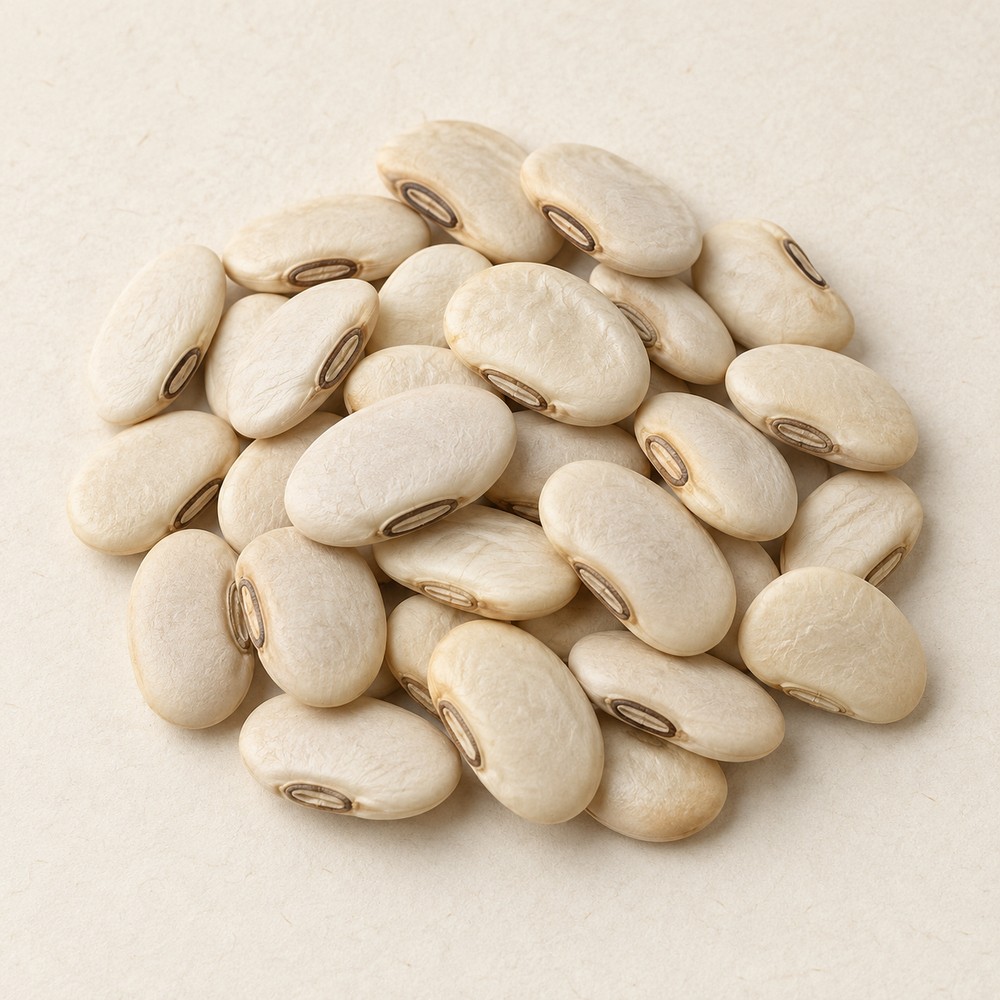
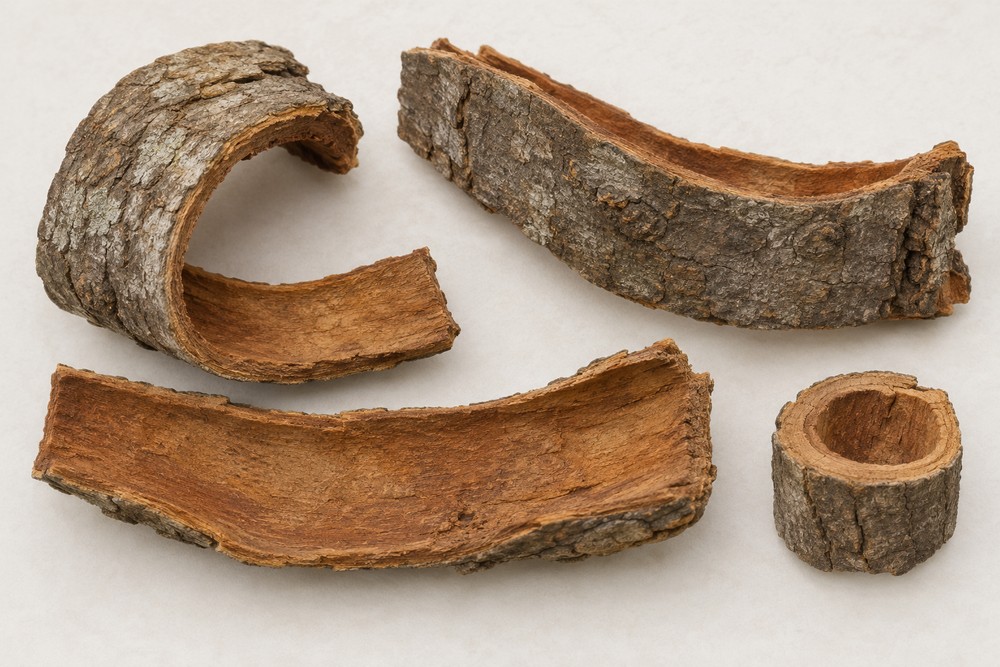
Source-recorded amounts: The source-recorded ingredient ratio is 2:1:1 (500:250:250 g); the historical method grinds coarsely and uses a 9 g portion decocted with water and a little wine, then cooled. Do not use these quantities as a self-treatment dose; the HKBU record itself lists contraindications.
Caution: HKBU says this historical formula is unsuitable for exterior deficiency with sweating or summerheat with sweating, agitation, and thirst. Wine in the old preparation is not a reason to add alcohol to a home remedy. High fever, confusion, fainting, persistent vomiting, or dehydration signs require medical care.
Open formula record ↗FROM PLANT / SOURCE HABITAT TO DRIED MATERIAL · REFERENCE WORKFLOW
- HKBU identifies the dried aerial part—stems, leaves, and spikes; label Mosla chinensis and any cultivated form separately. Do not harvest unidentified plants.
- Remove soil/weeds/damaged parts and spread thinly. Study the square stems, opposite narrow leaves, and terminal spikes before drying.
- Dry in a clean ventilated place, turning gently; finished pieces are short and brittle, with yellow-brown/reddish stems, crumpled leaves, persistent calyces, and a strong aroma.
- Cool, seal, and protect from moisture. Xiang Ru San in the source is a historical reference, not a home decoction for fever, vomiting, diarrhea, or heat illness.
These are post-harvest study notes, not directions to prepare a remedy for self-treatment. Processing reference ↗
Habitat, season, and harvest in the HKBU botanical record
HKBU identifies Mosla chinensis as a square-stemmed herb about 55–65 cm tall, with narrow opposite toothed leaves and terminal spikes; production is listed in Fujian, Hunan, Guangdong, and Guangxi. The materia medica is dried aerial parts; the source monograph gives no exact sowing/harvest dates.
Open botanical source ↗