Xiao Ji · field thistle herb · Xiao Ji
Cirsium setosum (Willd.) M.Bieb. · Dried aerial herb
Name and part used
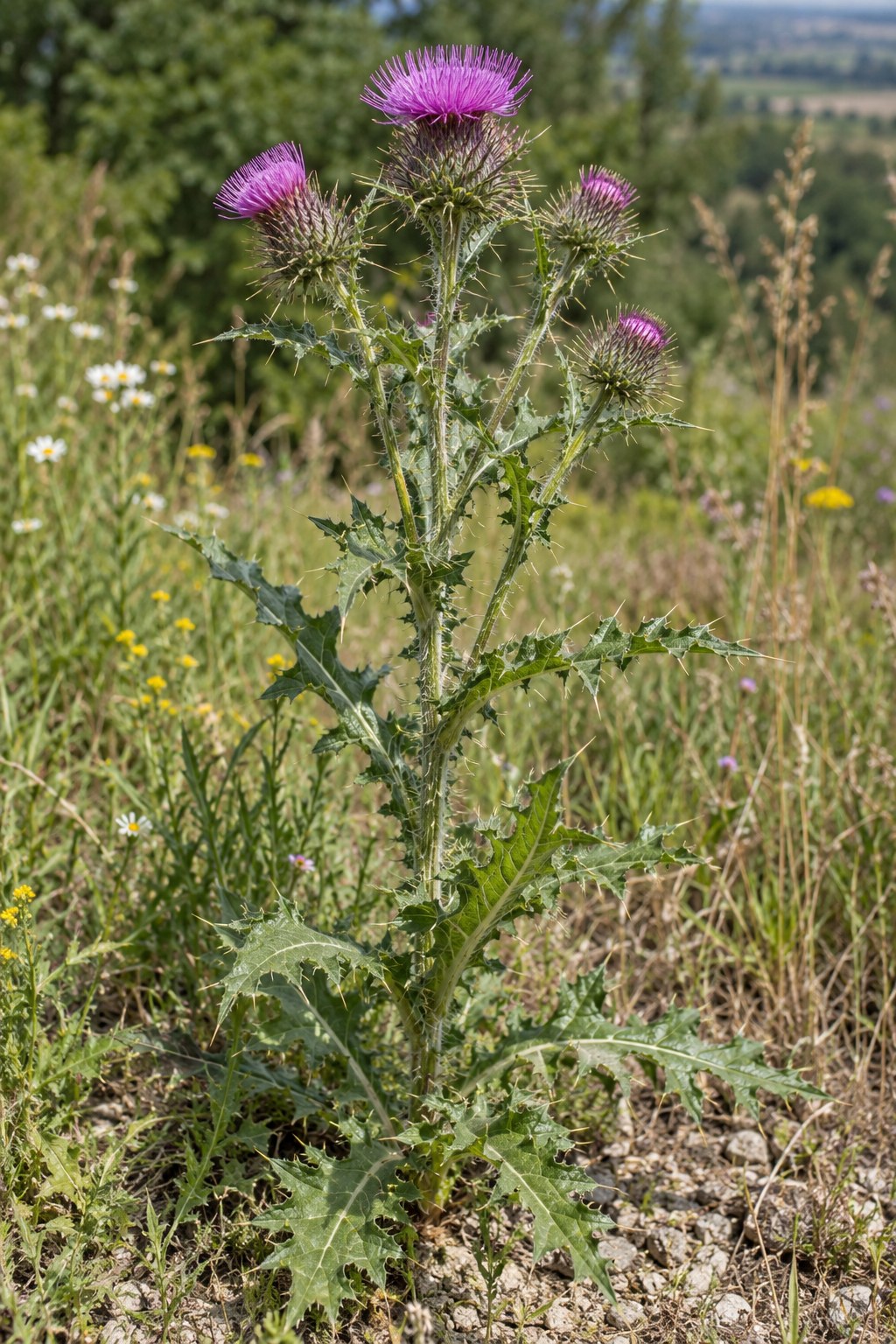
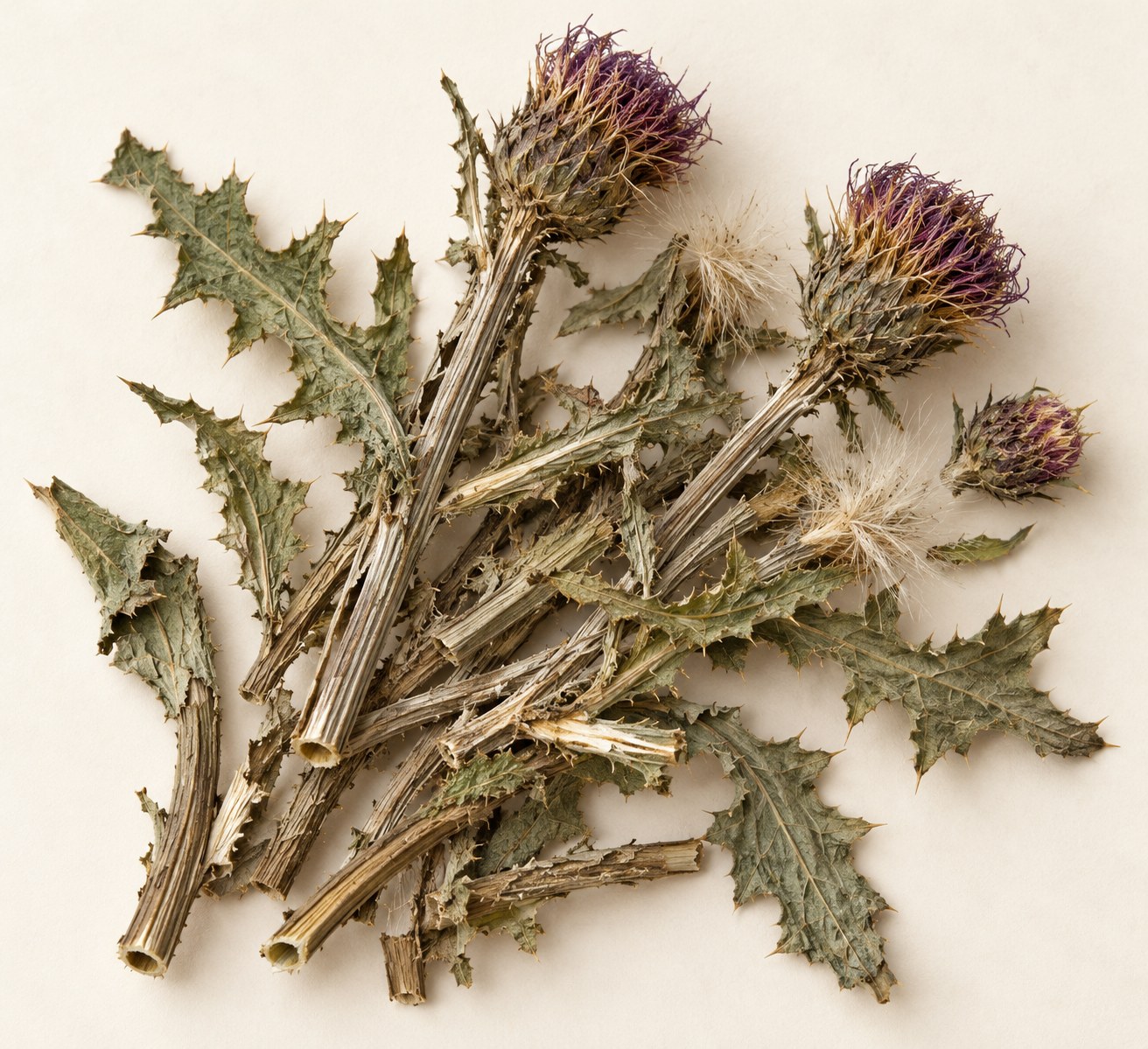
Xiao Ji in this profile is the dried aerial herb of Cirsium setosum (Willd.) M.Bieb., a perennial Asteraceae. Upright stems are commonly about 30–80 cm tall with longitudinal ridges. Alternate oblong or lanceolate leaves have toothed to deeply divided margins, with spiny tips. Flower heads are solitary or clustered at stem tips and usually purple-red; white pappus develops with fruit. The plant has long rhizomes and can form patches, making it easy to confuse with Da Ji (Cirsium japonicum), although leaf hair, flower-head size, and materia-medica specifications differ. HKBU records the aerial parts as the drug; dried material has hollow stems, gray-green leaves with whitish hairs, and purple heads. Do not dig wild plants for self-use: several thistles look similar, and unexplained bleeding requires medical evaluation.
Traditional context
HKBU records traditional cooling-blood, stopping-bleeding, removing-stasis, and swelling-reducing concepts; specimen materials list historical bleeding indications. This is not proof that Xiao Ji safely stops gastrointestinal, urinary, postpartum, or traumatic bleeding. Heavy bleeding, faintness, black stools, or coughing/vomiting blood needs emergency care.
Modern evidence
HKBU records botanical identity, materia medica, and classical prescriptions, not efficacy trials. In-vitro or animal activity does not prove human hemostasis or establish a safe dose. The name Xiao Ji/field thistle may be applied to other local Cirsium species; confirm Latin identity, aerial part, and lot. Do not stop anticoagulants or prescriptions in favor of herbs.
Safety
Do not self-use Xiao Ji to stop bleeding. Hemorrhage may be an emergency; never apply plant material to a deep, contaminated, or heavily bleeding wound. People taking warfarin, anticoagulants/antiplatelets, with clotting disorders, before surgery, during pregnancy/breastfeeding, or children should not self-ingest herb or extracts. Spiny leaves can scratch skin; wear gloves for observation. Avoid sprayed fields and roadsides; discard moldy or mixed dried material.
Safety reference ↗Pairing in reference texts
HKBU records Xiao Ji Yin Zi with Rehmannia, Xiao Ji, talc, Mu Tong, Puhuang, lotus node, Lophatherum, Angelica sinensis, Gardenia, and licorice; the database lists 9 g of each ingredient. This is a recorded historical formula ratio for study, not a home-decoction instruction or advice for hematuria. Mu Tong must be the correctly authenticated materia medica; never substitute Aristolochia fangchi or another aristolochic-acid-containing species. Do not combine it yourself with anticoagulants or diuretics.
Identification and study notes
Xiao Ji and Da Ji are both purple-flowered, spiny thistles, but they are not the same species. Xiao Ji often has slimmer stems, gray-green leaves with pale hairs, and smaller heads; the dried sample may show 5–30 cm hollow stems and deeply lobed leaves whose teeth end in spines. Da Ji usually has larger leaves, cobweb-like hairs on some drug material, and its root may also be used. Purple-red heads, alternate leaves, and hollow stems are study cues but cannot identify a crushed sample. Do not use AI art to classify pharmacy material; compare with standards and expert identification. The dried image shows aerial parts, not roots.
Growth and habitat
HKBU records Cirsium setosum widely distributed in grassland, wasteland, field margins, and other bright sites; long rhizomes allow it to spread in patches. In a study garden, use a separate bed because the plant is spiny and rhizomatous; choose clean drained soil and full sun. Do not source medicinal material from field margins or urban sites because of herbicides, metals, and dust. Fence any identification plot away from children and pets.
Identification and study notes
Xiao Ji and Da Ji are both purple-flowered, spiny thistles, but they are not the same species. Xiao Ji often has slimmer stems, gray-green leaves with pale hairs, and smaller heads; the dried sample may show 5–30 cm hollow stems and deeply lobed leaves whose teeth end in spines. Da Ji usually has larger leaves, cobweb-like hairs on some drug material, and its root may also be used. Purple-red heads, alternate leaves, and hollow stems are study cues but cannot identify a crushed sample. Do not use AI art to classify pharmacy material; compare with standards and expert identification. The dried image shows aerial parts, not roots.
Growing and care
- Use labeled Cirsium setosum seed/stock in a separate sunny bed with clean, draining soil; do not dig wild plants or place the spiny plant beside walkways.
- Keep lightly moist during establishment, then water according to rainfall; rhizomes spread, so use a deep pot or barrier. HKBU does not specify fertilizer or numeric pH.
- Weed with long-handled tools and thick gloves; do not grasp leaf margins. Record ridged stems, alternate lobed leaves, spines, and purple heads; compare with Da Ji.
- The source describes aerial harvest in the flowering season but gives no months from sowing. Grow for observation only; do not harvest as home medicine or put residues into pet feed.
How long until harvest? HKBU does not specify months after sowing; professional harvest timing follows flowering season and aerial plant parts. Record local budding/flowering dates without turning them into a recommendation for hemostatic use.
Habitat, season, and harvest in the HKBU botanical record
HKBU describes Cirsium setosum as a perennial herb around 30–80 cm tall, with hollow dried stems, alternate spiny leaves, and purple heads; the aerial herb is used. The materia-medica record notes hollow stems, gray-green leaves, and pale hairs; the botanical record lists grassland, wasteland, and field edges. Traditional hemostatic use is not clinical proof.
Open botanical source ↗HKBU formula record containing this herb: Tiểu kế ẩm tử · Xiao Ji Yin Zi
Công năng theo lý luận truyền thống của nguồn: Cools blood, stops bleeding, clears heat, and promotes urination in the source’s traditional framework.
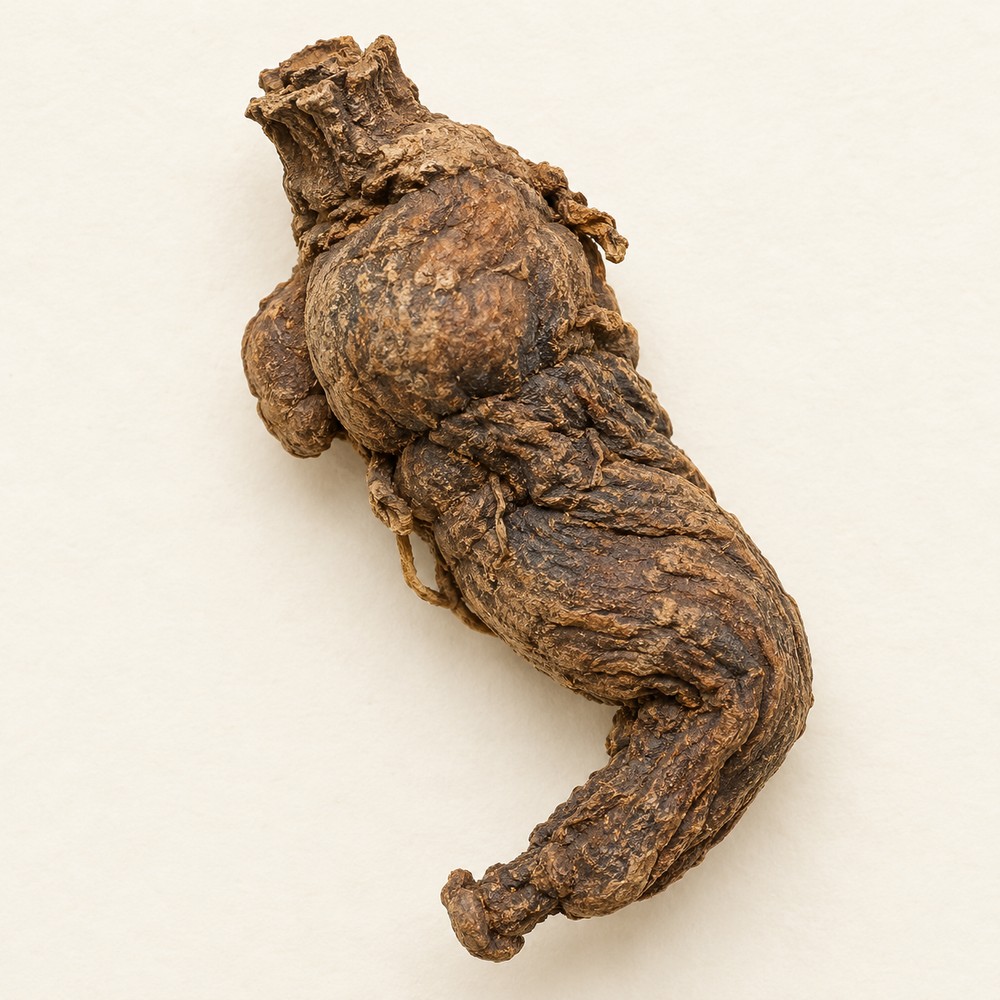
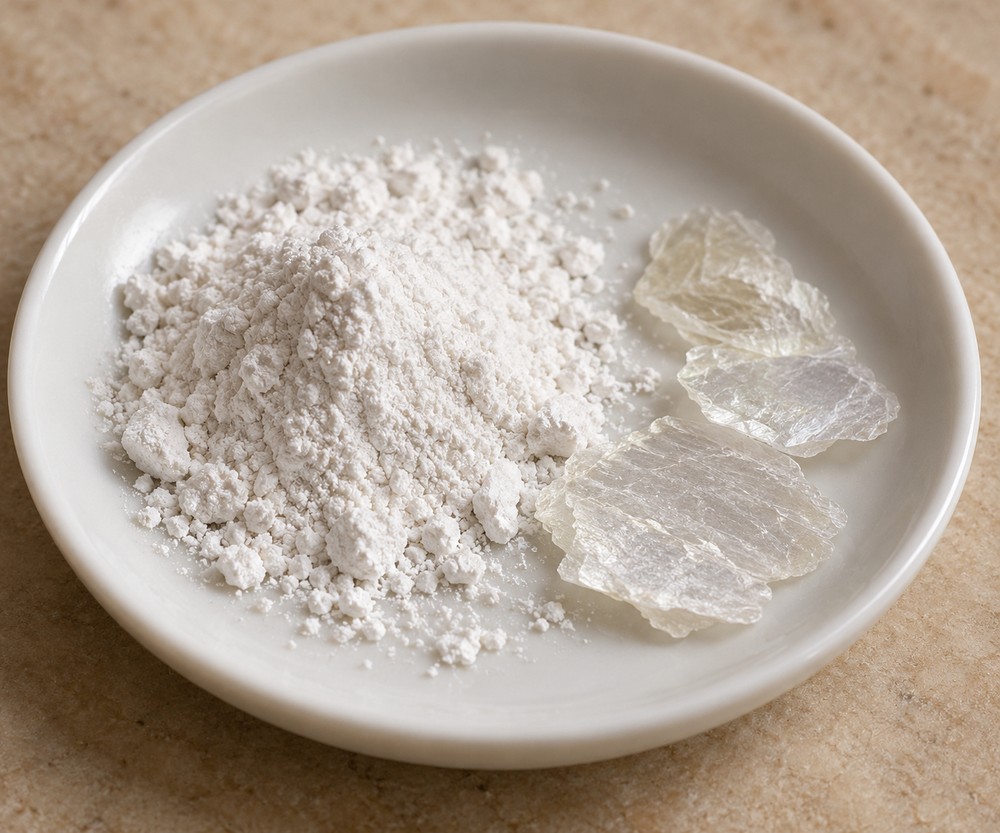
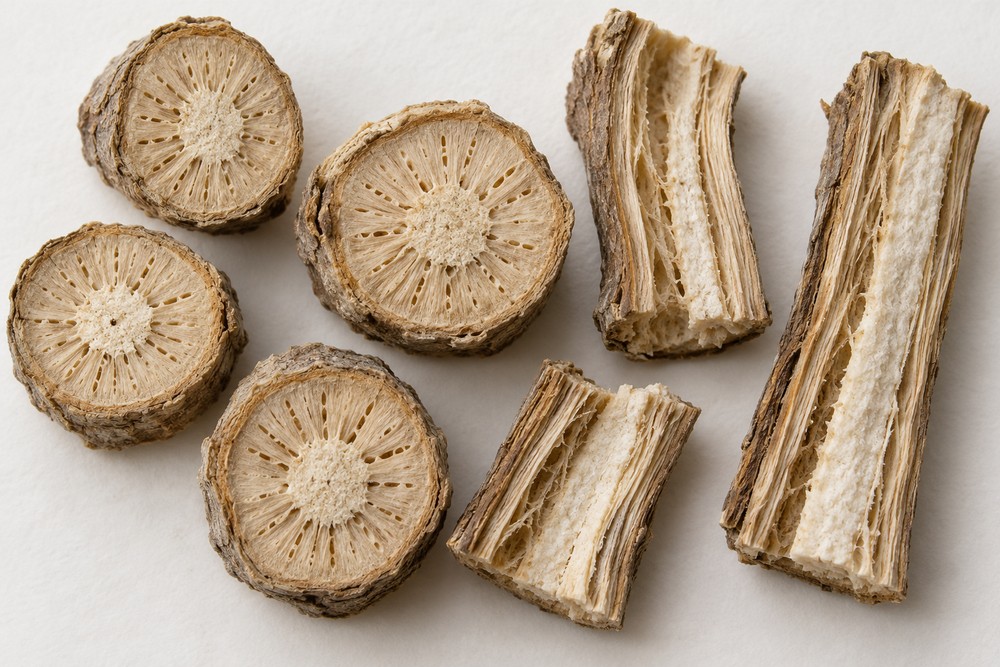
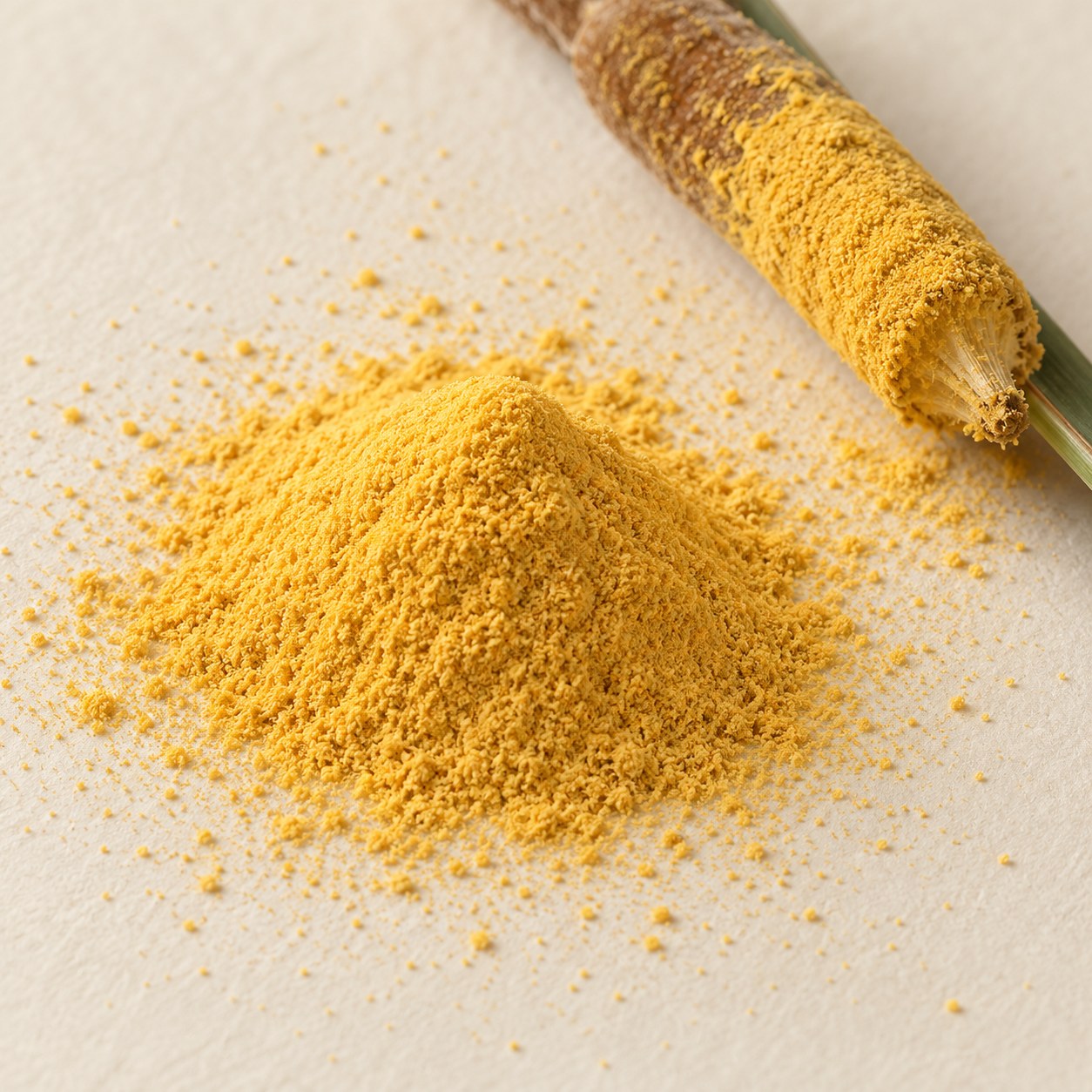
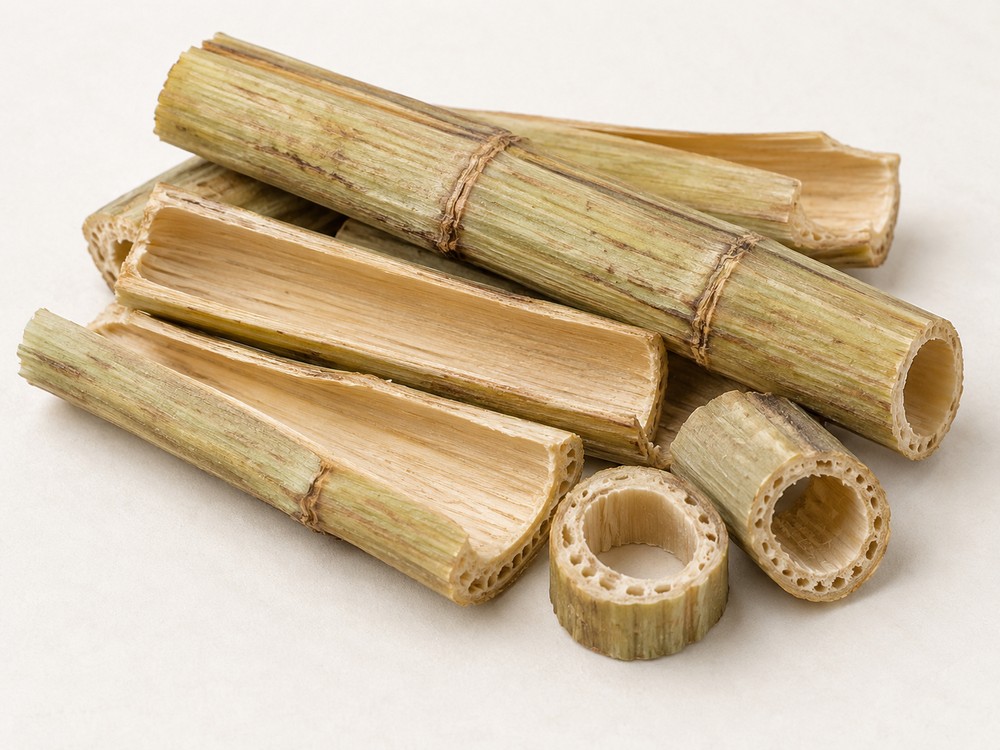
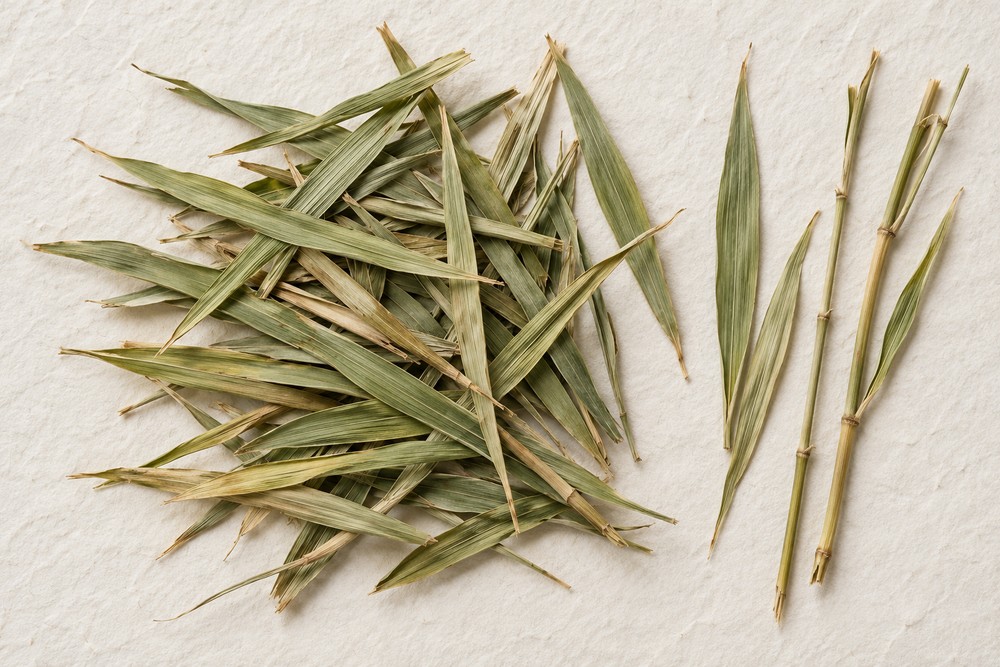
Ingredient images and source amounts are shown for comparison only; this is not a treatment recipe.
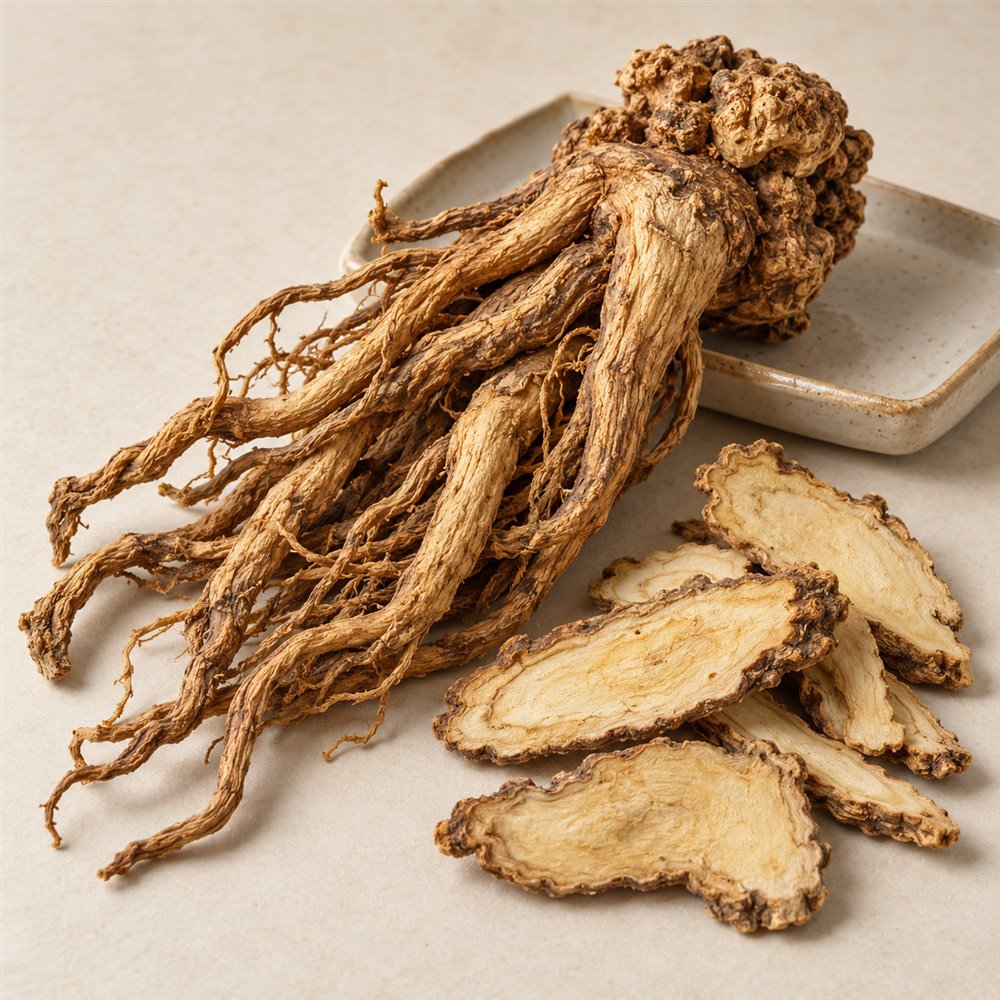
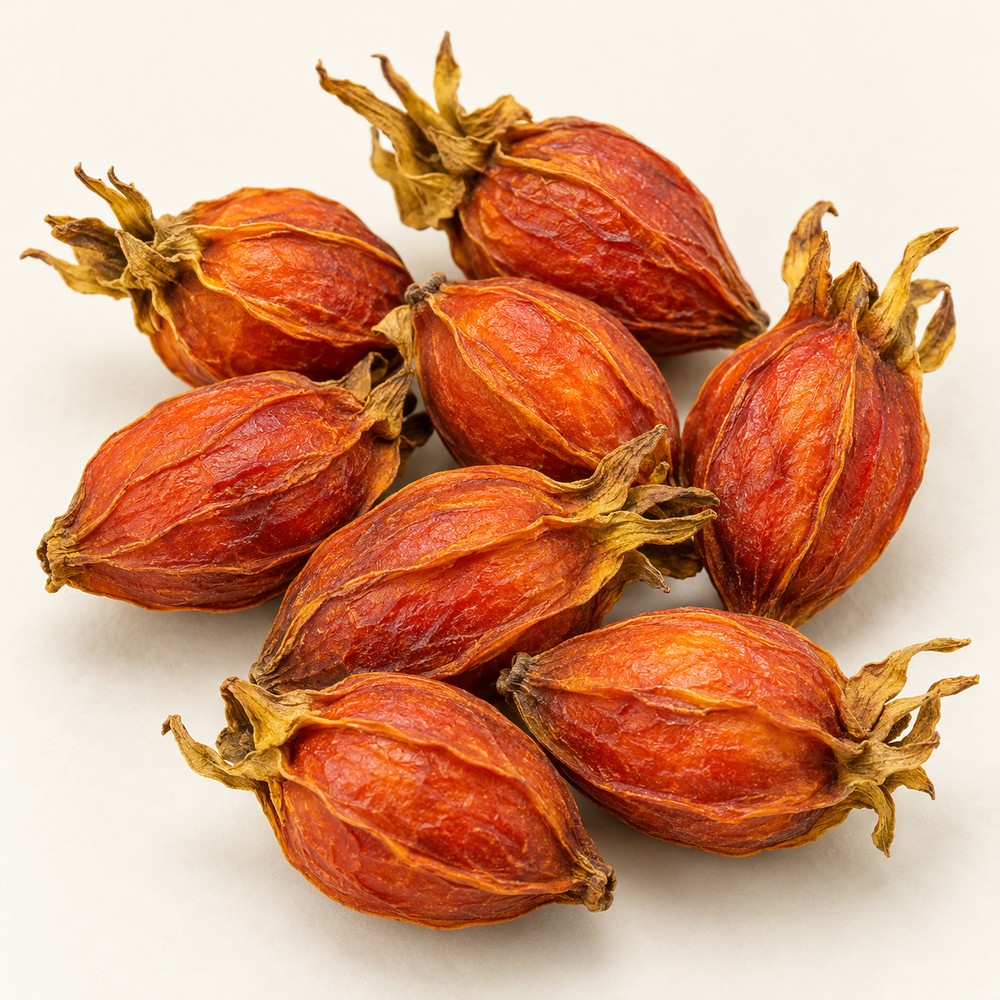
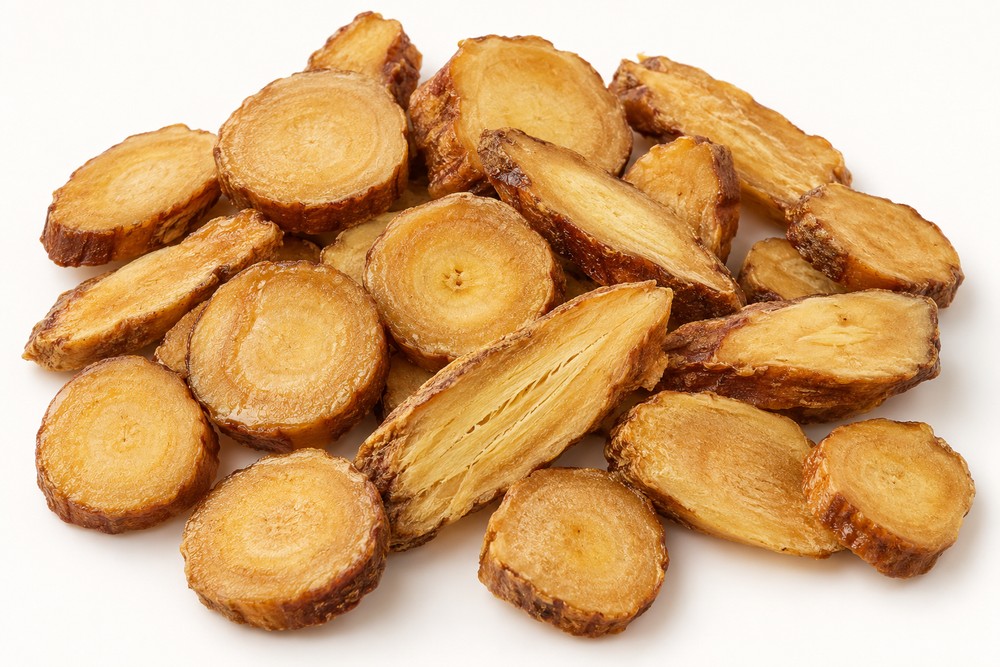
HKBU source-recorded composition
Sheng Di Huang 9 g; Xiao Ji 9 g; Hua Shi 9 g; Mu Tong 9 g; Pu Huang 9 g; Ou Jie 9 g; Dan Zhu Ye 9 g; Dang Gui 9 g; Zhi Zi 9 g; Gan Cao 9 g, as recorded by HKBU. Source amounts are reproduced for study only and are not a personal regimen.
This is a historical formula record, not a substitute for evaluation of hematuria or bleeding. Talc and Mu Tong require authenticated sources; do not prepare, substitute, or apply the recorded ratio yourself.
Open complete HKBU formula record ↗FROM PLANT / SOURCE HABITAT TO DRIED MATERIAL · REFERENCE WORKFLOW
- HKBU records the aerial part as materia medica; professional harvest follows the season under authenticated identity and quality control. This page does not encourage learners to collect it themselves.
- Wear thick gloves and use tongs or long-handled shears to avoid spines; separate verified species and remove rotten or mixed material. Do not combine it with Da Ji.
- The specimen profile describes hollow stems, wrinkled gray-green leaves with pale hairs, and purple heads; dry on a clean ventilated tray away from dust and rain.
- Label Latin name, aerial part, season, and growing location; store dry and sealed. Mixed, moldy, or untraceable material must not be used medicinally.
These are post-harvest study notes, not directions to prepare a remedy for self-treatment. Processing reference ↗