Motherwort herb · Yi Mu Cao
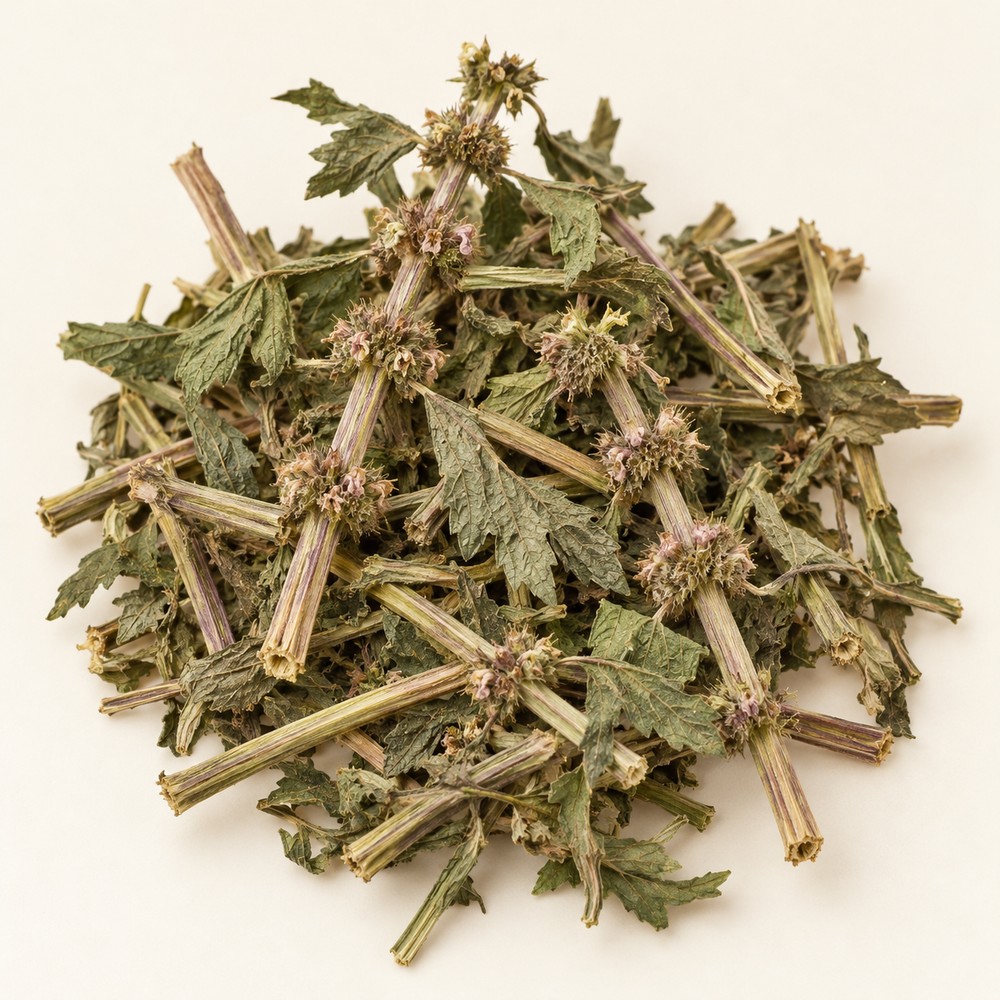
Leonurus japonicus Houtt. · Fresh or dried aerial parts
Name and part used
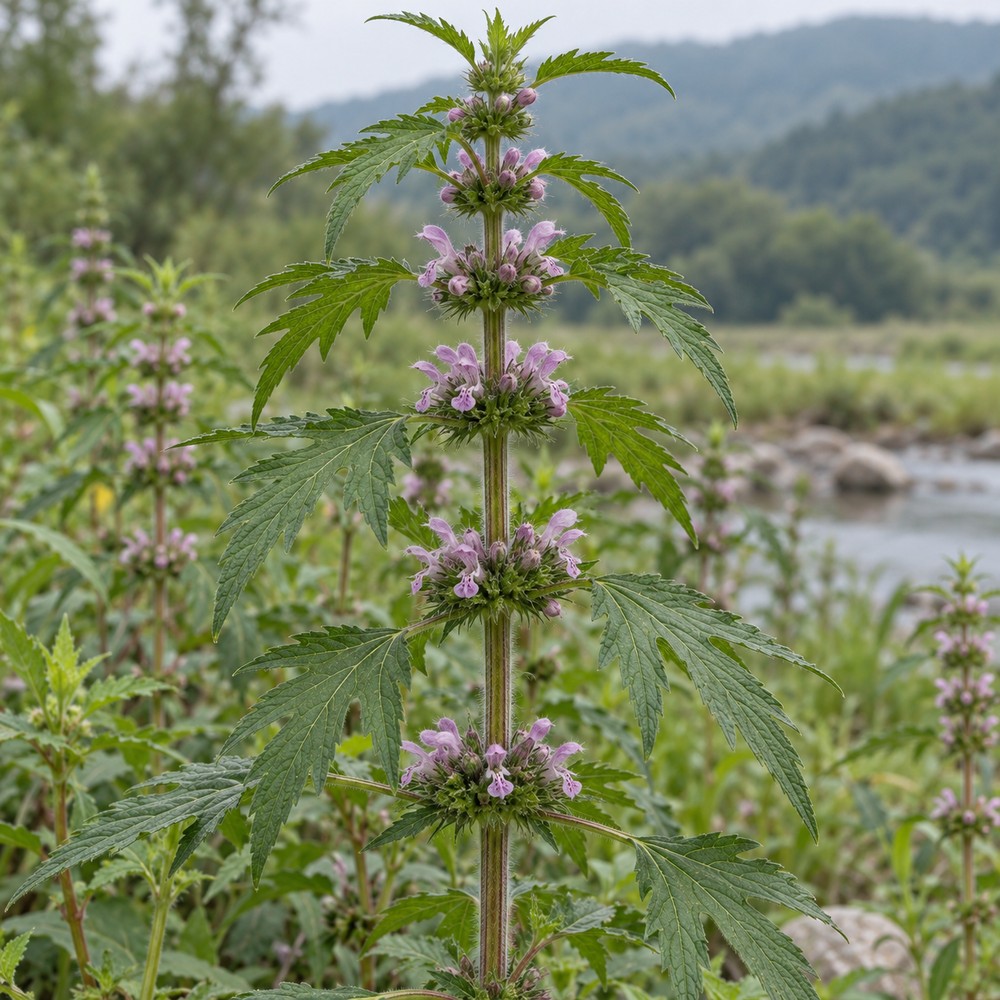
A square-stemmed herb has palmately lobed lower leaves, deeply divided upper leaves, and pale-purple axillary whorls; aerial leafy herb is used.
Traditional context
Blood-moving, menstrual-regulating, and diuretic actions are traditional claims; do not self-treat heavy bleeding, abdominal pain, or edema.
Modern evidence
HKBU records fresh or dried aerial parts; square stems, position-dependent leaf shapes, and pale-purple bilabiate flowers identify the herb.
Safety
May stimulate uterine contraction and bleeding; strictly avoid pregnancy. Anticoagulant or blood-pressure interactions are possible.
Pairing in reference texts
Yi Mu Cao appears with Dang Gui in some postpartum formulas; it cannot replace obstetric care or emergency hemorrhage treatment.
Growing, care, and harvest timing
HKBU habitat record: Growing on wastelands of mountains and plains, rand, grasslands and streamsides, etc. Distributed in all parts of China. The medicinal materials are mainly produced in Songxian and Luanzhou of Henan, Liuan and Bengbu of Anhui, Wenjiang of Sichuan, Nanjing of Jiangsu, Fenghua of Zhejiang and etc Harvest and processing as recorded: Cut aboveground parts in summer when the plant thrives, while flowers not fully bloom, and sun-dried
Source-recorded harvest/processing: Cut aboveground parts in summer when the plant thrives, while flowers not fully bloom, and sun-dried
The reviewed source does not provide a complete species-specific sowing/growing routine, irrigation/fertilization schedule, or universal plant age. The page therefore does not infer care instructions or years to harvest; consult local cultivation guidance.
Open habitat and season source ↗FROM PLANT / SOURCE HABITAT TO DRIED MATERIAL · REFERENCE WORKFLOW
- Thu phần trên mặt đất non trước hoặc khi hoa nở theo tiêu chuẩn vùng; loại lá úa và rễ.
- Harvest aerial tops before/during flowering under regional standards; remove yellow leaves and roots.
These are post-harvest study notes, not directions to prepare a remedy for self-treatment. Processing reference ↗
How to read formula amounts
Displayed amounts belong to the cited formula and source; they are not a general safe ratio, treatment dose, or home-decoction instruction. Do not transfer amounts to another formula or adjust them by body weight.
Habitat, season, and harvest in the HKBU botanical record
HKBU botanical record (translated summary): Flowering and fruiting dates: Flowering: June to September, fruiting: July to October Habitat and distribution: Growing on wastelands of mountains and plains, rand, grasslands and streamsides, etc. Distributed in all parts of China. The medicinal materials are mainly produced in Songxian and Luanzhou of Henan, Liuan and Bengbu of Anhui, Wenjiang of Sichuan, Nanjing of Jiangsu, Fenghua of Zhejiang and etc Harvest and processing as recorded: Cut aboveground parts in summer when the plant thrives, while flowers not fully bloom, and sun-dried
Open botanical source ↗HKBU formula record containing this herb: Tian Ma Gou Teng Yin / Gastrodia and Uncaria Decoction
Traditional action in the source: Calms the liver and extinguishes wind, clears heat and invigorates blood, supplements and boosts the liver and kidney
Ingredient images and source amounts are shown for comparison only; this is not a treatment recipe.
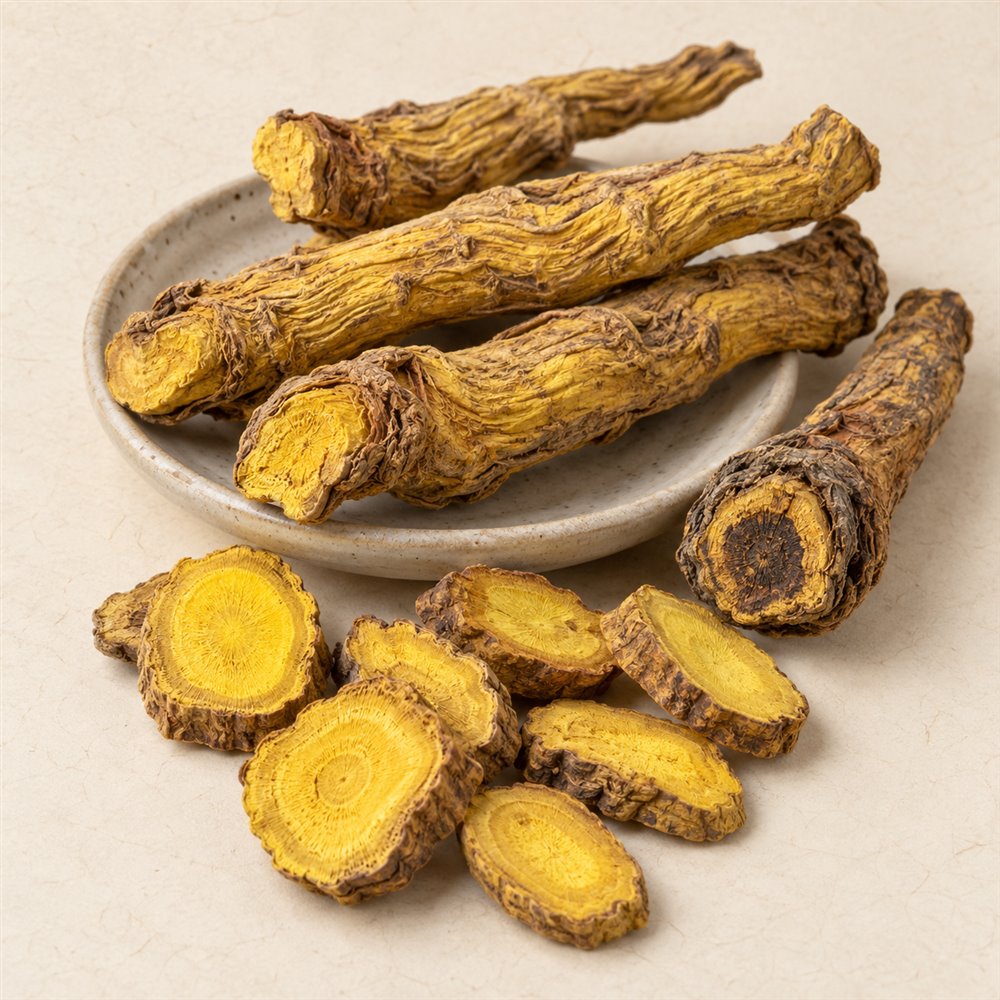
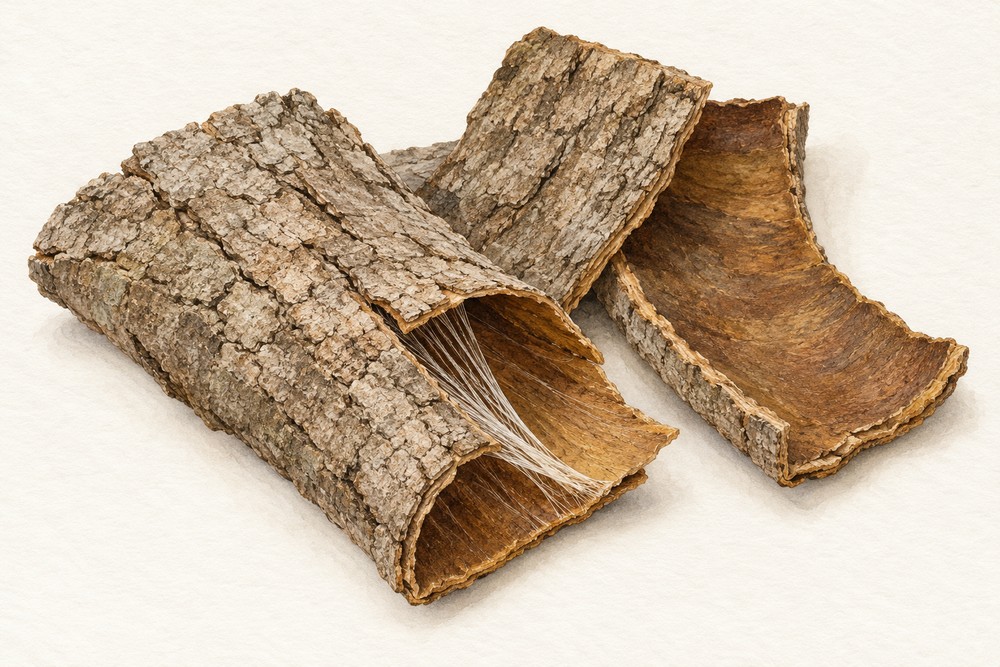
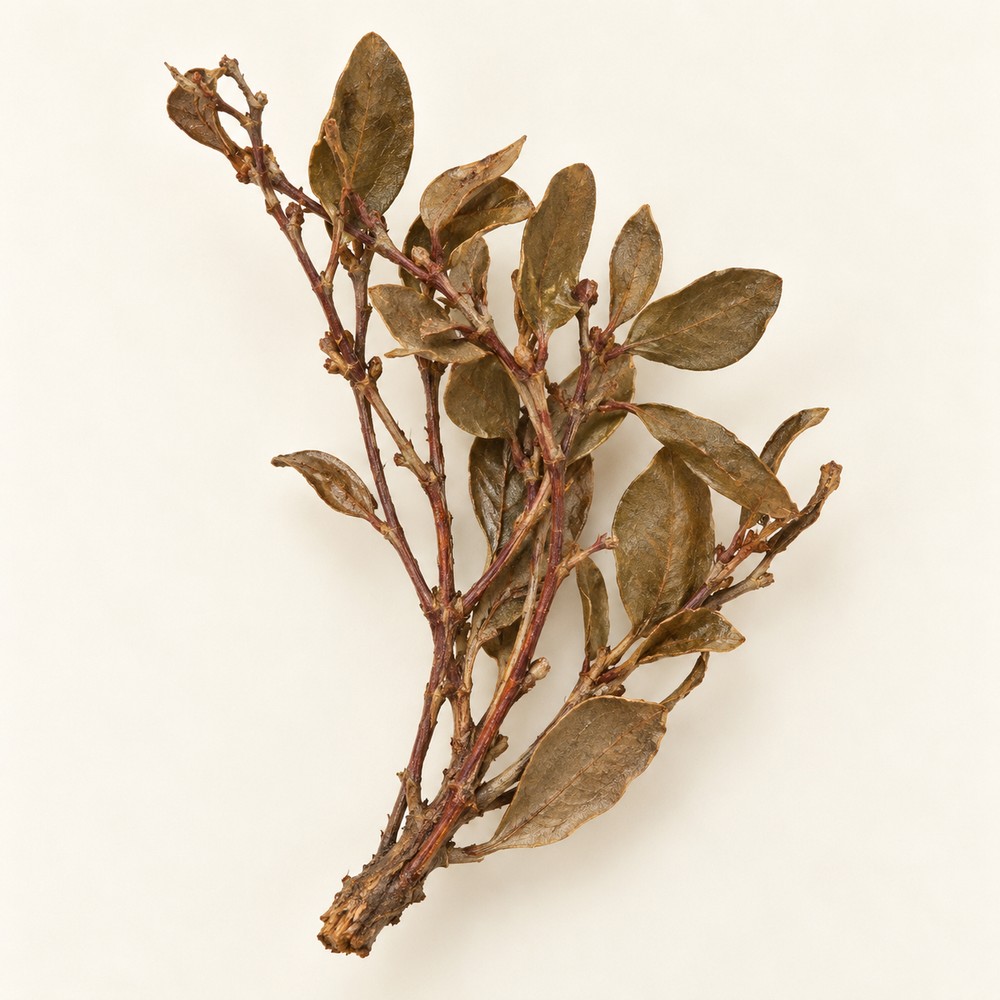
HKBU source-recorded composition
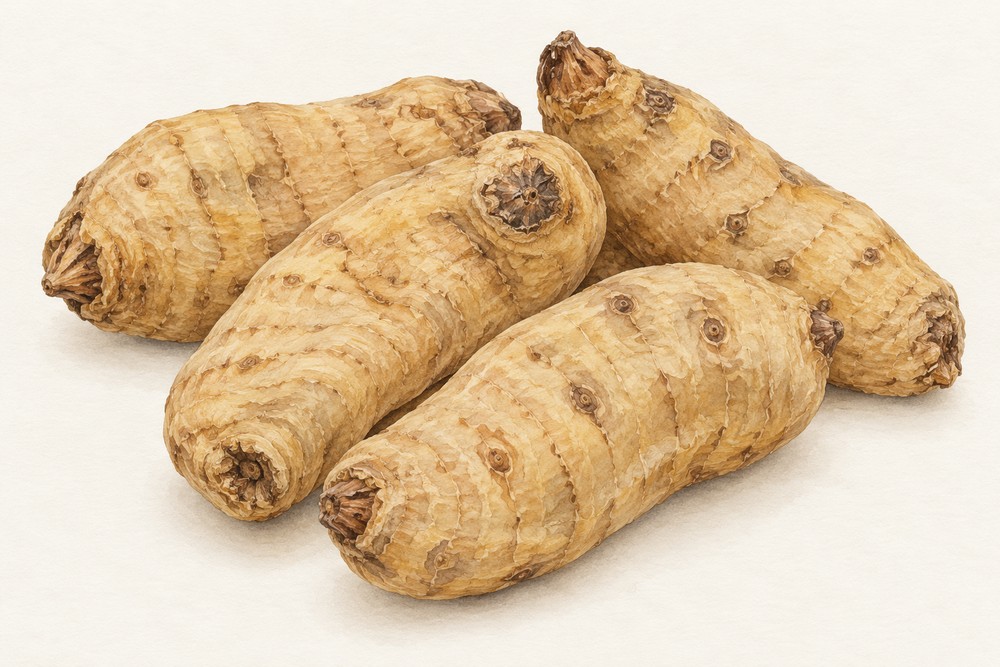
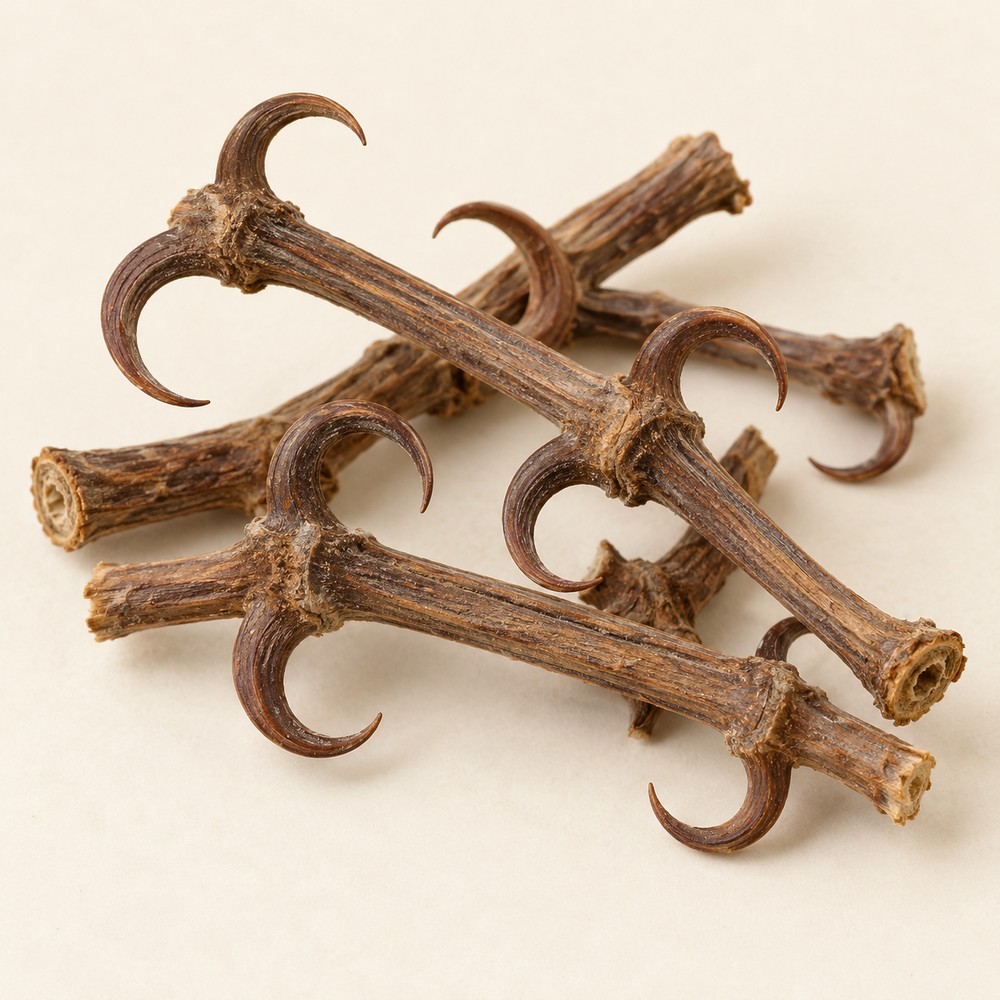
Gastrodiae Rhizoma (Tian Ma) 9g, Uncariae Ramulus cum Uncis (Gou Teng) 12g, Haliotidis Concha (Sheng Jue Ming) 18g, Gardeniae Fructus (Shan Zhi) 9g, Scutellariae Radix (Huang Qin) 9g, Cyathulae Radix (Chuan Niu Xi) 12g, Eucommiae Cortex (Du Zhong) 9g, Leonuri Herba (Yi Mu Cao) 9g, Taxilli Herba (Sang Ji Sheng) 9g, Polygoni Multiflori Caulis (Ye Jiao Teng) 9g, Poriae Pararadicis Sclerotium (Zhu Fu Shen) 9g
The ingredients and amounts below are one HKBU-recorded version; texts, historical units, processing, and modern products can differ. This is comparative reference data, not a home-preparation recipe or personal dose.
Open complete HKBU formula record ↗