Thinleaf milkwort root · Yuan Zhi
Polygala tenuifolia Willd. and accepted Polygala spp. · Root
Name and part used
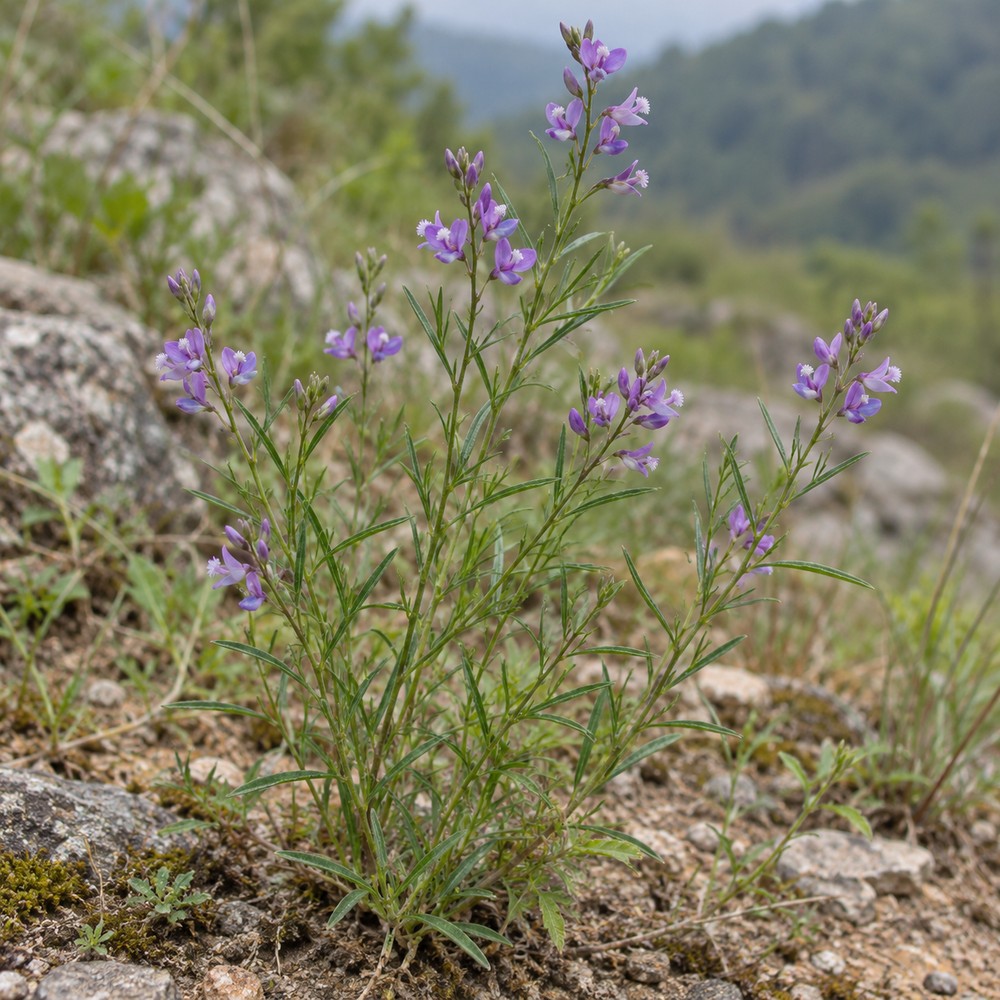
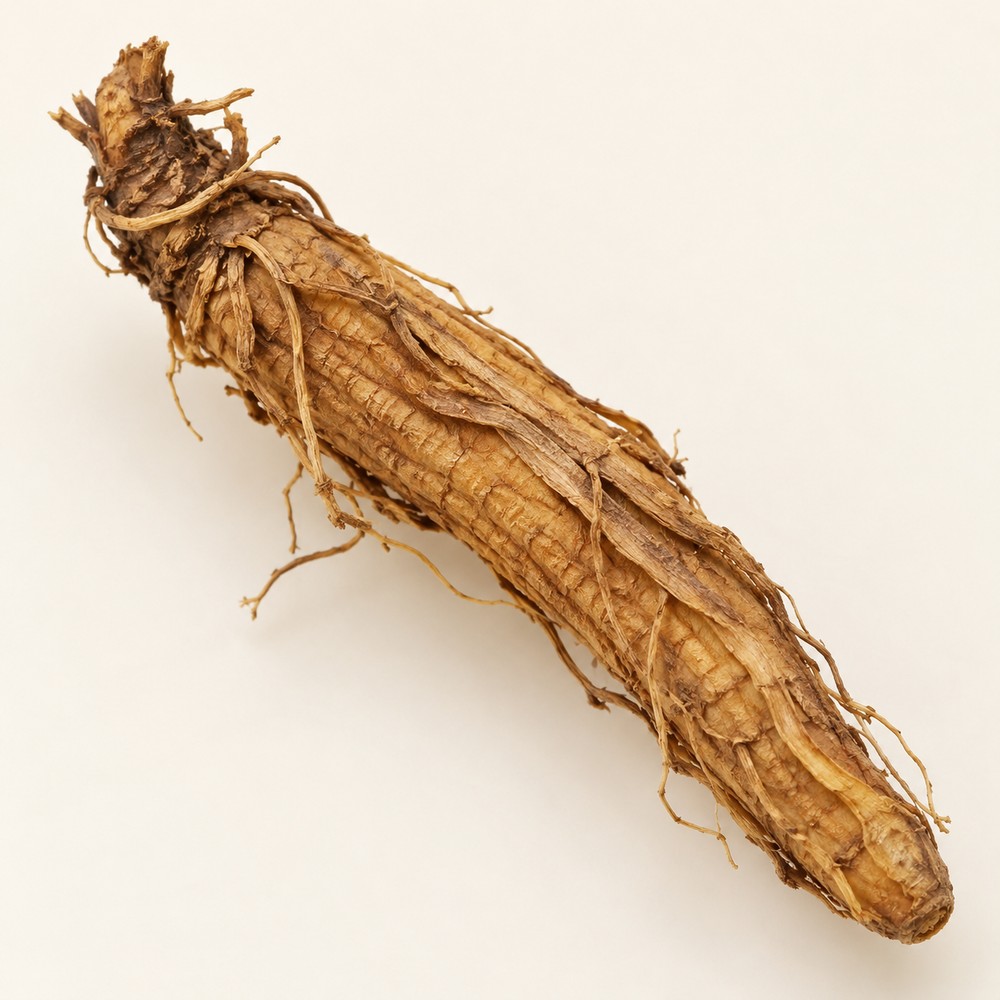
A low herb with narrow alternate leaves and small purple flowers; the yellow-brown root is wrinkled and has contrasting cortex and core.
Traditional context
Spirit-calming, memory-supporting, and phlegm-transforming are traditional claims; persistent insomnia, anxiety, or memory change needs assessment.
Modern evidence
HKBU lists several Polygala source species; dried roots have deep wrinkles and a cortex that can separate from the woody core. Photo alone is not definitive.
Safety
May irritate throat or stomach; processed forms differ. Review sedatives, pregnancy, and ulcers; avoid prolonged self-use.
Pairing in reference texts
Yuan Zhi appears with Bai Zi Ren, Suan Zao Ren, or Fu Shen in some historical calming formulas; this does not replace mental-health care.
Growing, care, and harvest timing
HKBU habitat record: Growing on sunny slopes or roadsides. Can be cultivated. Distributed in Northeast, North and Northwest China, Shandong, Jiangsu, Anhui, Jiangxi and etc. The medicinal materials are mainly produced in Hebei, Shanxi, Shaanxi and etc Harvest and processing as recorded: Excavated in spring and autumn. Removed fibrous roots and soil and dried
Source-recorded harvest/processing: Excavated in spring and autumn. Removed fibrous roots and soil and dried
The reviewed source does not provide a complete species-specific sowing/growing routine, irrigation/fertilization schedule, or universal plant age. The page therefore does not infer care instructions or years to harvest; consult local cultivation guidance.
Open habitat and season source ↗FROM PLANT / SOURCE HABITAT TO DRIED MATERIAL · REFERENCE WORKFLOW
- Đào rễ theo mùa của vùng trồng, rửa nhanh và loại đất, rễ dập.
- Harvest roots in the cultivated region's season, rinse promptly, and remove soil and damaged material.
These are post-harvest study notes, not directions to prepare a remedy for self-treatment. Processing reference ↗
How to read formula amounts
Displayed amounts belong to the cited formula and source; they are not a general safe ratio, treatment dose, or home-decoction instruction. Do not transfer amounts to another formula or adjust them by body weight.
Habitat, season, and harvest in the HKBU botanical record
HKBU botanical record (translated summary): Flowering and fruiting dates: Flowering: May to July, fruiting: June to August Habitat and distribution: Growing on sunny slopes or roadsides. Can be cultivated. Distributed in Northeast, North and Northwest China, Shandong, Jiangsu, Anhui, Jiangxi and etc. The medicinal materials are mainly produced in Hebei, Shanxi, Shaanxi and etc Harvest and processing as recorded: Excavated in spring and autumn. Removed fibrous roots and soil and dried
Open botanical source ↗HKBU formula record containing this herb: Gui Pi Tang / Spleen-Restoring Decoction
Traditional action in the source: Boosts qi, supplements blood; fortifies the spleen, and nourishes the heart
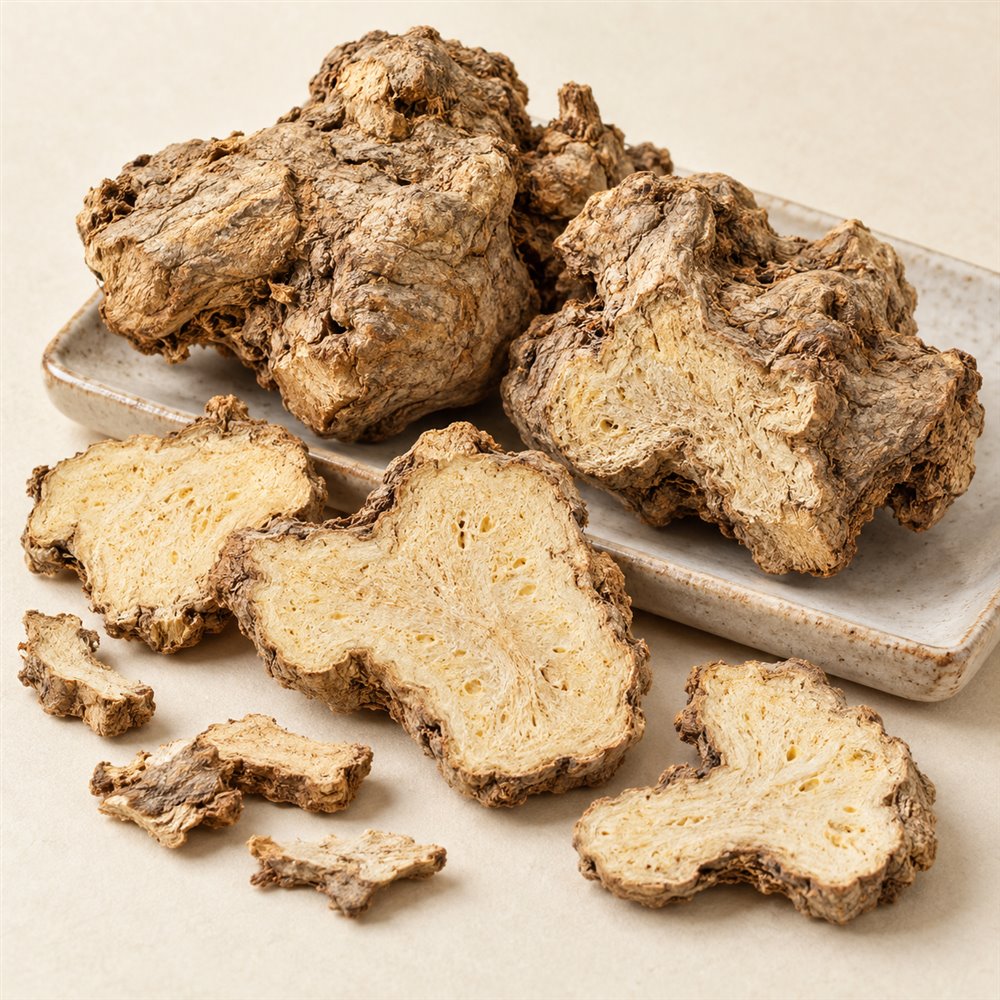
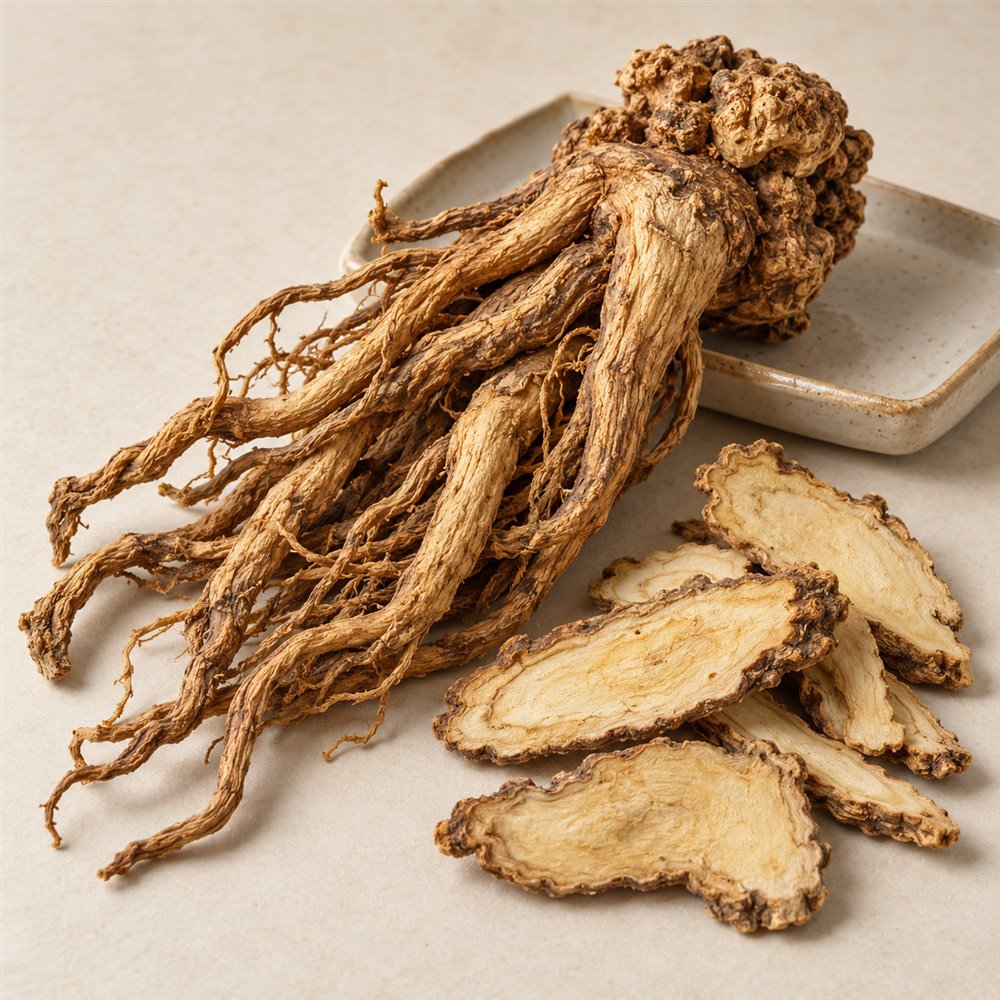
Ingredient images and source amounts are shown for comparison only; this is not a treatment recipe.
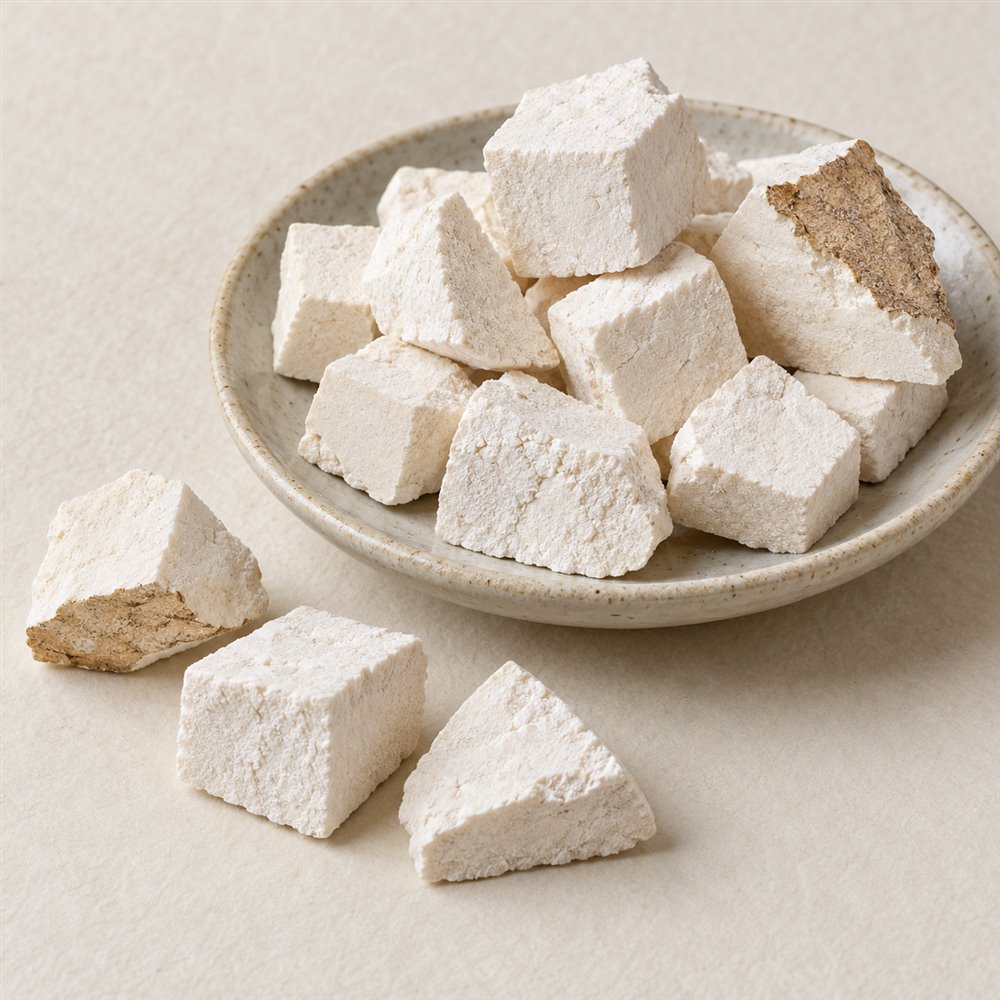
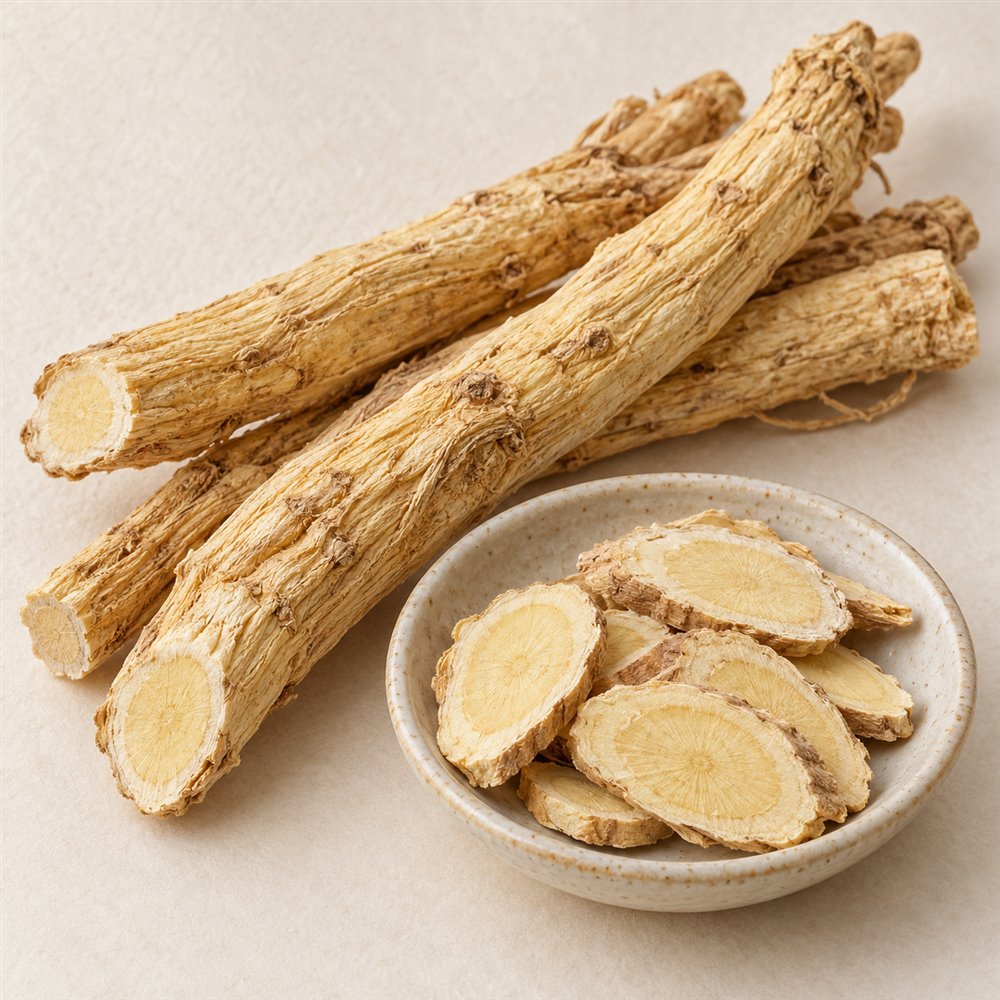
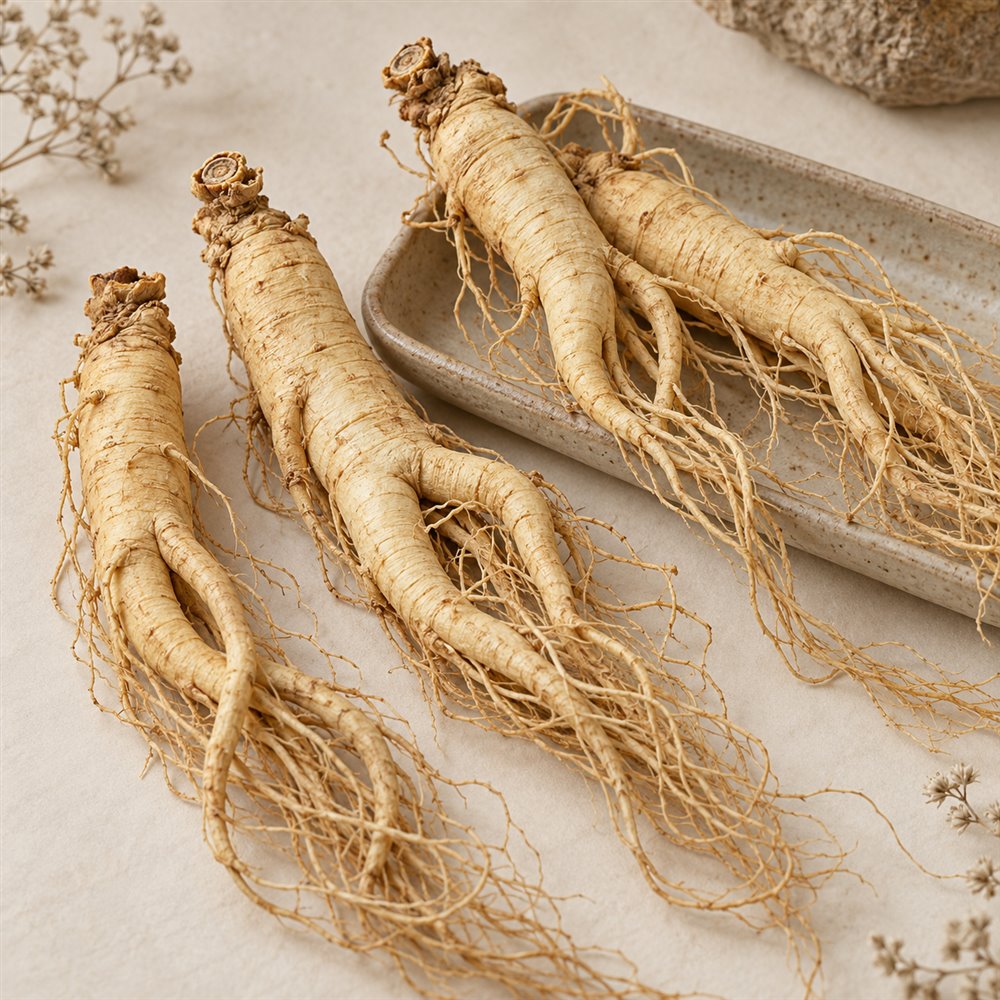
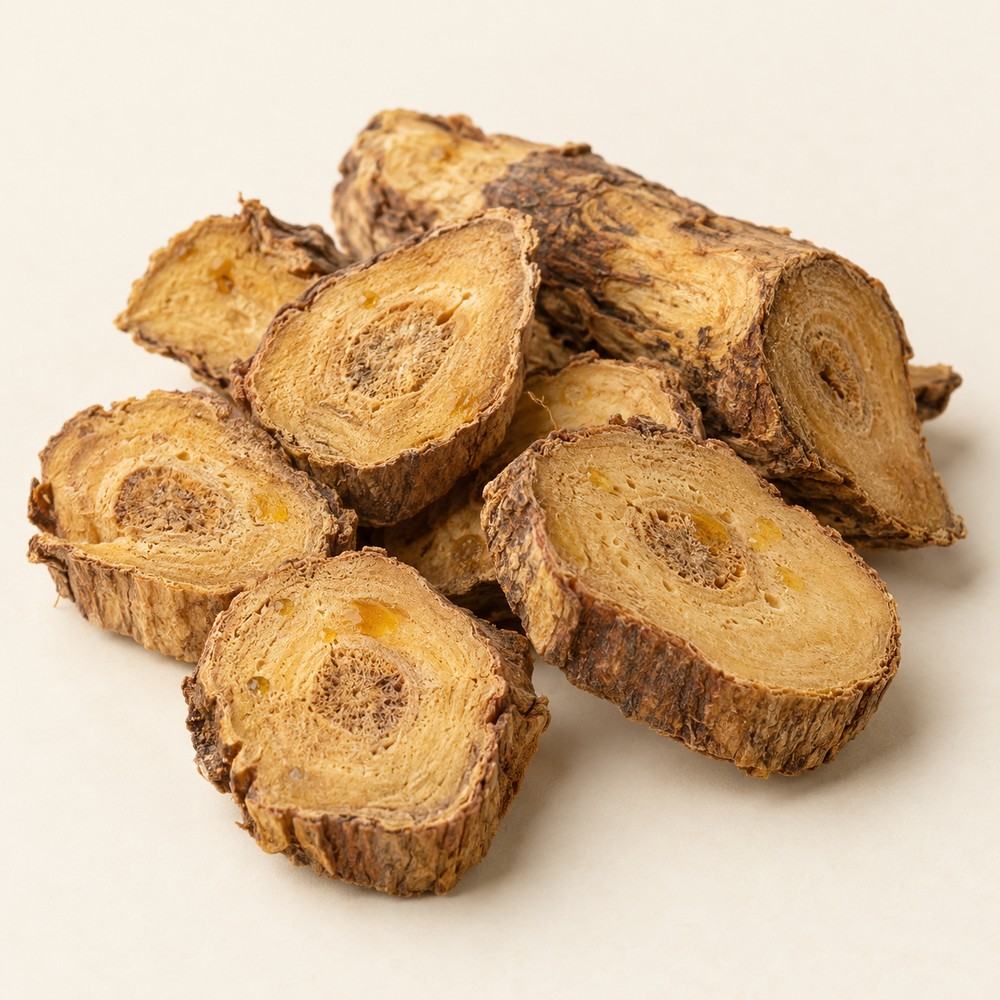
HKBU source-recorded composition
Atractylodis Macrocephalae Rhizoma (Bai Zhu) 1 qian (3g), Angelicae Sinensis Radix (Dang Gui) 1 qian (3g), Poria (Fu Ling) 1 qian (3g), Astragali Radix (Huang Qi) 1 qian (3g), Polygalae Radix (Yuan Zhi) 1 qian (3g), Longan Arillus (Long Yan Rou) 1 qian (3g), Ziziphi Spinosae Semen (Suan Zao Ren dry-fried) 1 qian (3g), Ginseng Radix et Rhizoma (Ren Shen) 1 qian (6g), Aucklandiae Radix (Mu Xiang) 5 fen (1.5g), Glycyrrhizae Radix et Rhizoma Praeparata cum Melle (Zhi Gan Cao) 3 fen (1g)
The ingredients and amounts below are one HKBU-recorded version; texts, historical units, processing, and modern products can differ. This is comparative reference data, not a home-preparation recipe or personal dose.
Open complete HKBU formula record ↗