Zi Su Zi · perilla fruit · Zi Su Zi
Perilla frutescens (L.) Britton · Dried mature fruit (commonly called seed)
Name and part used
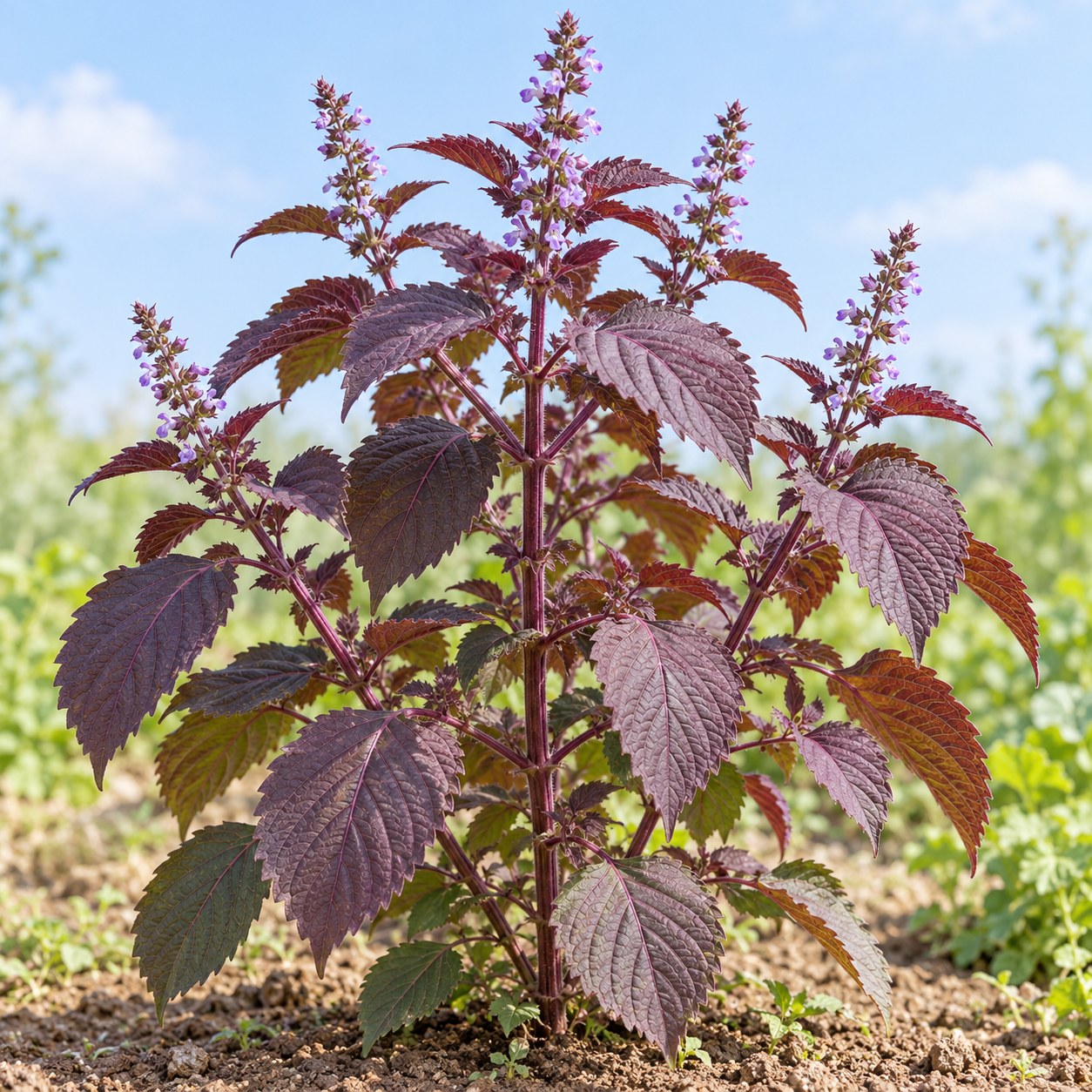
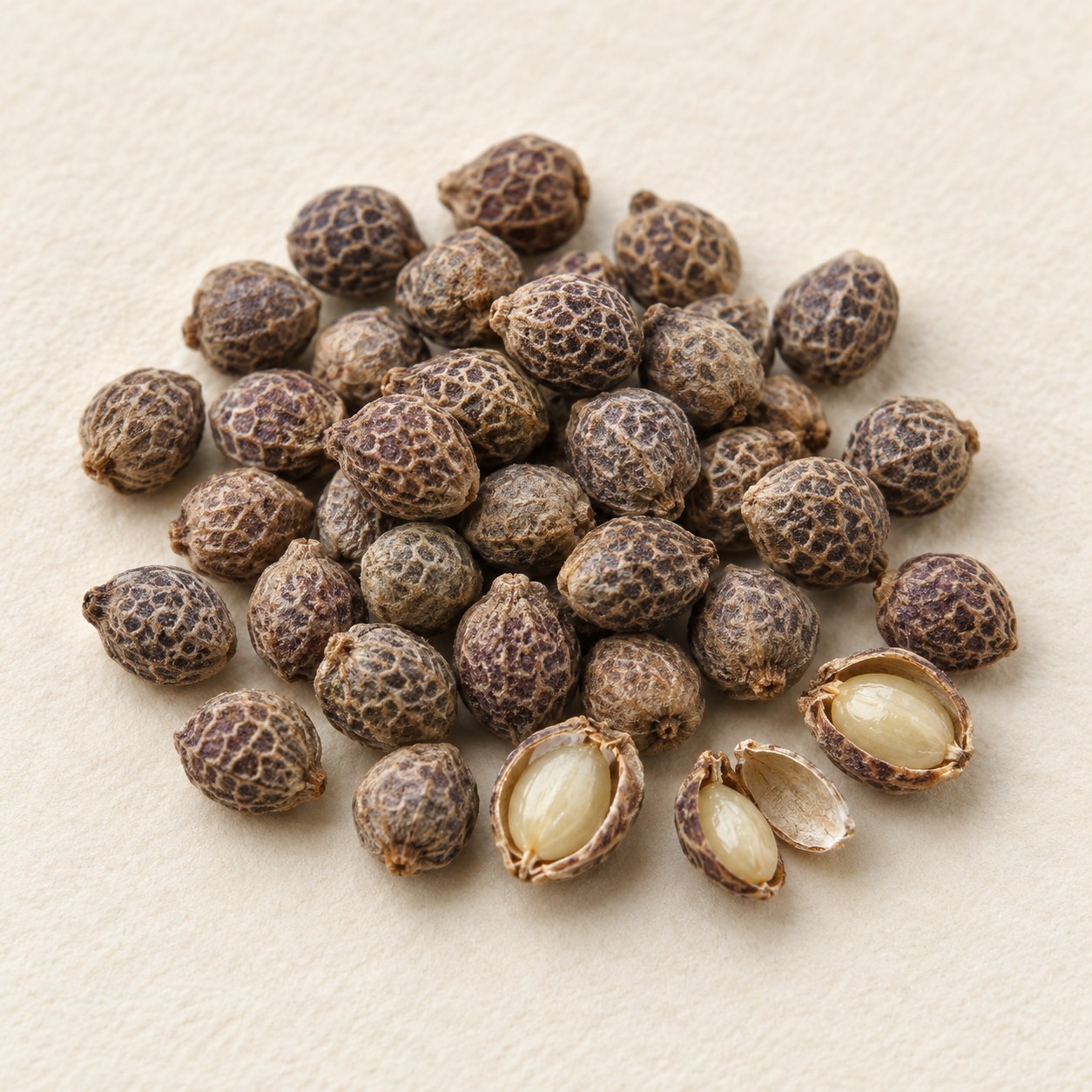
Zi Su Zi is the dried mature fruit of Perilla frutescens, the same species as culinary perilla/Zi Su Ye but a different medicinal part. This aromatic annual has upright square branching stems, opposite broad ovate leaves with toothed margins, and green, purple, or bicolored foliage. Small white to pale-purple flowers grow in terminal and axillary clusters. HKBU describes nearly spherical fruits about 1.5 mm across, gray-brown, thin and brittle with dark reticulate markings and a fragrant odor when crushed. The label “perilla seed” alone cannot authenticate a commercial lot or cultivar.
Traditional context
HKBU records Zi Su Zi as acrid and warm, with traditional actions of directing qi downward, transforming phlegm, calming panting, and moistening the intestines. These are materia medica descriptions, not evidence of treatment for asthma, COPD, pneumonia, or constipation. Seed, culinary oil, and processed medicinal material are not interchangeable products.
Modern evidence
HKBU documents identity, morphology, processing, and traditional actions; these records are not clinical trials showing that Zi Su Zi treats asthma or bowel disease. Nutrition research on perilla oil concerns fatty-acid composition and does not establish treatment efficacy from chemistry or cell/animal studies. Persistent cough, wheezing, chest pain, or breathlessness needs medical evaluation rather than an herb combination.
Safety
Avoid if allergic to perilla or oily seeds. People taking chronic medicines, pregnant or breastfeeding people, young children, or those with gastrointestinal disease should consult a clinician before concentrated use. The botanical record does not establish a universal safe dose. Breathlessness, blue lips, or chest pain requires emergency care.
Safety reference ↗Pairing in reference texts
HKBU records Zi Su Zi in Su Zi Jiang Qi Tang with Ban Xia, Dang Gui, Zhi Gan Cao, Qian Hu, Hou Po, and Rou Gui; see the ingredient images and source amounts below. This is a historical formula, not evidence that each pair has been clinically tested. Reviewed sources do not establish a specific toxic pair for Zi Su Zi; absence of a report does not make every combination safe.
Identification and study notes
On the living plant, look for hairy square stems, opposite leaves, and broad ovate blades with coarse teeth; foliage may be green, purple, or bicolored. Small flowers form whorls in terminal/axillary clusters, followed by tiny fruits enclosed by the calyx. The study material here is the mature fruit, not the perilla leaf. HKBU describes nearly spherical fruits ~1.5 mm across, gray-brown with dark reticulation; a broken fruit reveals a pale, oily kernel. Commercial lots may contain mixed cultivars, dust, mold, or foreign seeds; AI art only illustrates general morphology and cannot authenticate a field specimen or lot.
Growth and habitat
Perilla frutescens is widely cultivated in China and East Asia; Kew records it as native to the Himalaya, China, and Indochina and widely grown as an ornamental, culinary, and medicinal herb. NParks lists full sun, moderate water, and fast growth. Use clean, well-drained soil with moderate organic matter; branching plants need airflow and do not need waterlogged beds.
Identification and study notes
On the living plant, look for hairy square stems, opposite leaves, and broad ovate blades with coarse teeth; foliage may be green, purple, or bicolored. Small flowers form whorls in terminal/axillary clusters, followed by tiny fruits enclosed by the calyx. The study material here is the mature fruit, not the perilla leaf. HKBU describes nearly spherical fruits ~1.5 mm across, gray-brown with dark reticulation; a broken fruit reveals a pale, oily kernel. Commercial lots may contain mixed cultivars, dust, mold, or foreign seeds; AI art only illustrates general morphology and cannot authenticate a field specimen or lot.
Growing and care
- Gieo hạt nông sau khi thời tiết ấm, phủ lớp giá thể mỏng, tưới phun để giữ ẩm mà không làm úng. Tỉa cây con khi có lá thật, để cây trưởng thành không chen chúc.
- Sow shallowly after warm weather begins, cover lightly, and mist to keep the medium moist without saturation. Thin after true leaves appear so mature plants are not crowded.
How long until harvest? Fruits mature within one growing season; HKBU specifies autumn harvest at maturity but not days after sowing, so a fixed “ready in X days” claim is unsupported. Seed-to-mature-fruit timing is measured in months and varies by cultivar, latitude, and planting date; a home-grown dried sample is not automatically medicinal grade.
Documented formula pairing: Su Zi Jiang Qi Tang · Perilla Fruit Qi-Descending Decoction
HKBU classifies this among qi-regulating/phlegm-resolving formulas and records Zi Su Zi with Ban Xia, Dang Gui, Zhi Gan Cao, Qian Hu, Hou Po, and Rou Gui for a traditional upper-excess/lower-deficiency pattern. This is a historical record, not an asthma or lung-disease treatment plan.
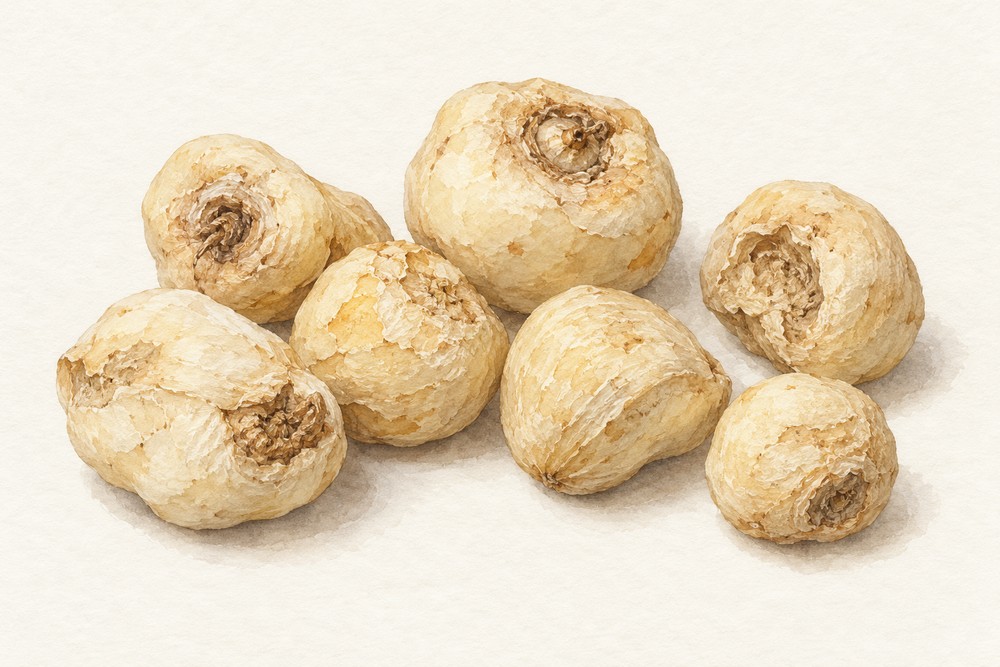
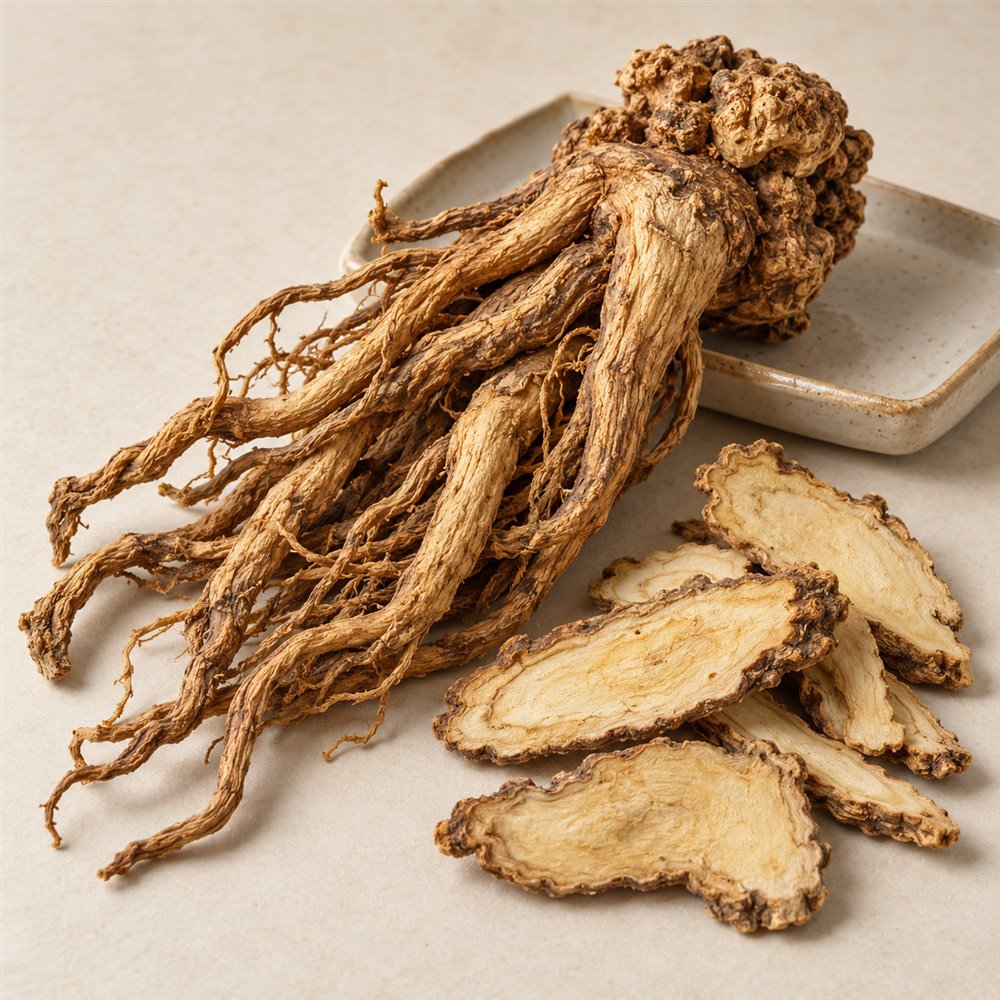
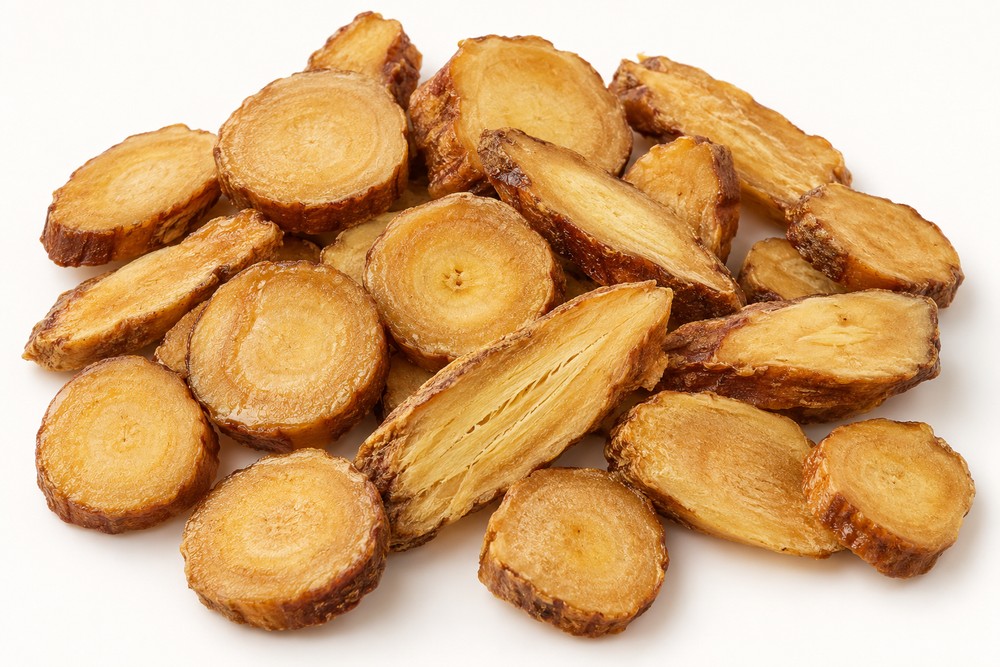
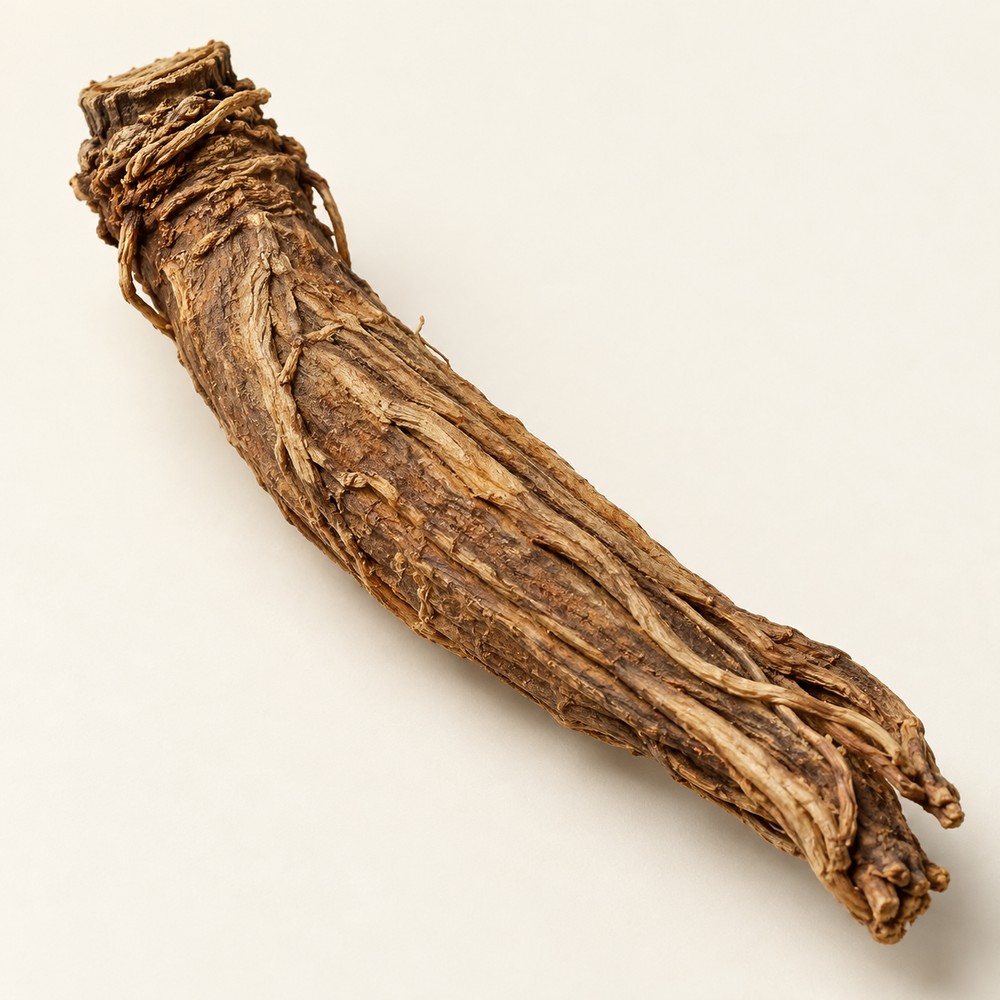
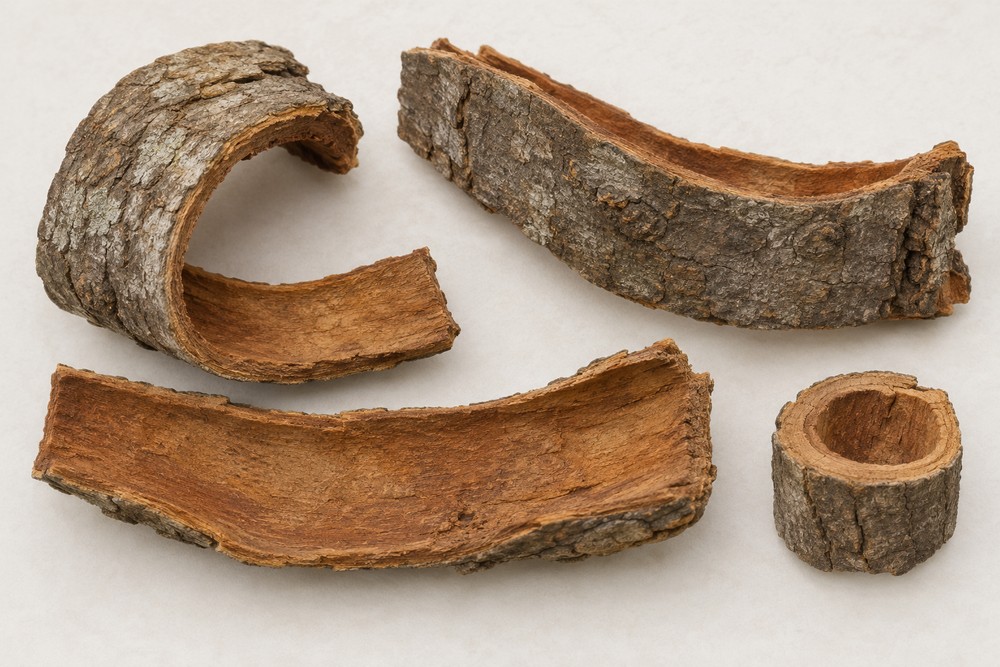
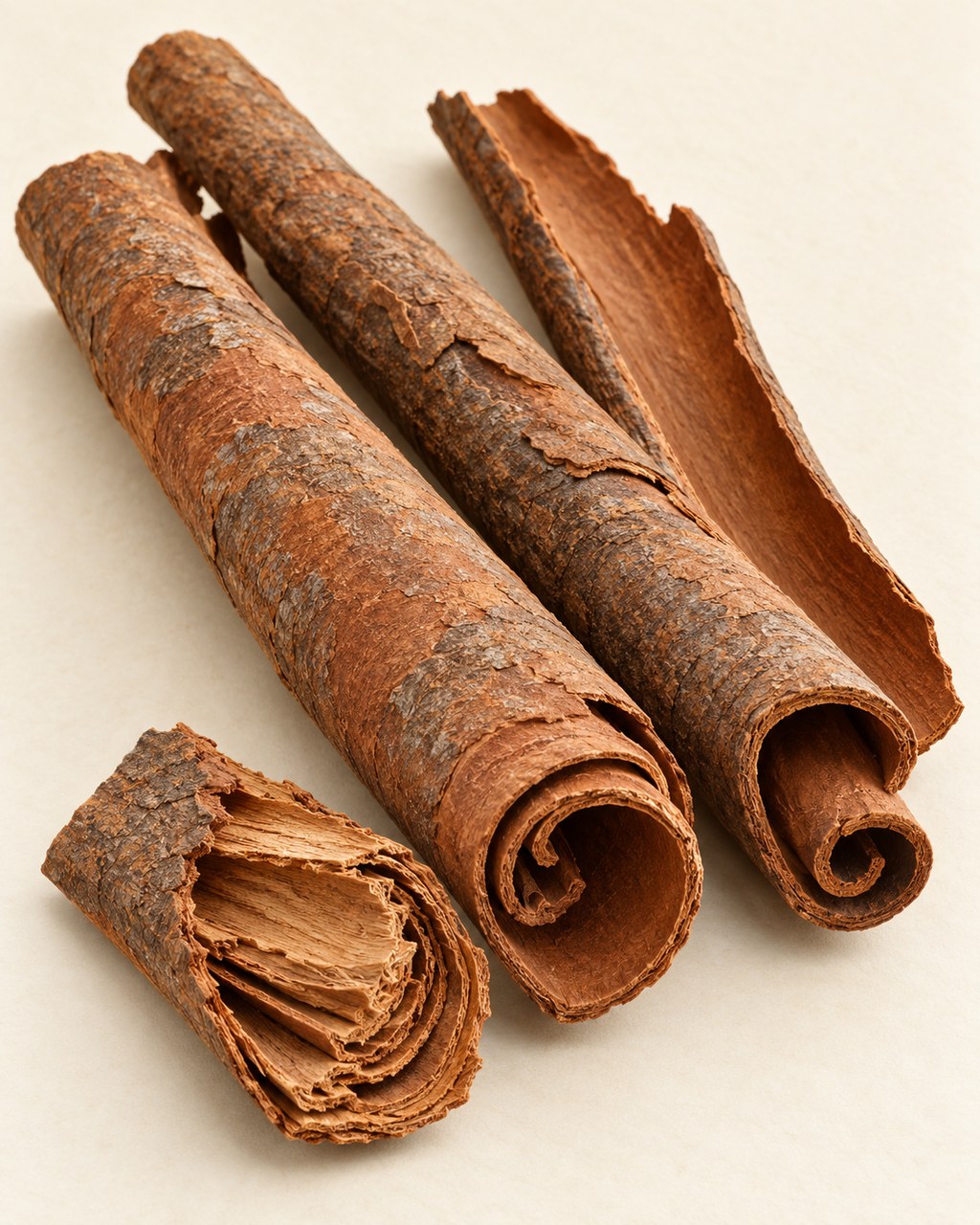
Source-recorded amounts: HKBU records source amounts of 75:75:45:60:30:30:45 g for the seven main herbs. The historical method also adds fresh ginger, jujube, and Zi Su Ye during decoction; these source quantities are not personal doses and must not be scaled for self-treatment.
Caution: HKBU cautions that the formula is warm and drying and is unsuitable for cough/wheezing attributed to lung-kidney yin deficiency or phlegm-heat in the lung. Ban Xia must be the properly processed material and all ingredients require quality control. Breathlessness, an asthma attack, chest pain, or coughing blood needs urgent care.
Open formula record ↗FROM PLANT / SOURCE HABITAT TO DRIED MATERIAL · REFERENCE WORKFLOW
- Harvest mature fruits in autumn per HKBU; keep lots separate and do not mix unknown cultivars/species.
- Remove stems, leaves, soil, empty fruits, and mold; do not wash unless clean drying can begin immediately.
- Sun-dry or use controlled low-temperature drying until dry; fruits are tiny (~1.5 mm), gray-brown, reticulate, with pale kernels and an aroma when crushed.
- Cool, seal against moisture, and record provenance/date. Honey-frying or oil pressing creates different preparations; this is not a decoction or self-treatment recipe.
These are post-harvest study notes, not directions to prepare a remedy for self-treatment. Processing reference ↗
Habitat, season, and harvest in the HKBU botanical record
HKBU describes Perilla at about 30–200 cm with hairy square stems and opposite leaves; flowering June–August and fruiting July–September. It is wild or cultivated across China; leaves, fruits, and stems are distinct materia medica parts. Leaves are harvested in summer; Zi Su Zi fruits in autumn at maturity, cleaned and sun-dried.
Open botanical source ↗